Collection
News & Updates
52 updates
News, updates, and stories from the frontlines of forest conservation in Costa Rica.
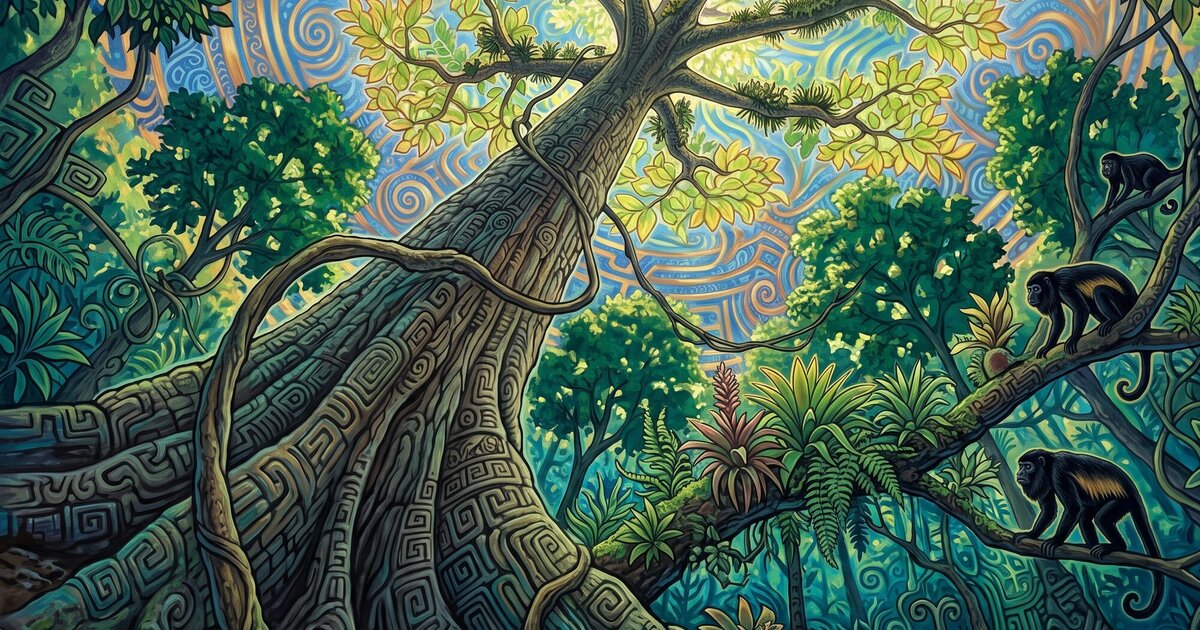
What a tree does with light
We follow carbon through leaves, roots and trunks to investigate why more sunlight need not bring proportionally more wood, even when a tree reaches the canopy.

When Is a Mouse a New Species?
How taxonomy learned to both split and lump species: an Andean rat, a salamander on Cerro de la Muerte, and the hidden diversity of Costa Rica's peaks.
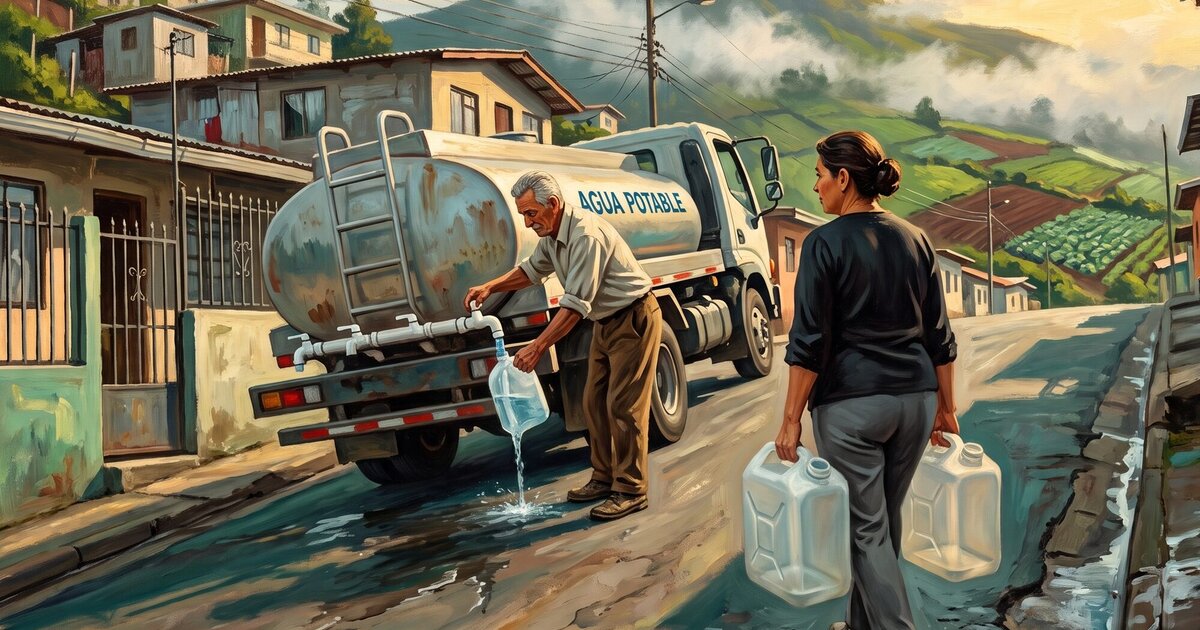
200 Times the Legal Limit
Ten thousand people in the vegetable highlands have been drinking from cisterns since 2022 because their tap water is poisoned. The government's response: raise the legal limit by up to 800 times.
What One Clause Has Stopped
One clause in a 1996 law has been used to undo forest converted to pasture, crops, houses, roads, and even a drug plantation across Costa Rica.
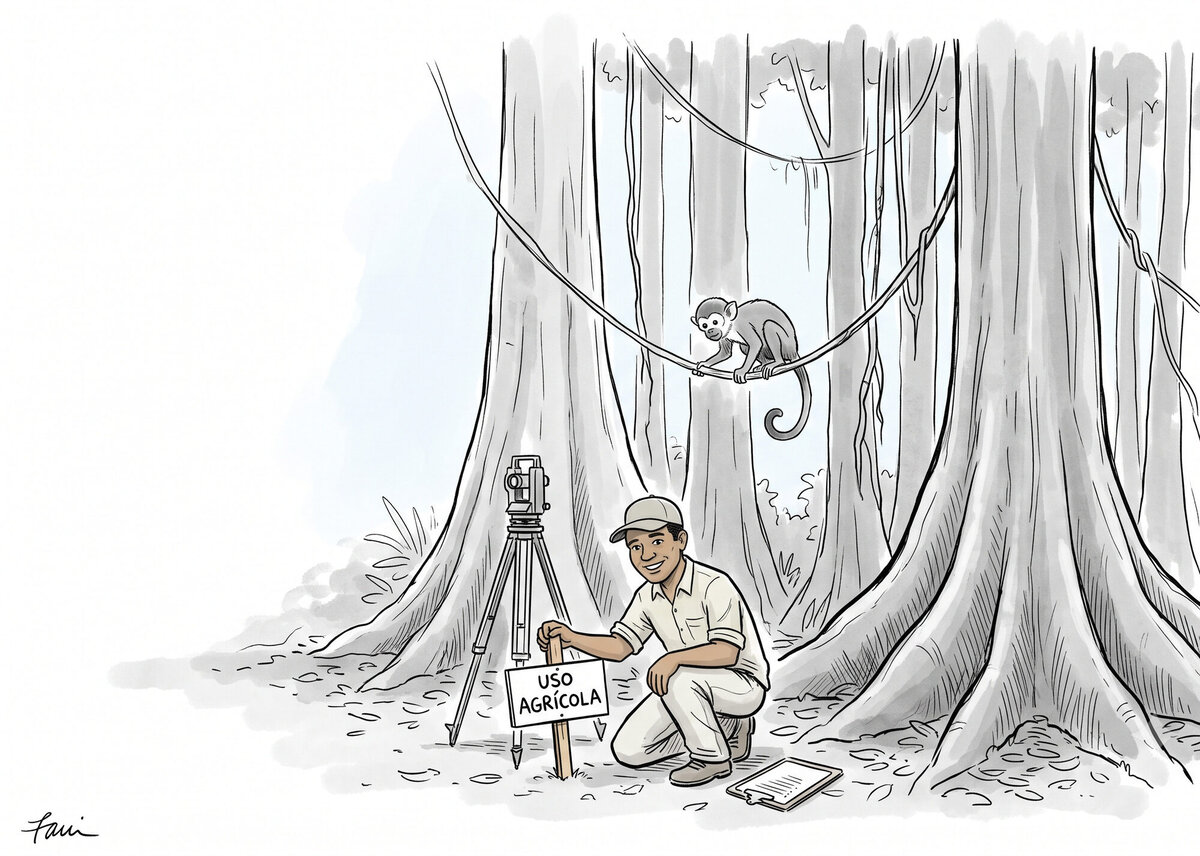
Zoned Agricultural, Covered in Forest
Forested land in Osa is being subdivided as farmland, at a lot-size minimum four times smaller. The municipality treats the label as a formality; the courts already said it cannot.

When Does Heat Become Forest Failure?
Satellite maps show more tropical canopy crossing a measured threshold for leaf stress. But the maps do not show where forests are dying. Laboratory leaf tests, flux towers and long-term plots each mark a different temperature at which heat starts to cost a forest something, and the heat added by clearing is the part a land-use decision can still prevent.
The Tallest Trees Were Supposed to Die First
A 2026 study found the tallest tropical trees are not the drought-fragile giants theory predicted. The neotropical evidence splits, and no published study has measured how Costa Rica's almendro and ceiba move water.

Same Height, Five Times the Carbon
Costa Rica's forest carbon starts as a tape around a trunk and a number read from a table. The World Bank has paid US$34 million on the result.

Roots in the Tide
Mangroves cover about a tenth of a percent of the world's land, and from that sliver they feed coastal fisheries, take the force out of storm surge, and store several times more carbon per hectare than an inland forest. On International Mangrove Day, a look at what they are, where the great ones stand, and why 99.85 percent of Costa Rica's are on a single coast.
The Audit With Addresses
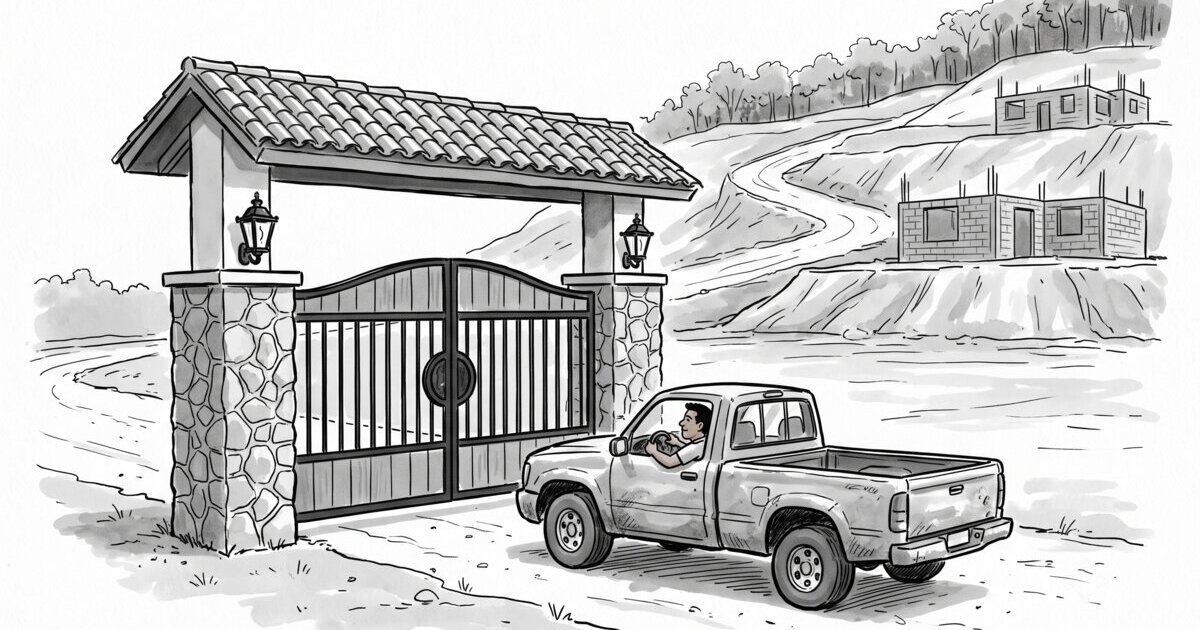
The Contraloría ordered SINAC and the Municipalidad de Osa to inspect three properties in the Paso de la Danta corridor and prosecute if warranted, by September 18. It found the clearing on Google Earth, after the agencies certified they had no records of it.
The Forest That Will Not Come Back
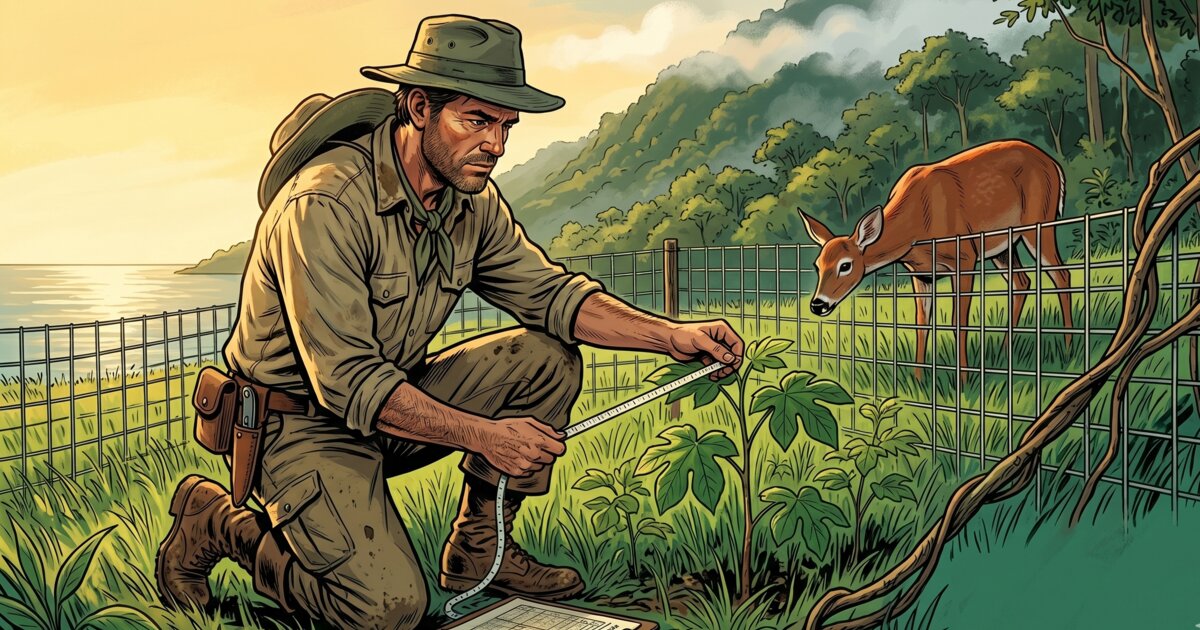
Ten hectares of forest on Isla del Coco were left to recover on their own in 1881. A hundred and forty-five years later, they still are not forest.
When Plantations Become Forests
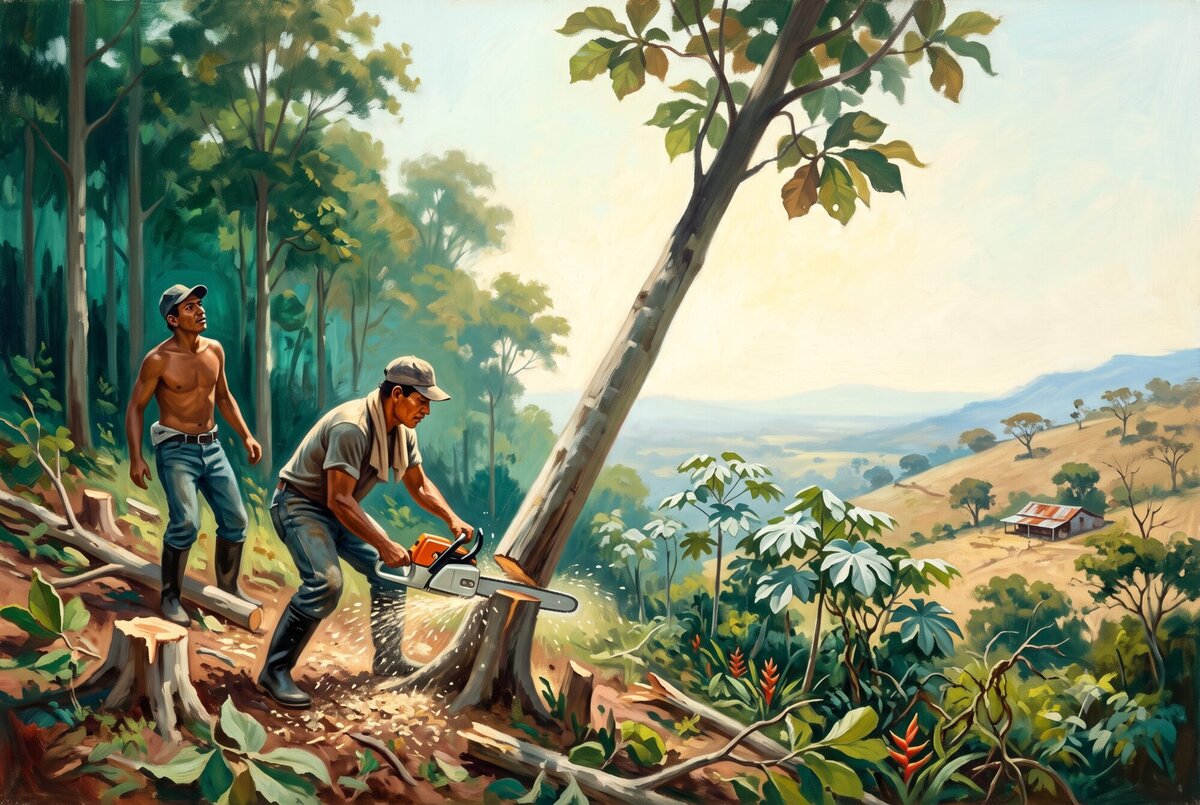
The Sala IV ruled abandoned timber plantations can become legally protected forest. Nineteen years and seven failed reform bills later, the law has not changed.

The Gulf That Keeps Getting Saved
A tropical fjord protected on paper again and again, where the rules hold better in the decree than on the water, and nothing governs the boats in the whale nursery.
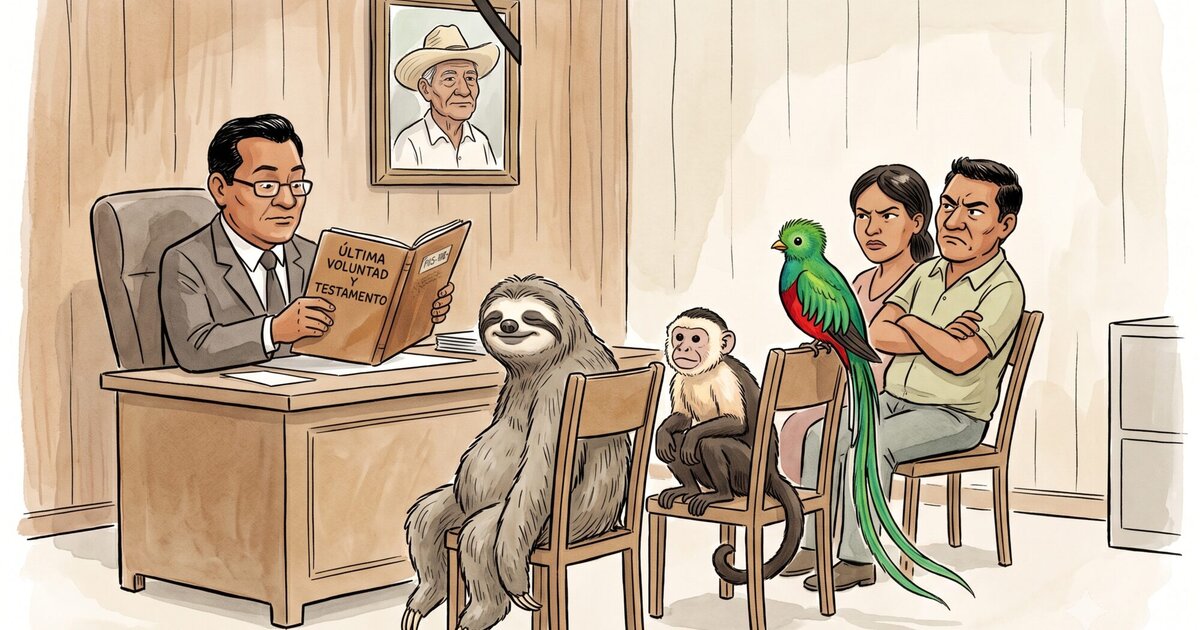
Beyond the Easement: Making Forest Conservation Permanent
The instruments that let you keep your title protect the forest today and lock nothing after you. A ranked guide to the options that actually survive your death and a future owner's signature, from the natural-reserve label to State ownership.

One fig, seventeen visitors
Camera traps thirty meters up in a Monteverde fig recorded seventeen mammal species using one platform across sixty days, on a tree species that climbing tours are starting to favour.

Room to Cross
Thousands of wild animals die on Costa Rica's roads each year, and the wildlife crossings that could save them work only where they are built right.

Thirty-three years of capuchins, and a forest that won't sit still
Thirty-three years of trail-walking at Lomas Barbudal show twelve capuchin groups rearranging themselves as the forest dries.
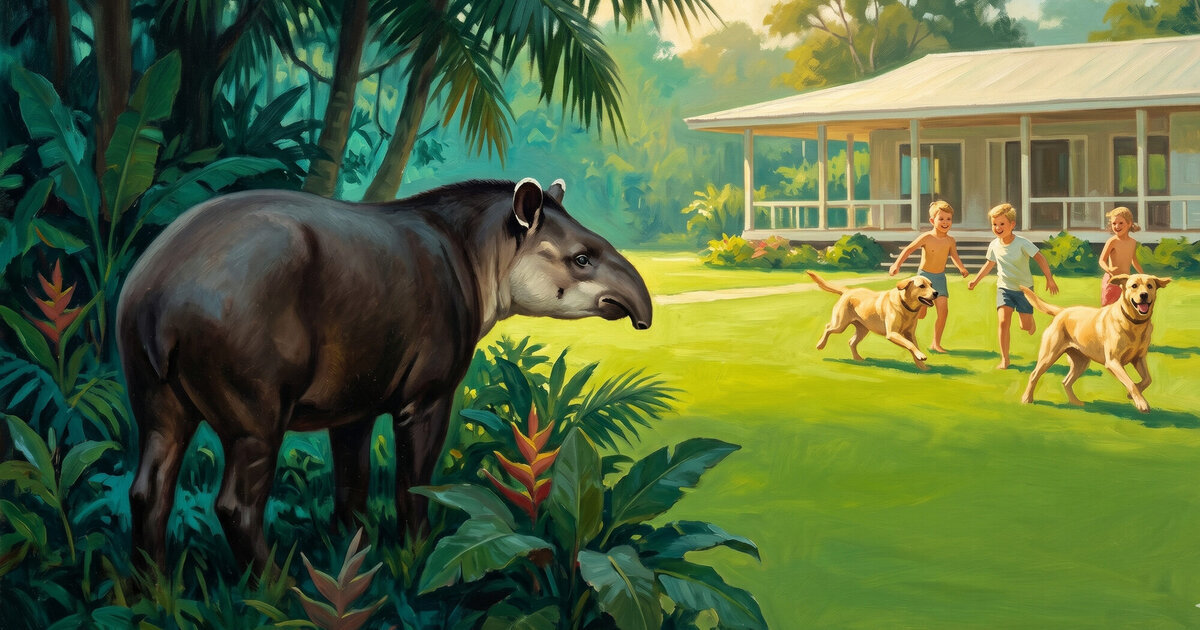
The Municipalities That Couldn't Find the Corridor
The Contraloría ordered six municipalities along the Paso de la Danta corridor to build environmental review into their construction permits. Three had told the auditor the corridor does not cross their territory.
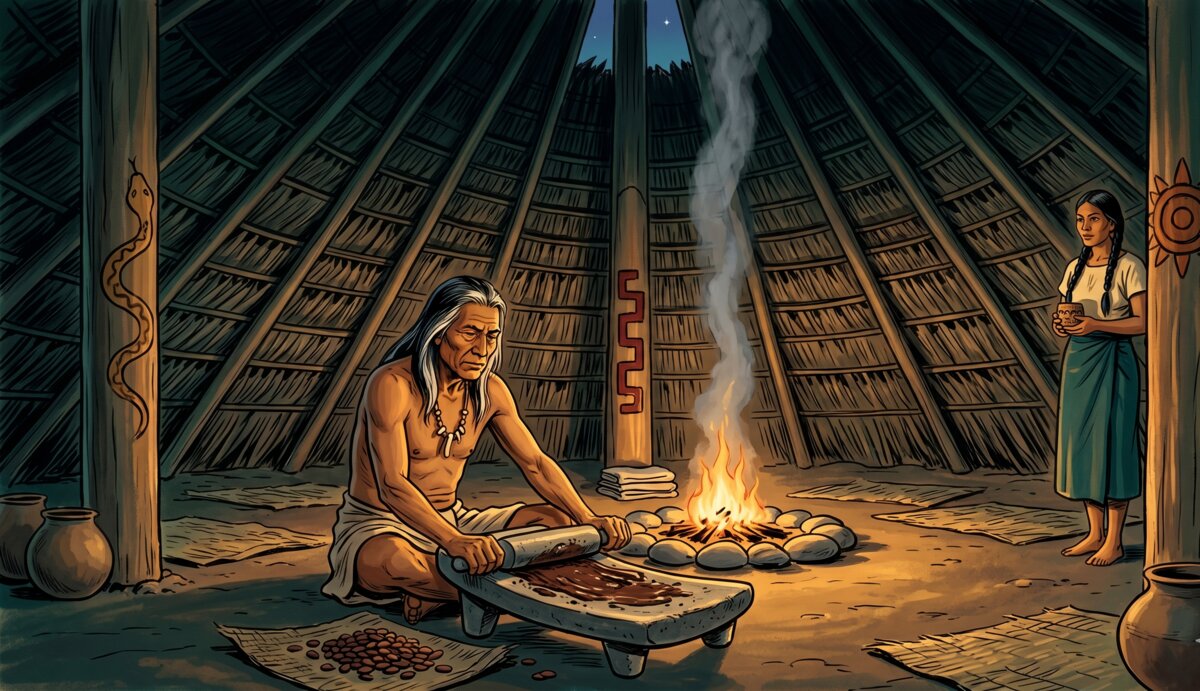
The People Who Knew the Forest
For 12,000 years, indigenous peoples managed Costa Rica's forests as living systems. The forests they shaped were better than pristine.

What the Auditors Found
The national auditor found 81 percent of forestry permits were missing a mandatory requirement and 90 percent of coastal projects skipped the site visit. The same government had moved to centralize control of the audited agencies.
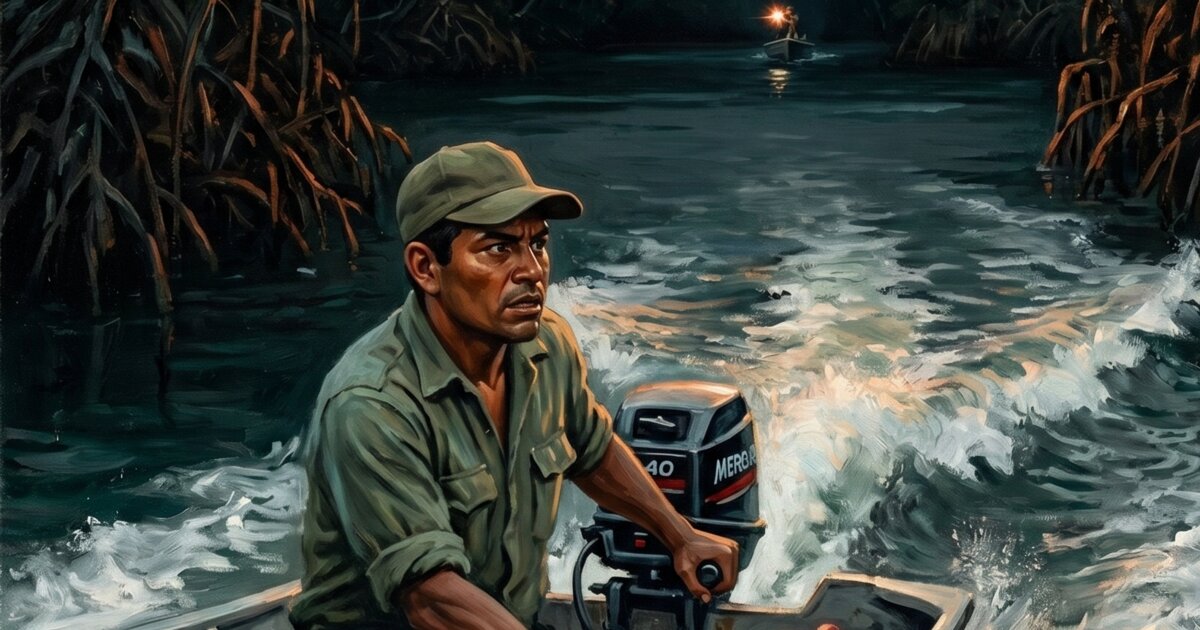
An Endangered Species
Costa Rica's park rangers call themselves an endangered species. Their agency lost 40 percent of its budget while its territory grew more than 500 percent.
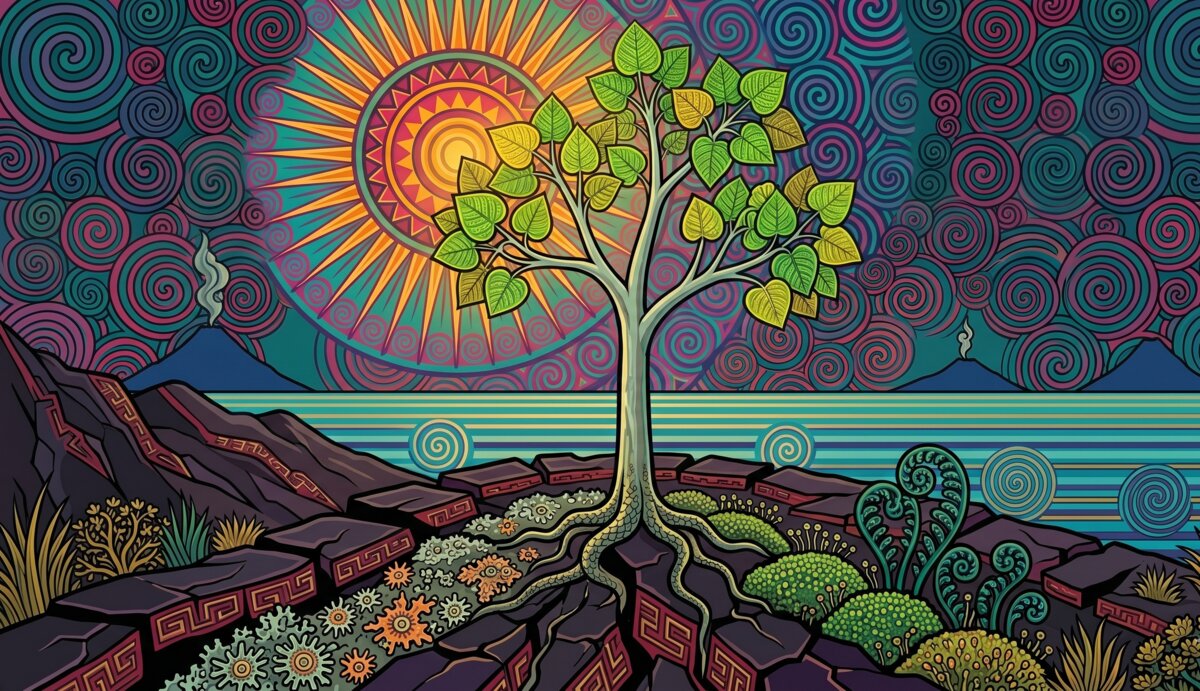
The First Tree
Seventy million years of tectonic collision and pioneer colonization built the most species-dense country on Earth. Most of it was cleared in a generation.
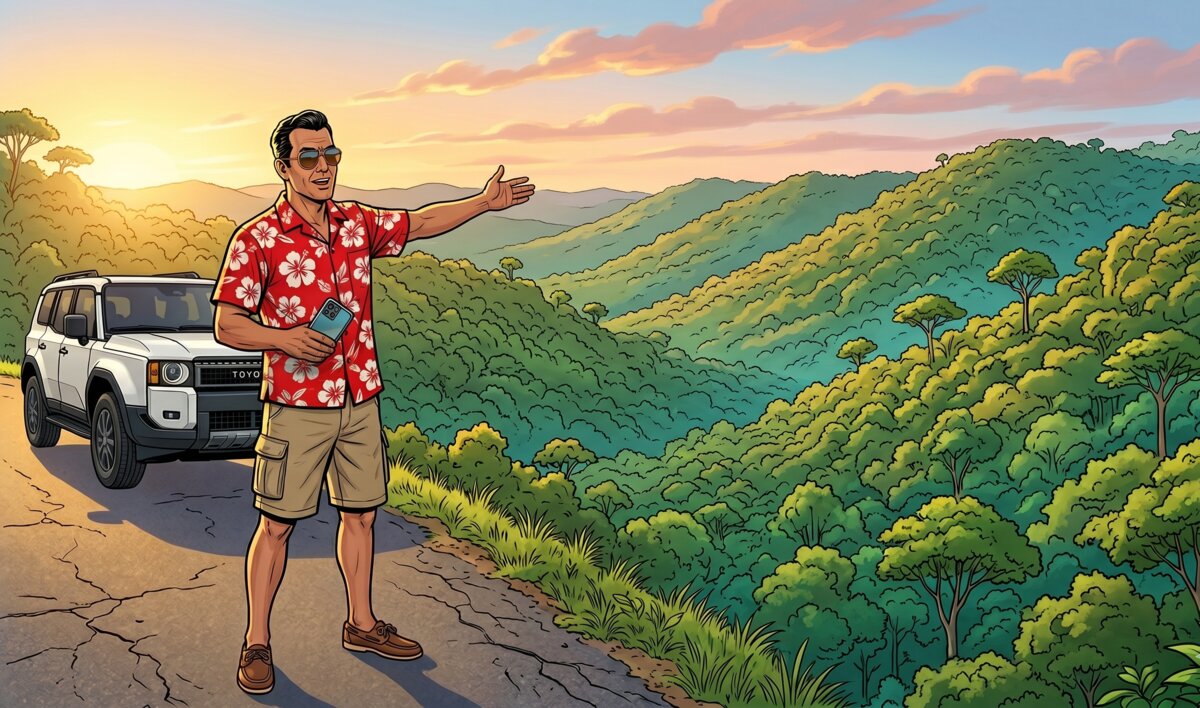
It Was Just Pasture
Costa Rica's forest cover climbed from 21 to 52 percent. The recovery is real. It is also a real-estate sales pitch, and the part it leaves out is the part worth telling.
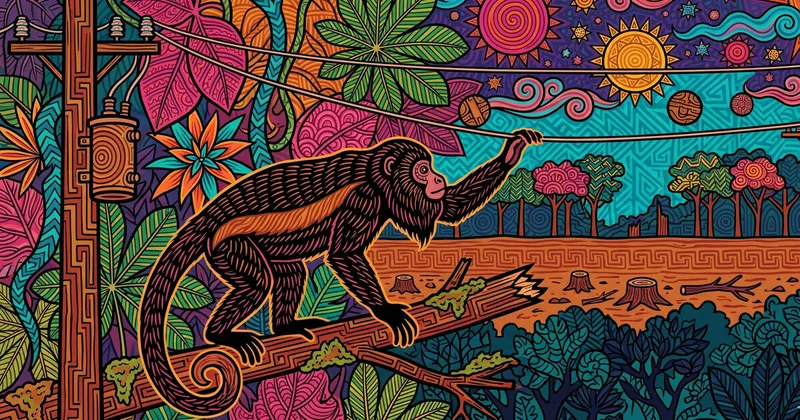
The Wires
Costa Rica brands itself green while its electrical grid kills 7,000 animals a year. Three decades of regulations, almost no enforcement.

Built, and Empty
Governments keep building international airports that nobody flies into. The Palmar Sur proposal slots cleanly into a seventy-year global pattern.
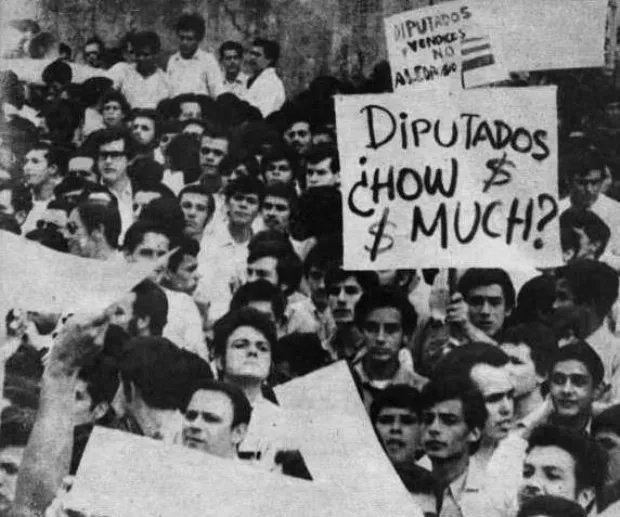
The Whale Tail
In 1968, ALCOA bought the right to strip-mine the Valle del General. The students who lost the protest saved Punta Uvita anyway.
What an Airport Leaves in the Water
An airport in the Diquís Delta would feed PFAS, jet fuel, and heavy metals into a wetland that nurses thirteen shark and ray species.
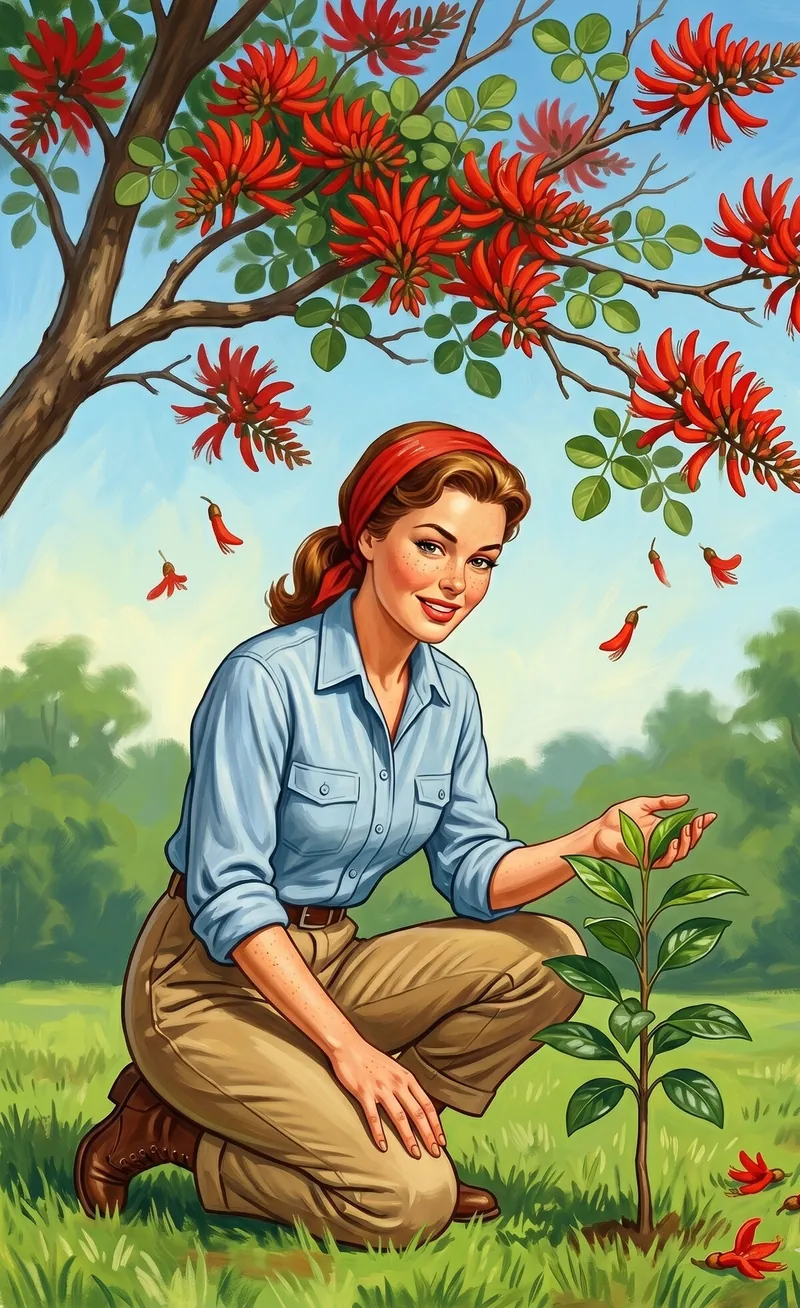
What should you plant, and how far apart? A reader asks.
Two reforesters offer a landowner near Uvita opposite plans. The Costa Rican science says the right answer begins with the site, not the spacing.
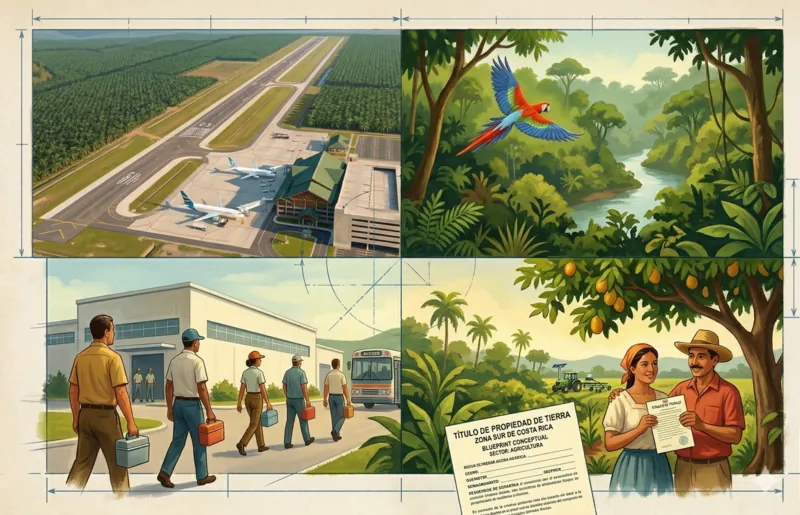
A Blueprint for the Southern Zone
Five investments instead of one airport. A plan that meets every stated goal in Palmar Sur without displacing a single farming family.
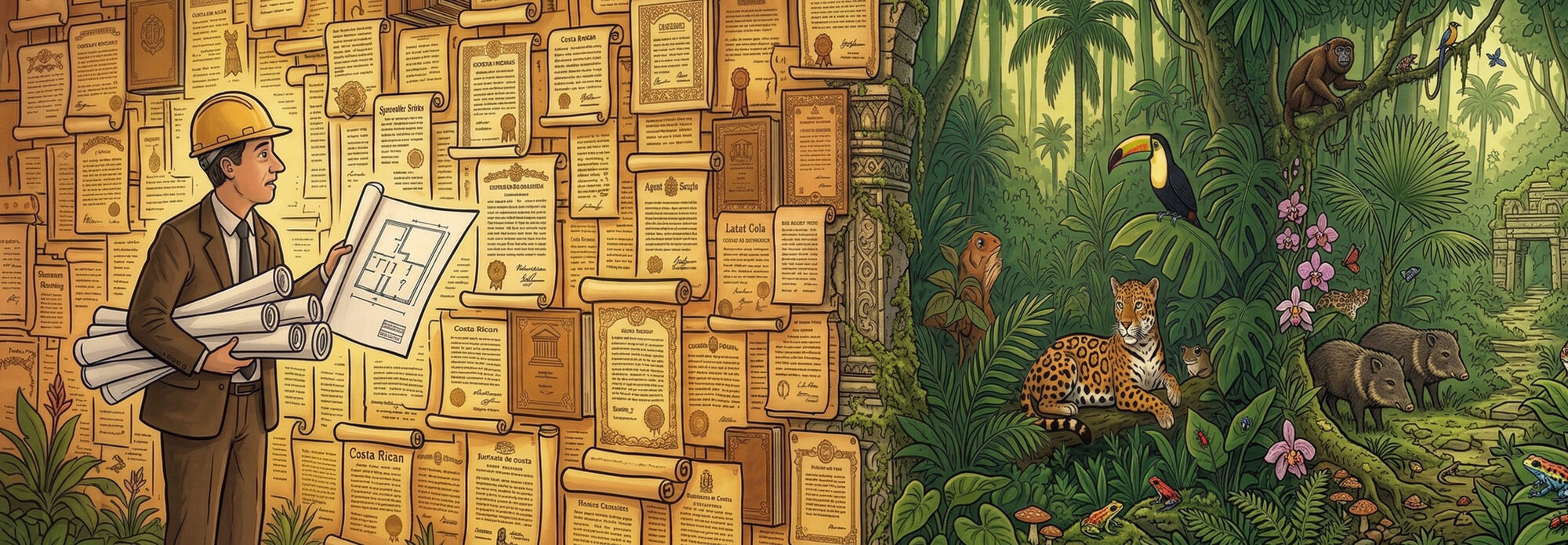
A Developer Walks Into a Forest
Three decades of Sala IV rulings have built a doctrinal architecture that makes destroying biodiverse habitat extraordinarily hard to do legally. Here is how it locks together.
An Airport Where the Weeds Are
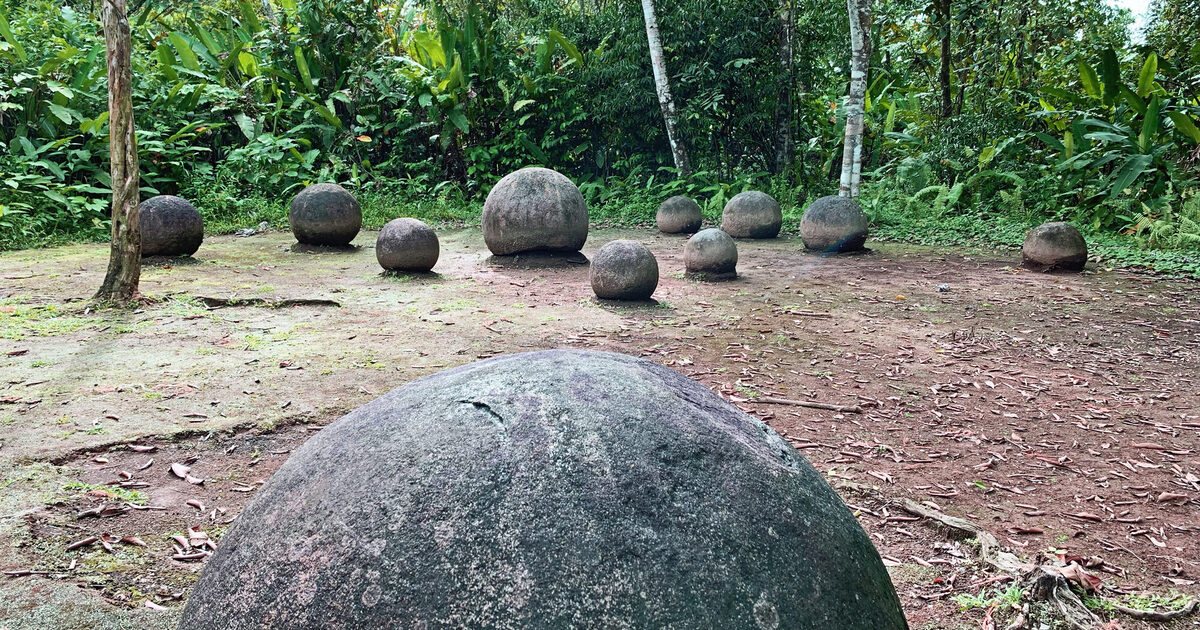
350 farming families built the Diquís Delta after the banana company left in 1984. The government wants their fincas for an airport SETENA already rejected.

The Species We Lost
Costa Rica's deforestation erased reservoirs of endemic species, many of them never named. What regrew is genetically narrower.
What is Biodiversity, Anyway?
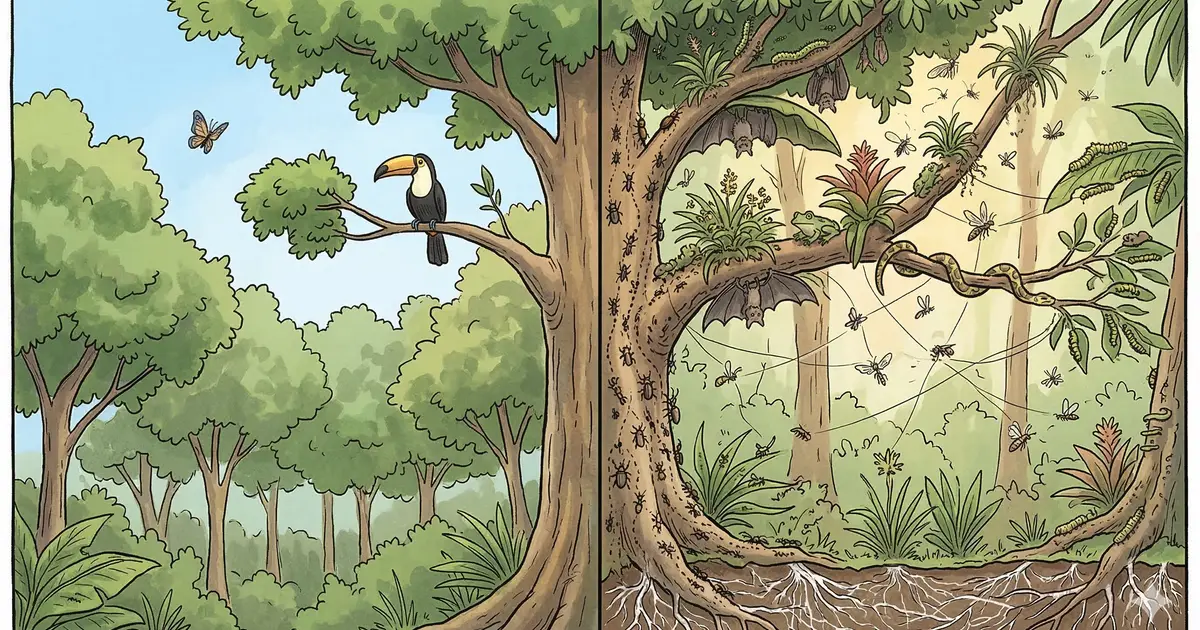
The word was invented in 1986 to fit a conference title. It now describes the most complex system science has tried to understand. What it actually means.
Letter to a Realtor: Why Biodiversity is Precious
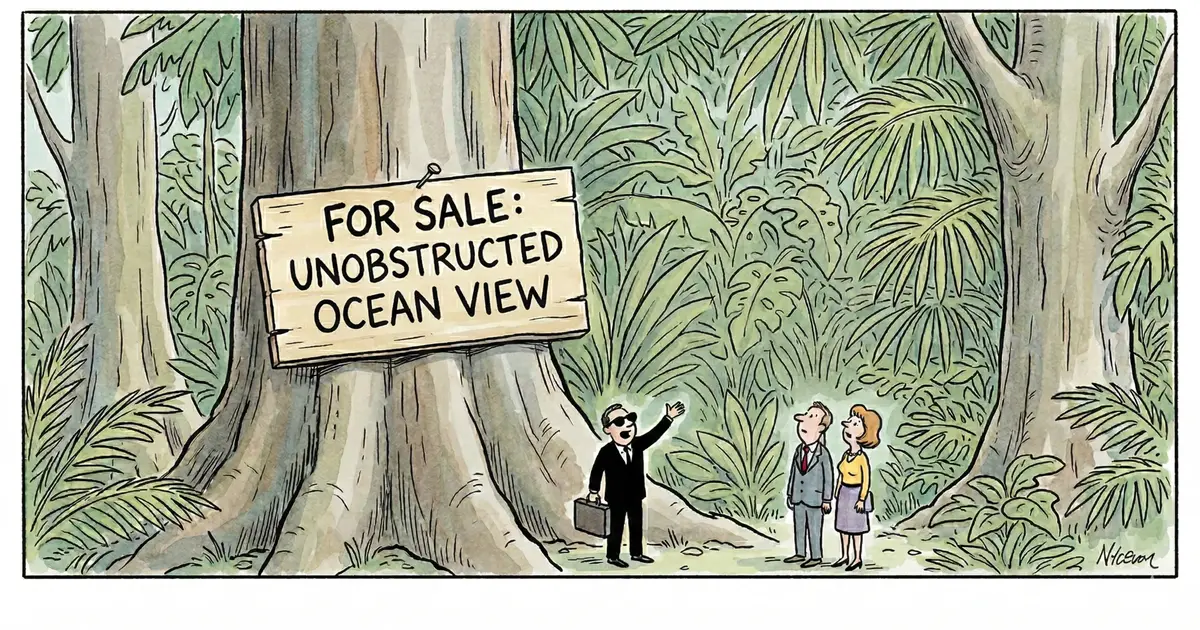
An open letter to a Brunca real-estate broker. The forested ridge you are selling is an irreplaceable library, not a building site.
How the Térraba Kept Flowing
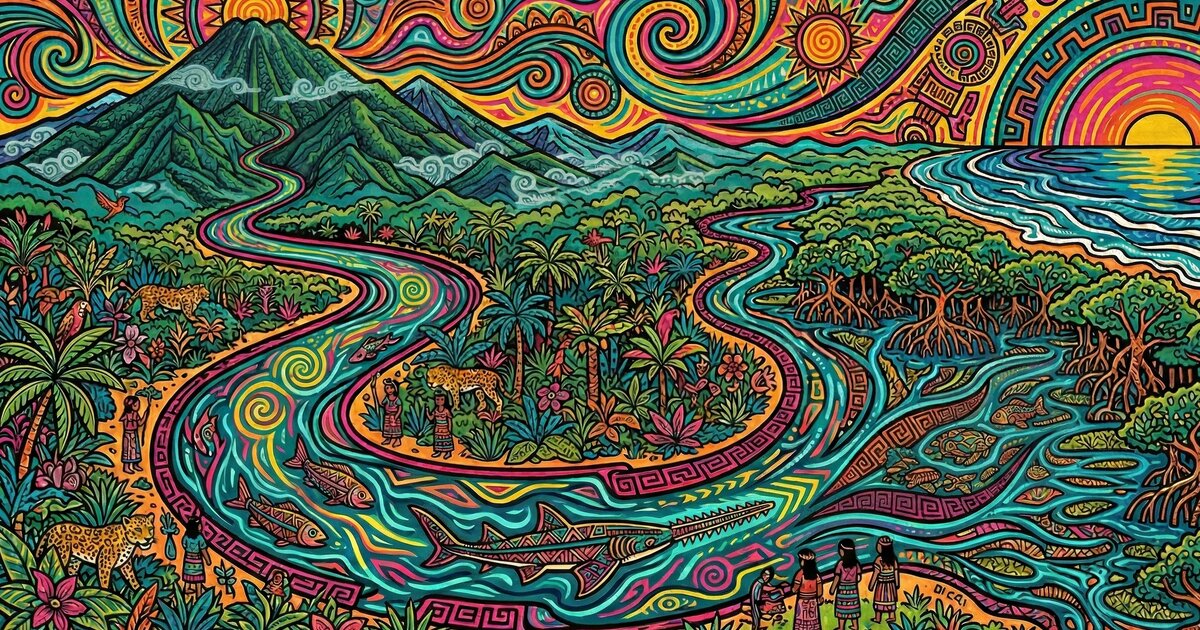
Costa Rica declared a hydroelectric dam on indigenous territory "national convenience." Fourteen years and $146 million later, the Sala IV killed it.
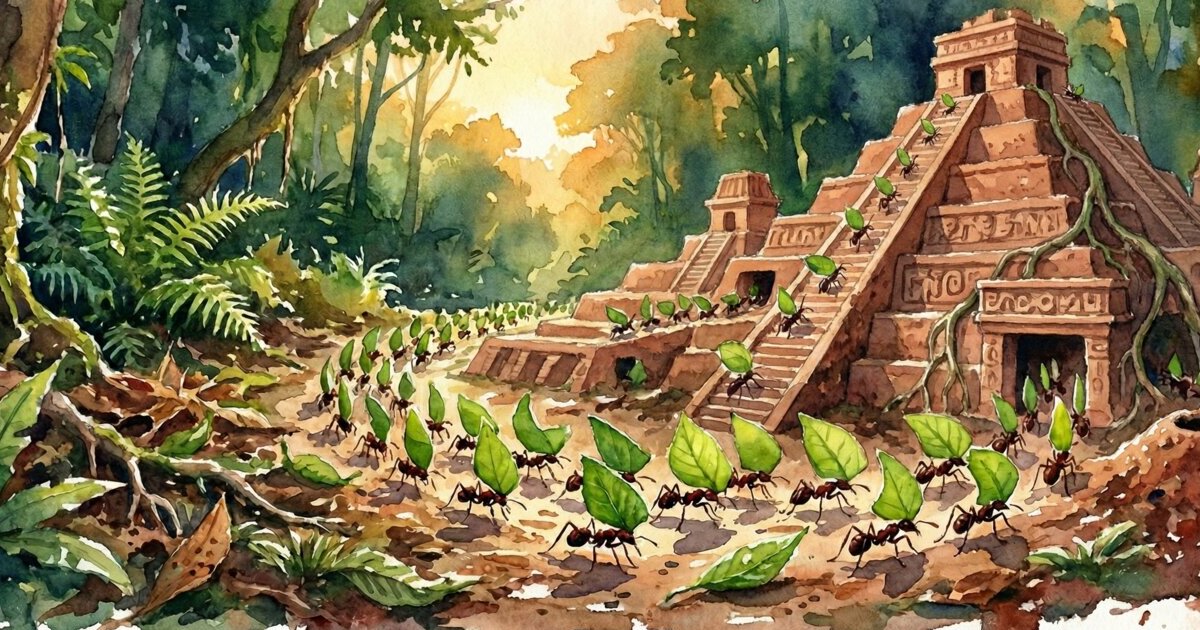
They Ate My Garden and I'm Supposed to Be the Grown-Up Here
Costa Rica's leaf-cutter ants farm fungus and engineer soils. The poisons sold to kill them have killed millions of bees. What actually works in your yard.
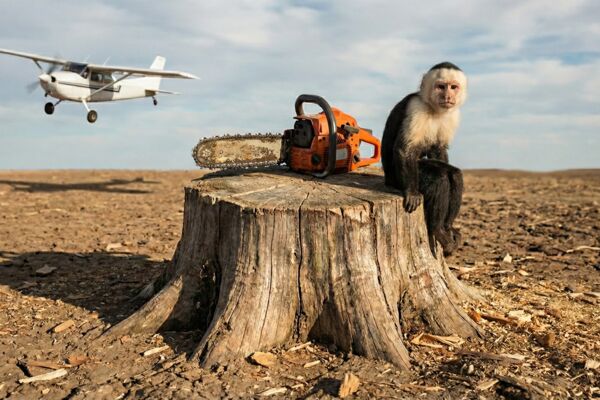
7,885 Ways to Destroy a Rainforest
Thirteen years of environmental complaints in the Brunca, scraped and charted. Who is destroying the southern zone, and why the system cannot catch up.
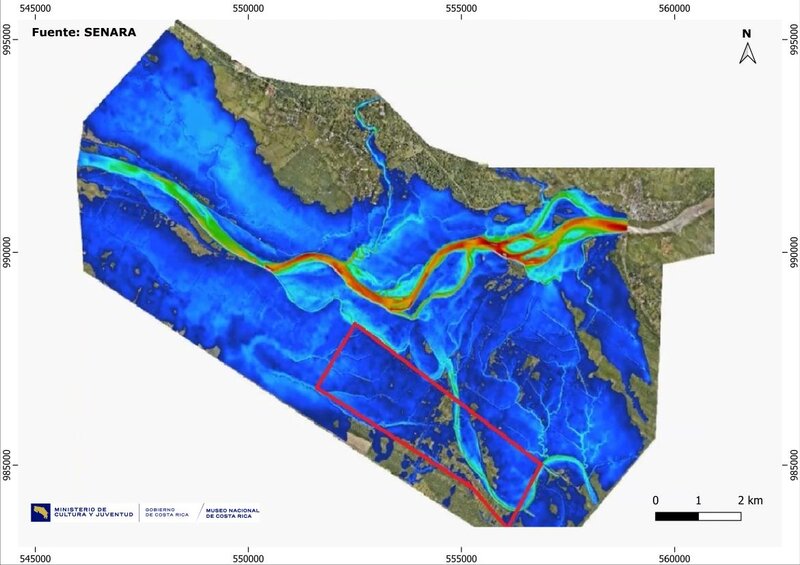
The People of the Diquís Delta
An airport survey turned up traces of a society that read this flood-prone delta far better than the engineers planning to pave it.
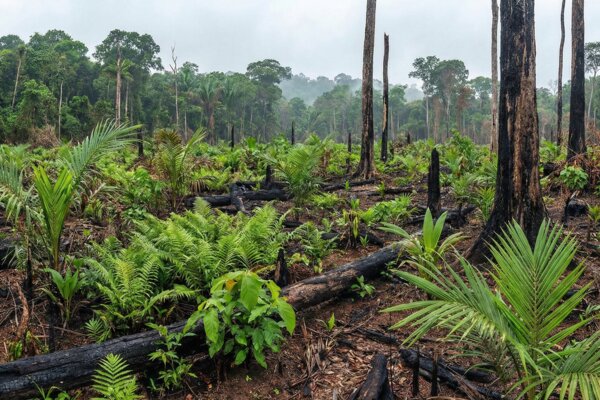
Once a Forest, Always a Forest
Article 19 of the Forestry Law lets you build on forest land. Criminal courts say clearing it cannot change its legal status. The Procuraduría resolved the contradiction in 2009.
The Numbers Game
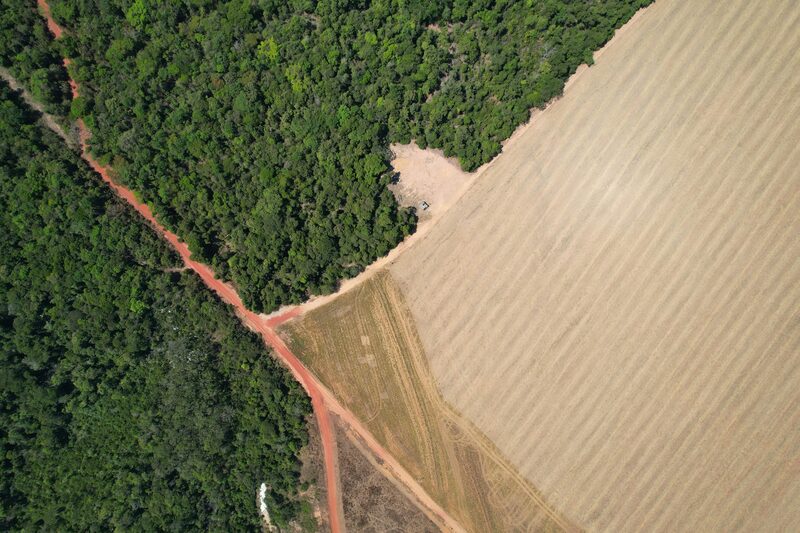
Costa Rica regulates forest development with percentage caps: 10 percent of forest, 25 percent of farms. The percentages may be measuring the wrong thing.
Loopholes You Could Drive a Resort Through
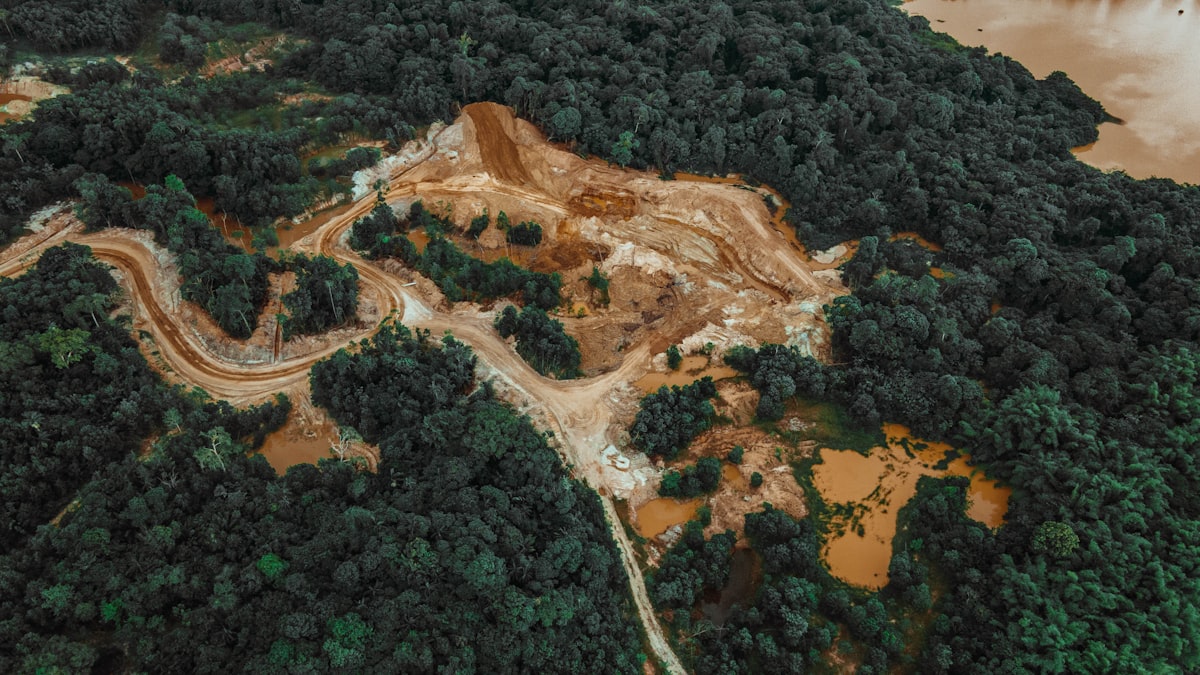
Costa Rica's 1996 Forestry Law banned private forest clearing. Developers found a 2-hectare loophole and learned to fragment their permits.
Part VII: Ecotourism and Its Discontents
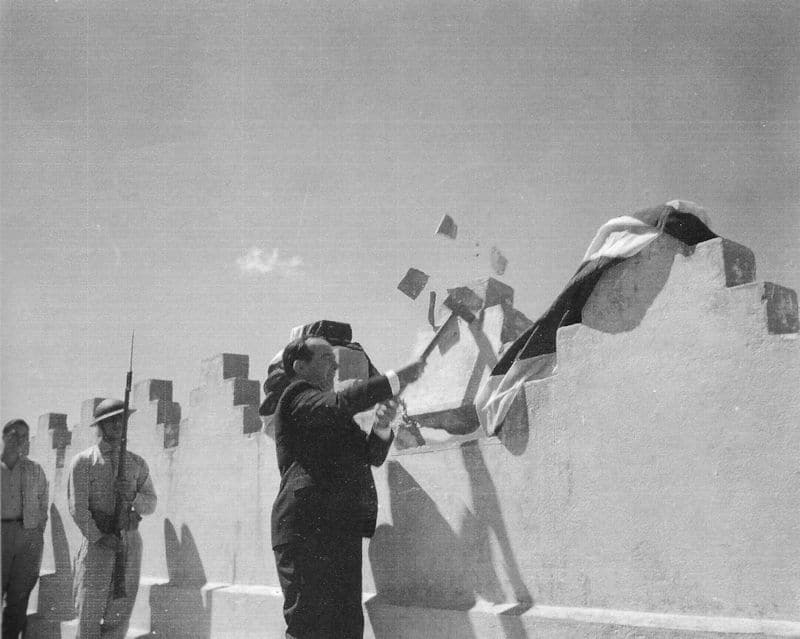
Costa Rica concentrates real economic development in the Central Valley while the coast gets seasonal hotel work. The fix is bringing the high-tech economy to the periphery.

Part VI: The Economic Reality—Can Costa Rica Grow Without Mass Tourism?
Everyone has opinions about Costa Rica's economic future. Fewer have read the trade data. Before debating airports, the data is worth a look.
Part V: The Case for Mass Tourism
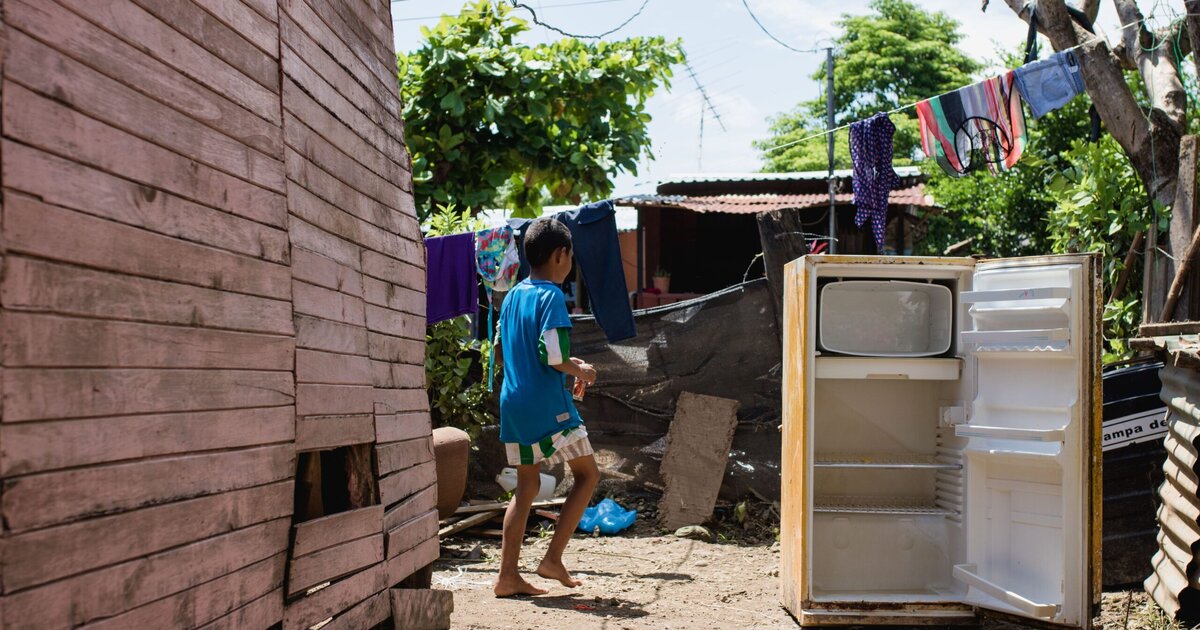
Osa is 35 percent poor and tourism advocates offer airports, resorts, certifications. The case deserves examination at its strongest, against the evidence.
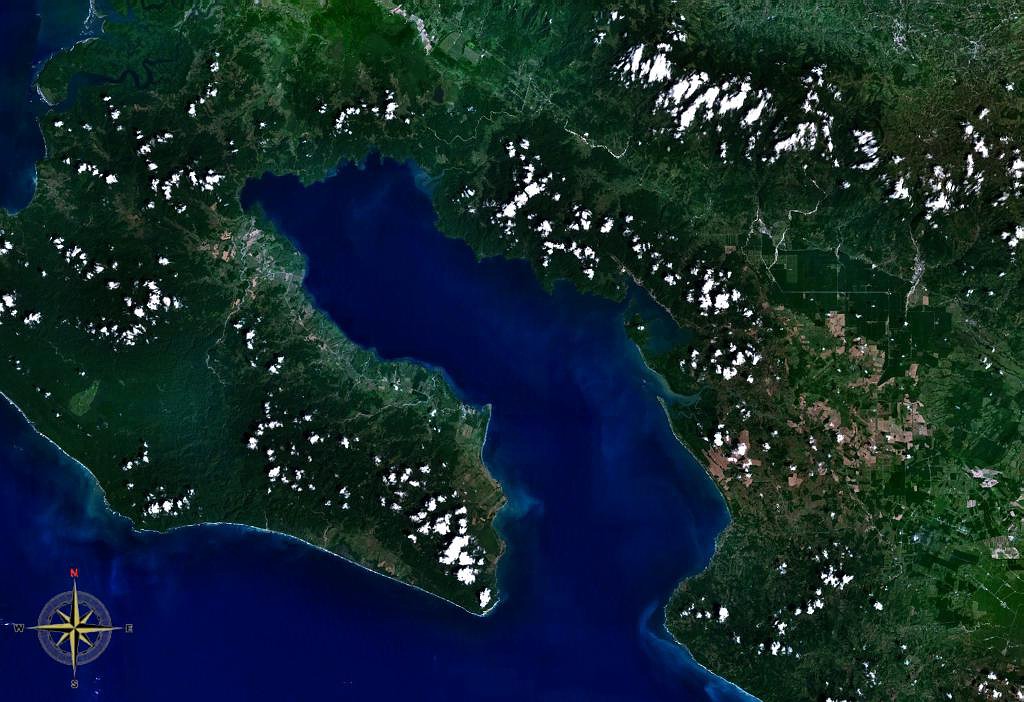
Part IV: The Battle for Osa
Three fronts are pushing Guanacaste-style development onto the Osa Peninsula: a $105 million airport, doubled park capacity, and a Hilton-branded marina.

Part III: Two Systems, Different Physics
Mass tourism and ecotourism follow different physics. One extracts until the resource degrades. The other generates value by maintaining what visitors pay to see.
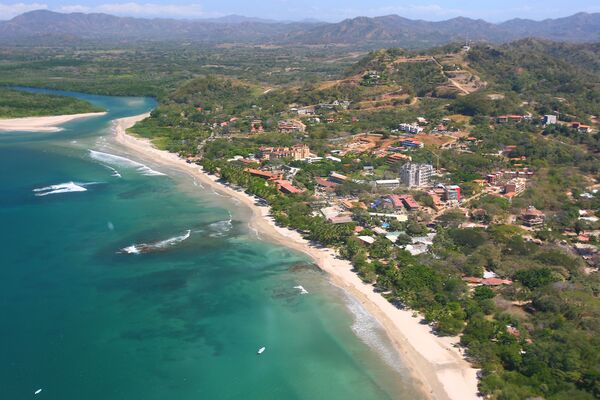
Part II: The Guanacaste Model—Extraction Economics
Peninsula Papagayo sells itself as sustainable while running a colonial extraction operation, with natural capital treated as ore to be exported.
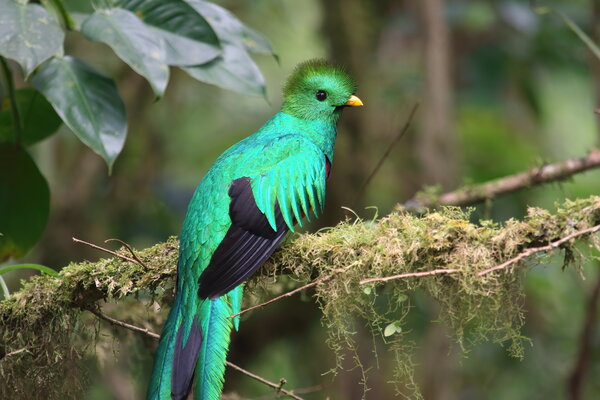
How Costa Rica Invented Ecotourism (And Lost Control of the Word)
Costa Rica invented authentic ecotourism in the 1980s. Luxury developers now use the same legal framework to do the opposite.
When Paradise Loses the Economic War
Costa Rica's pioneering conservation payments made forests worth more standing than cleared. Land prices changed the math.
Wildlife Corridors Are Not Just for Animals
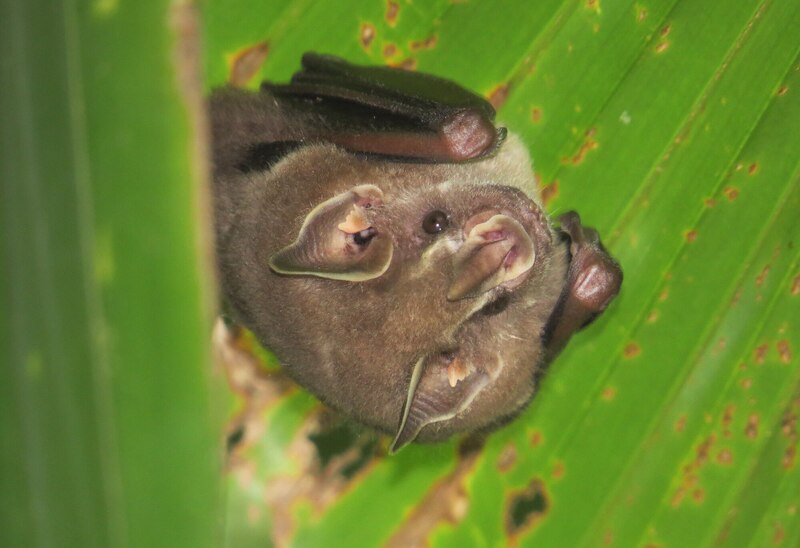
We picture jaguars and monkeys when we think of wildlife corridors. The invisible passengers are the trees, and their journey takes centuries.
The Importance of Paso de la Danta
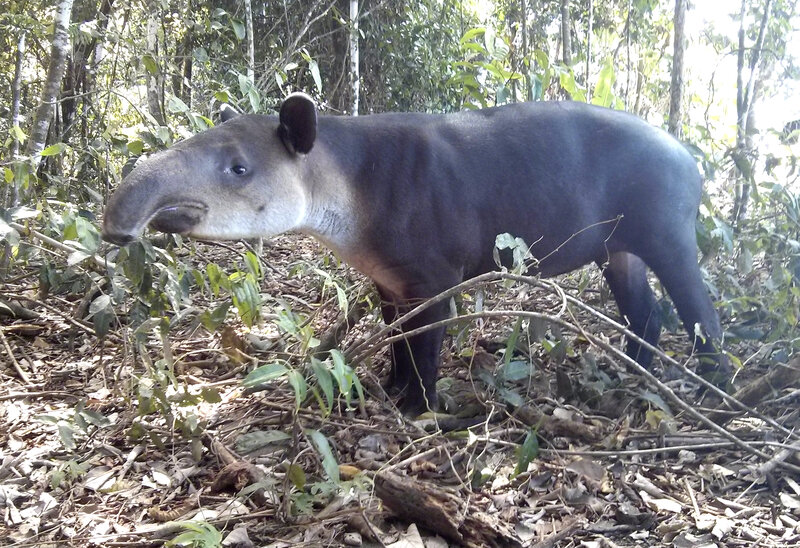
Jack Ewing and ASANA built one of Costa Rica's most vital wildlife corridors from the ground up. Why its protection matters now for the whole Brunca region.
How You Can Help
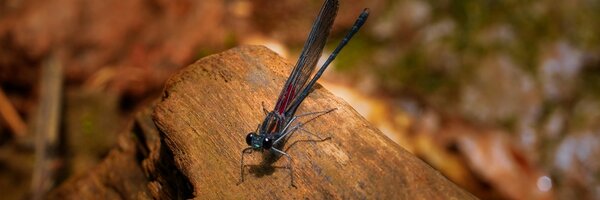
Donations, time, land, community organizing. Every contribution matters in the fight to protect Costa Rica's irreplaceable forests.