The bill that could open damaged forests to development
Costa Rica's forest protections have been shaped by decades of disputes over clearing and construction. Bill 25.452 proposes a new definition of forest and different rules for its protection, putting the treatment of damaged native forest before legislators once again.
A property in Uvita appeared as forest on maps from 2013, 2021 and 2023. When its development application reached Costa Rica's environmental assessment agency, SETENA, officials also found photographs showing apparent stumps and branches. On March 16, 2026, SETENA challenged the applicant's forestry study: an earlier image showed forest across the property, and the photographs gave grounds to presume a change in land use.
The revised study acknowledged the historical forest maps but assessed the vegetation that remained. It reported 33 trees per hectare; half its sampling plots contained no trees. The consultant concluded that the sampled vegetation failed the legal definition of forest. SETENA accepted the study and granted environmental approval on June 15.
Coalición Floresta has repeatedly encountered this problem in its reviews of SETENA files. Developers damage forest or buy properties whose forests have already been degraded. Their technical experts then assess the remaining vegetation and declare the land "not forested". We have seen SETENA accept these conclusions repeatedly despite historical imagery showing earlier forest cover.
A new bill, 25.452, introduced in March by deputy Pedro Rojas Guzmán of the Partido Liberación Nacional, PLN, would weaken protections for damaged forests further.
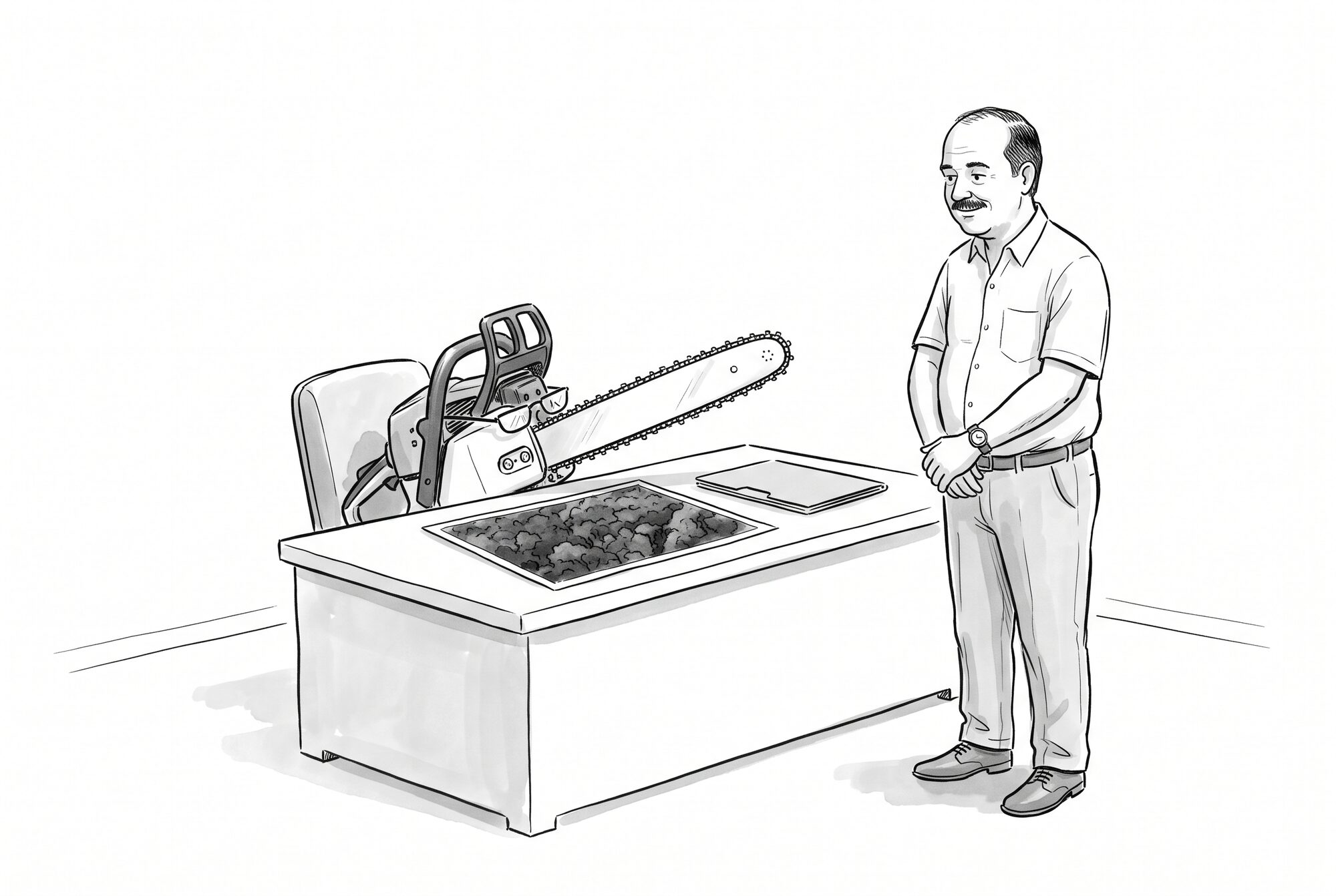
Protection that survives clearing
Costa Rica's current Forestry Law, Law 7575, dates from 1996. Article 19 prohibits changing the use of land covered by forest. An owner cannot clear qualifying forest to make room for a housing development or pasture simply because another use would be more profitable. The prohibition applies to secondary forest as well as primary forest.
Article 3(d) defines forest as a native or indigenous ecosystem of at least 2 hectares, with mature trees of different ages, species and heights. Their crowns must cover more than 70% of the ground, with more than 60 trees per hectare measuring at least 15 cm in diameter at breast height. The definition sets no percentage of native trees. It expressly includes forest altered by human activity and forest regenerated naturally or through forestry techniques. A small titled parcel can also form part of a larger qualifying forest, because protection follows the forest ecosystem across property boundaries.
The exceptions are tied to Article 19's list of authorized purposes: specified buildings and access works, including houses and roads; infrastructure of national convenience; tree cutting for human safety or scientific purposes; and prevention of fires or disasters. A proposed use must fit that list, and any intervention must be limited, proportionate and reasonable. It requires a forest-intervention permit from the State Forest Administration; Article 36 of the regulation also requires prior SETENA approval.
The regulation caps the intervention at 10% of the property's forest area, counting all project infrastructure, including roads, trails and buildings. It also requires minimizing damage, prioritizing less sensitive or already altered areas and reducing edge effects, the changes caused by exposing forest edges. Subdivision cannot create a fresh allowance. The 10% is a ceiling for an authorized exception; environmental approval alone does not authorize clearing protected forest.
But a numerical definition creates an obvious opportunity for evasion if officials assess only the trees left after cutting. The courts addressed that problem in 2003. In judgment 396-2003, concerning forest replaced with coffee, the criminal cassation court held that forest protection survives illegal clearing, arson and natural disasters. Allowing destruction to erase that protection would reward the destruction. The court ordered removal of the coffee and restoration of the forest.
In 2009, the Procuraduría General de la República, the government's legal advisory office, applied that reasoning to construction permits. Its opinion C-200-2009 rejected the argument that an owner could cut trees until fewer than 60 remained per hectare, then claim the land had ceased to be forest. Officials needed historical evidence of forest cover, including aerial photographs and satellite imagery. A current tree count could not erase a protected forest's legal history.
The Procuraduría was responding to a documented practice. Its opinion cited a SINAC and FUNDECOR report describing forest converted to pasture or agroforestry, then treated as nonforest when tree-cutting permits were sought. The doctrine known as forest irreducibility prevents that sequence from creating a right to convert protected forest. It keeps damage from becoming an advantage in the next permit application.
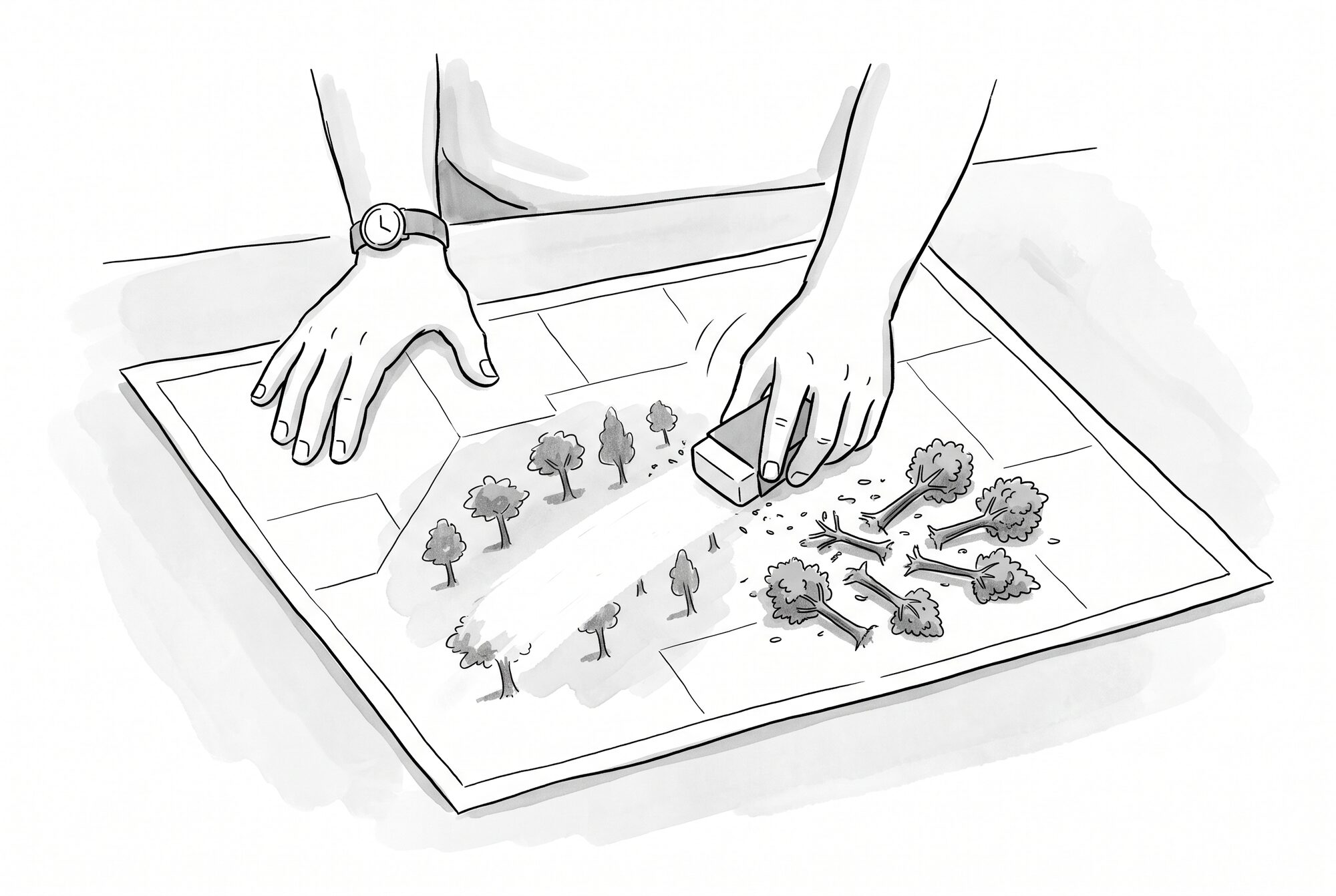
Five categories, two protected by the ban
A new bill, currently being considered by the Legislative Assembly, would change which forests receive that protection. Bill 25.452 was introduced on March 18, 2026, by Pedro Rojas Guzmán, then the PLN deputy for Heredia. An agricultural technician and former Sarapiquí mayor, he presents the reform as a scientific update that would improve legal certainty, distinguish natural forest from other tree cover and encourage voluntary restoration.
The text examined here was published in La Gaceta on April 6. On October 13, the Environment Committee voted 8–0 to renew consultation with the Environment and Agriculture ministries.
The proposed Article 3(d) replaces the numerical definition with an ecological one. Officials would assess native tree dominance, vegetation layers, different ages and stages of maturity, natural regeneration and biological diversity. Connections between habitats and the ability to recover from disturbance would also count. Forest status would no longer rest exclusively on a minimum area, canopy percentage or tree count. That could bring valuable small native forests within the definition.
But the proposed Article 3 bis divides forest and tree cover into 5 categories, then reserves the express prohibition on land-use change for only 2: primary natural forest and recovering secondary natural forest. The rewritten Article 19 repeats that restriction and retains the existing exceptions. Degraded secondary forest falls outside the prohibition.
| Category | Formation | Express ban applies? |
|---|---|---|
| a | Primary natural forest | Yes, with Article 19 exceptions |
| b | Recovering secondary natural forest | Yes, with Article 19 exceptions |
| c | Degraded secondary forest | No |
| d | Tree formation in successional transition (vegetation changing through successive stages of ecological development) | No |
| e | Forest plantation or productive tree system | No; other statutory rules apply |
The new definition also excludes predominantly commercial homogeneous plantations, agroindustrial tree crops and tree formations lacking natural regeneration and the ecological diversity of the corresponding ecosystem. A severely damaged formation could therefore be excluded from the forest definition altogether, while a forest placed in the degraded-secondary category would lose the express land-use prohibition even though it remained a forest.
The rewritten Article 19 offers voluntary restoration for formations in successional transition, with protection increasing as their ecological condition improves. Proposed Article 27 bis likewise promotes voluntary restoration on land classified as suited to forest use that lacks forest cover. Neither provision sets a specific mandatory restoration regime for degraded secondary forest.
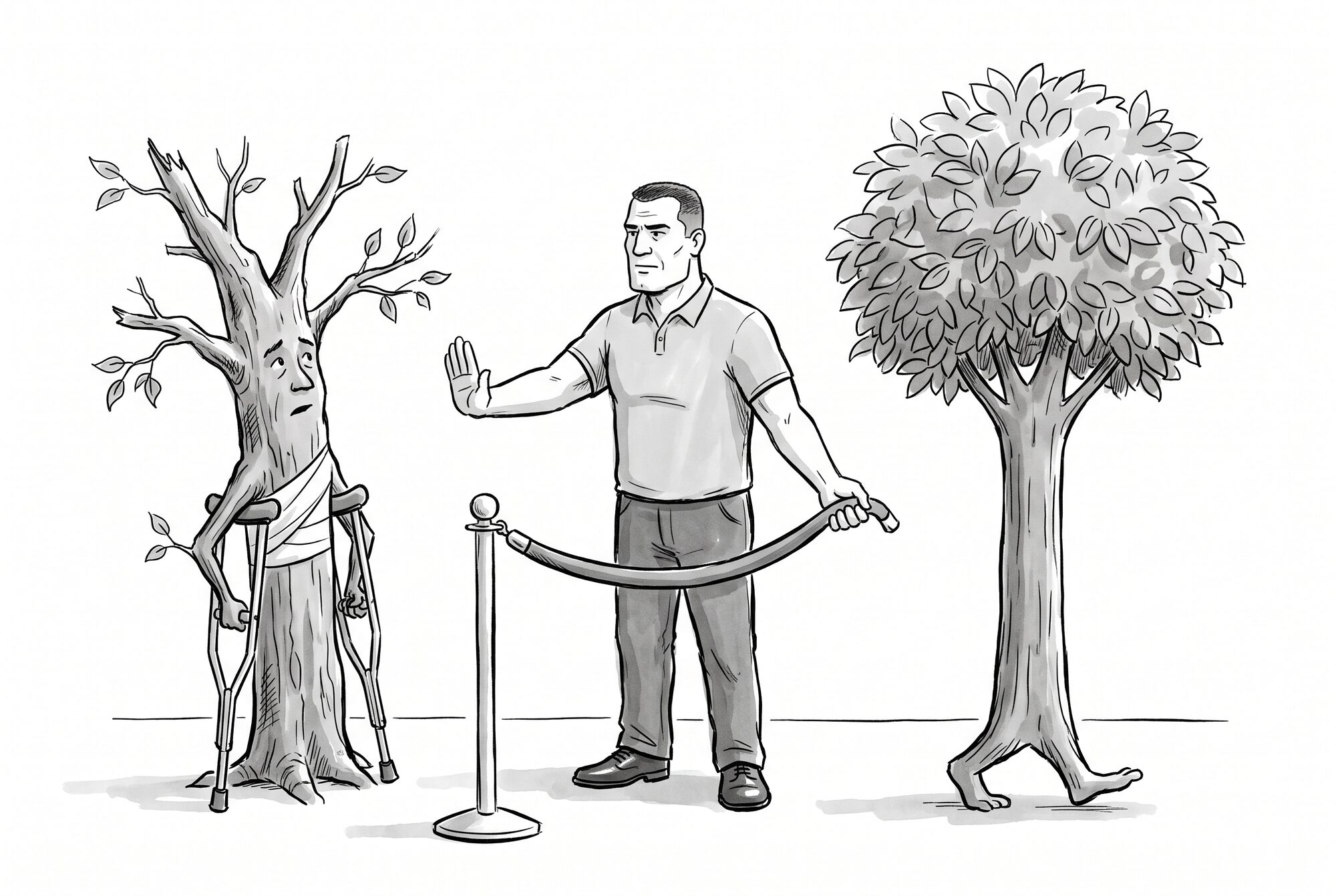
An incentive to degrade
Under current law, damaging a protected forest does not create a right to convert it. Under the proposal, a developer would have a new argument: the site is degraded secondary forest, so Article 19's land-use prohibition does not cover it. Even while the site retained forest cover, obtaining the degraded classification would provide an argument that the general prohibition no longer applied.
That change makes degradation useful to someone seeking another use for the land. Fewer native trees, poorer regeneration or a more fragmented canopy could support a less-protected classification. The proposed articles contain no express safeguard preserving the conversion ban when a previously protected forest deteriorates, and no mandatory historical assessment before officials assign the new category.
Water protection zones, wetlands, protected areas and State Natural Heritage would retain their separate safeguards, and projects would still face environmental assessment. But those rules depend on the site's circumstances. They do not replace the general forest-conversion prohibition on an ordinary private property outside those protected locations.
The distinction between protected recovering forest and excluded degraded forest is also undefined in the proposed articles. They give officials no operative criteria for separating the categories or classifying a forest that is both damaged and regenerating. The bill's explanatory memorandum mentions using historical imagery to assess forest cover. None of its five proposed articles expressly requires officials to establish the forest's condition before damage when assigning a category. That omission does not itself resolve how the existing irreducibility doctrine would apply. Officials would still classify the forest, but choosing the degraded category would exclude it from the bill's express conversion ban.
Damage and recovery can coexist in the same forest. In Sarapiquí, Álvaro Redondo Brenes, Robin Chazdon and Braulio Vílchez Alvarado studied a twenty-eight-year-old secondary forest logged in August 2000. Loggers removed an average of 6 trees per hectare and opened a road with a bulldozer. The researchers followed seedlings on the road, its edge and the adjacent logged forest over the next twenty-five months.
Their 2004 paper found abundant, fast-growing seedlings on the bulldozed road, while the adjacent forest had a more diverse seedling community. New trees were becoming established in ground damaged by logging. Under the bill, classifying such a forest as degraded secondary forest would leave it outside the land-use ban even while it was recovering.
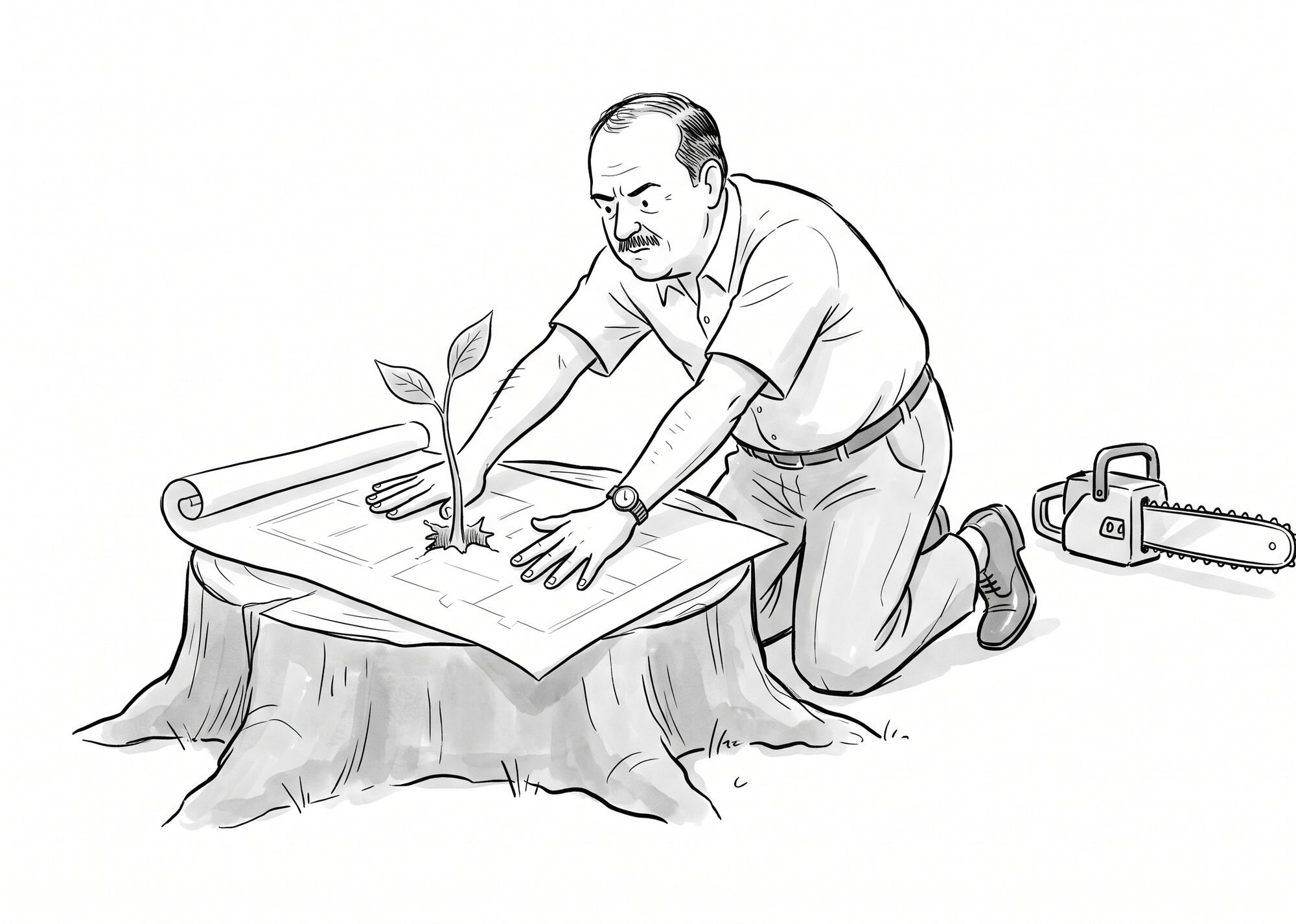
Recovery also proceeds at different speeds. In a 2021 synthesis of 12 attributes across 77 tropical sites, Lourens Poorter and colleagues found that soils and plant functioning generally recovered fastest. Comparing forests of different ages, they estimated that the amount of living vegetation above ground and the mix of species could take more than a century to reach 90% of old-growth reference values after low- or moderate-intensity land use. A forest can be growing back while still differing substantially from its earlier condition.
A degraded forest can therefore retain a capacity for recovery that a housing development would prevent. Yet the bill makes stronger protection depend on a better ecological condition, without requiring restoration of degraded secondary forest before a change of use is considered. Voluntary restoration incentives do not secure recovery where an owner prefers development.
Narrowing Article 19 also raises a criminal-law question. Article 61(c) punishes land-use change contrary to Article 19, so defendants could argue that conversion of an excluded forest no longer falls within that offense. Articles 12 and 13 of the Penal Code require application of a more favorable later criminal law. Courts would have to assess the effect in particular cases, separately from restoration and other liabilities.
Legislators can broaden recognition of small native forests while retaining protection for damaged ones. An ecological assessment can guide restoration without making poorer condition a reason to lift the conversion ban. The revised law should expressly preserve protection after damage and require officials to establish historical forest condition before granting a less-protected classification.
As drafted, Bill 25.452 would give a developer a legal advantage from a forest's deterioration: a route to argue that the land-use prohibition no longer applies. That creates a reason to let native forest deteriorate, or to damage it, before seeking permission for another use.
Resources & further reading
The proposal and current law
Alcance 33, April 6, 2026, pages 16–26; operative provisions on pages 24–26. This article analyzes that published text.
Current forest definition, land-use restrictions, water protections and Article 61(c).
Proportionality and reasonableness criteria, including edge effects; Article 36's separate permission, 10% limit and subdivision controls.
The court's forest-irreducibility reasoning and restoration order.
Historical forest status, construction permits and the treatment of small parcels within larger forests.
Application of a more favorable subsequent criminal law.
Environmental assessment, protected areas and wetlands.
Environmental assessment records
March 16 letter DT-DEA-0610; April revised forest study; May 25 report DT-DEA-0634; June 15 Resolution 1115-2026.
Ecology and the sponsor
Seedling dynamics after logging in a secondary forest in Sarapiquí.
Recovery estimates for 12 attributes across 77 tropical sites.
His account of his education, agricultural work and municipal career.
At 1:24:10, the 8–0 vote to renew consultation on Bill 25.452.