Part II: The Guanacaste Model: Extraction Economics
Mass tourism in Costa Rica's northwest coast operates as an extraction model that produces 70-80% economic leakage, displaces workers who can't afford housing, and degrades the ecosystems it claims to protect.
Between 2019 and 2020 alone, water consumption in Nosara increased 45%. During the 2024 dry season, residents endured water cuts lasting up to 16 hours daily. Tourism infrastructure consumed more water while the people who service that infrastructure had less. Pamela Castro, operations submanager for Costa Rica's national water agency, described the pattern: "We not only have less water, but people are using more, especially at this moment of peak tourism." The agency informed its new executive president that "Guanacaste needs an intervention."
The first article in this series traced how Costa Rica invented ecotourism and how the word was corrupted. This article examines what that corruption produces: the economic model behind the marketing, who profits from it, and what it costs the communities that host it.
What It Looks Like
Before examining the model's economic and environmental performance, consider how it presents itself to the world.
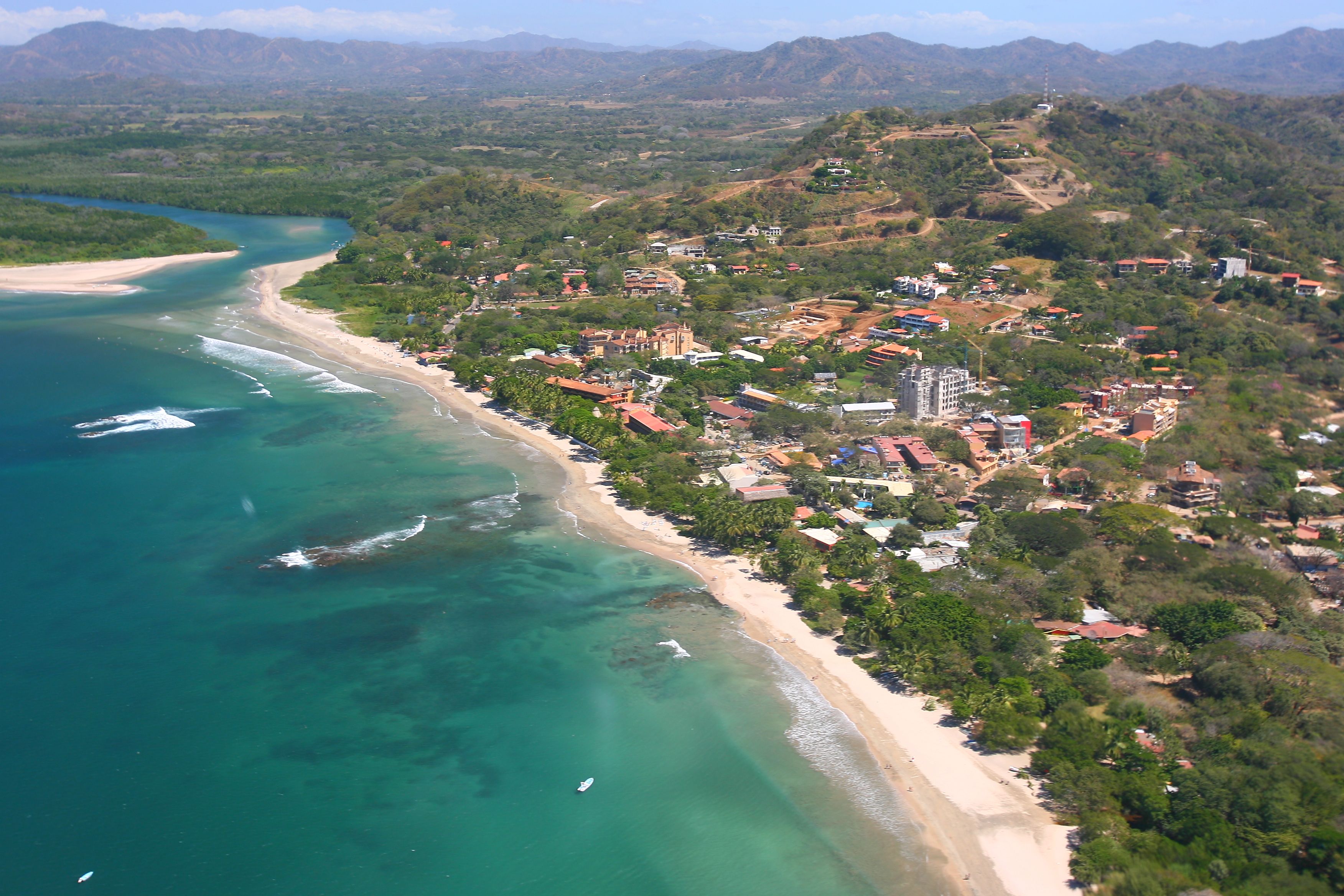
On the Peninsula Papagayo in Guanacaste, the Four Seasons Resort sits within the 1,400-acre Peninsula Papagayo development and occupies several dozen acres for its resort buildings, golf course, and amenities. The property features multiple swimming pools and 182 rooms. International tourists arrive via Daniel Oduber Quirós International Airport in Liberia, which received a $36 million renovation in 2024 to accommodate larger aircraft. The airport now serves 1.91 million passengers annually, including a record 881,289 tourists in 2024 representing 14.5% growth. Dozens of nonstop flights connect Guanacaste to North America and Europe.
The resorts market themselves using sustainability language. Peninsula Papagayo won awards from the World Sustainable Travel & Hospitality Awards in 2025 for "sustainable tourism leadership" and "community empowerment." Marketing materials emphasize "regenerative tourism" and claim that "luxury and sustainability can coexist." The Four Seasons Papagayo holds official CST certification (Certificación para la Sostenibilidad Turística) from Costa Rica's tourism authority.
The branding is effective. The question is whether the operations match the claims. The evidence suggests they do not.
Economic Extraction
The all-inclusive resort model is engineered for economic leakage. Vacation packages are paid overseas before tourists arrive. Once at the resort, guests have little need to spend money locally because meals, entertainment, and excursions are bundled into the upfront payment. The all-inclusive resort model typically produces 70-80% economic leakage. Research on comparable destinations shows Thailand experiences 70% leakage while Caribbean destinations see as much as 80%—meaning the majority of traveler expenditures flow to international airlines, hotel chains, and overseas suppliers rather than local businesses or workers. While no comprehensive leakage study exists specifically for Guanacaste, the structural similarities to Caribbean all-inclusive models suggest comparable rates.
What "economic leakage" means in practice: money enters Costa Rica's tourism economy but doesn't circulate through local communities. It flows directly to foreign shareholders. The model creates employment—resort staff, maintenance workers, construction crews—but the profits leave the country. Research shows all-inclusive resorts are designed to keep dollars inside the business, with foreign companies becoming the primary tourist touchpoint and profits sent to corporate headquarters abroad.
The model's defenders point to job creation and argue that large resorts generate tax revenue that funds conservation and public services. The argument is that tourism revenue subsidizes environmental protection. This logic crumbles under investigative scrutiny.
Following the November 2017 Paradise Papers leak, FIFCO and the Schwan Foundation, the two largest investors in Peninsula Papagayo, were revealed to have structured investments through over 100 shell companies in tax havens. In one documented example, FIFCO routed at least $14.8 million through two Cayman Islands companies. Costa Rica's tax authority fined FIFCO ₡1.68 billion colones ($3 million) for reporting offshore transfers as capital contributions rather than taxable loans.
Journalists examining thousands of files documented this as "just one of many secrets" hidden through offshore structures. Systematic tax avoidance undermines the cross-subsidy argument entirely. If profits are offshored through tax havens, the public fiscal benefit evaporates while the resource extraction continues. The infrastructure exists on public land that belongs to all Costa Ricans, but the returns flow to shareholders in the Cayman Islands.
The foreign ownership extends beyond resort properties. In Guanacaste, upwards of 80% of coastal businesses are foreign-owned, according to the Tamarindo Integral Development Association. Major international hotel chains (Hilton, Marriott, Waldorf Astoria, Ritz-Carlton) dominate the landscape. The economic fabric has become, as one investigation documented, "markedly non-Costa Rican." Surf journalist Steve Barilotti has named this pattern "surfer colonialism in the twenty-first century." Economic extraction does not remain abstract. The same foreign capital that extracts profits also inflates property values, manifesting in physical displacement.

Social Displacement
The economic model creates a paradox: it generates employment while making it impossible for workers to live near their jobs. Property values in coastal Guanacaste have increased 400-500% in four years. In Nosara, studios rent for $700-800 monthly while downtown houses go for $1,800. Tourism workers in the region earn roughly $625-800 per month. The arithmetic is simple and brutal: workers cannot afford to live in the communities they serve. Between 2019-2022, Tamarindo and Nosara had only a 0.8% social housing ratio. Eight times more square meters were constructed for swimming pools than for social housing. Government housing grants in Nosara decreased 75% from 2019-2023.
Juan Calderón, a Jacó native and surf instructor whose grandfather was among the town's original founders, explains the mechanism: "As tourism towns grow, the cost of living gets more expensive for the community. Price inflation on rental property displaces native Costa Rican people who find everyday life more and more difficult to afford."
In Tamarindo, rental prices doubled or tripled within a single year. The town now has 2,200+ monthly vacation rental listings, with 40% available year-round. Housing stock has been converted from residential to tourist use. Camilo Flores, former environmental prosecutor for Osa who has publicly criticized gentrification in multiple coastal regions, has described the displacement in Guanacaste towns as "neo-colonization through gentrification," where foreigners "buy land at prices that are cheap for them but inaccessible for Costa Ricans, displacing entire communities." Tourism supplies 180,000+ jobs nationally, but workers must relocate further from jobs as inflation outpaces average wages.
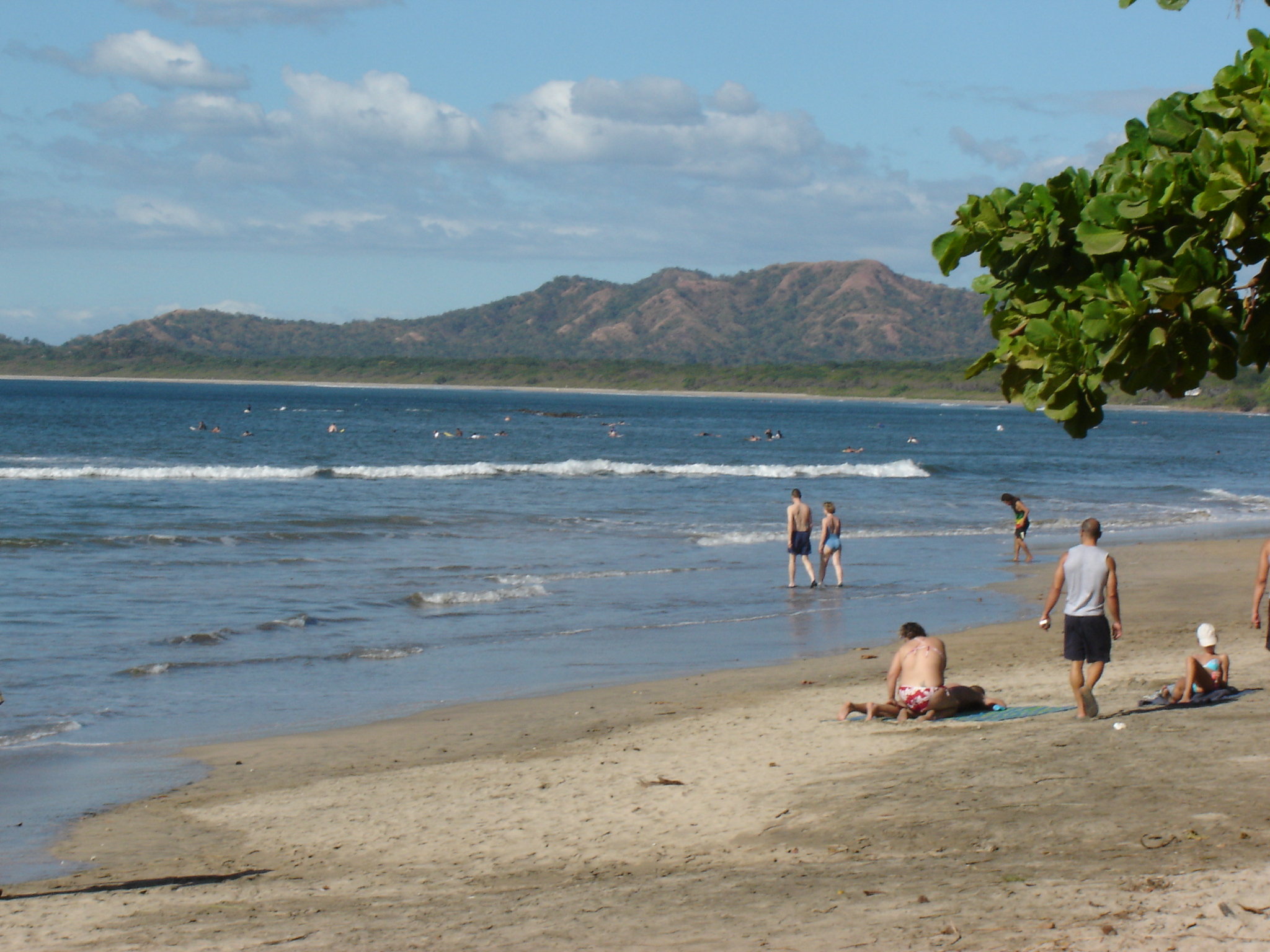
The ghost town effect compounds the crisis. Vacancy rates in Cuajiniquil district soared from 32.1% in 2011 to 66.4% in 2022, making it the highest in Costa Rica. Coastal areas average 60% vacancy. Homes sit empty waiting for seasonal tourists while Costa Rica faces a 150,000-home shortage and local workers cannot find affordable housing.
The displacement is not merely economic. It has been enforced by policy. Grace Chavarría Soto, a 60-year-old store owner at Panama Beach, watched her family's land disappear. The government expropriated property for Papagayo Peninsula development, paying what she describes as "a fairly low sum, whatever they felt like." Promised relocation never materialized. When a Canadian investor offered to buy her out recently, she refused: "First of all, he even has to pay me for the nostalgia... It even makes me feel a lump in my throat."
The displacement of families like Grace's is one cost of the extraction model. The ecological costs are equally severe.
Environmental Destruction
The model's intensive resource consumption produces measurable ecological damage. Water consumption demonstrates the pattern most clearly. Global hotel industry data shows luxury resorts consume up to 2,000 liters per tourist daily, with some properties using over 3,400 liters per bedroom when including all operations. Resorts fill pools and water golf courses while communities face rationing.
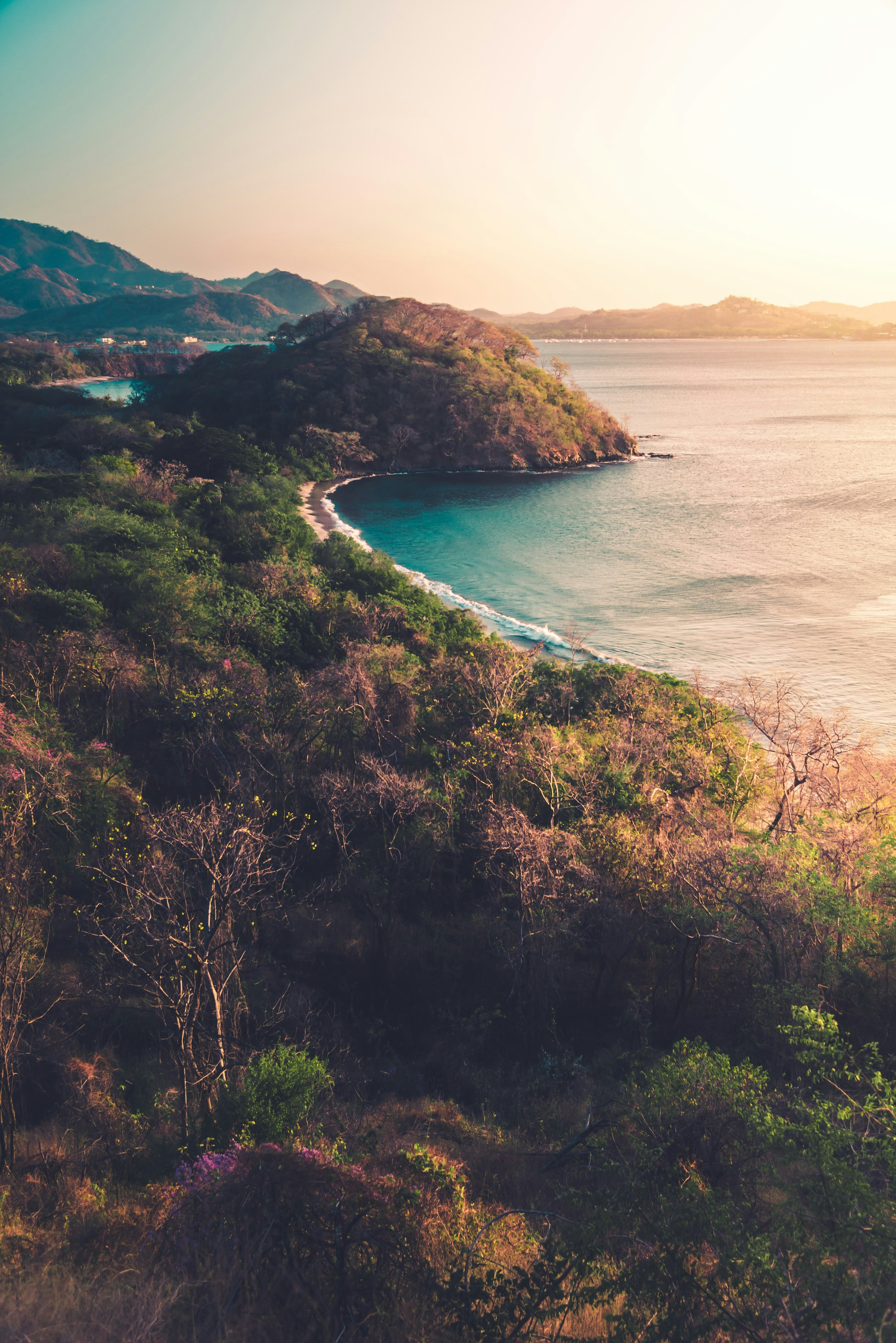
Guanacaste is Costa Rica's driest province. The region experiences severe dry seasons with months of no rainfall, and since 2014 has faced its worst drought in over 60 years. During dry season months, AyA (the national water agency) dispatches water trucks to 38 communities. In tourist towns like Tamarindo, Liberia, and Flamingo, water trucks operate year-round to supplement failing municipal supplies strained by resort consumption. This is the context in which resort development has accelerated water competition to crisis levels.
The Sardinal aquifer conflict became emblematic of this crisis. In 2007, AyA (the national water agency) and 22 private developers proposed an aqueduct to pipe groundwater to coastal resorts. Communities blockaded construction from 2008-2010. The project stalled at 75% completion when the 2008 real estate crash killed developer interest. The aqueduct was never built, but the underlying problem persists: resort development continues extracting groundwater through unregulated wells. Aquifer capacity has never been properly determined, illegal well perforation continues unchecked, and salinization has been documented at Tamarindo, Playa Hermosa, and Flamingo beaches, where over-pumping causes seawater to contaminate freshwater wells.
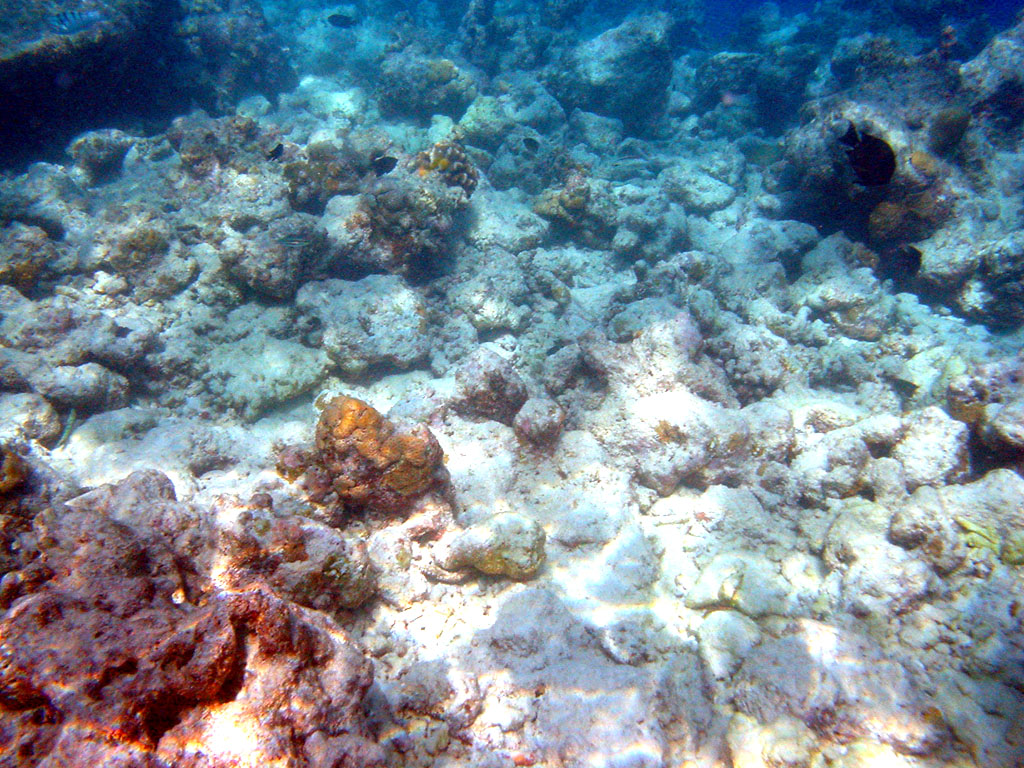
Coral reef collapse tells a parallel story. In Culebra Bay, live coral cover has declined from over 40% forty years ago to 1-4% today. El Niño warming events triggered bleaching, but nutrient pollution from coastal development prevented recovery. The reef has shifted to macroalgae dominance, with corresponding decreases in fish diversity and abundance.
Sewage discharge compounds the damage. In 2008, inspectors caught the Allegro Papagayo resort dumping raw sewage directly into Culebra Bay, leading to the resort's temporary closure. Most coastal towns lack public sewage treatment, relying on septic systems that leak into groundwater. Popular beaches show high bacteria levels. The pattern is consistent: massive uncontrolled urbanization without adequate infrastructure produces environmental degradation.
This is the Guanacaste model: economic extraction that produces 70-80% leakage, social displacement that prices workers out of their communities, and environmental degradation that destroys the ecosystems the model claims to protect. All dressed in the language of sustainability.
The Question
Three hundred kilometers south, on the Osa Peninsula, a different model exists. The question is whether an alternative to extraction economics is genuinely possible, or whether this is simply how tourism operates at scale.
Part III will examine the Osa model in detail: what it looks like in practice, how it generates economic value, and whether it can survive the pressures documented here.
Key Sources & Resources
Greenwashing & Marketing
October 2025 awards from the World Sustainable Travel & Hospitality Awards (Dubai) for 'sustainable tourism leadership' and 'community empowerment,' granted despite 2017 Paradise Papers revelations.
Official government sustainability certification granted to mass-market resort.
Economic Leakage & Tax Avoidance
Comprehensive analysis of tourism leakage showing Thailand destinations experience 70% leakage while Caribbean destinations can see as much as 80%, with expenditures flowing to international airlines, hotel chains, and overseas suppliers.
UNWTO 2014 data documenting 70-80% leakage for all-inclusive package tours, with expenditures flowing to international airlines and hotel chains rather than local economies.
Paradise Papers investigation revealing FIFCO and Schwan Foundation used over 100 shell companies in tax havens to structure Papagayo investments. Documents show FIFCO had at least $14.8 million invested through offshore company Península de Papagayo Ventures, undermining cross-subsidy argument.
Analysis of how all-inclusive resorts are designed to keep dollars inside the business, with foreign companies becoming primary tourist touchpoint and profits sent abroad.
Investigative journalism documenting offshore structures as "just one of many secrets" hidden through tax haven companies.
Documentation of coastal gentrification and foreign ownership in Guanacaste: 80% of coastal businesses foreign-owned according to Tamarindo Integral Development Association. Includes Steve Barilotti's 'surfer colonialism' framing and Juan Calderón interview on displacement.
Social Displacement & Housing Crisis
Documentation of Nosara housing crisis: 15-20m² rooms rent for $700-800 monthly, basic houses $1,500, while tourism workers earn $625-800/month. Property values increased 400-500% in four years.
Analysis of ghost town effect: Cuajiniquil vacancy rates soared from 32.1% (2011) to 66.4% (2022), the highest in Costa Rica. Coastal areas average 60% vacancy while country faces 150,000-home shortage.
Studios exceed $700/month, downtown houses rent for $1,800. Foreign renters with $10,000+ budgets drive prices across all neighborhoods.
Tamarindo and Nosara had only 0.8% social housing ratio (2019-2022). Eight times more square meters constructed for pools than social housing. Government grants decreased 75% (2019-2023).
Tamarindo rental prices doubled or tripled within single year. Town now has 2,200+ monthly vacation rental listings, with 40% available year-round. Housing converted from residential to tourist use.
Camilo Flores, former environmental prosecutor for Osa, cited Nosara and Tamarindo as examples where foreigners buy land "at prices that are cheap for them but inaccessible for Costa Ricans, displacing entire communities."
Government expropriated land for Papagayo development, paid "fairly low sum," promised relocation never materialized. Residents confronting forced displacement.
Environmental Destruction
Guanacaste is Costa Rica's driest province. Since 2014, the region has faced its worst drought in over 60 years with severe dry seasons featuring months of no rainfall.
AyA dispatches water trucks to 38 communities in Guanacaste during dry season months. Tourist towns require year-round water truck service due to tourism-driven consumption.
Water consumption surge in Tamarindo, Liberia, and Flamingo straining municipal supplies. AyA confirms water trucks operating continuously to meet demand.
Global hotel industry data: luxury resorts consume up to 2,000 liters per tourist daily, with some properties using over 3,400 liters per bedroom for all operations.
Analysis of Sardinal aquifer conflict (2007-2010): community blockaded pipeline construction, courts sided with residents, but structural problems remain with unknown extraction quantities and unassessed capacity.
Scientific documentation of catastrophic decline: live coral cover dropped from >40% forty years ago to 1-4% today due to El Niño warming + nutrient pollution from development.
2008 documentation of resort dumping raw sewage directly into bay, contributing to coral collapse. Resort temporarily closed.
Most coastal towns lack public sewage treatment, relying on septic systems that leak into groundwater. Documentation of infrastructure failures from uncontrolled urbanization.