Collection
Portraits
31 profiles
The scientists, activists, visionaries, lawyers, and politicians whose work built the foundation for Costa Rica's conservation system—and proved that a small country could lead the world.
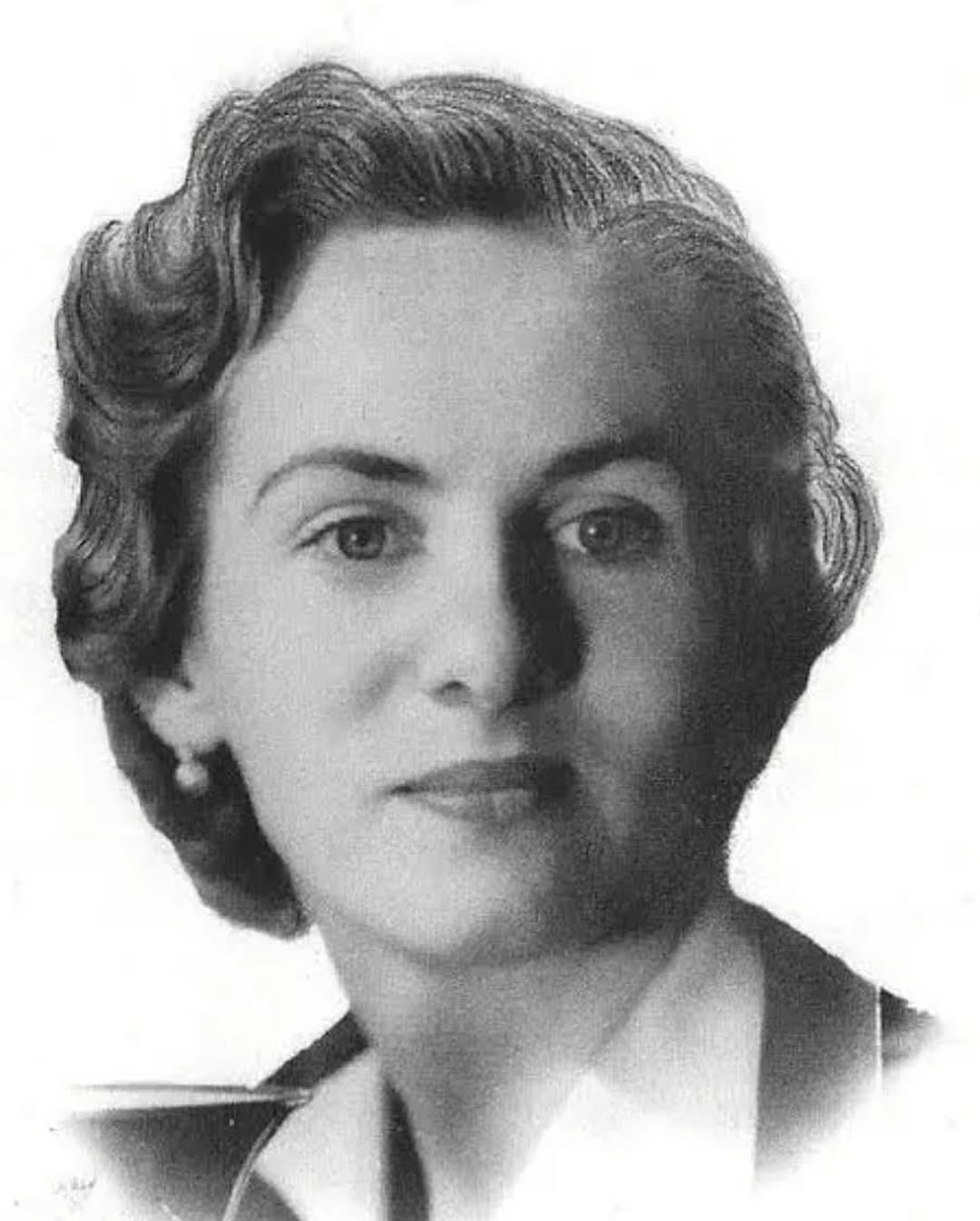
Costa Rica's Green Godmother
Karen Olsen de Figueres, a Copenhagen-born sociologist turned First Lady, built the political foundation that made Costa Rica's park system possible—and kept it alive when it mattered most.
See how they connect
An interactive graph of the relationships, partnerships, and lineages that bind Costa Rica's conservation pioneers.
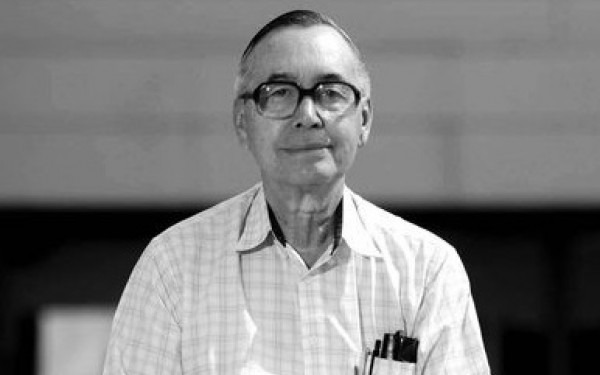
The Man Who Made Ecotourism Work: Mario Boza's Economic Proof
An agronomist discovered that forests could be more valuable standing than cut, then spent his life proving it—turning ecotourism into Costa Rica's largest earner of foreign capital.
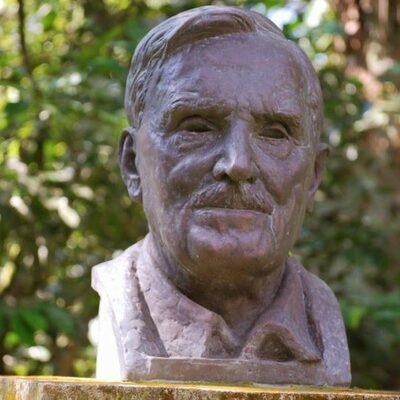
The Cartographer of Everything
How a Swiss botanist named Henri Pittier built the scientific infrastructure of two nations, was fired by both, and left institutions that outlived every government that dismissed him.
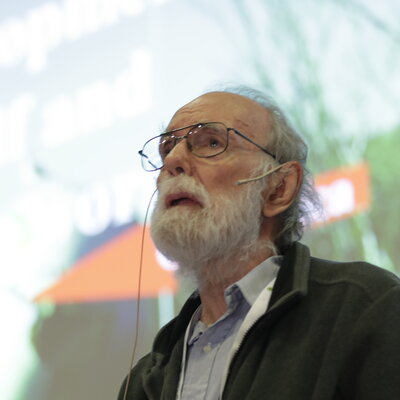
The Forest Gardener: Daniel Janzen and the Art of Cultivating Wildness
Sixty years of patient work demolished the false choice between people and nature—proving that conservation succeeds when communities become partners, not adversaries.
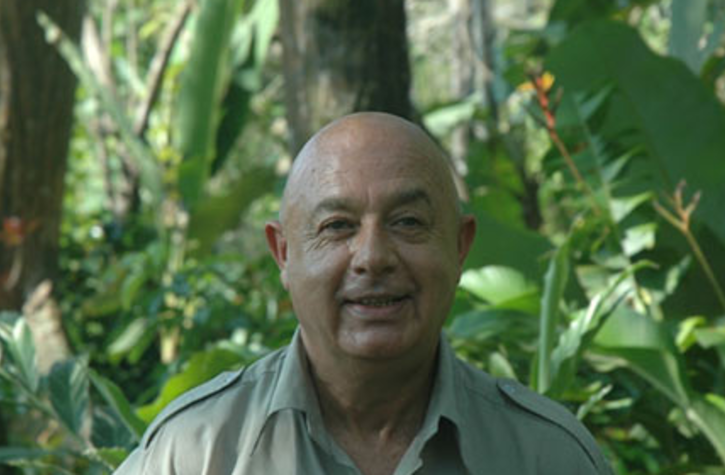
The Conservationist Who Armed His Rangers
Álvaro Ugalde turned Costa Rica's burning frontier into a living park system, then spent his last breath keeping it alive.
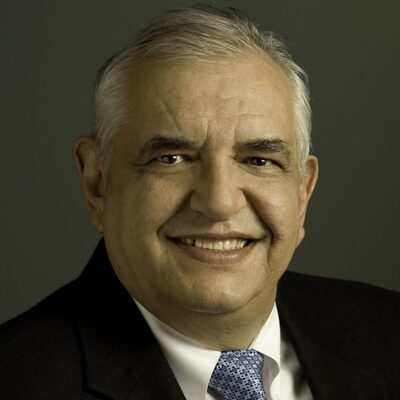
The Bifurcation Point
At twenty-nine, Álvaro Umaña Quesada wrote that humanity stood at a bifurcation point. At thirty-four, he became Costa Rica's first environment minister and tried to prove that forests could have financial value without being destroyed. At seventy-two, he published a paper in the Royal Society admitting his generation had been naive.
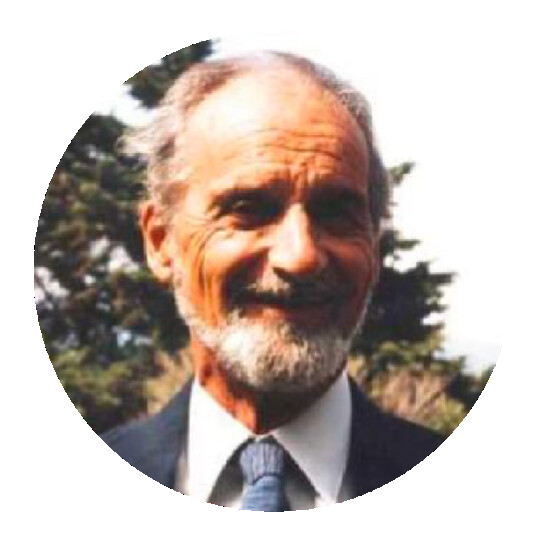
The Mapmaker: Joseph Tosi's Life Zone Atlas
When Costa Rica's government paid citizens to clear forests as 'improvement,' one scientist fought back with data, proving that cleared cattle pastures were actually Tropical Wet Forest—and giving a nation the scientific justification to save itself.
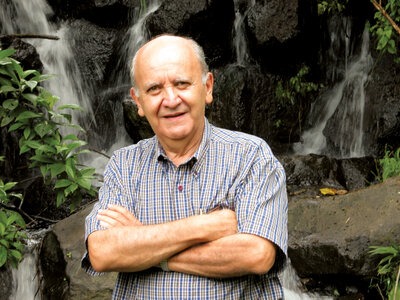
The Librarian of Life
Selling the rainforest to save it: Rodrigo Gámez-Lobo's ambitious business model failed, but his catalog of 3.5 million specimens survived.

The Politician by Choice
From a finca in the Orosi Valley to a $5.33 billion global fund and back to the Osa Peninsula, Carlos Manuel Rodríguez has spent four decades as Costa Rican conservation's indispensable deal-maker.

The Minister: How René Castro Salazar Built Costa Rica's Conservation State
René Castro Salazar created SINAC, orchestrated the passage of both the Forest and Biodiversity Laws, and built the payment system that made conservation financially sustainable.
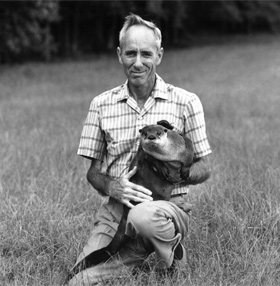
The Lonesome Charioteer
Archie Carr found a single turtle track on an empty beach and sparked a movement that brought the great fleets back from the edge of extinction.
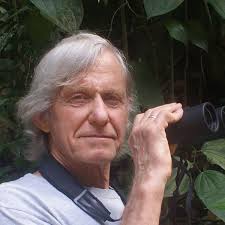
The Man Who Hired the Poachers
In 1994, Christopher Vaughan sat down with macaw poachers and turned them into conservationists—building a model that saved 800 birds and trained a continent.
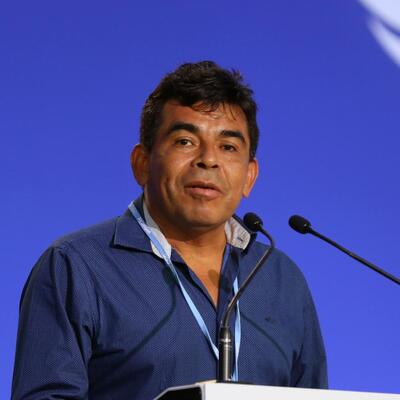
The Guardian and the One Percent: Levi Sucre Romero's Fight for the Forests
A Bribri farmer from Costa Rica's mountains became the global voice for 35 million Indigenous forest guardians—and exposed the broken promise of climate finance with a single devastating statistic.
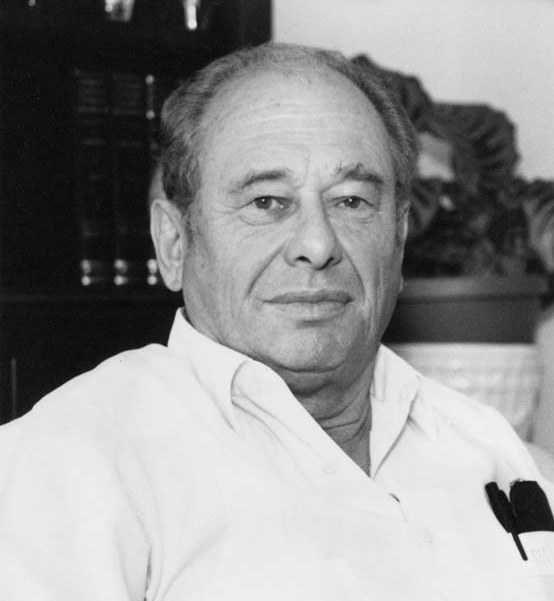
The Man Who Named Scientific Imperialism
As IUCN Director General, Gerardo Budowski challenged how wealthy nations extracted knowledge from developing countries—then spent his life building frameworks for coexistence.
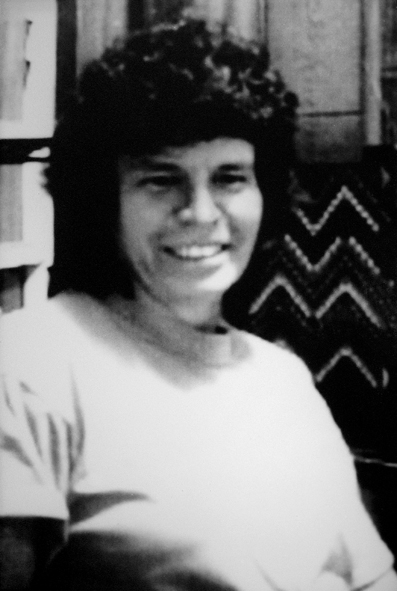
The Woman Who Conserved Chirripó
Weeks after a conservationist was murdered, Adelaida Chaverri walked into Corcovado to document what was worth dying for. She spent the rest of her life defending its highest peak.
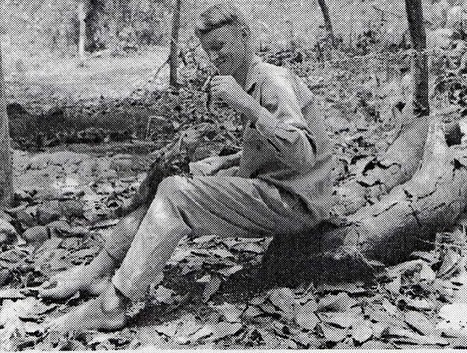
The Forest That Killed the Swede
With letters and machetes, Olof Wessberg and Karen Mogensen created Costa Rica's first protected area, then paid for Corcovado's survival with a life.
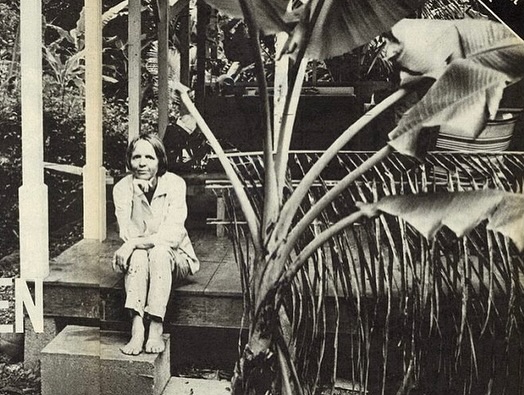
The Silent Guardian: Karen Mogensen's Nineteen-Year Vigil
After Olof's murder, local authorities came for the forest. Karen Mogensen converted her home into a lodge, slept on a storage-room bench to pay the tax bills, and held a nineteen-year vigil that anchored two conservation reserves.
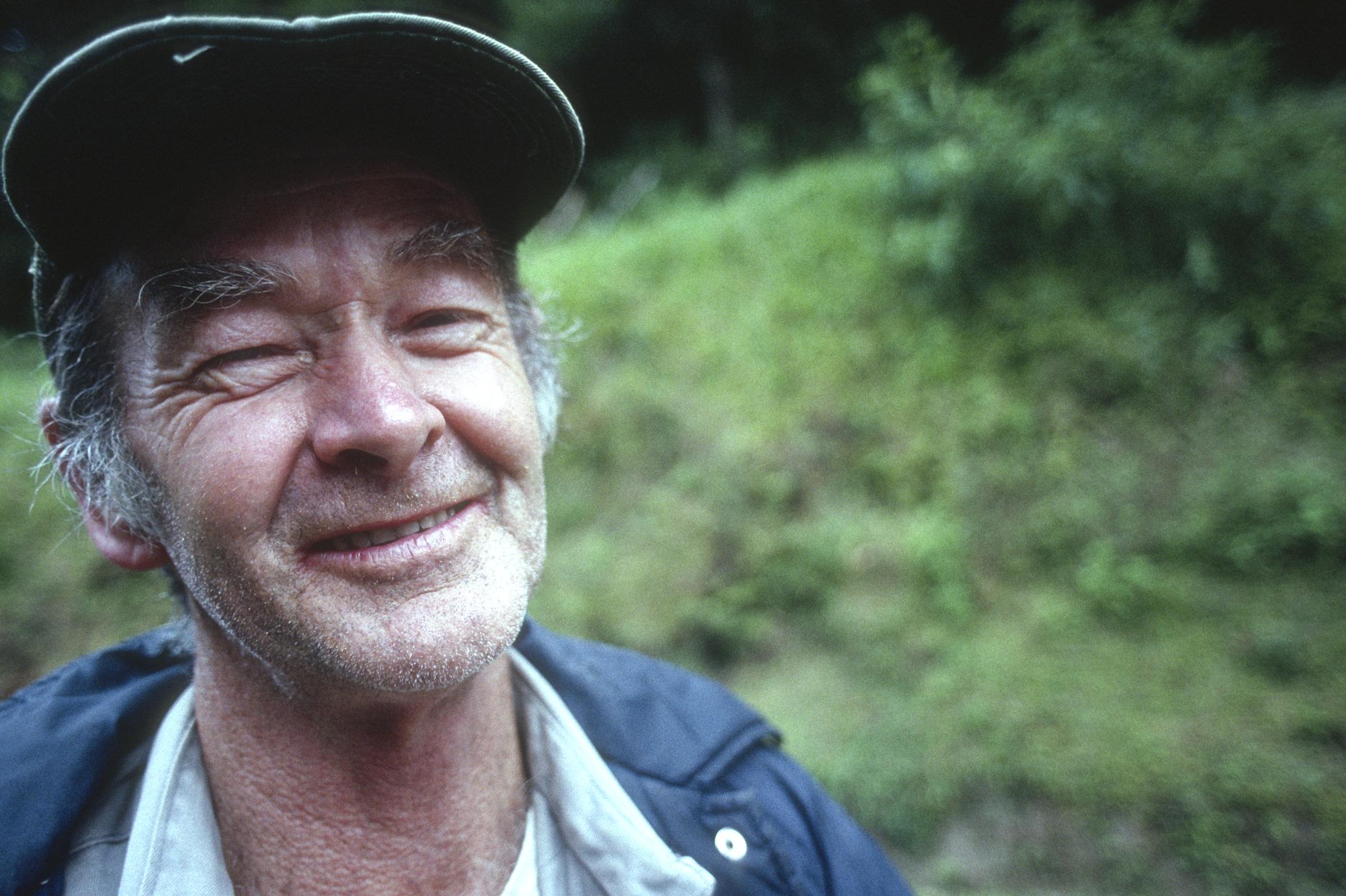
The Unarmed Guard
Wolf Guindon sold the first chainsaws in Costa Rica, then spent four decades patrolling the cloud forest he helped protect, unarmed, guided by the same Quaker conscience that sent him to prison at eighteen.
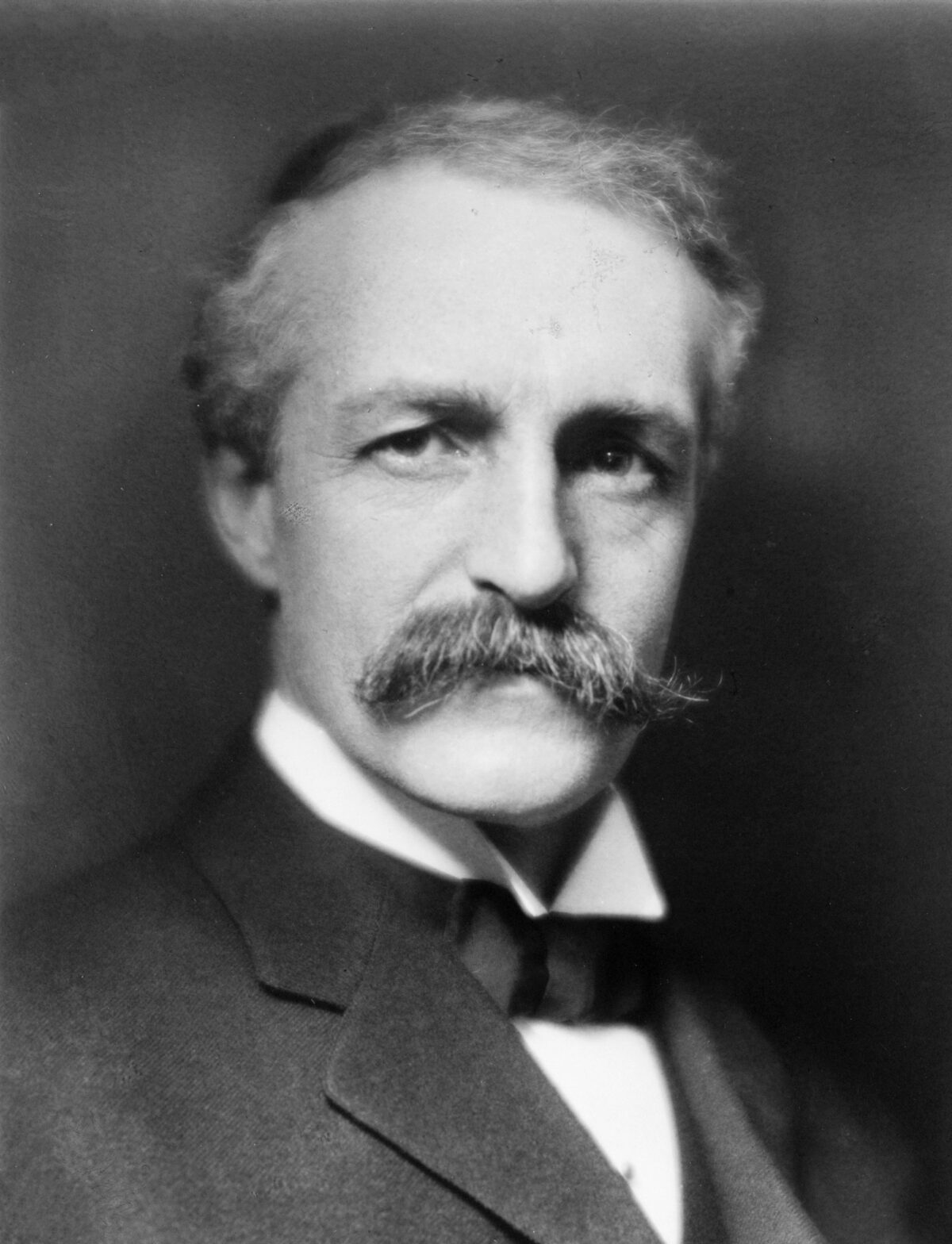
The Stumps of Pike County
Gifford Pinchot's family fortune came from clear-cutting forests. His life's work was making sure no one could do it again. He built the U.S. Forest Service, invented the American meaning of 'conservation,' and spent his last decades arguing that forests were beautiful and world peace depended on how nations shared their natural resources.
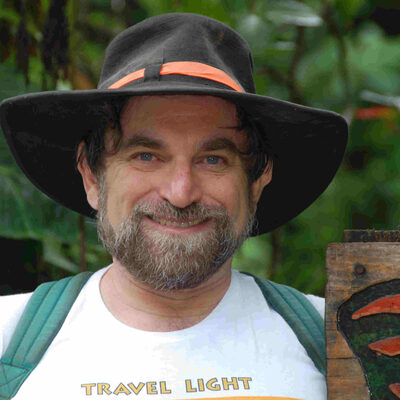
Seven Dollars an Acre
Amos Bien heard chainsaws destroying rainforest around a biological station in Sarapiquí, calculated that the cattle ranchers replacing it earned seven dollars per acre per year, and spent the rest of his life proving that the forest was worth more standing.
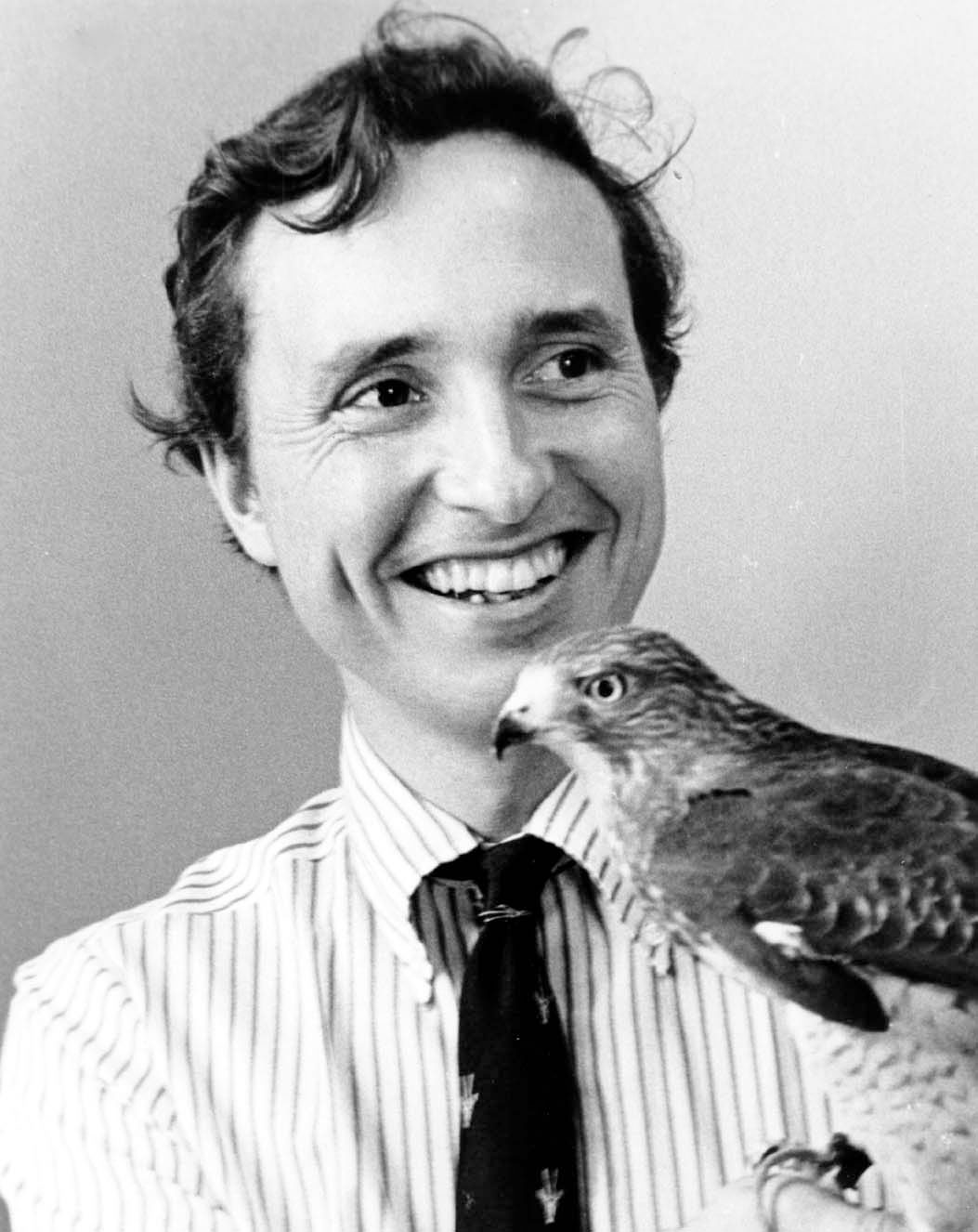
The Man Who Measured Paradise Dying
Tom Lovejoy's forty-year experiment in the Amazon revealed the scientific blueprint for understanding what's at stake in Costa Rica's fragmenting corridors.
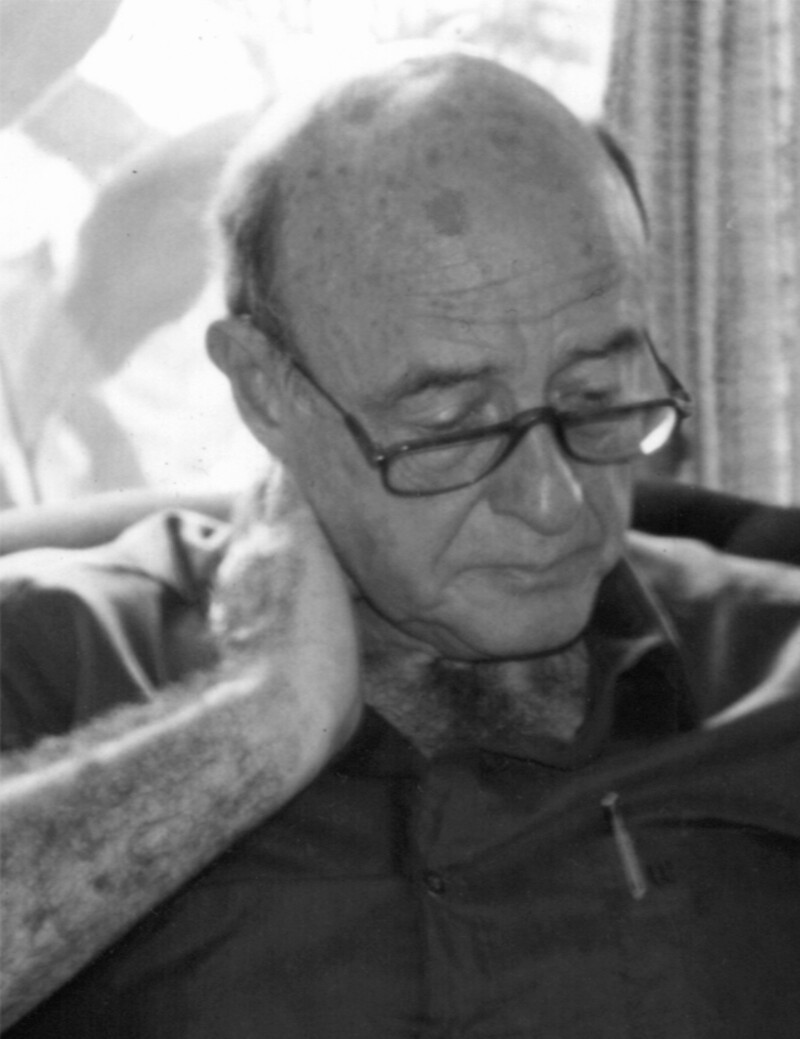
The Quiet Ecologist
Luis Fournier Origgi (1935-2002) spent four decades building the intellectual foundations of Costa Rican conservation: inventing tools to measure tropical forests, documenting the country's deforestation crisis, helping draft its first forest law, and proving on his own land that degraded pastures could become forests again.
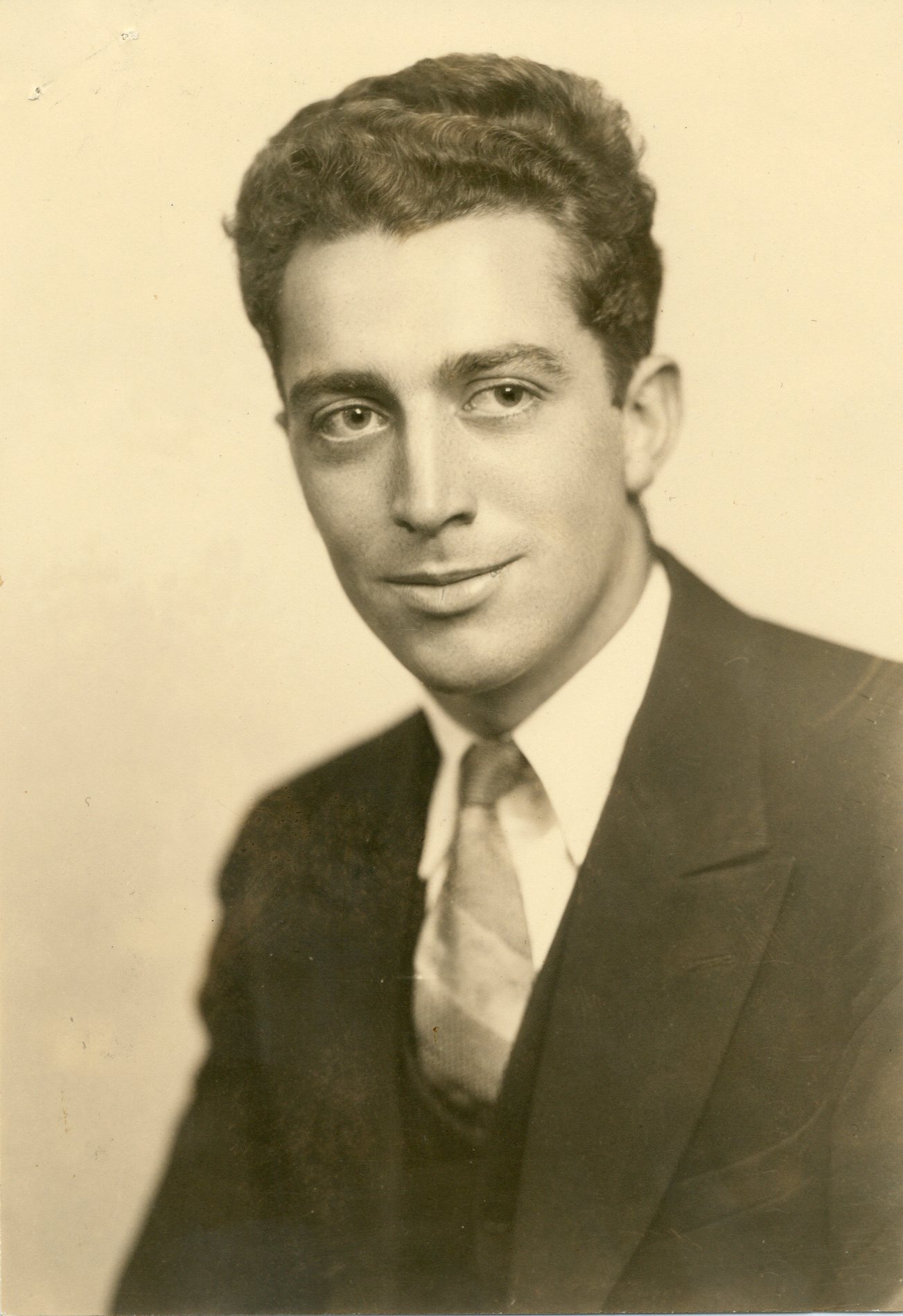
The Dictionary Maker: Leslie Holdridge and the Language of Life Zones
Before Costa Rica could save its forests, it needed to name them. Over a lifetime, one botanist learned to read climate data as a map of where plants could live.
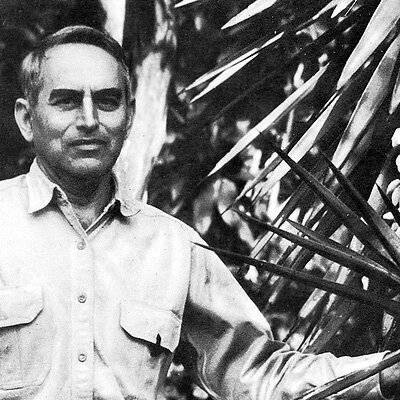
The Patient Observer
Alexander Skutch spent sixty-three years on a remote Costa Rican farm watching birds, producing the largest body of natural-history information on tropical birds ever collected by a single observer.
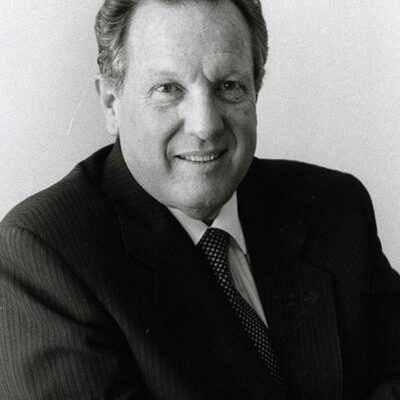
The Sower
Rodrigo Carazo Odio doubled Costa Rica's national park system while presiding over the worst economic crisis in the country's history, founding a university for peace while the world around him collapsed.
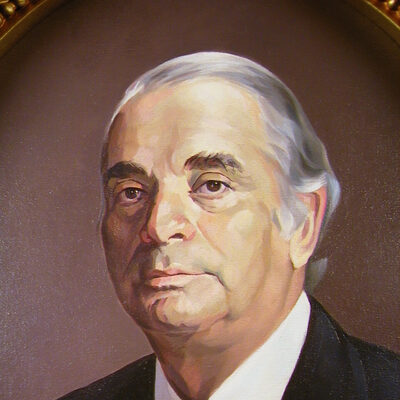
Fifty Years From Now
Daniel Oduber Quirós, a Guanacaste rancher who once tried to abolish Santa Rosa, became the president whose decrees built the institutional skeleton of the system that today protects a quarter of Costa Rica.
The Conservation Chairman
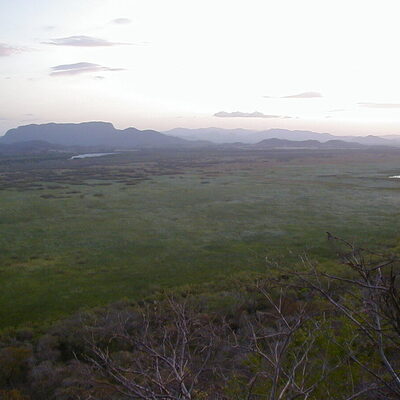
A Park Service technician who became Costa Rica's most consequential environmental activist, Alexander Bonilla Durán chaired ASCONA at the moment a president tried to shrink Palo Verde National Park, helped draft the law that made every subsequent president unable to do the same, and spent the next decade diagnosing what was going wrong with the movement he had helped build.

The Limits of Private Property
The story of Costa Rica's most prolific environmental attorney, who authored 36 books and built the doctrinal architecture the Sala Constitucional uses as routine, even as the next generation of jurists quietly stopped citing her by name.
Darwin's Natural Heir
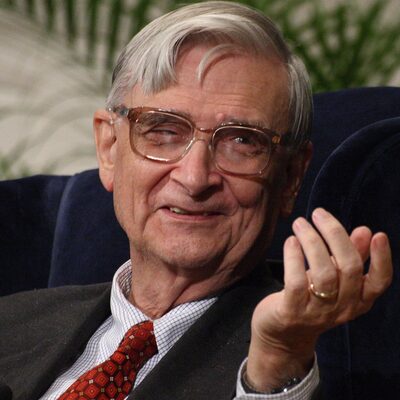
Edward O. Wilson turned a lifetime among ants into a theory of the whole living planet. In 1992 he named Costa Rica's biodiversity institute the prototype the rest of the world should follow.
The Botanist Costa Rica Made
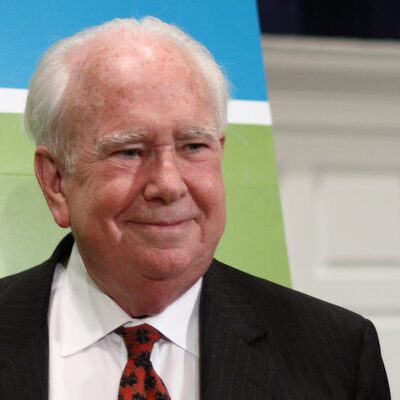
Peter Raven coined the word coevolution, built the Missouri Botanical Garden into a world power, and spent half a century warning that the planet's plants were vanishing. The conviction behind all of it took shape in a single field course in Costa Rica in 1967.
What a Forest Is Worth
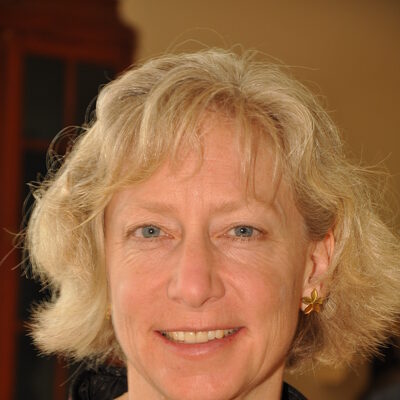
Gretchen Daily turned a wrecked experiment in a Costa Rican coffee valley into a new science of how nature survives among people, and then into a global effort to make economies finally count what a forest is worth.