Collection
Ecotourism and Its Discontents
7 articles
A seven-part investigation into ecotourism, mass tourism, and Costa Rica's choice between two development models. (The second model is not what you think.)

Part I: How Costa Rica Invented Ecotourism
Costa Rica pioneered authentic ecotourism in the 1980s, building a model the world tried to copy. Now luxury developers exploit the legal framework designed to protect small ecolodges.
Part II: The Guanacaste Model
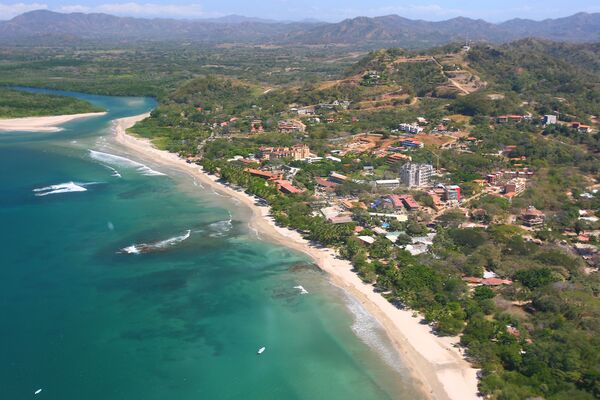
Peninsula Papagayo markets itself as sustainable while operating like a colonial extraction system. The all-inclusive resort model treats natural capital like ore deposits to be mined and exported.

Part III: Two Systems, Different Physics
Mass tourism and ecotourism aren't two points on a spectrum. They're different systems with different physics. One extracts value until the resource degrades. One generates value by maintaining what visitors pay to see.
Part IV: The Battle for Osa
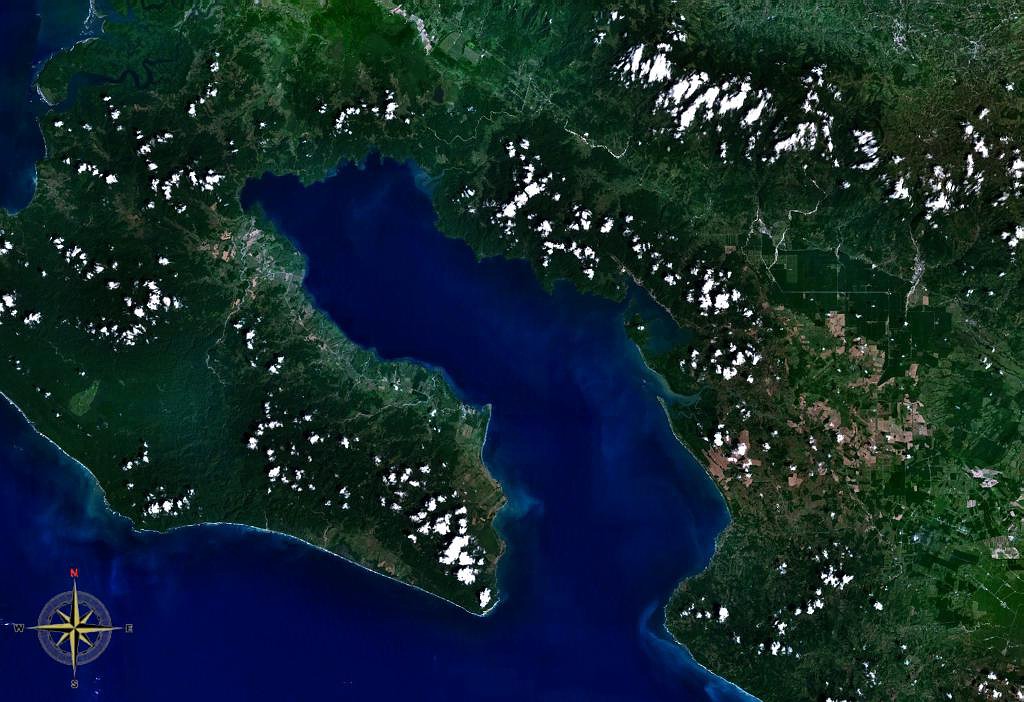
Mass tourism advocates are actively working to bring Guanacaste-style development to the Osa Peninsula through three fronts: a $105 million airport, doubled park capacity, and a Hilton-branded marina.

Part V: The Case for Mass Tourism
With 35 percent poverty in Osa, communities need income now. Tourism proponents offer a tested development model: airports, resorts, certification systems. The argument deserves examination at its strongest.

Part VI: The Economic Reality
Everyone has opinions about Costa Rica's economic future. Fewer have looked at the data. Before debating airports and development, it's worth checking the numbers.
Part VII: Ecotourism and Its Discontents
Costa Rica treats peripheral regions as extraction zones while concentrating real economic development in the Central Valley. Tourism policy perpetuates this colonial pattern: the GAM gets tech jobs, the coast gets seasonal hotel work. The alternative isn't better ecotourism. It's bringing the high-tech economy to peripheral regions.