Magnolia del Savegre
Magnolia savegrensis — A recently discovered cloud forest magnolia endemic to Costa Rica's Savegre Valley, where ancient oaks and resplendent quetzals share the misty highlands of the Talamanca Mountains.
In 2013, botanists formally described Magnolia savegrensis, adding another endemic species to the remarkable flora of Costa Rica's cloud forests. Named for the Savegre River valley where it was discovered, this magnolia belongs to one of the world's most ancient flowering plant lineages. Magnolias appeared over 95 million years ago, predating the evolution of bees, and their primitive flowers are pollinated primarily by beetles. Today, the genus faces a conservation crisis: 75% of Neotropical magnolias are threatened with extinction, making newly discovered species like M. savegrensis both scientifically significant and urgently in need of protection.
The species was described by José Antonio Vázquez-García and colleagues in a landmark publication that added ten new magnolia species to science. Of these, M. savegrensis was the only one from Costa Rica, joining the country's other native magnolias including M. poasana and M. sororum. The holotype specimen is deposited at the National Museum of Costa Rica (CR) in San José, establishing the scientific reference point for this species.
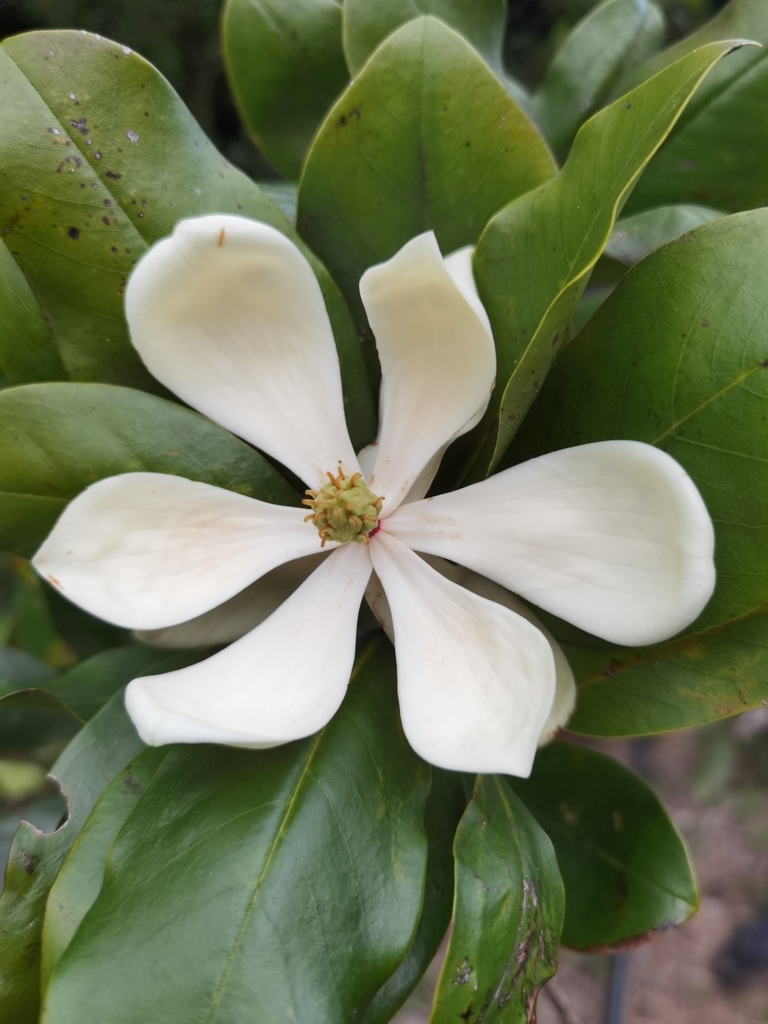
Identification
Physical Characteristics
As a recently described species, detailed morphological information for Magnolia savegrensis remains limited to the original scientific description. Like other members of the family Magnoliaceae, it is expected to possess the characteristic features of the genus: simple, alternate leaves with entire margins; large, showy flowers with numerous spirally-arranged tepals (undifferentiated petals and sepals); and aggregate fruits composed of many follicles that release seeds covered in a fleshy red or orange aril attractive to birds.
Comparison with related Costa Rican magnolias provides context: Magnolia poasana reaches 10-30 meters tall with elliptical leaves up to 12 cm long, while Magnolia sororum can attain 40 meters and is one of the tallest trees in the Talamanca cloud forests. Both produce the characteristic cone-like fruiting structures and fragrant white flowers typical of the genus.
Taxonomy and Scientific Discovery
Magnolia savegrensis was formally described in 2013 by José Antonio Vázquez-García and colleagues from the University of Guadalajara, Mexico. Vázquez-García is one of the world's leading authorities on Neotropical magnolias, having completed his master's thesis on the taxonomy of Magnolia in Mexico and Central America at the University of Wisconsin-Madison in 1990. The publication describing M. savegrensis added ten new magnolia species to science in a single paper, seven from Mexico, one from Costa Rica (this species), one from Bolivia, and one from Brazil.
Section Talauma
Magnolia savegrensis belongs to Magnolia section Talauma, the richest section of Neotropical Magnoliaceae with 56 species distributed from southwestern Mexico to Paraná, Brazil. This section was formerly treated as a separate genus (Talauma) but molecular studies have confirmed it belongs within Magnolia sensu lato. Phylogenetic research suggests the ancestors of section Talauma arrived in the Neotropics approximately 36 million years ago, initially colonizing areas of what are now Colombia and Venezuela, making it the first magnolia lineage to reach the New World tropics.
Related Costa Rican Species
Costa Rica hosts ten native magnolia species, making it the third most diverse country for Neotropical Magnoliaceae after Colombia (33 species) and Mexico (21 species). Within section Talauma, phylogenetic studies show that M. poasana and M. sororum form a closely related group with M. panamensis from Panama, though they are morphologically quite distinct. Another Costa Rican species, M. gloriensis, occurs at lower elevations (below 800-1,400 m) in very humid forests, while M. savegrensis occupies the high montane zone above 2,000 meters.
Wildlife Interactions
Beetle Pollination
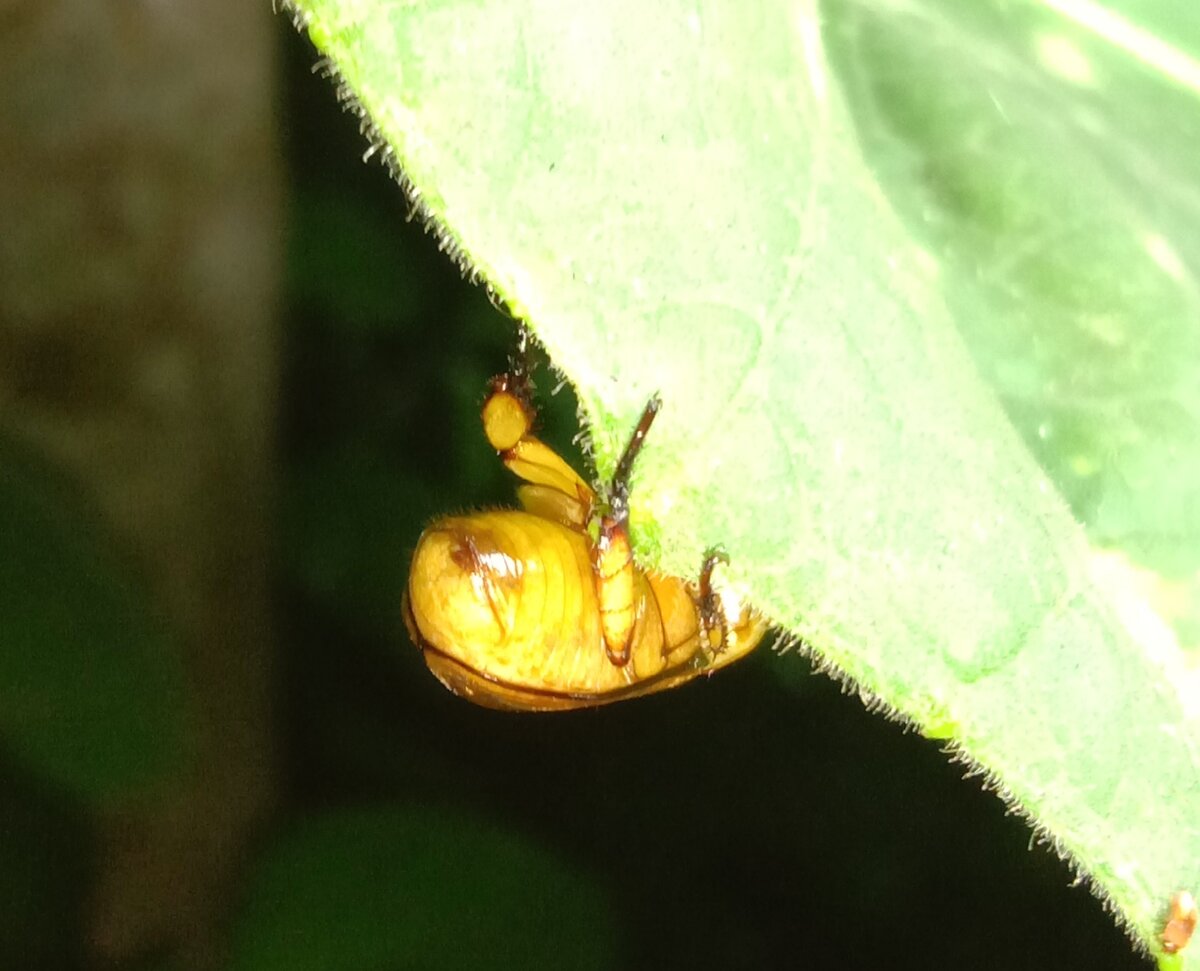
Magnolias are among the oldest flowering plants, having evolved over 95 million years ago before bees, butterflies, and moths existed. As a result, they developed flowers adapted for pollination by beetles, the dominant insect pollinators of the Cretaceous period. Studies on related Neotropical magnolias reveal highly specialized beetle pollination systems. In Magnolia tamaulipana from Mexico, 99% of floral visitors are beetles, primarily Cyclocephala scarabs (Dynastinae) and rove beetles (Staphylinidae). The beetles are attracted by floral thermogenesis, where the flowers generate heat up to 5°C above ambient temperature, and by the sweet scent produced at night. In return for pollination services, the beetles feed on protein-rich petals and mate within the warm floral chambers.
Seed Dispersal by Birds
Magnolia seeds are covered in a fleshy, bright red or orange outer coat called the sarcotesta, which attracts frugivorous birds. Recent research on the related Magnolia vovidesii from Mexico (published in 2025) documented nine bird species feeding on magnolia seeds using camera traps. Critically, the study found that seeds cannot germinate unless the sarcotesta is removed. Birds that consume and regurgitate the seeds, particularly thrushes like the Clay-colored Thrush (Turdus grayi), strip away this outer coating, enabling germination. Ants also contribute to sarcotesta removal for seeds that fall to the ground.
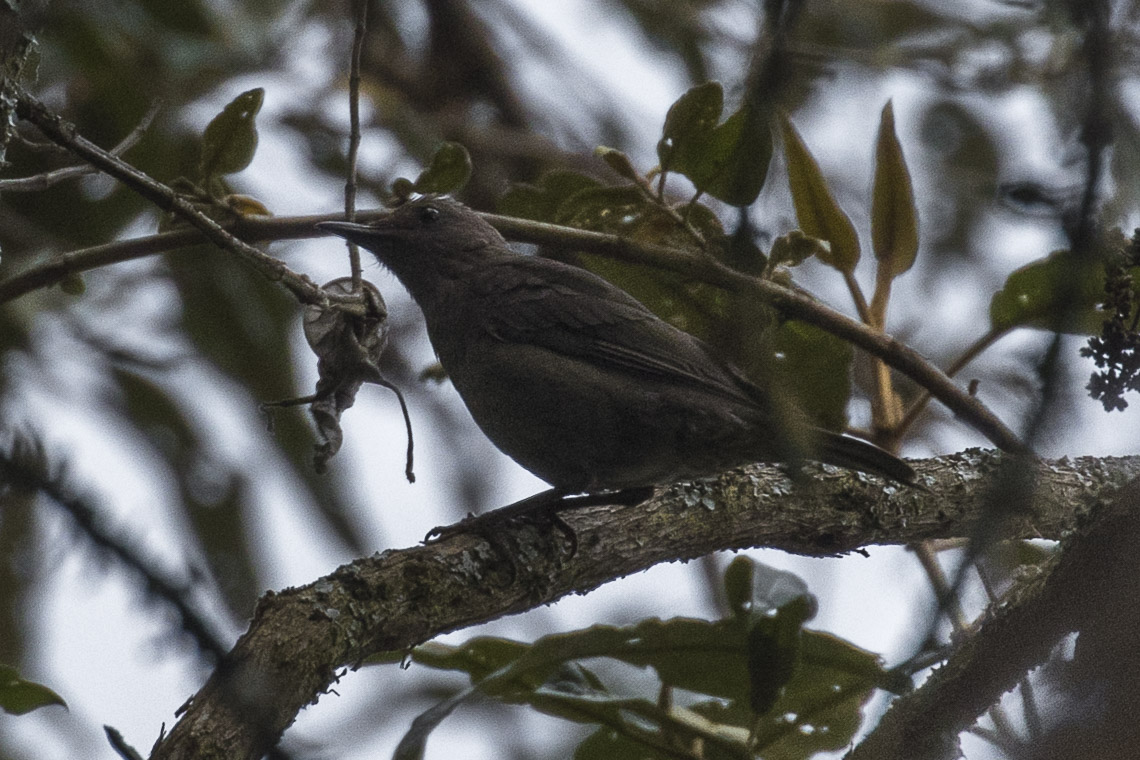
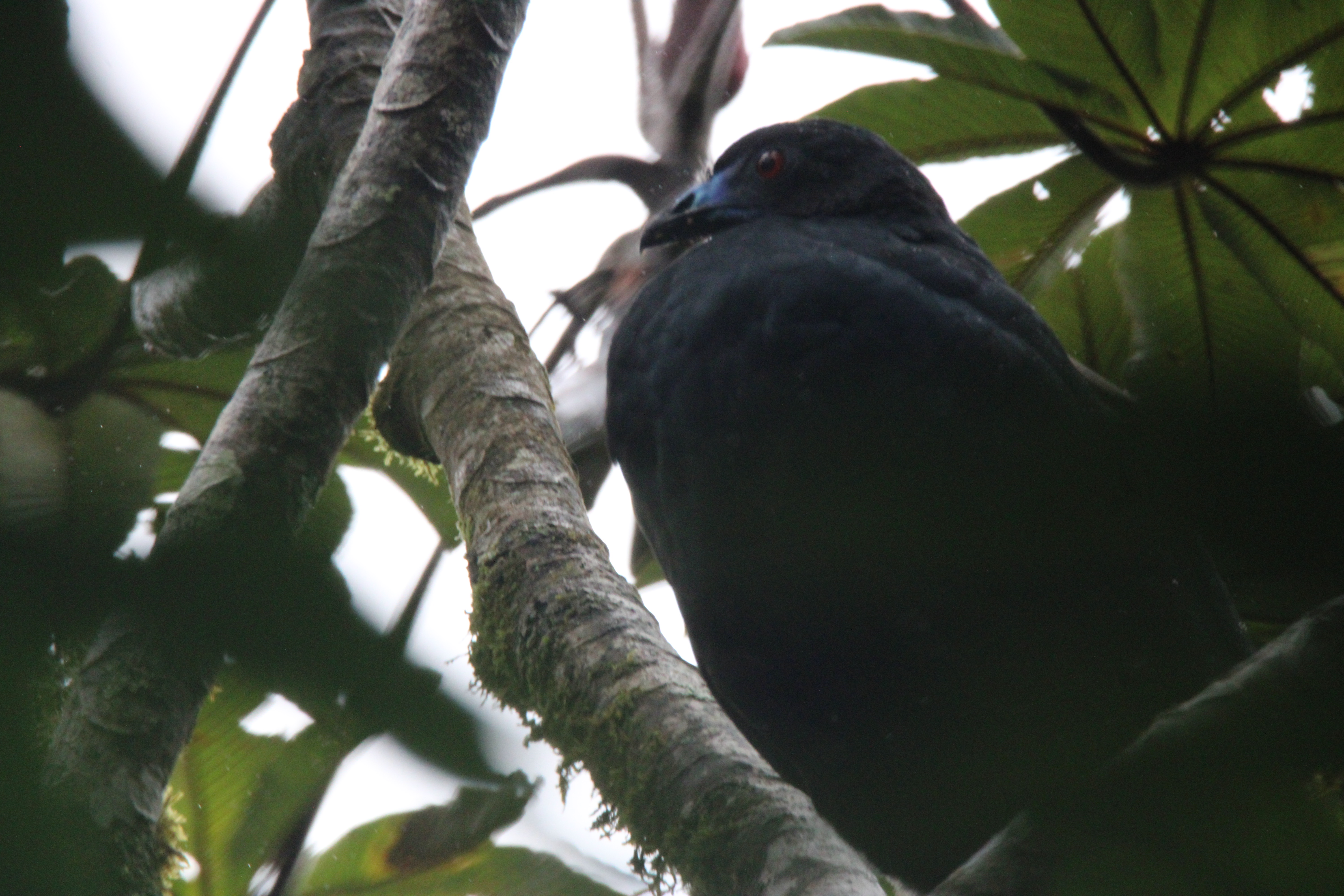
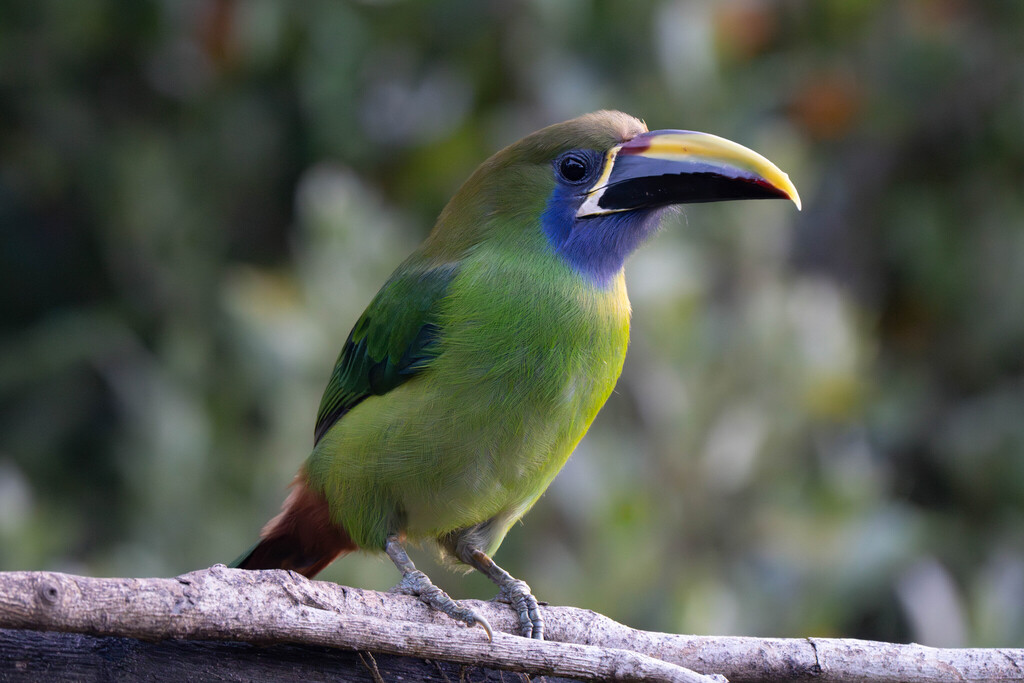
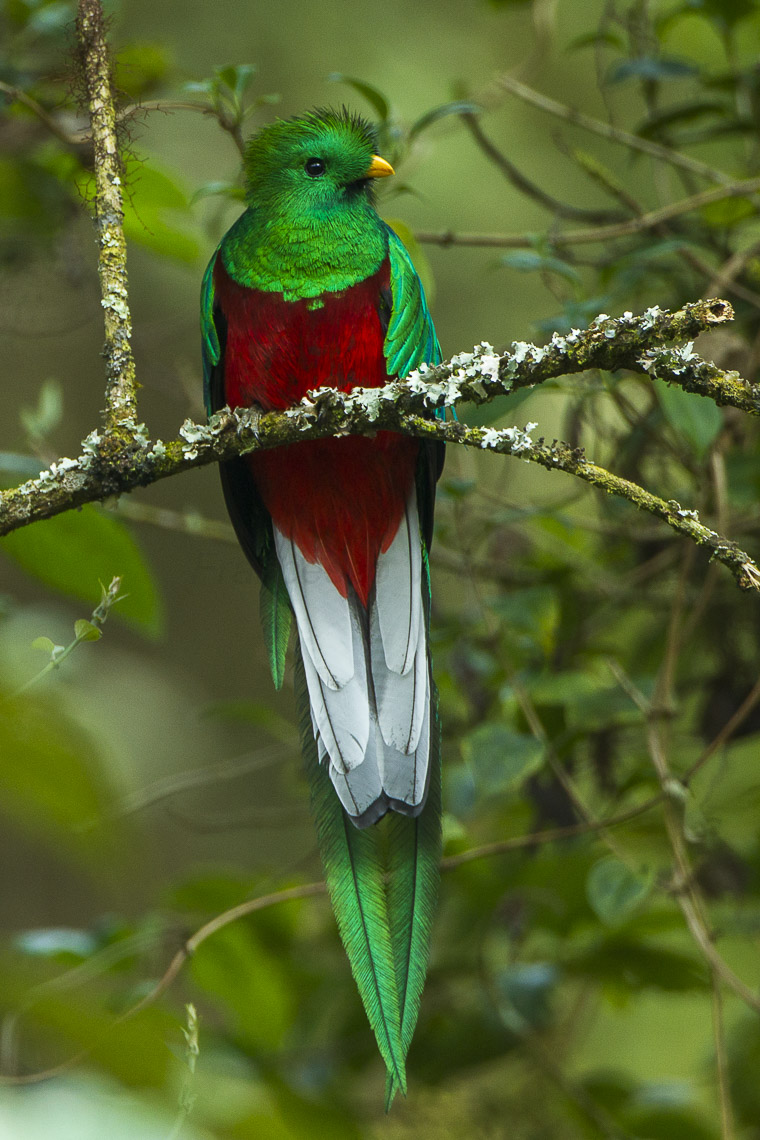
In the Savegre cloud forest, potential seed dispersers for M. savegrensis likely include the Mountain Robin (Turdus plebejus), Black Guan (Chamaepetes unicolor), Emerald Toucanet (Aulacorhynchus prasinus), and possibly the Resplendent Quetzal. Studies in Costa Rican montane oak forests have documented these species as important dispersers of Lauraceae fruits, and they would similarly interact with magnolia seeds. The highland tinamou and various tanager species also contribute to seed dispersal in these forests.
Mycorrhizal Associations
Like most flowering plants, magnolias form symbiotic relationships with mycorrhizal fungi that colonize their roots and assist with nutrient uptake. Research on endangered Andean magnolias (M. yarumalensis and M. jardinensis) found colonization rates of 60-70% by arbuscular mycorrhizal fungi, suggesting these partnerships are critical for magnolia survival, particularly in the nutrient-poor, acidic soils typical of cloud forests. The dominant oaks of the Savegre forest form ectomycorrhizal associations with different fungal partners, creating a complex underground network of plant-fungal interactions that may facilitate nutrient cycling throughout the forest community.
The Savegre Cloud Forest
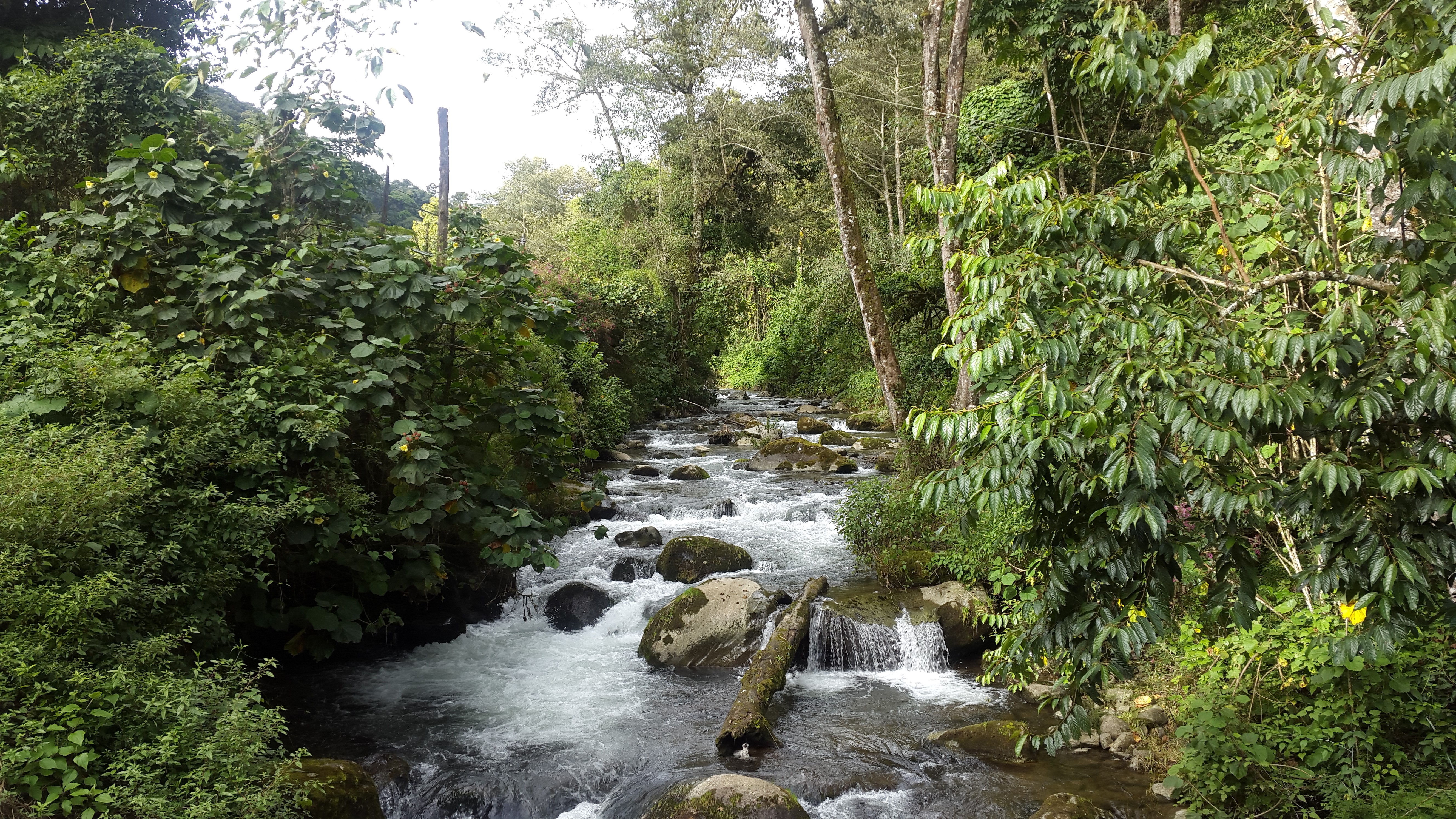
The Savegre River valley, located in the Talamanca Mountains of central Costa Rica, represents one of the country's most biodiverse cloud forest ecosystems. At elevations around 2,200 meters, the valley hosts a remarkable concentration of endemic species, with more than 50% of the 53 endemic plant species recorded in the Savegre River basin occurring in the high montane and subalpine zones.
The forest canopy is dominated by massive oaks, particularly Quercus copeyensis and Quercus costaricensis, which can reach heights of 35 to 50 meters. Within this oak matrix, magnolias form part of the diverse subcanopy and canopy layer alongside laurels, which provide critical food resources for the Resplendent Quetzal (Pharomachrus mocinno). The Savegre Valley is famous as one of the best places in the world to observe this iconic bird, which depends on the wild avocados (aguacatillos) of the laurel family.
Ancient Lineage, Modern Crisis
The Magnoliaceae are among the most ancient of flowering plant families. Fossil evidence places their origin in the Early Cretaceous period, over 95 million years ago, when dinosaurs still roamed the Earth. Their primitive flower structure, with numerous spirally-arranged parts and pollination by beetles rather than bees, reflects this antiquity. The family arrived in the Neotropics through gradual migration from North America, with species establishing in the mountain ranges of Mexico and Central America as the climate cooled and montane habitats expanded.
Today, Neotropical magnolias face a conservation crisis. According to the Red List of Magnoliaceae, 75% of Neotropical magnolia species are threatened with extinction, the highest proportion of any region. The threats are familiar: habitat loss from deforestation and agricultural expansion, combined with the inherent vulnerability of species restricted to small geographic ranges. Endemic species like M. savegrensis, known only from a single valley, are particularly at risk.
Conservation
The Savegre Valley benefits from significant conservation infrastructure. Los Quetzales National Park, established in 2006, protects approximately 4,117 hectares of cloud forest habitat. The adjacent Savegre Natural Reserve and numerous private reserves provide additional protection. Together, these protected areas safeguard much of the endemic flora and fauna of the region, including the habitat of Magnolia savegrensis.
However, the species has not yet been formally assessed by the IUCN Red List. Given that 77% of the magnolia species described in the same 2013 publication were proposed for threatened status, and considering the narrow endemic range of M. savegrensis, a formal assessment would likely place it in a threatened category. Priority conservation actions include detailed population surveys, studies of its reproductive biology and ecological requirements, and inclusion in ex-situ conservation programs at botanical gardens.
Resources & Further Reading
Species Information
The original scientific publication describing M. savegrensis and nine other new magnolia species from the Neotropics.
Global conservation assessment of the magnolia family, documenting the crisis facing Neotropical species.
Botanic Gardens Conservation International resources on magnolia conservation worldwide.
Recent molecular study on the phylogeny of Neotropical magnolias, including evolutionary history and biogeography of section Talauma.
Overview of the magnolia section to which M. savegrensis belongs, with 56 Neotropical species.
Pollination and Seed Dispersal
Key study documenting the specialized beetle pollination system in Neotropical magnolias.
Comprehensive review of beetle pollination across the magnolia family from an evolutionary perspective.
Recent study on Magnolia vovidesii showing that seed dispersers are critical for magnolia germination.
Chapter from Ecology and Conservation of Neotropical Montane Oak Forests on bird seed dispersal in Talamanca.
Related Costa Rican Magnolias
Information on the Poas Magnolia, a related cloud forest species found across Costa Rica's mountain ranges.
The Sister Magnolia, one of the tallest trees in Costa Rican cloud forests, reaching 40 meters.
Savegre Valley and Cloud Forest Research
Comprehensive 34-chapter book edited by Maarten Kappelle on the ecology of oak forests from Mexico to Colombia.
Scientific checklist documenting 590 vascular plant species in the upper Savegre watershed.
Overview of the UNESCO Biosphere Reserve spanning 312,914 hectares with 71 endemic plant species.
Overview of the protected area encompassing much of M. savegrensis habitat.
Information on the national park protecting cloud forest and quetzal habitat in the Savegre region.
Biodiversity information for the Savegre Valley region from the Savegre reserve.