Collection
No to the Palmar Sur Airport
5 articles
Our reporting and policy work on the proposed international airport at Palmar Sur: the communities in its path, the ecosystem it would poison, and the alternatives the government has not studied.
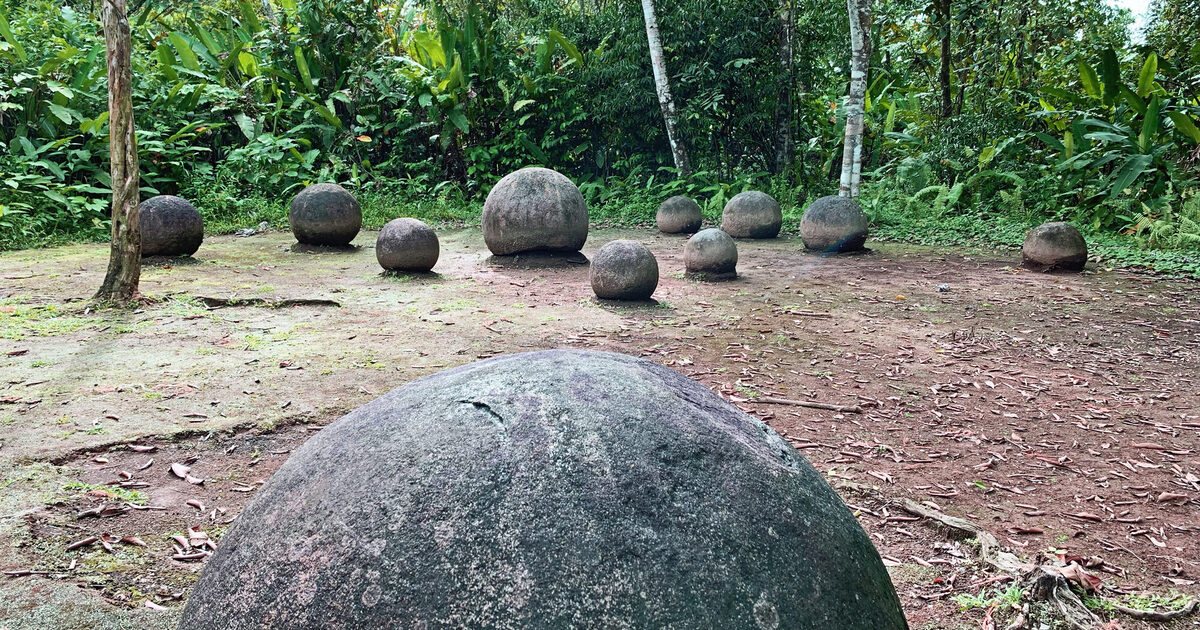
An Airport Where the Weeds Are
When the banana company left the Diquís Delta in 1984, 350 farming families stayed and built lives on the land. Now the government wants to build an international airport on their fincas. SETENA rejected the project in 2015. The Procuraduría found it legally unviable. The government revived it anyway.
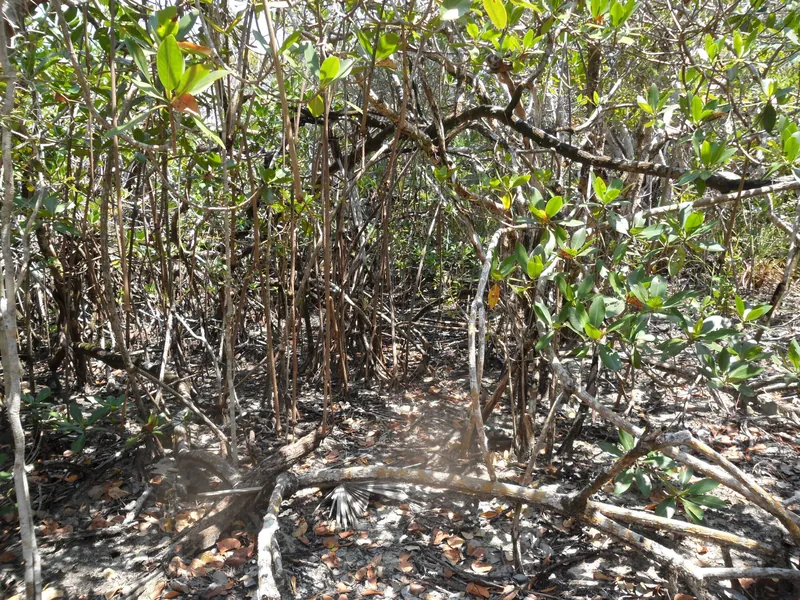
What an Airport Leaves in the Water
The Térraba-Sierpe wetland is a nursery for 13 shark and ray species. The river at the airport site was classified contaminated twenty years ago. Pineapple pesticides already cause neurotoxic effects downstream. Into this system, the government proposes to introduce PFAS, jet fuel hydrocarbons, and heavy metals through an airport whose environmental impact assessment was rejected and never replaced.
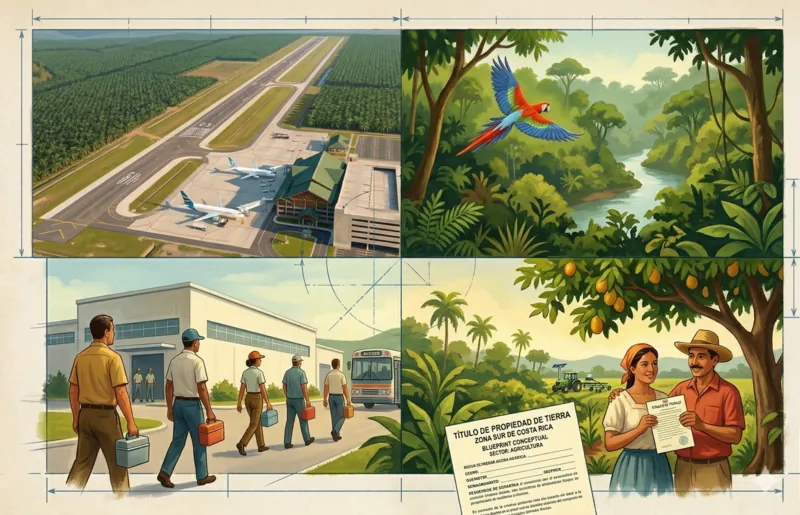
A Blueprint for the Southern Zone
The government wants to spend $40 to $105 million on an international airport at Palmar Sur. It would displace 350 farming families, sit on a flood delta, and border a UNESCO World Heritage Site. Here is an alternative: a plan of five investments that together accomplish the same stated goals at comparable cost, without threatening a single protected area and without uprooting a single farming community.
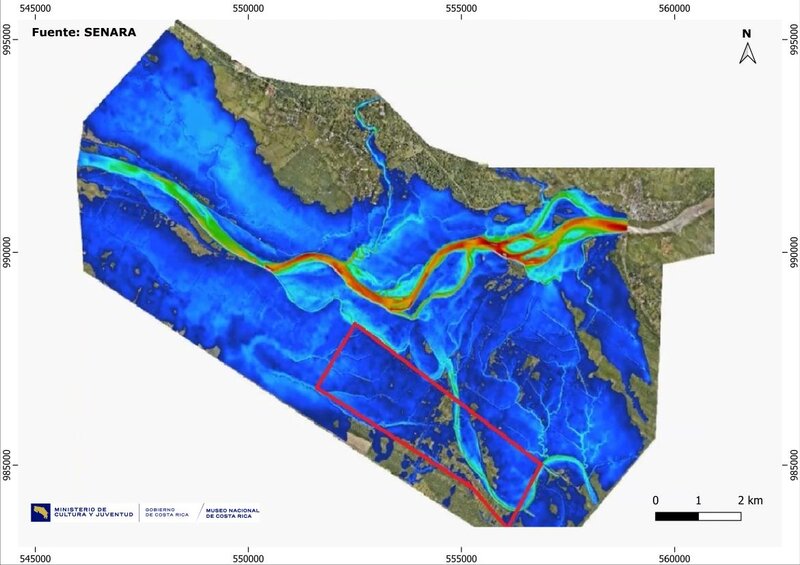
The People of the Diquís Delta
An archaeological survey for an airport project reveals traces of a society that understood this flood-prone landscape far better than we do.

Built, and Empty
Governments build airports that do not fill. Ciudad Real sold at auction for €56 million against a €1.1 billion construction bill. Mattala earned $123 in a single month. The Copán Ruinas airport registered twenty-seven flights in six years. Costa Rica already has two officially international airports with zero scheduled international flights. The Palmar Sur proposal sits inside a seventy-year global pattern that has its own academic literature.