The Lonesome Charioteer El Conductor Solitario
Archie Carr found a single turtle track on an empty beach and sparked a movement that brought the great fleets back from the edge of extinction. Archie Carr encontró la huella de una sola tortuga en una playa vacía y provocó un movimiento que trajo las grandes flotas de regreso del borde de la extinción.
In the middle of the twentieth century, the green sea turtle was not yet an icon of conservation. It was a commodity, a global resource being systematically liquidated to satisfy a dwindling but persistent aristocratic taste. The epic, migratory fleets of Chelonia mydas, which had navigated the Atlantic for millennia, were vanishing. They were being reduced to tinned soup stock, most famously to fill the nightly cup favored by Winston Churchill. A mediados del siglo XX, la tortuga verde no era todavía un ícono de conservación. Era una mercancía, un recurso global siendo sistemáticamente liquidado para satisfacer un gusto aristocrático menguante pero persistente. Las épicas flotas migratorias de Chelonia mydas, que habían navegado el Atlántico durante milenios, estaban desapareciendo. Estaban siendo reducidas a caldo enlatado, más famosamente para llenar la taza nocturna favorecida por Winston Churchill.
The industry had been so efficient that its own supply chains were collapsing. Grand Cayman, once a global hub for the turtle fishery, was a ghost of its former self. In 1954, a zoologist from the University of Florida walked its nesting beaches. He walked until he was tired and saw the tracks of only one turtle. That man was Archie Carr. La industria había sido tan eficiente que sus propias cadenas de suministro estaban colapsando. Gran Caimán, antes un centro global para la pesca de tortugas, era un fantasma de lo que fue. En 1954, un zoólogo de la Universidad de Florida caminó sus playas de anidación. Caminó hasta cansarse y vio las huellas de solo una tortuga. Ese hombre era Archie Carr.
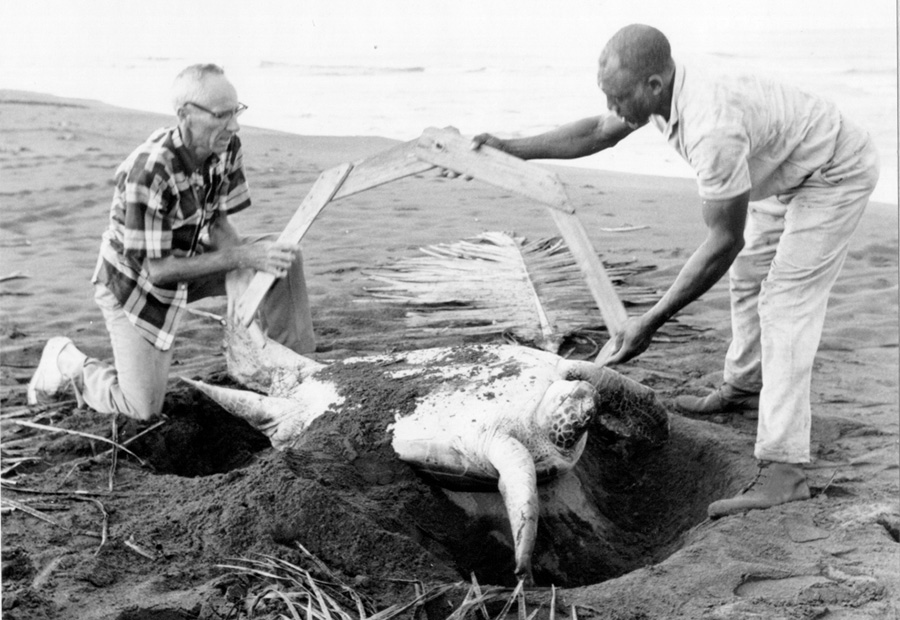
This single, lonesome track was a symptom of a basin-wide apocalypse. Carr was witnessing the end of an era. On the remote black sand beaches of Costa Rica, at a place called Tortuguero or "Turtle Bogue," the slaughter was mechanized. The nesting beach, the most important for the green turtle in the entire western hemisphere, had become a processing line. Local harvesters, known as veladores or "stayers awake," intercepted nearly every female that heaved herself from the surf. The turtles were shipped to market before they could even lay their eggs. Esta única y solitaria huella era un síntoma de un apocalipsis a escala de cuenca. Carr estaba presenciando el fin de una era. En las remotas playas de arena negra de Costa Rica, en un lugar llamado Tortuguero o "Turtle Bogue", la matanza estaba mecanizada. La playa de anidación, la más importante para la tortuga verde en todo el hemisferio occidental, se había convertido en una línea de procesamiento. Los recolectores locales, conocidos como veladores o "los que se quedan despiertos", interceptaban casi toda hembra que se arrastraba desde el oleaje. Las tortugas eran enviadas al mercado antes de que pudieran poner sus huevos.
Carr, a biologist, understood what the turtle brokers did not. This was not a temporary dip in supply. It was an extinction event proceeding in plain sight. He captured the bleakness of the moment in a 1954 article, giving it a title that was both poetic and journalistic: "The Passing of the Fleet". Carr, un biólogo, entendió lo que los comerciantes de tortugas no entendían. Esto no era una caída temporal en el suministro. Era un evento de extinción ocurriendo a plena vista. Capturó la desolación del momento en un artículo de 1954, dándole un título que era tanto poético como periodístico: "El Paso de la Flota".
The true crisis, as Carr perceived it, was not just the impending economic loss of a fishery. It was the "virtually without notice" disappearance of an ancient, magnificent creature. The turtles were dying, and the world was not even watching. Carr's unique insight was to frame this collapse not just as a commercial failure but as an ecological and, perhaps more powerfully, an aesthetic one. He saw the passing of a wild wonder, and he felt a responsibility to document its demise. In doing so, he accidentally started a movement to reverse it. The central tension of his life's work was born from this observation. How do you save a creature that lives its life in the open ocean, a creature that is invisible for 99 percent of its existence and vulnerable for the other one percent? La verdadera crisis, como la percibió Carr, no era solo la pérdida económica inminente de una pesquería. Era la desaparición "virtualmente sin aviso" de una criatura antigua y magnífica. Las tortugas estaban muriendo, y el mundo ni siquiera estaba mirando. La percepción única de Carr fue enmarcar este colapso no solo como un fracaso comercial sino como uno ecológico y, quizás más poderosamente, estético. Vio el paso de una maravilla salvaje, y sintió una responsabilidad de documentar su desaparición. Al hacerlo, accidentalmente inició un movimiento para revertirlo. La tensión central del trabajo de su vida nació de esta observación. ¿Cómo salvas una criatura que vive su vida en el océano abierto, una criatura que es invisible durante el 99 por ciento de su existencia y vulnerable durante el otro uno por ciento?
The Generalist from the Delta El Generalista del Delta
To understand why Archie Carr was the individual to solve this puzzle, one must look inland, decades earlier, to the brackish water of the Mobile-Tensaw Delta. Archibald Fairly Carr Jr. was born in Mobile, Alabama, in 1909. He was the son of a Presbyterian minister whose name is still engraved on a plaque in the old Presbyterian church on Government Street. The "Parson" rode his bicycle to the edge of town to explore the woods and instilled in his son an irrepressible love for the natural world. Para entender por qué Archie Carr fue el individuo que resolvió este enigma, hay que mirar tierra adentro, décadas antes, al agua salobre del Delta Mobile-Tensaw. Archibald Fairly Carr Jr. nació en Mobile, Alabama, en 1909. Era hijo de un ministro presbiteriano cuyo nombre todavía está grabado en una placa en la antigua iglesia presbiteriana en Government Street. El "Párroco" montaba su bicicleta al borde del pueblo para explorar los bosques e inculcó en su hijo un amor irreprimible por el mundo natural.
Carr's boyhood was spent running free, biking to the delta to fish and explore one of the last undammed river systems on the continent. This landscape, teeming with life, "colored the rest of his life and work". As a teenager in Savannah, Georgia, he fell in love with turtles, a passion that would define his career. His family's backyard was not a manicured lawn but a menagerie, crawling with creatures most people would find downright frightening. This early immersion did not produce a narrow specialist. It created what the author Peter Matthiessen would later call an "old-fashioned generalist". La niñez de Carr transcurrió corriendo libre, pedaleando al delta para pescar y explorar uno de los últimos sistemas fluviales sin represas del continente. Este paisaje, rebosante de vida, "coloreó el resto de su vida y trabajo". Como adolescente en Savannah, Georgia, se enamoró de las tortugas, una pasión que definiría su carrera. El patio trasero de su familia no era un césped cuidado sino una casa de fieras, repleta de criaturas que la mayoría de la gente encontraría francamente aterradoras. Esta inmersión temprana no produjo un especialista estrecho. Creó lo que el autor Peter Matthiessen llamaría más tarde un "generalista a la antigua".
Carr was a man of profound and eclectic knowledge. He knew "the spawning habits of the Suwanee River sturgeon, the life cycle of carnivorous plants along the Panhandle, Spanish moss forests and the epithetic bromeliads of the Everglades". He was, as a former Florida governor noted, beyond just a scientist; he "understood the singularity of Florida's landscape". This generalist perspective, no longer in vogue in modern science, would become the foundation of his success. Carr era un hombre de conocimiento profundo y ecléctico. Conocía "los hábitos de desove del esturión del río Suwanee, el ciclo de vida de las plantas carnívoras a lo largo del Panhandle, los bosques de musgo español y las bromelias epífitas de los Everglades". Era, como notó un ex gobernador de Florida, más que solo un científico; "entendía la singularidad del paisaje de Florida". Esta perspectiva generalista, ya no en boga en la ciencia moderna, se convertiría en la base de su éxito.
His academic and professional life was a portrait of loyalty. He was a creature of the University of Florida. He earned his bachelor's degree in 1932, his master's in 1934, and in 1937, became the first person ever to be granted a Ph.D. in zoology from the university. He remained there as a professor for the rest of his life, a "colorful character" who, with his equally formidable biologist wife Marjorie Harris Carr, raised five children on a farm deep in the heart of Paynes Prairie. It was a place, Marjorie liked to joke, where they "reared and educated five children on their small farm, and no one died." Su vida académica y profesional era un retrato de lealtad. Era una criatura de la Universidad de Florida. Obtuvo su licenciatura en 1932, su maestría en 1934 y en 1937, se convirtió en la primera persona en recibir un Ph.D. en zoología de la universidad. Permaneció allí como profesor por el resto de su vida, un "personaje colorido" que, con su igualmente formidable esposa bióloga Marjorie Harris Carr, crió cinco hijos en una granja en el corazón de Paynes Prairie. Era un lugar, bromeaba Marjorie, donde "criaron y educaron cinco hijos en su pequeña granja, y nadie murió."
His classes at the university were "legendary". He preached that the natural world could not be found in a book or on a specimen slide. A proper zoologist, he believed, needed to get his hands dirty. His field trips were famous, less for their rigor than for their scope. He integrated "zoology, botany, geology, and cultural anthropology", teaching his students to see the world as an interconnected whole. He would have them roll up water hyacinths, enduring the "muck itch" and the bite of the "hot bug" to understand the ecosystem from the mud up. The hot bug, Carr reassured nervous students, was "no worse than the sting of a bee," though its caustic bite was so painful that more than one less-than-motivated would-be zoologist changed majors. The muck itch, which burned on contact and left a lingering rash, had the same effect. Both were inevitable. Sus clases en la universidad eran "legendarias". Predicaba que el mundo natural no se podía encontrar en un libro o en una placa de especímenes. Un zoólogo apropiado, creía, necesitaba ensuciarse las manos. Sus viajes de campo eran famosos, menos por su rigor que por su alcance. Integraba "zoología, botánica, geología y antropología cultural", enseñando a sus estudiantes a ver el mundo como un todo interconectado. Los hacía enrollar jacintos de agua, soportando la "comezón del lodo" y la mordida del "bicho caliente" para entender el ecosistema desde el lodo hacia arriba. El bicho caliente, aseguraba Carr a estudiantes nerviosos, era "no peor que la picadura de una abeja," aunque su mordida cáustica era tan dolorosa que más de un aspirante a zoólogo poco motivado cambió de carrera. La comezón del lodo, que ardía al contacto y dejaba un sarpullido persistente, tenía el mismo efecto. Ambos eran inevitables.
This holistic approach meant he valued human stories as much as biological data. He believed his conservation ethic grew "as well as his friendships with the fishermen who supplied him with many of the stories he retold so engagingly". Where another scientist might see an uneducated poacher, Carr saw a generational database of invaluable field observations. Este enfoque holístico significaba que valoraba las historias humanas tanto como los datos biológicos. Creía que su ética de conservación crecía "así como sus amistades con los pescadores que le suministraban muchas de las historias que recontaba tan cautivadoramente". Donde otro científico podría ver un cazador furtivo sin educación, Carr veía una base de datos generacional de observaciones de campo invaluables.
For the first half of his career, Carr was a herpetologist focused on freshwater species. His expertise culminated in the 1952 publication of the Handbook of Turtles, a classic and authoritative text that won the Daniel Giraud Elliot Medal from the National Academy of Sciences. But the book was a pivot, not just a capstone. As his former student Karen Bjorndal later recalled, it was while researching the sea turtle sections for this book that Carr "became entranced". He was captivated by the sheer mystery of their lives, by their unfathomable navigations, and by the "stories from Nicaraguan fishermen" about their migrations. The generalist, the storyteller, and the scientist had found a subject that demanded all three of his talents. Durante la primera mitad de su carrera, Carr fue un herpetólogo enfocado en especies de agua dulce. Su experiencia culminó en la publicación de 1952 del Manual de Tortugas, un texto clásico y autoritario que ganó la Medalla Daniel Giraud Elliot de la Academia Nacional de Ciencias. Pero el libro fue un pivote, no solo una culminación. Como recordó más tarde su ex estudiante Karen Bjorndal, fue mientras investigaba las secciones de tortugas marinas para este libro que Carr "quedó encantado". Fue cautivado por el puro misterio de sus vidas, por sus navegaciones insondables, y por las "historias de pescadores nicaragüenses" sobre sus migraciones. El generalista, el contador de historias y el científico habían encontrado un tema que demandaba los tres de sus talentos.
A Call to Arms, Written Un Llamado a las Armas, Escrito
Archie Carr's single most powerful conservation tool was not a flipper tag or a government petition. It was narrative prose. Following his "entrancement" with sea turtles, Carr began to "rove the Caribbean", seeking not just data, but the story. The result was The Windward Road: Adventures of a Naturalist on Remote Caribbean Shores, published in 1956. La herramienta de conservación más poderosa de Archie Carr no fue una etiqueta de aleta o una petición gubernamental. Fue la prosa narrativa. Siguiendo su "encanto" con las tortugas marinas, Carr comenzó a "recorrer el Caribe", buscando no solo datos, sino la historia. El resultado fue El Camino de Barlovento: Aventuras de un Naturalista en Costas Remotas del Caribe, publicado en 1956.
The book was not a dry academic monograph. It was a work of literature, crafted by a man who "loved the sounds and rhythms of English". Carr was a "brilliant writer", and a famously slow reader, because he savored every word and studied the style of other writers. His own writing was "accessible to experienced naturalists and laypersons alike," filled with "humour and much delight". He wrote with a "combination of scientific savvy, poetic imagery and humor," as one reviewer noted. He could describe a hound regarding a box turtle with the "low, soft, eerie moan of a bereaved oboe". El libro no era una monografía académica seca. Era una obra de literatura, elaborada por un hombre que "amaba los sonidos y ritmos del inglés". Carr era un "escritor brillante", y un lector famosamente lento, porque saboreaba cada palabra y estudiaba el estilo de otros escritores. Su propia escritura era "accesible tanto para naturalistas experimentados como para profanos," llena de "humor y mucho deleite". Escribía con una "combinación de conocimiento científico, imágenes poéticas y humor," como notó un crítico. Podía describir un sabueso mirando una tortuga de caja con el "gemido bajo, suave y espeluznante de un oboe afligido".
The literary world took notice. The book's chapter "The Black Beach," describing the nesting grounds of Tortuguero, won the 1956 O. Henry Award, placing his science writing alongside the best short stories of the year. The book itself was awarded the prestigious 1957 John Burroughs Medal for nature writing. El mundo literario tomó nota. El capítulo del libro "La Playa Negra," describiendo las zonas de anidación de Tortuguero, ganó el Premio O. Henry de 1956, colocando su escritura científica junto a los mejores cuentos cortos del año. El libro mismo fue galardonado con la prestigiosa Medalla John Burroughs de 1957 para escritura de naturaleza.
The Windward Road alerted the world to the decline of sea turtle populations. It was, in effect, a call to arms. David Godfrey, the Executive Director of the modern Sea Turtle Conservancy, drew a direct and apt comparison. "In the same way Rachel Carson's 'Silent Spring' was a warning to the world about the growing use of pesticides like DDT," Godfrey stated, The Windward Road "called for a new perspective on the indiscriminate harvesting of sea turtles and destruction of their nesting sites". Before Carr's book, the turtles were disappearing "virtually without notice". El Camino de Barlovento alertó al mundo sobre el declive de las poblaciones de tortugas marinas. Fue, en efecto, un llamado a las armas. David Godfrey, el Director Ejecutivo de la moderna Conservación de Tortugas Marinas, hizo una comparación directa y apropiada. "De la misma manera que 'Primavera Silenciosa' de Rachel Carson fue una advertencia al mundo sobre el uso creciente de pesticidas como el DDT," afirmó Godfrey, El Camino de Barlovento "llamó a una nueva perspectiva sobre la cosecha indiscriminada de tortugas marinas y la destrucción de sus sitios de anidación". Antes del libro de Carr, las tortugas estaban desapareciendo "virtualmente sin aviso".
Carr, the scientist, found himself in the unexpected role of propagandist, a word he used himself. This success created a profound ambivalence in him. He felt a "guilty feeling," a constant pressure that he was "not writing enough about sea turtles and their conservation". His generalist's mind wanted to write about all the subjects that interested him, but his conscience, and his new-found platform, had tied him to the turtle's fate. He had, through the power of his own words, "sparked an international interest". And that interest, once sparked, demanded action. Carr, el científico, se encontró en el inesperado papel de propagandista, una palabra que él mismo usaba. Este éxito creó una profunda ambivalencia en él. Sentía un "sentimiento de culpa," una presión constante de que no estaba "escribiendo lo suficiente sobre tortugas marinas y su conservación". La mente generalista quería escribir sobre todos los temas que le interesaban, pero su conciencia, y su nueva plataforma, lo habían atado al destino de la tortuga. Había, a través del poder de sus propias palabras, "despertado un interés internacional". Y ese interés, una vez despertado, demandaba acción.
The Brotherhood of the Green Turtle La Hermandad de la Tortuga Verde
The book's impact was not a slow, academic diffusion. It was a lightning strike. In New York, a publisher named Joshua B. Powers read The Windward Road and was so moved he "sent copies to 20 influential friends". This small circle of readers became the nucleus of a new movement. El impacto del libro no fue una difusión académica lenta. Fue un rayo. En Nueva York, un editor llamado Joshua B. Powers leyó El Camino de Barlovento y quedó tan conmovido que "envió copias a 20 amigos influyentes". Este pequeño círculo de lectores se convirtió en el núcleo de un nuevo movimiento.
They formed a group with a whimsical name, "The Brotherhood of the Green Turtle," and an equally whimsical initial mission: "restoring green turtles to their native waters, and insuring to Winston Churchill his nightly cup of turtle soup". The goal, still rooted in the idea of turtles as a commodity, showed how novel Carr's ecological perspective truly was. Formaron un grupo con un nombre caprichoso, "La Hermandad de la Tortuga Verde," y una misión inicial igualmente caprichosa: "restaurar tortugas verdes a sus aguas nativas, y asegurarle a Winston Churchill su taza nocturna de sopa de tortuga". El objetivo, aún arraigado en la idea de las tortugas como mercancía, mostró cuán novedosa era verdaderamente la perspectiva ecológica de Carr.
This "Brotherhood" quickly formalized. In 1959, Powers incorporated the group as the nonprofit Caribbean Conservation Corporation (CCC), now known as the Sea Turtle Conservancy. It was the "world's first conservation organization devoted to sea turtles". Archie Carr was appointed its founding Scientific Director, a role he would hold for the rest of his life. Esta "Hermandad" se formalizó rápidamente. En 1959, Powers incorporó el grupo como la organización sin fines de lucro Caribbean Conservation Corporation (CCC), ahora conocida como Sea Turtle Conservancy. Era la "primera organización de conservación del mundo dedicada a las tortugas marinas". Archie Carr fue nombrado su Director Científico fundador, un rol que mantendría por el resto de su vida.
The fledgling CCC's first major initiative, which ran from 1959 to 1968, was "Operation Green Turtle". The logic was ambitious and, in hindsight, flawed. The plan was to "reseed" depleted nesting beaches throughout the Caribbean using the abundant hatchlings from Tortuguero. It was a massive logistical undertaking. The CCC partnered with the U.S. Navy, which donated the use of amphibious aircraft to airlift the turtles. Over ten years, they collected and distributed 130,000 green turtle hatchlings to beaches in Barbados, Belize, Puerto Rico, and beyond. La primera iniciativa importante de la incipiente CCC, que se llevó a cabo de 1959 a 1968, fue "Operación Tortuga Verde". La lógica era ambiciosa y, en retrospectiva, defectuosa. El plan era "resembrar" playas de anidación agotadas en todo el Caribe usando las crías abundantes de Tortuguero. Era una empresa logística masiva. La CCC se asoció con la Marina de los EE.UU., que donó el uso de aviones anfibios para transportar las tortugas por aire. Durante diez años, recolectaron y distribuyeron 130,000 crías de tortuga verde a playas en Barbados, Belice, Puerto Rico y más allá.
The project has been called "one of the most audacious failures in the history of conservation biology". It "was ultimately not a successful way to go about it". The failure was scientific, built on two incorrect assumptions. First, Carr's team, like everyone else, assumed sea turtles reached maturity in four or five years. They would later discover, to their dismay, that it takes decades. Second, they hoped the hatchlings would "imprint" on their new release beaches. They learned instead that turtles are bound, with uncanny precision, to their natal beach. El proyecto ha sido llamado "uno de los fracasos más audaces en la historia de la biología de conservación". "Finalmente no fue una manera exitosa de proceder". El fracaso fue científico, construido sobre dos suposiciones incorrectas. Primero, el equipo de Carr, como todos los demás, asumió que las tortugas marinas alcanzaban la madurez en cuatro o cinco años. Descubrirían más tarde, para su consternación, que toma décadas. Segundo, esperaban que las crías hicieran "imprinting" en sus nuevas playas de liberación. Aprendieron en cambio que las tortugas están ligadas, con precisión asombrosa, a su playa natal.
But the failure was not total. In fact, its true success may have been more important than its intended one. As a public relations initiative, Operation Green Turtle was a triumph. It "raised awareness in all of those islands where they went about the fact that sea turtles were in trouble, and that there were people that cared". It was, in short, "the beginning of getting the word out". Scientifically, the failure was just as valuable. It was a continent-scale experiment whose negative result produced crucial knowledge. It proved that they could not simply create new nesting beaches. The lesson was clear: if they were to save the Caribbean green turtle, they had to protect the source. Pero el fracaso no fue total. De hecho, su verdadero éxito pudo haber sido más importante que el previsto. Como iniciativa de relaciones públicas, Operación Tortuga Verde fue un triunfo. "Aumentó la conciencia en todas esas islas donde fueron sobre el hecho de que las tortugas marinas estaban en problemas, y que había gente que se preocupaba". Fue, en resumen, "el comienzo de difundir la palabra". Científicamente, el fracaso fue igual de valioso. Fue un experimento a escala continental cuyo resultado negativo produjo conocimiento crucial. Probó que no podían simplemente crear nuevas playas de anidación. La lección era clara: si iban a salvar la tortuga verde del Caribe, tenían que proteger la fuente.
The Turtle Bogue El Rincón de las Tortugas
The source, the one irreplaceable bank of genetic capital for the green turtle in the Atlantic, was the 21-mile stretch of black sand at Tortuguero. Carr had identified it in the 1950s as the "ideal site", the "most important green turtle rookery in the hemisphere". After the hard lessons of Operation Green Turtle, the CCC pivoted, focusing all its resources on protecting this one beach. La fuente, el único banco irremplazable de capital genético para la tortuga verde en el Atlántico, era el tramo de 21 millas de arena negra en Tortuguero. Carr lo había identificado en los años cincuenta como el "sitio ideal", el "lugar de anidación de tortugas verdes más importante del hemisferio". Después de las duras lecciones de Operación Tortuga Verde, la CCC pivoteó, enfocando todos sus recursos en proteger esta única playa.
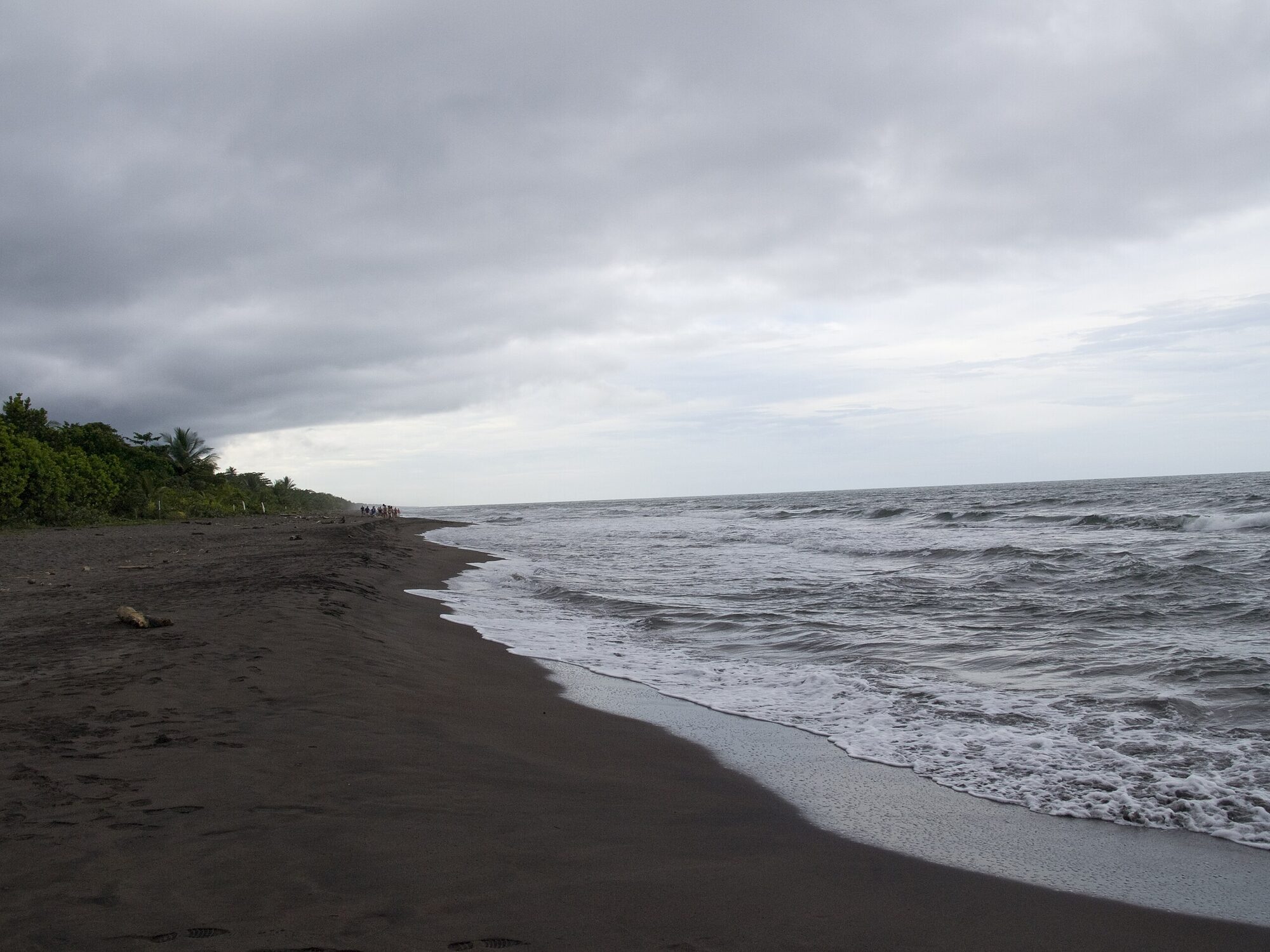
The challenge was not ecological; it was human. The local community in Tortuguero was small, isolated, and economically dependent on "unsustainable rates" of harvesting turtles and their eggs. To the villagers, a nesting turtle was not a natural wonder; it was meat, oil, and cash. El desafío no era ecológico; era humano. La comunidad local en Tortuguero era pequeña, aislada y económicamente dependiente de "tasas insostenibles" de cosecha de tortugas y sus huevos. Para los aldeanos, una tortuga anidando no era una maravilla natural; era carne, aceite y dinero en efectivo.
Here, Carr's "old-fashioned generalist" background proved decisive. He did not arrive as an adversary. He drew on his "cultural anthropology" instincts and his genuine "friendships with the fishermen". He and the CCC did not just preach preservation; they proposed a new economy. They systematically "showed the community that ecotourism based on turtle nesting could provide them higher and more sustainable revenue" than harvesting could. Aquí, el trasfondo de "generalista a la antigua" de Carr demostró ser decisivo. No llegó como un adversario. Se apoyó en sus instintos de "antropología cultural" y sus genuinas "amistades con los pescadores". Él y la CCC no solo predicaban preservación; propusieron una nueva economía. Sistemáticamente "mostraron a la comunidad que el ecoturismo basado en la anidación de tortugas podría proporcionarles ingresos más altos y sostenibles" que la cosecha.
This was an early and influential model of community-based conservation. Carr's team, working with the locals, demonstrated in the clearest possible terms that a sea turtle was "worth more alive" as a recurring tourist attraction than it was dead. The CCC's programs began to "convert former poachers into research assistants or tour guides". This strategy created local buy-in and transformed the community's relationship with the resource. They also established a "junior research assistant program," engaging local teenagers in the monitoring protocols and "introducing local adolescents to sea turtle monitoring protocol and practices". This ensured the conservation ethic would pass to the next generation. Este fue un modelo temprano e influyente de conservación basada en la comunidad. El equipo de Carr, trabajando con los lugareños, demostró en los términos más claros posibles que una tortuga marina "valía más viva" como atracción turística recurrente que muerta. Los programas de la CCC comenzaron a "convertir ex cazadores furtivos en asistentes de investigación o guías turísticos". Esta estrategia creó aceptación local y transformó la relación de la comunidad con el recurso. También establecieron un "programa de asistente de investigación junior," involucrando a adolescentes locales en los protocolos de monitoreo e "introduciendo a adolescentes locales al protocolo y prácticas de monitoreo de tortugas marinas". Esto aseguró que la ética de conservación pasaría a la siguiente generación.
This "unique partnership among scientists, government and the local community" created a powerful political coalition. With the local community now championing protection, Carr and the CCC advocated relentlessly with the Costa Rican government. The effort was a success. In 1970, the government of Costa Rica officially established Tortuguero National Park, protecting the beach and its surrounding habitat by law. Esta "asociación única entre científicos, gobierno y la comunidad local" creó una coalición política poderosa. Con la comunidad local ahora defendiendo la protección, Carr y la CCC abogaron incansablemente con el gobierno costarricense. El esfuerzo fue un éxito. En 1970, el gobierno de Costa Rica estableció oficialmente el Parque Nacional Tortuguero, protegiendo la playa y su hábitat circundante por ley.
It was a profound victory, but the park's creation was a capstone, not a cornerstone. The real victory had already been won on the beach, in the village, where Carr the generalist had convinced an entire community that their future was tied to the turtle's survival. He had not just saved a beach; he had built a self-sustaining human and ecological system to protect it. Fue una victoria profunda, pero la creación del parque fue una culminación, no una piedra angular. La verdadera victoria ya se había ganado en la playa, en el pueblo, donde Carr el generalista había convencido a una comunidad entera de que su futuro estaba ligado a la supervivencia de la tortuga. No solo había salvado una playa; había construido un sistema humano y ecológico autosostenible para protegerla.
The Mystery of the Lost Years El Misterio de los Años Perdidos
While Carr the activist was building a park, Carr the scientist was consumed by a single, haunting question. He knew where the turtles nested. He knew, from fishermen's reports, where they foraged as adults. But in between, there was a void. He famously coined the term "the lost years" to describe this "poorly understood period of time" after hatchlings scramble into the surf and before they reappear in coastal waters as large juveniles. Mientras Carr el activista construía un parque, Carr el científico estaba consumido por una sola pregunta inquietante. Sabía dónde anidaban las tortugas. Sabía, por informes de pescadores, dónde forrajeaban como adultas. Pero en medio, había un vacío. Acuñó famosamente el término "los años perdidos" para describir este "período de tiempo poco comprendido" después de que las crías se arrastran al oleaje y antes de que reaparezcan en aguas costeras como juveniles grandes.
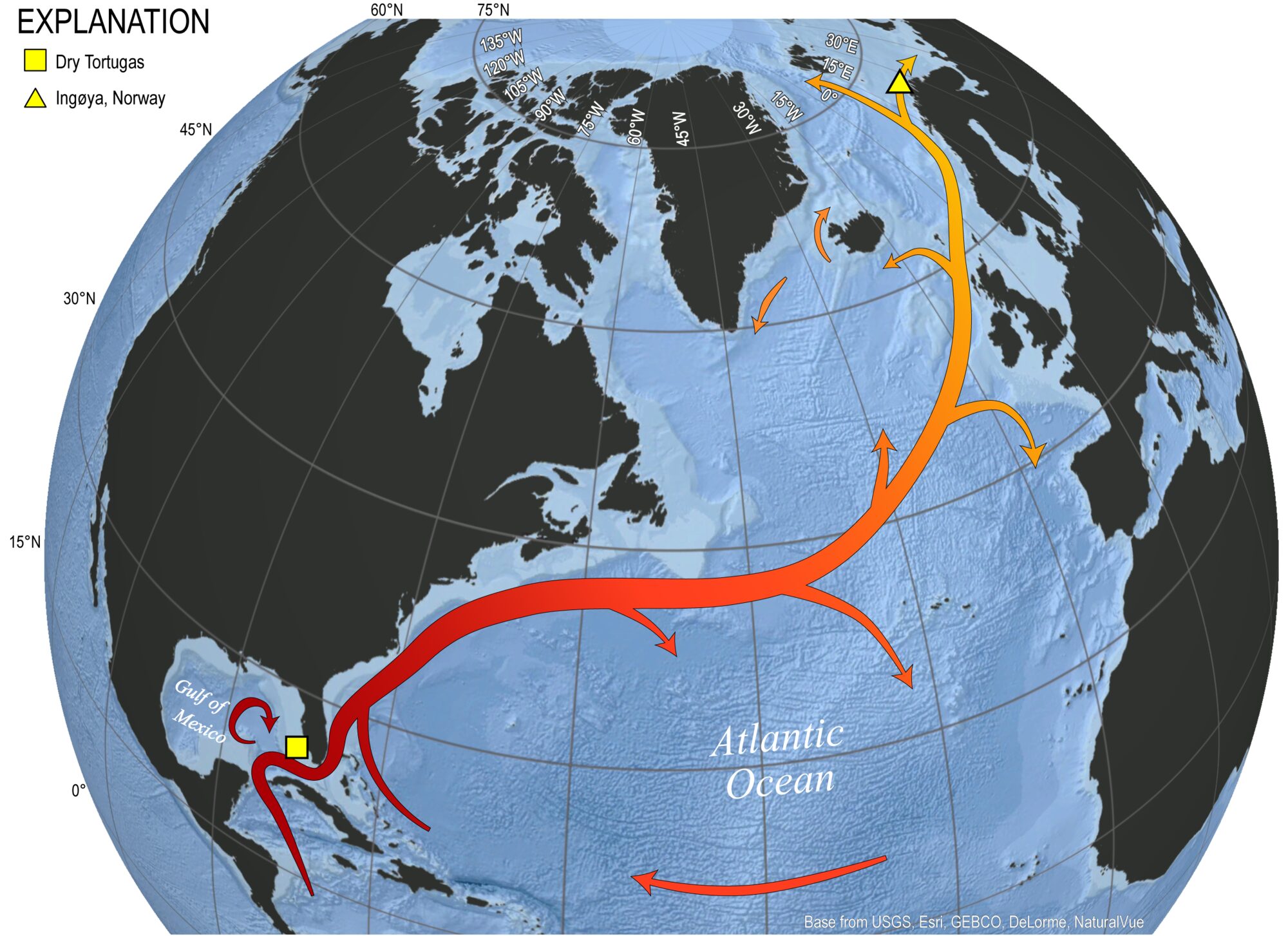
This was the central scientific puzzle of his life. And, as a true "old-fashioned generalist," he proposed an elegant, all-encompassing hypothesis. He theorized that the tiny hatchlings were not passive. They were "locked into" the ocean's great current systems, riding rafts of sargassum weed and feeding on the small creatures within. He proposed a "great trans-Atlantic loop": hatchlings from Florida and Costa Rica, he argued, rode the Gulf Stream across the ocean to pelagic feeding grounds in the eastern Atlantic, near the Azores and Madeira. There they would grow for years before "hitching a ride" back on the currents to the western Atlantic. Este era el enigma científico central de su vida. Y, como un verdadero "generalista a la antigua", propuso una hipótesis elegante y abarcadora. Teorizó que las crías diminutas no eran pasivas. Estaban "encerradas en" los grandes sistemas de corrientes del océano, viajando en balsas de algas sargazo y alimentándose de las pequeñas criaturas dentro. Propuso un "gran bucle transatlántico": crías de Florida y Costa Rica, argumentó, montaban la Corriente del Golfo a través del océano hacia áreas de alimentación pelágicas en el Atlántico oriental, cerca de las Azores y Madeira. Allí crecerían durante años antes de "tomar un aventón" de regreso en las corrientes al Atlántico occidental.
To test this, he needed data. Long-term data. In 1955, years before the CCC was even formed, Carr had initiated the Tortuguero tagging program. His tools were rudimentary: "personal observation" and "metal tags laboriously attached to turtle flippers". These were "Inconel" metal tags, specifically style #681, each stamped with a unique code and a return address for the University of Florida. Para probar esto, necesitaba datos. Datos a largo plazo. En 1955, años antes de que se formara la CCC, Carr había iniciado el programa de marcaje de Tortuguero. Sus herramientas eran rudimentarias: "observación personal" y "etiquetas de metal laboriosamente unidas a las aletas de tortugas". Estas eran etiquetas de metal "Inconel", específicamente estilo #681, cada una estampada con un código único y una dirección de devolución para la Universidad de Florida.
This simple, persistent act of tagging, year after year, became his other great legacy. The program grew into the Cooperative Marine Turtle Tagging Program (CMTTP), a centralized dataset managed by the center at the University of Florida that would later bear his name. This dataset, which now spans more than 70 years, remains one of the most valuable long-term biological records in the world, the foundation upon which modern sea turtle science is built. Este simple y persistente acto de marcar, año tras año, se convirtió en su otro gran legado. El programa creció hasta convertirse en el Programa Cooperativo de Marcaje de Tortugas Marinas (CMTTP), un conjunto de datos centralizado manejado por el centro de la Universidad de Florida que más tarde llevaría su nombre. Este conjunto de datos, que ahora abarca más de 70 años, sigue siendo uno de los registros biológicos a largo plazo más valiosos del mundo, la base sobre la cual se construye la ciencia moderna de tortugas marinas.
Carr's commitment to data and scientific integrity was absolute. It defined his character, most notably in his public reversal on the issue of turtle farming. As a scientist, he had initially supported the idea of farming turtles as a conservation method, a way to satisfy market demand without poaching wild stock. But as he watched the farms develop, he changed his mind. He observed that the farms "increased the demand for turtle products," which, in turn, could incentivize more poaching of wild turtles to meet the growing demand. He also questioned the biological premise, writing that releasing pen-reared turtles "may possibly be just a laborious way to kill them," as they might lack the skills to survive. As the world's leading sea turtle scientist, his opinion carried immense weight. His willingness to publicly reverse his own position based on new economic and biological evidence demonstrated an integrity that placed data above ego, solidifying his reputation as a true scientist, not a dogmatic conservationist. El compromiso de Carr con los datos y la integridad científica era absoluto. Definió su carácter, más notablemente en su reversión pública sobre el tema de la cría de tortugas. Como científico, inicialmente había apoyado la idea de criar tortugas como método de conservación, una forma de satisfacer la demanda del mercado sin cazar furtivamente las poblaciones salvajes. Pero a medida que observaba el desarrollo de las granjas, cambió de opinión. Observó que las granjas "aumentaban la demanda de productos de tortuga", lo que, a su vez, podría incentivar más caza furtiva de tortugas salvajes para satisfacer la creciente demanda. También cuestionó la premisa biológica, escribiendo que liberar tortugas criadas en corrales "posiblemente sea solo una forma laboriosa de matarlas", ya que podrían carecer de las habilidades para sobrevivir. Como el principal científico de tortugas marinas del mundo, su opinión tenía un peso inmenso. Su disposición a revertir públicamente su propia posición basándose en nueva evidencia económica y biológica demostró una integridad que colocó los datos por encima del ego, solidificando su reputación como un verdadero científico, no un conservacionista dogmático.
Vindication Vindicación
Archie Carr died at his home in Micanopy, Florida, on May 21, 1987. He was 77. He died before his grandest theory, the mystery of the "lost years," had been definitively solved. That work would fall to his protégés, the students he had trained and inspired at the University of Florida's Archie Carr Center for Sea Turtle Research (ACCSTR). Archie Carr murió en su hogar en Micanopy, Florida, el 21 de mayo de 1987. Tenía 77 años. Murió antes de que su teoría más grandiosa, el misterio de los "años perdidos", hubiera sido definitivamente resuelta. Ese trabajo recaería en sus protegidos, los estudiantes que había entrenado e inspirado en el Centro de Investigación de Tortugas Marinas Archie Carr (ACCSTR) de la Universidad de Florida.
His former student, Karen Bjorndal, who became director of the center, was among those who would provide the scientific vindication he did not live to see. Using the modern tools of DNA analysis and satellite telemetry, which were "too big" and "too much power" in Carr's time, his successors proved his hypotheses correct. DNA tagging confirmed that juvenile loggerhead turtles feeding in the eastern Atlantic and Mediterranean were, genetically, from the nesting beaches of the southeastern United States. Satellite transmitters, attached to turtles, then mapped their movements, revealing the "great trans-Atlantic loop" he had proposed decades earlier. It is a rare and powerful "testament to Carr's knowledge... that most of what he hypothesized, modern science has proven to be true". Su ex estudiante, Karen Bjorndal, quien se convirtió en directora del centro, estuvo entre quienes proporcionarían la vindicación científica que él no vivió para ver. Usando las herramientas modernas de análisis de ADN y telemetría satelital, que eran "demasiado grandes" y "demasiado poder" en tiempos de Carr, sus sucesores probaron que sus hipótesis eran correctas. El marcaje de ADN confirmó que las tortugas caguama juveniles alimentándose en el Atlántico oriental y el Mediterráneo eran, genéticamente, de las playas de anidación del sureste de Estados Unidos. Los transmisores satelitales, unidos a las tortugas, luego mapearon sus movimientos, revelando el "gran bucle transatlántico" que él había propuesto décadas antes. Es un raro y poderoso "testimonio del conocimiento de Carr... que la mayoría de lo que hipotetizó, la ciencia moderna ha probado que es verdad".
This was his scientific vindication. His practical vindication is even more tangible. It can be counted, nest by nest, on the beaches he fought to protect. The numbers, it must be said, are extraordinary. Esta fue su vindicación científica. Su vindicación práctica es aún más tangible. Se puede contar, nido por nido, en las playas que luchó por proteger. Los números, hay que decirlo, son extraordinarios.
At Tortuguero, the 21-mile beach where Carr focused his life's work, the recovery was dramatic. From 1971 to 2003, green turtle nesting increased by 417%. By the early 2010s, the beach recorded over 180,000 nests in a single season—a testament to the community-based model Carr pioneered. At the Archie Carr National Wildlife Refuge in Florida, a 20.5-mile stretch of beach named in his honor, green turtle nests grew from "tens to hundreds" in the 1980s to a record-breaking 23,220 in 2023. This recovery, a direct result of the methods he implemented and the dataset he started in 1955, was so profound that in 2016, the North Atlantic population of the green sea turtle was officially downlisted from "Endangered" to "Threatened". En Tortuguero, la playa de 21 millas donde Carr enfocó el trabajo de su vida, la recuperación fue dramática. De 1971 a 2003, la anidación de tortugas verdes aumentó un 417%. A principios de la década de 2010, la playa registró más de 180,000 nidos en una sola temporada—un testimonio del modelo basado en la comunidad que Carr fue pionero. En el Refugio Nacional de Vida Silvestre Archie Carr en Florida, un tramo de playa de 20.5 millas nombrado en su honor, los nidos de tortuga verde crecieron de "decenas a cientos" en los años ochenta a un récord de 23,220 en 2023. Esta recuperación, un resultado directo de los métodos que implementó y el conjunto de datos que inició en 1955, fue tan profunda que en 2016, la población del Atlántico Norte de la tortuga verde fue oficialmente rebajada de "En Peligro" a "Amenazada".
This is the legacy, written in data. The title "Father of Sea Turtle Conservation," so often bestowed upon him, is not hyperbole. It is a fact, earned through a lifetime of work. He built the institution, the Caribbean Conservation Corporation, that would fund the work. He protected the place, Tortuguero National Park, that would serve as the sanctuary. He defined the science with the "lost years" hypothesis and the 70-year dataset to study it. And he inspired the movement with his O. Henry Award-winning prose. Este es el legado, escrito en datos. El título "Padre de la Conservación de Tortugas Marinas," tan a menudo otorgado a él, no es hipérbole. Es un hecho, ganado a través de una vida de trabajo. Construyó la institución, la Caribbean Conservation Corporation, que financiaría el trabajo. Protegió el lugar, el Parque Nacional Tortuguero, que serviría como santuario. Definió la ciencia con la hipótesis de los "años perdidos" y el conjunto de datos de 70 años para estudiarla. E inspiró el movimiento con su prosa ganadora del Premio O. Henry.
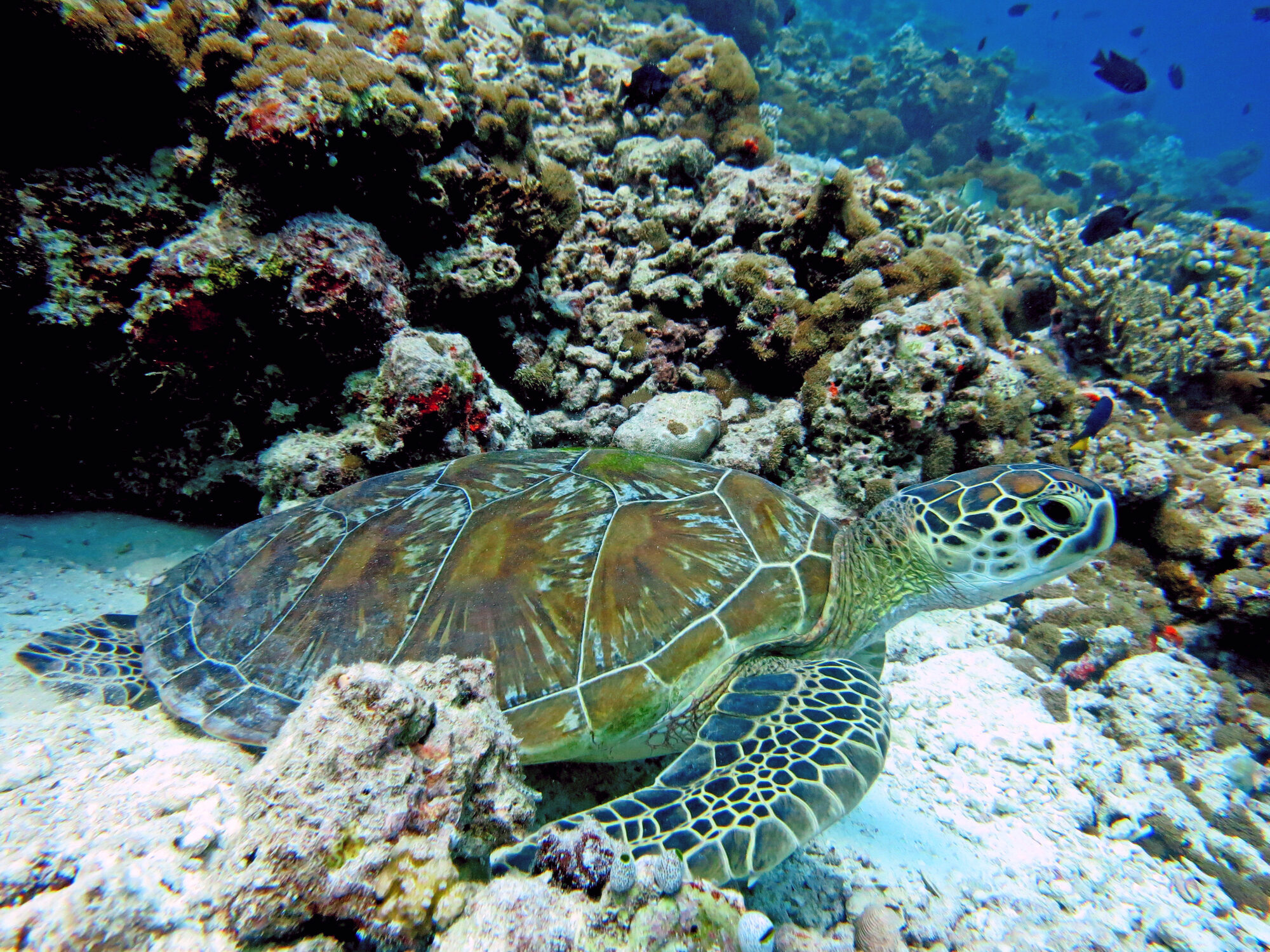
Yet the work is never finished. Since 2013, Tortuguero has experienced a troubling decline in nesting, with counts dropping to 40,000 nests by 2021—the lowest in 25 years. The cause is not the failure of Carr's methods. The beach remains protected, the community remains engaged. The problem lies elsewhere, in the waters where the turtles feed. Nicaragua's legal commercial fishery harvests up to 12,000 green turtles annually from foraging grounds the Tortuguero population depends upon. Carr's great insight was that you could not save a turtle on the beach alone; you had to protect its entire life cycle. This lesson remains urgent. A single protected beach, no matter how well managed, cannot save a species whose adults are killed in distant waters. Conservation requires not just local commitment, but regional cooperation. The recovery Carr built is real, but fragile. Sin embargo, el trabajo nunca termina. Desde 2013, Tortuguero ha experimentado una preocupante disminución en la anidación, con conteos cayendo a 40,000 nidos para 2021—el más bajo en 25 años. La causa no es el fracaso de los métodos de Carr. La playa permanece protegida, la comunidad permanece comprometida. El problema yace en otro lugar, en las aguas donde las tortugas se alimentan. La pesquería comercial legal de Nicaragua cosecha hasta 12,000 tortugas verdes anualmente de áreas de alimentación de las que depende la población de Tortuguero. La gran perspicacia de Carr fue que no se podía salvar una tortuga solo en la playa; había que proteger todo su ciclo de vida. Esta lección sigue siendo urgente. Una sola playa protegida, sin importar cuán bien manejada, no puede salvar una especie cuyos adultos son matados en aguas distantes. La conservación requiere no solo compromiso local, sino cooperación regional. La recuperación que Carr construyó es real, pero frágil.
Archie Carr's birthday, June 16, is now celebrated as World Sea Turtle Day. It is a fitting tribute to the generalist from the Mobile delta, the man who saw a single set of tracks on a lonely beach and, through a unique combination of science, storytelling, and relentless advocacy, brought the great turtle fleets back from the brink. The work he started continues. It must. El cumpleaños de Archie Carr, 16 de junio, ahora se celebra como el Día Mundial de las Tortugas Marinas. Es un tributo apropiado al generalista del delta de Mobile, el hombre que vio un solo conjunto de huellas en una playa solitaria y, a través de una combinación única de ciencia, narración y defensa incansable, trajo las grandes flotas de tortugas de regreso del borde. El trabajo que comenzó continúa. Debe continuar.
References & Further Reading Referencias y Lectura Adicional
Primary Works by Archie Carr Obras Principales de Archie Carr
-
Carr, A.F. (1952). Handbook of Turtles: The Turtles of the United States, Canada, and Baja California. Cornell University Press.
Carr, A.F. (1952). Manual de Tortugas: Las Tortugas de Estados Unidos, Canadá y Baja California. Cornell University Press.
Carr's authoritative 542-page monograph that won the Daniel Giraud Elliot Medal from the National Academy of Sciences. While researching the sea turtle sections of this book, Carr became "entranced" by the mystery of their oceanic migrations—a fascination that would define the rest of his career. La monografía autoritaria de 542 páginas de Carr que ganó la Medalla Daniel Giraud Elliot de la Academia Nacional de Ciencias. Mientras investigaba las secciones de tortugas marinas de este libro, Carr quedó "encantado" por el misterio de sus migraciones oceánicas—una fascinación que definiría el resto de su carrera.
-
Carr, A.F. (1956). The Windward Road: Adventures of a Naturalist on Remote Caribbean Shores. Alfred A. Knopf.
Carr, A.F. (1956). El Camino de Barlovento: Aventuras de un Naturalista en Costas Remotas del Caribe. Alfred A. Knopf.
Carr's literary masterpiece that launched the sea turtle conservation movement. The chapter "The Black Beach" won the 1956 O. Henry Award, and the book received the 1957 John Burroughs Medal for nature writing. Like Rachel Carson's Silent Spring for pesticides, this book alerted the world to the impending extinction of sea turtles and sparked the creation of the Caribbean Conservation Corporation. La obra maestra literaria de Carr que lanzó el movimiento de conservación de tortugas marinas. El capítulo "La Playa Negra" ganó el Premio O. Henry de 1956, y el libro recibió la Medalla John Burroughs de 1957 para escritura de naturaleza. Como Primavera Silenciosa de Rachel Carson para pesticidas, este libro alertó al mundo sobre la extinción inminente de las tortugas marinas e inspiró la creación de la Caribbean Conservation Corporation.
-
Carr, A.F. (1954). "The Passing of the Fleet." AIBS Bulletin, 4(5), 17-19.
Carr, A.F. (1954). "El Paso de la Flota." AIBS Bulletin, 4(5), 17-19.
Carr's seminal article documenting the collapse of Caribbean green turtle populations. The title, both poetic and journalistic, captured the "virtually without notice" disappearance of the ancient migratory fleets. This piece became a chapter in The Windward Road. El artículo seminal de Carr documentando el colapso de las poblaciones de tortuga verde del Caribe. El título, tanto poético como periodístico, capturó la desaparición "virtualmente sin aviso" de las antiguas flotas migratorias. Esta pieza se convirtió en un capítulo en El Camino de Barlovento.
Conservation Organizations Founded by Carr Organizaciones de Conservación Fundadas por Carr
-
Sea Turtle Conservancy (formerly Caribbean Conservation Corporation)
Sea Turtle Conservancy (anteriormente Caribbean Conservation Corporation)
The world's first organization dedicated solely to sea turtle conservation, founded in 1959 after publisher Joshua B. Powers read The Windward Road and formed "The Brotherhood of the Green Turtle." Carr served as founding Scientific Director until his death in 1987. The organization continues his work protecting nesting beaches and conducting research at Tortuguero and worldwide. La primera organización del mundo dedicada únicamente a la conservación de tortugas marinas, fundada en 1959 después de que el editor Joshua B. Powers leyera El Camino de Barlovento y formara "La Hermandad de la Tortuga Verde." Carr sirvió como Director Científico fundador hasta su muerte en 1987. La organización continúa su trabajo protegiendo playas de anidación y conduciendo investigación en Tortuguero y en todo el mundo.
Research Centers & Protected Areas Centros de Investigación y Áreas Protegidas
-
Archie Carr Center for Sea Turtle Research, University of Florida
Centro Archie Carr de Investigación de Tortugas Marinas, Universidad de Florida
Founded in 1986 and named in Carr's honor, this center continues his scientific legacy. Led by his former student Karen Bjorndal, the center manages the Cooperative Marine Turtle Tagging Program dataset that Carr started in 1955—now spanning over 70 years and representing one of the most valuable long-term biological records in existence. Modern researchers using DNA analysis and satellite telemetry have vindicated Carr's "lost years" hypothesis about trans-Atlantic turtle migrations. Fundado en 1986 y nombrado en honor de Carr, este centro continúa su legado científico. Dirigido por su ex estudiante Karen Bjorndal, el centro administra el conjunto de datos del Programa Cooperativo de Marcaje de Tortugas Marinas que Carr inició en 1955—ahora abarcando más de 70 años y representando uno de los registros biológicos a largo plazo más valiosos en existencia. Investigadores modernos usando análisis de ADN y telemetría satelital han vindicado la hipótesis de Carr sobre los "años perdidos" de las migraciones transatlánticas de tortugas.
-
Archie Carr National Wildlife Refuge, Florida
Refugio Nacional de Vida Silvestre Archie Carr, Florida
A 20.5-mile stretch of beach between Melbourne and Wabasso protecting the most significant loggerhead nesting area in the Western Hemisphere and the most important green turtle nesting site in the United States. Studies began here in 1982. The recovery documented at this refuge validates Carr's life work: green turtle nests increased from tens to hundreds in the 1980s to a record-breaking 23,220 in 2023; loggerhead nests reached 15,174 in 2023. This dramatic recovery led to the North Atlantic green turtle being downlisted from Endangered to Threatened in 2016. Un tramo de playa de 20.5 millas entre Melbourne y Wabasso que protege el área de anidación de tortugas caguama más significativa del Hemisferio Occidental y el sitio de anidación de tortugas verdes más importante de Estados Unidos. Los estudios comenzaron aquí en 1982. La recuperación documentada en este refugio valida el trabajo de vida de Carr: los nidos de tortuga verde aumentaron de decenas a cientos en los ochenta a un récord de 23,220 en 2023; los nidos de caguama alcanzaron 15,174 en 2023. Esta dramática recuperación llevó a que la tortuga verde del Atlántico Norte fuera rebajada de En Peligro a Amenazada en 2016.
-
Tortuguero National Park, Costa Rica
Parque Nacional Tortuguero, Costa Rica
Established in 1970 through Carr's advocacy, protecting the 21-mile black sand beach that is the most important green turtle rookery in the Western Hemisphere. Carr and the CCC pioneered community-based conservation here, converting former poachers into research assistants and tour guides by demonstrating that living turtles generate more sustainable revenue through ecotourism than dead turtles through harvest. This model transformed the local economy and created lasting protection for the nesting beach. Establecido en 1970 mediante la defensa de Carr, protegiendo la playa de arena negra de 21 millas que es el lugar de anidación de tortugas verdes más importante del Hemisferio Occidental. Carr y la CCC fueron pioneros en la conservación basada en la comunidad aquí, convirtiendo ex cazadores furtivos en asistentes de investigación y guías turísticos al demostrar que las tortugas vivas generan más ingresos sostenibles mediante el ecoturismo que las tortugas muertas mediante la cosecha. Este modelo transformó la economía local y creó protección duradera para la playa de anidación.
Biographical & Historical Sources Fuentes Biográficas e Históricas
-
Stenson, J. (2022). The Amazing Life of Archie Carr. Mobile Bay Magazine.
Stenson, J. (2022). La Vida Asombrosa de Archie Carr. Mobile Bay Magazine.
Feature article examining Carr's Mobile, Alabama roots and his early explorations of the Mobile-Tensaw Delta that shaped his lifelong approach to natural history. Written for his hometown magazine, this piece explores how the brackish waters and wild landscapes of coastal Alabama instilled in young Archie the generalist perspective and hands-on field methodology that would later revolutionize sea turtle conservation. Artículo destacado que examina las raíces de Carr en Mobile, Alabama y sus exploraciones tempranas del Delta Mobile-Tensaw que moldearon su enfoque de por vida hacia la historia natural. Escrito para la revista de su ciudad natal, esta pieza explora cómo las aguas salobres y paisajes silvestres de la costa de Alabama inculcaron en el joven Archie la perspectiva generalista y metodología de campo práctica que más tarde revolucionaría la conservación de tortugas marinas.
-
Encyclopedia.com. Carr, Archie Fairly, Jr. (1909-1987)
Encyclopedia.com. Carr, Archie Fairly, Jr. (1909-1987)
Comprehensive biographical entry documenting Carr's life from his birth in Mobile, Alabama on June 16, 1909, through his academic career at University of Florida (B.A. 1932, M.S. 1934, Ph.D. 1937—the university's first doctorate in zoology), his marriage to biologist Marjorie Harris Carr, raising five children on their Paynes Prairie farm, and his death from cancer on May 21, 1987 at age 77. Entrada biográfica exhaustiva documentando la vida de Carr desde su nacimiento en Mobile, Alabama el 16 de junio de 1909, a través de su carrera académica en la Universidad de Florida (B.A. 1932, M.S. 1934, Ph.D. 1937—el primer doctorado en zoología de la universidad), su matrimonio con la bióloga Marjorie Harris Carr, criando cinco hijos en su granja de Paynes Prairie, y su muerte por cáncer el 21 de mayo de 1987 a los 77 años.
-
Wikipedia. Archie Carr
Wikipedia. Archie Carr
Detailed overview of Carr's life and work, including his boyhood in the Mobile-Tensaw Delta, his role as an "old-fashioned generalist" (as described by Peter Matthiessen), his legendary University of Florida field courses integrating zoology, botany, geology, and cultural anthropology, and his transformation from freshwater herpetologist to the "Father of Sea Turtle Conservation." Includes documentation of his public reversal on turtle farming based on new evidence. Panorama detallado de la vida y obra de Carr, incluyendo su niñez en el Delta Mobile-Tensaw, su papel como "generalista a la antigua" (como lo describió Peter Matthiessen), sus legendarios cursos de campo de la Universidad de Florida que integraban zoología, botánica, geología y antropología cultural, y su transformación de herpetólogo de agua dulce al "Padre de la Conservación de Tortugas Marinas." Incluye documentación de su reversión pública sobre la cría de tortugas basada en nueva evidencia.
Scientific Research & Data Investigación Científica y Datos
-
Florida Fish and Wildlife Conservation Commission. Sea Turtle Nesting Data
Comisión de Conservación de Pesca y Vida Silvestre de Florida. Datos de Anidación de Tortugas Marinas
Annual nesting survey data from Florida beaches, including the record-breaking 2023 counts at Archie Carr National Wildlife Refuge: 23,220 green turtle nests and 15,174 loggerhead nests, demonstrating the dramatic population recovery made possible by the conservation methods Carr pioneered. Datos anuales de encuestas de anidación de playas de Florida, incluyendo los conteos récord de 2023 en el Refugio Nacional de Vida Silvestre Archie Carr: 23,220 nidos de tortuga verde y 15,174 nidos de caguama, demostrando la dramática recuperación de población posible gracias a los métodos de conservación que Carr fue pionero.
-
NOAA Fisheries. Green Turtle Species Profile
NOAA Fisheries. Perfil de Especie de Tortuga Verde
Official documentation of the North Atlantic green turtle population's 2016 downlisting from Endangered to Threatened under the Endangered Species Act—a landmark achievement validating seven decades of conservation work initiated by Archie Carr. Documentación oficial de la rebaja de la población de tortuga verde del Atlántico Norte de En Peligro a Amenazada bajo la Ley de Especies en Peligro en 2016—un logro histórico que valida siete décadas de trabajo de conservación iniciado por Archie Carr.
Legacy & Recognition Legado y Reconocimiento
-
World Sea Turtle Day - June 16
Día Mundial de las Tortugas Marinas - 16 de junio
Established in 2000 to honor Archie Carr's birthday (June 16, 1909), World Sea Turtle Day celebrates his transformative impact on marine conservation. From seeing a single lonesome turtle track on Grand Cayman in 1954 to building a global movement, Carr demonstrated how science, storytelling, and community engagement can bring species back from the brink of extinction. The day is part of Sea Turtle Week (June 8-16), with each day focusing on a different species and threat facing these ancient mariners. Establecido en 2000 para honrar el cumpleaños de Archie Carr (16 de junio de 1909), el Día Mundial de las Tortugas Marinas celebra su impacto transformador en la conservación marina. Desde ver una sola huella solitaria de tortuga en Gran Caimán en 1954 hasta construir un movimiento global, Carr demostró cómo la ciencia, la narración y el compromiso comunitario pueden traer especies de regreso del borde de la extinción. El día es parte de la Semana de las Tortugas Marinas (8-16 de junio), con cada día enfocándose en una especie diferente y las amenazas que enfrentan estas antiguas marinas.