Cojón de Perro
The Brunca "cojón de perro" whose latex-soaked stakes knit living fences across humid lowlands while its toxic fruits, bees, and hawkmoths keep hedgerows buzzing with wildlife and agroecological intrigue.
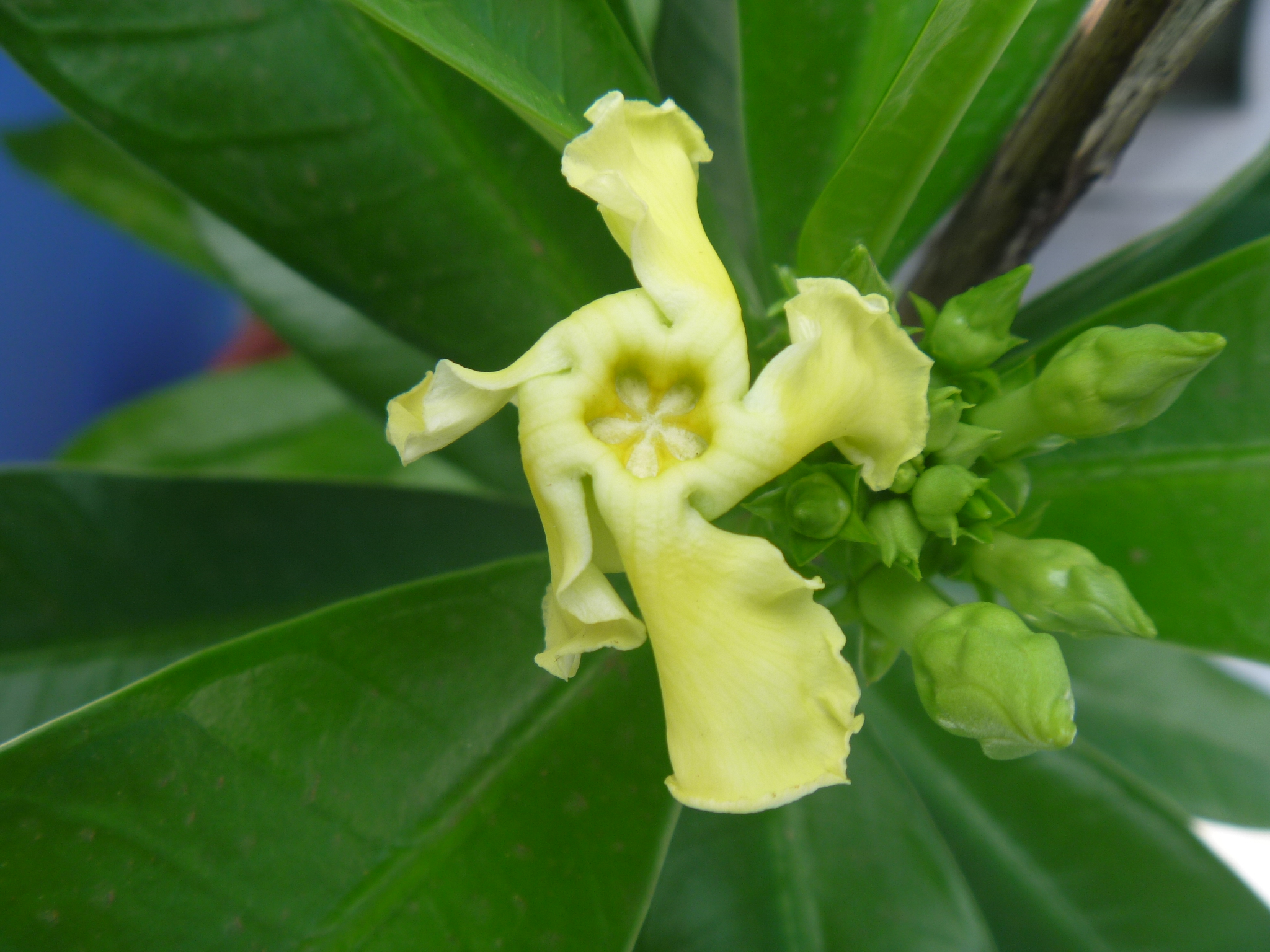
Huastec, Bribri, and Garífuna farmers all coined ribald names for this shrub—cojón de perro, huevo de gato, tomatillo—because its paired, red-orange drupes dangle like worry beads above milky stems that weep latex when cut. Botanically it is the Caribbean milk tree described by Linnaeus and formalized by Vahl, a small tree of floodplain thickets and living fences whose toxic chemistry keeps cattle at bay while feeding toucans and tanagers.
Identification
Habit
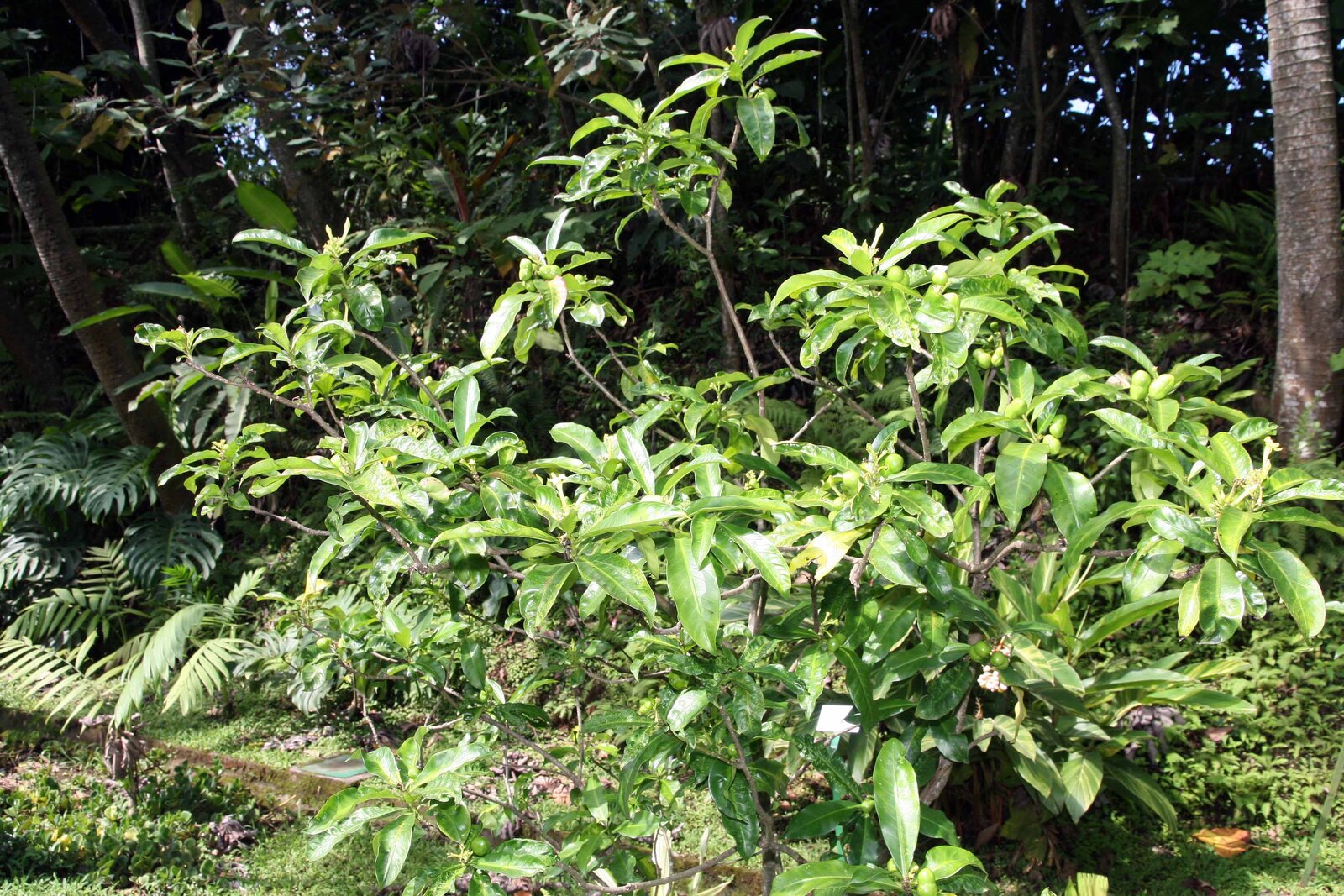
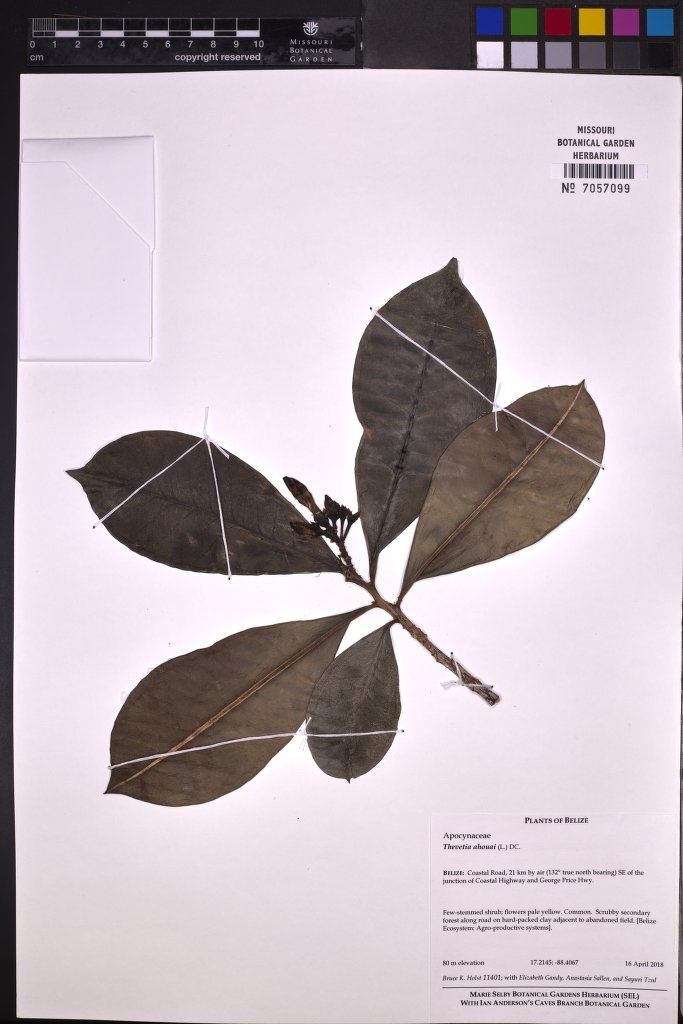
A multi-stemmed shrub or small tree reaching 4–8 meters, Thevetia ahouai coppices readily from cut stems. A single stake jammed into clay soil will root within weeks, and Caribbean horticulture guides still recommend it as a living fence in cattle districts because the latex discourages browsing. The milky sap weeps from any wound, forming sticky trails along branches that deter herbivores.
Leaves
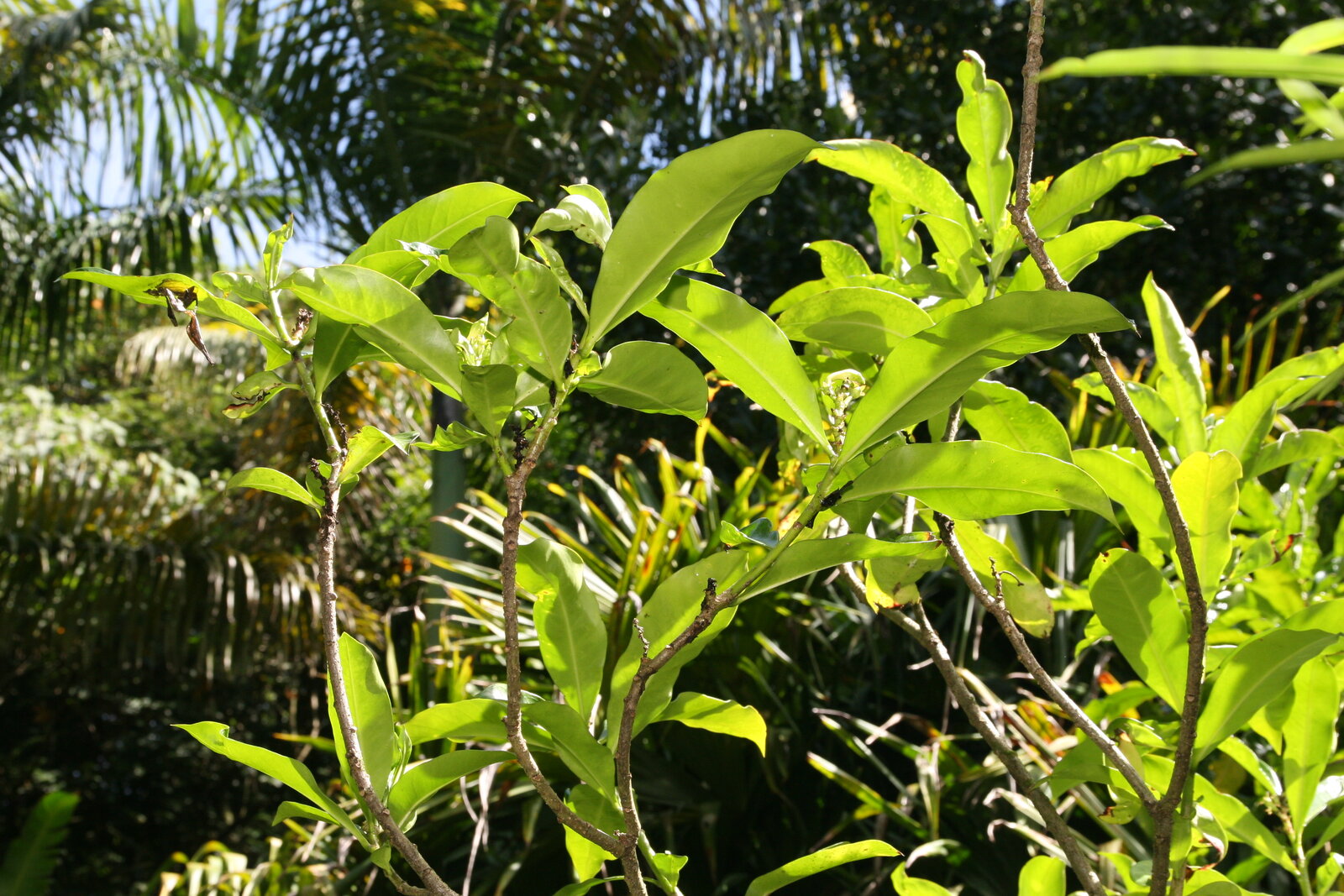
The leaves are 8–20 cm long, alternate, glossy, and elliptic with pointed tips. They concentrate cardenolides and saponins that make every part of the plant poisonous yet pharmacologically interesting. Villa de la Torre's pharmacological survey documented at least twenty saponins plus α-amyrin in the leaves alone.
Flowers & Fruits
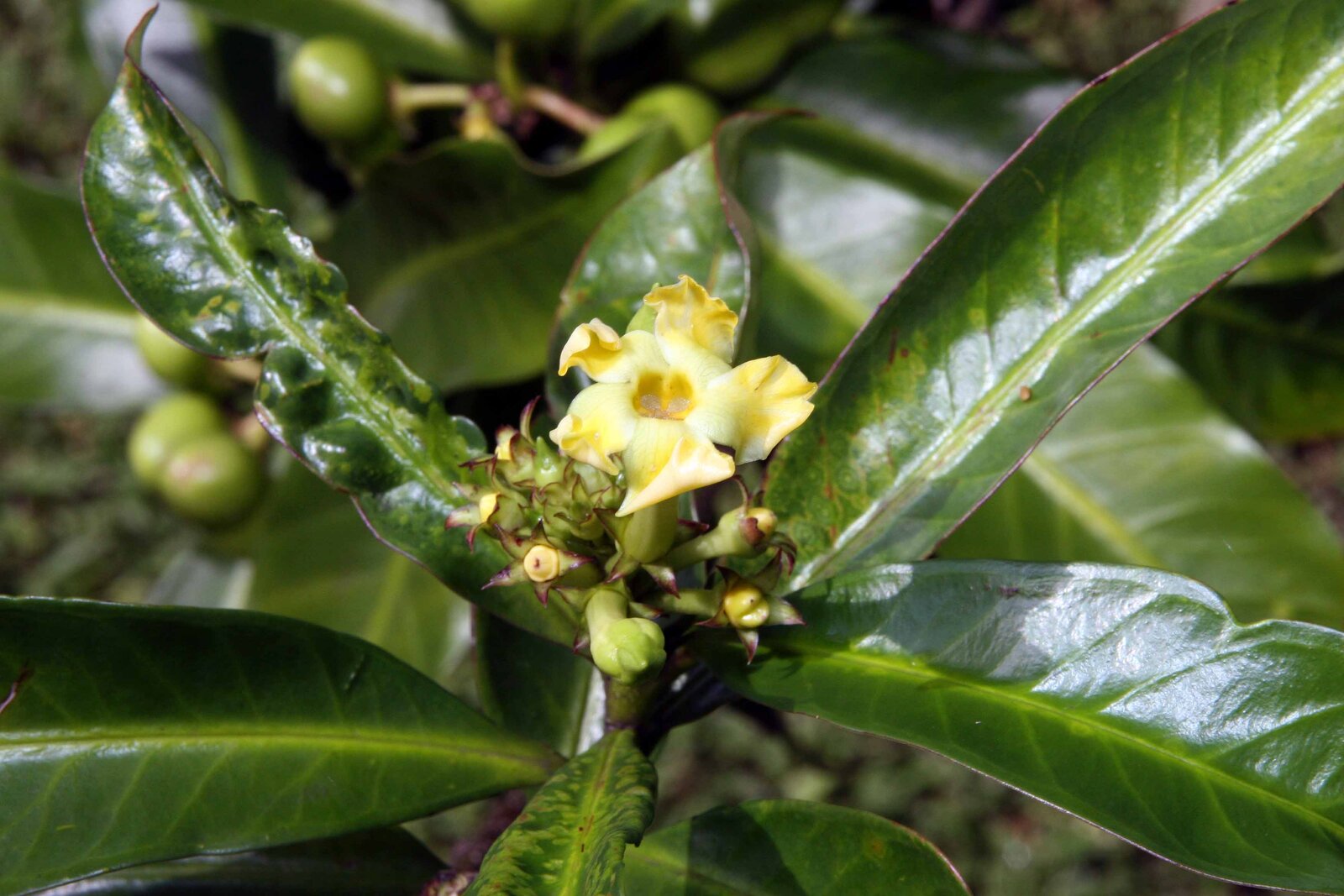
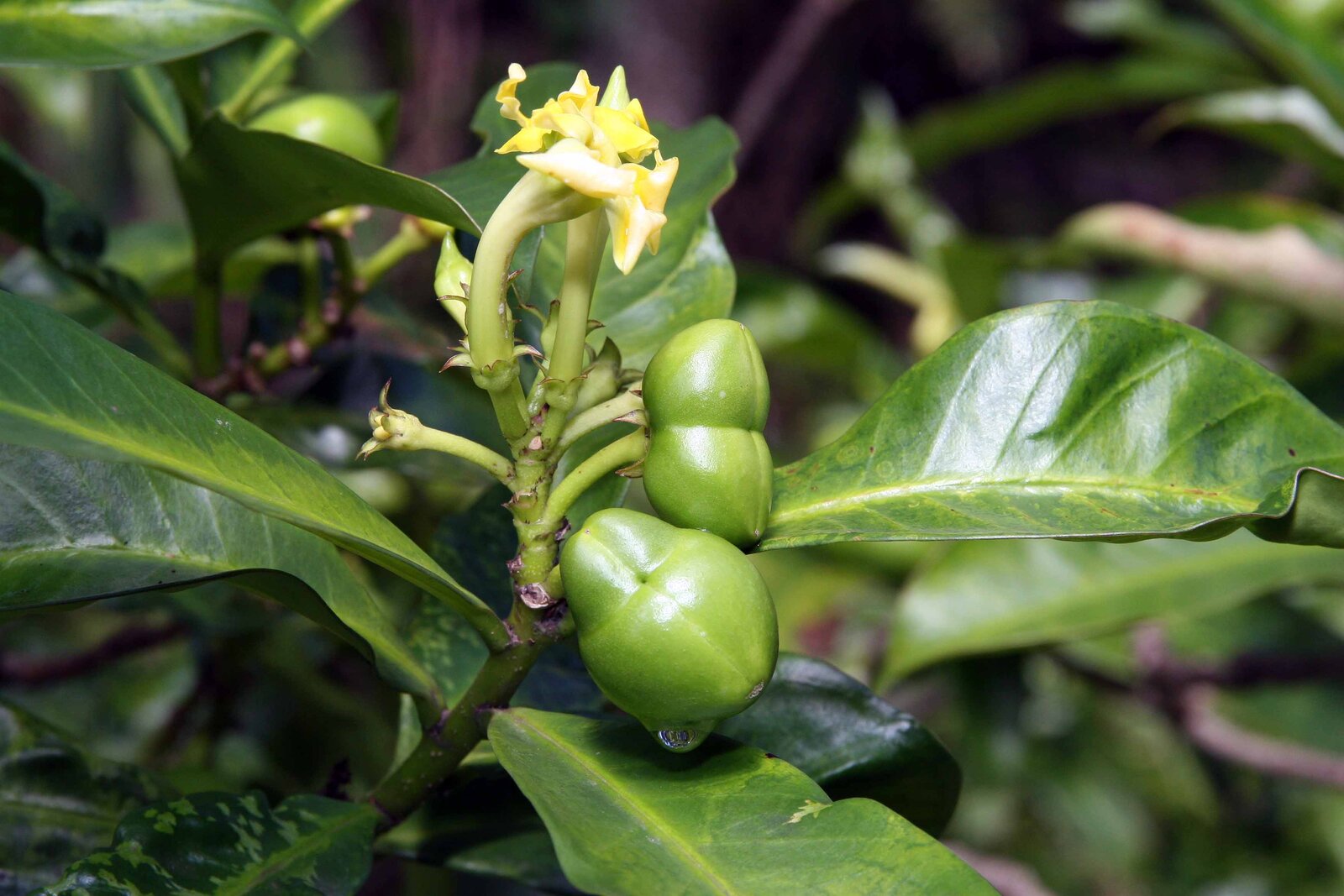
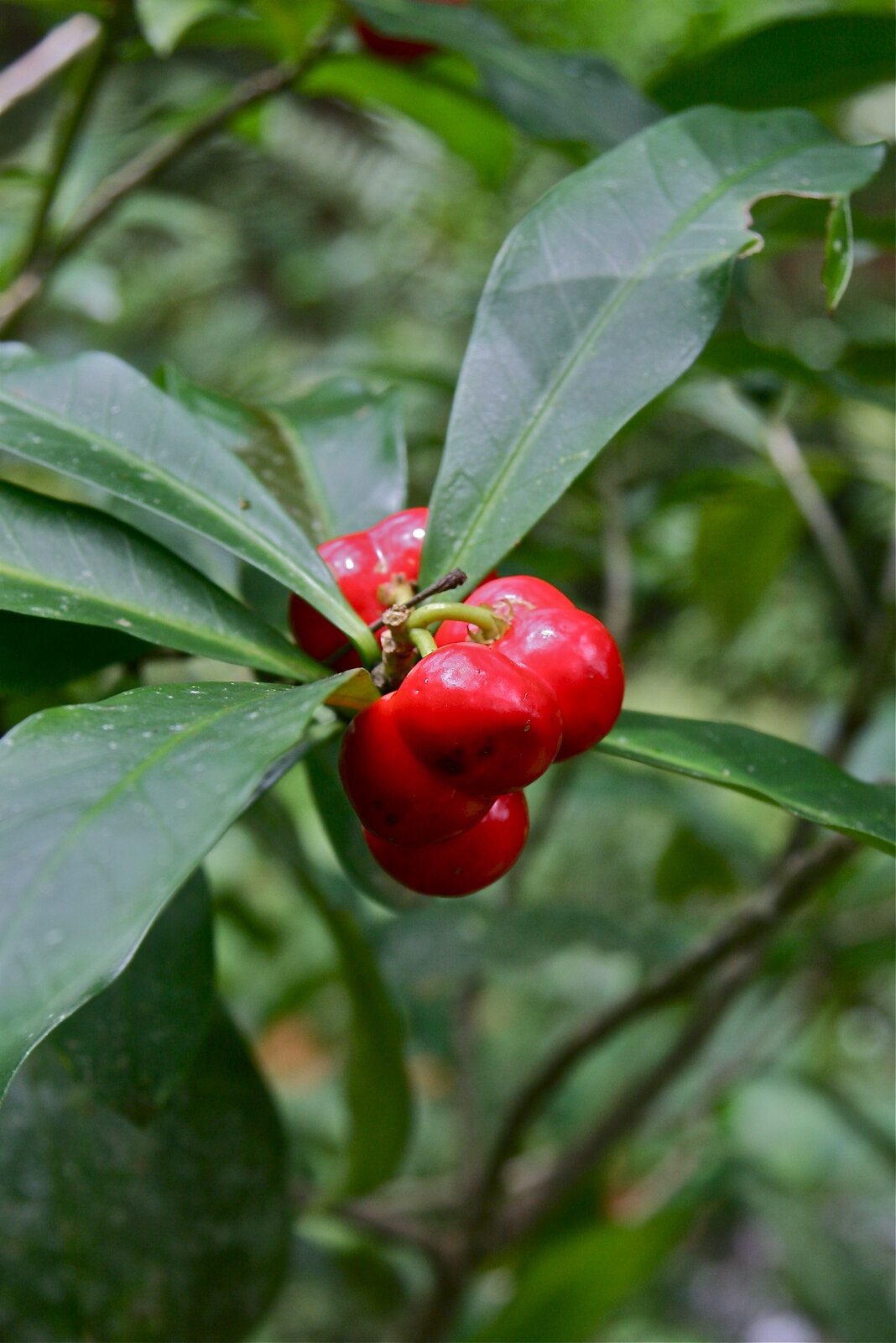
The tubular flowers are yellow to cream-colored with narrow corolla tubes that attract bees and butterflies. Fruits develop as paired, globose drupes (giving rise to names like "huevo de gato" and "cojón de perro") that ripen from green through red-orange. The spongy white pulp is relished by birds despite the toxic cardenolide-rich seeds within.
Distribution
Thevetia ahouai ranges across the Caribbean lowlands from southern Mexico through Central America to Colombia and Venezuela. It thrives in the humid, seasonally flooded landscapes that characterize much of this region: riverbanks, swamp margins, mangrove edges, and the disturbed patches of secondary forest that spring up after clearing. The species grows from sea level up to about 1,200 meters, though it is most common below 600 meters where moisture remains high year-round.
In Costa Rica, the shrub is especially common in the southern Pacific lowlands. Drive any rural road between Sierpe and Golfito and you will see it lining fence rows, its glossy leaves arching over barbed wire. The Osa Peninsula, Piedras Blancas, and the dairy country around Pérez Zeledón all harbor dense populations. Ranchers prize it as a living fence post: a fresh-cut stake jammed into wet soil will root in weeks, and the bitter latex deters cattle from gnawing the wood. Along the Río Conte plain, nearly every hundred meters of fence line includes several Thevetia stakes interspersed with madero negro and indio desnudo.
Ecology
INBio's food dossier notes that birds relish the spongy white pulp, so yellow-throated toucans and tanagers patrol Thevetia fences while bees and butterflies crowd the narrow corolla tubes. Despite the toxins, tetrio hawkmoth caterpillars routinely defoliate cultivated shrubs each wet season, and mangrove cuckoos swoop in to pluck the banded larvae straight off the living fence, passing the toxins up the food web.
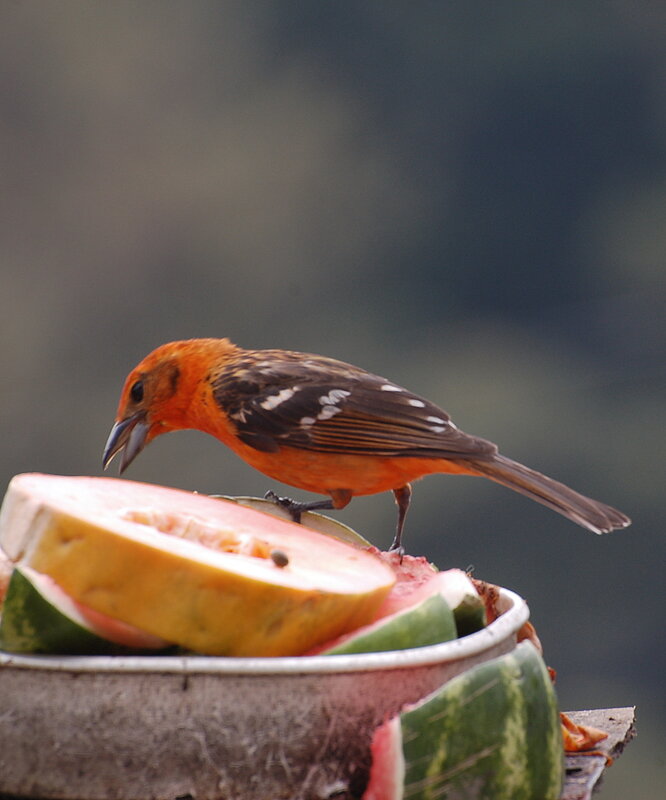
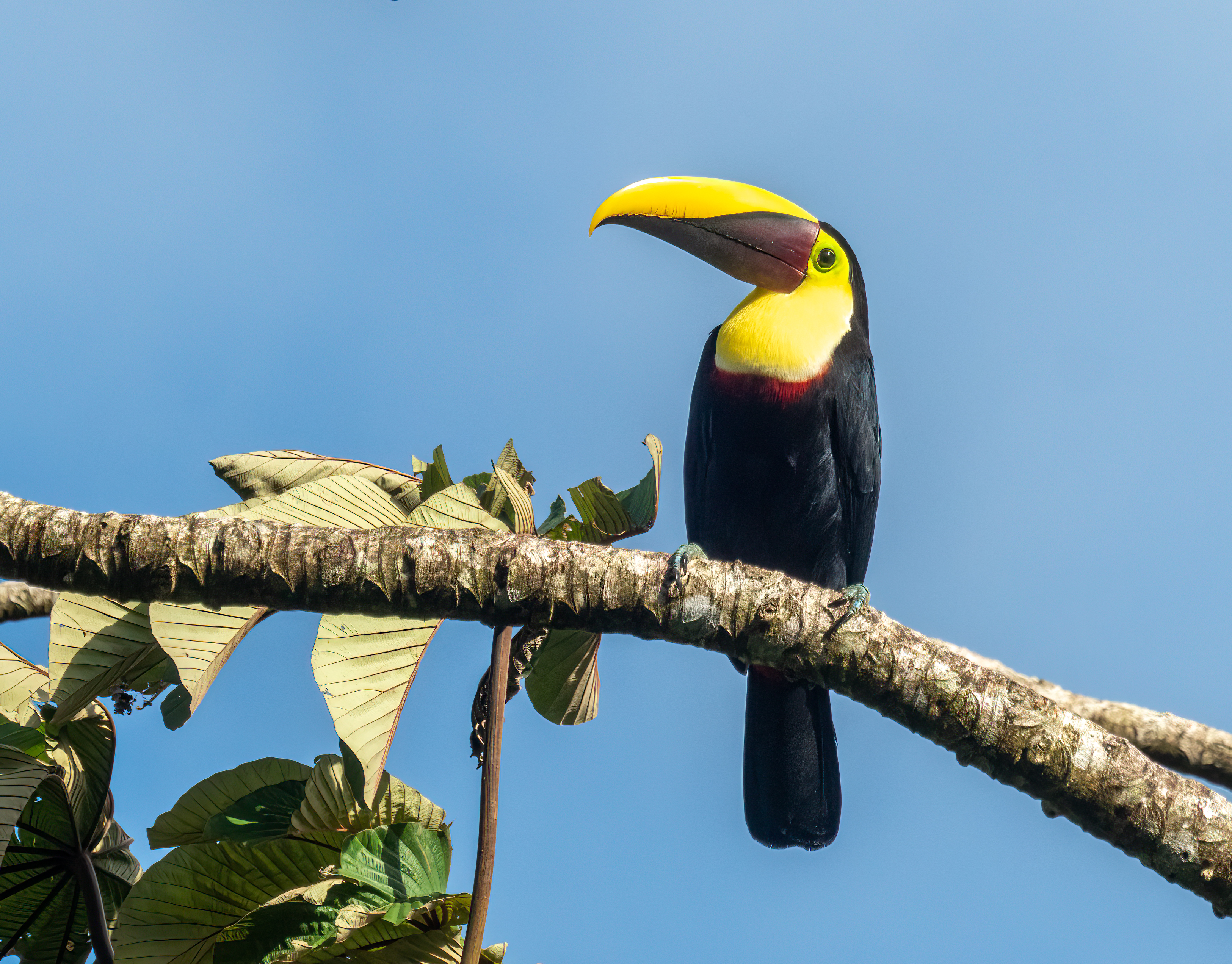
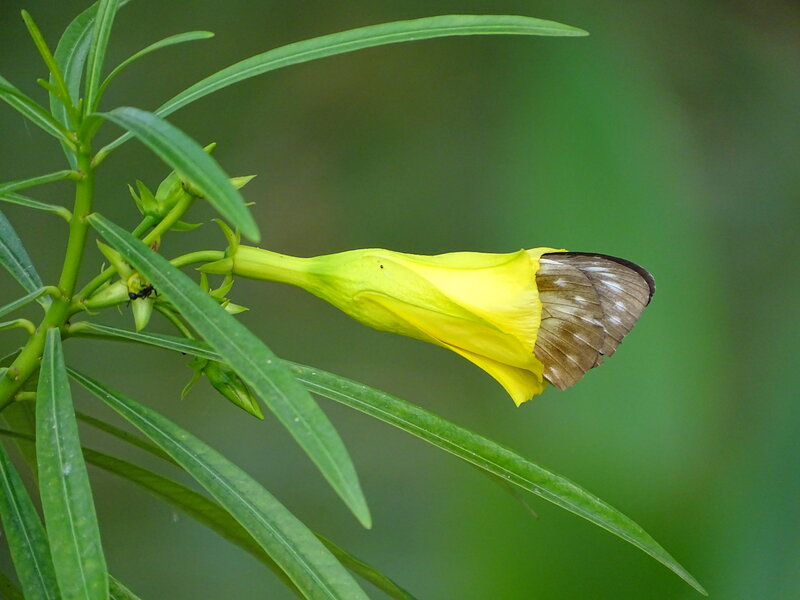
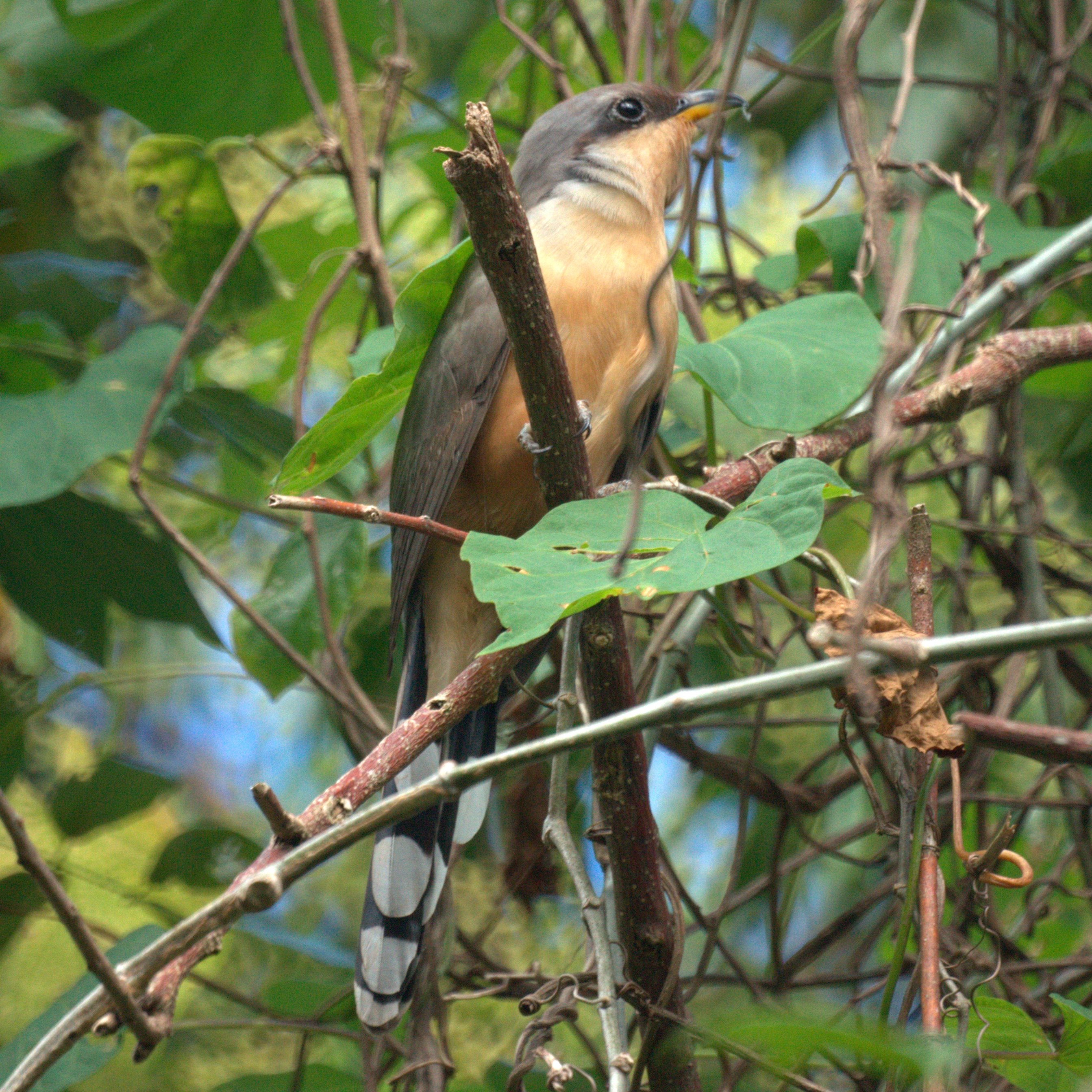
Top row: Flame-colored tanager eating fruit (photo: Flickr, CC BY 2.0); yellow-throated toucan (photo: Flickr, CC BY 2.0). Bottom row: Butterfly visiting Thevetia flower (photo: Wikimedia Commons, CC BY-SA 4.0); mangrove cuckoo (photo: Wikimedia Commons, CC BY 2.0).
Red spider mites (Tetranychus merganser) increasingly plague papaya and bean plots in southern Mesoamerica, but greenhouse tests in Mexico found their growth rate was significantly reduced on T. ahouai: females laid fewer eggs and population growth slowed dramatically on its latex-rich leaves, suggesting Brunca fences could act as pest refugia that limit mite spread. In 2022 plant pathologists in Ecuador detected a new potyvirus—Thevetia white spot virus—after trees in Guayas developed white maculations and blotchy fruits; they sequenced two isolates with ~9.9 kb genomes, underscoring the need to monitor living fences so that novel viruses do not slip into fodder plots.
Chemistry
The genus Thevetia is synonymous with cardiac glycosides—and for good reason. In 1863 the Dutch pharmacologist De Vry isolated a crystalline compound from Thevetia seeds and named it thevetin, launching over a century of research into this class of toxins. Today we know the seeds contain thevetin A and B, thevetoxin, neriifolin, and peruvoside, all variations of cardenolide steroids that jam the sodium-potassium pump on heart muscle cells. When the pump fails, intracellular calcium rises and the heart contracts more forcefully—useful in carefully dosed digitalis therapy, lethal when eight to ten seeds enter the stomach. Yellow oleander poisoning remains a common toxicological emergency in South Asia, where T. peruviana seeds are sometimes swallowed in suicide attempts.
That same chemistry explains why Mesoamerican fishers still crush T. ahouai seeds to stupefy fish in slow-moving streams: cardenolides disrupt the ionic gradients that gills depend on, causing the fish to float up stunned but edible. The practice is ancient—it predates any written record—and persists quietly wherever the shrub grows in hedgerows near water.
Traditional Uses
Brunca families squeeze the white latex onto bare skin to treat leishmaniasis lesions and stubborn warts, and Yucatán healers still dab diluted latex on aching teeth as an analgesic. Useful Tropical Plants records that coastal communities mix the fruit pulp with bark to purge rheumatism and occasionally mash seeds into fish poisons—echoes of why this latex tree was always planted at the edge of home gardens and corrals.
In an ironic twist, the same compounds that make the plant dangerous to livestock protect it in living fences: cattle quickly learn to avoid the bitter, milky leaves, leaving the stakes to root undisturbed while ranchers harvest fish downstream.
Taxonomic History
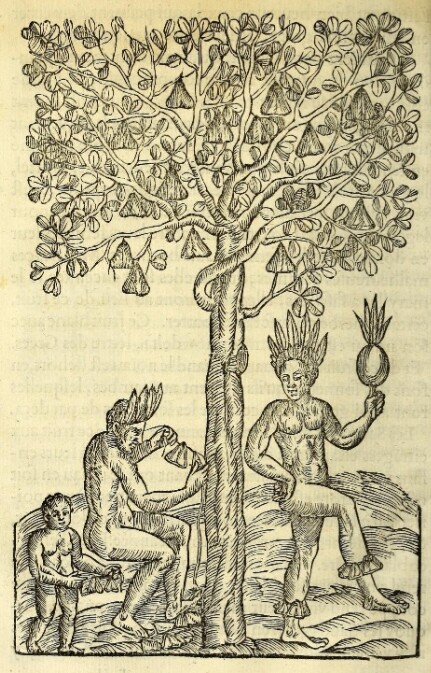
The genus honors André Thevet (1516–1592), a Franciscan friar from Angoulême who sailed with Nicolas Durand de Villegagnon's ill-fated French colony to Guanabara Bay in November 1555. France Antarctique, as the outpost near modern Rio de Janeiro was called, aimed to carve out a Protestant refuge in the tropics, but disease and sectarian quarrels unraveled the project within a decade. Thevet himself lasted barely ten weeks—he fell ill by January 1556 and retreated to France—yet those few months produced one of the earliest European accounts of Brazilian flora and fauna. His Les singularitez de la France Antarctique (1557) first described for European readers the manioc, pineapple, peanuts, the sloth, the tapir, and notably tobacco, which Thevet later claimed to have brought back and popularized on the continent.
Thevet's bravado earned him the title of Royal Cosmographer and chaplain to Catherine de Médicis. His later compendium, La Cosmographie universelle (1575), sprawled over two folio volumes of geography, ethnography, and botany that contemporaries found both indispensable and unreliable—Jean de Léry, a fellow France Antarctique veteran, accused Thevet of plagiarism and exaggeration. Yet Linnaeus evidently thought the friar deserved botanical immortality: in 1758 he established the yellow oleander genus Thevetia, forever linking a cardiac-poison shrub to the man who first described American wonders for European courts.
While the genus commemorates a French cosmographer, the species epithet "ahouai" preserves a name from the Tupi-speaking peoples who inhabited coastal Brazil when Europeans arrived. Linnaeus first published the plant in 1753 as Cerbera ahouai, transcribing the indigenous term directly into Latin binomials—a rare instance of pre-Columbian vocabulary surviving the Linnaean filter. Later taxonomists shuffled the species through several genera—Ahouai, Plumeriopsis, and finally Thevetia—but the original epithet endured. The exact Tupi meaning remains obscure, though 18th-century missionaries recorded "ahouaí" or "ahouay" as the local name for these milk-sapped, twin-fruited shrubs long before Carl von Linné ever saw a specimen in a Swedish herbarium.
Resources & Further Reading
Floristic & Ecological References
Provides Brunca common names, habitat notes (0–600 m floodplain forest), and ethnobotanical uses including latex treatments and fruit consumption.
Summarizes the species’ morphology, toxic cardenolides, and traditional medical applications compiled for Yucatán communities.
Lists accepted taxonomy, synonyms, and native distribution from Mexico through northern South America.
Describes habitat preferences, poisonous chemistry, and medicinal/ichthyotoxic uses cited from classic floras.
Notes that ranchers value T. ahouai for living fences because cattle avoid its toxic leaves.
Returned 89 national records with elevation and monthly facets referenced in the field notes.
Filtered the dataset to 68 records between 8.0–10.3°N and 84.5–82.5°W.
Used to cite 156 Costa Rican observations and 134 within the Brunca bounding box.
Reports antibiosis and antixenosis assays showing T. ahouai resistant to red spider mite infestation.
Characterizes the newly described Thevetia white spot potyvirus affecting hedgerow plantings in Ecuador.
Documents hawkmoth feeding on Apocynaceae hedges, including Thevetia, and the predators they support.
Details the species' habit of raiding caterpillars and arboreal insects along lowland hedgerows.
Historical Botany & Nomenclature
Biography of the Franciscan cosmographer who sailed with France Antarctique to Brazil in 1555–1556 and inspired Linnaeus's genus name.
Digitized edition of Thevet's influential travelogue that introduced Europeans to manioc, pineapple, peanuts, and tobacco.
Traces the species from Linnaeus's 1753 Cerbera ahouai through its transfers to Ahouai, Plumeriopsis, and Thevetia.
Cardiac Glycoside Chemistry & Toxicology
Classic pharmacological study comparing thevetin's potency to ouabain and describing its mechanism of cardiac action.
Reviews clinical management of yellow oleander and other cardiac glycoside poisonings, including digoxin-specific Fab therapy.
Comprehensive review of cardenolide biochemistry, their role in plant defense, and interactions with specialist herbivores.