Pigeon Wood
Named by an 18th-century apothecary who honored indigenous knowledge, this tree feeds marmosets from its bark and pigeons from its fruit. Its 26 synonyms tell the story of two centuries of taxonomic confusion.
When Jean Baptiste Christophore Fusee Aublet arrived in French Guiana in 1762, he brought something unusual for a European botanist of his era: a willingness to listen. Sent by the French crown to investigate the colony's natural resources during the ill-fated Kourou Expedition, the pharmacist from Salon-de-Provence spent two years collecting plants alongside Amerindians, enslaved Africans, and European colonists in the forests near Cayenne. Where most European botanists coined names from Latin and Greek, Aublet recorded the indigenous Galibi name for this common forest tree, "Tapiriri," and preserved it as the genus name Tapirira. The practice made his 1775 Histoire des Plantes de la Guiane Françoise one of the earliest works of scientific ethnobotany, and Tapirira guianensis carries that legacy in every syllable.
In Brazil, they call it "pau-pombo," pigeon wood, because wild pigeons and doves descend on the tree when its small purple-black drupes ripen each year. In Costa Rica, where it ranges from the Caribbean lowlands to the wet forests of the Osa Peninsula, it goes by "cedrillo" and "manteco," the latter for the greasy, butter-like oleoresin that seeps from its bark. That same oleoresin draws black-tufted-ear marmosets in the Brazilian cerrado, where they gouge the bark with specialized lower incisors, stimulating the tree to produce enlarged secretory ducts that supply their preferred food. A tree that feeds primates from its bark and birds from its fruit, that carries an indigenous name through 250 years of botanical nomenclature, that has confused taxonomists across nine genera and 26 synonyms: Tapirira guianensis is one of the Neotropics' most widespread and ecologically versatile trees.
Identification
Habit
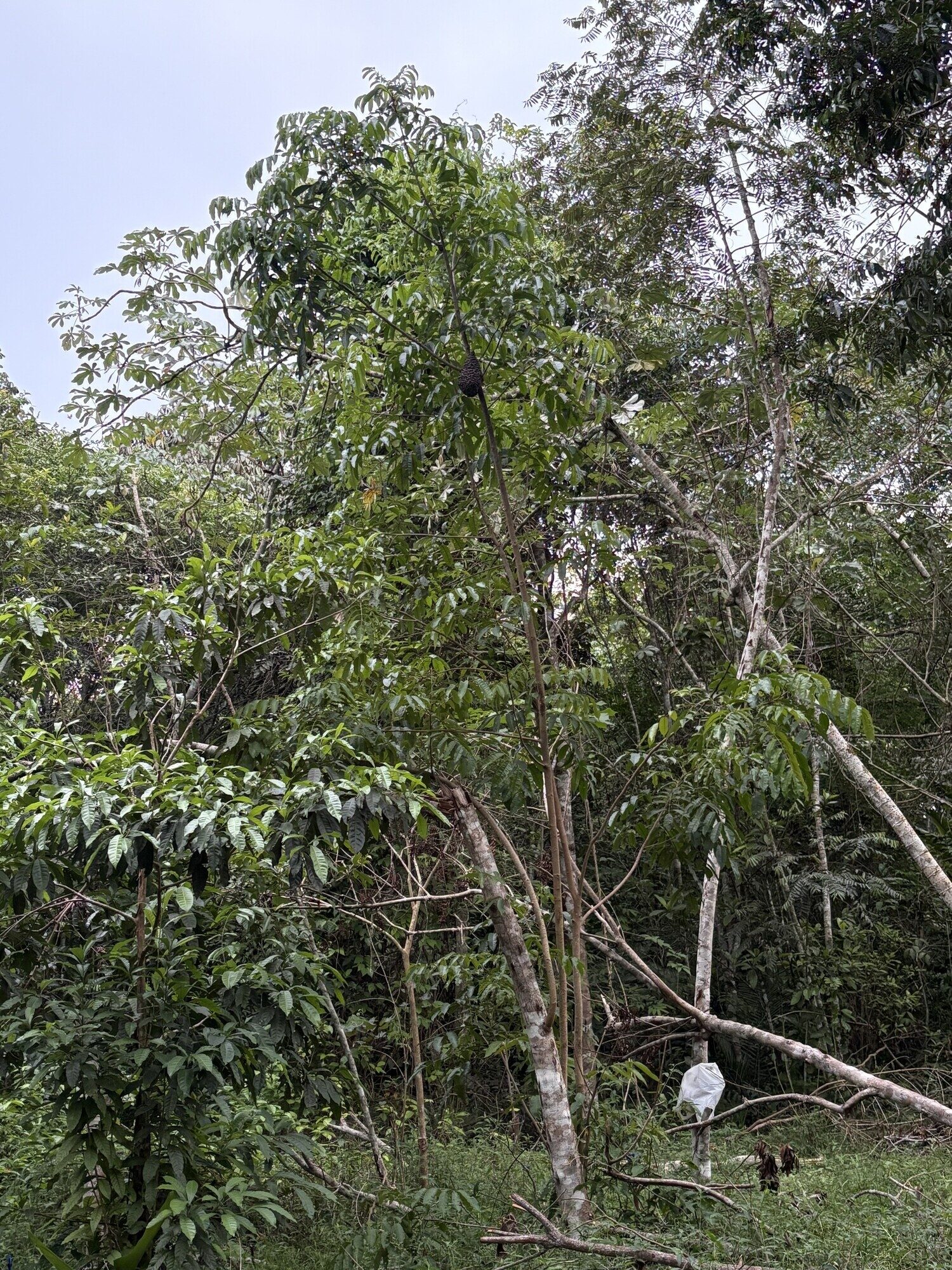
Tapirira guianensis is a medium to large tree that typically reaches 15 to 35 meters in height, though specimens up to 45 meters have been recorded. The trunk is cylindrical and fairly straight, reaching 40 to 80 cm in diameter, sometimes developing small buttresses that extend to 1.3 meters from the base, particularly in wetter habitats and older trees. The crown is dense and rounded, spreading up to 20 meters across in open-grown individuals. As a fast-growing pioneer species, it is frequently among the first large trees to establish in secondary forest and along road margins, where its spreading crown can dominate the canopy within a few decades. In the dry season, particularly at the drier edges of its range, the tree may shed part of its foliage, earning it a semi-deciduous classification despite some sources labeling it evergreen.
Trunk and Bark
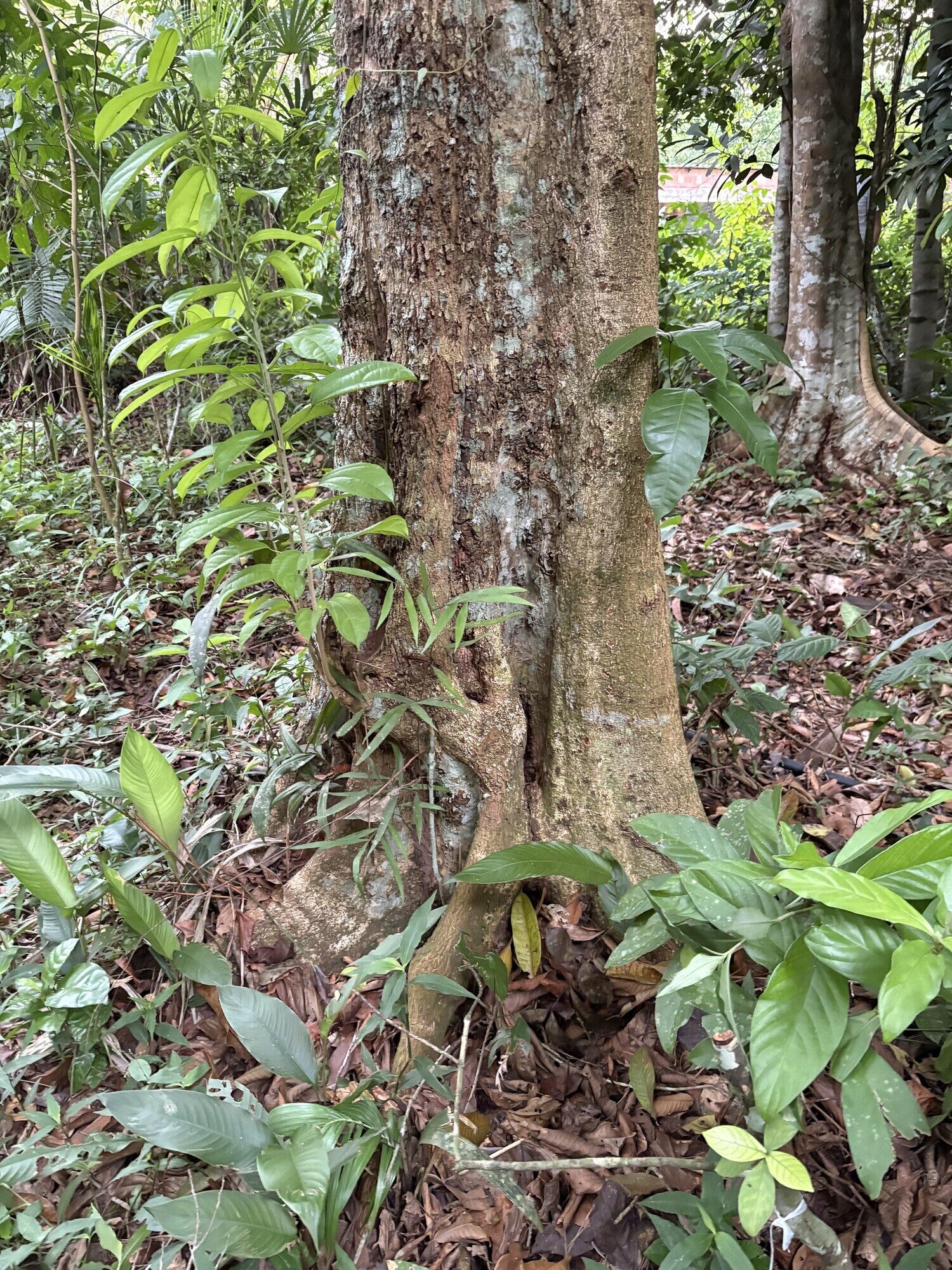
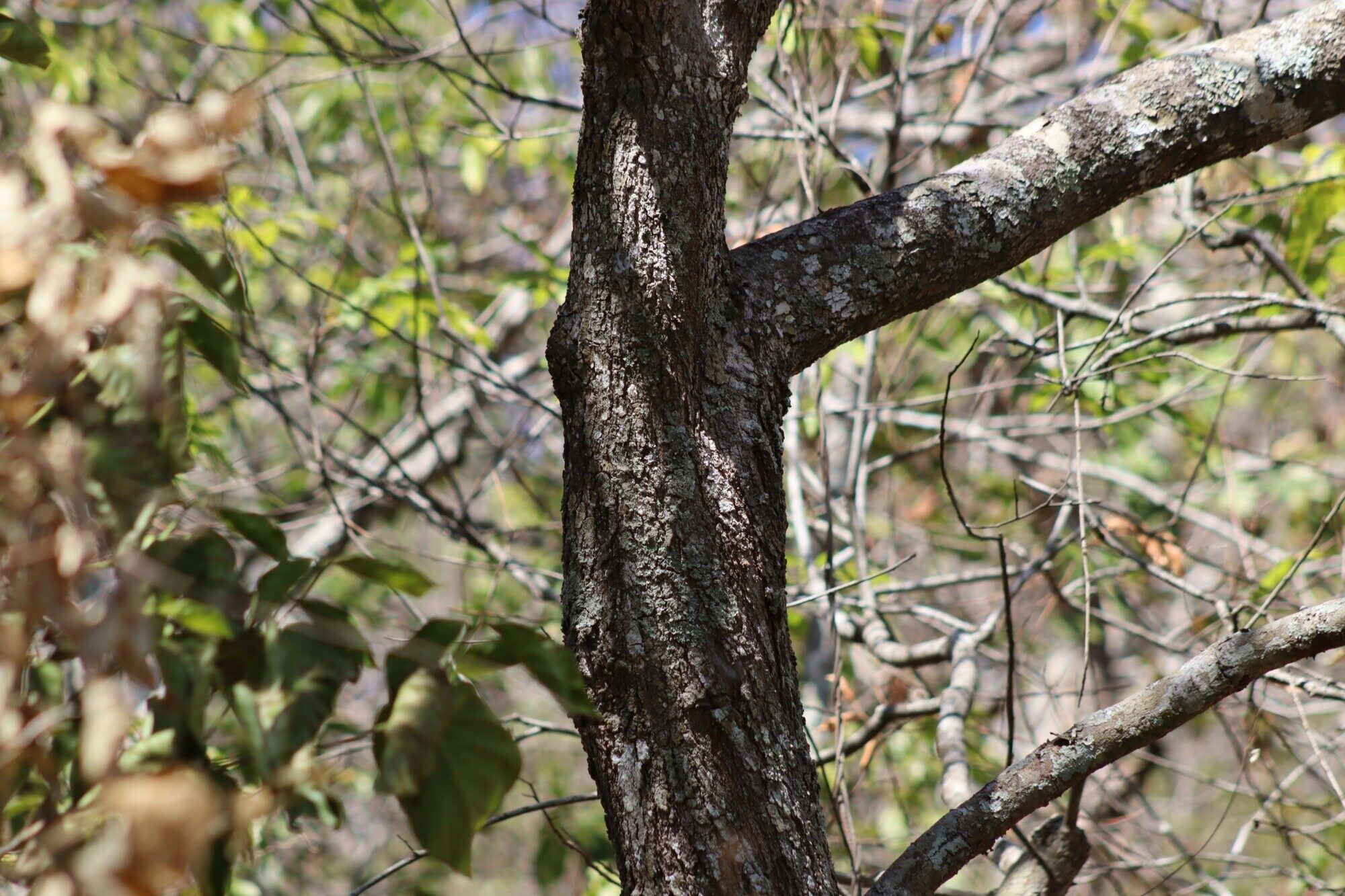
The bark is reddish-brown to grayish on the outside, deeply fissured in older trees. When cut, the inner bark reveals a pink layer that oozes a milky to reddish oleoresin with a strong, pungent aroma. This resin is the source of the Costa Rican common name "manteco," from "manteca" (butter or lard), referring to its greasy, viscous consistency. Breaking a terminal twig or crushing a new leaf releases the same sharp, resinous scent. The bark's chemical richness is more than incidental: the oleoresin contains cyclic alkyl polyol derivatives with documented anti-protozoal, anti-bacterial, and anti-fungal properties, which helps explain why indigenous peoples across the tree's range have long used bark preparations to treat conditions from leishmaniasis to infected wounds.
Leaves
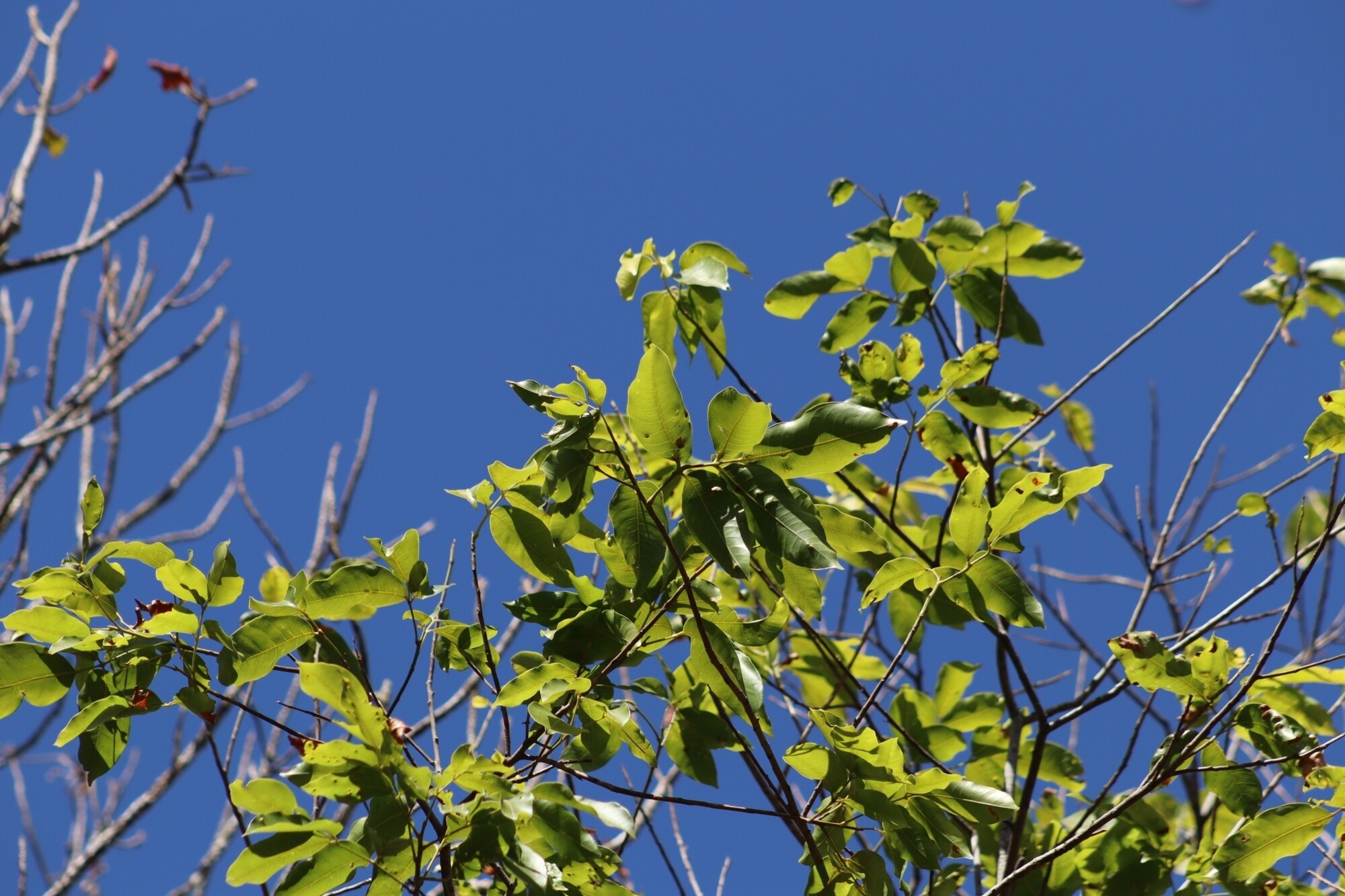
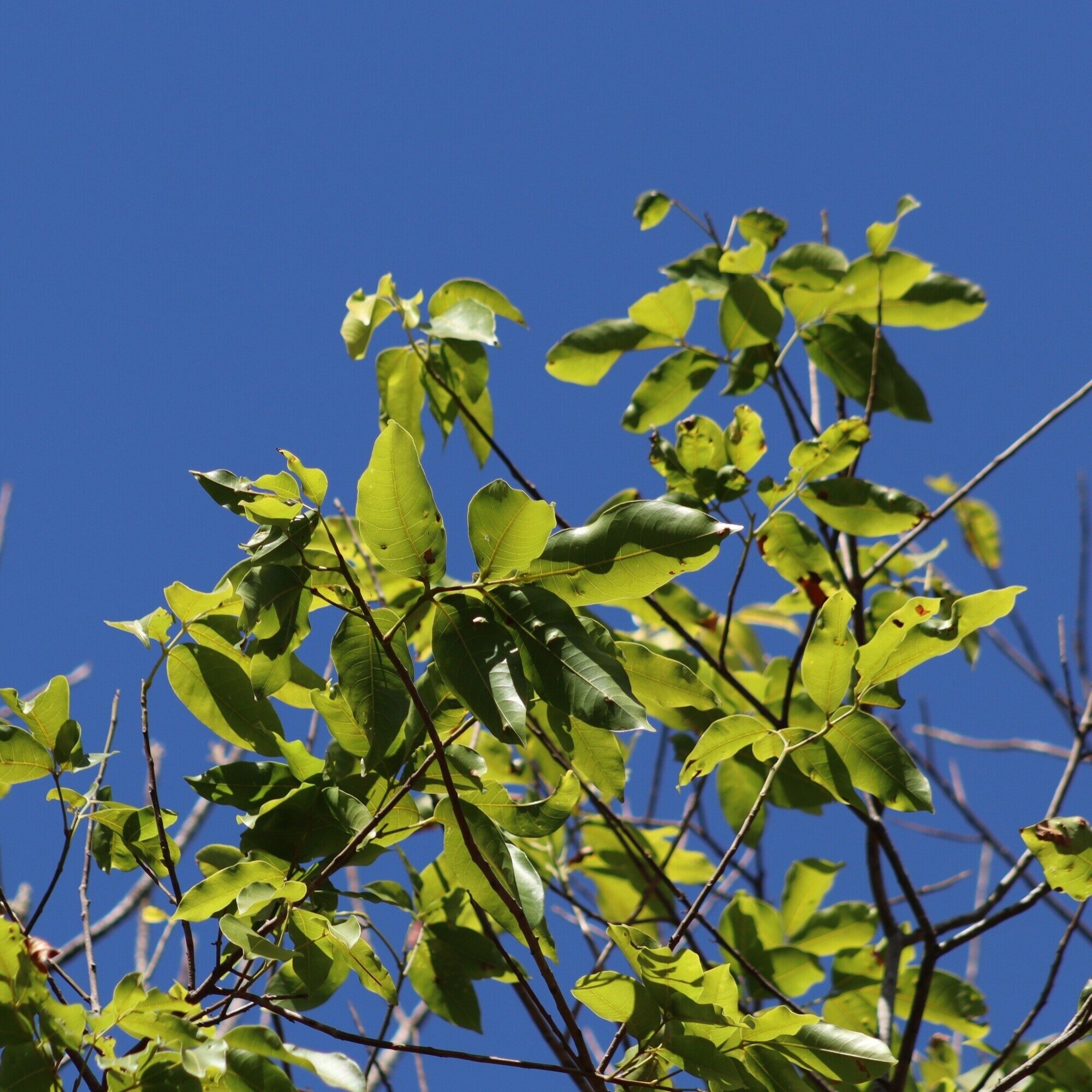
The compound leaves themselves are arranged alternately along the stem, one leaf at each node, staggering down the branch. Each leaf is odd-pinnate (imparipinnate): a central rachis carries 5 to 13 leaflets in opposite pairs down its length, capped at the tip by a single unpaired terminal leaflet, the "odd" leaflet that gives the arrangement its name. It is worth keeping the two levels distinct: the whole compound leaves sit alternately on the branch, while the leaflets within each leaf sit oppositely on the rachis. Individual leaflets measure 5 to 23 cm long and 2.5 to 11.2 cm wide, elliptic to oblong-elliptic in shape, with acuminate (long-tapering) tips, entire (smooth) margins, and slightly asymmetric bases. The upper surface is a vibrant, glossy green. New leaf flushes emerge with reddish or bronze-colored tones before maturing to green. The leaves' overall appearance is reminiscent of other compound-leaved members of the Anacardiaceae, such as Spondias, which contributed to the historical confusion between these genera. When crushed, the leaflets release a faint resinous scent, consistent with the family's characteristic secretory canals.
Flowers
Tapirira guianensis is dioecious (separate male and female trees), and its flowering follows what ecologists call a "bang" strategy: massive, well-synchronized blooming peaks where all trees of the same sex flower simultaneously. The individual flowers are tiny, approximately 3 mm across, with five petals colored white, cream, or yellowish-green, arranged in branching panicles (loose, multi-branched clusters) up to 35 cm long. Male inflorescences are significantly larger than female ones, averaging 13.5 cm with roughly 514 flowers per cluster, while female inflorescences average 9 cm with about 118 flowers. Both sexes produce a faint, sweet fragrance. A study of the floral secretory disk revealed something new to the Anacardiaceae: the intrastaminal disk produces both nectar and lipids simultaneously, the first mixed-secretion gland documented in the family. In Costa Rica, flowering occurs primarily from March through May and again in September.
Fruits
The fruit is a drupe, 1 to 1.8 cm long and 0.8 to 1.3 cm wide, oblongoid to ovoid in shape, maturing from green through intermediate shades to a deep purple-black. Each drupe contains a single seed enclosed in a cartilaginous endocarp (hard inner wall). The pericarp (fruit wall) is structurally complex: its mesocarp (middle layer) is laced with secretory ducts that produce phenols and lipids throughout development, providing chemical defense against pathogens. There are approximately 2,600 seeds per kilogram, and a single tree can produce thousands of fruits annually. The seeds are recalcitrant (sensitive to drying), losing viability within roughly a month after harvest, which means the tree depends entirely on prompt animal dispersal rather than seed banking. In Costa Rica, fruits mature between August and October. The fruits are edible and locally consumed across parts of Brazil, where they are sometimes made into beverages.
Bark Close-up
Distribution
Tapirira guianensis is one of the most widely distributed tree species in the American tropics. Its range stretches from the state of Chiapas in southern Mexico through Honduras, Nicaragua, Costa Rica, and Panama, then across the northern and central portions of South America: Colombia, Venezuela, Trinidad, Guyana, Suriname, French Guiana, Ecuador, Peru, Bolivia, Brazil, and Paraguay. With over 32,000 occurrence records on GBIF, it is abundantly documented, with Brazil (43% of records) and Colombia (40%) accounting for the vast majority. The tree grows from sea level to about 1,960 meters, though most populations occur below 700 meters in wet lowland forests.
In Costa Rica, the species is found across multiple provinces, from the Caribbean lowlands (La Selva Biological Station in Heredia, Parque Nacional Barbilla and Braulio Carrillo in Limon) to the wet Pacific lowlands of Puntarenas Province. GBIF data show 175 records from 98 unique localities across the country, with an elevational range of 8 to 1,400 meters. The Brunca region is a particular stronghold, with 36 documented localities concentrated in the Golfo Dulce area: Piedras Blancas National Park, the Reserva Forestal Golfo Dulce, Estacion Agujas on the Osa Peninsula, the hills south of Palmar Norte (Fila Retinta), and the forests around Bahia Chal and Golfito. The species also occurs at Las Cruces Biological Station in the West Java River watershed at 1,200 meters, near the upper edge of its local elevational range. The tree favors wet and very wet forest types, growing along riverbanks, in gallery forests, at forest edges, and in both primary and secondary stands. Its tolerance of waterlogged soils and ability to colonize disturbed areas make it a common component of riparian corridors and regenerating landscapes.
Ecology
The tiny, aromatic flowers of T. guianensis attract a diverse assembly of pollinators. A study in gallery forest in the Triangulo Mineiro region of Brazil recorded 80 different floral visitors from 6 insect orders, 22 families, and 41 species. Hymenoptera (bees and wasps, 17 species) and Diptera (flies, 14 species) dominated, together making up over 75% of visitor species. All bee visitors were small, under 12 mm in body length. This generalist pollination system, in which the tree broadcasts small fragrant flowers in massive synchronized bursts and accepts visits from whatever arrives, is typical of dioecious trees that use a mass-flowering strategy to ensure cross-pollination between individuals that may be separated by considerable distances in the forest.
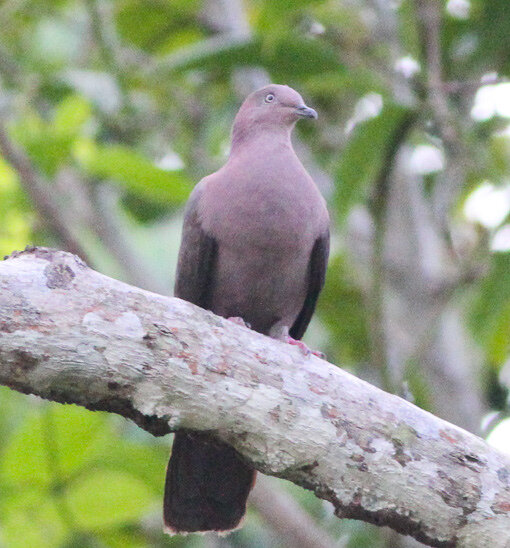
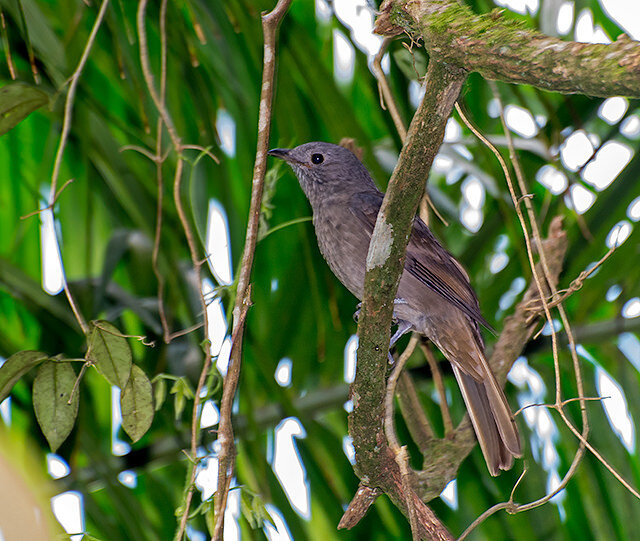
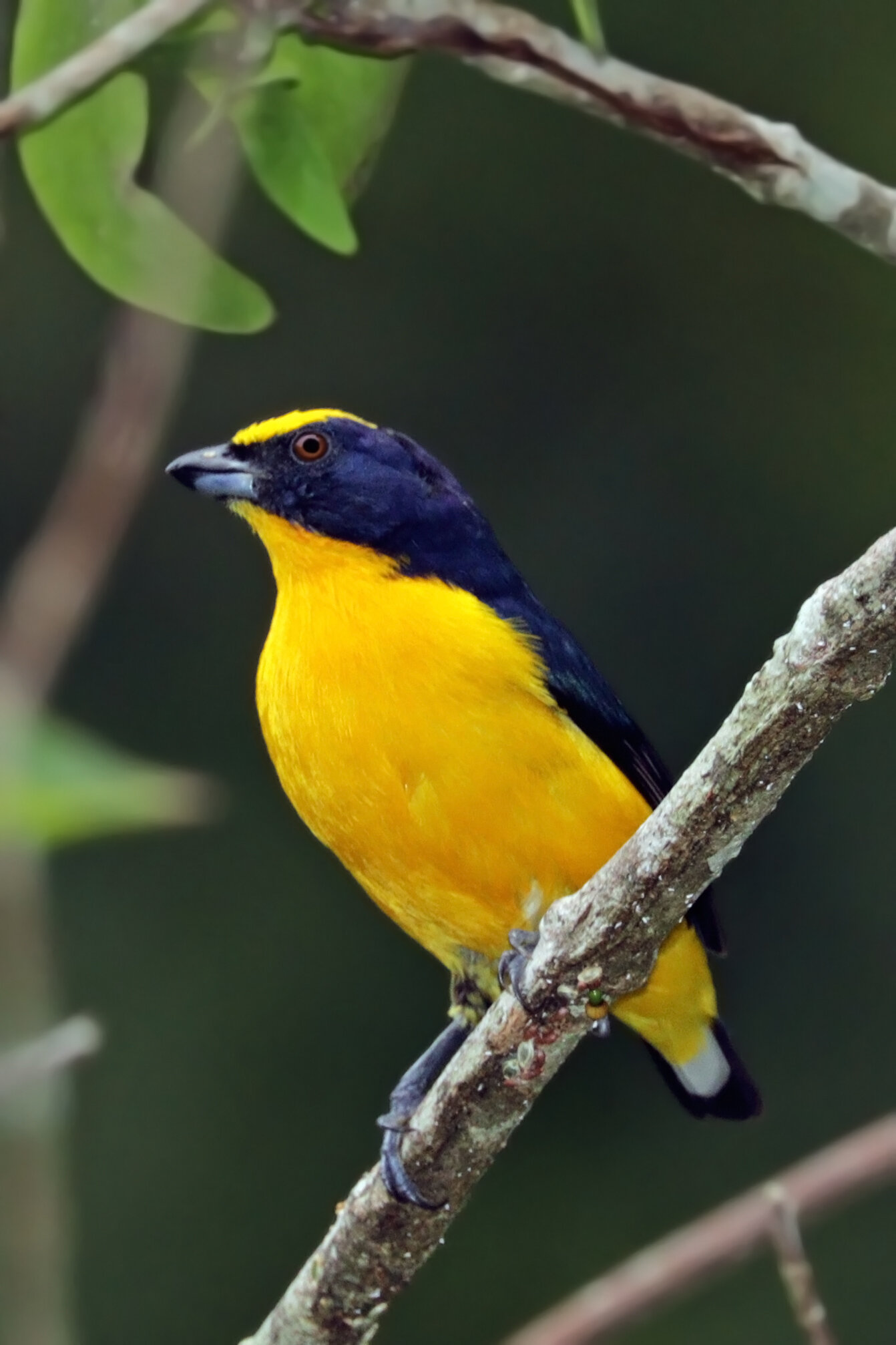
When the drupes ripen to purple-black, the tree becomes a magnet for fruit-eating birds. Tanagers, saltators, euphonias, and cotingas (including the cinnamon-vented piha, Lipaugus lanioides) have been documented feeding on T. guianensis fruit in the Atlantic Forest of southeastern Brazil. The tree's many Brazilian common names testify to the importance of this relationship: "pau-pombo" (pigeon wood), "fruta-de-pombo" (pigeon fruit), and "peito-de-pomba" (pigeon breast) all point to pigeons and doves as among the most conspicuous consumers. The recalcitrant seeds, which lose viability within a month of leaving the tree, are entirely dependent on this prompt animal dispersal for germination and establishment.
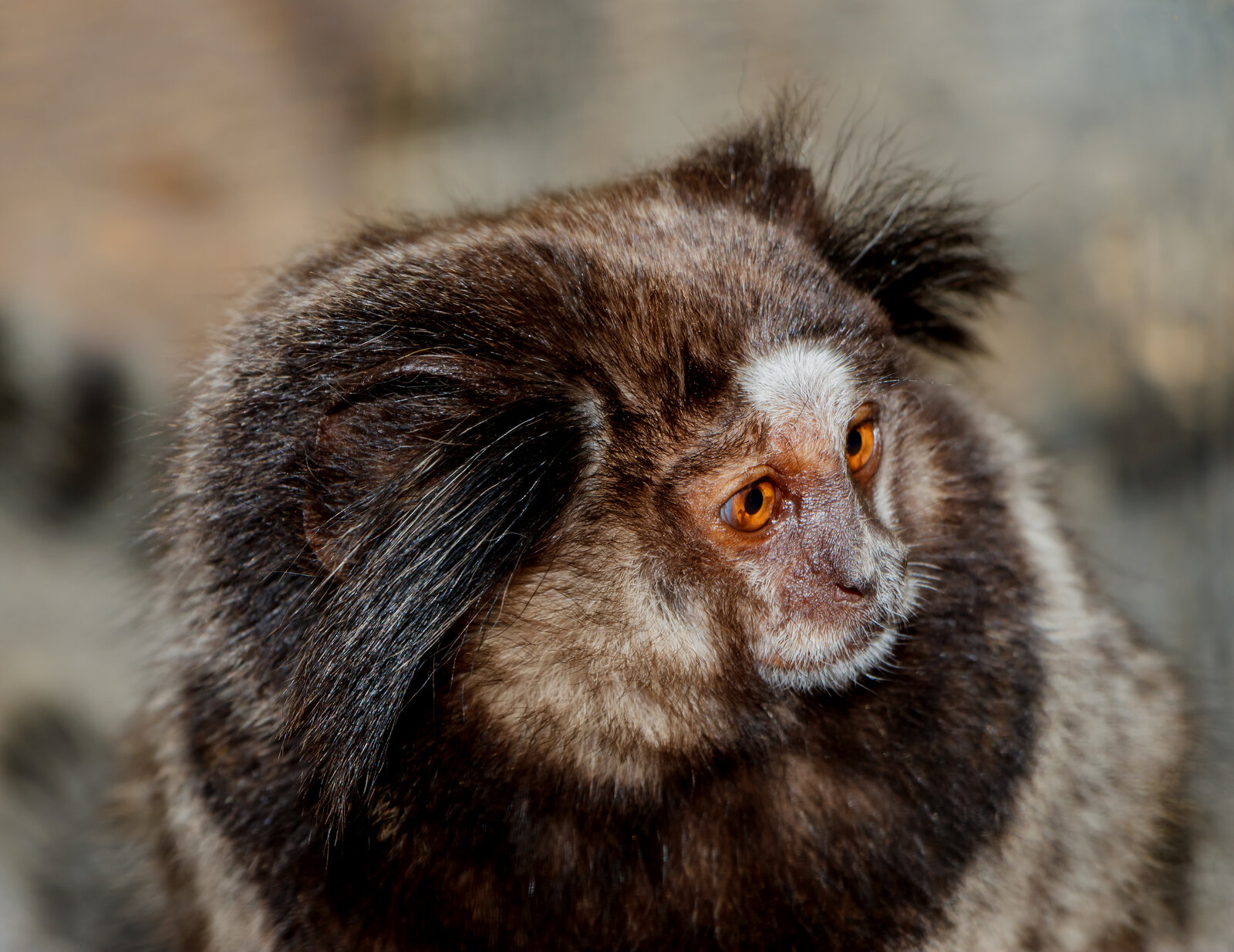
Perhaps the most remarkable ecological relationship involves black-tufted-ear marmosets (Callithrix penicillata) in the Brazilian cerrado. These small primates gouge the bark of T. guianensis with their specialized lower incisors to access the tree's oleoresin exudates, which are rich in water and calcium. Tapirira guianensis is the most-exploited tree species by these marmosets in both cerrado and urban forest habitats. Research has shown that the gouging stimulates the tree to produce traumatic secretory ducts in the bark phloem near the cambial region, larger and more numerous than the tree's constitutive ducts. The relationship is especially important during seasonal droughts, when other food sources are scarce and the water-rich exudate provides essential hydration.
The tree's internal ecology is equally rich. A study of endophytic fungi (fungi that live within plant tissues without causing disease) in T. guianensis yielded 1,615 fungal isolates representing 99 species from leaves and stems alone, with greater diversity during the wet season. The species is also parasitized by the mistletoe Phoradendron perrottettii in Brazilian savannah, where the parasite alters the host tree's metabolite profile, reducing tannin content in infested tissues. These interactions illustrate the extent to which a single widespread tree species can function as an ecological platform, supporting communities of organisms from primates to microscopic fungi.
Taxonomic History
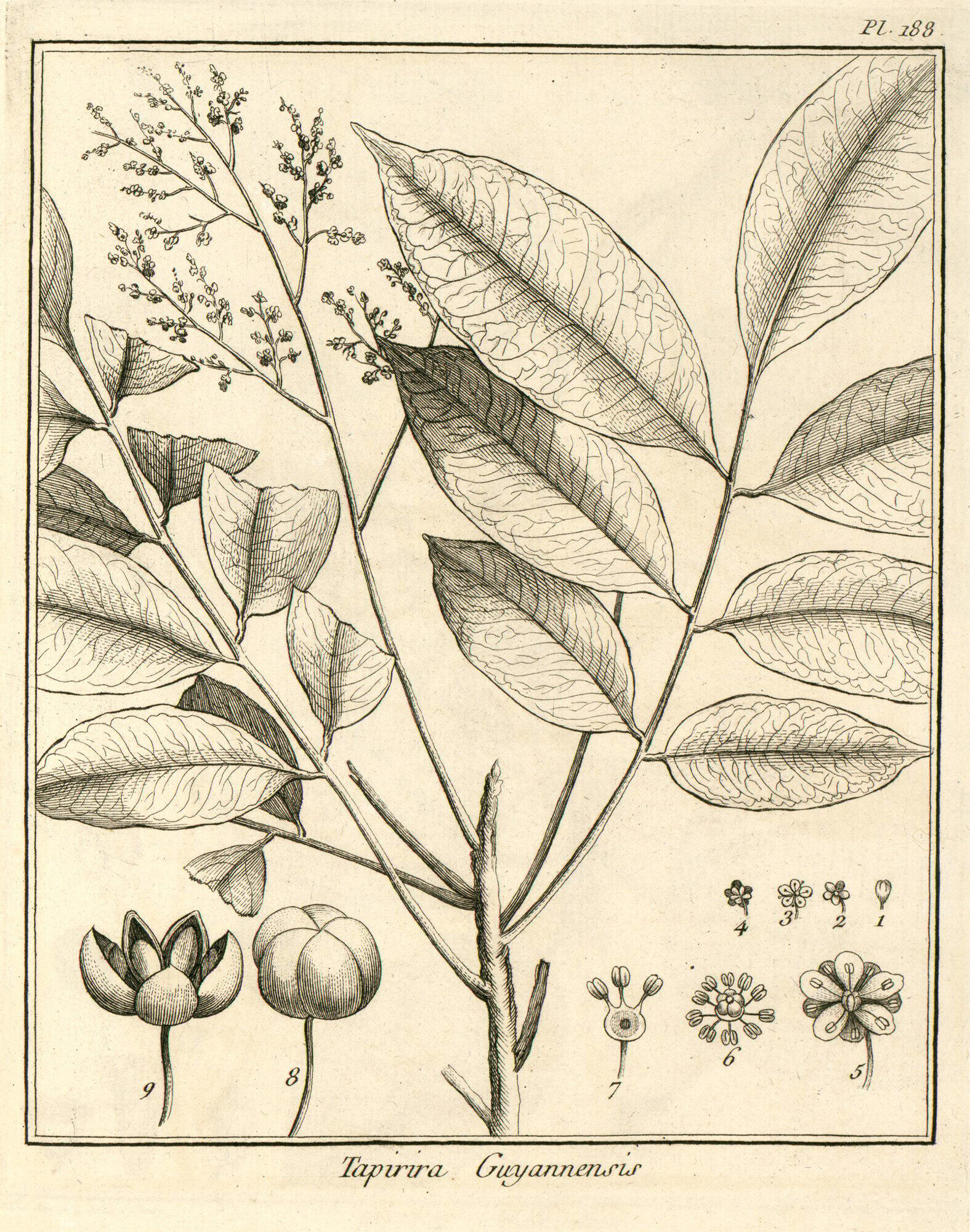
Aublet described Tapirira guianensis on page 470 of Volume 1 of his Histoire des Plantes de la Guiane Françoise, published in Paris between June and December 1775. The accompanying plate 188 remains one of the most detailed early illustrations of the species, showing the compound leaves, branching inflorescence, and dissected flower and fruit details. The type specimen is preserved at the Linnean Society in London (LINN-SM-829.1). Aublet himself never saw the publication in its full reception: he died in Paris on May 6, 1778, only three years after completing his four-volume work describing 576 genera and over 1,200 species. His mentor, Bernard de Jussieu, helped him identify and write up the collections, but Aublet's insistence on using indigenous names rather than Latinate coinages met with resistance from contemporary botanists who considered the practice unscholarly.
The species epithet "guianensis" simply means "of the Guianas," placing the tree in the landscape where Aublet first encountered it. The genus name Tapirira derives from "Tapiriri," the Galibi name for the tree. The word shares linguistic roots with the Tupi-Guarani word tapi'ira, the source of the English "tapir," though the exact relationship between the animal name and the plant name remains unclear. In choosing this name, Aublet followed a practice he applied throughout his flora: drawing from Galibi, Wayapi, and other indigenous vocabularies to create the formal nomenclature, producing what ethnobotanist Mark Plotkin later called one of the most important early records of indigenous botanical knowledge in the Americas.
The taxonomic history that followed Aublet's description is a catalog of confusion. Over two centuries, populations of this morphologically variable, wide-ranging tree were described as new species or reassigned to different genera at least 26 times. Martyn transferred it to Joncquetia in 1797. Kunth placed Colombian material in Comocladia as C. tapaculo in 1824. Martius described variants as species of Mauria in the 1840s. Engler moved material to Spondias and Bursera in 1883. Material was also placed in Rhus, Marupa, and Odina. The extensive synonymy across nine genera reflects how dramatically the tree's appearance can shift across its immense range: populations at sea level in Amazonian floodplains look different from those at 1,500 meters on Andean slopes, and seasonal variation in leaf size and flower morphology compounded the problem. Today, the genus Tapirira contains 9 accepted species, all restricted to the tropical Americas, with T. guianensis the most widespread by far.
Similar Species
In Costa Rica, Tapirira mexicana Marchand also occurs and is known locally as "cirri blanco." The two species can be difficult to distinguish in the field, and indeed both share the common name "cedrillo" in some regions. Wood anatomy provides the most reliable characters for distinguishing Tapirira species, including wall thickness of fibers and vessels, fiber lumen diameter, and the diameter and frequency of radial canals. Tannin presence in fibers and wood color can also differ. A third species, T. lepidota Aguilar & Hammel, was recently described from Costa Rica and may prove to be sympatric in some areas. The broader historical confusion with Spondias, Mauria, and other compound-leaved Anacardiaceae reflects the difficulty of identifying this group from foliage alone.
Uses and Ethnobotany
Across its range, T. guianensis has a long history of medicinal use. In French Guiana, where it is known as "lousse" (Creole), "tata pilili" (Wayapi), and "ara" (Palikur), bark decoctions are used to treat malaria and diarrhea, and the sap is applied directly to cutaneous leishmaniasis lesions and infected wounds. In Brazil, the inner bark is ground into a powder and given to children as a treatment for oral thrush, while bark infusions serve as washes for ulcers and a flower tea is taken by elderly individuals for painful urination. These traditional uses span at least three distinct indigenous groups and multiple mestizo populations, and modern pharmacological research has largely validated them: the cyclic alkyl polyol derivatives isolated from the bark show significant anti-leishmanial, anti-plasmodial, anti-bacterial, and anti-fungal activity. More recent studies have identified anti-cancer properties against both glioblastoma and oral squamous cell carcinoma cell lines, and a vasodilatory effect mediated through the nitric oxide pathway. However, mutagenicity detected in Ames testing urges caution about concentrated preparations.
The wood is lightweight (density 0.45 g/cm3), fine to medium textured, with a pale pink to golden-brown heartwood and high luster. Despite its low natural durability, it is used for flooring, bridges, railroad sleepers, tool handles, fence posts, furniture, carvings, and canoe construction. In Peru, the tree has been incorporated into shade-coffee agroforestry systems, where its fast growth and spreading crown provide moderate shade beneficial to Arabica coffee. As a pioneer species with rapid establishment, abundant fruit production, and tolerance of waterlogged soils, it is also recommended for restoration of degraded areas, particularly riparian zones and swamp margins.
Conservation Outlook
Tapirira guianensis is assessed as Least Concern on the IUCN Red List. It is one of the most abundant and widespread tree species in the Neotropics, common in both primary and secondary forests, and capable of rapid regeneration in disturbed habitats. In Brazil's cerrado gallery forests and Atlantic Forest swamp environments, it is frequently among the dominant species. In Costa Rica, it is documented in Piedras Blancas National Park, Parque Nacional Corcovado, La Selva Biological Station, Parque Nacional Barbilla, and many other protected areas. Its pioneer strategy, with fast growth, prolific fruiting, and tolerance of degraded and waterlogged soils, means it is often among the first trees to recolonize cleared land.
Yet abundance should not invite complacency. The tree's ecological importance as a food source for birds, primates, and insects, as a substrate for endophytic fungi, and as a pioneer in forest restoration means that local declines could cascade through the communities it supports. Deforestation and agricultural conversion continue to reduce forest cover across much of its range, particularly in the Brazilian cerrado and Atlantic Forest, two of the most threatened biomes on Earth. In Costa Rica's Brunca region, where the species is well established, maintaining connectivity between forest fragments along rivers and in the hills around Golfo Dulce ensures that this tree can continue to play its role as one of the first trees to heal a damaged landscape.
Resources & Further Reading
Taxonomy & Nomenclature
Plants of the World Online entry with full synonymy, distribution, and native range.
Nomenclatural data and specimen records from Missouri Botanical Garden.
Numerical taxonomic approach to distinguishing Tapirira species using wood anatomy.
Species Information
Global occurrence records and specimen data, with over 32,000 records.
Detailed species account with morphology, uses, and ecology.
Costa Rica forestry species account with local common names and wood uses.
Species profile from the Osa Arboretum in Costa Rica's Brunca region.
Florula Digital entry with specimen data from La Selva Biological Station.
Species data from the Smithsonian Tropical Research Institute, Panama.
Conservation
Conservation assessment: Least Concern.
Scientific Literature
Study of pollination ecology in Brazilian gallery forest, documenting 80 floral visitors.
Discovery of the first mixed nectar-lipid secretory gland in Anacardiaceae.
Histological study of how Callithrix penicillata gouging induces traumatic secretory ducts.
Isolation of four bioactive compounds from bark validating traditional use against leishmaniasis.
Anti-proliferative and anti-migratory effects on oral squamous cell carcinoma lines.
Wood properties and timber uses of Tapirira guianensis.
Related Reading
Biography of the French pharmacist-botanist who described this species during the Kourou Expedition.
Analysis of indigenous names preserved in Aublet's Flora of French Guiana.
Study of marmoset gummivory and the role of T. guianensis as a preferred exudate source.