Peine de Mico
Sloanea medusula produces the largest leaves of any tree in Costa Rica and a spiny fruit capsule named for the head of Medusa.
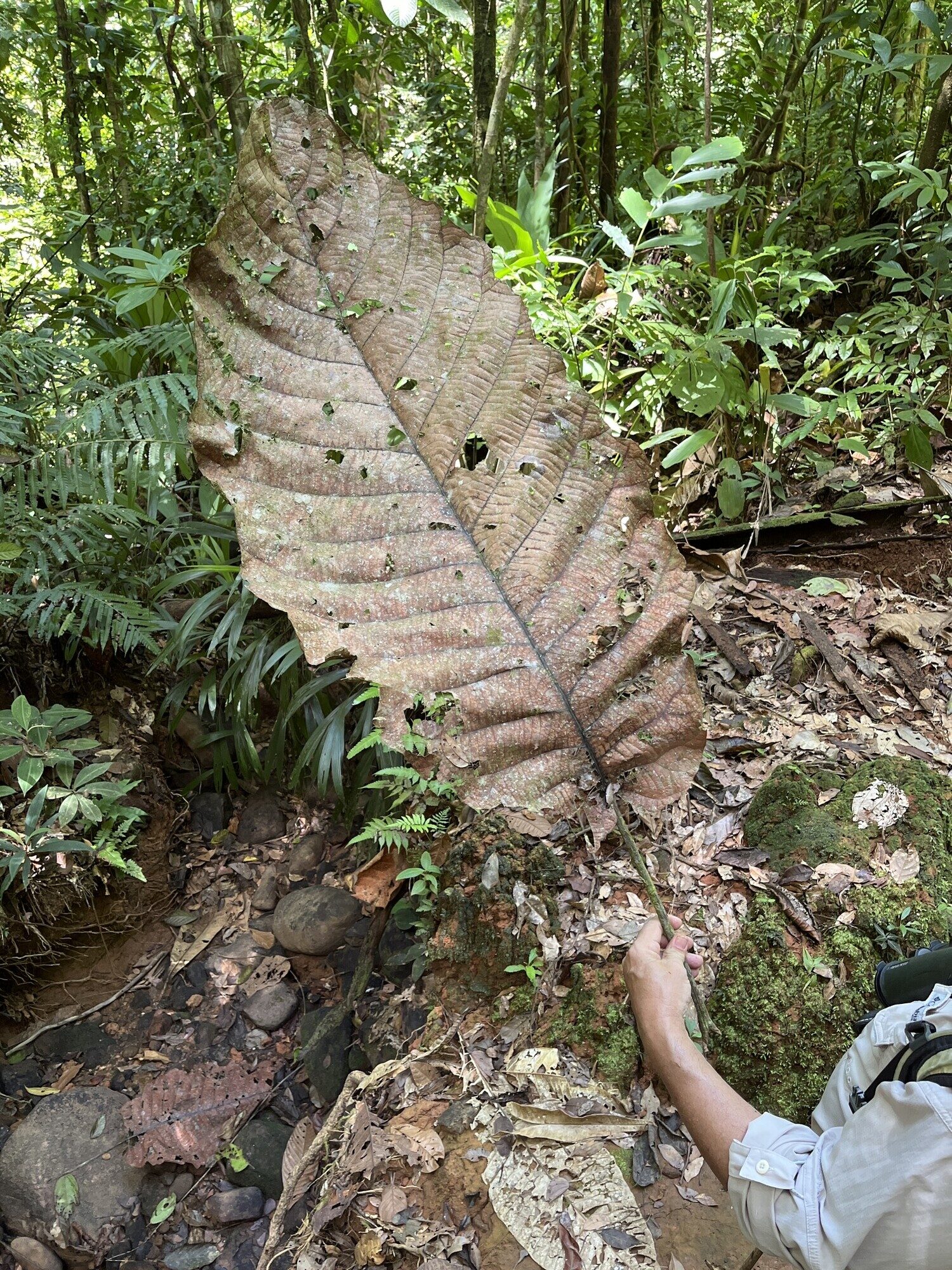
In the wet lowland forests of Costa Rica's Osa Peninsula, an enormous leaf falls from the canopy and lands across the trail. It covers the width of the path. A hiker unfamiliar with the tree might think it came from a palm or a banana, but the leaf is simple, undivided, with a thick midrib and prominent lateral veins running to serrated margins. It measures nearly a meter long. It belongs to Sloanea medusula, a canopy tree with the largest leaves of any non-palm tree species in Costa Rica.
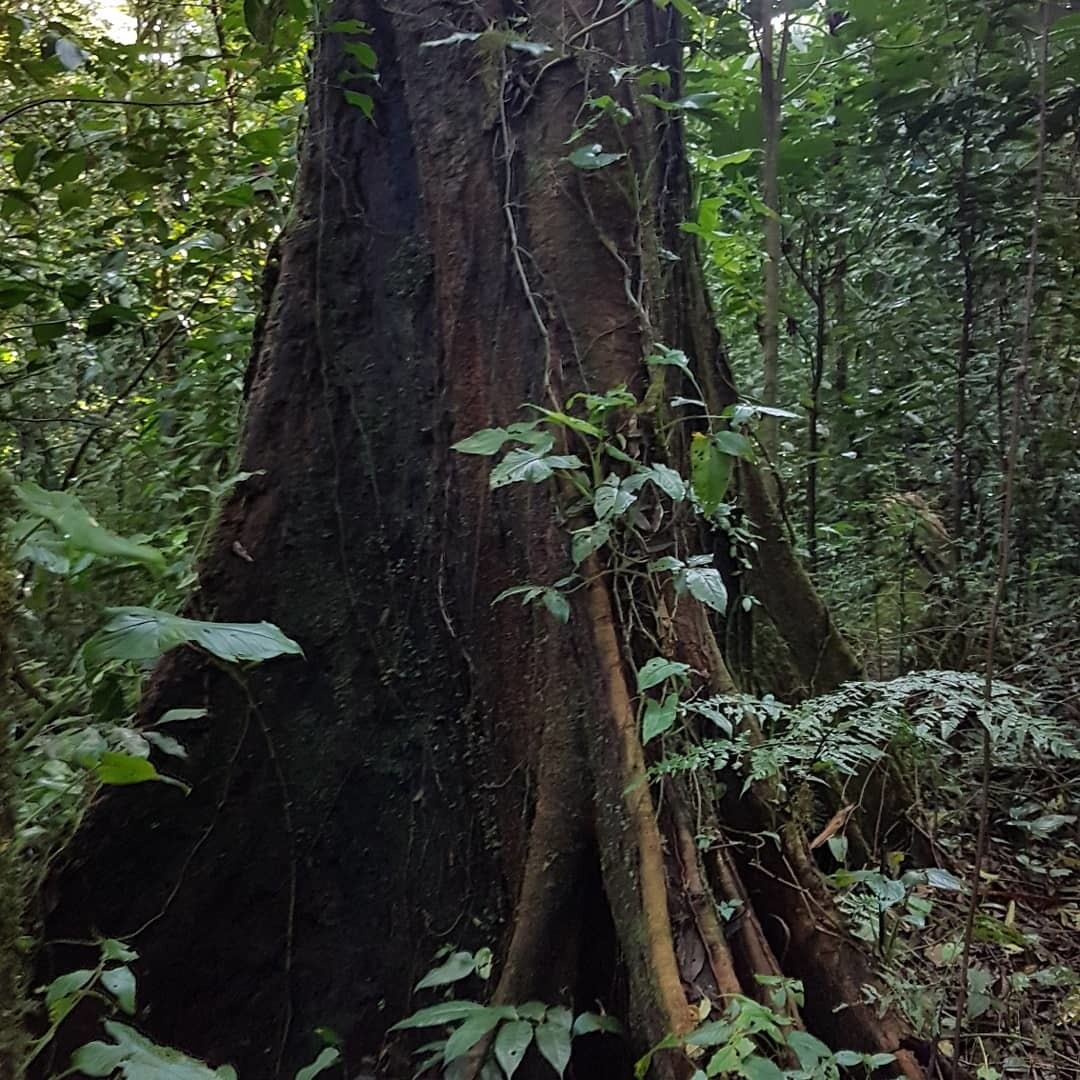
The tree ranges from southern Mexico through Central America to Colombia, Ecuador, and Peru, growing at elevations from near sea level to 1,450 meters. In Costa Rica, where more than a third of all known specimens have been collected, it appears on both the Caribbean and Pacific slopes, from the lowlands around La Selva Biological Station in Heredia to the forests of the Osa Peninsula and the foothills of the Fila Tinamaste. It grows in wet tropical forest and premontane pluvial forest, reaching the canopy as an emergent tree with buttressed roots. Despite its wide range across ten countries, it has never been assessed by the IUCN.
Identification
Habit
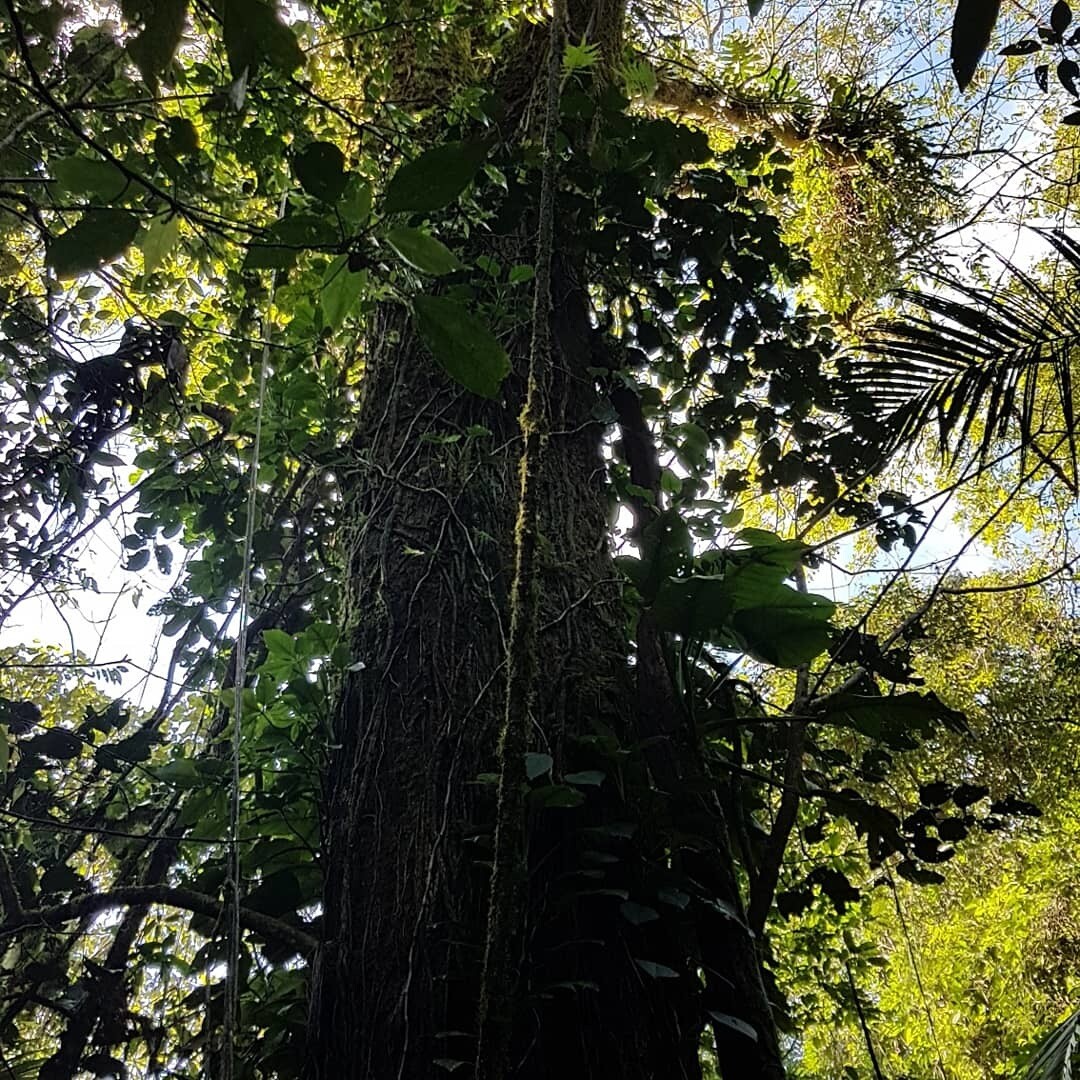
Sloanea medusula grows as a canopy to emergent tree, reaching 12 to 35 meters in height. Some specimens described under the synonym S. ampla reached 40 meters. The trunk develops laminar buttresses at the base, and younger branches are covered in fine tomentose pubescence (soft, matted hairs). It is a late-successional species, characteristic of mature primary forest. At La Selva Biological Station in Heredia, it grows alongside other canopy dominants like Pentaclethra macroloba, Carapa guianensis, and Virola species in the tall evergreen forest of the Caribbean lowlands.
Leaves
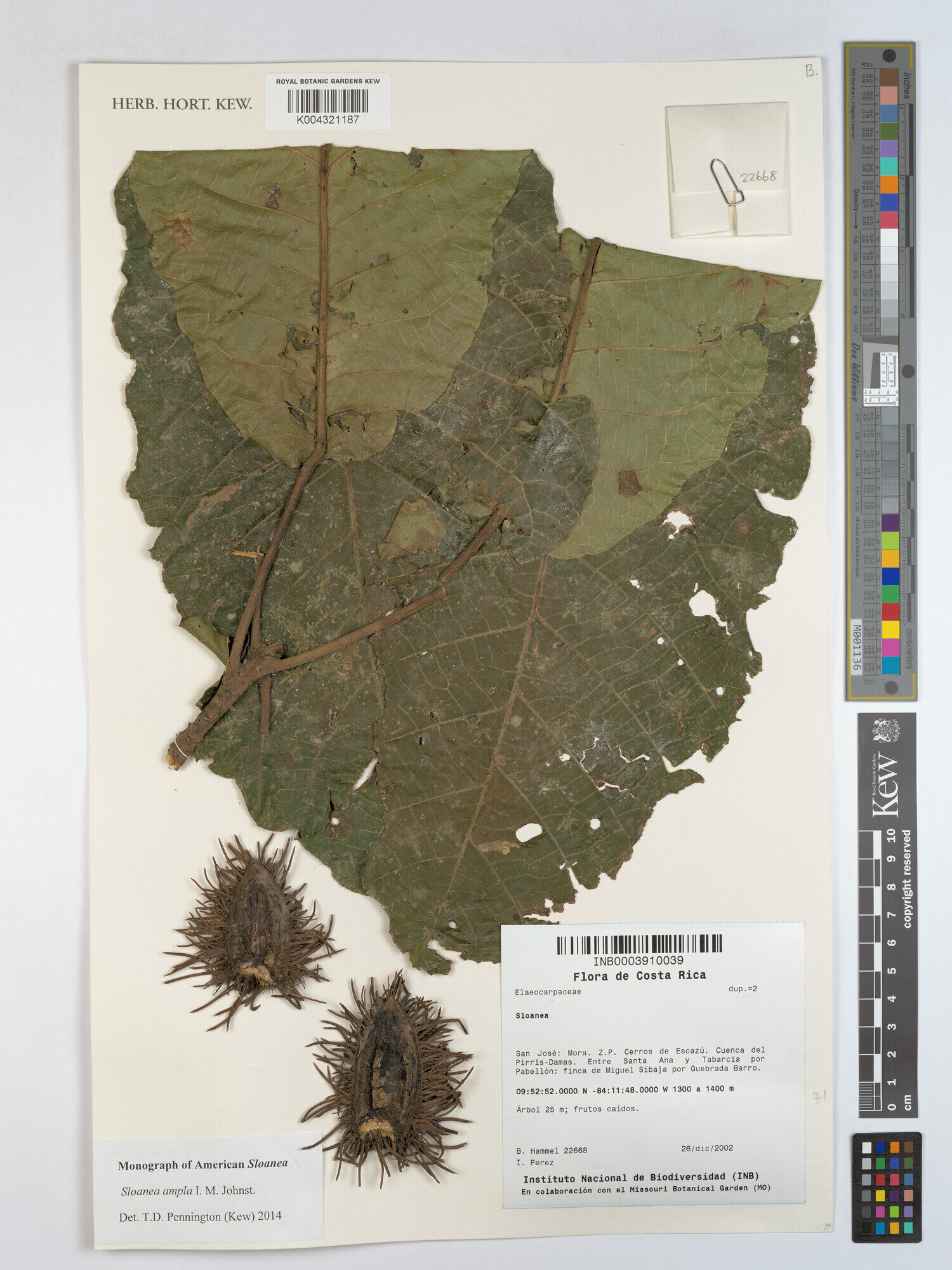
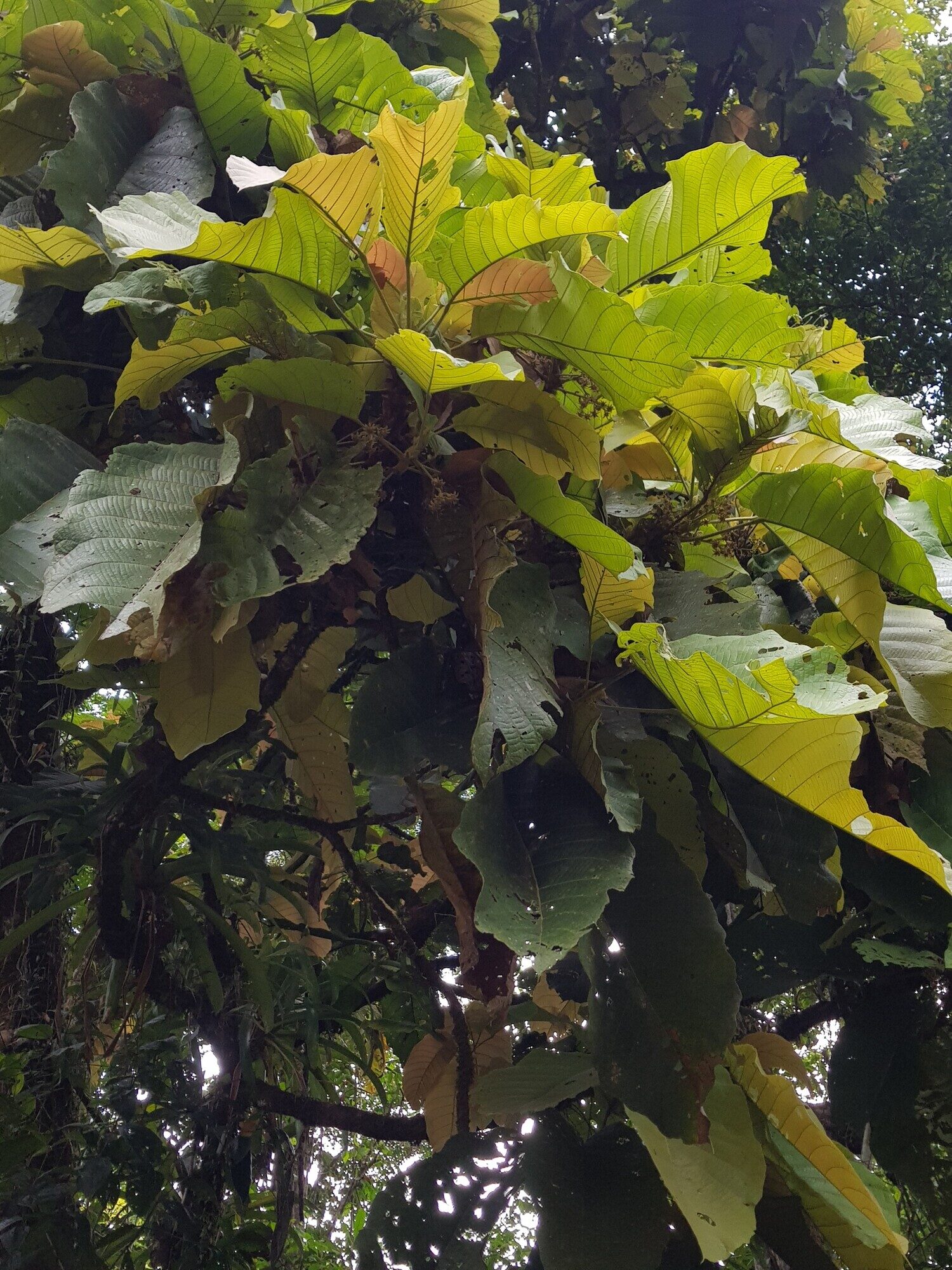
The leaves are what make this tree unmistakable. They are the largest of any tree in Costa Rica, reaching up to one meter in length. Typical measurements range from 48 to 65 cm long and 19 to 32 cm wide, though extremes of nearly 100 cm long and 50 cm wide have been documented. They are simple and alternate, oblanceolate to obovate in shape, with abruptly pointed tips and crenate to serrate margins. The upper surface is dark green; the lower surface is distinctively whitish and glaucous (pale and waxy-looking), covered in short, dense tomentose hairs.
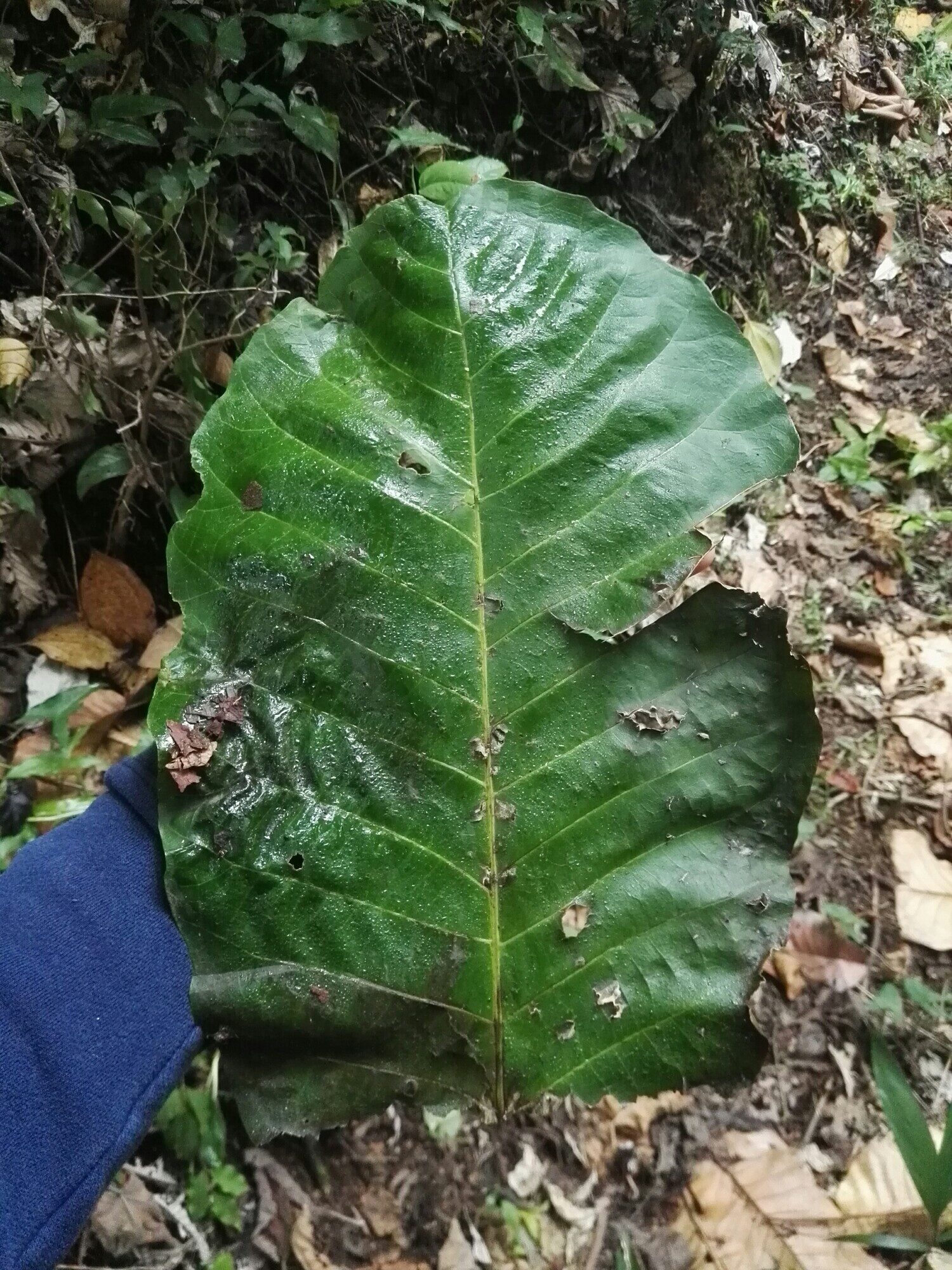
The petioles (leaf stalks) are 15 to 24 cm long. At the tips of the branches, the tree bears large, persistent, leafy stipules (appendages at the base of each leaf stalk) that measure 5.5 to 11.5 cm long. These prominent stipules are a diagnostic field character. The size variation in leaves across the species' range was so extreme that it led different taxonomists to describe what they believed were separate species. Specimens with the largest leaves were described as S. platyphylla ("broad-leaved"), while those at the smaller end were described under other names. They turned out to be the same tree.
Flowers
The flowers are small and inconspicuous, measuring 6 to 10 mm long, arranged in racemose inflorescences 3 to 15 cm long. They lack petals entirely (apetalous), relying instead on numerous stamens to attract pollinators. In related species, the tight clusters of stamens release an unpleasant smell. Flowering has been observed in November at La Selva Biological Station; under the synonym S. ampla, flowering and fruiting were recorded from April to November in Panama. No specific pollinators have been documented for this species, though the apetalous flowers with abundant pollen suggest generalist insect pollination, likely by beetles or small bees.
Fruits
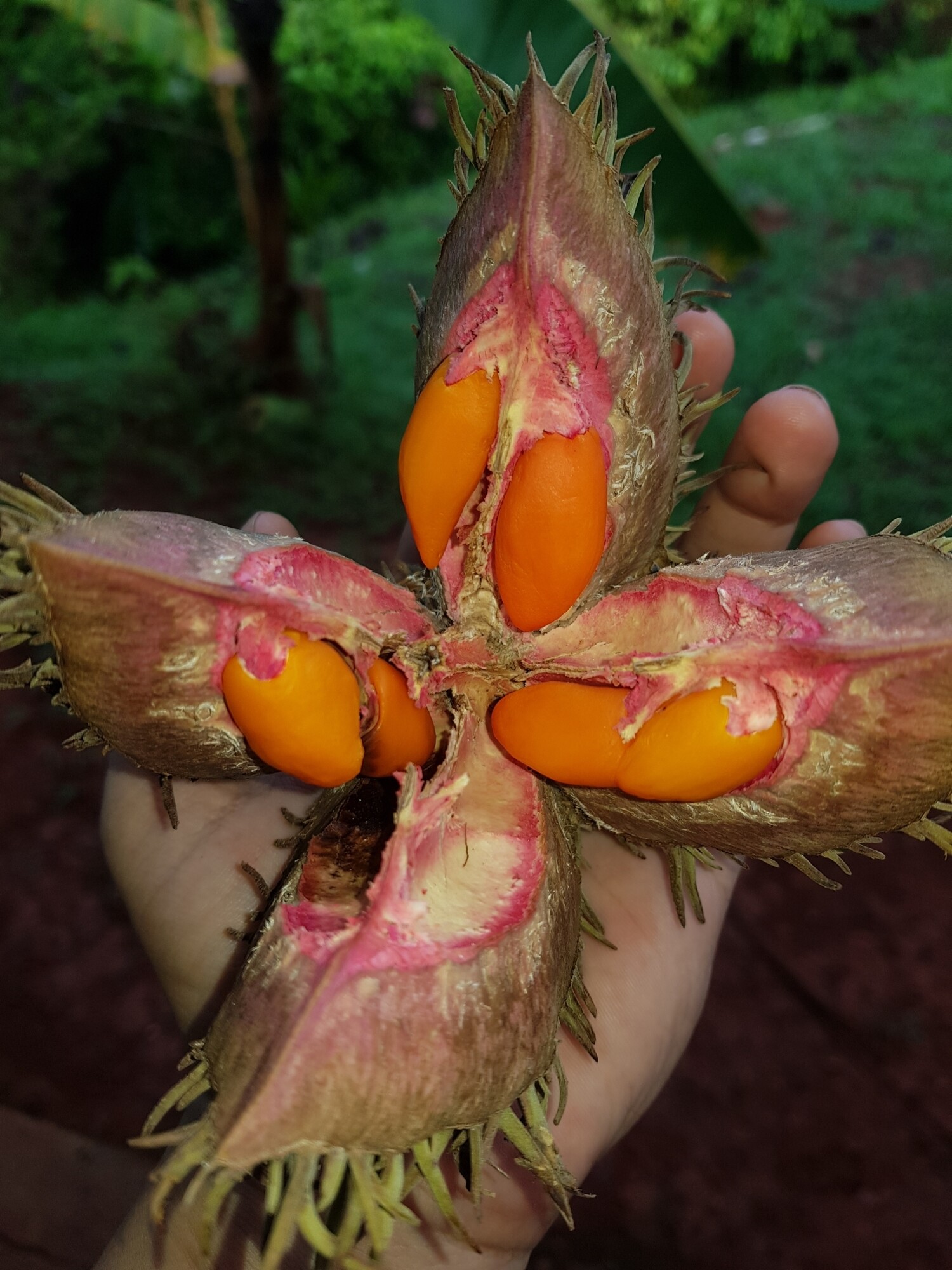
The fruit is a woody capsule, ovate, 4.3 to 7 cm long and 2.5 to 5.2 cm across, opening along 5 to 6 valves. The exterior is covered in dimorphic spine-like projections 4 to 6 cm long, which radiate outward from the capsule like the serpentine hair of Medusa. It is these spines that gave the tree its scientific name. When the capsule ripens, it splits open to reveal seeds enveloped in colorful fleshy arils. In related species, these arils range from bright orange to red. The open fruit, with its splayed spiny valves and vivid seeds, is one of the most dramatic sights on the forest floor.
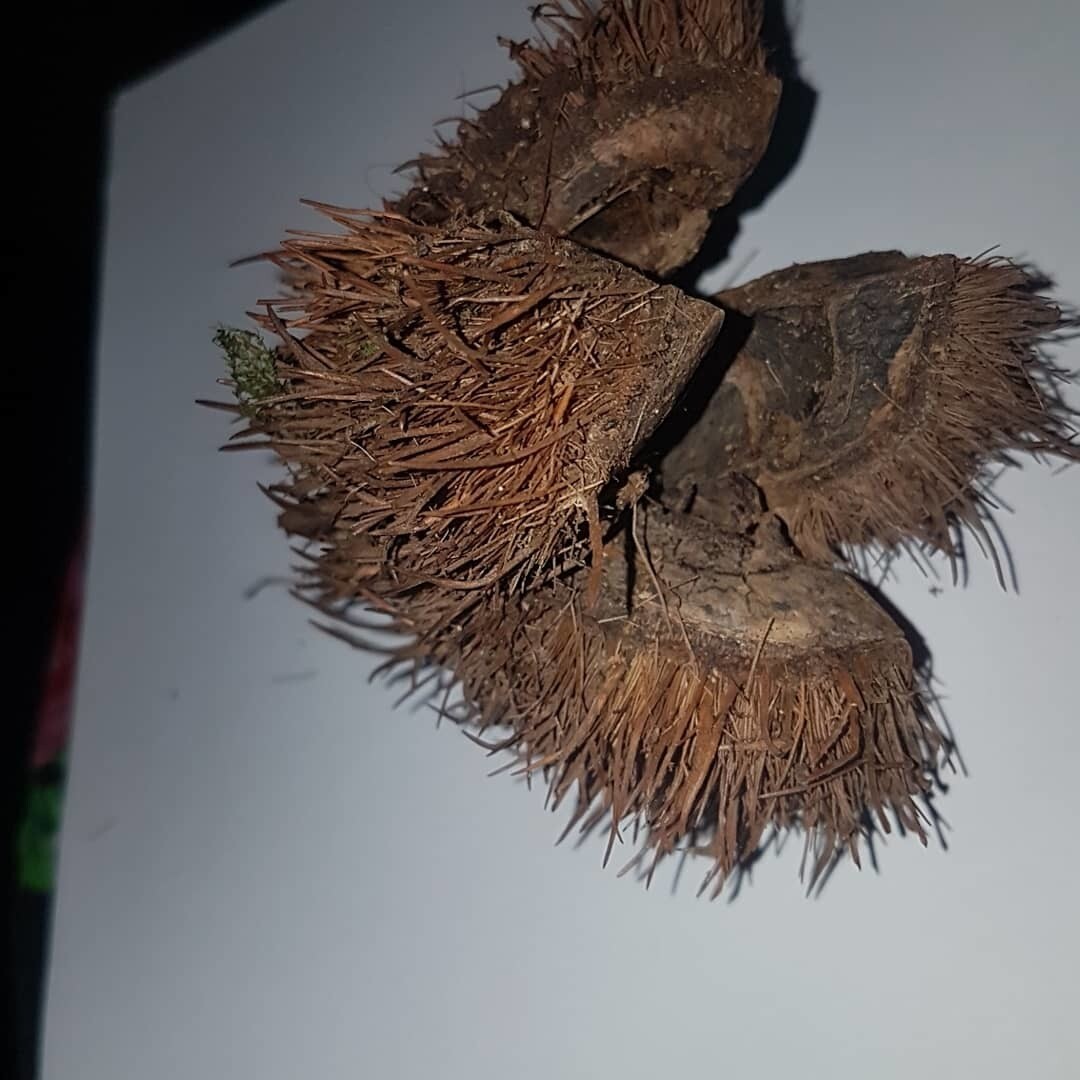
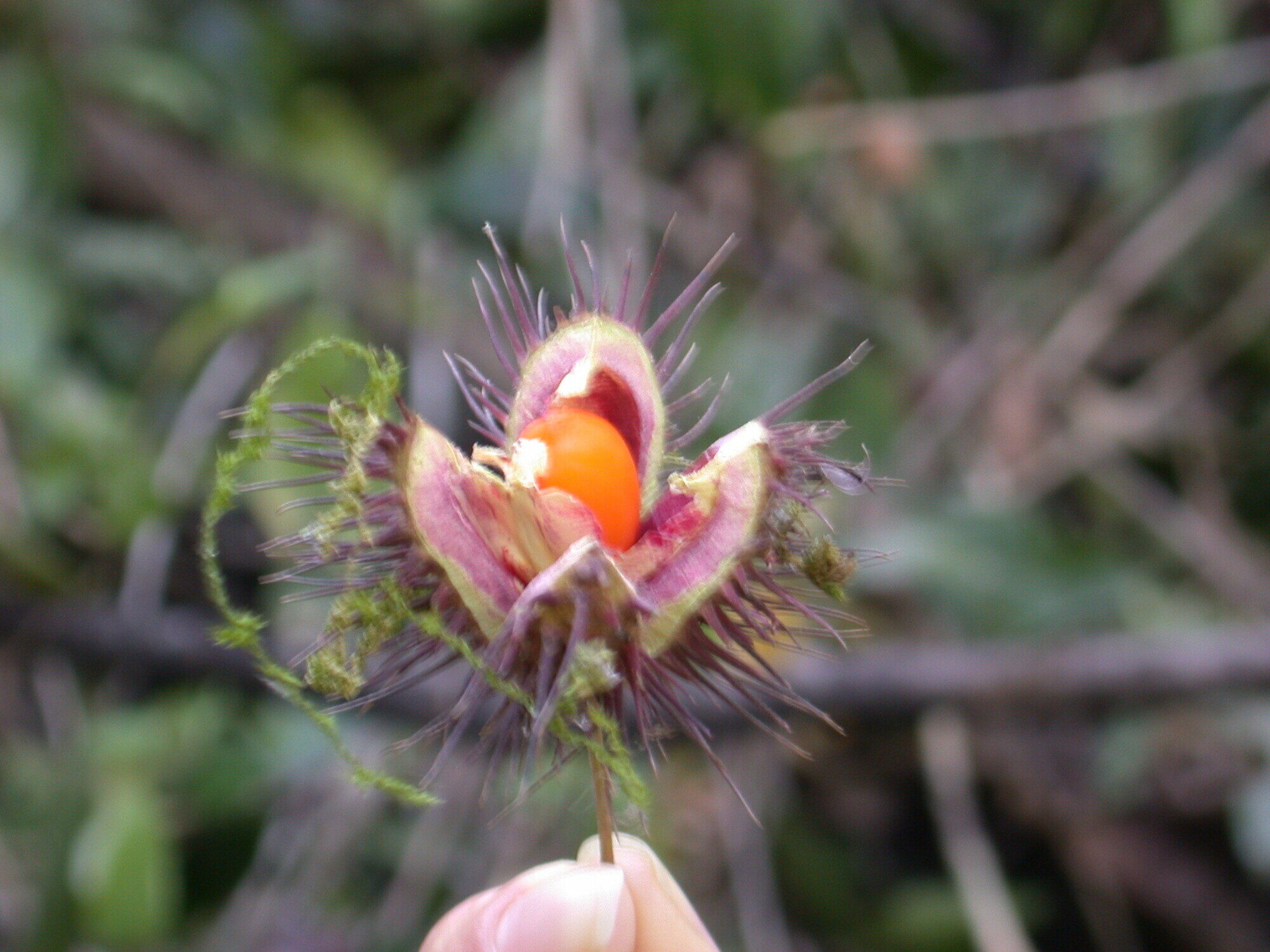
The congener S. picapica, which also grows in the Osa Peninsula, exhibits a mast fruiting pattern: large harvests appear every other year, with all individuals in a population synchronized. Whether S. medusula follows the same pattern is unknown.
Herbarium Specimens
Distribution
Sloanea medusula ranges from Oaxaca, Chiapas, and Veracruz in southern Mexico through Belize, Guatemala, Honduras, Nicaragua, Costa Rica, and Panama into Colombia, Ecuador, and Peru. Costa Rica holds the highest concentration of documented records: 122 of 328 total GBIF occurrences (37%), followed by Mexico (91 records) and Panama (65). The South American populations extend along the wet Pacific and Choco corridor into northwestern Ecuador and Peru.
Within Costa Rica, the species is documented across nearly every province. The Caribbean lowlands harbor the densest populations: 23 localities in Limon province alone, including the type locality near Rio Hondo in the plains of Santa Clara, plus long collection histories at Hitoy Cerere Biological Reserve and Cerro Tortuguero. The northern lowlands around La Selva Biological Station in Heredia have yielded specimens continuously from 1969 to 2003. On the Pacific side, it occurs from Cerro Nara and Fila Tinamaste in San Jose province south through the Osa Peninsula, where it has been collected near Rincon, Rancho Quemado, Bosque Esquinas, and along the Golfito corridor. The highest recorded elevation is 1,450 meters at Valle Escondido in Cartago. Most records, however, fall below 500 meters.
Ecology
As a canopy to emergent tree in wet tropical and premontane pluvial forests, S. medusula is a late-successional species found primarily in mature primary forest. Its buttressed trunk, slow growth, and occurrence in undisturbed habitats mark it as a climax species. It shares its forest with the dominant legume Pentaclethra macroloba, the timber tree Carapa guianensis, and species of Brosimum and Virola in the Caribbean lowlands.
The colorful arils that envelop the seeds serve as animal attractants. In the congener S. picapica, which also grows in the Osa Peninsula and around Manuel Antonio, documented seed dispersers include squirrel monkeys, white-faced capuchins, spider monkeys, and birds. These animals feed on the nutritious orange arils and drop the seeds away from the parent tree. Whether the same suite of dispersers visits S. medusula has not been directly studied, but the fruit morphology strongly suggests similar vertebrate dispersal. The spiny exterior may protect developing seeds from premature consumption, with the capsule splitting open only when ripe and the arils ready.
Taxonomic History
The story of this species' description involves two botanists, a decade-long gap, and a curious mismatch between the title of the publication and the origin of the type specimen. The species was published on 5 May 1914 in Repertorium Specierum Novarum Regni Vegetabilis under the title "Malvales novae Panamenses." The authors were Karl Moritz Schumann and Henri Francois Pittier. There was one problem: Schumann had been dead for ten years.
Karl Schumann (1851-1904) was a German botanist and curator at Berlin-Dahlem who contributed extensively to Die naturlichen Pflanzenfamilien and Flora Brasiliensis. He was an authority on tropical plant taxonomy. Henri Pittier (1857-1950) was Swiss-born but spent 18 years in Costa Rica (1887-1905), where he founded the Instituto Fisico-Geografico, produced the first accurate map of the country, and built a major herbarium. When Pittier collected specimen 16141 along the Rio Hondo in the lowlands of Santa Clara, Costa Rica, in 1901, Schumann was likely the specialist who examined it and drafted preliminary notes. Schumann died in March 1904. Pittier left Costa Rica in 1905 for the USDA, where he led the botanical survey of Panama during the canal construction era. When Pittier finally published the description in 1914, he retained Schumann as co-author, honoring the dead man's contribution to the identification.
Adding to the oddity, the publication title refers to Panamanian Malvales, yet the type specimen was collected in Costa Rica's Caribbean lowlands. This reflects Pittier's dual career across both countries: by 1914 he was immersed in Panamanian botany and bundled the Costa Rican material into a paper on the region he was actively surveying.
The holotype, Pittier 16141, is deposited at the Museo Nacional de Costa Rica (CR), with isotypes at Geneva (G) and the Smithsonian (US).
Etymology
The epithet "medusula" is a Latin diminutive of Medusa, the Gorgon of Greek mythology whose hair was a mass of snakes. The name refers to the fruit capsule's long, radiating spines, which project outward from the valves like Medusa's serpentine locks. The diminutive form (-ula) makes it "little Medusa," perhaps an acknowledgment that the fruit, while fearsome-looking, fits in the palm of a hand.
The genus Sloanea was established by Carl Linnaeus in 1753 to honor Sir Hans Sloane (1660-1753), an Anglo-Irish physician and naturalist who traveled to Jamaica in 1687-89 and documented approximately 800 plant species during his Caribbean visit. Sloane's enormous personal collection of 71,000 items became the foundation of the British Museum upon his death. Linnaeus drew on Sloane's published illustrations and descriptions when writing Species Plantarum, and the genus name serves as a permanent acknowledgment.
Synonyms and Taxonomic Confusion
Four synonyms accumulated over the decades, three described by Paul C. Standley and one by Ivan Murray Johnston. Sloanea palmana Standl. likely takes its name from the Palmar region on Costa Rica's Pacific slope. Sloanea platyphylla Standl. means "broad-leaved," a straightforward reference to the spectacular leaf size. Sloanea hyptoides Standl. was another segregate. Sloanea ampla I.M. Johnst. was described in 1938 from Panama as a tree 15-40 m tall in very humid or cloud forests of Chiriqui and Panama provinces.
The underlying problem was leaf-size variability. Because the leaves of S. medusula can range from 40 cm to nearly 100 cm in length, taxonomists working from limited specimens at different ends of this spectrum reasonably concluded they were looking at distinct species. The consolidation under S. medusula was established by C.E. Smith in 1954 in Contributions from the Gray Herbarium and confirmed by the comprehensive monograph of Pennington and Wise in 2017, The genus Sloanea (Elaeocarpaceae) in America.
The Genus Sloanea
Sloanea is a large pantropical genus of about 150-200 species, with approximately 130 in the Neotropics alone. The center of diversity lies in Amazonia and the Atlantic forests of Brazil, where roughly 50 species occur. The genus extends through the Caribbean, Central America, and into tropical Asia and Madagascar, though it is absent from continental Africa. Its current distribution is a shadow of a much wider historical range: Oligocene fossils of Sloanea fruits and foliage have been found in Hungary, Slovenia, Italy, Romania, and the Czech Republic, dating to more than 30 million years ago. These European records demonstrate that the genus once thrived across what is now temperate territory, retreating to the tropics as the planet cooled.
Similar Species
Costa Rica hosts about nine species of Sloanea, but S. medusula is effectively unmistakable thanks to its enormous leaves. The most likely species to be encountered in the same habitats is Sloanea picapica Standl. (ira rosa), a 30-40 m buttressed tree found in Pacific lowland wet forest around Manuel Antonio and the Osa Peninsula. Its leaves, however, are tiny by comparison: only about 8 x 3.5 cm, with smaller fruit capsules of about 2.5 cm covered in sharp spines. Sloanea tuerckheimii Donn. Sm. is rare in Costa Rica, found in Atlantic zone pine savannas at around 70 m, with much smaller leaves (blade up to 49 x 24 cm at the extreme). No other Sloanea in the country approaches the meter-long leaves of S. medusula.
Ethnobotany and Pharmacology
In the Choco region of Colombia, around Quibdo, S. medusula is known as "achiotillo" and used in traditional medicine for intestinal disorders. Across the broader Choco, Sloanea species have been used to treat malaria, fever, and inflammation. The wood is described as hard and heavy; under the synonym S. ampla, it was used for ranch support posts and chopping blocks. Costa Rican common names reflect the plant's morphology: "peine de mico" (monkey's comb) and "mano de leon" (lion's paw) both reference the spiny fruit, while "alma negra" (black soul) may allude to the dark heartwood.
Recent phytochemical research from Colombia has revealed that the leaves contain significant bioactive compounds. A 2023 study published in Pharmaceuticals identified several hydrolyzable tannins including geraniin and granatin B, alongside strong antifungal activity against Candida albicans (minimum inhibitory concentration of 2.0 micrograms per milliliter). A follow-up study published in Scientific Reports in 2025 detected 22 phytocompounds using high-resolution mass spectrometry, with notably high concentrations of catechin (3,128 mg/kg) and quercetin (57 mg/kg). The leaf extract demonstrated 98.86% elastase inhibition and 80.79% tyrosinase inhibition at 0.250 mg/mL, activities relevant to anti-aging and anti-hyperpigmentation applications respectively. Gel formulations achieved sun protection factor values up to 60. No cytotoxicity was detected on human keratinocyte cells, and low doses actually promoted cell proliferation. These findings have positioned the species as a candidate for cosmeceutical development, though the research remains at an early stage.
Conservation Outlook
Sloanea medusula has not been evaluated by the IUCN. With 328 documented occurrences across ten countries and a continuous range from Mexico to Peru, it does not appear to be immediately threatened at the species level. In Costa Rica, specimens have been collected from multiple protected areas, including Hitoy Cerere Biological Reserve, Parque Nacional Piedras Blancas, Reserva Forestal Golfo Dulce, Parque Nacional Volcan Tenorio, Refugio Nacional de Vida Silvestre Golfito, and La Selva Biological Station. The presence of collections spanning from 1901 to 2012 across diverse localities suggests a stable, if thinly distributed, population.
The principal threat is habitat loss. As a late-successional species dependent on mature primary forest, S. medusula cannot persist in degraded or fragmented landscapes. Deforestation and agricultural expansion continue to reduce available habitat across its range, particularly in Central America's lowland wet forests. The species is especially vulnerable because of its ecology: it takes decades to reach the canopy, reproduces slowly, and depends on animal dispersers whose own populations are declining. The Brunca region of southern Costa Rica, where the tree has been documented in 14 localities including the Osa Peninsula and the Golfito corridor, remains one of its most important refuges. The protected areas of this region, from Reserva Forestal Golfo Dulce to Parque Nacional Piedras Blancas, provide critical continuity of old-growth habitat.
Resources & Further Reading
Species Information
Detailed morphological description and specimen data from La Selva Biological Station, Costa Rica.
Species profile with habitat and distribution information for Costa Rica.
Smithsonian entry for the synonym S. ampla, with morphological description and Panamanian distribution data.
Account of the congener S. picapica, including ecology and seed dispersal data relevant to the genus.
Kew's taxonomic entry with global distribution and synonymy.
Global occurrence records, specimen data, and distribution maps.
Taxonomy & Nomenclature
Nomenclatural data, type specimen records, and synonymy from Missouri Botanical Garden.
The definitive monograph on American Sloanea, 432 pp., confirming synonymy and species delimitations.
Original publication of Sloanea medusula in Repertorium Specierum Novarum Regni Vegetabilis.
Taxonomic synopsis of Sloanea diversity outside Amazonia.
Conservation
Paleobotanical evidence showing the genus once occupied Europe, with implications for understanding historical range and climate sensitivity.
Related Reading
Phytochemical analysis and antifungal, antioxidant, and sun protection activities of leaf extracts.
High-resolution mass spectrometry, catechin quantification, and cosmeceutical potential of leaf extracts.
Biography of the naturalist whose Jamaican collection gave the genus Sloanea its name.
Biography of the Swiss-born botanist who collected the type specimen and co-authored the species description.
Genus overview from the International Dendrology Society, including cultivation notes.
Archival records of Pittier's botanical work in Central America.