Carne Asada
A Gondwanan relic with 78 synonyms, 62 caterpillar species, leaves that change shape as they age, and crushed foliage that smells like canned tuna. Botanists have spent two centuries trying to decide what Roupala montana is. The tree has not cooperated.
Crush a leaf of Roupala montana and the smell hits immediately: canned tuna. The odor is consistent enough that field botanists across the Neotropics use it as a diagnostic character, and Costa Ricans encoded it into two of the tree's common names. "Danto hediondo" means "stinking tapir." "Lora malodora" means "foul-smelling parrot." The Flora Costaricensis notes that the latter name refers specifically to the smell of the cut bark. In Trinidad and Venezuela, where the tree goes by "bois bande," herbalists sell bark infusions as an aphrodisiac and nerve stimulant, apparently unbothered by the fishy aroma.
Roupala montana belongs to the Proteaceae, the family of Australian banksias, macadamias, and South African proteas, and it is the only American member of this predominantly Southern Hemisphere family to range from Mexico to Argentina. It has rewarded this distinction by defeating every attempt to pin it down taxonomically. Over two centuries, botanists have described 78 separate species and varieties based on regional specimens that later proved to be extremes of a single, impossibly variable organism. The leaves themselves shift form with age: juvenile branches carry pinnately compound leaves with toothed leaflets, while adult flowering branches produce simple, leathery, ovate leaves. A single tree can appear to belong to two different species.
Identification
Habit
Roupala montana is usually a shrub or small tree, 2 to 8 m tall in Costa Rica, though exceptional specimens reach 25 m. In the Brazilian Cerrado, trunk diameters of 40-70 cm have been recorded. The bark is gray, rough, and deeply fissured, thick enough to insulate the inner tissues from surface fires. The crown is dense and rounded, typically low-branching. Whether the tree is evergreen or deciduous depends on water access: in the Brazilian Cerrado, where roots reach deep groundwater, it maintains foliage year-round even through dry seasons exceeding three months. In Costa Rica's seasonally very dry deciduous forests on the Pacific slope, it may be briefly deciduous. Franco (1998) measured pre-dawn leaf water potentials of only -0.4 MPa during the Cerrado dry season, compared to -0.2 MPa in the wet season, indicating that the roots tap soil moisture far below the surface.
Leaves
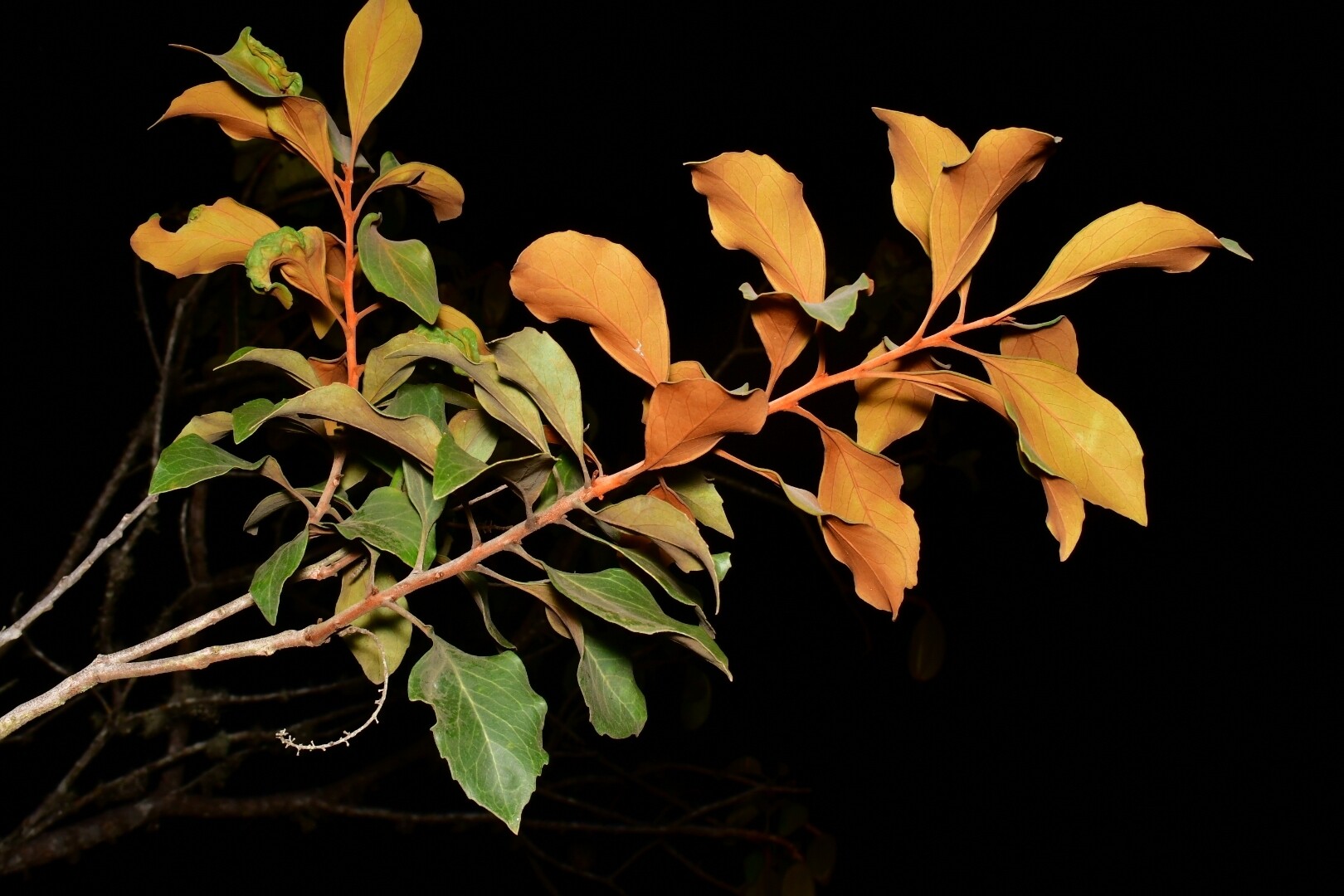
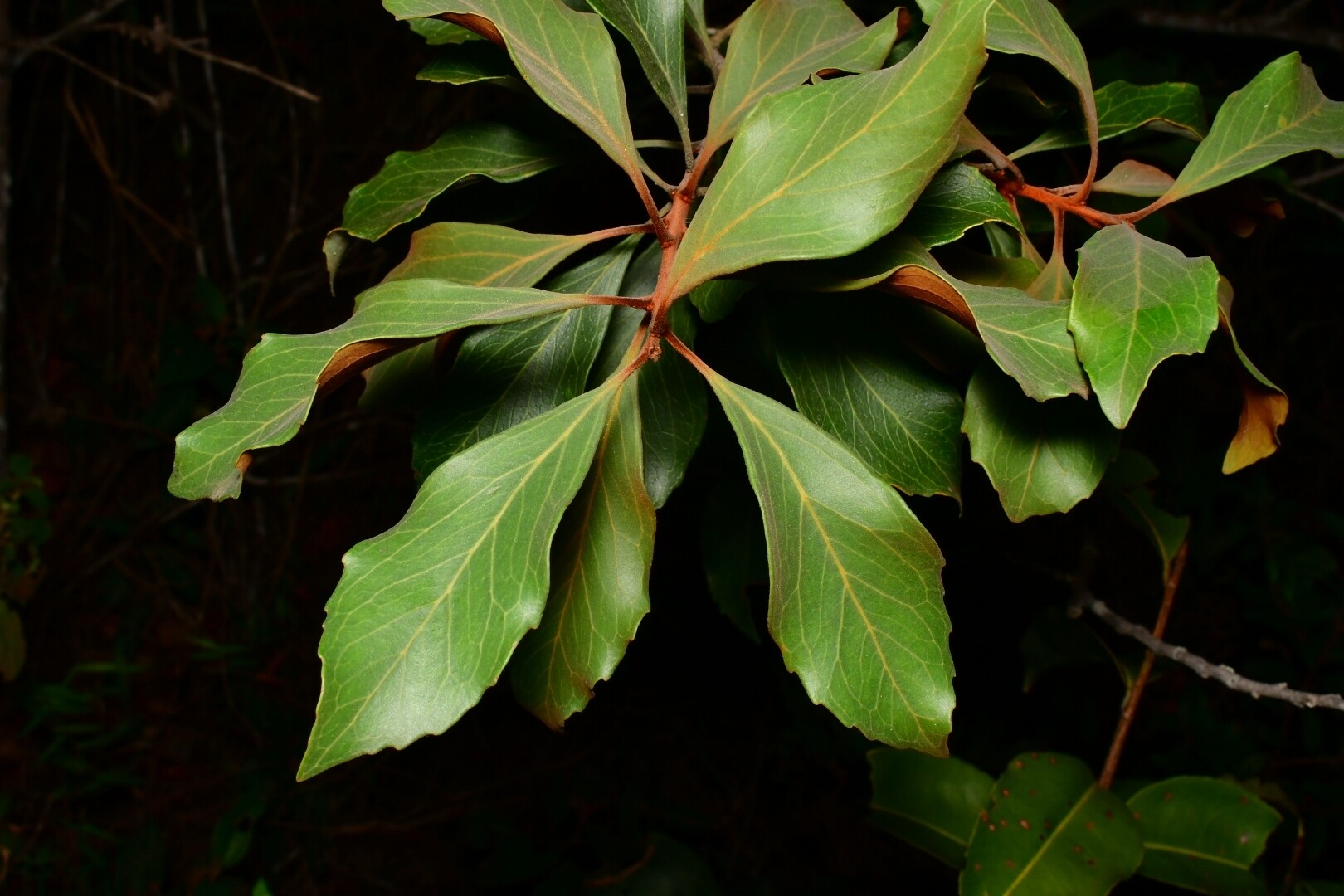
The leaves of R. montana are one of its most distinctive features. They are heteromorphic (dimorphic): juvenile shoots produce pinnately compound leaves with 5 to 13 variably toothed leaflets, while adult flowering branches bear simple leaves. The adult leaves are alternate or subopposite, with petioles 1.5-6 cm long and laminae 4-14 cm long and 2-7.5 cm broad, narrowly to broadly ovate, gradually narrowed to an often long-acuminate (tapering) apex. The margins are entire or undulate (wavy). The leaf tissue dries coriaceous (leathery), smooth and glabrous (hairless), often lustrous above, with 3-6 pairs of secondary veins arising at 20-50 degree angles. This transition from compound to simple leaves is considered a primitive character in the Proteaceae. New leaf flushes emerge a vivid copper or bronze color before maturing to green, a feature visible in the field from a distance.
Flowers
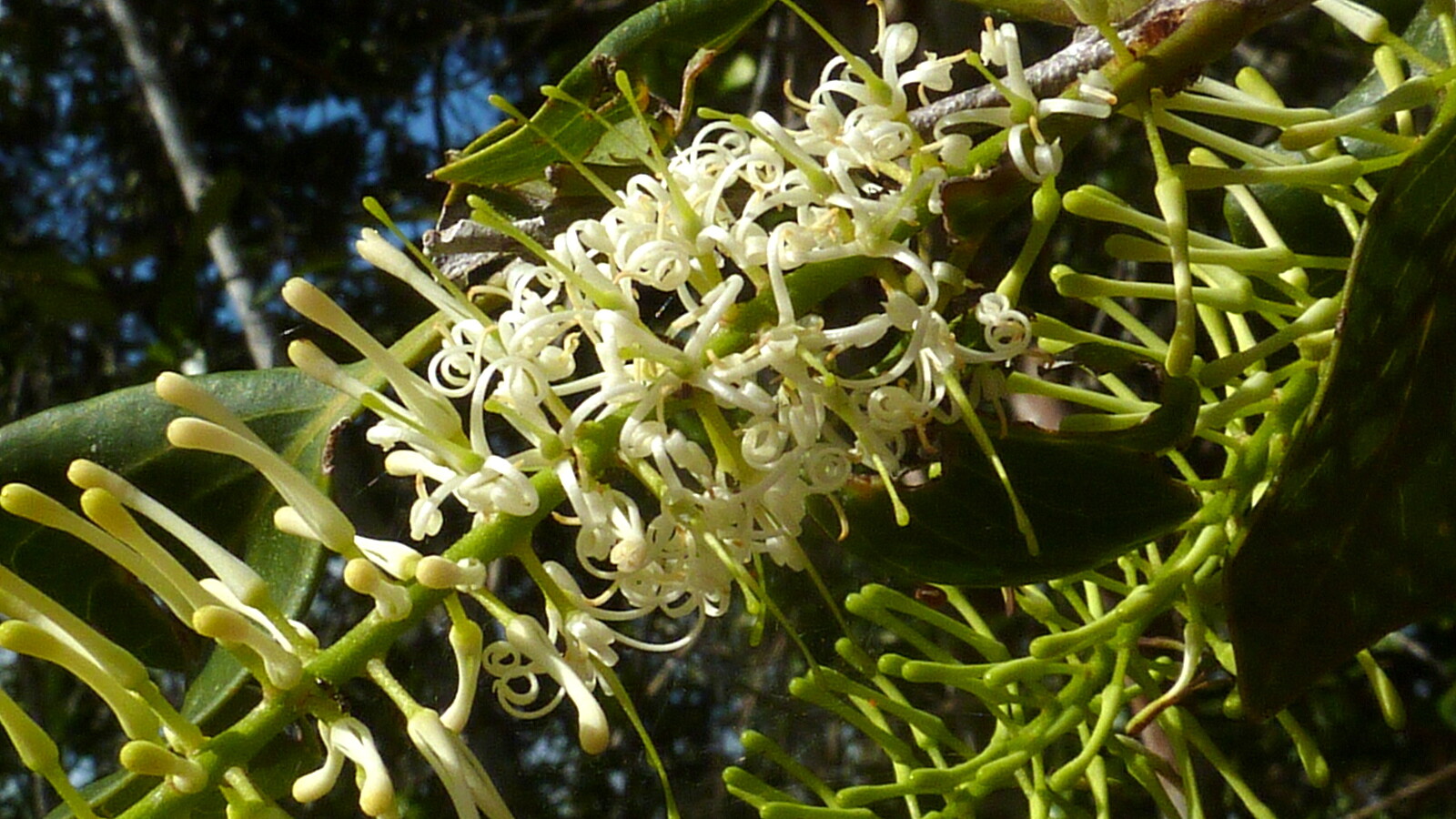
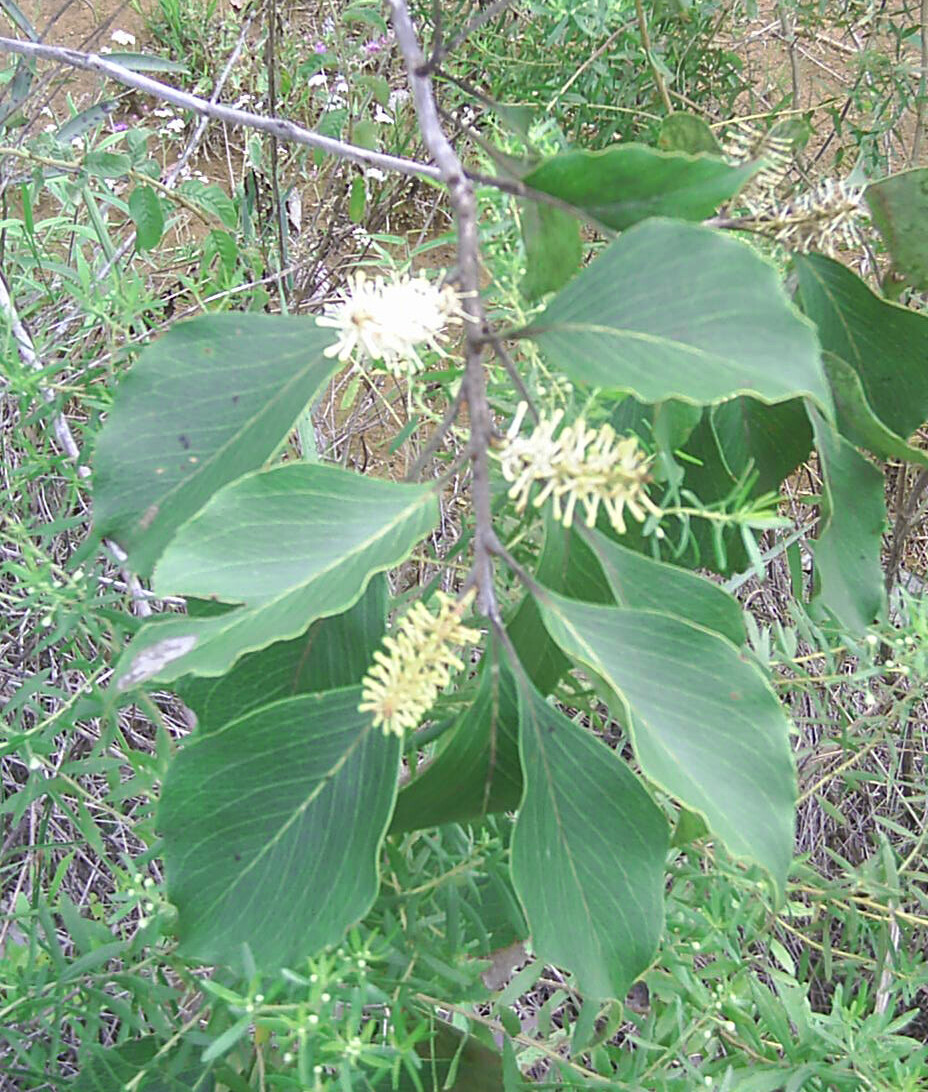
The inflorescences are solitary axillary racemes, 7-15 cm long (sometimes to 18 cm), bearing more than 40 flowers. The rachis (central axis) is densely puberulent (finely hairy) with ascending yellowish hairs 0.2-0.3 mm long. This pubescence distinguishes R. montana from the glabrous (hairless) R. glaberrima, the cloud forest congener. The perianth parts (tepals) are creamy white, 7-9 mm long, linear-oblanceolate, puberulent near the base. Anthers are 2-3 mm long on short filaments. The flowers are aromatic, described as honeysuckle-scented, and attract a wide variety of insects including beetles, bees, flies, and butterflies. In Costa Rica, flowering occurs from January to March during the dry season.
Fruits
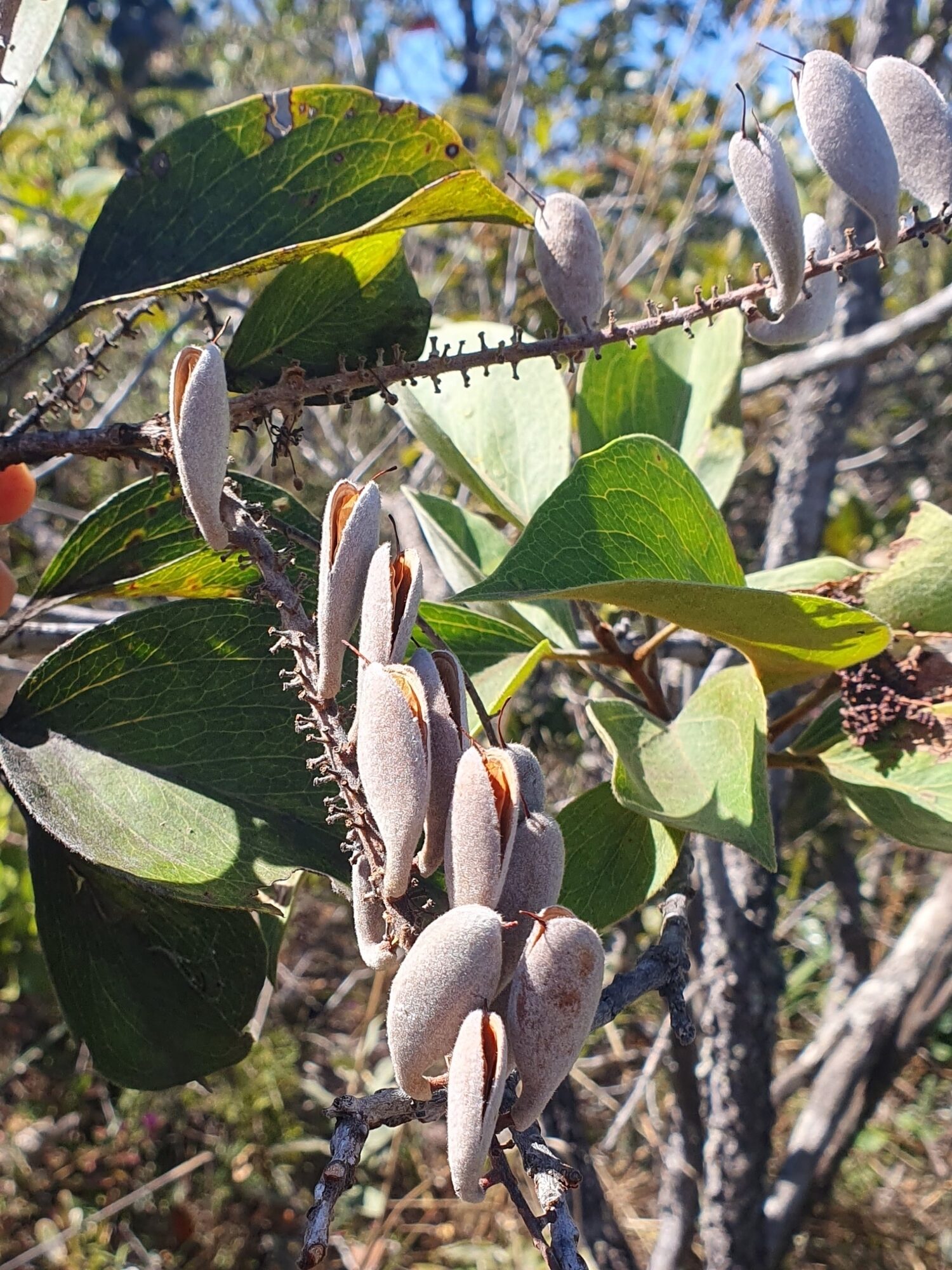
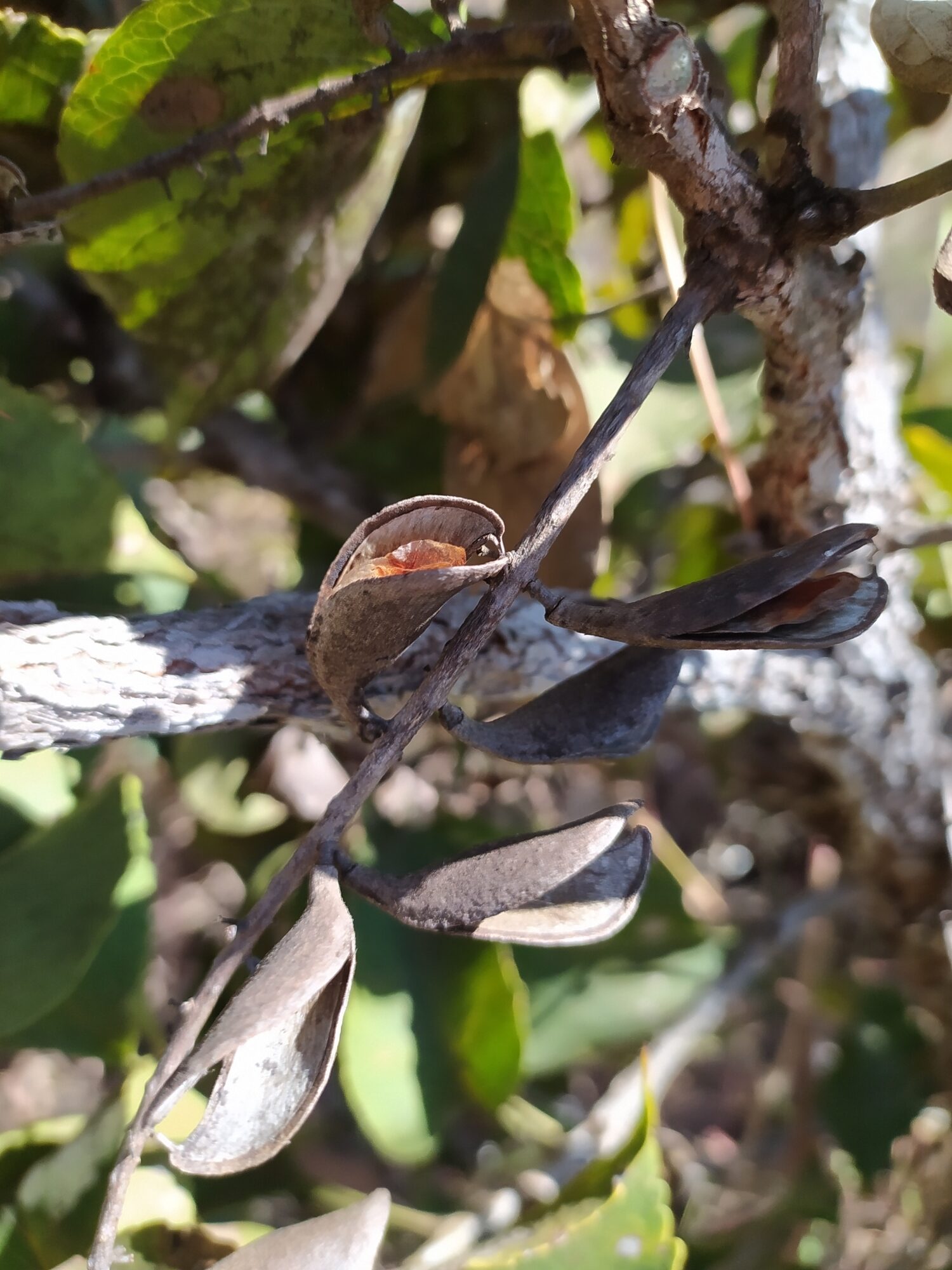
The fruit is a follicle, 3-4 cm long and about 1.3 cm broad, asymmetrically obovate or elliptic and somewhat flattened, with a glabrous and often lustrous surface. Each follicle opens distally and along one side to release the seeds. The seeds are winged, thin and flat, about 2.4 cm long and 1.2 cm broad, dispersed by wind. In French Guiana, wind-dispersed species including R. montana tend to release seeds during October and March, coinciding with months of highest wind velocity (Mori & Brown 1994). In Costa Rica, fruiting occurs from June to October.
Bark
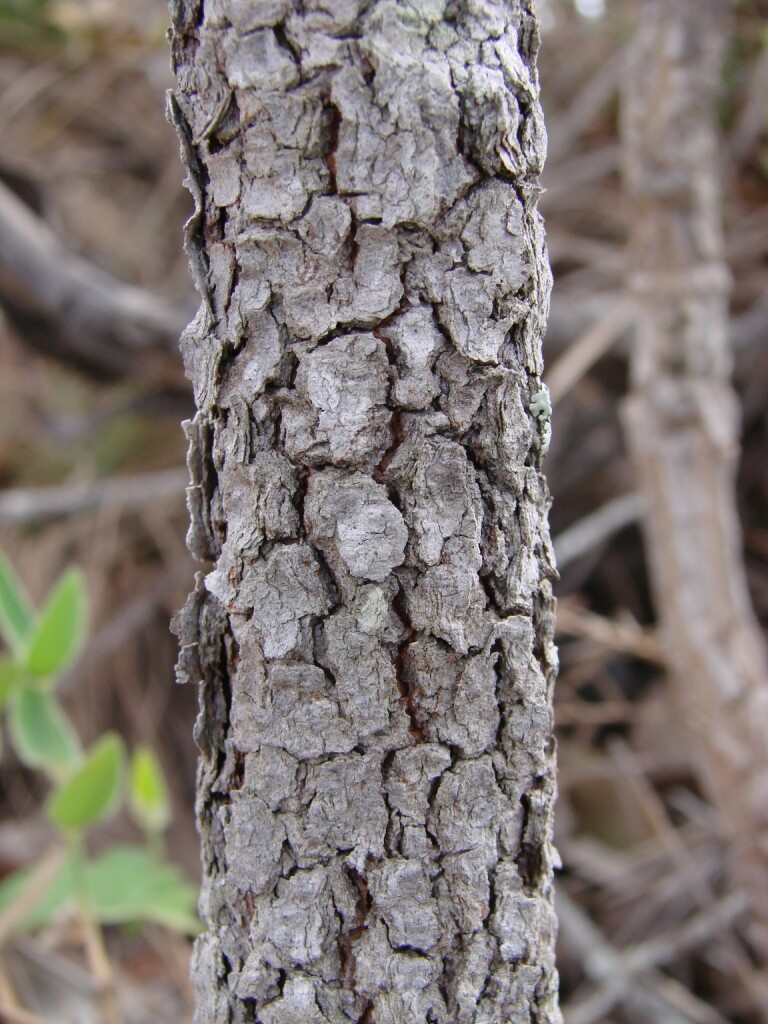
The bark of mature trees is gray, rough, and deeply fissured, contrasting with the reddish-brown strigulose surface of young twigs. When cut or scraped, it releases the same pungent fishy odor as the crushed leaves. The Flora Costaricensis notes that the common name "Lora malodora" (foul-smelling parrot) refers specifically to the smell of the cut bark, while "carne asada" (grilled meat) likely references the reddish tones visible in the freshly exposed inner bark and wood. The thickness of the bark is functional: in the Cerrado, where surface fires are a regular feature of the landscape, this insulating layer protects the cambium and allows the tree to resprout vigorously after burning.
Herbarium Specimens
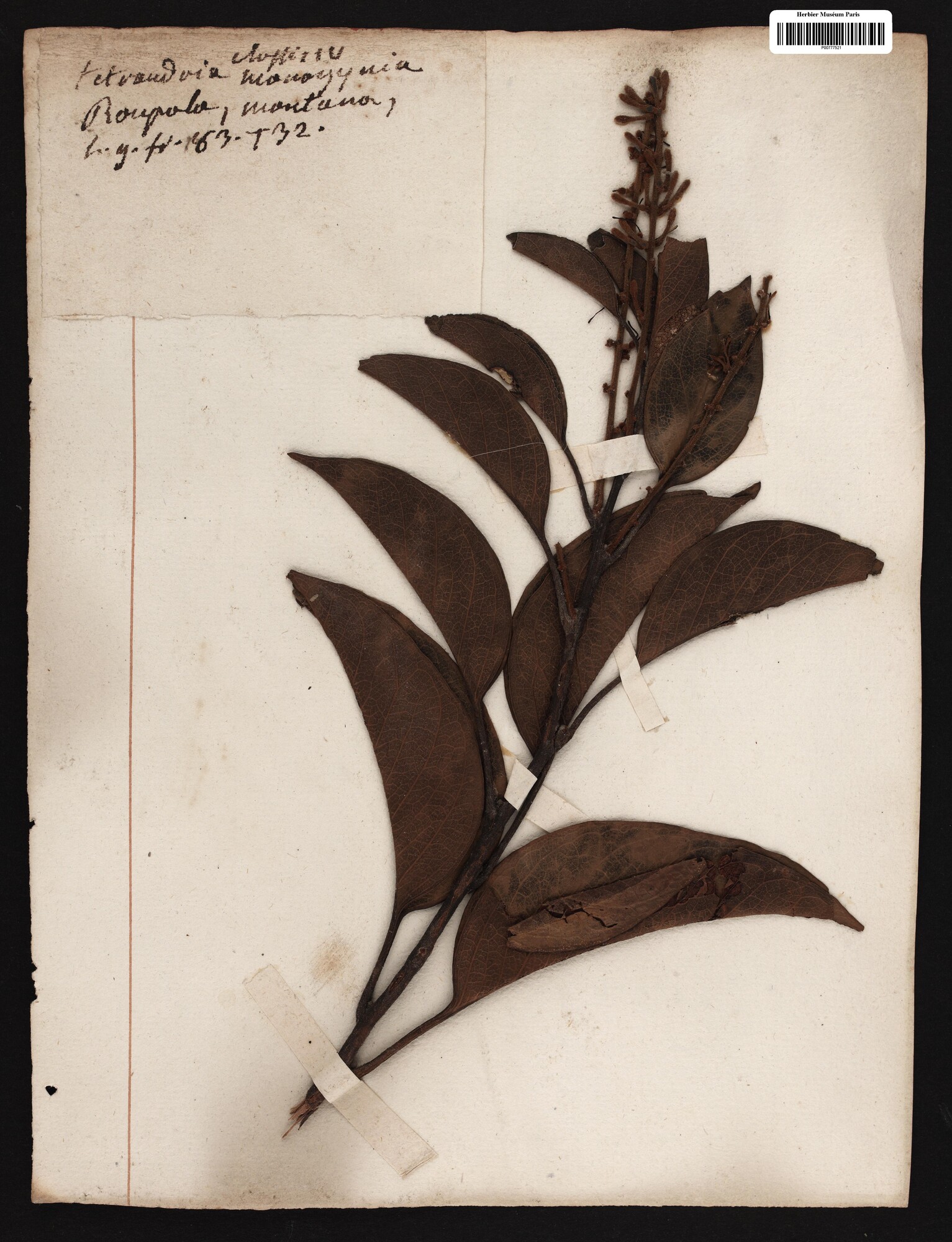
Distribution
Roupala montana has the widest distribution of any species in the genus Roupala, occurring from Veracruz, Mexico, southward through Central America and Trinidad to Peru, Bolivia, Argentina, Paraguay, and southern Brazil. Of the 10,475 GBIF records, Brazil holds 71%, followed by Colombia (6%), Bolivia (4%), and Costa Rica (3%). The species grows primarily in the seasonally dry tropical biome: cerrado savannas, dry deciduous forests, gallery forests, scrublands, and rocky outcrops. It tolerates a wide range of soil types and succeeds on highly weathered, acidic, phosphorus-poor soils where few other trees thrive.
In Costa Rica, the 308 occurrence records span four provinces, with Guanacaste (65+ localities) as the stronghold, followed by Puntarenas (40 localities), San Jose (31 localities), and Alajuela (12 localities). The species inhabits the seasonally very dry deciduous and seasonally dry partly deciduous forest formations of the Pacific slope, from 40 m on the Santa Elena Peninsula to 2,150 m at Parque Internacional La Amistad. Within the Area de Conservacion Guanacaste, it is found in the Santa Elena Sector, Cerro Pedregal, and on the slopes of volcanos Cacao, Orosi, and Rincon de la Vieja. Collection history in Costa Rica stretches from 1889 to 2023, with 112 unique collectors contributing records. In the Brunca region, specimens have been collected at Paso Real between Buenos Aires and Palmar Norte, and in the Reserva Forestal Golfo Dulce along the ridge west of Rancho Quemado.
Ecology
The ecological story of Roupala montana begins underground. Most Proteaceae, the family that includes Australian banksias and macadamias, form proteoid (cluster) roots: dense mats of rootlets that exude organic acids to dissolve phosphorus from impoverished soils. R. montana does none of this. Detmann et al. (2019) examined populations from three areas of the Brazilian Cerrado and found that the species forms arbuscular mycorrhizal fungi (AMF) associations instead of cluster roots. This is a fundamental departure from the ancestral phosphorus-acquisition strategy of the family. The Cerrado soils where R. montana grows are among the most phosphorus-poor on Earth, highly weathered and acidic, with high aluminum content. Rather than relying on the same nutrient-mining strategy as its Australian cousins, this Neotropical lineage recruited fungal partners to solve the same problem.
Above ground, R. montana supports a remarkably diverse caterpillar fauna. Bendicho-Lopez et al. (2006) documented 62 lepidopteran species from 22 families feeding on the tree in cerrado sensu stricto, making it one of the better-documented plant-herbivore systems in the Neotropics. Of these caterpillars, 92% fed on mature leaves and only 8% on new growth. Notable specialists include Stenoma cathosiota (Depressariidae), which constructs shelters by joining leaves together, and Idalus lineosus (Erebidae: Arctiinae), an external folivore. Daniel Janzen's long-term caterpillar rearing program at the Area de Conservacion Guanacaste in Costa Rica has recorded at least 13 lepidopteran species feeding on R. montana, including the nymphalid Adelpha celerio and the hesperiid Anastrus sempiternus. The specialist Stenoma cathosiota appears in both countries, confirming a shared ecological relationship across the species' vast range. At least 10 species of Lycaenidae (blue butterflies) also consume the leaves and inflorescences.
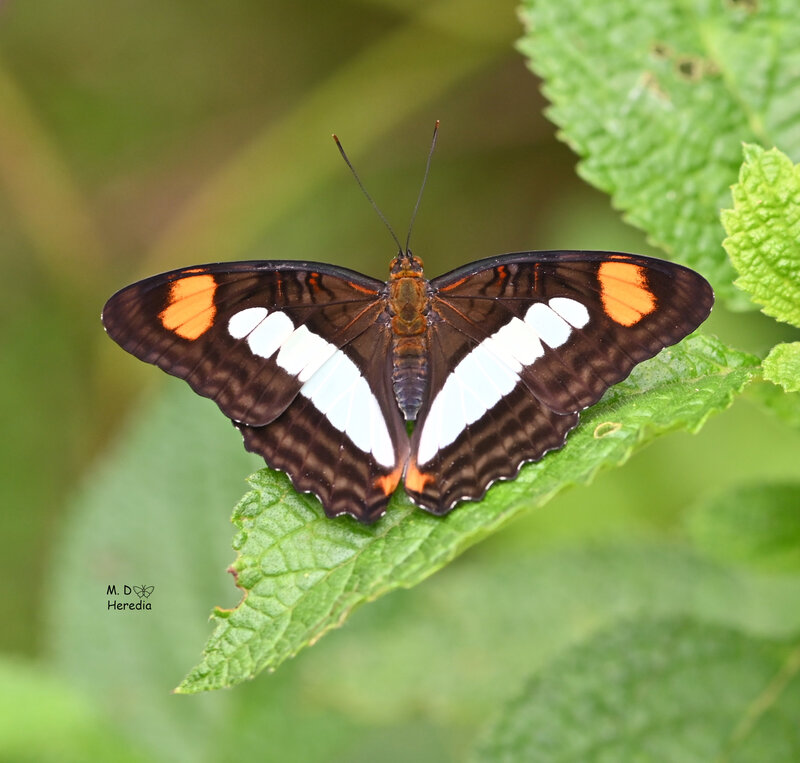
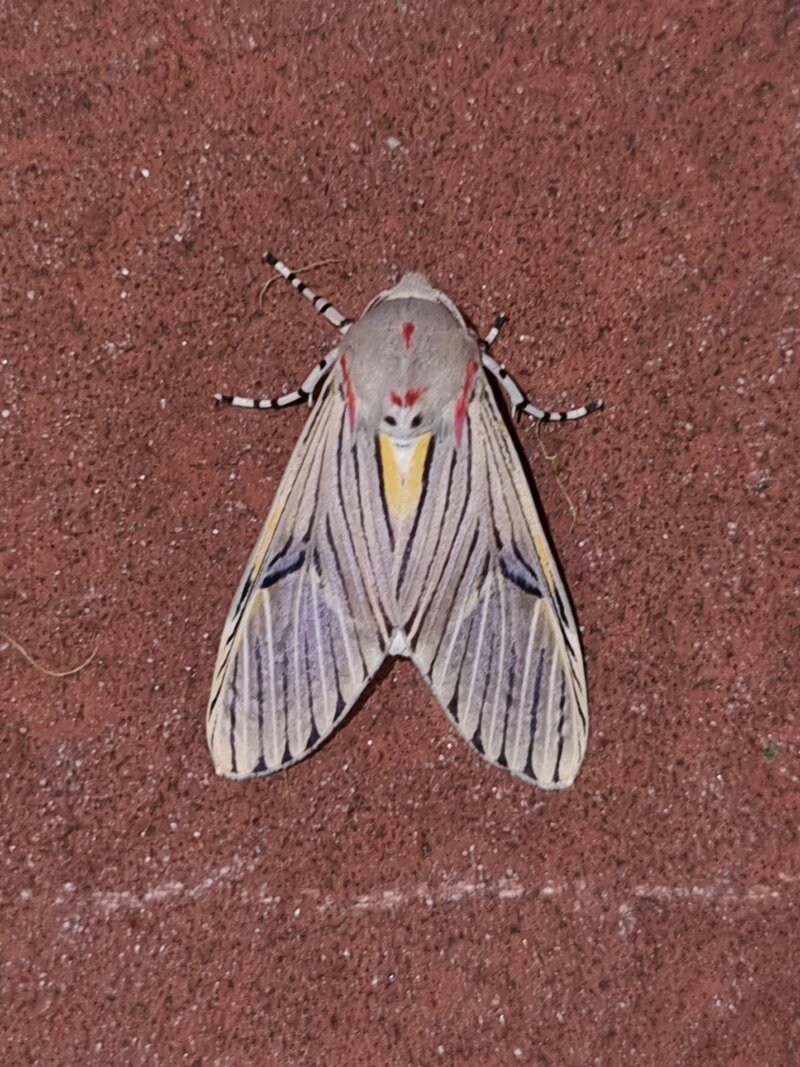
Left: Adelpha serpa celerio (Celerio Sister), a nymphalid butterfly whose caterpillars feed on R. montana in Costa Rica. Photo: mdheredia via iNaturalist (CC BY-NC). Right: Idalus lineosus (Erebidae: Arctiinae), an external folivore specializing on mature leaves in the Brazilian Cerrado. Photo: eduardo_paniaguat via iNaturalist (CC BY-NC).
Fire has been a shaping force throughout the evolutionary history of R. montana in the Cerrado. The thick, fissured bark protects the cambium during surface fires, and the tree resprouts vigorously after burning. Research on resprouting patterns under different fire regimes found that topkill (death of the above-ground stem) primarily affects individuals with stem diameters below 32 mm, while complete mortality is largely restricted to stems below 4 mm. Under annual fire regimes, established plants develop well, suggesting that fire is a normal component of this species' ecology rather than a threat. Seeds germinate readily, with success rates exceeding 90% when sown fresh, and seedlings are ready for planting 5-7 months after germination.
Taxonomic History
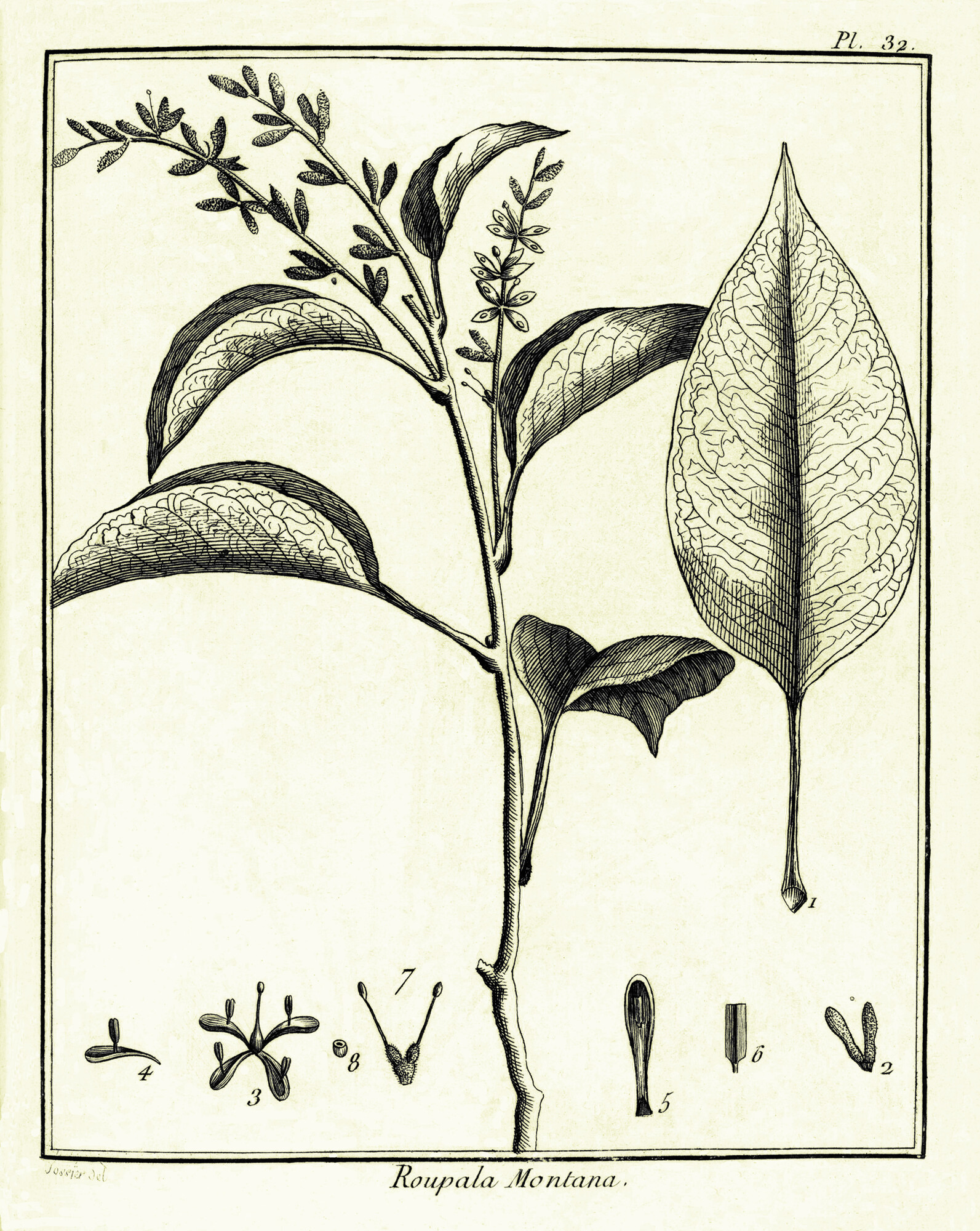
Jean-Baptiste Christophore Fusee Aublet (1723-1778) described Roupala montana in his 1775 Histoire des Plantes de la Guiane Francoise (volume 1, pages 83-84, plate 32). Aublet was a French apothecary-botanist who trained under Bernard de Jussieu, served as the first director of the botanic garden at Pamplemousses in Mauritius beginning in 1753, and traveled to French Guiana during the ill-fated Kourou Expedition of 1762-1764. He worked alongside Amerindian guides and enslaved Africans to collect and document the colony's plants, and he was notably opposed to slavery, a stance that made him deeply unpopular with the colonial establishment. His resulting work described more than 400 species new to science. Aublet took the genus name Roupala from "roupale," a local vernacular name from French Guiana. The epithet montana is Latin for "of the mountains," reflecting the hilly terrain where he first encountered the species. The main set of Aublet's specimens is held at the Natural History Museum, London (BM), with duplicates at the Linnean Society's Smith Herbarium (LINN-SM) and the Museum national d'Histoire naturelle, Paris (P).
The genus Roupala belongs to the Proteaceae, a predominantly Southern Hemisphere family with deep Gondwanan roots. In 1975, Lawrie Johnson and Barbara Briggs placed Roupala alongside the New Caledonian genus Kermadecia based on floral similarities, but molecular data later revealed that Roupala is more closely related to Orites and Neorites. Molecular clock estimates place the divergence of Roupala from Neorites in the mid-Oligocene, roughly 30 million years ago, and from Orites in the late Eocene, about 36 million years ago. The genus likely originated in Gondwana before South America separated, then expanded into Central America roughly 6 million years ago as the Isthmus of Panama formed. The genus contains 34 species, ten of which are considered threatened. Five species are known from a single collection each.
Similar Species
Three Roupala species are reported from Costa Rica. Roupala glaberrima Pittier grows in wet cloud forests and evergreen montane forests between 1,500 and 2,500 m on both the Pacific and Caribbean slopes. It is a larger tree (5-20 m), distinguished by its completely glabrous (hairless) inflorescence, longer perianth parts (10-14 mm vs. 7-9 mm), and a vanilla-like fragrance in the white flowers. Prance et al. (2007) also recognized Roupala loranthoides Meisner from Costa Rica, a very poorly known taxon whose holotype was lost from the Vienna herbarium (W) and for which only two small leaves and a photograph survive. Morales (2018) synonymized R. loranthoides under R. glaberrima and in the same paper described R. casota J.F.Morales, an endemic species from the Osa Peninsula and southern Pacific lowlands. Under current taxonomy, the three Costa Rican species are R. montana, R. glaberrima, and R. casota.
Timber and Uses

The wood of R. montana is commercially known as Leopardwood or Brazilian Lacewood. On quartersawn (radial) cuts, the large medullary rays produce a spotted pattern reminiscent of leopard skin, with medium to dark reddish-brown heartwood flecked by gray or light brown rays. The wood is dense (basic specific gravity 0.73; 0.89 at 12% moisture content) and exceptionally hard, with a Janka hardness of 2,150 lbf (9,560 N), roughly 67% harder than red oak. It is very durable in dry conditions or when immersed in salt water. The texture is fairly coarse and cross-grained, which makes it difficult to plane without tearout, but it glues and finishes well. Leopardwood is used in veneer, cabinetry, fine furniture, turned objects, and musical instruments, particularly guitar backs, sides, and fingerboards. The wood is exported primarily from var. brasiliensis populations in Brazil, and there is no information on the conservation status of the populations being harvested.
Recent pharmacological research has identified bioactive compounds in the species. A 2025 study in Molecules (Cartuche et al.) found that the essential oil is dominated by phytol (21%), with acetylcholinesterase (AChE) inhibitory activity at an IC50 of 23.27 micrograms/mL. The oil also showed antifungal activity against Aspergillus niger. An earlier study by Medina et al. found kaur-16-ene as the dominant compound (77%) in a different population, suggesting significant chemotypic variation across the species' range. Separately, mouse studies have demonstrated antigenotoxic properties, with extracts reducing DNA damage caused by the mutagen methylmethanesulfonate in a dose-dependent manner.
Conservation Outlook
Roupala montana is assessed as Least Concern on the IUCN Red List (2021). Its enormous range, spanning ten countries from Mexico to Argentina, and its tolerance of fire and seasonal drought make it one of the more resilient Neotropical trees. The species occurs in multiple protected areas across its range, including the Area de Conservacion Guanacaste and Parque Internacional La Amistad in Costa Rica, and numerous reserves throughout the Brazilian Cerrado. The broader genus, however, is less secure. Ten of the 34 Roupala species are considered threatened, principally by habitat destruction, and five species are known from a single collection each. The commercial exploitation of var. brasiliensis for Leopardwood timber in international markets warrants monitoring, as the conservation status of harvested populations remains unstudied.
Resources & Further Reading
Species Information
Plants of the World Online entry with distribution, synonymy, and IUCN status.
Global occurrence records (10,475 records across 10 countries) and specimen data.
General information including taxonomy, description, distribution, and uses.
Species account including traditional uses, wood properties, and cultivation notes.
Area de Conservacion Guanacaste species page with ecological notes and caterpillar records.
International Tropical Timber Organization species profile with wood properties data.
Detailed wood properties including density, hardness, workability, and grain characteristics.
Taxonomy & Nomenclature
Nomenclatural data, 78 synonyms, and specimen records from Missouri Botanical Garden.
Comprehensive monograph of Neotropical Proteaceae recognizing four varieties of R. montana.
Molecular clock analysis placing Roupala divergence in the Oligocene (~30 Ma). Journal of Biogeography.
Ecology & Conservation
Study documenting 62 lepidopteran species from 22 families on a single host plant. Neotropical Entomology 35: 182-191.
Discovery that R. montana forms AMF instead of proteoid roots, unique among Proteaceae. Symbiosis 77: 115-122.
Study of deep-rooted evergreen strategy in the Cerrado dry season. Plant Ecology 136: 69-76.
Conservation assessment: Least Concern (2021).
Population genetics of the timber variety in southern Brazil. New Forests.
Chemistry & Pharmacology
First study of AChE inhibitory activity in Roupala essential oils. Molecules.
Mouse micronucleus and comet assays demonstrating DNA-protective effects.
Related Reading
Biography of the French pharmacist-botanist who described the species from French Guiana in 1775.
Overview of the genus including the 34 species, distribution, and phylogenetic placement within Proteaceae.
Plants for a Future database entry with medicinal and other uses.