Roble Huevo
Quercus oocarpa — A large white oak of Central America's montane forests, named for its egg-shaped acorns and distinguished by enormous leaves that can reach nearly half a meter in length.
Among the oaks of Central America's highlands, Quercus oocarpa stands out for the sheer size of its leaves. While most oaks produce leaves measured in centimeters, Q. oocarpa can produce leaves approaching 45 centimeters in length, larger than many tropical broadleaf trees. These massive leaves, combined with a distinctive pale undersurface that catches the light in the forest understory, make this species one of the more recognizable oaks throughout its range from western Mexico to Panama.
The species name oocarpa derives from the Greek words "oon" (egg) and "karpos" (fruit), referring to the egg-shaped acorns that characterize this white oak. Like other members of section Quercus, its acorns mature in a single season rather than the two years required by red oaks, and the inside of the acorn shell is smooth rather than woolly.
Identification
Physical Characteristics
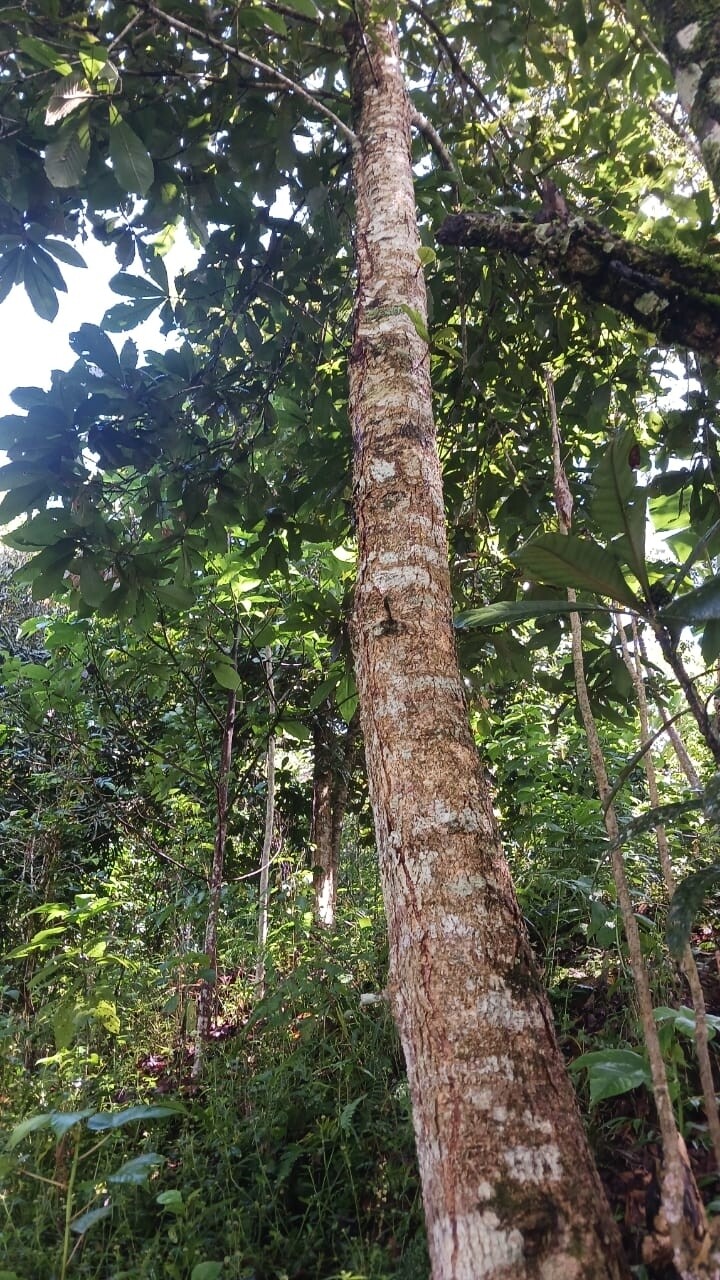
Form: Quercus oocarpa is a slow-growing tree that typically reaches 15 to 25 meters in height, though exceptional specimens can attain 30 meters. The trunk is tall and straight, supporting a rounded crown. The overall form is impressive, often dominating the canopy in montane forests.
Bark: The bark is brown and distinctive, shedding in horizontal strips or plates. Young twigs are coarse and fluted, initially covered with dense tawny hairs (fulvous-tomentose) that later become smooth and gray or light brown. This exfoliating bark pattern helps distinguish Q. oocarpa from other Central American oaks.
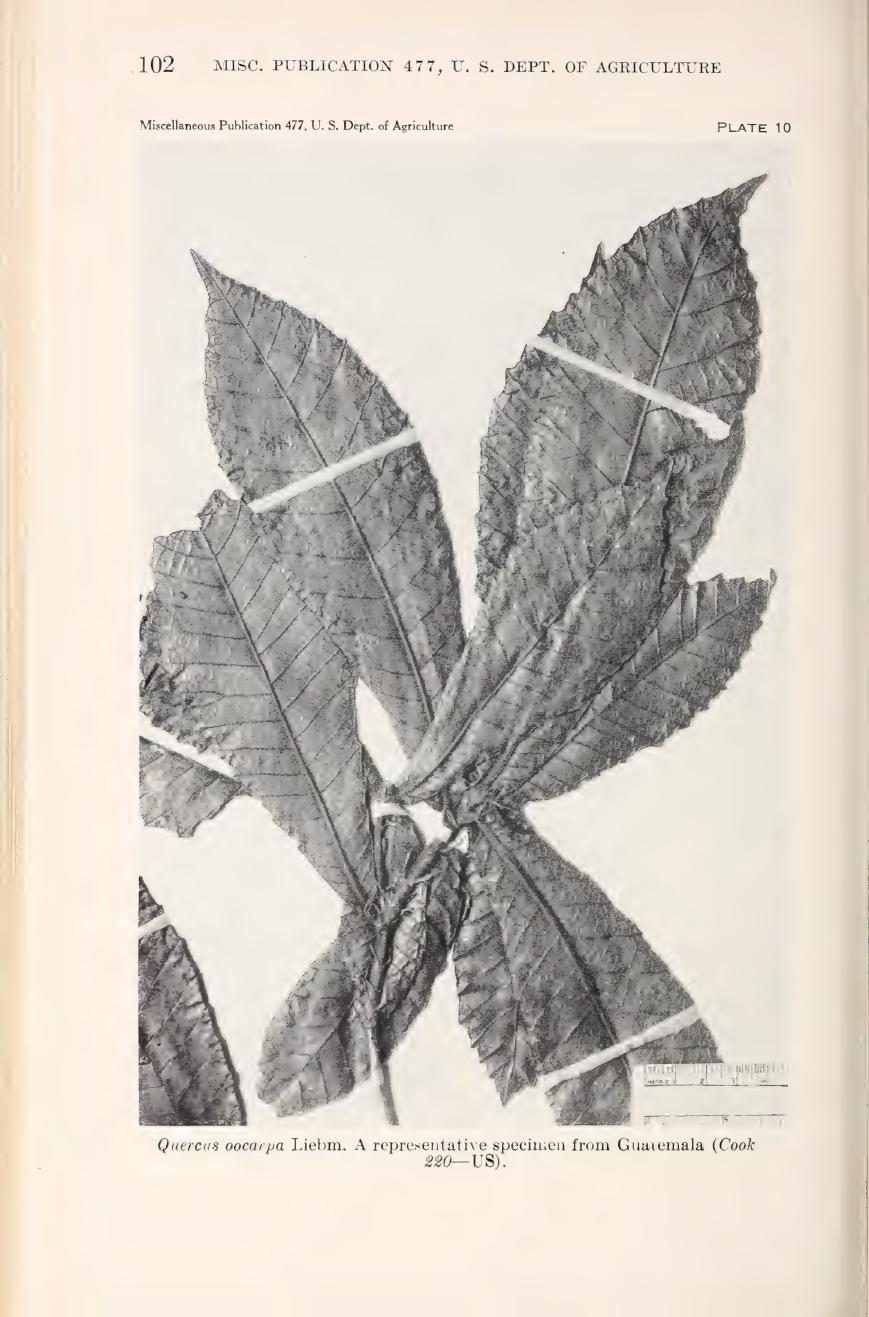
Leaves: The leaves are among the largest of any oak species, measuring 10 to 30 centimeters long and occasionally reaching 45 centimeters. They are 3 to 14 centimeters wide, oblanceolate to obovate in shape, with an acute apex and a narrowly rounded or wedge-shaped base. The margins are undulate or sharply low-dentate, except near the base which remains entire. The upper surface is dark green; the lower surface is very pale, almost whitish, a key diagnostic feature that easily separates this species from other oaks in the region.

Acorns: The acorns are egg-shaped, as the species name indicates. Like other white oaks, they mature in a single growing season (about 6 months) and have relatively low tannin content compared to red oaks. This rapid maturation has important ecological consequences: white oak acorns germinate quickly after falling and cannot tolerate extended storage, which shapes how animals interact with them.
Ecology and Distribution
Quercus oocarpa ranges from southwestern Mexico (Nayarit, Jalisco, Guerrero, and possibly Chiapas) through Guatemala, Honduras, El Salvador, Nicaragua, and Costa Rica to Panama. It inhabits humid montane forests, cloud forests, and pine-oak-Liquidambar forests between 700 and 2,300 meters elevation, though it is most abundant between 1,400 and 1,900 meters.
The species grows in a wide range of soils, though all are typically rich in organic matter. It thrives in climates with annual rainfall of 2,200 to 3,000 mm and mean temperatures of 14 to 18°C. In these misty, humid environments, the trees often support dense communities of epiphytes including mosses, ferns, bromeliads, and orchids.
In Costa Rica, Q. oocarpa occurs in the montane forests of the cordilleras, often growing alongside the white oak Q. copeyensis and the red oak Q. costaricensis. The species appears to be somewhat less common than some other Costa Rican oaks, though this may partly reflect the difficulty of identification in the field.
Mycorrhizal Associations
Like all oaks, Q. oocarpa forms ectomycorrhizal associations with fungi. In the root tips of oaks, a mantle of fungal tissue replaces the function of root hairs, with fungal hyphae extending into the surrounding soil to absorb water and nutrients. Studies in tropical montane cloud forests have documented remarkably high ectomycorrhizal diversity, with up to 154 fungal taxa identified in single study sites. The dominant fungal families include Thelephoraceae, Russulaceae, and Sebacinales, similar to patterns observed in temperate oak forests.
These fungal partnerships may help explain how oaks thrive in the challenging conditions of tropical montane environments. Researchers have found that individual oak root tips frequently harbor multiple fungal species simultaneously, suggesting complex underground networks. The evolutionary relationship between oaks and their mycorrhizal partners is ancient: when oaks migrated southward from North America across the Panama Isthmus during past glacial periods, their fungal associates traveled with them.
Wildlife Ecology
The acorns of Q. oocarpa and other montane oaks support a community of specialized wildlife. The relationship between oaks and their seed dispersers is a form of conditional mutualism: some acorns are consumed immediately, but others are cached and forgotten, germinating in locations favorable for oak regeneration.
Acorn Woodpecker
The Acorn Woodpecker (Melanerpes formicivorus) is among the most specialized acorn consumers in Central American oak forests. Common in Costa Rica's highlands above 1,500 meters, this medium-sized woodpecker with its distinctive clown-like facial pattern is closely associated with oak habitat. Unlike most woodpeckers, Acorn Woodpeckers are highly social, living in groups of 3 to 6 individuals.
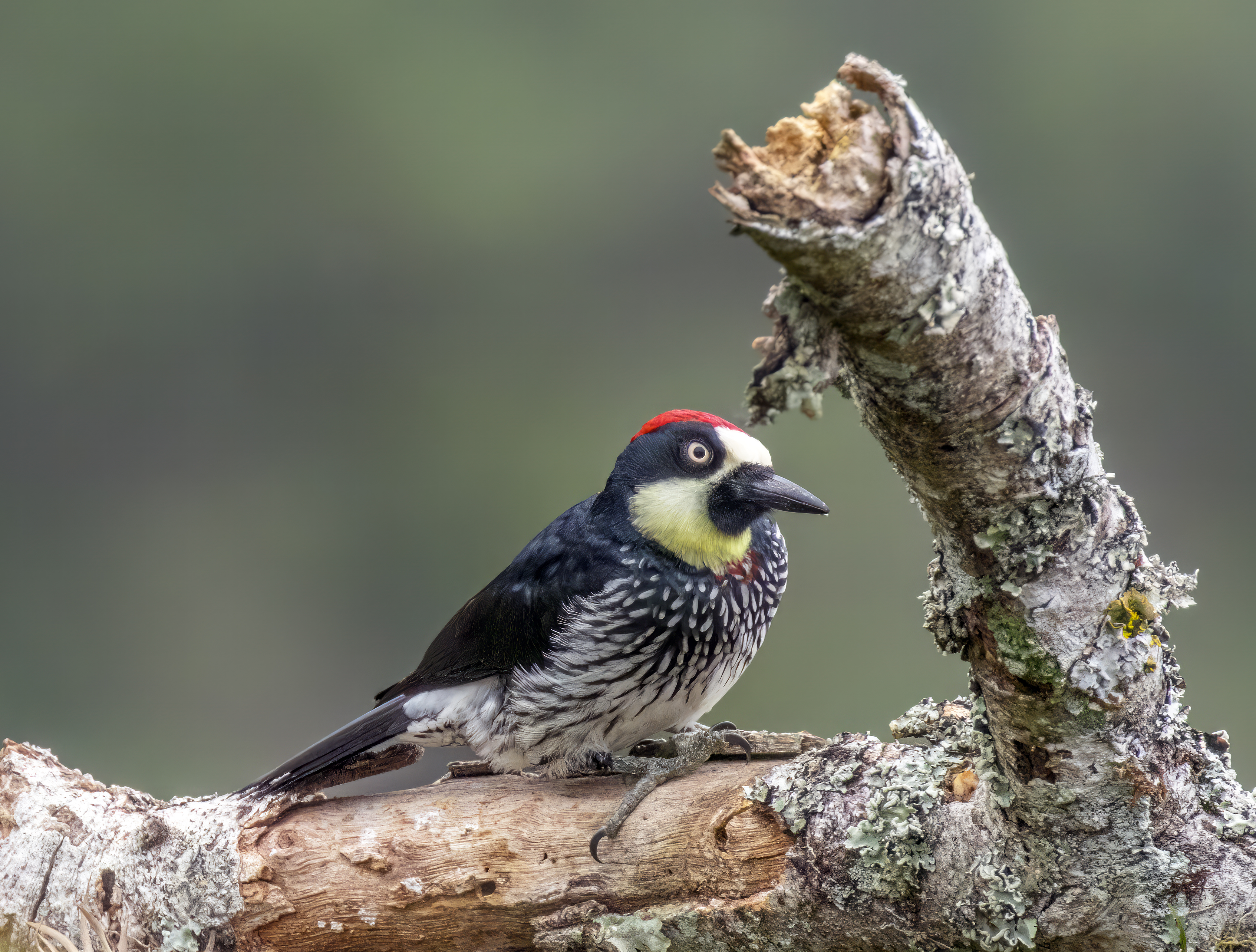
The species is famous for creating "granary trees," storage sites where groups may drill up to 50,000 individual holes to cache acorns. These granaries represent extraordinary investments of communal labor and can be used for generations. In Costa Rica, Acorn Woodpeckers are particularly common in the Talamanca highlands and around Cerro de la Muerte, where oak forests provide abundant food resources.
Squirrels and Rodents
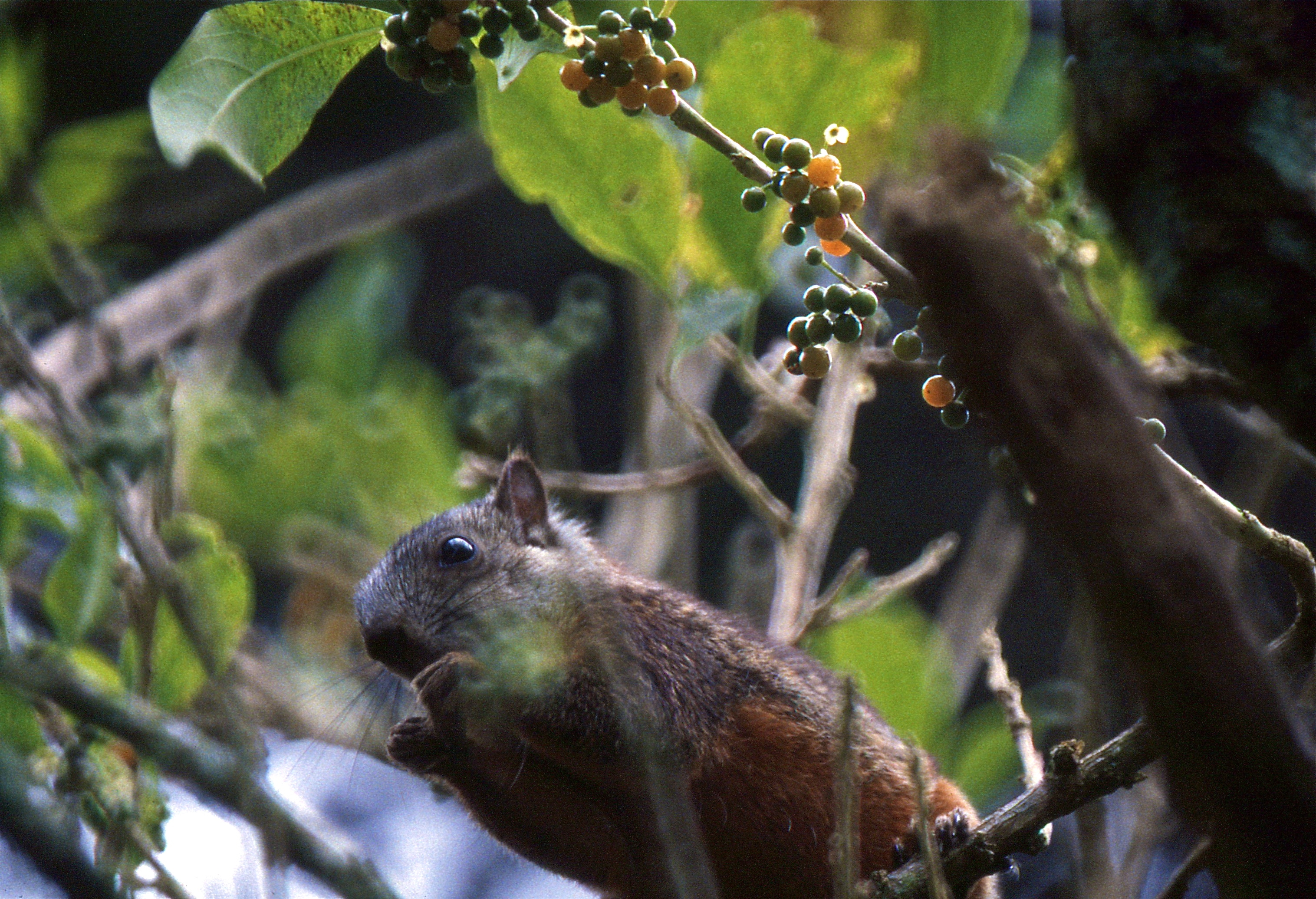
The Variegated Squirrel (Sciurus variegatoides), found throughout Central America with 15 recognized subspecies, is the primary mammalian acorn disperser in the region's oak forests. These tree squirrels practice scatter-hoarding, burying individual acorns in numerous locations. Research has shown that squirrels recover only a portion of their cached food, with forgotten acorns contributing significantly to oak regeneration.
Interestingly, white oak acorns like those of Q. oocarpa face different dispersal dynamics than red oak acorns. Studies have found that about 85% of white oak acorns are eaten immediately after discovery, while only about 40% of red oak acorns are eaten on the spot—the remaining 60% are cached for later. The difference relates to germination timing: white oak acorns sprout quickly and cannot be stored for long periods, whereas red oak acorns remain dormant through winter and can be cached without spoiling. This means red oaks may disperse farther from parent trees, while white oaks tend to establish closer to their source.
Birds of Oak Forests
Costa Rica's montane oak forests host five species of jays, including the Azure-hooded Jay (Cyanolyca cucullata), a near-endemic species of the highlands. Jays, like squirrels, are important scatter-hoarders that help disperse oak seeds. The forests also support the spectacular Resplendent Quetzal (Pharomachrus mocinno), though quetzals primarily feed on fruits of the laurel family (Lauraceae) rather than acorns. The quetzal's presence in oak forests reflects the mixed composition of these habitats, where oaks grow alongside wild avocados and other laurels.
Wood and Uses
The wood of Q. oocarpa is heavy, with a specific gravity of 0.67. The dry sapwood is white while the heartwood is brown. The grain is straight with a rough texture and poor luster. When cut radially, the wood shows very attractive mottling, a pattern caused by the medullary rays characteristic of oak wood.
The wood dries at a moderate rate but suffers some defects during the drying process. It is not easy to work or preserve, but has good natural durability. Traditional uses include flooring, agricultural implements, charcoal production, fenceposts, and railway ties. However, like most montane oaks in the region, commercial exploitation has declined as protected areas have expanded and alternative materials have become available.
Taxonomy and History
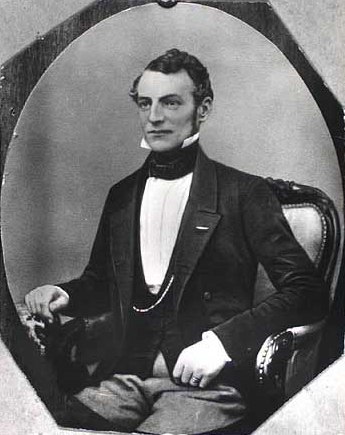
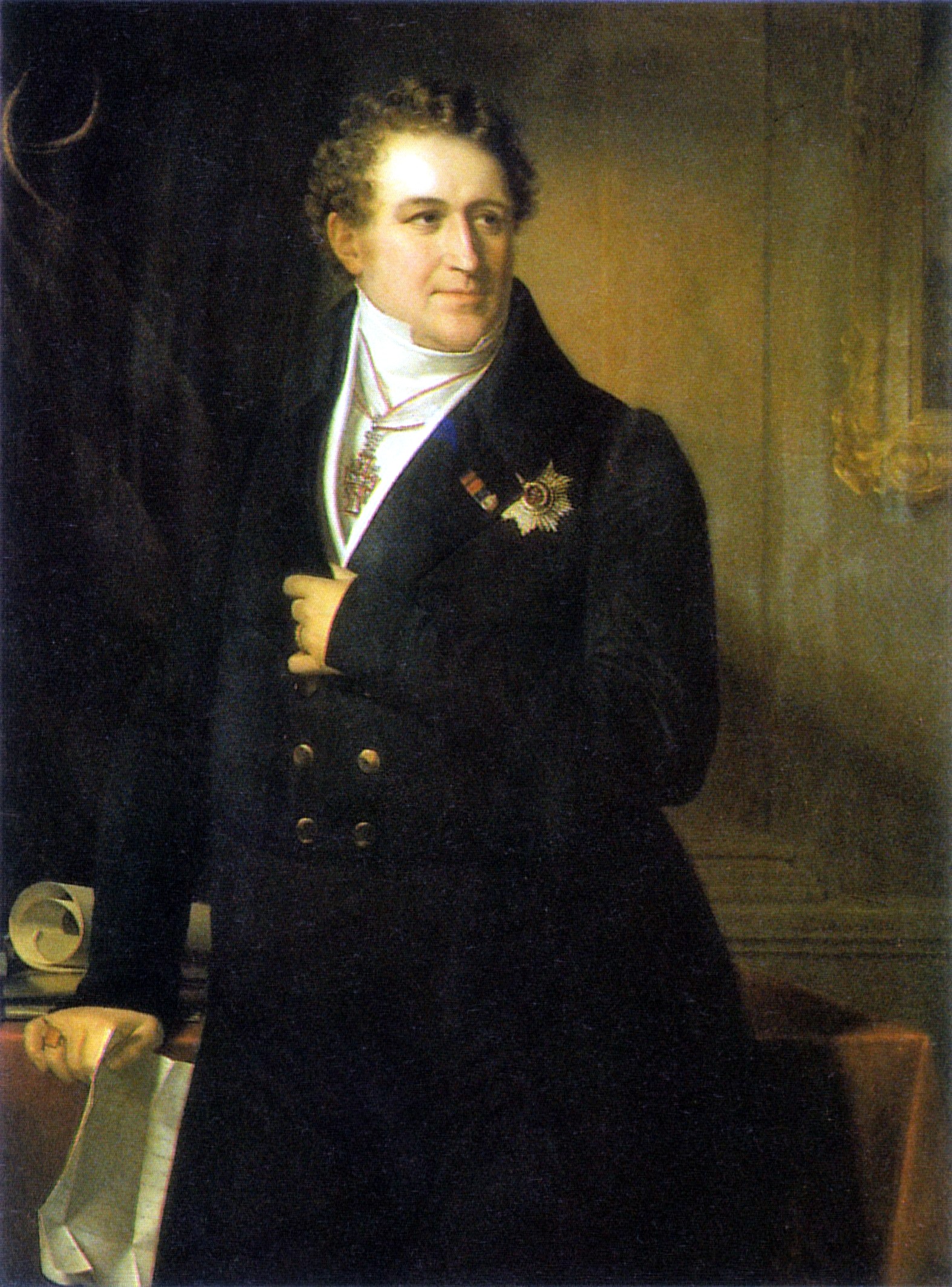
Under the patronage of King Christian VIII, Liebmann explored Mexico from 1841-1845, amassing the oak collections that led to the description of Q. oocarpa. Portraits: public domain.
Quercus oocarpa was first described by the Danish botanist Frederik Michael Liebmann (1813-1856), who published the species in 1854 in the journal of the Royal Danish Academy of Sciences and Letters. Liebmann had studied botany at the University of Copenhagen and, under the patronage of King Christian VIII, spent the years 1841-1845 exploring Mexico to collect plants for the Copenhagen Botanical Garden. During this extended expedition, he amassed an extraordinary collection of Mexican oaks that would form the basis for his landmark publication "Om Egeslaegten I America" (On the Oaks of America).
Liebmann died at only 43 years old, before he could complete work on all his Mexican collections. His colleague Anders Sandøe Ørsted later published "Chênes de l'Amérique Tropicale" (1869) based on Liebmann's notes and specimens, ensuring that his taxonomic work on tropical American oaks would not be lost.
Synonyms and Classification
The species has accumulated several synonyms reflecting its broad distribution and variable appearance. These include Q. warszewiczii Liebm. (also described in 1854), Q. yunckeri Trel., and Q. glabrescens Seem. Some authorities have treated it as a subspecies or variety of the related Q. insignis, resulting in the combinations Q. insignis subsp. oocarpa and Q. insignis var. oocarpa. However, current consensus recognizes Q. oocarpa as a distinct species within Section Quercus (the white oaks).
The relationship between Q. oocarpa and Q. insignis remains a subject of taxonomic discussion. Both are large-leaved white oaks of montane forests, and their ranges overlap in parts of Central America. The very pale, almost whitish leaf undersurface is a key diagnostic feature that helps separate Q. oocarpa from related species. Recent molecular phylogenetic work using DNA sequencing continues to refine our understanding of oak relationships, though the genus Quercus remains taxonomically challenging due to high species numbers, wide geographical distribution, great morphological variability, and widespread hybridization.
Resources & Further Reading
Species Information
Authoritative taxonomic information including synonyms and native range from Kew's global plant database.
General information on distribution, habitat, and morphology.
Occurrence records and distribution maps from biodiversity databases worldwide.
Community observations and photographs of this species throughout its range.
Scientific Studies
Comprehensive 34-chapter volume covering paleoecology, biogeography, biodiversity, population dynamics, and conservation of Central American oak forests.
Research on fungal diversity associated with montane oaks, documenting 154 ectomycorrhizal taxa.
International Oak Society research on how fungal partnerships enable oaks to thrive in challenging montane conditions.
Research on differential dispersal and caching behavior of animals responding to white vs. red oak acorns.
Wildlife
Distribution maps, photos, and sightings of this specialized oak forest bird in Costa Rica.
Detailed information on the primary mammalian acorn disperser in Central American oak forests.
Biology and behavior of the Acorn Woodpecker including granary tree behavior.
Regional Ecology
Overview of the ecoregion where montane oaks like Q. oocarpa are found.
Information on the pine-oak forest ecoregion spanning from Mexico to Nicaragua.
Taxonomic History
Biography of the Danish botanist who described Q. oocarpa and numerous other Mexican oaks.
Complete monograph with 124 botanical plates illustrating Central American oaks. USDA Miscellaneous Publication No. 477.
Comprehensive resource on oak taxonomy, classification systems, and phylogenetic relationships.