Avocado
A tree whose survival depended on animals that vanished 10,000 years ago. The avocado co-evolved with Pleistocene megafauna, and human cultivation became its lifeline when the gomphotheres disappeared.
Around 1510, Martin Fernandez de Enciso stood near what is now Santa Marta, Colombia, watching locals tend trees with pear-shaped fruits. Enciso had participated in some of the first Spanish expeditions to the northern coast of South America. His 1519 account in "Suma de Geografia"—the first book in Spanish about the discoveries in the Americas—provided the first written European documentation of the avocado. Enciso couldn't have known he was observing a biological anachronism.
The fruit those trees produced was too large for any animal in its native range to swallow whole and disperse. Wild avocados evolved for gomphotheres like Cuvieronius, ground sloths, toxodontids, glyptodonts—Pleistocene megafauna that began disappearing from the Americas around 13,000 years ago. As these animals vanished, the avocado should have followed them into extinction.
It did not. Humans were already there. At Huaca Prieta on the Peruvian coast, people consumed avocados more than 10,000 years ago. At El Gigante rockshelter in western Honduras, avocado remains span 11 millennia of continuous occupation. For thousands of years, humans gathered wild fruits. Then, gradually, they began selecting. Fruits grew larger, more robust. By around 2,000 years ago, the morphology had shifted: these were no longer fully wild avocados. Someone was managing the trees.
Humans stepped into the ecological role the megafauna left empty. They ate the fruits, dispersed the seeds, selected the offspring. The avocado survived through relationship rather than biological adaptation—the same pattern that would repeat when humans later carried it across oceans to every inhabited continent.
Today, Persea americana Mill. survives across its native range from central Mexico to Costa Rica, from near sea level to 2,800 meters elevation. In Costa Rica, 435 documented records include 8 localities in the Brunca region. The species faces a different kind of extinction threat.
Identification
Habit
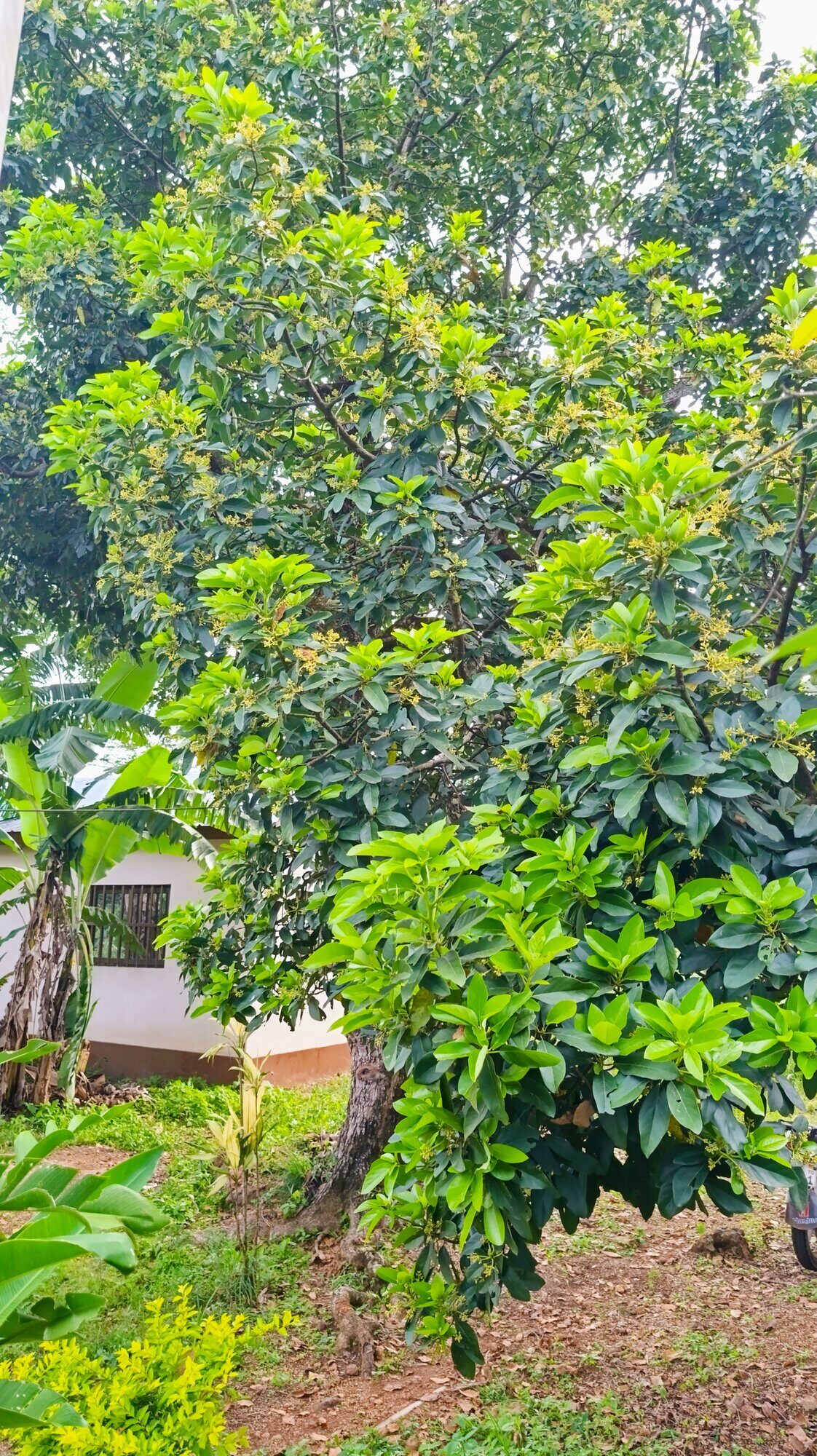
Persea americana grows as an evergreen to semi-deciduous tree reaching 9 to 40 meters in height, with a dense rounded crown. Grafted specimens typically reach 8 to 10 meters, while trees on their own roots can exceed 20 meters. The trunk ranges from 30 to 60 centimeters in diameter. The bark is grayish brown and rough, becoming blocky with age. Younger stems and branches often remain green and smooth for many years before developing corky texture. Trees are usually single-stemmed. In natural forests, young trees establish under the protection of an established canopy, later emerging to form part of the canopy layer.
Leaves
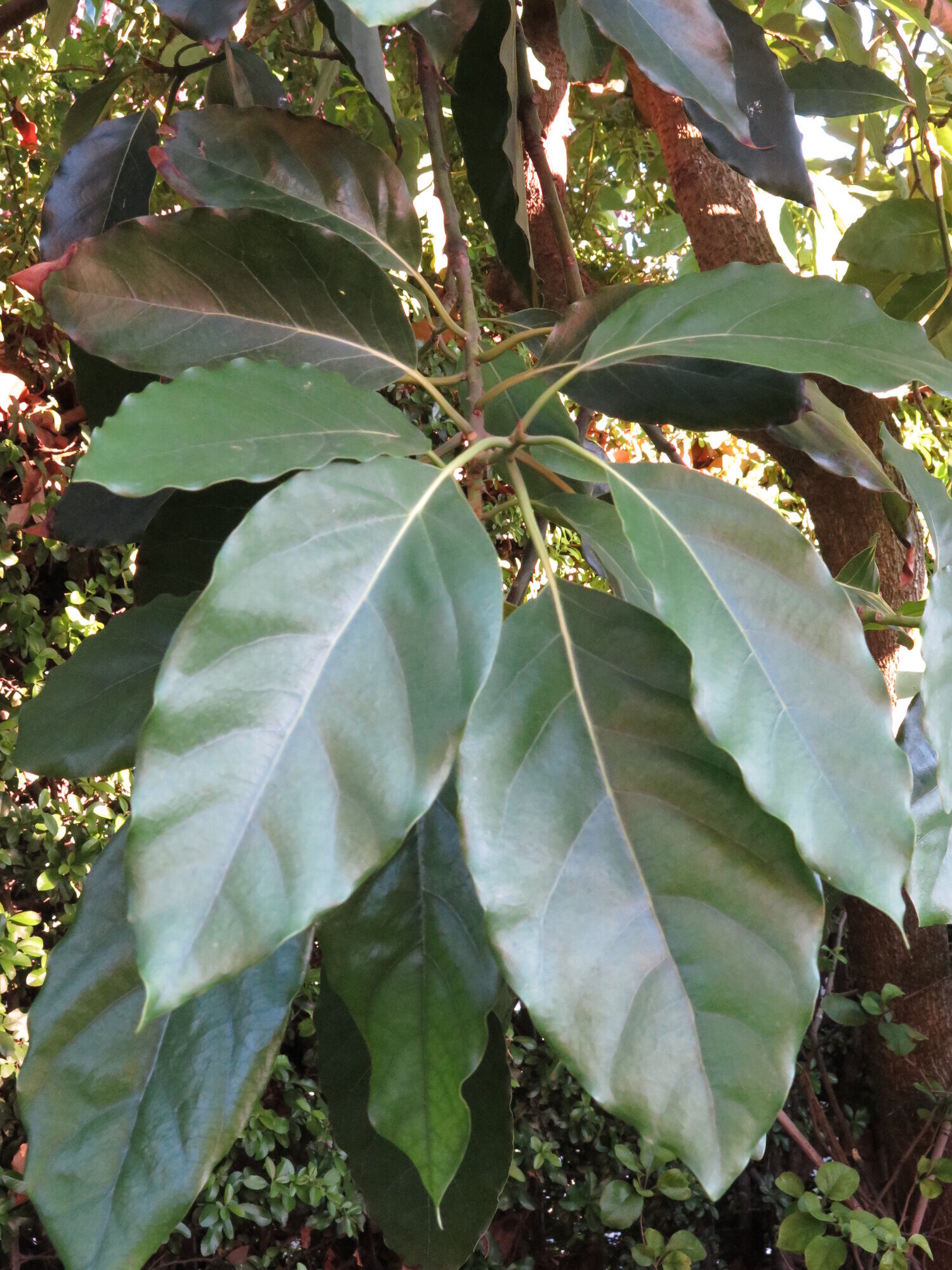
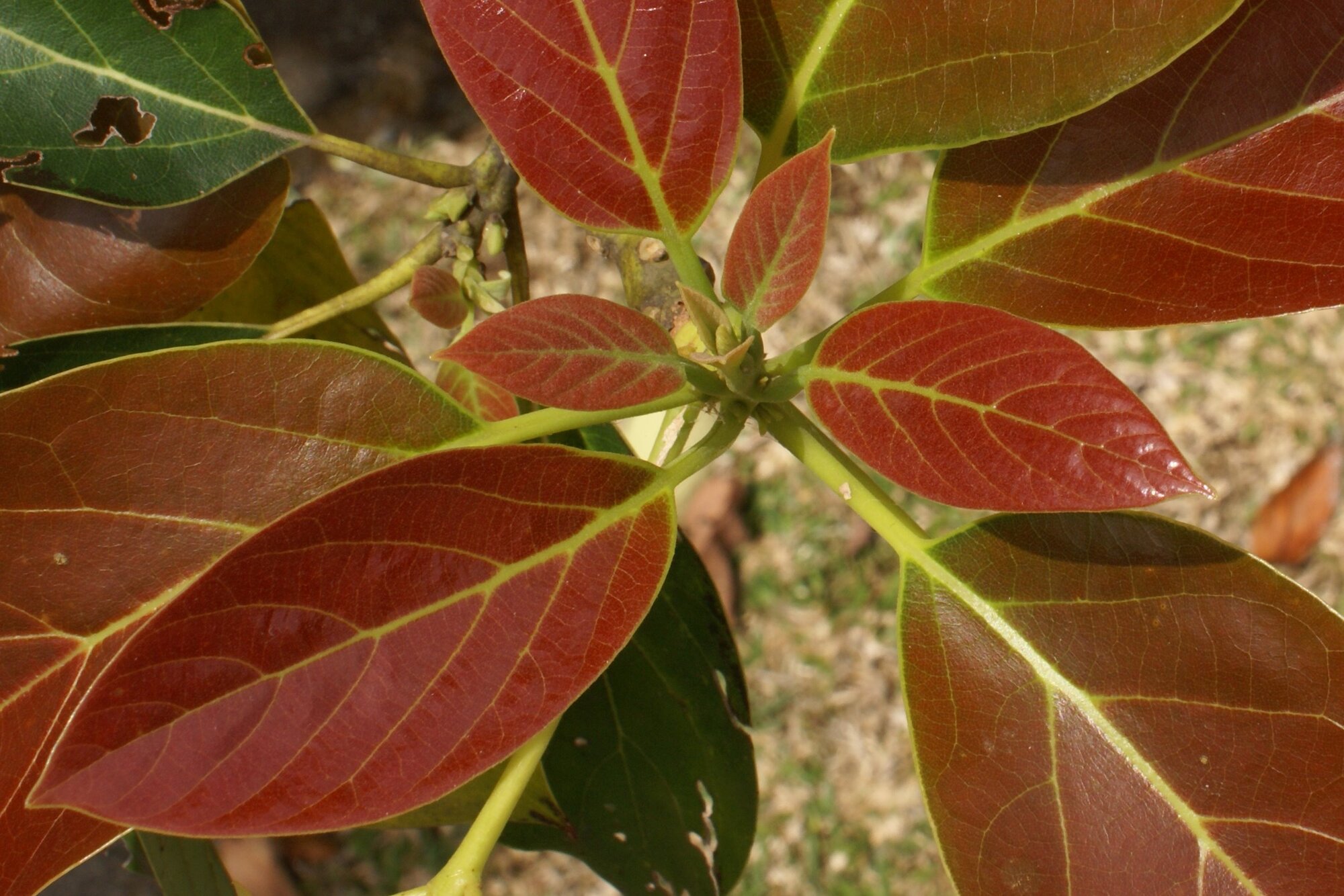
Leaves are alternate or subopposite, 7 to 41 centimeters long (typically 8 to 25 centimeters) and 3 to 19 centimeters broad. The blades are narrowly to broadly ovate or elliptic, sometimes obovate or suborbicular, usually short-acuminate at the apex and acute to obtuse or rounded at the base. Young leaves are often pubescent and reddish, becoming smooth, leathery (chartaceous to subcoriaceous), and dark lustrous green when mature, with the underside pale green. Oil dots are visible with a lens. Leaves in the Mexican variety have an aniseed scent when crushed. Petioles are 1 to 6 centimeters long, sulcate above, glabrous or puberulent. The leaves have 5 to 9 major secondary veins on each side, arising at angles of 30 to 50 degrees, with tertiary veins often raised on both surfaces when dry.
Flowers
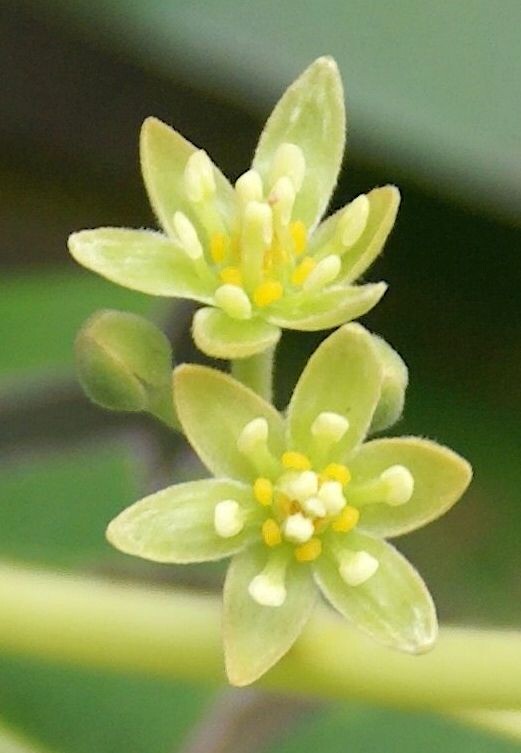
Flowers are small (5 to 10 millimeters wide), yellowish-green, and inconspicuous, borne in compact or loosely branched panicles 4 to 12 centimeters long. Each flower has two whorls of three pale-green or greenish-yellow downy perianth lobes (tepals 4 to 6 millimeters long), with no true petals. Nine stamens arranged in three whorls bear prominent orange nectar glands. The outer stamens measure 3.5 to 4.5 millimeters long, with anthers 1.2 to 1.5 millimeters in length. Three staminodes (sterile stamens) are present, 2 to 3 millimeters long, characterized by sagittate (arrow-shaped) tips—a diagnostic feature. The pistil measures 3 to 4 millimeters in length with a long slender style.
The flowering biology operates through protogynous diurnally synchronous dichogamy. Each flower opens twice over two days. During the first opening, the flower functions as female: the stigma is receptive but the anthers remain closed. The flower then closes. During the second opening the next day, the flower functions as male: the anthers release pollen but the stigma is no longer receptive. Cultivars are classified as Type A (female phase in morning, male phase afternoon next day) or Type B (female phase in afternoon, male phase morning next day). This system forces outcrossing between complementary A and B types. Despite having hermaphroditic flowers, individual trees are functionally self-sterile. In Costa Rica, flowering collections have been made primarily from January through March, with some in August and September.
Fruits
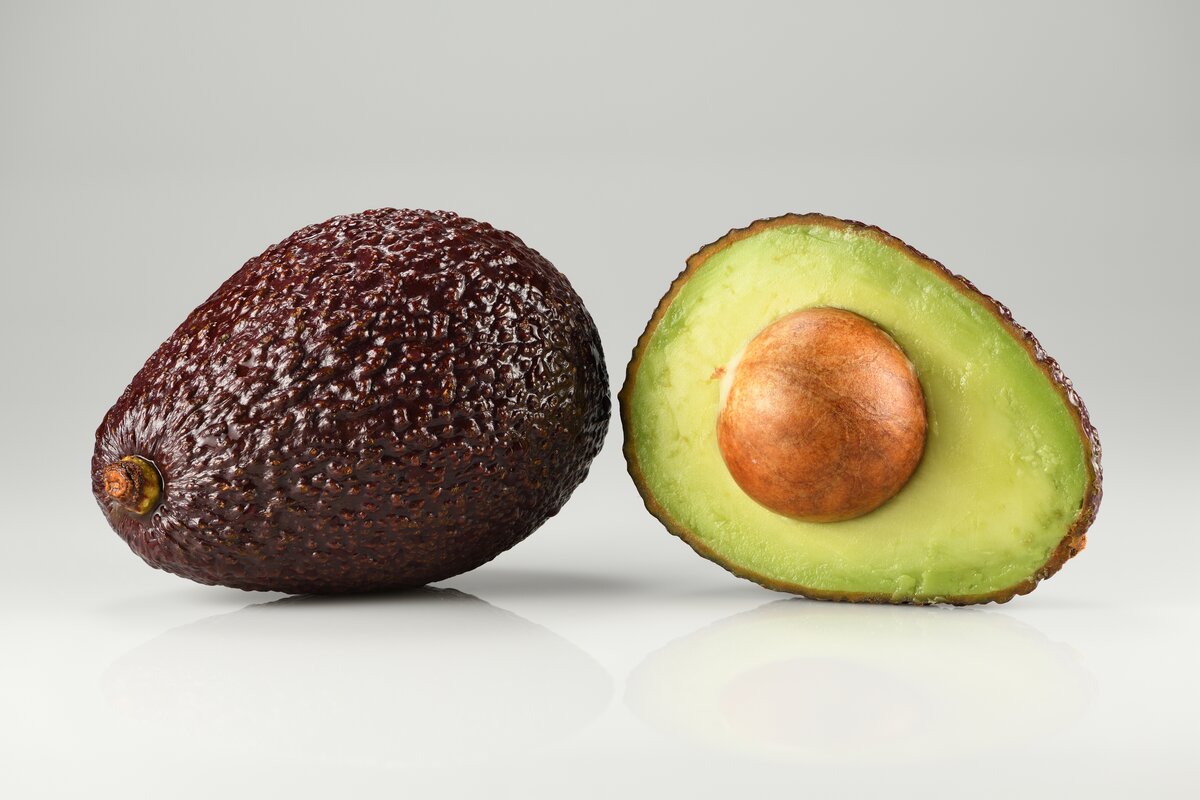
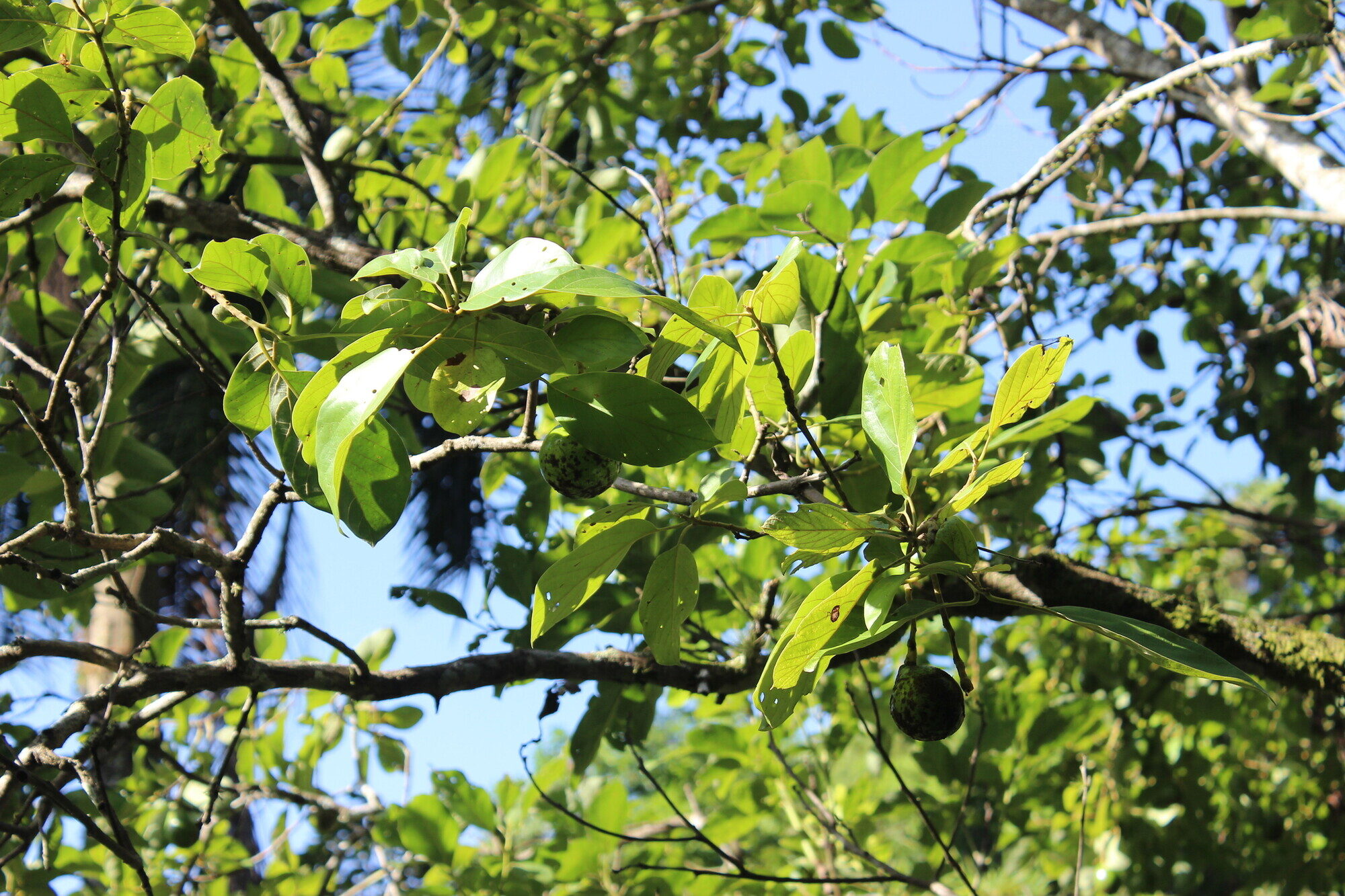
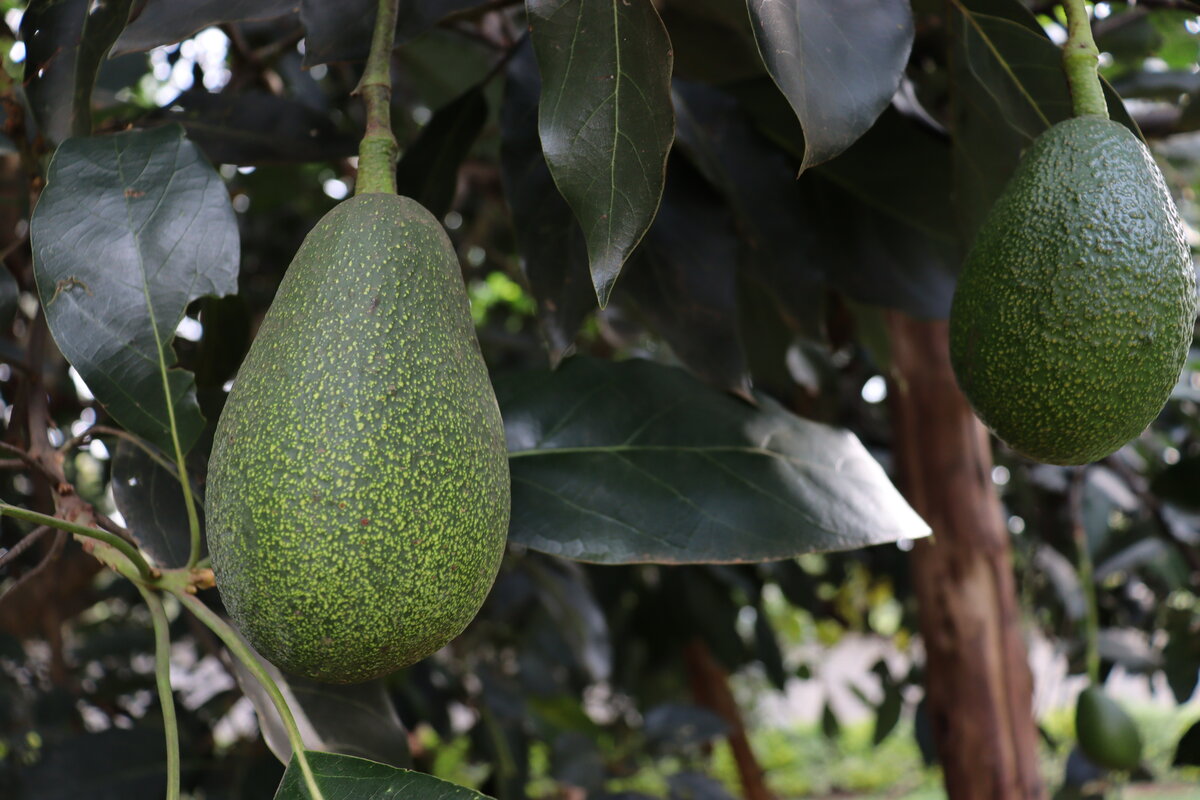
Fruits are pyriform (pear-shaped) to globose berries, 5 to 15 centimeters long depending on variety, with rough green or purple skin and oily flesh surrounding a single large seed 2 to 5 centimeters in diameter. The fruits are borne on thick stalks 3 to 5 millimeters wide, not usually swollen near the apex. When fruits mature and fall, the perianth parts drop away, leaving a distinctive rim approximately 6 millimeters broad at the attachment point. Mature fruits can hang on the tree for weeks without damage. Wild avocados have larger pits and less flesh than cultivated varieties. In Costa Rica, fruiting specimens have been collected in February, May, August, and November. The time from flowering to harvest varies by variety: Mexican type fruits mature in 5 to 8 months, Guatemalan type in 10 to 15 months, and West Indian type intermediate between these.
Herbarium Specimens
Distribution
The native range of Persea americana extends from central Mexico (including Gulf, Southeast, Southwest, and Central regions) through Central America to Costa Rica, encompassing Belize, Guatemala, Honduras, and Nicaragua. This represents the southeastern terminus of the species' natural distribution in seasonally dry tropical biomes. Costa Rica is at the southeastern edge of this native range. The species now occurs on every inhabited continent through human introduction, with established populations in over 60 regions worldwide.
Costa Rica sits at the southeastern edge of the species' native range. Wild populations inhabit montane mesophytic forests at 850 to 1,700 meters elevation and humid lowland forests on limestone formations. At higher elevations between 1,200 and 2,000 meters, a distinct mountain avocado population has evolved, proposed as variety costaricensis by Ben-Ya'acov, Solis-Molina, and Bufler in 2003.
This mountain variety shows intermediate characteristics between West Indian and Guatemalan types. Fruits measure 6 to 8 centimeters long—substantially smaller than the 10 to 15 centimeter fruits typical of lowland varieties. The skin resembles West Indian types: pale green, soft leathery texture, medium thickness, easily peeled from the flesh. The seed, however, follows Guatemalan morphology: oblate in form with a smooth surface rather than the rough-textured seeds of West Indian types. Local populations harvest these fruits between October and February, timing that corresponds with the dry season at these elevations. Commercial cultivation at these elevations proves impractical, preserving wild genetic diversity in remnant forest patches.
Wild populations in the Monteverde cloud forests are more closely related to variety nubigena than to any other avocado type. These forests, at elevations where mist condenses on vegetation throughout much of the year, provide habitat for the tree's most important modern disperser.
Ecology
Honeybees (Apis mellifera) are the primary pollinators in cultivation, though native bees and flies also visit the flowers. The dichogamous flowering system requires two or more genetically distinct trees for fruit set, as individual trees are functionally self-sterile despite having hermaphroditic flowers. This biological mechanism promotes genetic diversity by forcing outcrossing between A and B flowering types.
The Resplendent Quetzal (Pharomachrus mocinno) serves as primary seed disperser in cloud forests at 900 to 2,500 meters elevation. Lauraceae fruits comprise 80 percent of identified seeds in the quetzal's diet. The birds are altitudinal migrants whose seasonal movements track wild avocado fruiting cycles. After consuming a fruit whole, the quetzal digests the flesh for approximately 25 minutes, then regurgitates the cleaned seed, often depositing it hundreds of meters from the parent tree. Locals call these wild avocados aguacatillo ("little avocado")—they form the main staple in the quetzal's diet due to high fat content. Agoutis (Dasyprocta punctata), spotted pacas (Cuniculus paca), primates, and jaguars also consume and disperse wild avocados.
This relationship represents an ecological compromise rather than optimal mutualism. Wild avocado fruits remain larger than ideal for quetzals, which can barely swallow them. The birds show preference for smaller-fruited wild Persea species when available. This mismatch reflects evolutionary history: the fruits evolved for megafauna with gape widths far exceeding any living bird. When these dispersers vanished, quetzals and other species stepped into the role—imperfectly.
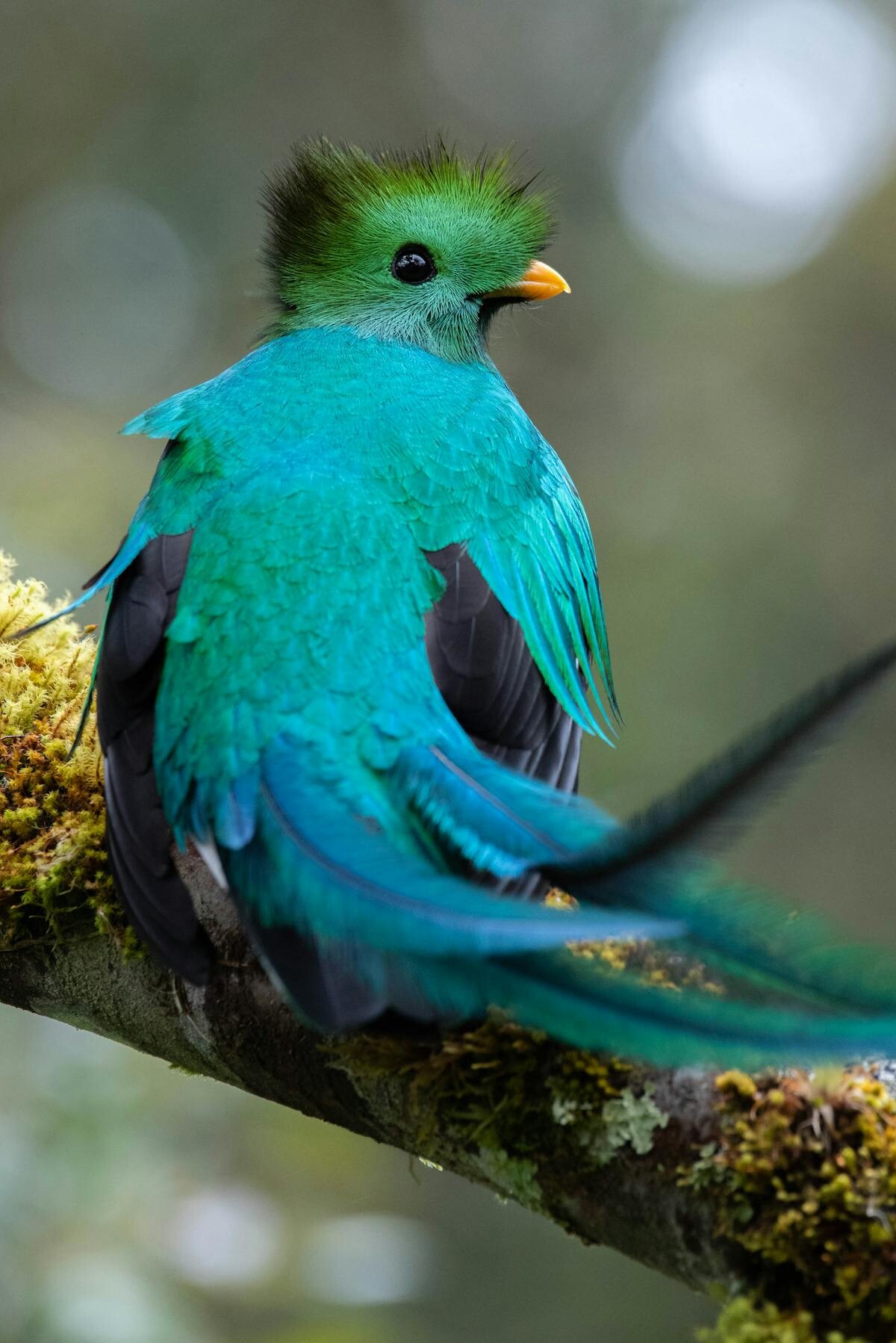
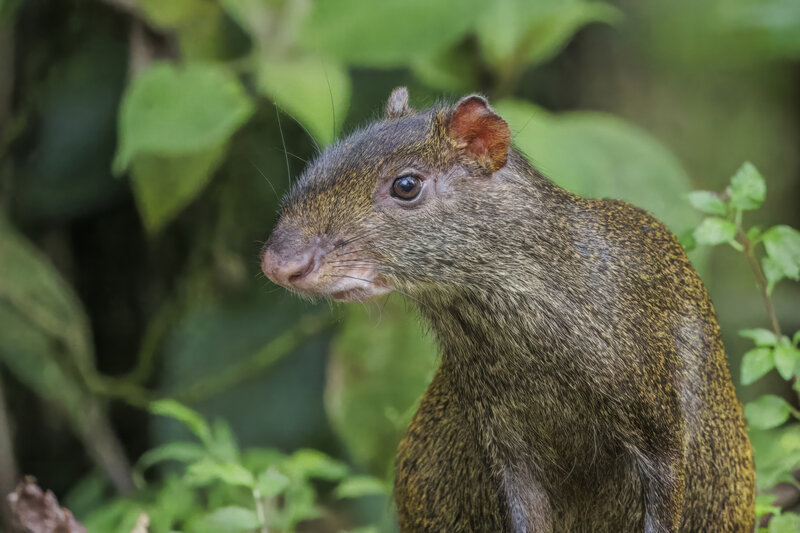
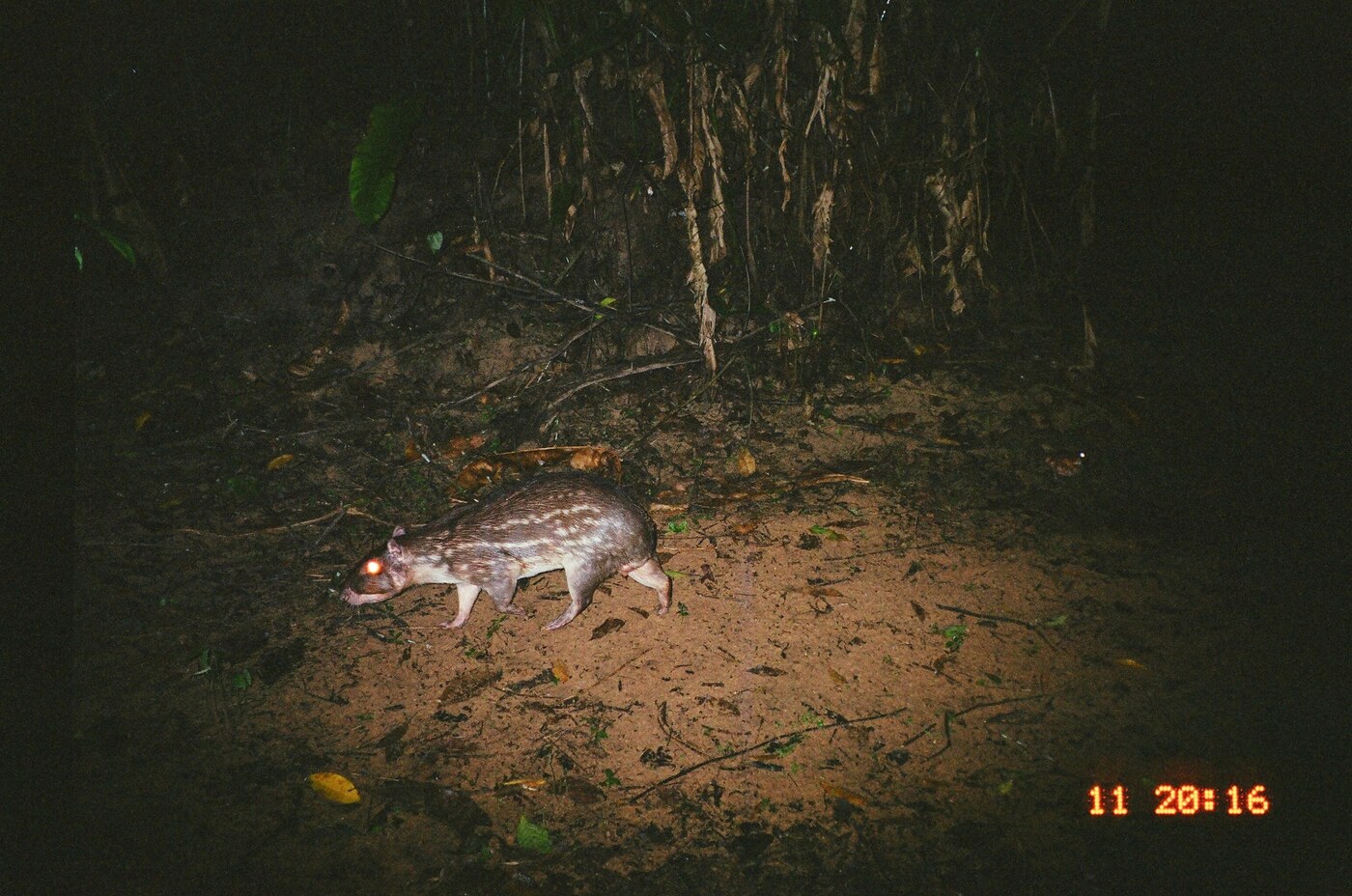
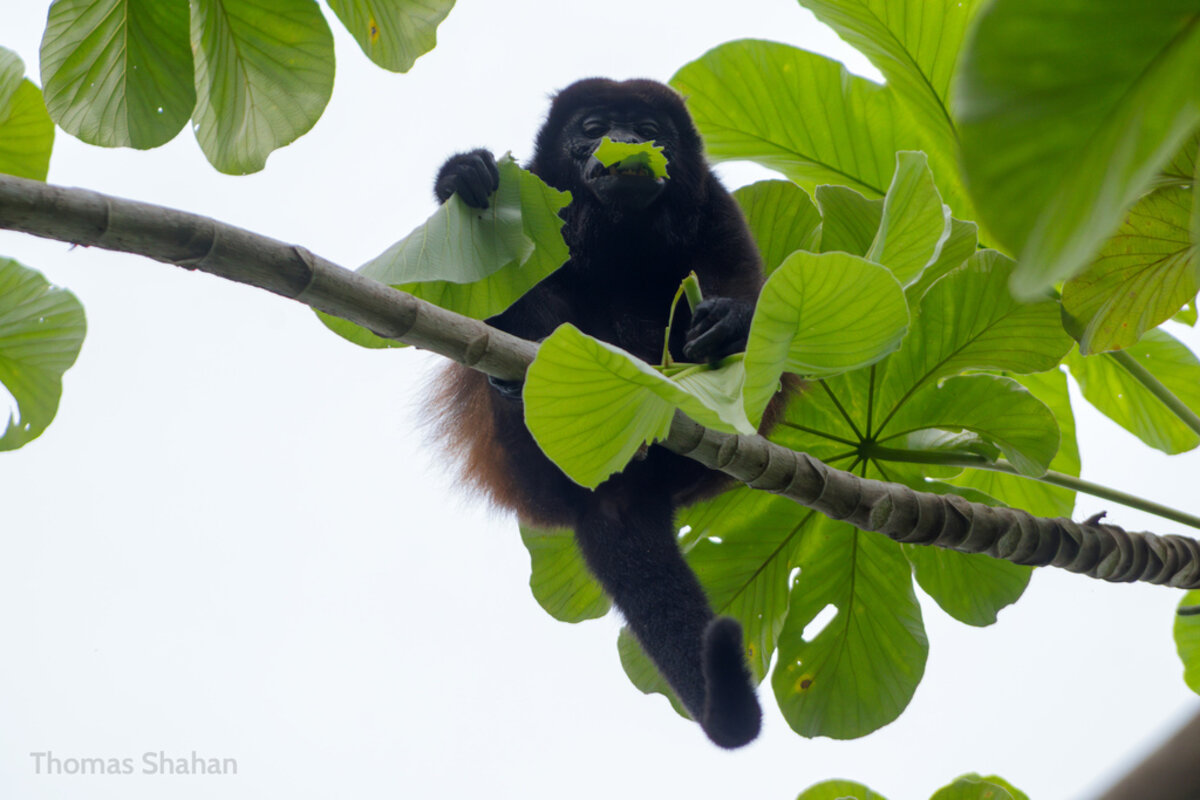
Photos (clockwise from top left): Resplendent Quetzal (Jonnathan Marin/Pexels, Free to use); Central American Agouti (Charles J. Sharp, CC BY-SA 4.0); Spotted Paca (muir via iNaturalist, CC BY); Mantled Howler Monkey (Thomas Shahan via iNaturalist, CC BY-NC 4.0).
Cultural History
The Florentine Codex, compiled by Bernardino de Sahagún in the 16th century, describes three types of avocado, including one designated "avocado of noblemen." The Aztecs had developed a medical system around the tree. For menstrual pain, they brewed leaves into tea. The same decoction treated bronchial cough. For dysentery, they roasted and powdered the fruit. Avocado oil applied to skin relieved gout pain. The precision of these applications suggests centuries of accumulated knowledge.
The Maya incorporated avocado into their calendar. K'ank'in, the fourteenth month, was represented by the avocado glyph. This calendrical position—equivalent to placing a species in the architecture of time itself—demonstrates cultural importance that transcended nutrition or medicine. The fruit mattered enough to become part of how the Maya organized their year.
The relationship between humans and avocados extends back over 10,000 years. At Huaca Prieta on the Peruvian coast, people consumed avocados as early as 10,500 years ago, making this one of the earliest documented uses of the species. In Mesoamerica, avocado remains dating to approximately 10,000 years ago have been found at Coaxcatlan in Puebla, Mexico. At El Gigante rockshelter in western Honduras, avocado remains span 11 millennia of continuous occupation. Analysis of these archaeological specimens reveals a protracted process of arboriculture and selection: over thousands of years, fruits grew progressively larger and more robust. By 2,250 to 2,080 calendar years ago, the morphological shift was complete. These were no longer fully wild avocados. Someone was managing the trees, selecting offspring, directing evolution.
Molecular research suggests avocados were domesticated multiple times across the Americas. Different populations in Mexico, Central America, and South America independently brought wild trees under cultivation, selecting for traits that mattered locally: larger fruits, thinner skins, smaller seeds, higher oil content, cold tolerance, or specific flavor profiles. This polyphyletic domestication produced the three principal varieties that still form the genetic basis of modern cultivars. The domestication process was neither singular nor brief. It unfolded across thousands of years and hundreds of kilometers, shaped by the needs and preferences of distinct cultures.
The linguistic record preserves this deep relationship. The word avocado derives from Spanish aguacate, which comes from Nahuatl ahuacatl. The Aztecs called the fruit ahuacatl and the tree ahuacaquahuitl, combining ahuacatl with quahuitl, meaning "tree." In Molina's 16th-century Nahuatl dictionary, auacatl is given as a translation for companon, "testicle," though this was a euphemistic secondary meaning, not the original etymology. The English word evolved through multiple iterations: alvacata in 1589, agovago pears in 1751, "alligator pear," and finally "avocado" from Sir Hans Sloane's 1696 Jamaica plant catalogue, where he referred to "The avocado or aligator pear-tre" growing throughout the island.
European contact accelerated the avocado's global dispersal. Martin Fernandez de Enciso provided the first written European documentation in his 1519 book Suma de Geografia, the first book published after the discovery of the New World. Enciso had seen the fruit near what is now Santa Marta, Colombia, while accompanying navigator Juan de la Cosa on one of the first Spanish expeditions to South America. Within 200 years, the Spanish had carried avocados to the Philippines and Indonesia. By the early 18th century, avocados grew throughout the Caribbean. Sloane's 1725 detailed history described avocado as "one of the wholesomest fruits of these countries." By the 19th century, avocados had reached Africa, Australia, and subtropical regions of Asia. What the megafauna could not accomplish through dispersal, humans achieved through intentional propagation.
Today, the avocado's cultural trajectory presents a conservation paradox. The 'Hass' cultivar, developed in California in the 1930s, now accounts for 80 percent of cultivated avocados worldwide. This monoculture has displaced more diverse plantings of seedling avocados throughout Mesoamerica, concentrating genetic diversity into an increasingly narrow base. Wild populations face habitat loss as forests are cleared for agriculture. The same human selection that saved the avocado from extinction following the megafaunal collapse now threatens the genetic diversity that enabled that salvation. Thousands of years of independent domestication across multiple regions created a wealth of adaptive variation. Market demands for uniformity risk erasing that diversity within decades.
Taxonomic History
The Nahuatl name ahuacatl became ahuacaquahuitl when combined with quahuitl (tree). Spanish colonizers adapted it to aguacate. The English word "avocado" first appeared in Hans Sloane's 1696 Catalogus Plantarum...Jamaica, where he referred to "The avocado or aligator pear-tre." Sloane had arrived in Jamaica in 1687 as personal physician to Christopher Monck, the 2nd Duke of Albemarle and newly appointed Governor of Jamaica. Over 15 months in the Caribbean heat, Sloane catalogued approximately 800 plant species—foundational work for Caribbean botany. Many were new to European science. His natural history of Jamaica appeared in two volumes: the first in 1707, focusing on botany, and the second in 1725, titled A Voyage to the Islands Madera, Barbados, Nieves, S. Christophers and Jamaica. Both included detailed descriptions and illustrations of Jamaican plants. Of the avocado, he wrote that it was "one of the wholesomest fruits" in the region. Two hundred and seventy-seven years later, in 2002, botanical taxonomist Henk van der Werff would designate Sloane's 1725 illustration as the lectotype specimen for Persea americana.
Two hundred and thirty-four years separated Enciso's 1519 observation from Carl Linnaeus's formal botanical description. Linnaeus placed the species in Laurus as L. persea in 1753. Fifteen years later, Philip Miller transferred it to Persea in the eighth edition of The Gardeners Dictionary (April 16, 1768). This edition marked a turning point: Miller (1691-1771), head gardener at Chelsea Physic Garden for 48 years, had resisted Linnaean binomial nomenclature through the seventh edition (1755-1759). The eighth edition finally adopted the system and contributed approximately 400 specific names previously unknown to Linnaeus. In 2002, Henk van der Werff designated Sloane's 1725 illustration from Jamaica as the lectotype (specimen BM-SL 000594115, Natural History Museum, London).
Botanical Varieties
Three principal botanical varieties reflect distinct ecological adaptations and morphological characteristics. Variety drymifolia (Mexican type) is the most cold-hardy, tolerating temperatures to -6°C, and produces small fruits with thin, smooth skin. Its leaves emit a distinctive anise scent when crushed—a diagnostic characteristic of this variety. The Mexican type has the highest oil content at 20 to 30 percent and matures most quickly, with fruits ripening 5 to 8 months after flowering. These traits reflect adaptation to subtropical highlands.
Variety guatemalensis (Guatemalan type) tolerates temperatures to -4°C and produces medium to large fruits with thick, warty skin—the rough texture distinguishing it immediately from smooth-skinned varieties. Oil content ranges from 10 to 20 percent, intermediate between Mexican and West Indian types. Fruits require 10 to 15 months to mature, the longest development period of the three varieties. This slow maturation reflects adaptation to cooler montane environments where growing seasons extend across calendar years.
Variety americana (West Indian or Lowland type) is the least cold-tolerant, restricted to truly tropical lowlands, and produces the largest fruits with smooth, thin, leathery skin that can be peeled away from the flesh. Oil content remains below 10 percent—the lowest of the three varieties—reflecting selection for size over oil concentration. Maturation timing falls between the rapid Mexican and slow Guatemalan types. Most commercial cultivars, including the ubiquitous 'Hass,' represent hybrids between these botanical varieties, combining desirable traits from multiple lineages. A fourth variety, nubigena, inhabits montane cloud forests and reportedly reaches 40 meters in height, representing the tallest expression of the species.
Historical Botanical Illustrations
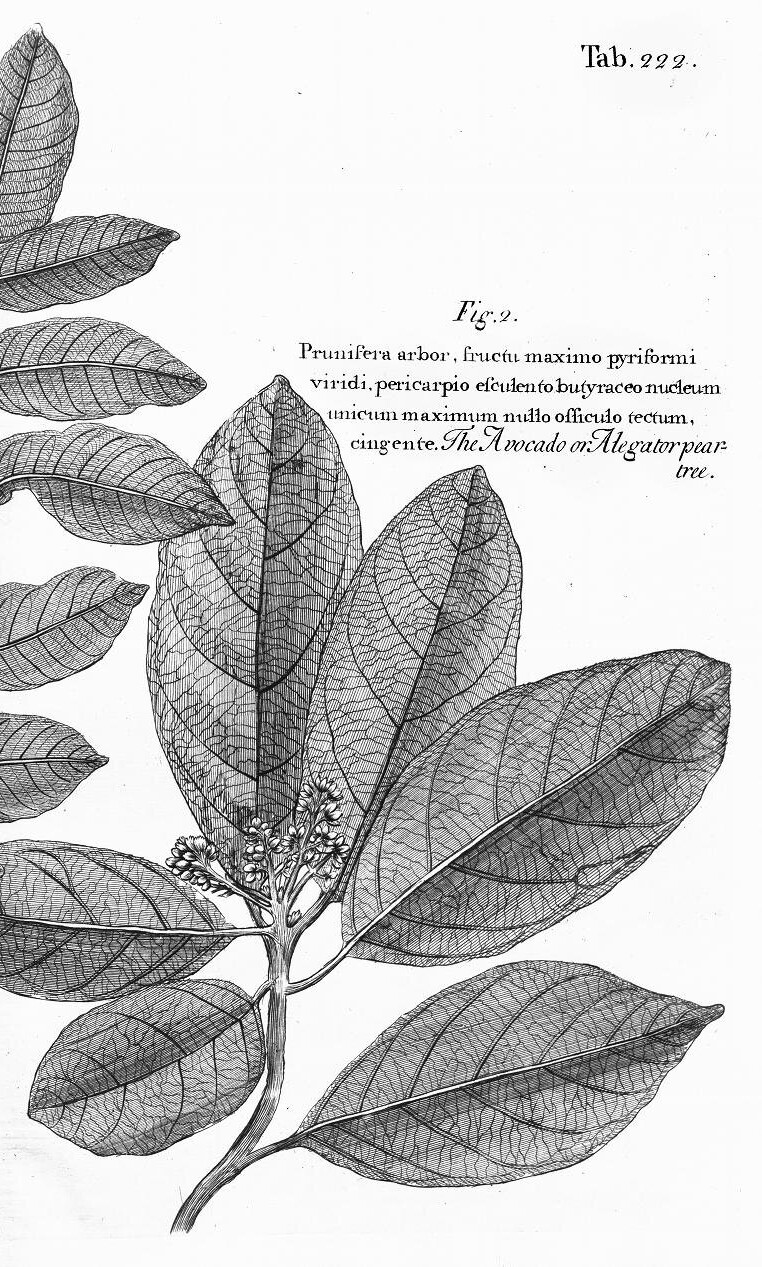
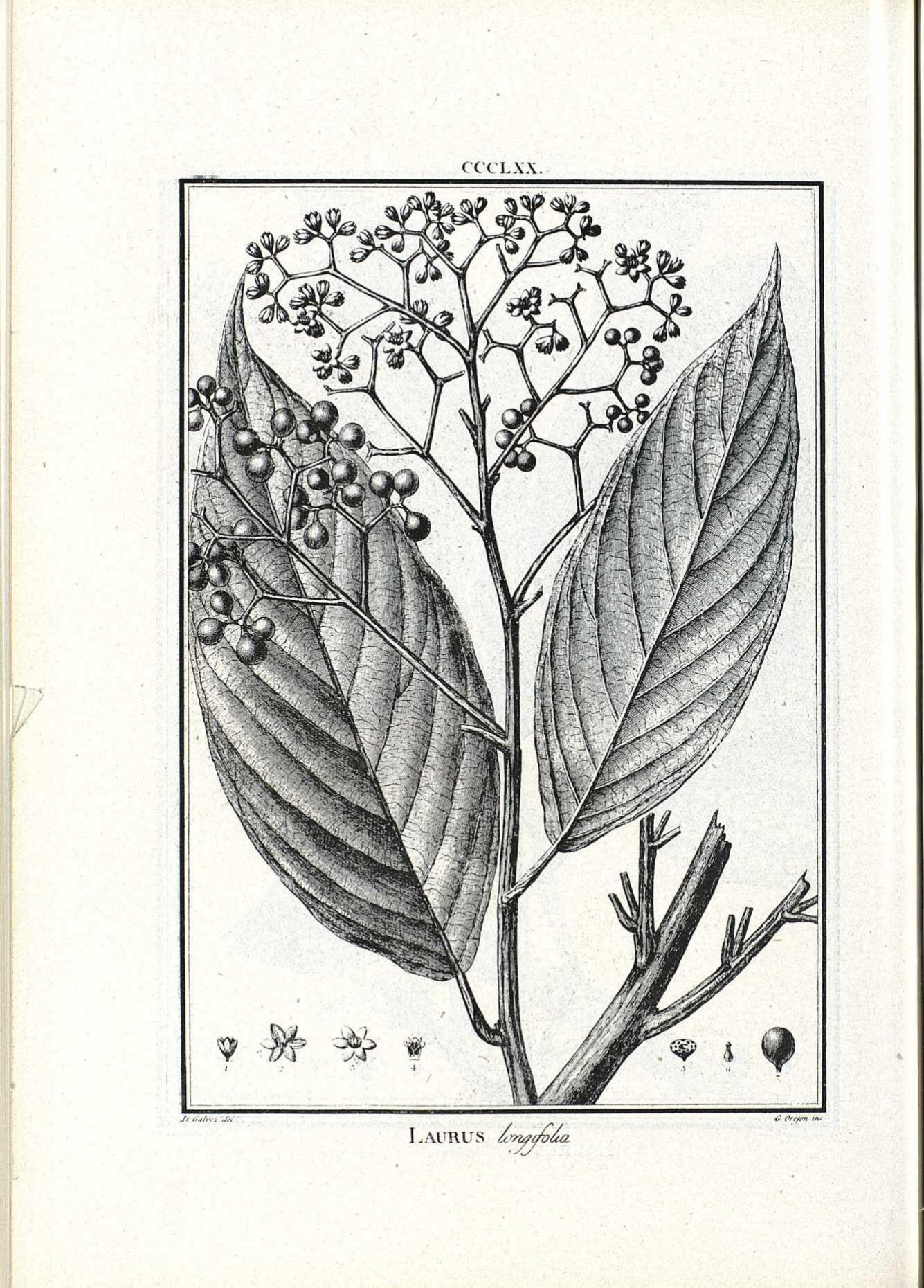
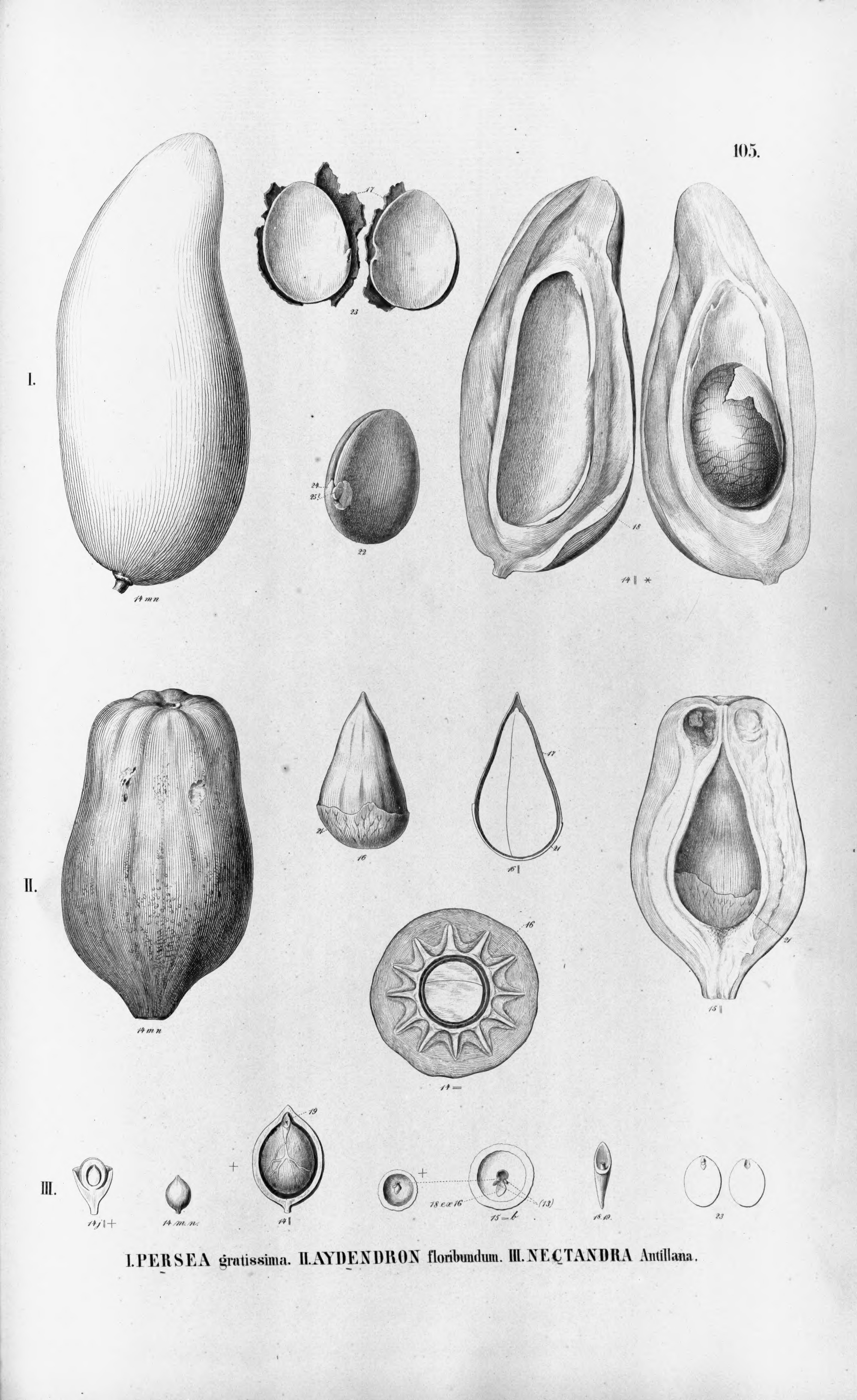
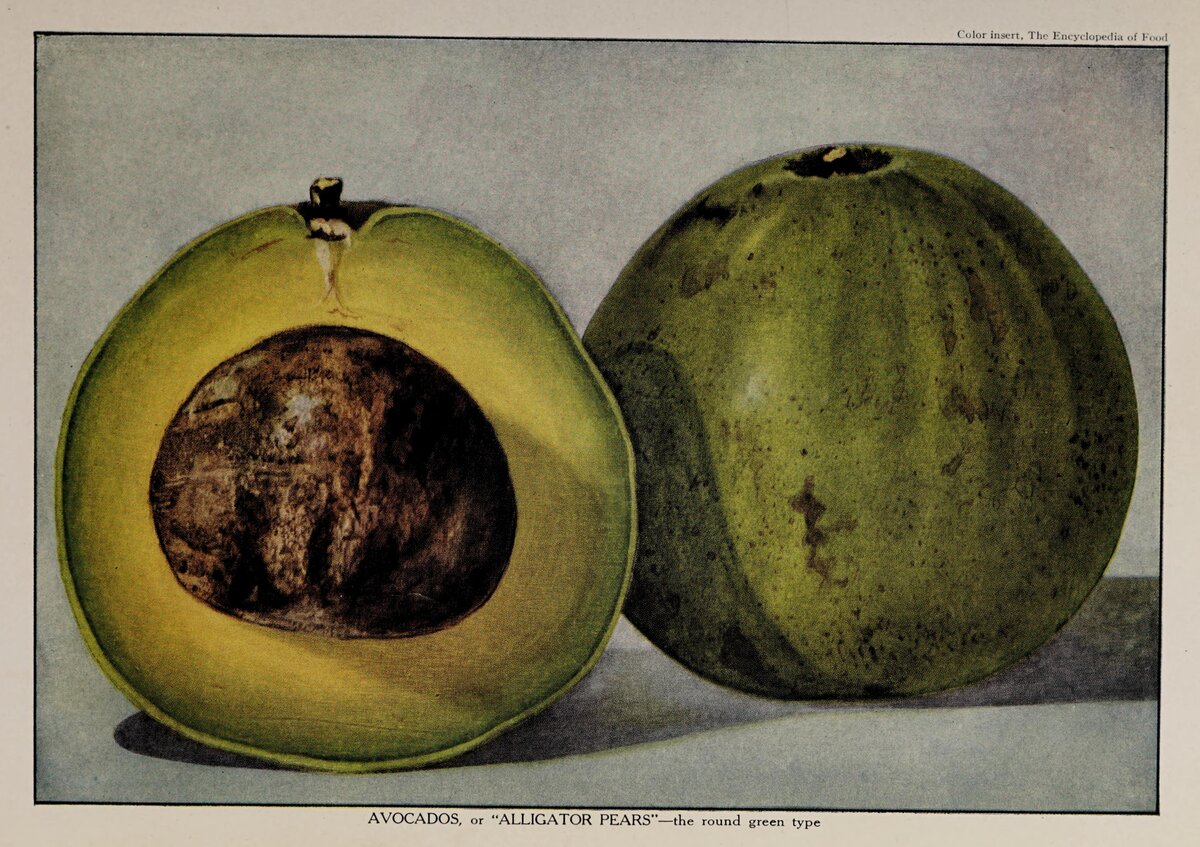
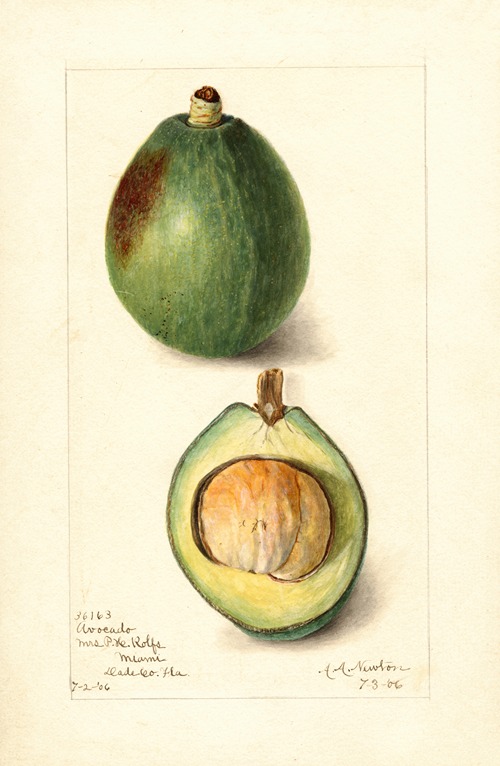
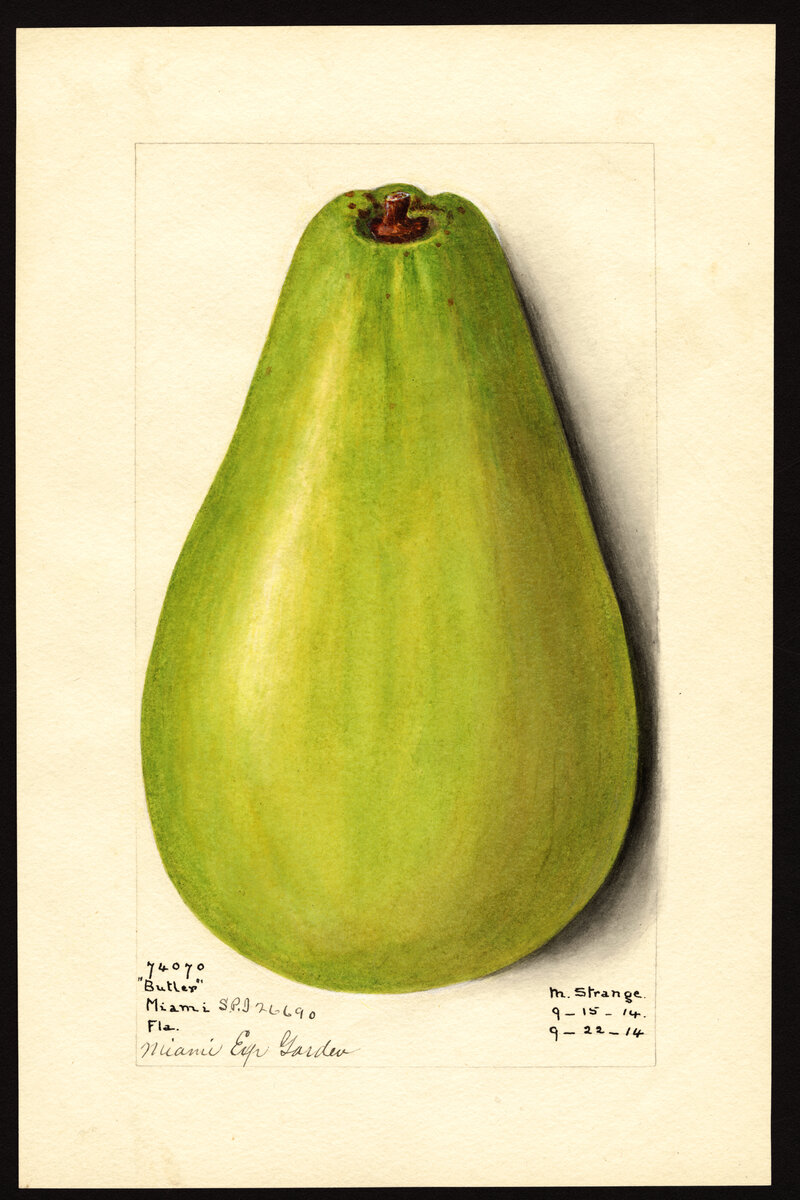
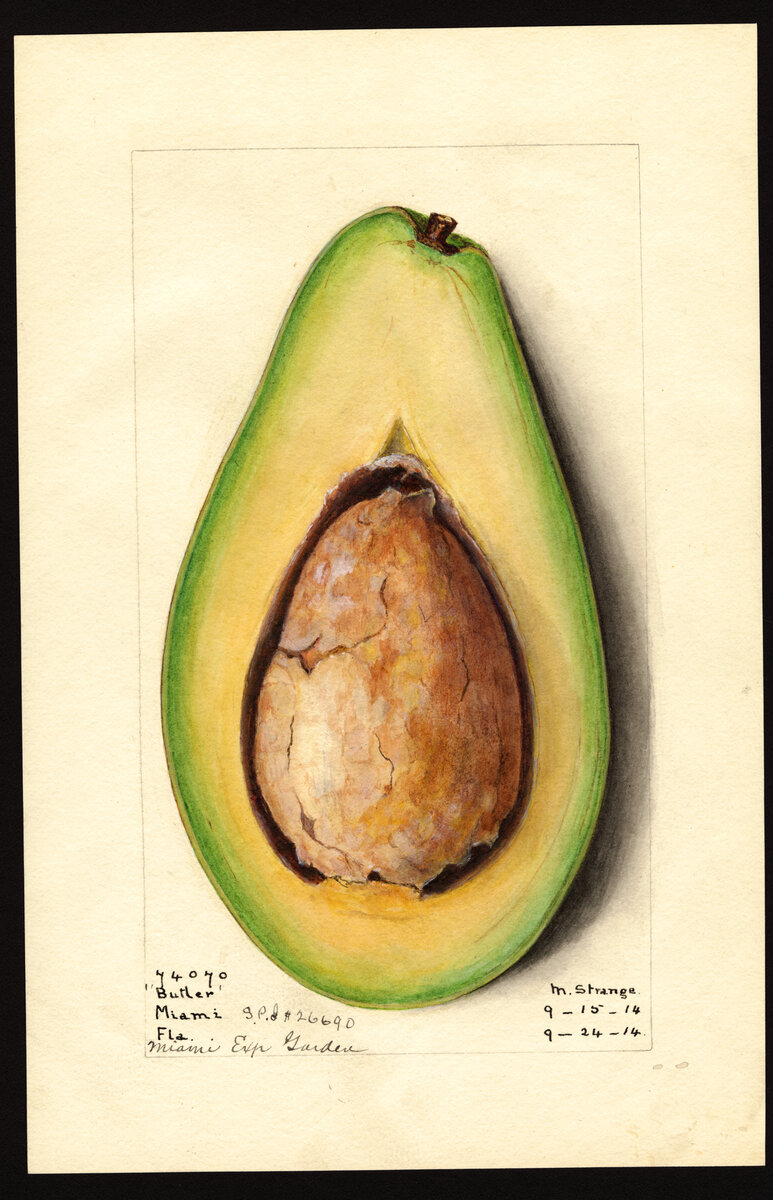
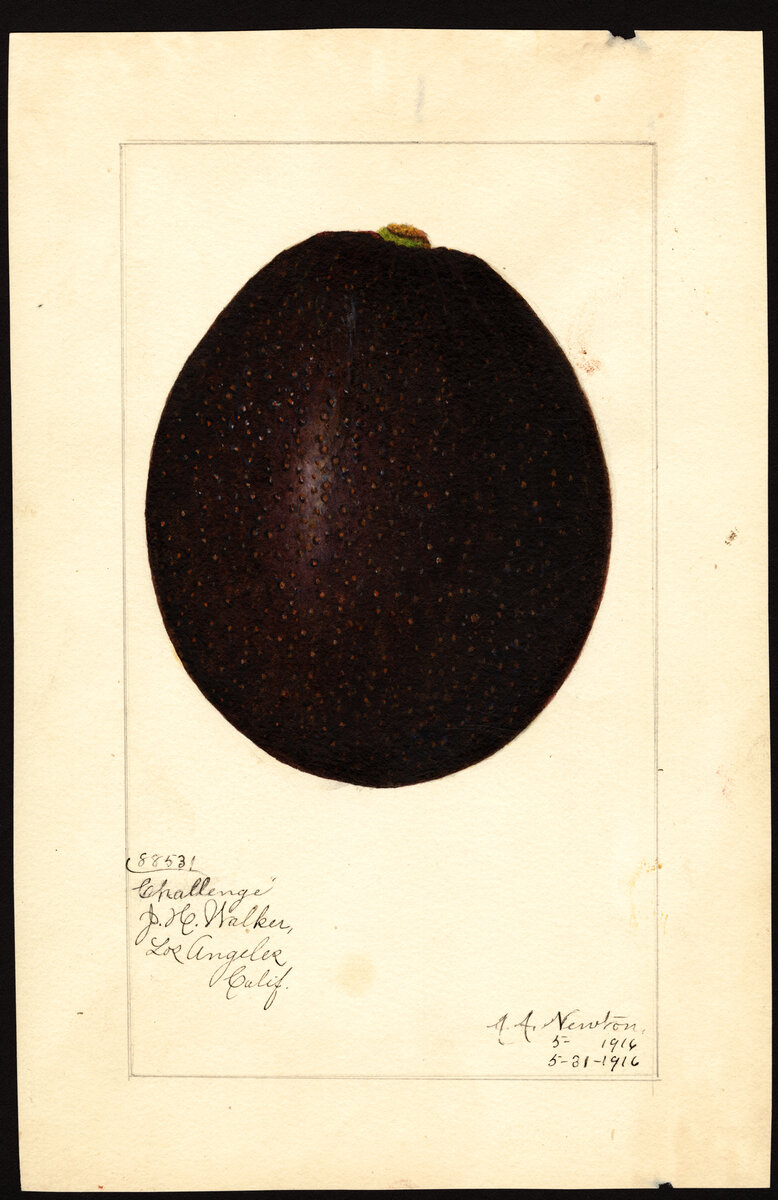
Sloane's 1725 illustration, designated as the lectotype 277 years after publication, represents one of the earliest detailed botanical renderings of the avocado. The plate shows characteristic features: alternate leaves, paniculate inflorescences, and pyriform fruits. As the type specimen for the species, this image holds permanent nomenclatural significance—it defines what botanists mean when they refer to Persea americana. The original resides at the Natural History Museum, London (BM-SL 000594115), available through the Biodiversity Heritage Library.
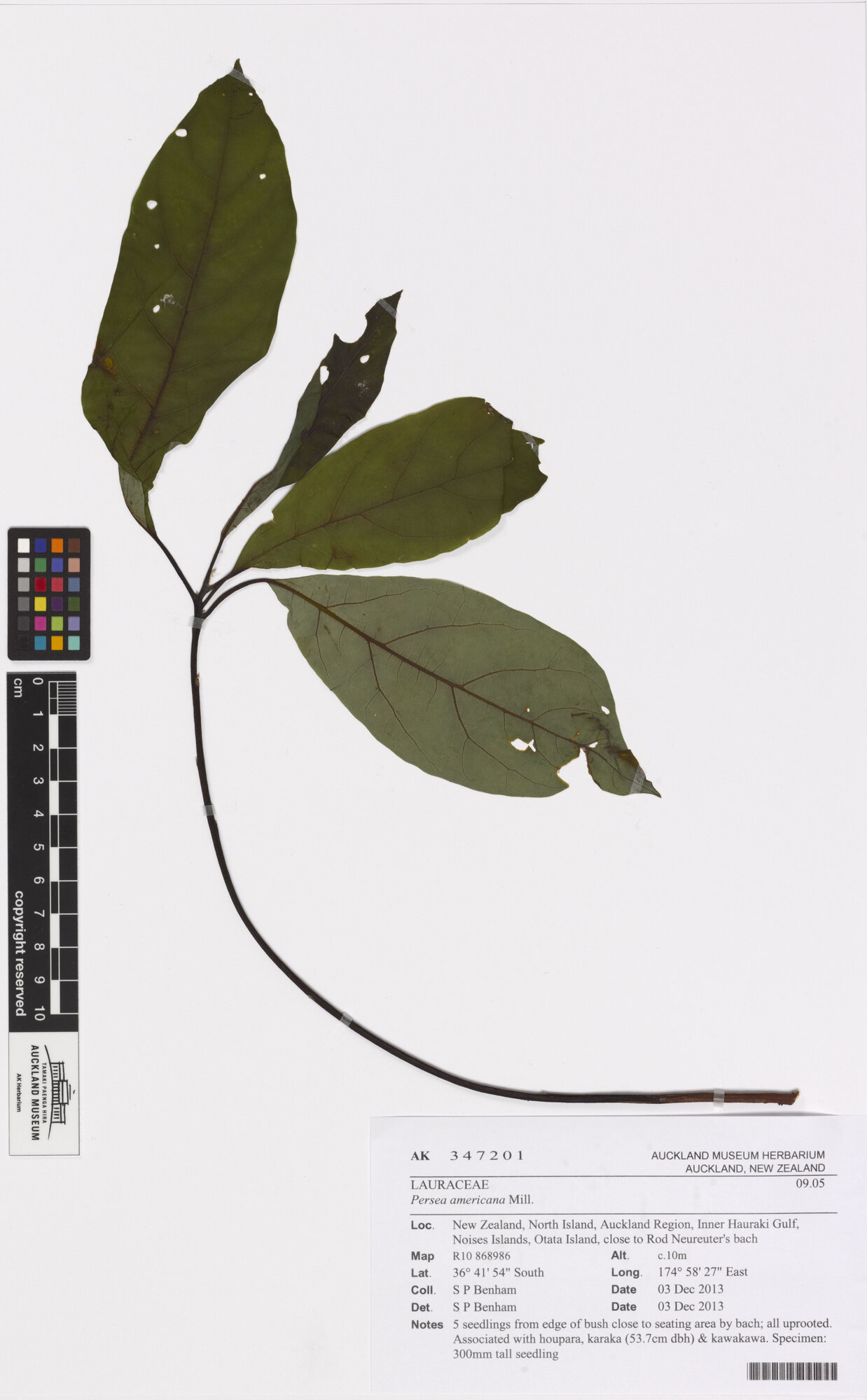
Later botanical works expanded on Sloane's documentation. Pierre Jean-François Turpin (1775-1840), considered one of the greatest French botanical illustrators of the 19th century, directed illustrations for Antoine Laurent de Jussieu's Dizionario delle Scienze Naturali (Dictionary of Natural Science), published in Florence in 1837. The avocado plate from this work, drawn by Turpin and engraved by Stanghi, shows the species with botanical precision characteristic of the period. Turpin had served as artist to the Museum of Natural History in Paris, and his work on the Jussieu dictionary established standards for systematic botanical illustration. Modern herbarium specimens from Kew (Royal Botanic Gardens), the New York Botanical Garden, and Missouri Botanical Garden preserve the morphological variation documented by these early illustrators.
The genus name Persea derives from Greek Perséa, used by Theophrastus around 320 BCE to refer to an Egyptian or Persian tree, likely Mimusops species. Miller applied this ancient Mediterranean name to an unrelated New World genus in 1754. The species epithet americana indicates American origin.
From its Mesoamerican center of origin, humans carried the avocado across oceans. The species now occurs on every inhabited continent, with established populations in more than 60 regions worldwide. The same pattern that saved the tree from megafaunal extinction—human cultivation stepping into an empty ecological role—repeated across the globe. Modern ubiquity reflects not botanical success but relationship success: the avocado exists in networks of dependency, first with extinct animals, then with humans, spreading wherever those relationships carried it.
Similar Species
Persea schiedeana Nees (Coyo avocado or Chinene) is the closest relative of P. americana and may represent its nearest living tertiary wild relative. This large evergreen tree reaches 15 to 50 meters in height—potentially exceeding even the tallest P. americana specimens—and occurs at 900 to 2,700 meters elevation throughout Central America from Colombia to Mexico. In Costa Rica, P. schiedeana grows in montane forests including the Monteverde region, where it occurs sympatrically with P. americana, raising questions about potential gene flow between these closely related species.
Fruits of P. schiedeana measure 5 to 10 centimeters in diameter and are characterized by a rich, nutty flavor—distinct from the mild, buttery taste of P. americana. The pulp is notably fibrous, a textural difference that clearly separates the two species even when other features overlap. The Flora Costaricensis key provides diagnostic floral characters: P. schiedeana has flowering pedicels 10 to 26 millimeters long and leaves densely ferruginous-tomentellous (rust-colored and finely hairy) beneath, while P. americana has much shorter flowering pedicels of 2 to 5 millimeters and leaves only sparsely puberulent beneath. This pedicel length difference—often a five-fold variation—offers a reliable field character for distinguishing the species even when fruits are absent.
Persea caerulea (Ruiz & Pavón) Mez occurs in Costa Rica at 300 to 2,000 meters elevation and is notable as the only Persea species with native populations in both South America (Bolivia, Peru, Ecuador, Colombia, Venezuela) and Central America (Panama to Honduras), besides P. americana itself. This disjunct distribution reflects ancient biogeographic patterns across the Neotropics.
Conservation Outlook
The IUCN Red List categorizes Persea americana as Least Concern, reflecting its widespread cultivation and extensive geographic range. As a species, the avocado faces no immediate extinction threat. But the conservation challenge operates at a different scale.
The 'Hass' cultivar represents approximately 80 percent of global avocado production. This single clonal variety has replaced diverse seedling avocados throughout Mesoamerica, narrowing the genetic base upon which future breeding and climate adaptation depend. Wild populations in native forests contain genetic variation shaped by 10,000 years of natural selection across diverse microclimates and elevational gradients.
These wild populations face habitat loss as montane forests convert to agriculture. They face Phytophthora cinnamomi root rot, an invasive fungus to which no natural immunity exists. And they face a fundamental biological challenge: avocado seeds are recalcitrant. They cannot survive long-term seed bank storage. Field conservation represents the only viable preservation strategy, but this approach is expensive and vulnerable to disease outbreaks.
The wild Costa Rican populations—variety costaricensis, the Monteverde types—hold genetic resources essential for breeding disease resistance, climate resilience, and fruit quality improvements into cultivated varieties. Protecting these populations requires protecting montane forest habitats and the ecological relationships that sustain them. The quetzal-avocado dispersal mutualism that operates in these elevational zones represents not just biological interest but practical necessity: without dispersers, without habitat, the genetic reservoir disappears.
The story that began when human cultivation saved the avocado from megafaunal extinction now risks a different ending. The tree that survived one evolutionary crisis by forming new relationships—with humans, with civilizations, with quetzals—faces a modern crisis of narrowing. What connects the two stories is the same: relationships. The avocado exists not as an isolated species but as a node in networks across time. Whether those networks remain diverse enough to sustain it depends on choices being made now about which forests to protect, which genetic resources to maintain, and whether the value of wild populations is recognized before they disappear.
Resources & Further Reading
Species Information
Plants of the World Online entry with distribution and synonymy.
Global occurrence records and specimen data.
Taxonomy & Nomenclature
Nomenclatural data and specimen records from Missouri Botanical Garden.
Biography of Philip Miller and the historical context of the avocado's botanical description.
Authoritative morphological treatment by W. Burger for Costa Rican Lauraceae including detailed keys and descriptions.
Related Reading
Popular science article on avocado's evolutionary anachronism and megafaunal dispersal.
Research on El Gigante rockshelter showing long-term human management of avocados.
Detailed account of the quetzal-avocado relationship in Costa Rican cloud forests.
Technical explanation of protogynous dichogamy and Type A/B flowering patterns.
Scientific review of avocado's biogeographic origins and varietal taxonomy.
Description of the distinct Costa Rican mountain avocado variety at 1,200-2,000 m.
Research on wild avocado populations in Monteverde cloud forests.
Biography of Hans Sloane whose Jamaica specimens formed the avocado lectotype.
Review of laboratory and animal studies on avocado's bioactive compounds.
Comprehensive horticultural and botanical reference.
Database entry with uses, cultivation, and distribution information.
Information on the primary avocado disperser in Costa Rican cloud forests.