Ira de Valerio
Ocotea valeriana — A cloud forest laurel from Costa Rica's highlands, named in honor of Juvenal Valerio Rodríguez, one of the country's pioneering botanists who helped document the remarkable flora of Central America.
In the misty cloud forests of Costa Rica's central highlands, where oaks tower above a canopy draped in mosses and bromeliads, grows a laurel that carries the name of one of the country's most dedicated botanical collectors. Ocotea valeriana honors Juvenal Valerio Rodríguez (1900-1971), a Costa Rican botanist who spent decades traversing the country's mountains and forests alongside the American botanist Paul Standley, together documenting hundreds of plant species for the Flora of Costa Rica.
The Lauraceae family, to which this species belongs, forms the backbone of fruit resources for cloud forest birds. Quetzals, bellbirds, toucans, and guans depend on the lipid-rich drupes of Ocotea and related genera to survive the cool highland seasons. While O. valeriana remains one of the less-studied members of this diverse genus, its presence in Costa Rica's montane forests places it within one of the most ecologically important plant families in the Neotropics.
Identification
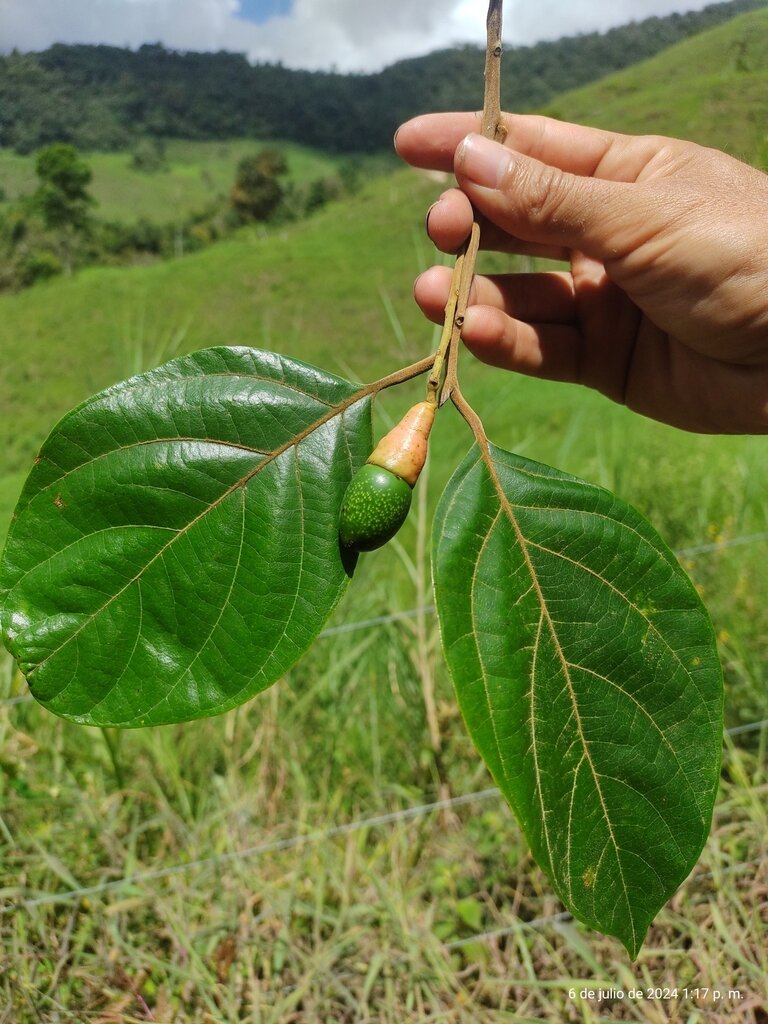
Like most members of the Ocotea genus, O. valeriana presents a challenge for field identification. The Lauraceae family is notoriously difficult, with many species distinguished only by subtle differences in leaf venation, pubescence, or floral structure. The genus Ocotea alone contains 300-400 species in the American tropics, making it the largest genus of Lauraceae in Mesoamerica with 102 species. What we know of O. valeriana comes primarily from herbarium specimens and the original botanical descriptions.
Leaves
The leaves are simple and alternate, with a dark green, glossy upper surface and lighter brown undersides. This two-toned appearance is characteristic of many cloud forest Lauraceae, where the contrast between surfaces can help with identification. The leaves contain aromatic oil cells typical of the laurel family, releasing subtle fragrances when crushed that hint at the family's kinship with cinnamon, camphor, and avocado.
Flowers and Fruits
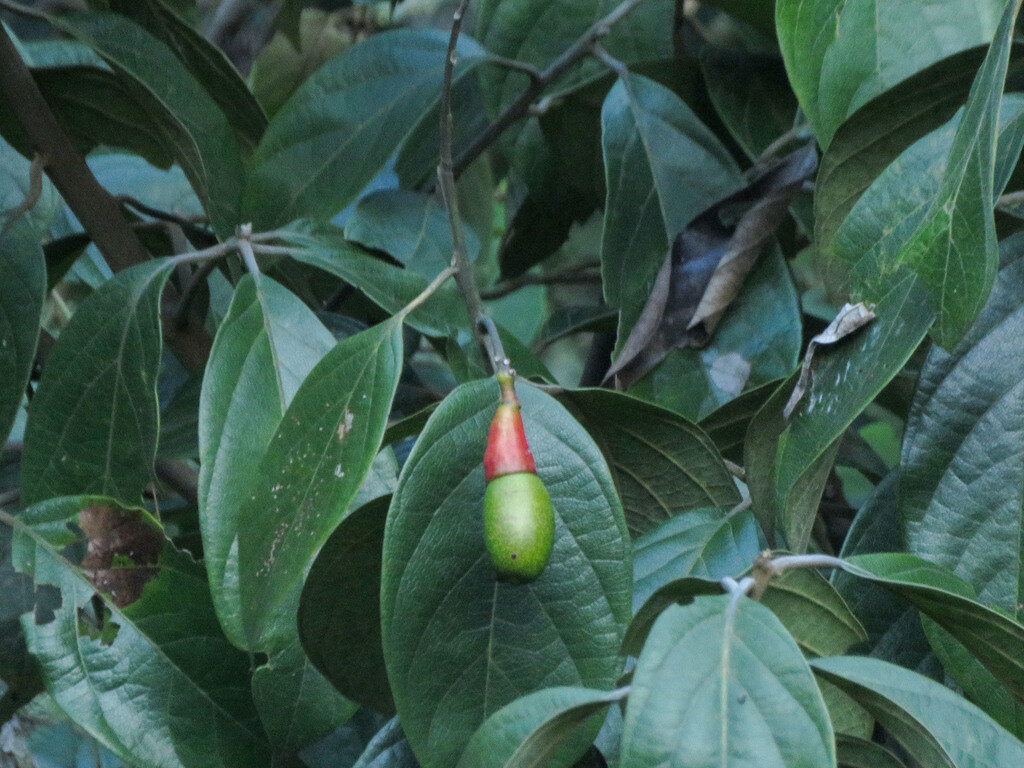
The flowers are hermaphroditic (bisexual), a trait that distinguishes some Ocotea species from their dioecious relatives in the genus. Like other Lauraceae, the species produces drupes, single-seeded fruits with a fleshy outer layer rich in lipids. These energy-dense fruits are the currency of cloud forest ecology, sustaining the diverse community of frugivorous birds that depends on the laurel family for survival.
Essential Oil Chemistry
Research at Monteverde analyzed the leaf essential oils of ten Ocotea species, including O. valeriana. A total of 91 compounds were identified across the species, accounting for 93.8 to 100 percent of the total essential oil compositions. The principal common constituents were the monoterpenes α-pinene and β-pinene, and the sesquiterpenes β-caryophyllene and germacrene-D. These compounds are characteristic of the genus and contribute to the aromatic properties of Lauraceae leaves.
These essential oils have been screened for potential medical applications. Researchers tested the leaf oils against cruzain, a cysteine protease from Trypanosoma cruzi, the parasitic protozoan that causes Chagas disease. Of the ten Ocotea species tested, O. valeriana showed moderate inhibitory activity (IC₅₀ 100-200 µg/mL), along with O. floribunda and O. tonduzii. While the whole essential oils showed only moderate activity, individual sesquiterpene compounds like β-caryophyllene and germacrene-D were more potent (IC₅₀ ~5-30 µg/mL), suggesting these compounds merit further investigation as potential anti-parasitic agents.
Taxonomy
A Botanical Journey Through Three Genera
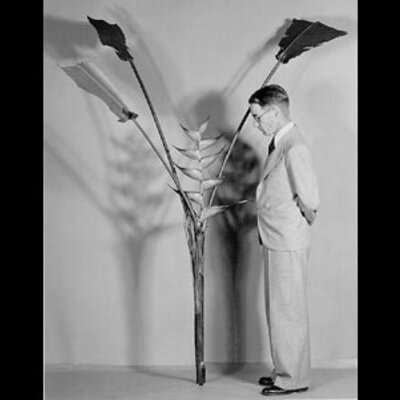
The taxonomic history of Ocotea valeriana reflects the complexity of Lauraceae classification. The species was first described in 1937 by Paul Carpenter Standley as Phoebe valeriana, published in the Field Museum's Botanical Series. The holotype is held at the Field Museum of Natural History in Chicago (F), with an isotype at the National Herbarium of Costa Rica (CR). Standley chose the epithet to honor his Costa Rican colleague Juvenal Valerio Rodríguez, who had accompanied him on countless collecting expeditions and would later have 19 plant species named in his honor.
In 1945, the American botanist Caroline Kathryn Allen, a specialist in Lauraceae at the Arnold Arboretum and later the New York Botanical Garden, described what she believed to be a new species as Nectandra austinii. Allen spent her career studying the laurel family and described over 275 species. In 1961, the Dutch botanist André Joseph Guillaume Henri Kostermans transferred both Phoebe valeriana and related taxa to Cinnamomum in his publication "The New World Species of Cinnamomum" in the journal Reinwardtia, reflecting debates about generic boundaries in the Lauraceae.
Finally, in 1990, Henk van der Werff published the current combination Ocotea valeriana in his treatment of Lauraceae for the Flora Costaricensis (Fieldiana Botany, New Series, volume 23). Van der Werff, affiliated with the Missouri Botanical Garden, has conducted extensive revisionary work on Ocotea across Central America, South America, Madagascar, and the Comoro Islands. His 2002 "Synopsis of Ocotea (Lauraceae) in Central America and Southern Mexico" remains a key reference for the genus.
The Type Specimen
The type specimen was collected in February 1898 by Adolphe Tonduz (specimen number 11746) from El Copey, a highland village in San José Province at the edge of the Cordillera de Talamanca. El Copey sits at approximately 1,765 meters elevation in the cloud forest zone, and the locality has proven so botanically significant that another species, the massive Copey Oak (Quercus copeyensis), was named after it by C.H. Muller in 1942. These cloud forests harbor some of Costa Rica's most distinctive highland flora.
The Collectors
Adolphe Tonduz: Switzerland to the Cloud Forests
Adolphe Tonduz (1862-1921) was a Swiss botanist who collected the type specimen of Ocotea valeriana during what would become one of the most productive periods in Costa Rican botanical history. Tonduz arrived in Costa Rica in 1889 and worked there until 1920, making him one of the most significant botanical collectors in the country's history. He served as director of the National Herbarium of Costa Rica, which had been founded in 1887 under Henri Pittier, and later worked as curator at the Instituto Físico-Geográfico Nacional and the National Museum.
Together with Henri Pittier, Tonduz made botanical collections from 1887 to 1904 that resulted in the Primitiae Florae Costaricensis, published between 1891 and 1901. A large number of new orchid species were found among his collections, most of which were published by the German taxonomist Rudolf Schlechter between 1906 and 1923. Tragically, the type specimens of most of these orchid species were lost during a fire in the Berlin herbarium in 1943. In 2016, the Museo Nacional de Costa Rica published "Adolphe Tonduz y la época de oro de la botánica en Costa Rica" documenting his contributions.
Paul Standley: A Phenomenal Memory
Paul Carpenter Standley (1884-1963) was the American botanist who formally described Phoebe valeriana in 1937. In 1928, Standley took a position at the Field Museum of Natural History in Chicago, where he worked until 1950. Among his many publications are The Flora of the Lancetilla Valley (Honduras), The Flora of Costa Rica, The Rubiaceae of Colombia, and treatments for Ecuador, Bolivia, and Venezuela. In 1938 he began The Flora of Guatemala.
Standley's many achievements, together with what colleagues described as a phenomenal memory that allowed him to identify on sight an estimated 20,000 species from Mexico and Central America, earned him an enduring place in the history of American botany. Since Standley frequently did not make duplicate specimens, many of his collections at the Field Museum are unique within United States herbaria. Today, the Field Museum manages the fifth largest herbarium in the Western Hemisphere, with approximately 3 million specimens including 98,000 type specimens.
The Botanist: Juvenal Valerio Rodríguez
Juvenal Valerio Rodríguez (1900-1971) was one of Costa Rica's pioneering field botanists, a tireless collector who spent decades traversing the country's forests, mountains, and valleys in search of plant specimens. A teacher of sciences who graduated as a "maestro normalista" in 1920, Valerio worked together with Paul Standley collecting specimens for the publication of Flora de Costa Rica. His partnership with Standley proved particularly fruitful, with Standley often naming new species in Valerio's honor. In total, 19 plants were named for Valerio, positioning Costa Rican species in world botany that had not yet been known.
Valerio directed the chair of Natural Sciences at the Instituto de Alajuela, where he founded the Natural History Laboratory. He also served as director of the Museo Nacional, worked at the Instituto Interamericano de Ciencias Agrícolas, and taught at the Universidad de Costa Rica. In his later years, Valerio turned his attention to ethnobotany, studying the relationships between plants and the indigenous and rural communities of Costa Rica. This shift reflected a growing recognition that botanical knowledge resided not only in herbarium sheets and scientific publications, but also in the accumulated wisdom of people who had lived alongside these plants for generations.
Today, the Herbario Juvenal Valerio Rodríguez at the Universidad Nacional in Heredia bears his name and continues his legacy. Registered in the Index Herbariorum with the acronym JVR, the herbarium began operations in 1975 under botanist Luis Poveda Álvarez. It grew from duplicate specimens Poveda had gathered with Dr. Leslie Holdridge while researching plants with potential cancer-fighting properties. The herbarium now houses approximately 17,000 botanical specimens, with a particular focus on trees and shrubs of forestry importance. The early phase of the Herbarium Paul C. Standley at Zamorano, Honduras was also led by Juvenal Valerio Rodríguez, with Valerio and his students contributing the first 5,000 specimens.
Distribution and Habitat
Ocotea valeriana inhabits the montane and cloud forests of Central and South America, from Costa Rica through Panama and Colombia to northern Ecuador. The type specimen was collected at El Copey in the Cordillera de Talamanca, and the species has been documented from La Amistad International Park (PILA), the transboundary reserve that protects one of the largest continuous blocks of cloud forest in Central America.
A 2017 checklist of vascular plants for La Amistad International Park, published in Phytotaxa, recognized 3,046 species across the 401,000-hectare reserve. Of the twenty most species-rich families in PILA, ten are predominantly herbaceous, four are predominantly shrubby, and a single family, Lauraceae, is predominantly composed of tree species. The study found that Clusiaceae, Lauraceae, and Rubiaceae are of greatest ecological importance in the park. Over 30 percent of the ecoregion's plant species and over 50 percent of the high mountain flora are considered endemic to the Talamancan montane forests.
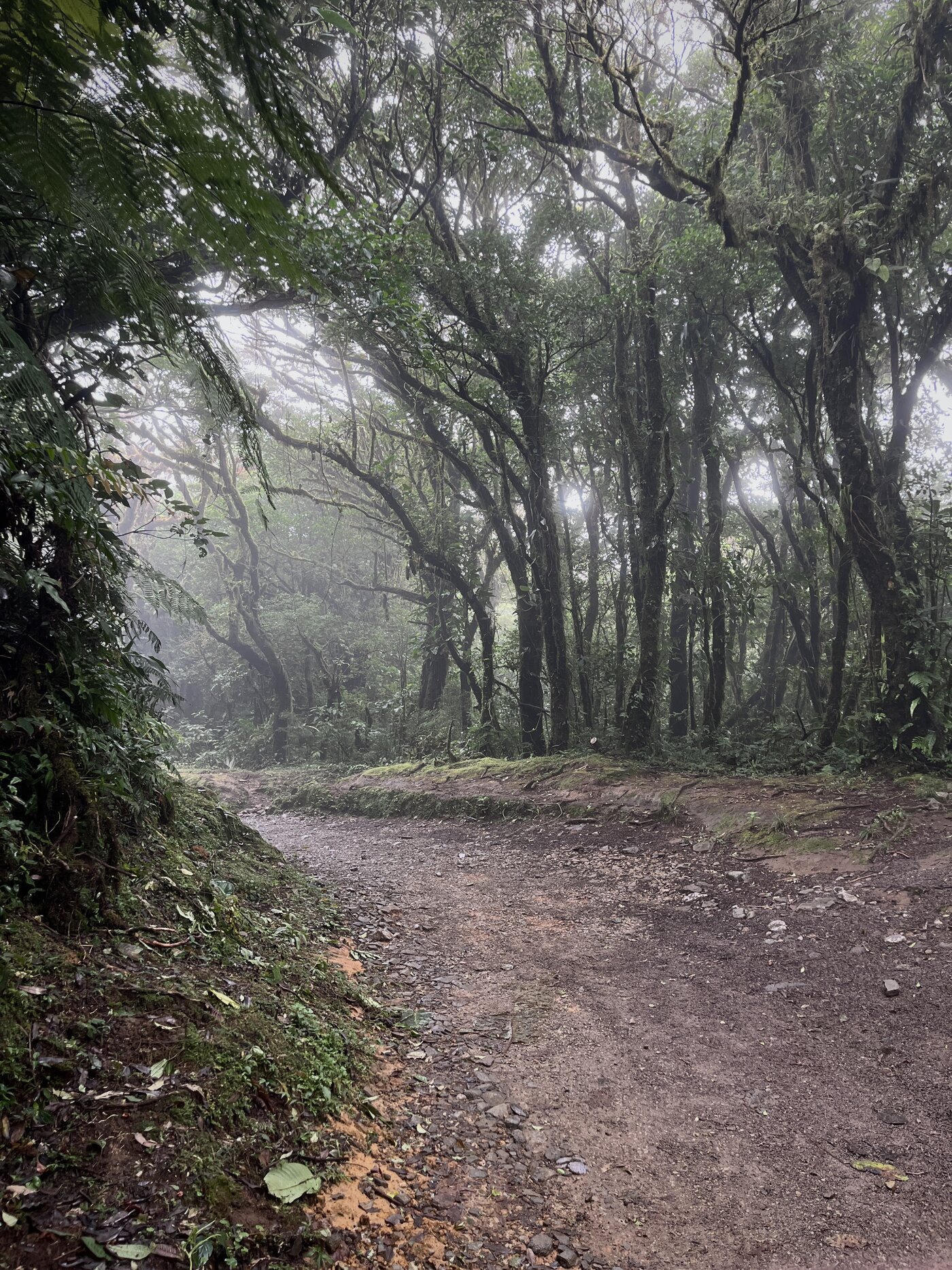
The species occurs above 1,000 meters elevation, in the cool, mist-shrouded forests where Lauraceae reach their greatest diversity in Costa Rica. These forests are dominated by oaks, particularly Quercus costaricensis and Quercus copeyensis, with laurels like Ocotea, Persea, and Nectandra forming a significant component of the canopy and understory. The constant humidity, cool temperatures, and rich organic soils create ideal conditions for epiphytes, and the trees are often draped in mosses, ferns, and bromeliads.
Ecology
The Lauraceae-Frugivore Connection
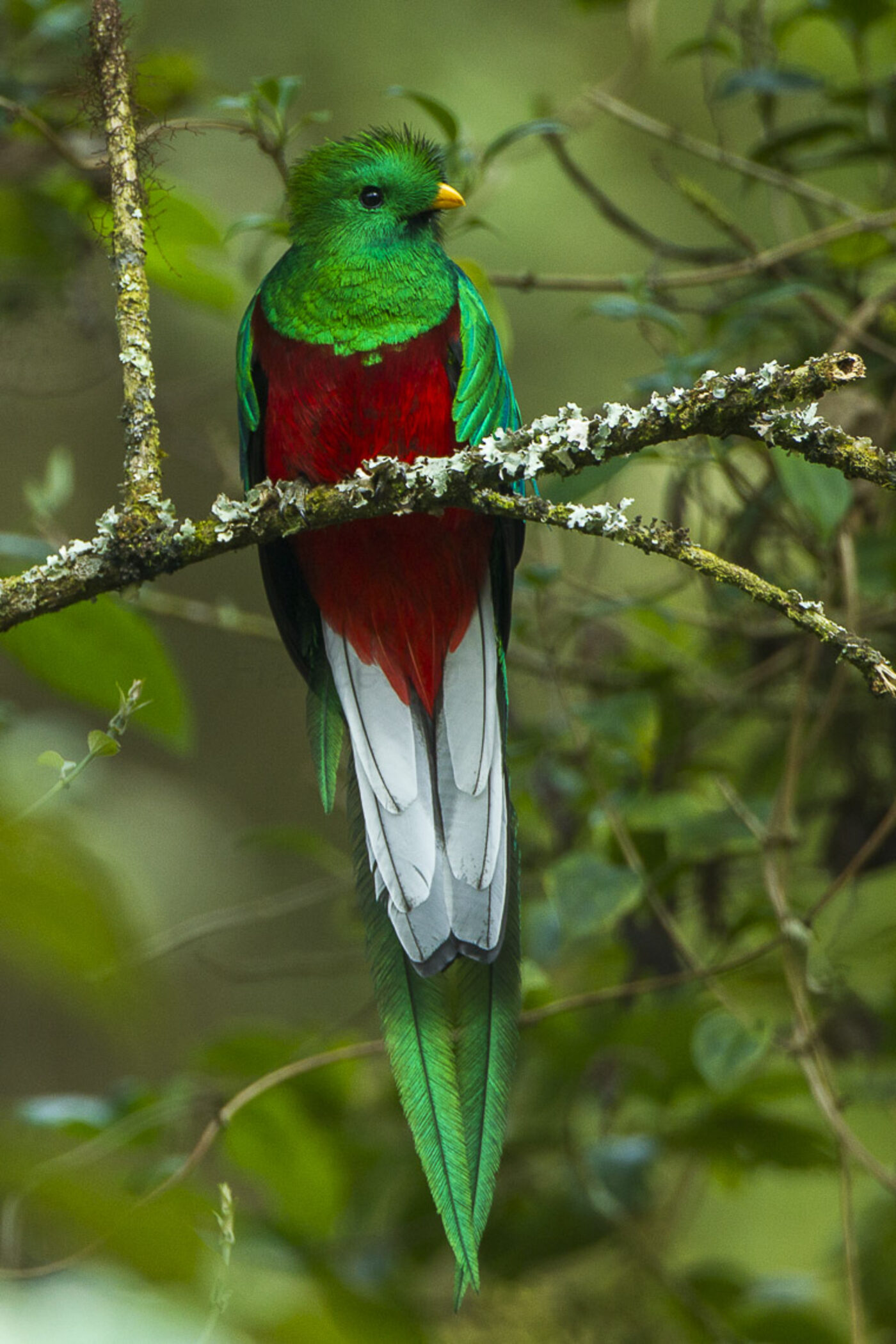
While specific ecological studies of O. valeriana are lacking, the species belongs to a family whose ecological importance in cloud forests is well documented. Research at Monteverde and other Costa Rican cloud forests has revealed that Lauraceae fruits constitute the majority of the diet of Resplendent Quetzals and Three-wattled Bellbirds during fruiting season. These birds have co-evolved with the laurels, their gape size matching the dimensions of Lauraceae fruits, their digestive systems adapted to extract maximum nutrition from the lipid-rich flesh while passing the large seeds intact.
The birds provide a crucial service in return: seed dispersal. Unlike small seeds that pass quickly through a bird's gut, the large seeds of Ocotea species are regurgitated after the flesh is digested. During this time, the bird may have flown to a new location. Research has shown that bellbirds preferentially perch in forest gaps and along edges, depositing seeds in precisely the light conditions where Lauraceae seedlings have the best chance of survival.
Conservation
The IUCN lists Ocotea valeriana as Least Concern, indicating that the species is not currently facing a significant threat of extinction. However, this assessment reflects broad geographic distribution rather than local abundance. Cloud forests throughout Central America face ongoing pressures from agricultural expansion, climate change, and habitat fragmentation.
Portions of the species' range fall within protected areas. La Amistad International Park, a UNESCO World Heritage Site that spans the Costa Rica-Panama border, was created in Costa Rica through Executive Decree #13324-A in 1982 and declared a World Heritage Site in 1983. The Panamanian component was created in 1988, and in 1990 Panama's La Amistad National Park was inscribed as an extension, forming one of the first transboundary World Heritage properties. These reserves protect not only individual tree species but the entire ecological web of relationships between plants, birds, and other organisms that has evolved over millions of years in Central America's cloud forests.
Resources & Further Reading
Species Information
Authoritative taxonomic information including synonyms, native range, and nomenclatural details.
Species entry in the Flora Costaricensis database with nomenclatural information.
Specialized database for the laurel family with taxonomic and distribution information.
Community observations and photographs from across the species' range.
Essential Oil & Chemical Research
Key study analyzing the chemical composition of O. valeriana and nine other Ocotea species, identifying 91 compounds including α-pinene, β-pinene, β-caryophyllene, and germacrene-D.
Study screening 23 Lauraceae essential oils from Monteverde for anti-Chagas disease activity via cruzain inhibition.
Herbarium and Legacy
The herbarium named in honor of Juvenal Valerio Rodríguez, housing approximately 17,000 botanical specimens.
2022 commemorative postage stamp emission honoring Juvenal Valerio Rodríguez and Esther Castro Meléndez.
Book documenting the contributions of Adolphe Tonduz, collector of the O. valeriana type specimen.
History of the Field Museum herbarium where Paul Standley worked and the holotype is deposited.
Flora and Ecology
Comprehensive checklist recognizing 3,046 species, noting Lauraceae as one of the most ecologically important families.
Original publication where Phoebe valeriana was first described, available digitally.
The Flora Costaricensis treatment where Ocotea valeriana was formally established.
Landmark study documenting how Three-wattled Bellbirds disperse Ocotea seeds to favorable microsites.
Accessible overview of the ecological relationship between Ocotea trees and frugivorous birds.