Quizarrá Patula
Ocotea patula — An endemic Lauraceae from the Fila Costeña whose gold-felted twigs, spreading tepals, and unknown fruits hint at a story still unfolding in Costa Rica’s cloud-kissed Pacific foothills.
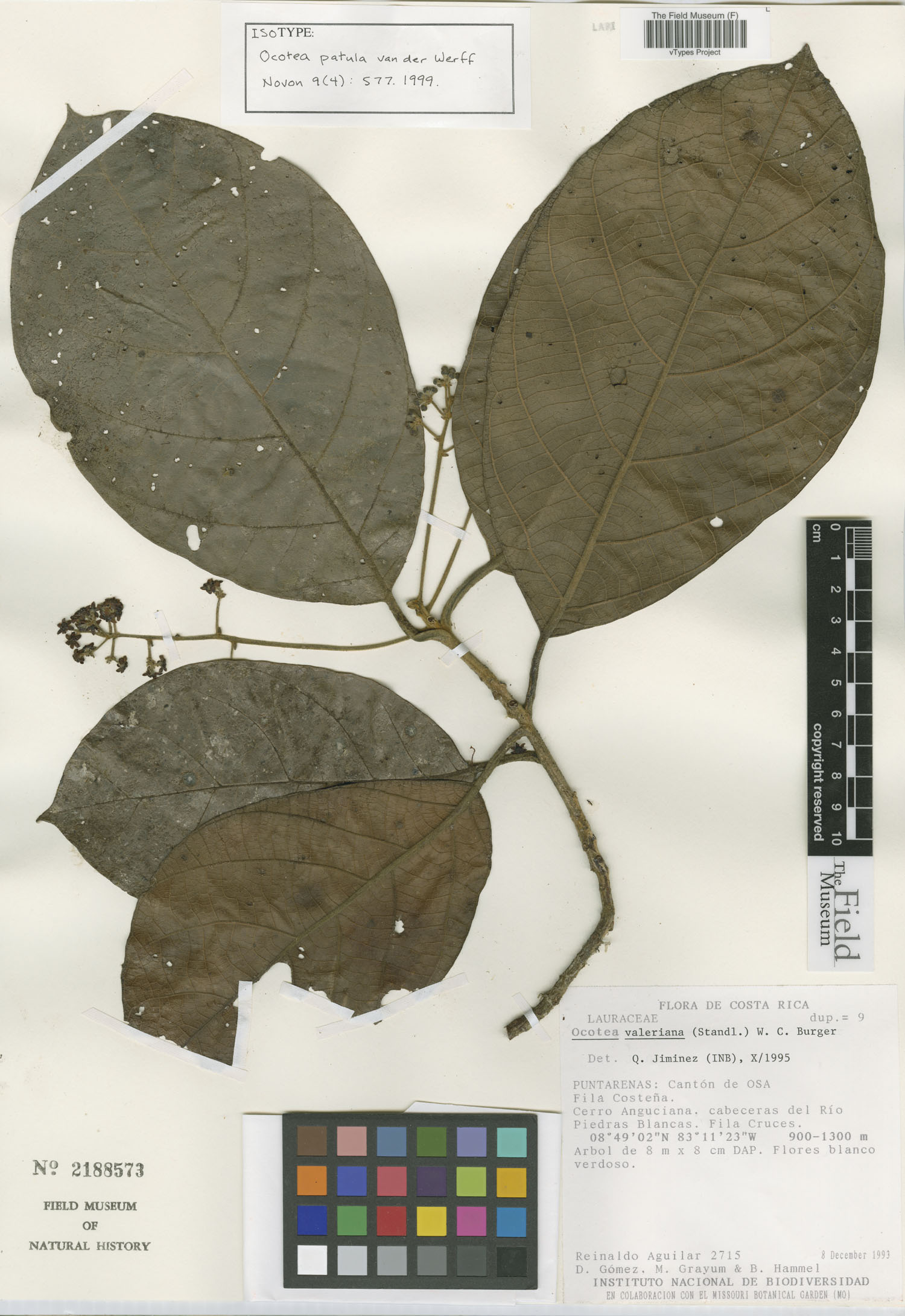
Described by Henk van der Werff in 1999, Ocotea patula honors the spreading (patent) tepals that distinguish its flowers. All confirmed specimens come from Cerro Anguciana in the southern Fila Costeña, a ridge that catches Pacific trade winds roughly 900–1,000 meters above Dominical. No fruits have ever been collected, so the species remains poorly known to science despite occurring within driving distance of coastal towns.
Range
The only verified Costa Rican collections are from the Cerro Anguciana massif in the southern Fila Costeña, roughly 30 kilometers inland from Dominical. The ridge forms a climatic bridge between the coastal lowlands and the Talamanca highlands, catching Pacific moisture that keeps forests dripping even in the dry season. No populations are known from Panama or elsewhere, making the species truly micro-endemic.
Identification
Leaves are broadly elliptic, 12–24 × 9–14 cm, with rounded to shortly acuminate tips. They are sparsely pubescent above, more noticeably pubescent beneath, and lack domatia. Petioles are long for a low tree (1.7–2.6 cm). Secondary veins number 7–8 per side. Twigs, inflorescences, and the outer surfaces of the tepals carry dense golden to tawny tomentum, giving branches a warm glow in the understory. Flowers are about 7 mm across, with 2.5 mm tepals that spread outward or even reflex—hence the name “patula.” The outer stamen valves are very broad, another clue that sets the species apart from other Fila Costeña Lauraceae. Fruits and cupules remain unknown, so botanists are eager for any photographic or physical evidence.
Seasonal Notes
The only flowering collection (Hammel et al. 19217) was made in December, just as Pacific trade winds push clouds upslope along the Fila Costeña. That suggests the tree may bloom at the start of the dry season when pollinators roam the ridge. Without fruiting data, the rest of the phenology remains a mystery.
Wildlife Connections
Mid-elevation Lauraceae such as O. patula bridge the diets of lowland and cloud-forest frugivores. Yellow-throated Toucans (Ramphastos ambiguus), Fiery-billed Aracaris (Pteroglossus frantzii), Scarlet Macaws (Ara macao), Three-wattled Bellbirds (Procnias tricarunculatus), and troops of white-faced capuchins explore the Fila Costeña ridges whenever Lauraceae are in fruit. Even though the fruits of O. patula are unknown, closely related foothill Ocoteas show that these birds and mammals swallow the drupes whole and disperse seeds along the coastal cordilleras.
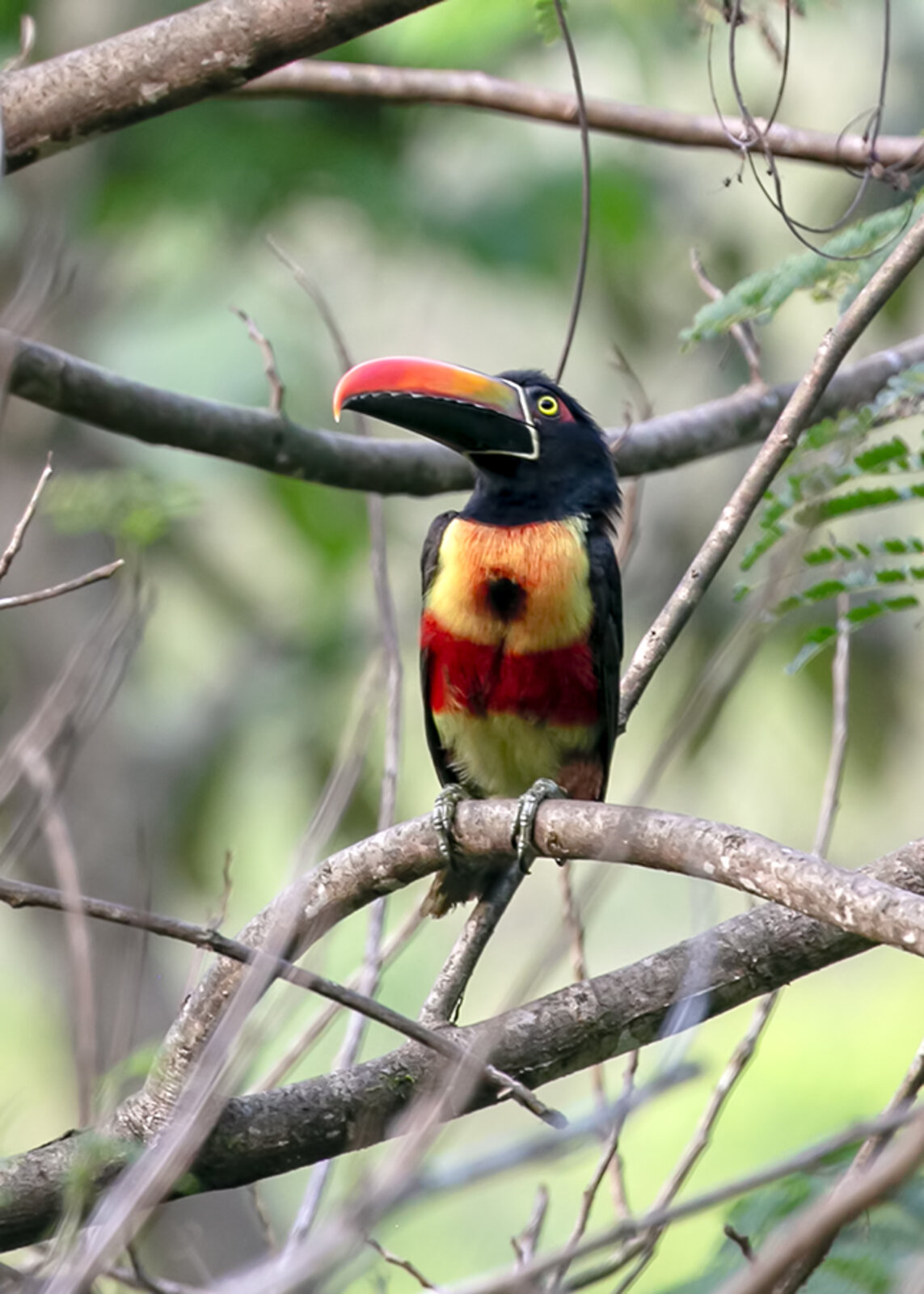
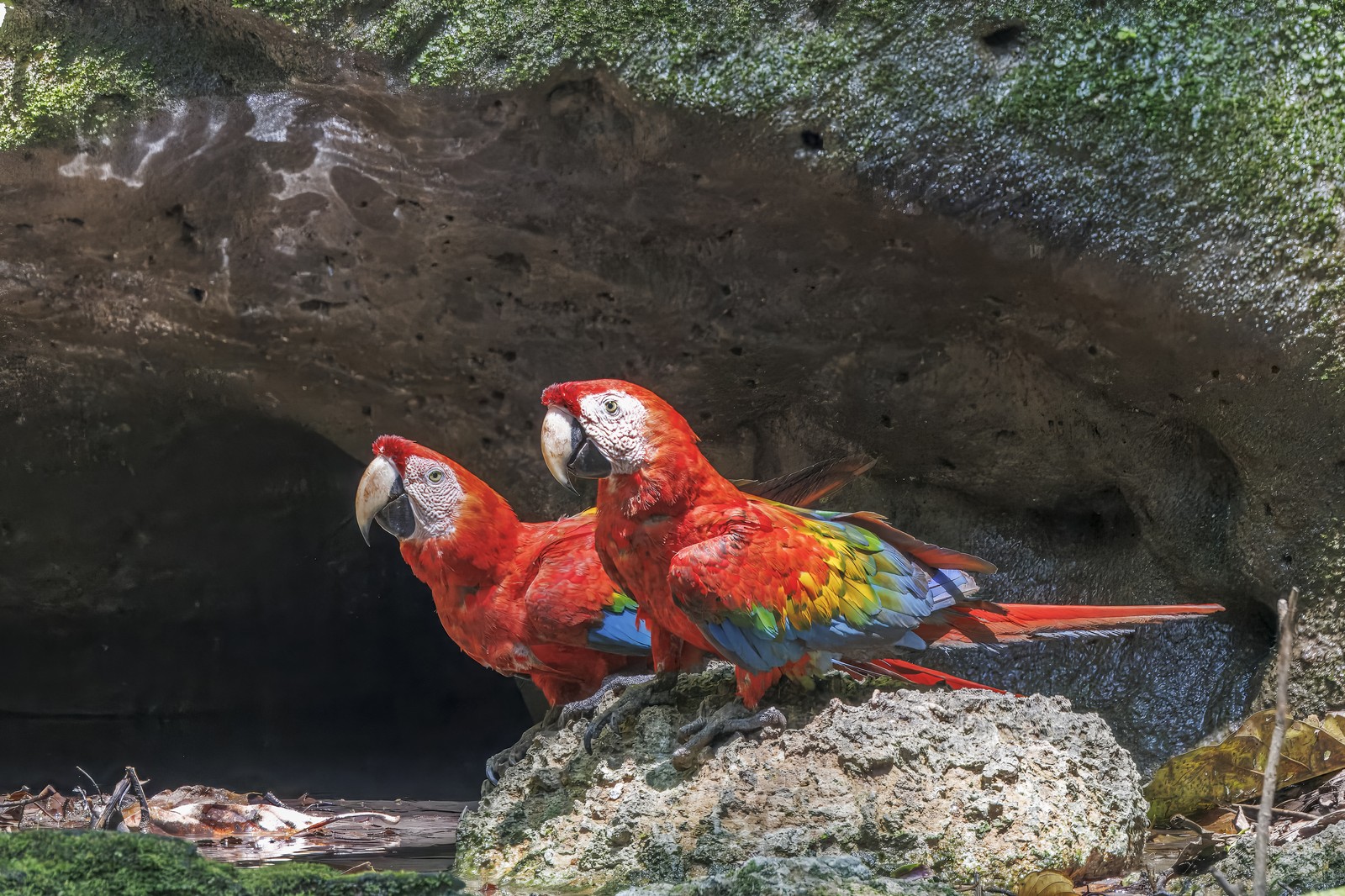
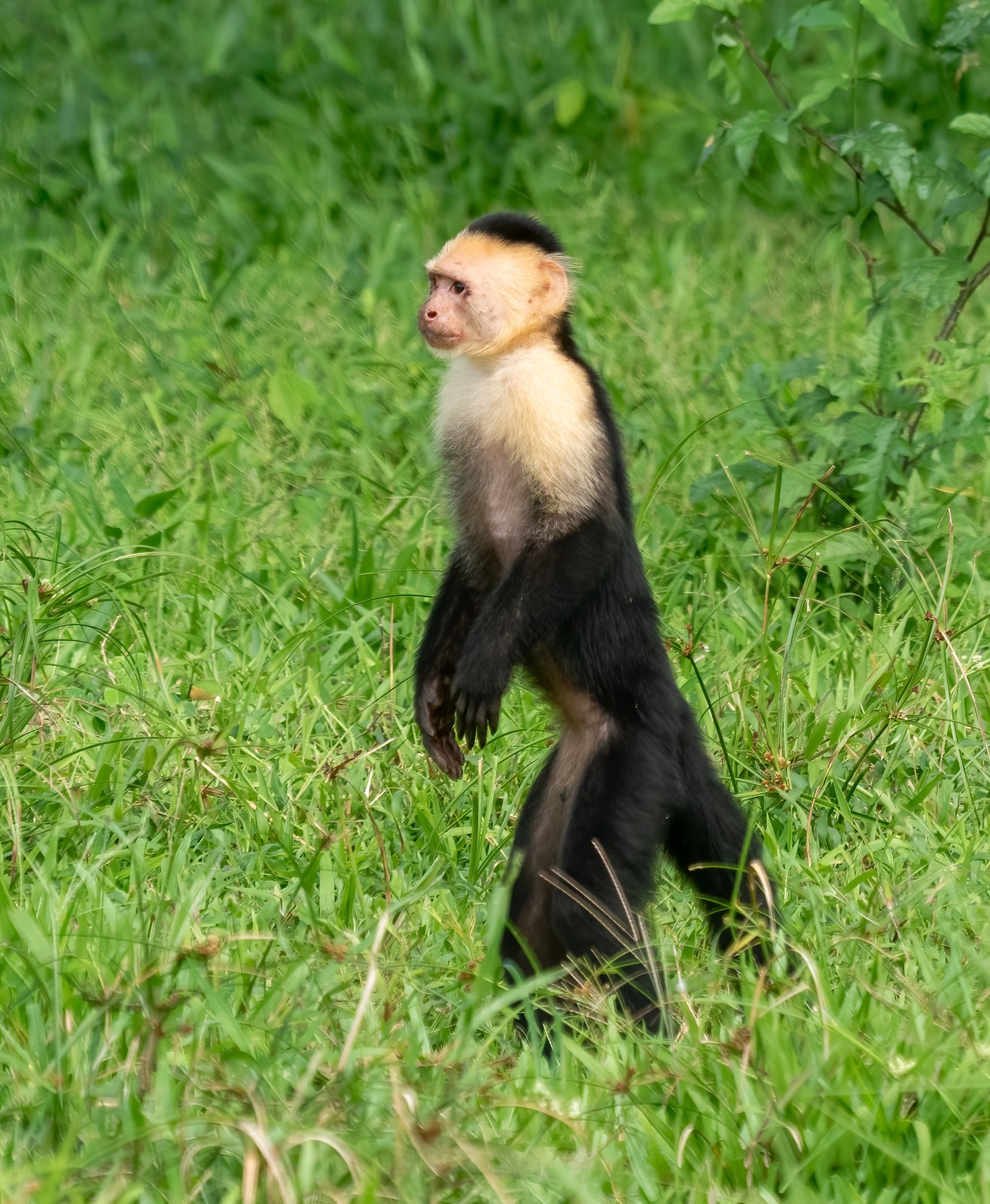
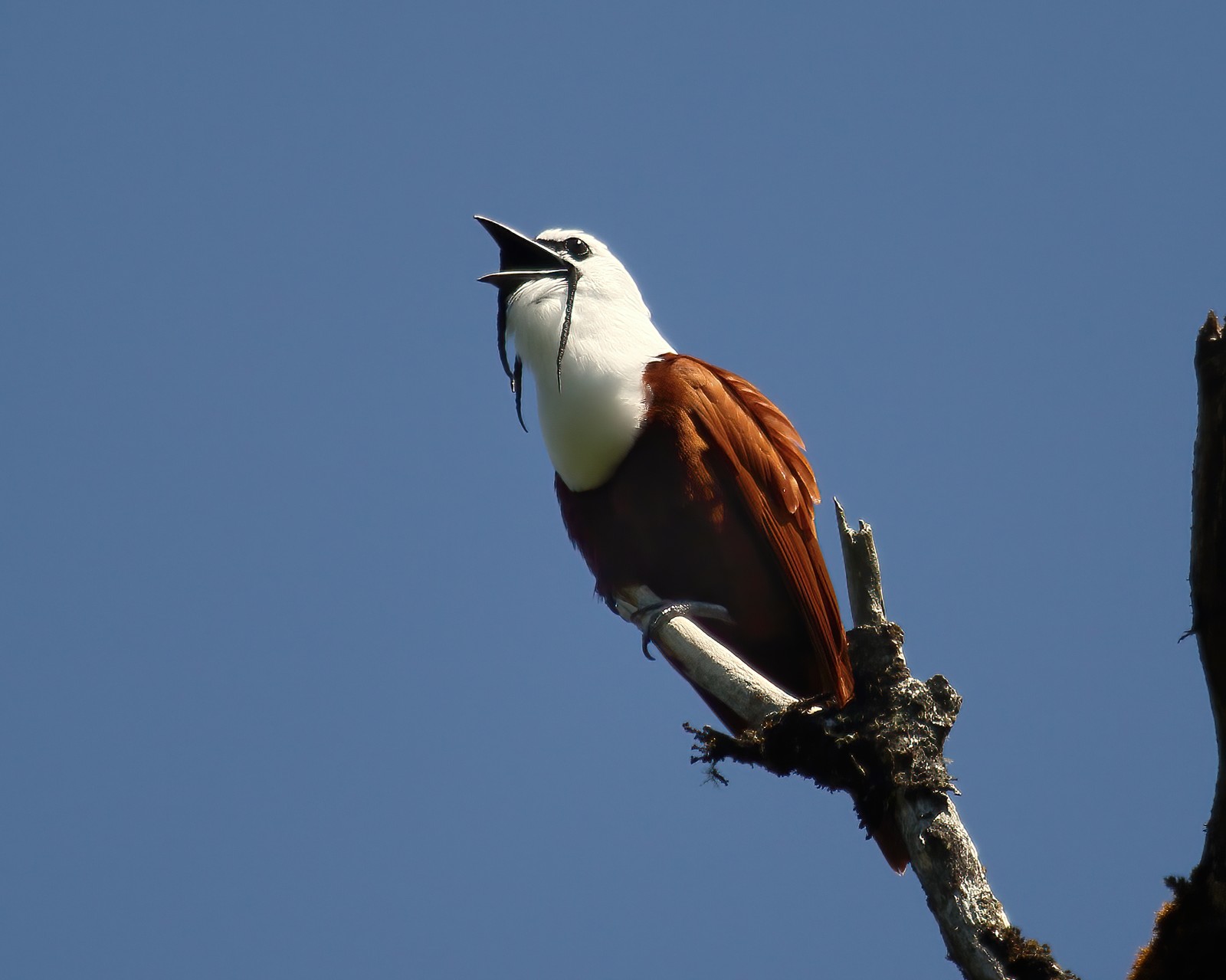
Photos (clockwise from top left): Fiery-billed Aracari, Scarlet Macaw, Three-wattled Bellbird, and white-faced capuchin. Credits: Charlie Jackson (CC BY 2.0), Charles J. Sharp (CC BY-SA 4.0), Cephas (CC BY-SA 4.0), Rhododendrites (CC BY-SA 4.0).
Conservation
Because O. patula is known from a single ridge, it has not been evaluated by the IUCN Red List but should be considered a conservation priority. The southern Fila Costeña has patches of protection, yet outside reserves the ridge faces pressure from road building, cattle, and smallholder farms. Documenting additional populations and locating fruits will help determine whether ex situ conservation is needed.
Resources & Further Reading
Floristic References
Field description, distribution notes, and key differences for O. patula.
Taxonomic placement, life-form note, and herbarium imagery.
Original description of the species and discussion of its unique characteristics.
Data Sources
Explains the role of toucans, cotingas, and primates in dispersing Lauraceae seeds in mid-elevation forests.
Profiles the mid-elevation birds and mammals that rely on Lauraceae fruit in the southern Pacific zone.