Mangle Blanco
Laguncularia racemosa — The white mangrove excretes salt through specialized glands on its leaves, thriving where most trees would die. As a pioneer species in Costa Rica's estuaries, it colonizes new mud banks and provides critical nursery habitat for fish and invertebrates.
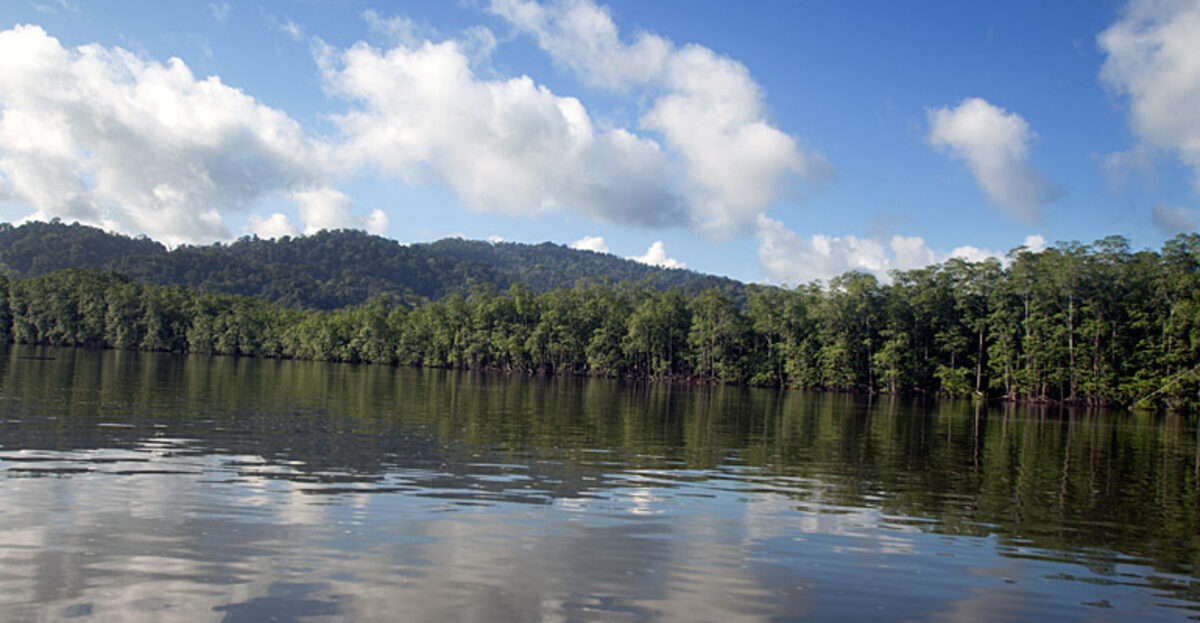
In the Térraba-Sierpe wetlands, where the Río Sierpe winds through Central America's largest mangrove system, a tide recedes to reveal newly deposited sediment at the forest's edge. Here, among red and black mangroves, grows the white mangrove: often among the first species to colonize newly deposited mud banks. Its small, flask-shaped fruits bob in the shallow water, some already sprouting while still attached to the parent tree. Where the current deposits them on newly formed mud banks, they take root within days. In terrain too hostile for most plants, the white mangrove flourishes.
Look closely at a white mangrove leaf, and you may see tiny crystals forming on its surface. This is salt, excreted through specialized glands. While other plants would die from the sodium accumulating in their tissues, the white mangrove pumps it out, crystal by crystal, allowing it to thrive in waters that would poison an ordinary tree. This remarkable adaptation, along with its ability to reproduce while fruits are still attached to the parent tree, makes the white mangrove one of the most successful colonizers of tropical coastlines.
The Mangrove Zone
In Costa Rica, seven species of mangrove trees from four different plant families form the coastal wetlands that protect shorelines, filter water, and nurture marine life. These species arrange themselves in distinct zones based on their tolerance to salt and flooding. Moving from the ocean inland, you first encounter the red mangrove (Rhizophora mangle), which tolerates the deepest water and highest salinity. Behind it grows the black mangrove (Avicennia germinans). And furthest upstream, where freshwater mixes most strongly with salt water, the white mangrove claims its territory.
This zonation pattern reflects each species' adaptations. The white mangrove lacks the dramatic prop roots of the red mangrove or the pencil-like pneumatophores of the black mangrove, though it may develop either feature depending on conditions. What it lacks in visible root adaptations, it compensates for with its salt glands and rapid colonization ability. In dynamic estuarine environments, where rivers deposit sediment and create new land, it often acts as a pioneer, colonizing freshly deposited mud banks ahead of other mangroves.
Identification
Taxonomy & Nomenclature
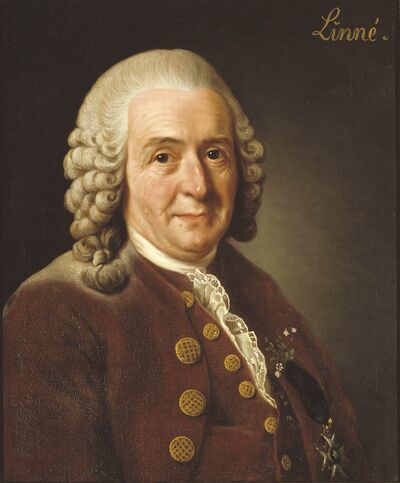
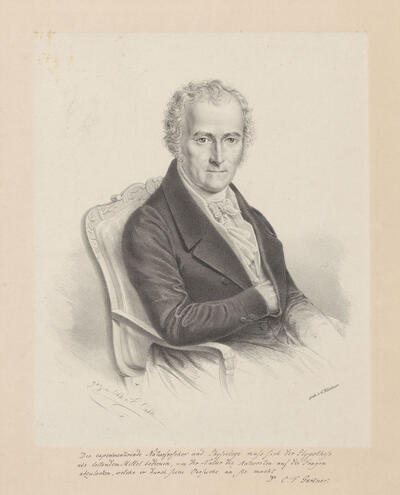
The white mangrove was originally described by Carl Linnaeus in 1759 as Conocarpus racemosus, placing it in the same genus as the buttonwood mangrove. In 1807, German botanist Carl Friedrich von Gaertner recognized that this species differed sufficiently from Conocarpus and transferred it to the new genus Laguncularia, based on differences in fruit morphology. The genus name derives from Latin laguncula ("little flask"), referring to the flask-shaped fruit. The species epithet racemosa means "bearing racemes," describing the elongated flower clusters.
Laguncularia is monotypic, containing only this single species, making it unusual among mangrove genera. Within the family Combretaceae, molecular analyses place Laguncularia as sister to Lumnitzera, another mangrove genus found in the Indo-Pacific region. Both belong to the tribe Laguncularieae within the subfamily Combretoideae. This placement is separate from the tribe Combreteae, which includes Terminalia, Conocarpus, and other familiar genera found in Costa Rica's lowland forests. Historical synonyms include Conocarpus racemosus L., Laguncularia obovata Miq., Rhizaeris alba Raf., and Schousboea commutata Spreng.
Salt Glands
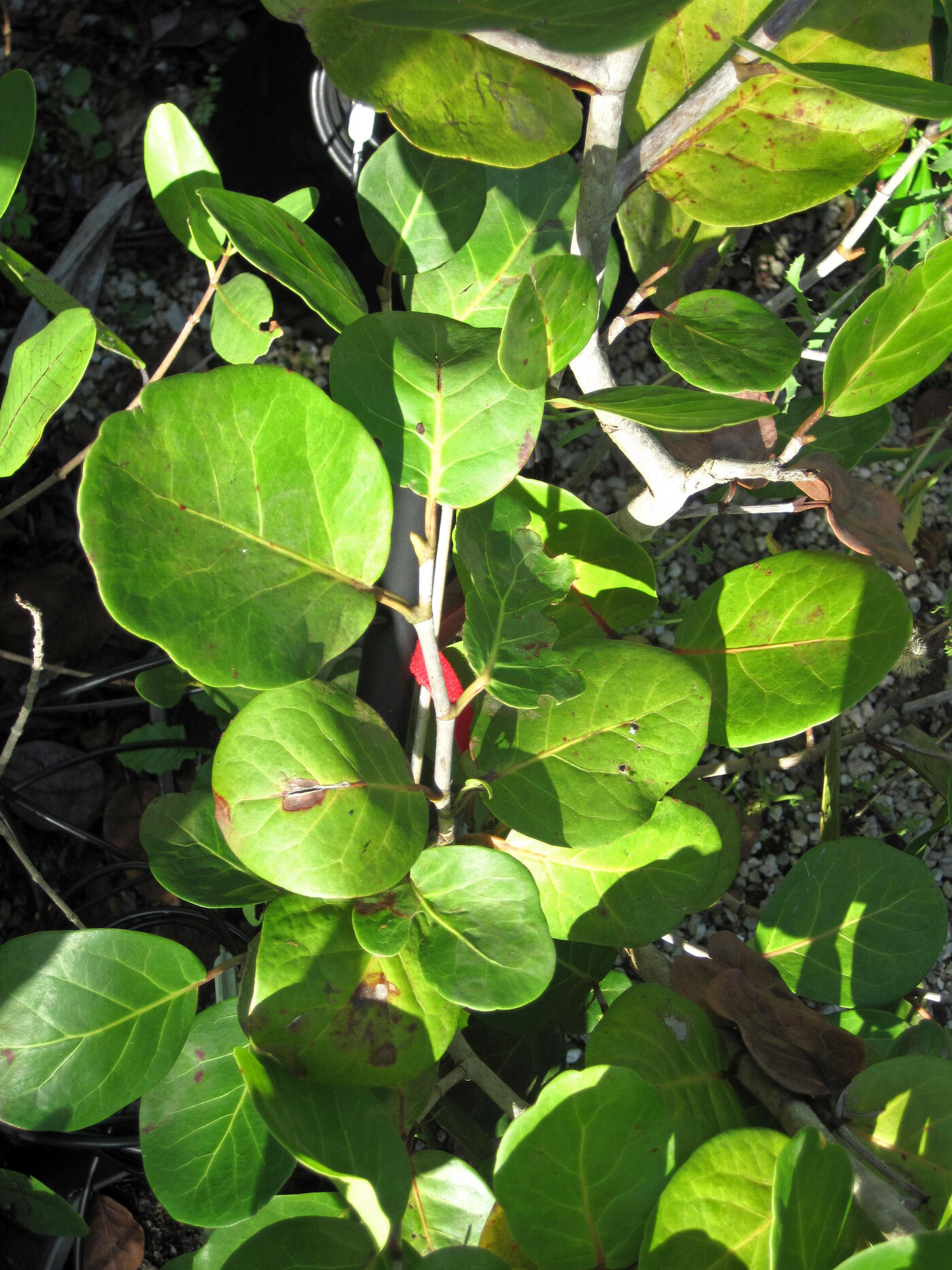
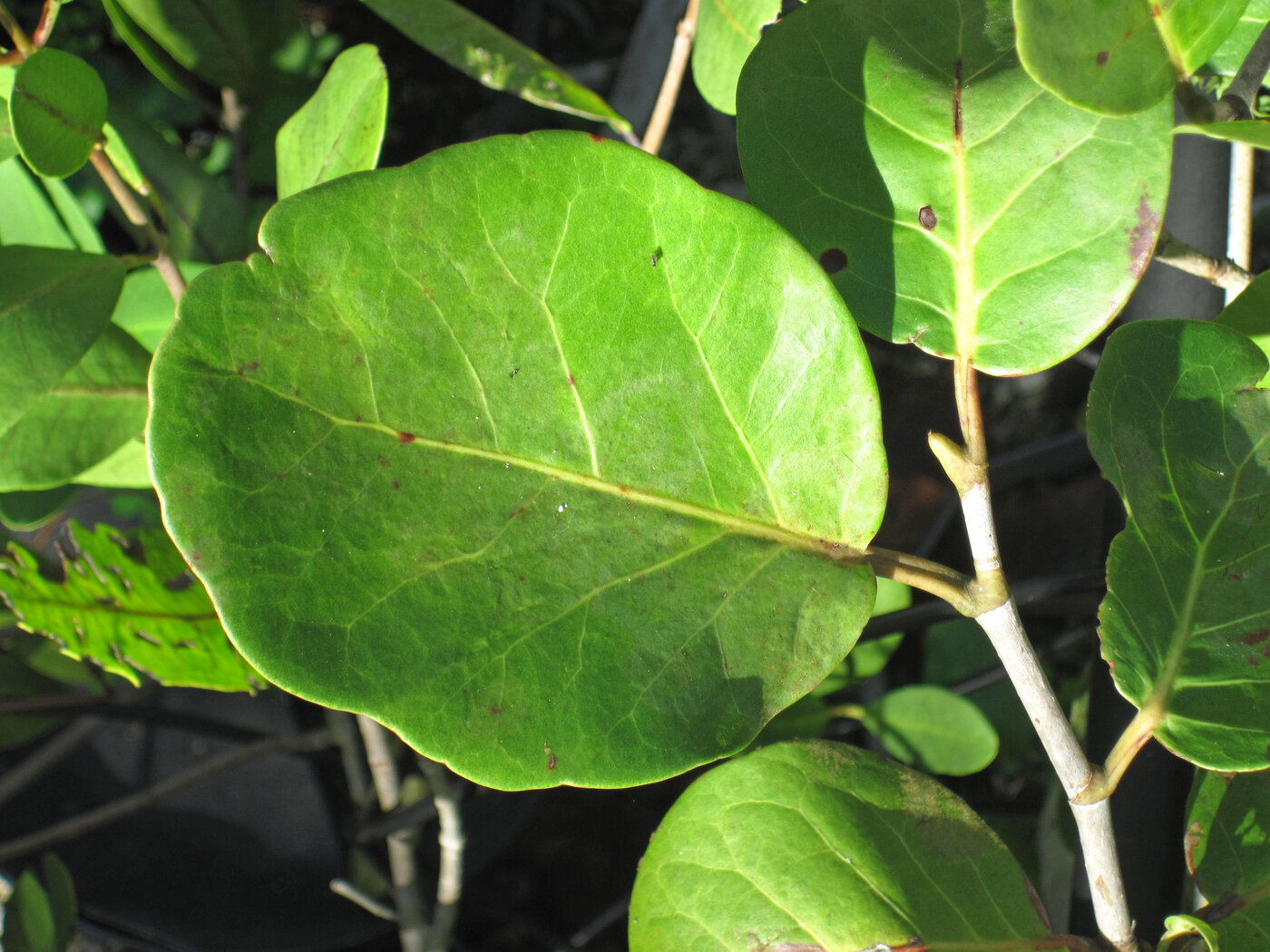
The white mangrove's most distinctive adaptation is its salt glands. Numerous multicellular glands on the leaf surfaces actively excrete sodium and chloride ions, preventing toxic accumulation in the plant's tissues. On a humid day, salt crystals may be visible on the leaf surfaces, sparkling in the sunlight. This salt secretion is so effective that the white mangrove can tolerate salinities up to 90 parts per thousand, though it grows best in waters between 15 and 20 ppt. Separately, two small, raised glands sit at the base of each leaf blade, where the petiole meets the blade; these are extrafloral nectaries that secrete sugars rather than salt.
These salt glands are located in deep pits on both surfaces of the leaf. The salt solution crystallizes so rapidly that chains of crystals may be extruded from the mouth of each gland. Research has quantified this process: secretion rates increase from about 0.8 mmol per square meter per day at 17 parts per thousand salinity to 1.2 mmol at 28 ppt. Sodium accounts for 40-53% of the total ions secreted. Aquaporin genes of the PIP and TIP families are implicated in the species' tolerance of high salinity.
The petiole nectaries may attract ants that could provide defense against herbivores. The salt-secretion mechanism evolved independently at least 12 times across angiosperms; from a structural perspective, all salt glands appear to be essentially specialized trichomes. The white mangrove shares this adaptation with the black mangrove (Avicennia germinans), though the two species belong to different plant families and evolved their salt glands convergently.
Physical Characteristics
Trunk and bark: The bark is gray-brown to reddish, rough and fissured on mature trees. Under certain conditions, the white mangrove produces pneumatophores (aerial roots that stick up from the mud to help with gas exchange) or even prop roots similar to those of red mangroves, though these are less common and less developed.
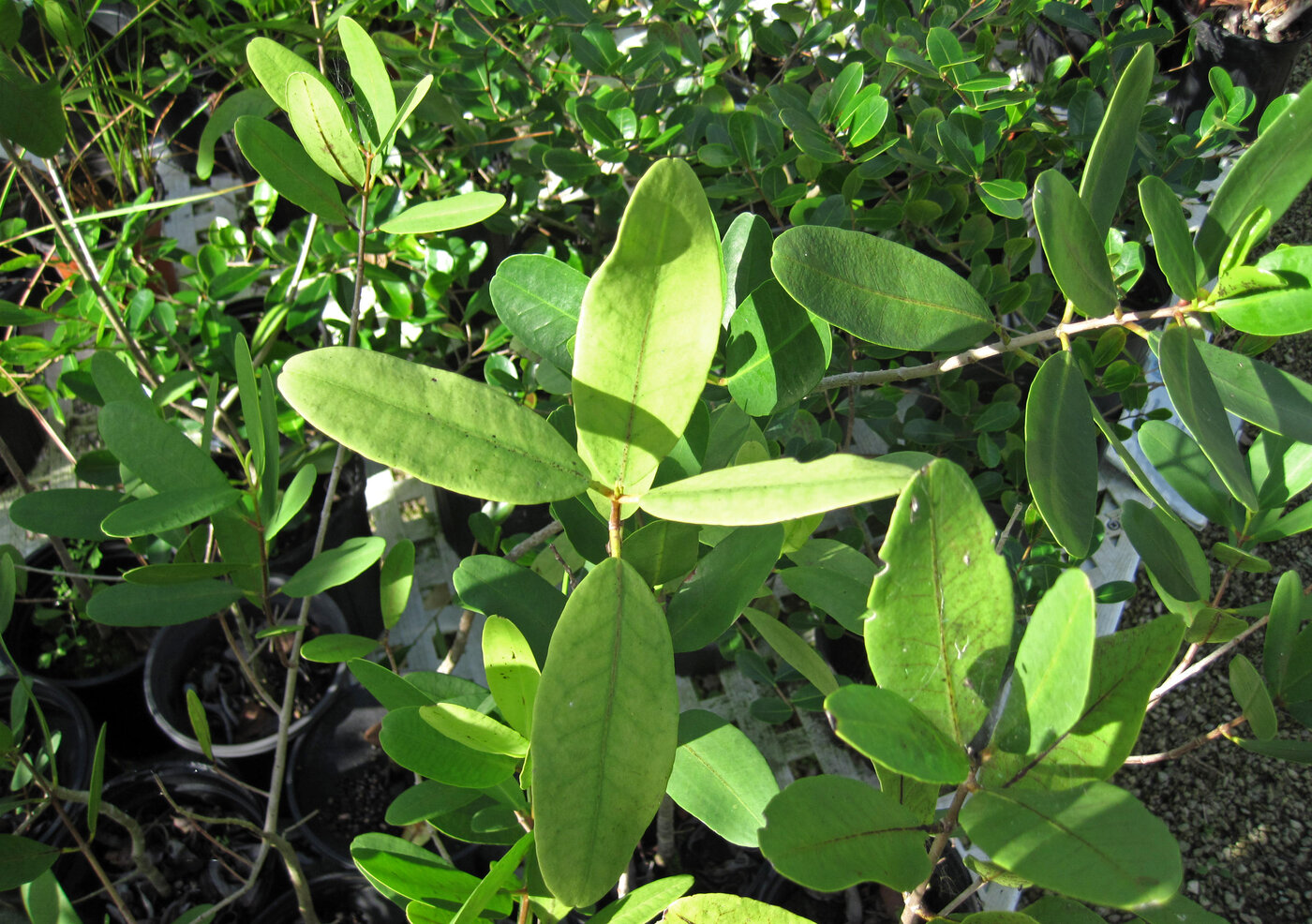
Leaves: The leaves are opposite, elliptical, 4-7 cm long and 2.5-5 cm wide, with a leathery, slightly fleshy texture. They are yellow-green in color, rounded at both ends, and lack visible veins on the surface. The petiole is stout, reddish, and 10-13 mm long.
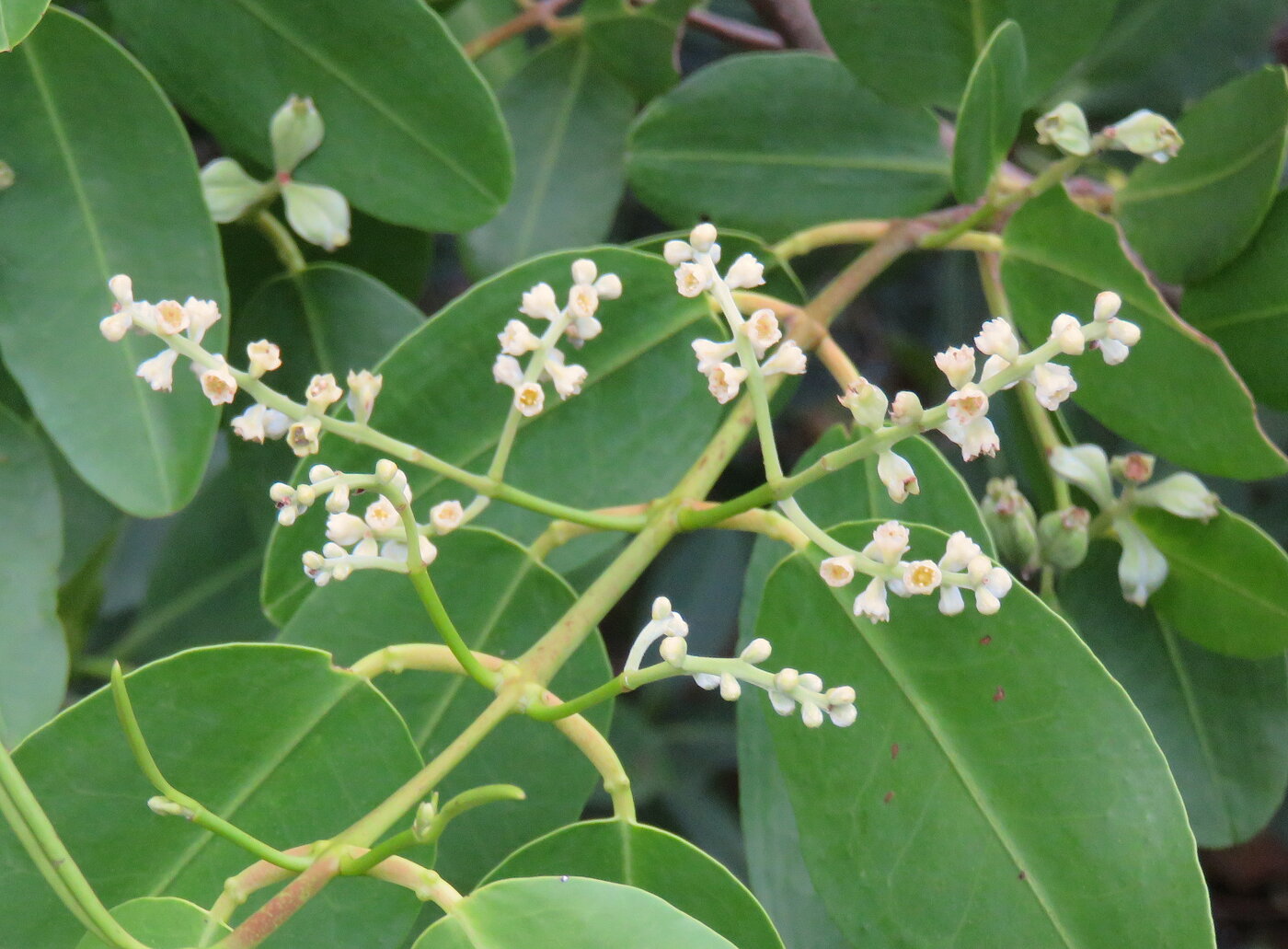
Flowers: Small flowers appear in terminal or axillary spikes up to 10 cm long. The flowers are white to greenish-yellow, sweetly scented, and attract bees and other insects. They have five petals, five sepals, and ten stamens. Flowering occurs throughout most of the year in tropical climates. Interestingly, the white mangrove is predominantly hermaphroditic, with some populations androdioecious (male and bisexual plants). Trees begin flowering at approximately two years of age.
Pollination Ecology
Detailed studies of mangrove pollination in Florida documented 26 insect species from four orders (Hymenoptera, Lepidoptera, Diptera, and Coleoptera) visiting the flowers of two co-flowering mangroves, 24 of which visited the white mangrove. The honey bee (Apis mellifera) dominates, representing approximately 75% of all flower visitors to white mangrove. Other visitors include various native bees, wasps, flies, and butterflies. When the white mangrove flowers alongside the black mangrove (Avicennia germinans), the two species compete for pollinators, with Avicennia attracting more visitors and outcompeting Laguncularia.
The white mangrove has a backup reproductive strategy: when pollinators are scarce, hermaphroditic flowers can self-pollinate autogamously, ensuring seed production even when insect visits are reduced. Research following hurricanes in Florida found that pollinator species richness dropped by 43-65% (and diversity by 36-70%) and insect visitation declined dramatically. In response, Laguncularia shifted from outcrossing to increased selfing, demonstrating its reproductive flexibility. This ability to self-fertilize when necessary may contribute to the species' success as a pioneer colonizer.
Fruit and Propagules
The fruit is an elongated, ribbed drupe about 2 cm long with a corky, spongy wall. This spongy tissue makes the fruit buoyant, well-adapted for dispersal by water. Each fruit contains a single reddish seed. The white mangrove exhibits cryptovivipary: the embryo germinates inside the fruit while still attached to the parent tree, but the intact fruit detaches before the embryonic root fully emerges. This distinguishes it from true vivipary seen in red mangroves, where the propagule dangles from the tree as an elongated hypocotyl.
Once in the water, propagules can float for extended periods while continuing to develop. Upon stranding on a suitable substrate, they form roots and establish. Propagules typically root within 5-10 days with no pre-treatment required. The establishment phase proceeds faster at lower salinities. Propagules are dispersed primarily during the rainy season, carried by tidal waters to colonize new substrates. In restoration efforts, vegetative propagation via rooted cuttings can bypass the vulnerable seedling phase; cuttings can even be planted directly in salt water and begin flowering within a year.
Habitat & Distribution
The white mangrove has an amphi-Atlantic distribution, occurring naturally on both sides of the tropical Atlantic Ocean. In the Americas, it ranges from Florida and Bermuda through the Caribbean, Mexico, and Central America to Brazil. On the Pacific coast, it extends from Mexico to Peru, including the Galápagos Islands. In Africa, it grows from Senegal to Cameroon. This wide distribution makes it one of the most widespread New World mangrove species.
In Costa Rica, mangrove forests cover approximately 35,000 hectares, with 99% concentrated on the Pacific coast. The white mangrove thrives on both coasts, though it is most abundant in the Pacific lowlands. Key locations include:
- Térraba-Sierpe National Wetland: The largest mangrove swamp in Central America (over 30,000 hectares), located near the Osa Peninsula. This RAMSAR wetland hosts extensive white mangrove populations, particularly in areas of lower salinity.
- Gulf of Nicoya: In this estuary, the Tempisque and Bebedero rivers create conditions favorable for white mangrove colonization. Laguncularia thrives on the newly deposited mud banks where freshwater mixes with seawater.
- Caribbean coast: Smaller mangrove areas along the Caribbean, including Tortuguero and Gandoca-Manzanillo, may contain white mangrove in mixed stands with other species, though red mangrove dominates these Caribbean sites.
Pioneer Colonization
In estuaries with high sediment transport, like the Gulf of Nicoya, the white mangrove's role as a pioneer species is particularly important. Studies have shown that Laguncularia colonizes emergent mud banks and lower intertidal zones more rapidly than other mangroves. Its small propagules establish quickly on new substrates, creating conditions that allow other species to follow.
However, the white mangrove faces challenges in upper intertidal zones, where crab herbivory takes a toll. Research in Costa Rican estuaries found that after 25 days, 52% of white mangrove propagules were eaten by crabs, compared to only 5% of Avicennia (black mangrove) propagules. This differential predation helps explain why black mangroves tend to dominate higher ground while white mangroves thrive in the lower, wetter zones.
Co-occurring Species
The white mangrove grows alongside a characteristic community of plants adapted to saline, tidal conditions. In Costa Rica's mangrove forests, the three dominant tree species arrange themselves in zones based on their tolerance to flooding and salinity. Rhizophora mangle (red mangrove) dominates the seaward fringe, growing in the deepest water. Landward of that fringe, Laguncularia joins the canopy, mixing with Rhizophora in the low intertidal. Avicennia germinans (black mangrove) enters in the mid-intertidal zone, creating mixed stands of all three species. Further landward, Conocarpus erectus (buttonwood) may dominate areas seldom inundated by tidal waters.
In the understory and along mangrove margins, halophytic (salt-tolerant) herbs and grasses create additional habitat structure. Common associates include saltmarsh grasses (Juncus, Sporobolus, Distichlis), succulent herbs (Salicornia, Sesuvium, Batis), and the mangrove fern Acrostichum aureum, which may dominate disturbed or low-salinity sites. Together, these species create a complex mosaic of microhabitats that support the rich fauna of the mangrove ecosystem.
Ecological Importance
Mangrove forests are among the most productive ecosystems on Earth, and the white mangrove contributes to this productivity in multiple ways. Its roots stabilize sediments, its leaves provide nutrients, and its structure creates habitat. A single hectare of mangrove in Costa Rica generates an estimated $8,700 annually in ecosystem services, including coastal protection, timber, fishing, food, and medicine.
Nursery Habitat
Mangroves serve as critical nursery grounds for countless marine species. A global analysis estimated that mangrove forests support an annual abundance of over 700 billion juvenile fish and invertebrates. In Costa Rica, species like snook, tarpon, and snapper spend their early lives sheltered among mangrove roots, including those of the white mangrove. A widely cited estimate holds that 75% of commercially caught fish depend at some stage on mangroves, though researchers have criticized this figure as poorly substantiated; more broadly, most commercial fish species rely on coastal habitats at some point in their lives.
Carbon Sequestration
Mangroves are remarkably efficient at capturing and storing carbon. Their waterlogged soils trap organic matter and prevent decomposition, locking away carbon for centuries or millennia. This "blue carbon" capacity makes mangroves sequester carbon up to ten times faster per hectare than upland tropical forests, and they store several times more carbon per hectare overall. As climate change accelerates, the carbon storage capacity of mangrove forests, including white mangrove stands, becomes increasingly valuable.
Coastal Protection
Mangrove forests buffer coastlines against storms, waves, and erosion. Their dense root systems dissipate wave energy, while their structure traps sediments that would otherwise be lost to the sea. Communities behind healthy mangrove forests experience reduced flooding and storm damage. In an era of rising seas and intensifying hurricanes, this natural infrastructure provides protection that would cost millions to replicate artificially.
Water Filtration
The complex root systems of mangroves, including the white mangrove, filter pollutants from water flowing from land to sea. They trap nitrates, phosphates, and sediments, improving water quality in estuaries and nearshore waters. This filtration benefits seagrass beds and coral reefs downstream, which are sensitive to nutrient pollution and sedimentation.
Wildlife Relationships
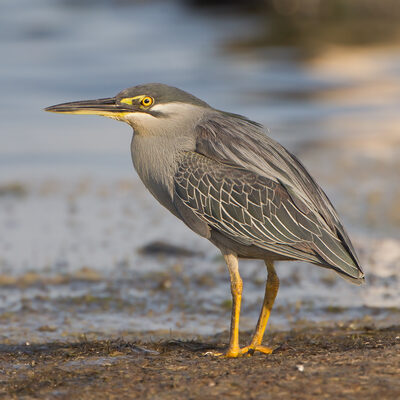
The white mangrove, along with its companion mangrove species, supports a remarkable diversity of wildlife. Birds nest in its branches, fish shelter among its roots, and crabs process the detritus that falls from its leaves.
Mangrove Crabs
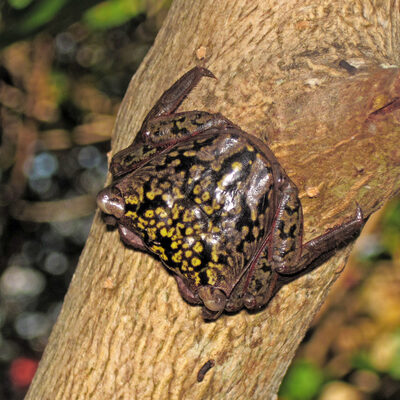
Crabs are the dominant invertebrates in mangrove ecosystems and have complex relationships with the white mangrove. In Neotropical mangroves, three crab species are particularly significant: Ucides cordatus, Goniopsis cruentata, and Aratus pisonii. Each plays a distinct role in ecosystem function.
Ucides cordatus is a large ucidid crab and the dominant litter-consuming species in Neotropical mangroves. It establishes burrows up to 2 meters deep, feeding primarily on senescent (dying) leaves and propagules. Studies show these crabs process more than 70% of leaf litter production, accelerating microbial degradation of detritus. Their burrowing aerates the sediment and increases nutrient turnover, which may actually enhance mangrove tree growth. Goniopsis cruentata is the dominant omnivore, feeding on plant material, detritus, and other crabs, and is considered one of the most significant propagule consumers alongside Ucides.
The mangrove tree crab Aratus pisonii lives in the tree canopy itself, feeding on fresh leaves rather than fallen litter. Despite being uncommon in some areas, its leaf consumption can constitute over 90% of all herbivory on mangrove leaves. Research shows that white mangrove exhibits higher herbivory damage (median 7.5%) compared to black mangrove (0.7%), likely due to leaf palatability differences. These crabs also host nitrogen-fixing bacteria on their gills, contributing to nutrient cycling in the ecosystem.
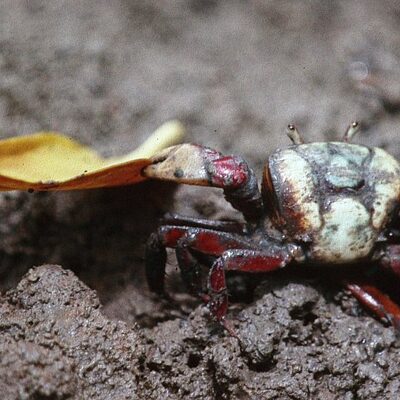
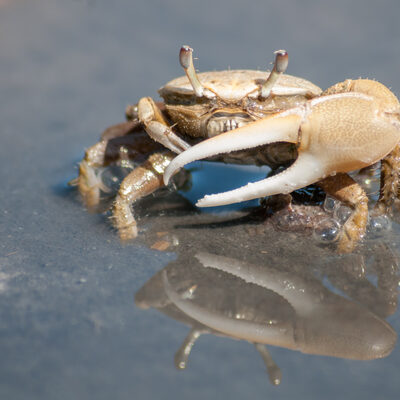
Fiddler crabs (Uca spp.) are smaller deposit feeders that forage on algae and detritus during low tide. Research has demonstrated that their burrowing significantly benefits white mangroves: in experimental plots, fiddler crab activity increased mangrove height by 27%, trunk diameter by 25%, and leaf production by 15% compared to crab-exclusion areas. Their burrows improve soil aeration and drainage, creating better growing conditions for mangrove roots.
Photos: Wikimedia Commons (CC BY-SA).
Traditional Uses
Coastal communities throughout the white mangrove's range have long recognized its practical value. The wood, bark, and leaves have served medicinal, construction, and industrial purposes for centuries.
The high tannin content of white mangrove bark, which can range from 12-24% by weight in Caribbean samples, has made it valuable for leather tanning. The bark also yields a brown dye. A gum exuded from the bark contains sugars (galactose, arabinose, rhamnose) and uronic acids, with applications as a substrate for fungal cultures. The wood is heavy, hard, and close-grained; treated poles can last 10+ years, though untreated wood deteriorates within 2-3 years.
Bioactive Compounds & Modern Research
Modern phytochemical research has identified over 100 distinct compounds from white mangrove, including flavonoids, phenolics, hydrolysable and condensed tannins, low-molecular-weight polyphenols, and glycosides. These compounds demonstrate significant biological activities. Leaf and twig extracts show antibacterial activity against Staphylococcus aureus and other bacteria. The tannins extracted from leaves reduce initial cell adhesion of the fungi Candida glabrata and Candida albicans, suggesting potential for biofilm-inhibiting applications.
Beyond antimicrobial properties, extracts show antioxidant, anti-inflammatory, antidiabetic, and cytotoxic activities, and compounds with anticoagulant activity have been isolated from the species. Some studies have attributed antitumor activity to bark preparations. While these findings validate traditional medicinal uses, the white mangrove remains of minor commercial importance as a tannin source compared to its ecological value.
Conservation
Although the white mangrove is classified as Least Concern globally by the IUCN, mangrove ecosystems face serious threats worldwide. Costa Rica has lost significant mangrove area, primarily to coastal development, with additional pressure from aquaculture and pollution. The country's remaining mangroves are now protected under law as part of the national forest patrimony, with cutting generally prohibited.
The Térraba-Sierpe National Wetland represents Costa Rica's most significant mangrove conservation success. Designated as a Forest Reserve in 1977 and recognized as a RAMSAR Wetland of International Importance in 1995, this vast wetland system protects over 30,000 hectares of mangrove forest. Restoration efforts here plant Pelliciera rhizophorae and red mangroves (Rhizophora mangle and R. racemosa) while favoring the natural regeneration of Avicennia and Laguncularia, reinstating vegetation cover and the ecosystem services it provides.
Climate change poses both threats and opportunities for the white mangrove. Rising seas may drown existing mangrove forests, particularly where development prevents their landward migration. Yet warmer temperatures may allow mangroves to expand their range poleward, colonizing coasts where they could not previously survive. The white mangrove's role as a pioneer species may prove especially important as mangroves adapt to changing conditions.
For anyone visiting Costa Rica's Pacific coast, a boat trip through the mangroves offers a window into one of the world's most productive ecosystems. Watch for the white mangrove's characteristic elliptical leaves and look closely for salt crystals glinting on their surfaces. In these coastal wetlands, where land meets sea and freshwater meets salt, the mangle blanco has found its niche, excreting what would kill other plants and thriving where others cannot survive.
Key Sources & Resources
Species Information
General overview of the species with information on distribution, ecology, and uses.
Comprehensive information on uses, cultivation, and physical characteristics.
Detailed species fact sheet covering identification, ecology, and management.
Community observations, photographs, and distribution data.
Mangrove Ecology
Overview of mangrove ecosystem importance and biodiversity.
Explanation of mangrove ecosystem services including nursery habitat and coastal protection.
Wildlife and ecosystem importance of mangrove forests.
Costa Rica Mangroves
Overview of Costa Rica's mangrove ecosystems and species.
Information about the largest mangrove wetland in Central America.
Delgado, Hensel & Day (2001) on mangrove establishment patterns in Costa Rica's Gulf of Nicoya, including the 52% vs 5% crab-predation split between white and black mangrove propagules.
Documents which mangrove species are planted versus allowed to regenerate naturally in Térraba-Sierpe restoration.
Scientific Research
Study on pollination ecology showing competition between L. racemosa and Avicennia germinans, with 26 insect species documented visiting the flowers of two co-flowering mangroves.
Comprehensive review of salt gland physiology, secretion rates, and environmental adaptations.
Research on bioactive compounds from L. racemosa with antimicrobial and anti-biofilm properties.
High-quality genome sequencing revealing genetic basis of salt tolerance and mangrove evolution.
Experimental study showing fiddler crab burrowing increased white mangrove height 27%, trunk diameter 25%, and leaf production 15%.
Barrantes et al. field survey mapping the spatial distribution and abundance of mangrove species in the Térraba-Sierpe wetland.
Sobrado's primary study measuring leaf salt-secretion rates and the 40-53% sodium fraction of secreted ions.
Authoritative taxonomic information and nomenclatural history from the Royal Botanic Gardens, Kew.