Candelilla
Magnolia poasana — A magnolia of the cloud forests, named for the Poás Volcano where it was first collected. The candelilla produces large, fragrant white flowers and valuable timber, but its montane habitat is increasingly threatened by deforestation. It remains one of Costa Rica's least-known yet most elegant native trees.
In 1910, Swiss-American botanist Henri Pittier described a new magnolia from specimens collected on the slopes of Poás Volcano in Costa Rica's Central Volcanic Range. He placed it in the genus Talauma, naming it Talauma poasana after its volcanic home. Seventeen years later, British botanist James Edgar Dandy transferred the species to Magnolia, where it remains today as Magnolia poasana.
The candelilla grows in the montane rainforests of Costa Rica and Panama, where persistent mist and cool temperatures create ideal conditions for this ancient lineage of flowering plants. Magnolias are among the earliest flowering plants to evolve, appearing in the fossil record over 95 million years ago when dinosaurs still roamed the Earth. Their large, simple flowers with numerous spirally arranged parts represent an ancestral condition predating the specialized flowers of more recently evolved plant families. The robust structure of magnolia flowers is an adaptation for beetle pollination, a syndrome called cantharophily that evolved long before bees appeared. The beetles crawl over the reproductive parts, and the flowers must be sturdy enough to withstand their clumsy movements.
Taxonomic History
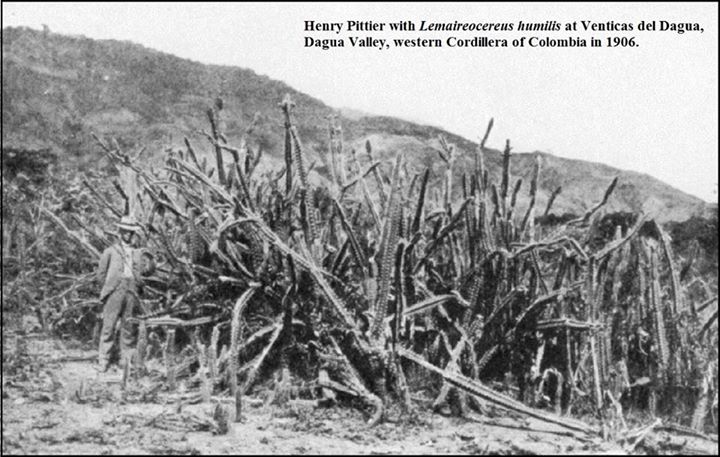
Henri François Pittier (1857-1950) was a remarkable figure in Central American botany. Born in Switzerland, he moved to Costa Rica in 1887 to found and direct the country's first geographic institute, the Instituto Físico-Geográfico. Over the following decades, Pittier explored and collected throughout Central America, publishing over 300 papers on botany, geography, and ethnography. He learned to speak fluently in the languages of Costa Rican indigenous groups and made detailed ethnographic studies that remain valuable today. It was during this prolific period that Pittier collected the type specimen of the candelilla from Poás Volcano and described it in 1910 as Talauma poasana.
The genus Talauma was long used for New World magnolias whose carpels fall apart rather than split to release seeds. In 1927, James Edgar Dandy (1903-1976), a young British botanist at Kew Gardens who would become one of the world's foremost authorities on Magnoliaceae, published "The Genera of Magnolieae" in the Bulletin of Miscellaneous Information. In this influential work, Dandy reorganized the family's classification based on detailed morphological study, transferring Talauma poasana to the genus Magnolia. Dandy's classification system remained the standard for over 70 years, and the transfer he made in 1927 is still accepted today.
Identification
Physical Characteristics
Form and bark: The candelilla is a medium to large tree with a rounded, densely compact crown. It tends to branch low on the trunk, sometimes nearly from the base in open areas with good sun exposure. The bark is smooth and reddish-brown with a grayish cast, becoming somewhat rougher with age. Trees typically reach 10-30 meters in height, with some sources reporting maximum heights of 35 meters.
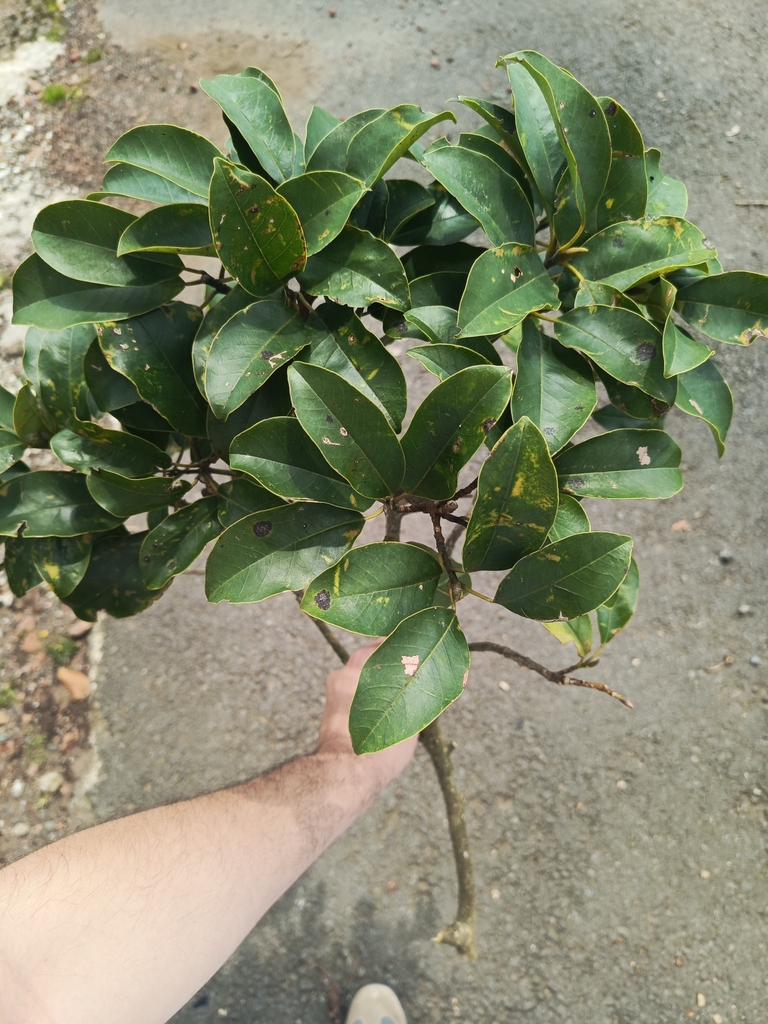
Leaves: The leaves are simple, alternate, and elliptic to lanceolate in shape, measuring up to 12 cm long and 5 cm wide. They are glossy and glabrous (smooth, without hairs) on both surfaces, with entire margins and an acute to apiculate tip. A distinctive feature of magnolia leaves is the prominent stipule that encircles the petiole, leaving a visible scar when it falls. The leaves are leathery in texture, an adaptation to the cloud forest environment.
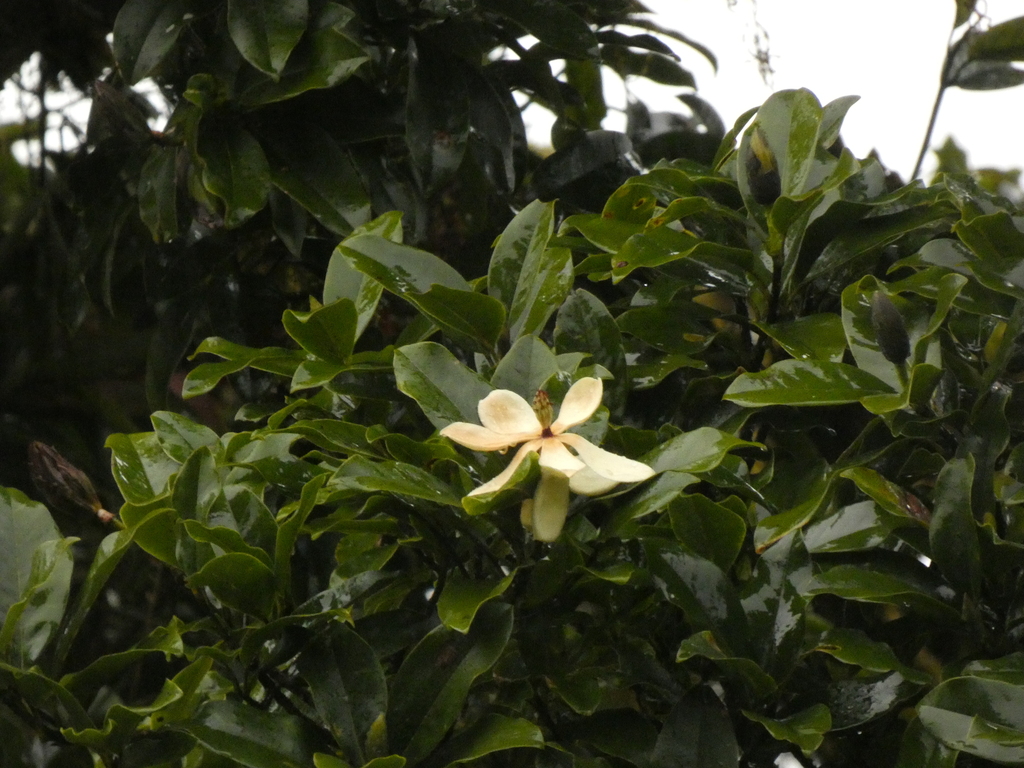
Flowers: The flowers are the tree's most spectacular feature. They are large and showy, reaching up to 10 cm in diameter, with six spatulate (spoon-shaped) white petals and three gray, membranous sepals. Like all magnolias, the flowers are bisexual, containing both male and female reproductive structures. The numerous stamens and carpels are arranged spirally on an elongated receptacle, reflecting the primitive floral structure of this ancient plant family. The flowers are fragrant and bloom primarily from November through July, with peak flowering in February, March, and April.
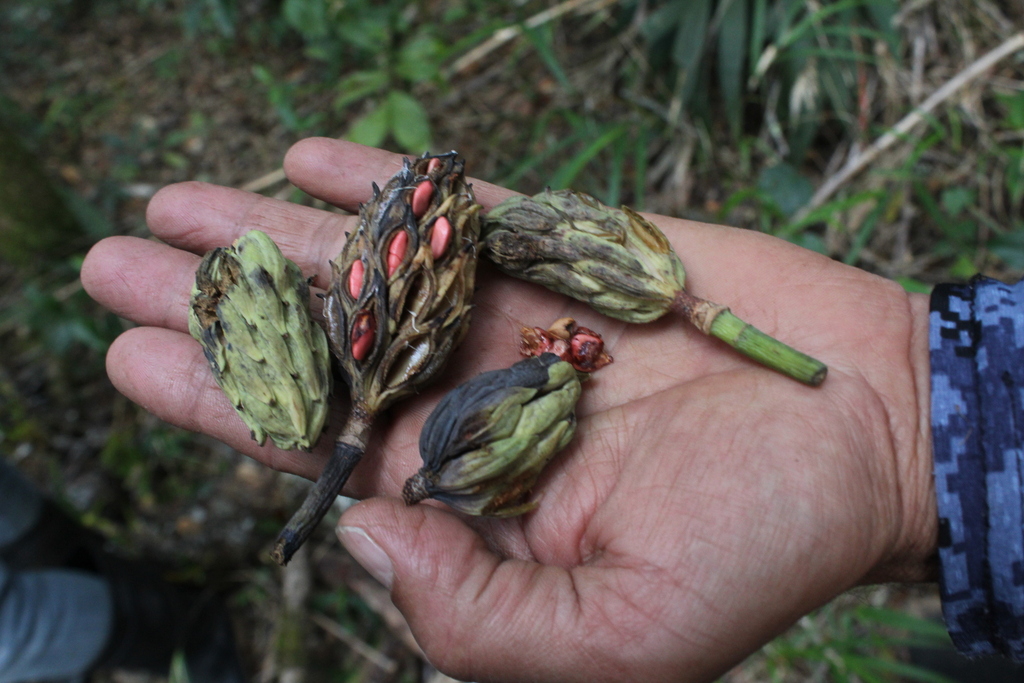
Fruit: The fruit is a cone-like aggregate of follicles, typical of magnolias. Each follicle opens to release one or two red seeds suspended on thin threads. The bright color attracts birds, which disperse the seeds through the forest.
Distribution and Habitat
The candelilla is native to the montane forests of Costa Rica and Panama. In Costa Rica, it occurs primarily in the Cordillera de Talamanca and the Central Volcanic Range, including the slopes of Poás Volcano from which it takes its name. All specimens collected before 1972 came from Costa Rica; since then, the species has been documented in Chiapas, Mexico (collected in the 1970s) and Panama (first collected in 1982).
The species grows at elevations from 500 to 2,400 meters, but most trees have been found between 1,300 and 2,200 meters. It prefers soils of alluvial or volcanic origin in climates where temperatures range from 4 to 25°C and annual precipitation reaches 2,000 to 3,000 mm. These conditions are typical of Costa Rica's cloud forest zone, where the candelilla grows alongside oaks (Quercus), laurels, and other montane forest species.
Related Species
Costa Rica hosts several magnolia species, all restricted to montane forests. Magnolia sororum is a larger species reaching up to 40 meters, found in the Cordillera Central and Talamanca. Magnolia gloriensis occurs at lower elevations (600-1,800 m) and is the only magnolia in the Monteverde region. Magnolia savegrensis, described more recently, is endemic to the Savegre Valley region. All these species share the characteristic large white flowers and cone-like fruits of the genus.
Ecology and Regeneration
A landmark study of candelilla ecology was conducted by George Adrián Mendoza Gutiérrez between 1988 and 1992, examining populations at two sites in Costa Rica's Central Valley: Cerro Chompipe in San Rafael de Heredia and La Esperanza de El Guarco in Cartago. The research, published in 2008 by the Universidad Nacional de Costa Rica, provides some of the only detailed ecological data available for this species.
In the forest communities studied, candelilla ranked eleventh out of 40 tree species in the Importance Value Index (IVI), a measure combining relative density, frequency, and dominance. This indicates it is a significant but not dominant component of the cloud forest canopy. The study found 71 seedlings per hectare but only 4 saplings per hectare, revealing a bottleneck in natural regeneration. Under controlled conditions, seed germination was extremely low at just 2.5%, suggesting the species may have specific requirements for successful establishment that are not well understood.
The phenology of candelilla follows a distinct seasonal pattern. Leaf fall and new sprouting occur from December through April, coinciding with Costa Rica's dry season. Flowering also peaks during this period, with maximum bloom in February, March, and April. This timing may be influenced by the reduced cloud cover during dry season months, allowing greater pollinator activity and increased solar radiation for photosynthesis in the newly emerged leaves.
Wildlife Interactions
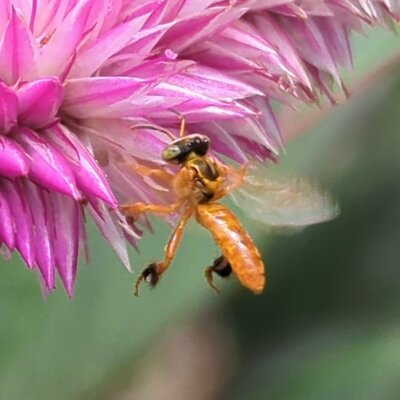
Pollination: The Mendoza study documented stingless bees of the genus Trigona visiting candelilla flowers, where they collect pollen from the numerous stamens. While magnolias are famous for their ancient association with beetles, which evolved before bees, the candelilla appears to benefit from both pollinator groups. The large, fragrant flowers with their abundant pollen and accessible reproductive structures can accommodate diverse visitors.
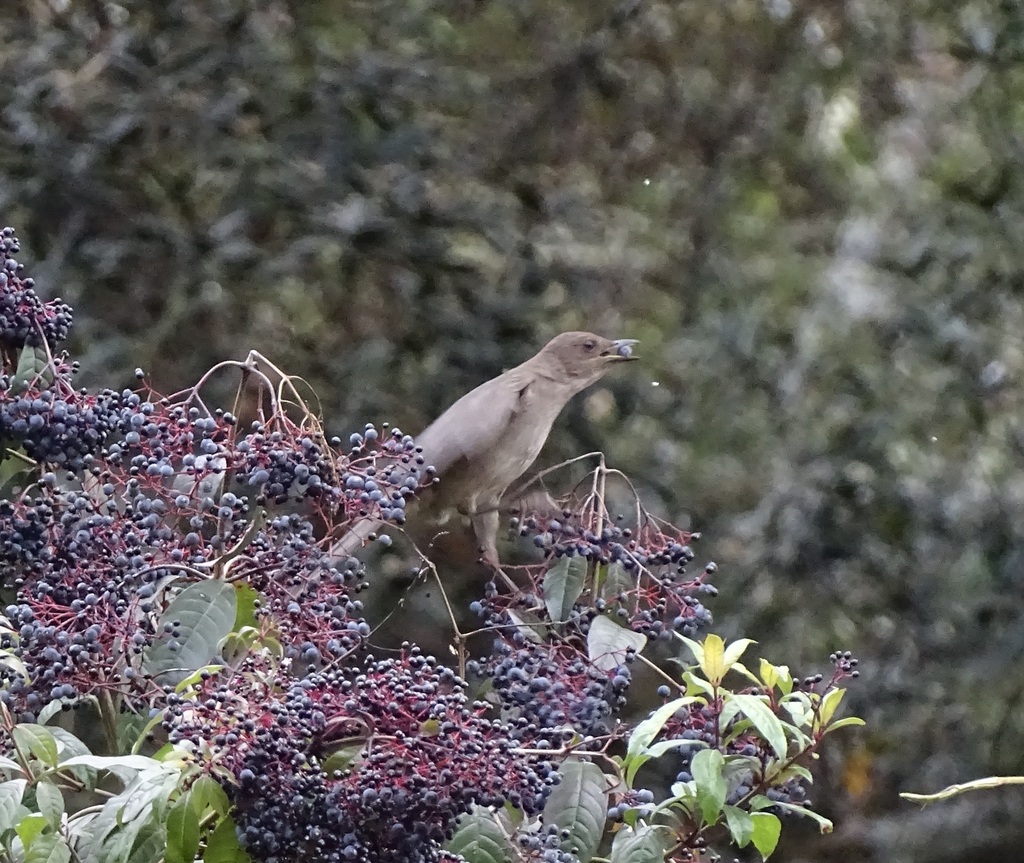
Seed dispersal: Two bird species were observed dispersing candelilla seeds in the study. The mountain thrush (Turdus plebejus) is a common cloud forest bird that feeds on the bright red seeds exposed when the cone-like fruits split open. The alder flycatcher (Empidonax alnorum), a Neotropical migrant that winters in Central America, was also recorded as a seed disperser. These birds swallow the seeds whole and excrete them at perching sites throughout the forest, potentially far from the parent tree.
Seed predation: Squirrels were observed predating on candelilla seeds, consuming them rather than dispersing them. In the cloud forests around Poás Volcano, the Bangs's mountain squirrel (Syntheosciurus brochus) is a likely seed predator. This endemic rodent, found only in Costa Rica and western Panama, inhabits the same elevational range as the candelilla and feeds on various tree seeds. Seed predation by squirrels may contribute to the low regeneration rates observed in the field.
Plant Community
The candelilla grows in diverse montane forest communities dominated by oaks. In Costa Rica's cloud forests, it co-occurs with several Quercus species including Q. copeyensis (roble copey), Q. costaricensis (roble negro), and Q. bumelioides. Other magnolia species share this habitat, particularly Magnolia sororum, which reaches larger sizes and often grows alongside the candelilla. The laurel family (Lauraceae) is also well-represented, with various Ocotea and Persea species contributing to the forest canopy.
The understory of these forests typically includes tree ferns (Cyathea spp.), various palms, and a rich diversity of epiphytes. Bromeliads, orchids, and mosses festoon the branches of canopy trees, while the forest floor hosts a variety of ferns, aroids, and herbaceous plants. This complex vertical structure creates numerous microhabitats that support exceptional biodiversity.
Uses
The wood of the candelilla is valued for its workability and attractive appearance. When freshly cut, the heartwood is olive-green, becoming light yellowish-brown to greenish-brown with a purplish tinge upon exposure. The texture is fine and uniform with straight to interlocked grain. The wood has low to moderate luster and an oven-dry specific gravity of about 0.38, making it relatively light.
The heartwood is durable against fungal rot but vulnerable to dry-wood termite attack. It seasons easily with minimal warping and machines well, though planing may cause tearing where the grain is interlocked. Traditional uses include veneer and plywood, millwork, furniture and cabinet work, general interior and exterior construction, boat planking, and turnery. The species is harvested from the wild and its wood is traded commercially.
Conservation
The IUCN Red List classifies Magnolia poasana as Near Threatened. The primary threats are deforestation and habitat loss, as montane forests in Central America face ongoing pressure from agricultural expansion, particularly for cattle ranching and coffee cultivation. The species' restriction to a relatively narrow elevational band makes it especially vulnerable.
In Costa Rica, populations are protected within Poás Volcano National Park, Braulio Carrillo National Park, and parts of the Cordillera de Talamanca protected areas. However, significant habitat exists outside protected areas and remains at risk. Climate change may pose an additional threat, as rising temperatures could shift the cloud forest zone upward, reducing available habitat.
Resources & Further Reading
Species Information
Overview of the Poas magnolia with information on taxonomy, distribution, and physical characteristics.
Detailed information on the species' uses, wood properties, and conservation status.
Observations, photos, and distribution maps from citizen scientists across Central America.
Taxonomy & Classification
Genus-level information on Costa Rican magnolias from the Flora of Costa Rica project.
Global biodiversity occurrence records and taxonomic information from the Global Biodiversity Information Facility.
The original 1927 paper in the Kew Bulletin where Dandy transferred Talauma poasana to Magnolia, with notes on diagnostic characters.
Research & Ecology
Key ecological study by George Adrián Mendoza Gutiérrez (2008) documenting regeneration, phenology, pollinators, and seed dispersers at two Costa Rican sites.
Where to See Candelilla
The type locality for M. poasana, where the species was first collected. Cloud forests surround the volcanic crater.
Extensive montane forests in the Central Volcanic Range, protecting diverse magnolia habitat.