Encino Lanceolado
Quercus lancifolia — A large deciduous oak of Central American cloud forests, named for its distinctive lance-shaped leaves with their silvery-white undersides.
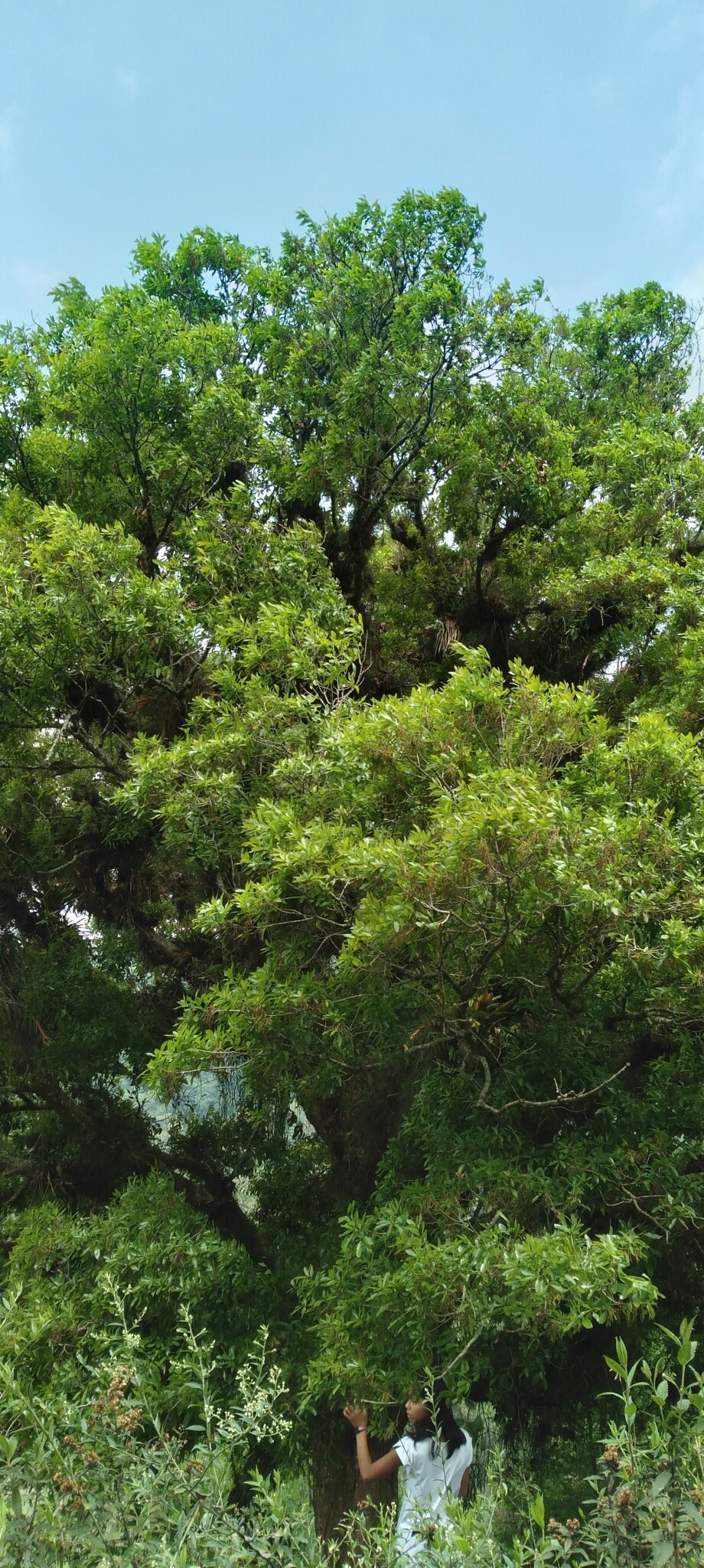
The cloud forests of Veracruz, Mexico, hold some of the most diverse oak assemblages in the world, and Quercus lancifolia is among the most impressive of them. This large deciduous tree can tower 30 meters or more above the forest floor, its spreading crown festooned with epiphytes in the perpetual mist. From the Sierra Madre Oriental of Mexico through the highlands of Central America to western Panama, this oak threads through some of the most biodiverse and threatened ecosystems on Earth.
The species name lancifolia comes from the Latin "lancea" (lance) and "folia" (leaves), describing the elongated, lance-shaped leaves that distinguish this oak. When the wind lifts the foliage, the silvery-white undersides of the leaves flash against the dark green upper surfaces, creating a shimmering effect characteristic of this species.
Identification
Physical Characteristics
Form: Quercus lancifolia grows as a large tree, typically reaching 25 to 30 meters in height, with exceptional specimens attaining 35 meters. The trunk can reach a meter in diameter. The crown is broad and spreading, often heavily laden with epiphytes in the humid cloud forest environment.
Bark and twigs: Young branchlets are covered with a distinctive fawn-colored tomentum (fine woolly hairs) that matures to gray or buff with pale lenticels. The bark on mature trunks becomes furrowed and gray.
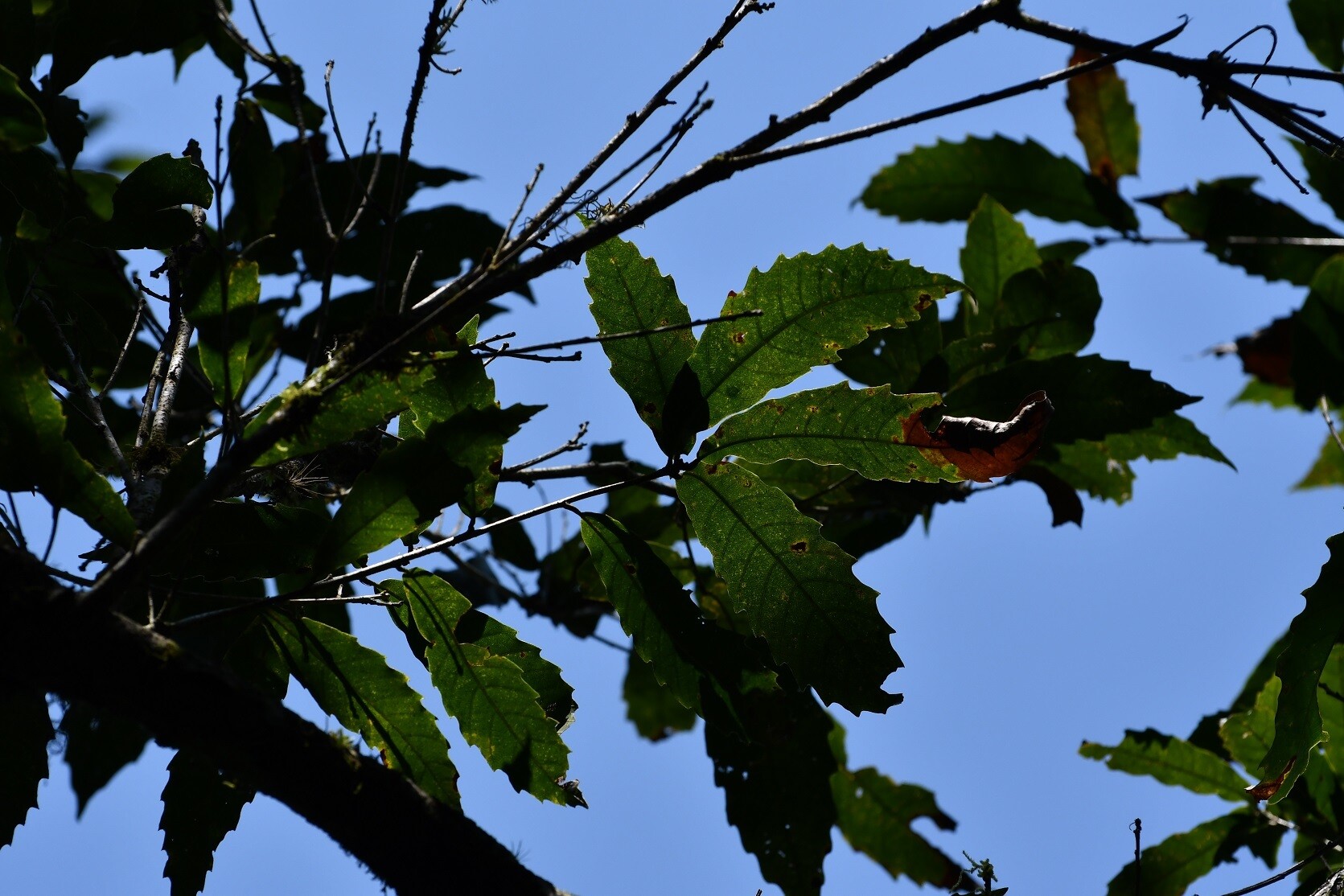
Leaves: The leaves are the key identifying feature. They measure 7 to 15 centimeters long (occasionally up to 22 cm) and 1.5 to 5 centimeters wide, with an oblanceolate to ovate shape that tapers to a pointed apex, giving them their lance-like appearance. The texture is leathery. The upper surface is glossy dark green and hairless; the lower surface is distinctively whitish and waxy, covered with scattered star-shaped (stellate) hairs and tufts of hair in the vein axils. The margins bear small bristle-tipped teeth. Each leaf has 10 to 14 secondary veins on each side of the midrib.
Acorns: The acorns are ovoid, measuring 1.8 to 4.5 centimeters long with a prominent stylopodium (the persistent base of the style). They are one-quarter to one-third enclosed in saucer-shaped cupules 1.5 to 2 centimeters in diameter. The cupule scales are blunt and closely pressed (appressed). Acorns typically appear in clusters of one to two.
Taxonomy
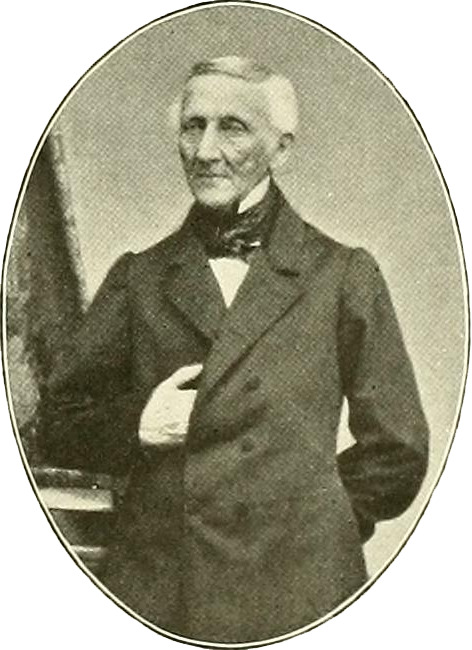
Quercus lancifolia was first described by German botanists Diederich Franz Leonhard von Schlechtendal and Adelbert von Chamisso in 1830, published in the journal Linnaea. The species belongs to Quercus subgenus Quercus, section Quercus, placing it among the American white oaks in the informal group known as Leucomexicanae.

The white oaks (section Quercus) are characterized by acorns that mature in a single year, styles that are short or absent, smooth inner acorn shells, and leaves that lack bristle tips on their lobes. These characteristics distinguish them from the red oaks (section Lobatae), which have two-year acorn maturation and bristle-tipped leaves. Molecular phylogenetic studies indicate that the white oak and red oak lineages diverged between 54 and 48 million years ago.
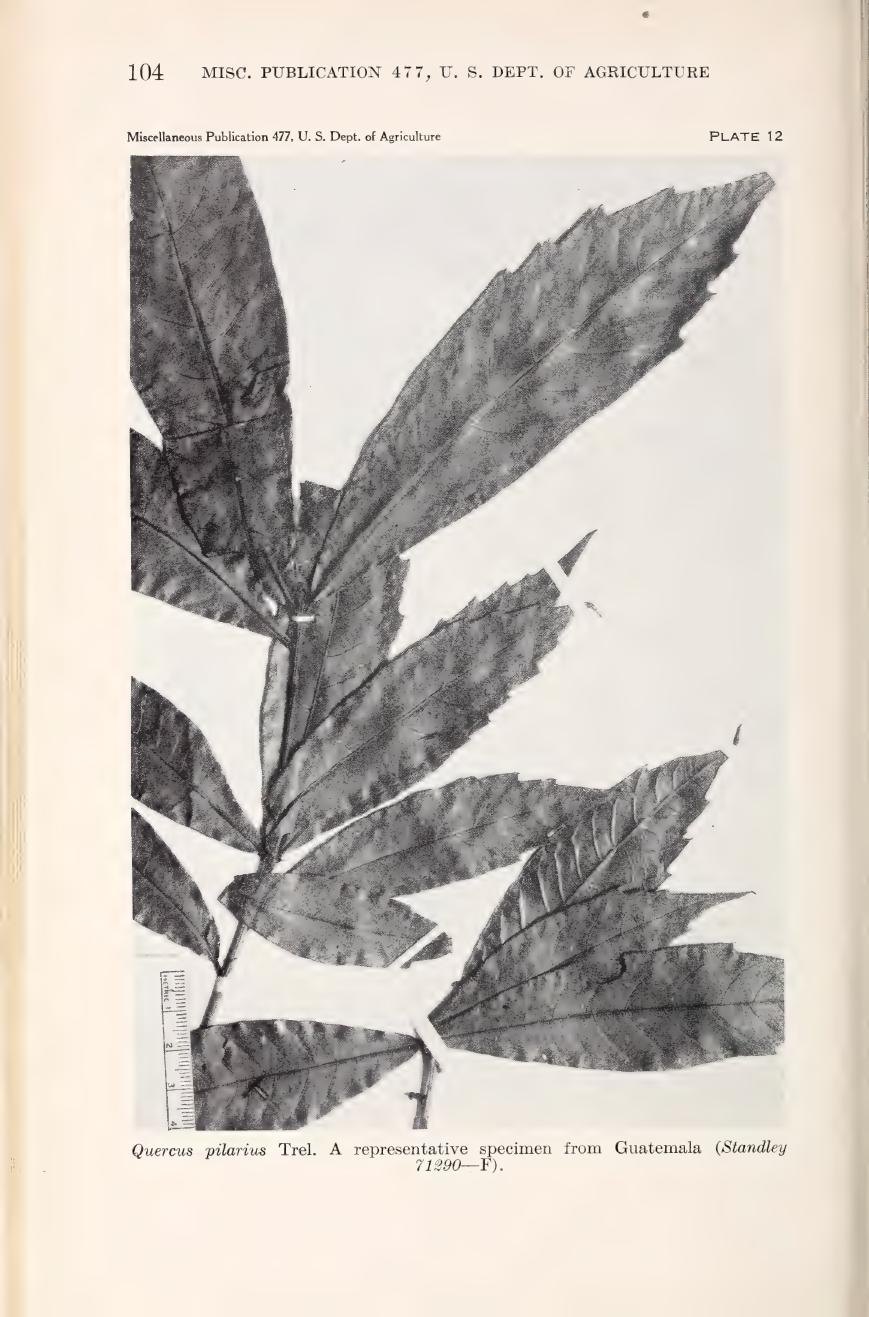
This species has accumulated numerous synonyms over its long taxonomic history, reflecting the variation within the species and independent descriptions from different regions. Among the confirmed synonyms are Quercus leiophylla A.DC. and Quercus pilarius Trel. Some authorities, including the Oak Names Database, also treat Quercus corrugata Hook. and Quercus excelsa Liebm. as synonyms, though POWO/Kew maintains Q. corrugata as a separate accepted species. The accepted name remains Quercus lancifolia Schltdl. & Cham.
Ecology and Distribution
Quercus lancifolia has a broad distribution across Mesoamerica. In Mexico, it occurs in the southern Sierra Madre Oriental (Hidalgo, Veracruz, Puebla), the Sierra Madre de Oaxaca, the Chiapas Highlands, and the Sierra Madre de Chiapas. From there its range extends through the Maya Mountains of Belize and the highlands of Guatemala, Honduras, Nicaragua, Costa Rica, and western Panama.
The species inhabits montane cloud forests and humid evergreen forests between 500 and 2,400 meters elevation. It can be a dominant canopy species where it occurs, particularly in the cloud forests of Veracruz where it grows alongside other oaks, liquidambars, and diverse laurel family trees. These forests are characterized by near-constant cloud immersion, high humidity, and abundant epiphytic growth.
In Costa Rica, Q. lancifolia occurs in the montane forests of the cordilleras, often at somewhat lower elevations than other Costa Rican oaks. Its deciduous habit, losing leaves during part of the year, distinguishes it from the more evergreen oaks that dominate the highest elevations.
Forest Community Associations
Studies of cloud forest communities in central Veracruz have identified Q. lancifolia as an indicator species for lower-elevation cloud forests. In ecology, an indicator species is one whose presence, abundance, or condition reflects a particular environmental state or habitat type. Ecologists use Indicator Species Analysis (ISA), a statistical method that evaluates how reliably a species signals membership in a particular community or site group. When a species consistently appears in one habitat type but not others, and when it occurs across most sites of that type, it earns designation as an indicator. This makes indicator species valuable shortcuts for characterizing forest communities without having to inventory every organism present.
In the cloud forests of Veracruz, Q. lancifolia typically associates with Clethra macrophylla and sweetgum (Liquidambar styraciflua) in forests between 500 and 1,500 meters elevation. These three species form a characteristic assemblage on volcanic soils, distinct from the limestone outcrop forests where Q. pinnativenulosa dominates instead. Clethra macrophylla is a small to medium tree in the Clethraceae family, sometimes called the "lily-of-the-valley tree" for its fragrant white flower spikes; it thrives in the acidic soils derived from volcanic deposits. The American sweetgum (Liquidambar styraciflua), with its star-shaped leaves and spiky seed balls, is a relict of the ancient temperate forests that once connected North America with Mesoamerica. Its geographic distribution in Mexico corresponds almost exactly with cloud forest habitat, making it a useful marker of this endangered ecosystem.
Together with other oaks like Q. xalapensis and Carpinus tropicalis (tropical hornbeam), these species form the canopy of lower-elevation cloud forests. Q. lancifolia and liquidambar are among the largest trees in this community, their crowns emerging above the forest matrix to catch the moisture-laden trade winds. The co-occurrence of these species is not random: they share adaptations to the same conditions of high humidity, mild temperatures, frequent fog, and acidic volcanic soils that define this narrow elevational band of forest.
Ectomycorrhizal Fungi
Like all oaks, Quercus lancifolia forms essential partnerships with ectomycorrhizal fungi. These fungi colonize the root tips and extend vast networks of hyphae into the soil, providing the tree with nutrients and water in exchange for carbon from photosynthesis. Research in the cloud forests of Veracruz has documented diverse ectomycorrhizal communities on oak roots, including species of Lactarius such as L. indigo (the indigo milk cap), L. areolatus, and L. strigosipes. Southwestern Mexico represents a global hotspot for oak ectomycorrhizal diversity, with richness levels comparable to temperate oak forests despite the tropical latitude.
These fungal partnerships are particularly important in the nutrient-poor soils of cloud forests, where the fungi extend the tree's effective root system by orders of magnitude. The fungi also provide protection against root pathogens, essentially serving as part of the oak's immune system. Some researchers suggest that these ectomycorrhizal relationships may help explain how oaks thrive in the challenging conditions of tropical montane cloud forests.
Epiphyte Communities
The spreading crowns of Q. lancifolia support rich communities of epiphytic plants. The furrowed bark of mature oaks provides an excellent substrate for the attachment of orchids, bromeliads, ferns, and pipers. Researchers have documented 569 species of epiphytic angiosperms in the cloud forests of Veracruz, with the families Orchidaceae (orchids), Bromeliaceae (bromeliads), and Piperaceae (pipers) being the most species-rich. Common genera include Tillandsia, Peperomia, and Epidendrum.
Oaks like Q. lancifolia are preferred hosts for many epiphytes because of their bark characteristics. The thick, fissured bark facilitates anchoring of seeds and increases the substrate's capacity to retain humidity. The stellate hairs on the leaves and twigs may contribute to moisture capture from the frequent clouds and mist that envelop these forests. The deciduous habit of Q. lancifolia creates seasonal variation in light conditions within the crown, which may influence the composition of the epiphyte community.
Wildlife Interactions
Acorn Dispersal
The large acorns of Quercus lancifolia are dispersed primarily by birds and mammals. In Mesoamerican cloud forests, jays of the genera Cyanocorax, Cyanolyca, and Aphelocoma are important acorn dispersers. These birds harvest acorns during times of abundance and cache them in individual sites just below the leaf litter, a behavior called scatter-hoarding. Individual jays can cache thousands of acorns, transporting them hundreds of meters to several kilometers from the source tree. Many cached acorns are never recovered, and these forgotten stores germinate to become new oak seedlings.

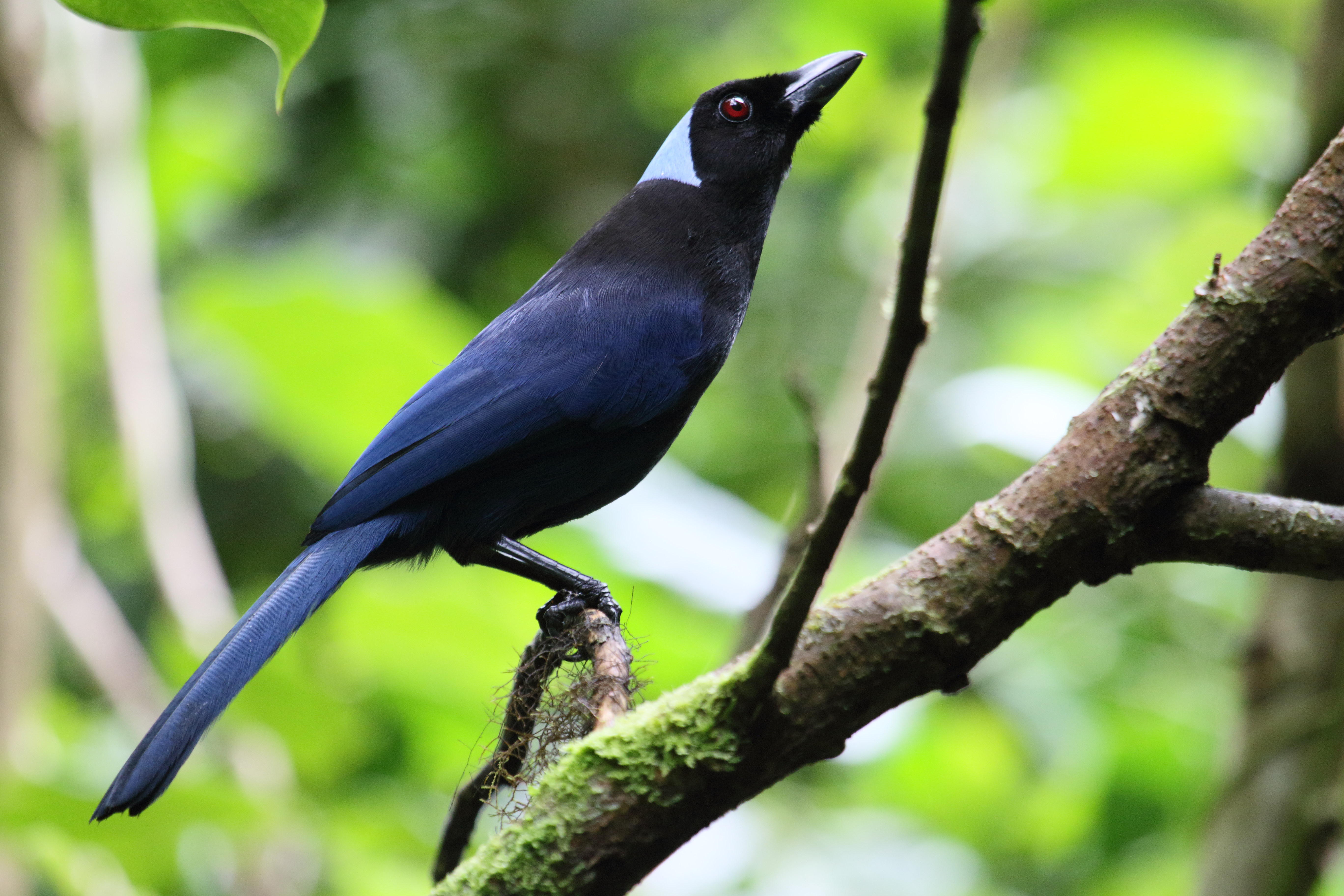
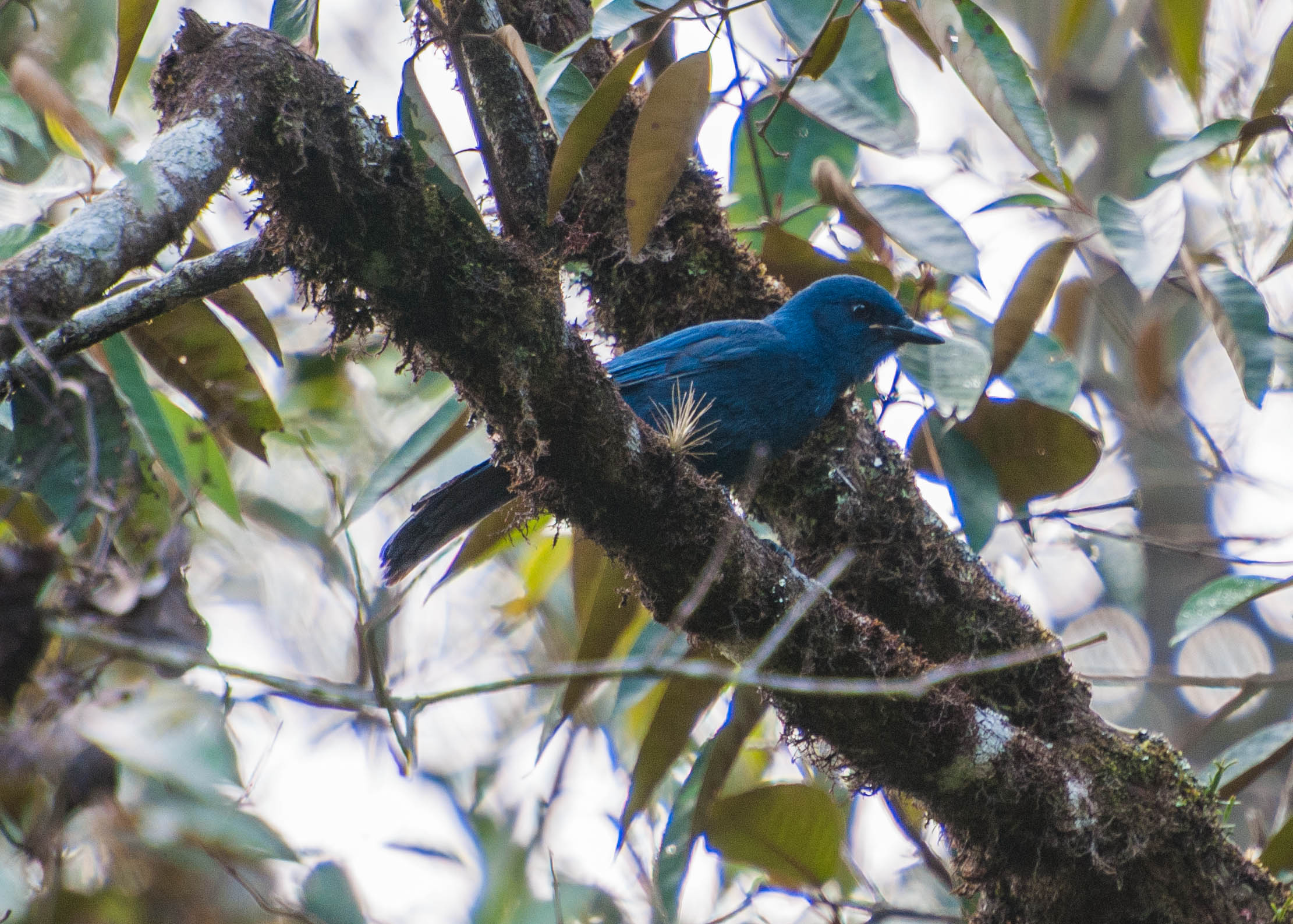
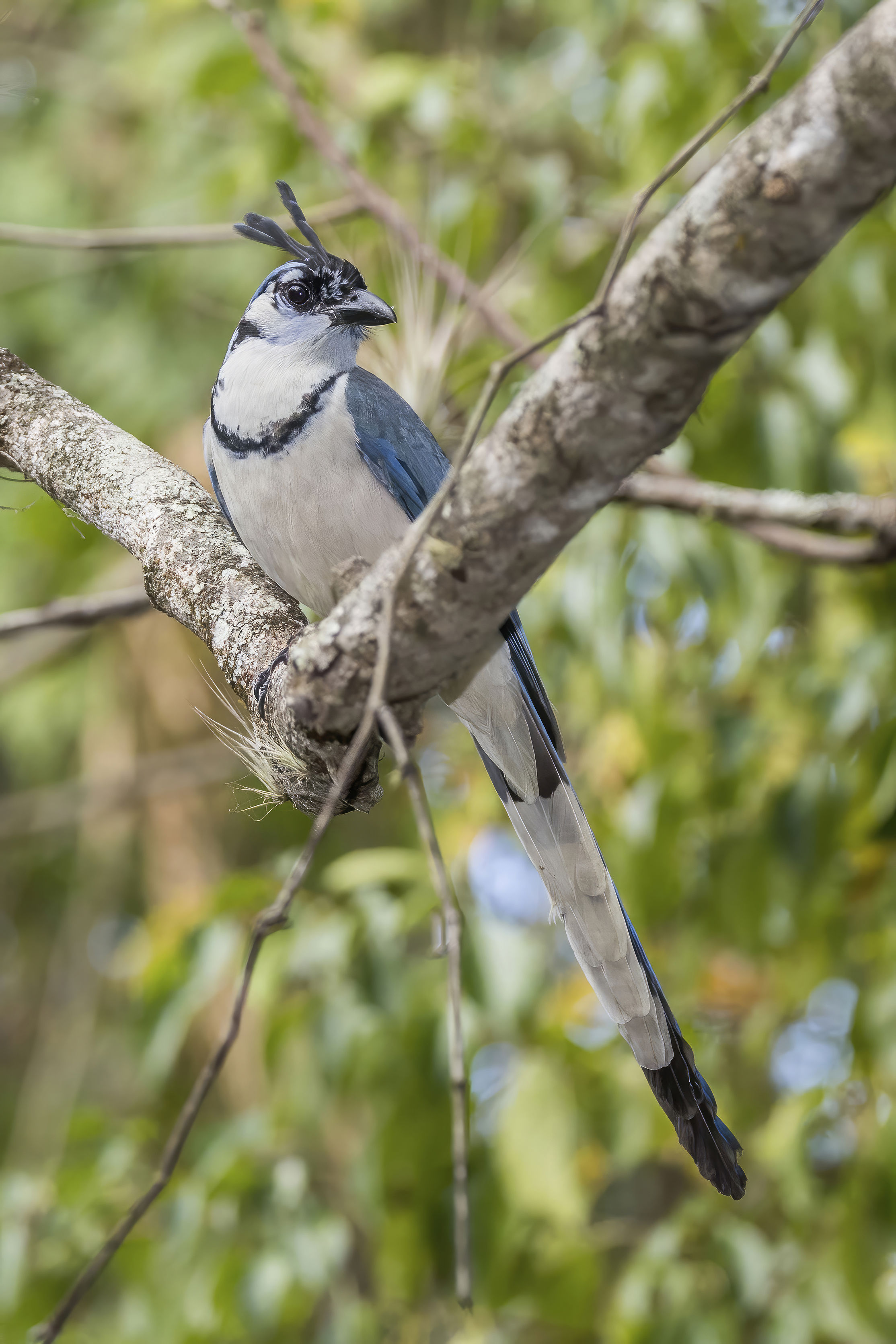
This scatter-hoarding behavior has profound implications for oak forest dynamics. By burying acorns in suitable microsites away from the parent tree, jays reduce predation, prevent desiccation, and decrease seedling competition. Some researchers credit jays and other scatter-hoarding animals with the postglacial migration of oak forests from North America through Mexico, across the Panamanian Isthmus, and into South America, a slow advance carried out over thousands of years in increments of 50 to 100 meters per dispersal event.
Squirrels also consume acorns but their role in dispersal varies by species. The variegated squirrel (Sciurus variegatoides), common in Central American forests from lowlands up to 1,800 meters, eats acorns but does not cache them, limiting its role as a disperser. In contrast, the Mexican gray squirrel (Sciurus aureogaster) of the Mexican highlands is known to scatter-hoard acorns, contributing to oak regeneration in a manner similar to jays.
Cloud Forest Fauna
The cloud forests where Q. lancifolia grows support an exceptionally diverse fauna. The resplendent quetzal (Pharomachrus mocinno), perhaps the most iconic bird of Central American cloud forests, shares this habitat. While quetzals feed primarily on fruits of the laurel family, they depend on the complex forest structure that oaks help create. Costa Rica's Monteverde Cloud Forest Reserve, which protects forests with oak-dominated montane communities, is home to over 400 bird species and 100 mammal species, including tapirs, jaguars, and three species of monkeys.
The acorn woodpecker (Melanerpes formicivorus) is particularly associated with oak forests, storing acorns in communal granary trees. Other mammals of these forests include the kinkajou, coati, tayra, and olingo, which move through the canopy that oaks like Q. lancifolia help form.
Conservation
While Quercus lancifolia is assessed as Least Concern by the IUCN, this status belies the severe threats facing its cloud forest habitat. In Veracruz, only about 10% of the original cloud forest remains, the rest converted to coffee plantations, pasture, and urban development. Throughout Central America, cloud forests continue to be fragmented and degraded.
The species' broad geographic range provides some resilience, but local populations may be at risk. Climate change poses an additional threat, as cloud forests depend on specific temperature and moisture conditions that are shifting upslope. As cloud base elevations rise, suitable habitat for cloud forest species like Q. lancifolia may simply disappear from mountaintops.
Resources & Further Reading
Species Information
General information on distribution, habitat, and morphology.
Detailed morphological description and cultivation notes from the International Dendrology Society.
Authoritative taxonomic information including synonyms and native range from the Royal Botanic Gardens, Kew.
Complete nomenclature with all synonyms and morphological specimen images.
Taxonomy & Phylogeny
Comprehensive oak taxonomy and genomics resources from the French National Research Institute for Agriculture, Food and Environment.
Phylogenomic analysis of oak classification and biogeography, including Central American species.
Complete monograph with 124 botanical plates illustrating Central American oaks, including Q. pilarius (now a synonym of Q. lancifolia). USDA Miscellaneous Publication No. 477.
Ecology & Cloud Forests
Research program on cloud forest conservation, including oak diversity in Central American highlands.
Research on cloud forest communities identifying Q. lancifolia as an indicator species for lower-elevation forests.
Research on ectomycorrhizal relationships enabling oak survival in tropical montane cloud forests.
Study of ectomycorrhizal Lactarius species with oaks in Mexican cloud forests.
Observations
Community observations and photographs of this species throughout its range.