Calabash Tree
A tree with 5,000 years of human history, the calabash appears in Maya creation mythology and provides the sacred rattles of Vodou priests and the resonating gourds of Brazilian capoeira.
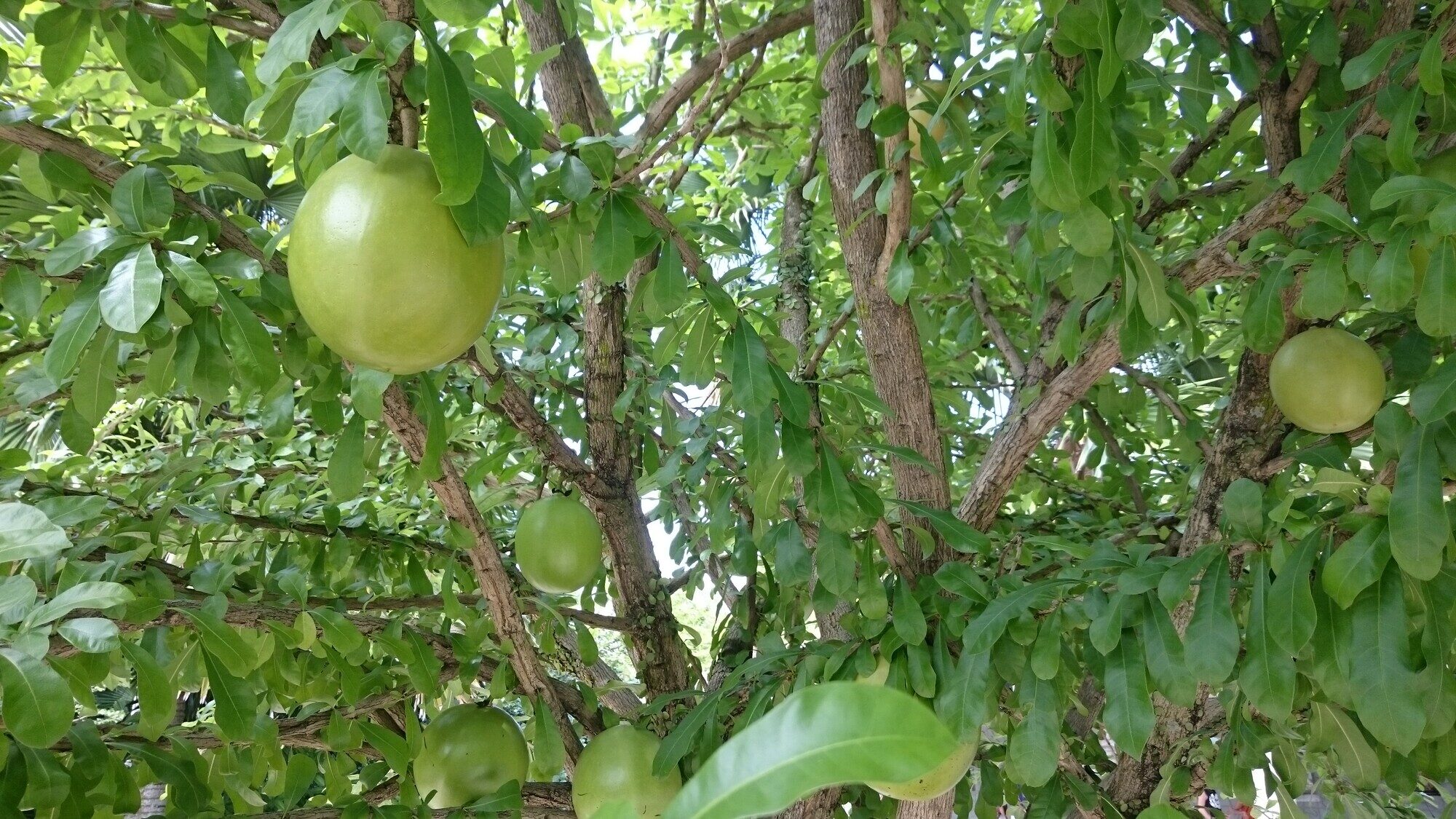
In the Popol Vuh, the Maya sacred book of creation, the severed head of the maize god Hun Hunahpu was placed in a calabash tree, where it became indistinguishable from the tree's gourd-like fruits. When the maiden Xquiq approached to examine the strange fruiting tree, the head spat in her hand and impregnated her with the Hero Twins, who would eventually defeat the lords of the underworld. This mythological detail was no accident of imagination: the calabash tree (Crescentia cujete) produces its flowers and fruits directly from the trunk and main branches, a botanical phenomenon called cauliflory that makes its large green gourds appear to hang like heads from the tree's skeleton.
Archaeological evidence confirms that humans have been using this tree for at least 5,000 years. The oldest archaeobotanical remains come from a Peruvian site dating to 5,000-3,800 years before present, while fragments from Belize date to at least 2,400 years ago. The calabash is among the earliest domesticated tree crops in the Americas, with genetic studies revealing that Maya communities have been practicing artificial selection for centuries, producing domesticated fruits up to seven times larger than their wild ancestors. Today the hard-shelled fruits are fashioned into drinking vessels, storage containers, musical instruments, and sacred objects from Mexico to Brazil, making Crescentia cujete one of the most culturally significant trees in the Neotropics.
Identification
Habit
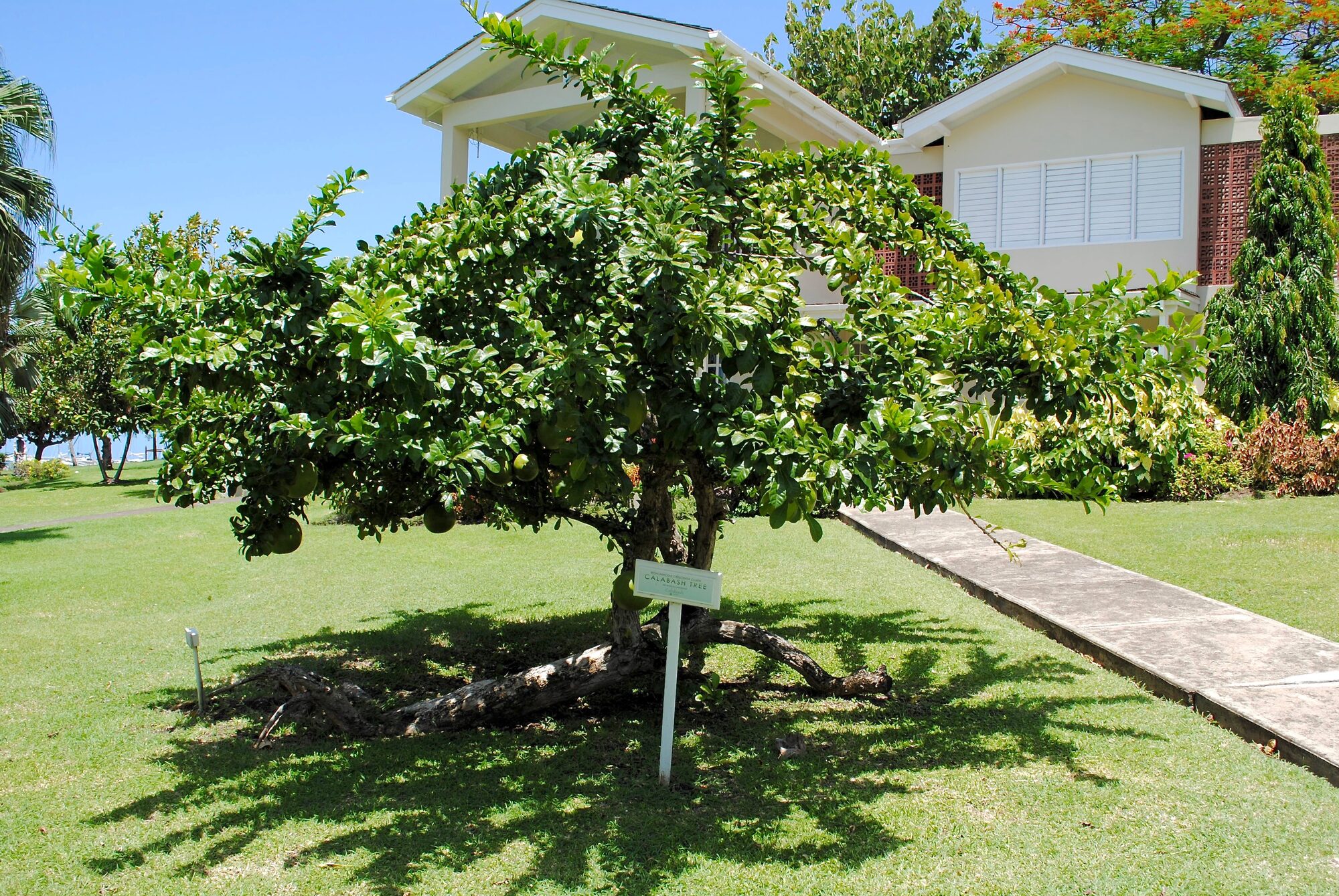
Crescentia cujete is a small to medium-sized tree, typically reaching 5-10 meters in height, occasionally to 15 meters. The trunk is usually short, often crooked or leaning, with a diameter of 30-50 cm. The crown is broad, irregular, and open, composed of long, spreading, often crooked branches that give the tree a distinctive silhouette. The branching pattern creates dense tangles that frequently host colonies of epiphytic orchids, bromeliads, and ferns. In pastures and open areas, the tree often stands alone with a spreading canopy, contrasting with the flat grazed land around it. The species is fire and drought tolerant, which contributes to its persistence in disturbed habitats.
Leaves
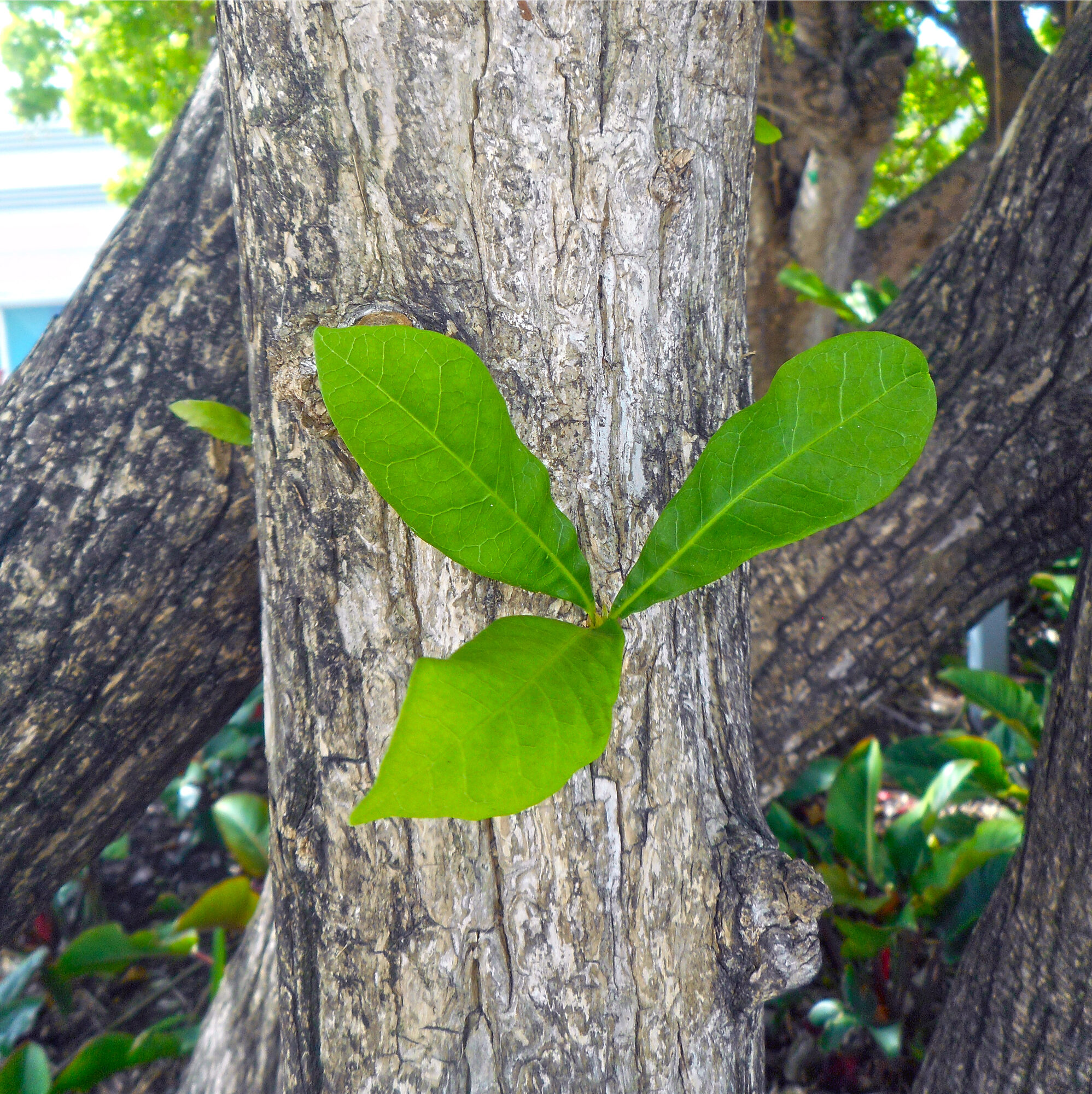
The leaves are arranged in a distinctive fasciculate pattern: clusters of 1-15 leaves emerge from elevated, thickened nodes along the branches. This clustered arrangement on short shoots gives the foliage an unusual tufted appearance. Individual leaves are simple, sessile or nearly so, and highly variable in size even at the same node, ranging from 3-26 cm long and 1-7.5 cm wide. The blade shape is oblanceolate to narrowly obovate, tapering gradually to an acute or cuneate base and ending in an acute to acuminate apex. The texture is subcoriaceous (somewhat leathery), and the surface is glabrous or bears minute simple or branched hairs along the midvein beneath. Secondary veins number 5-14 per side. When dried, the leaves turn a characteristic pale gray color that aids in herbarium identification.
Flowers
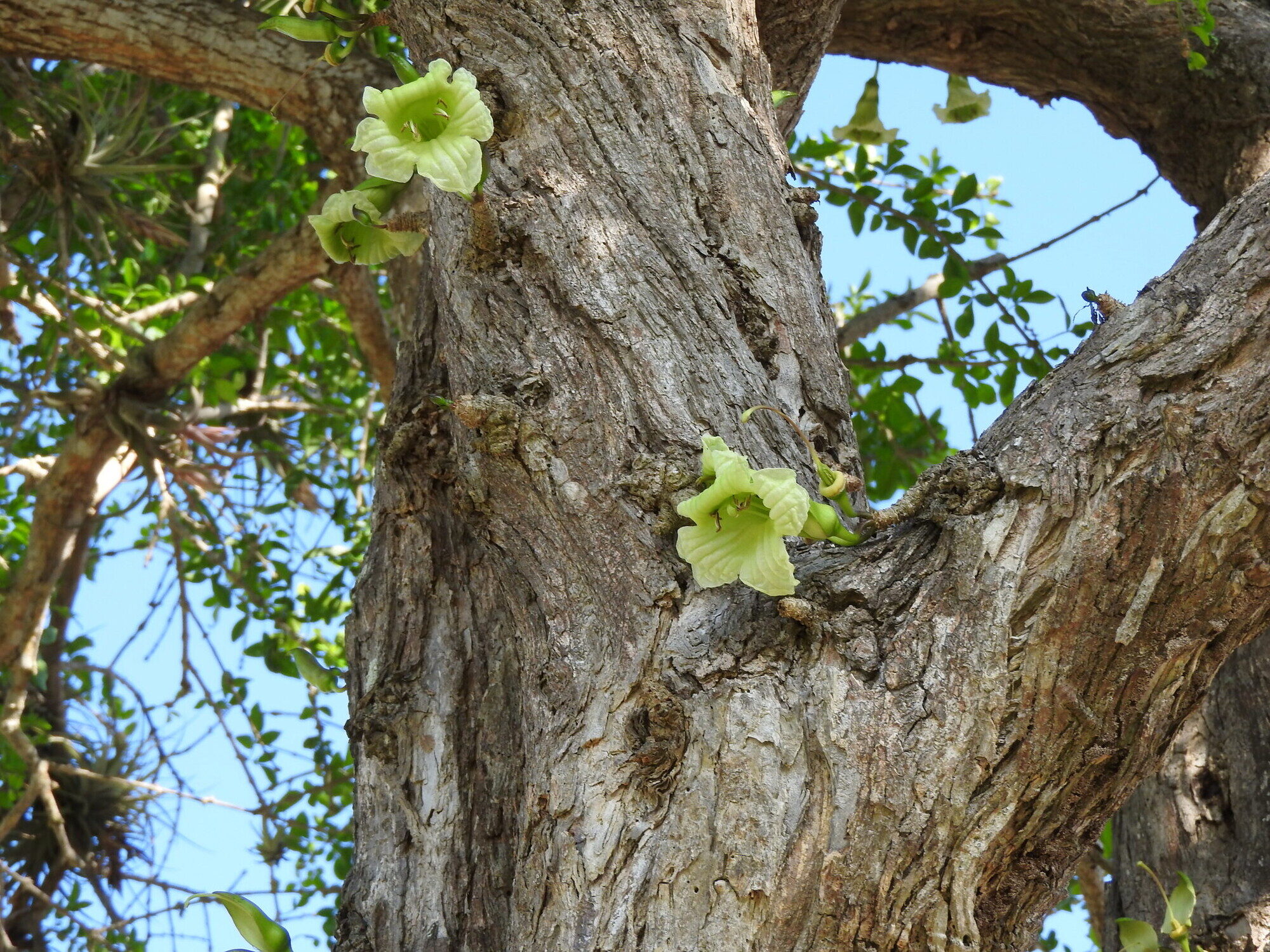
The flowers are borne singly or in pairs directly on older branches and the trunk, a phenomenon called cauliflory that places them in easy reach of bat pollinators. The calyx is 18-34 mm long, splitting into two subequal lips 12-24 mm wide. The corolla is large, 55-70 mm long, with a tube 18-25 mm in diameter that expands into a bell or cup shape. Flower color is dull white to yellowish white with purple lines radiating along the lobes. The flowers emit a pungent, musky, cabbage-like odor in the evenings, a characteristic scent profile that attracts nectar-feeding bats.
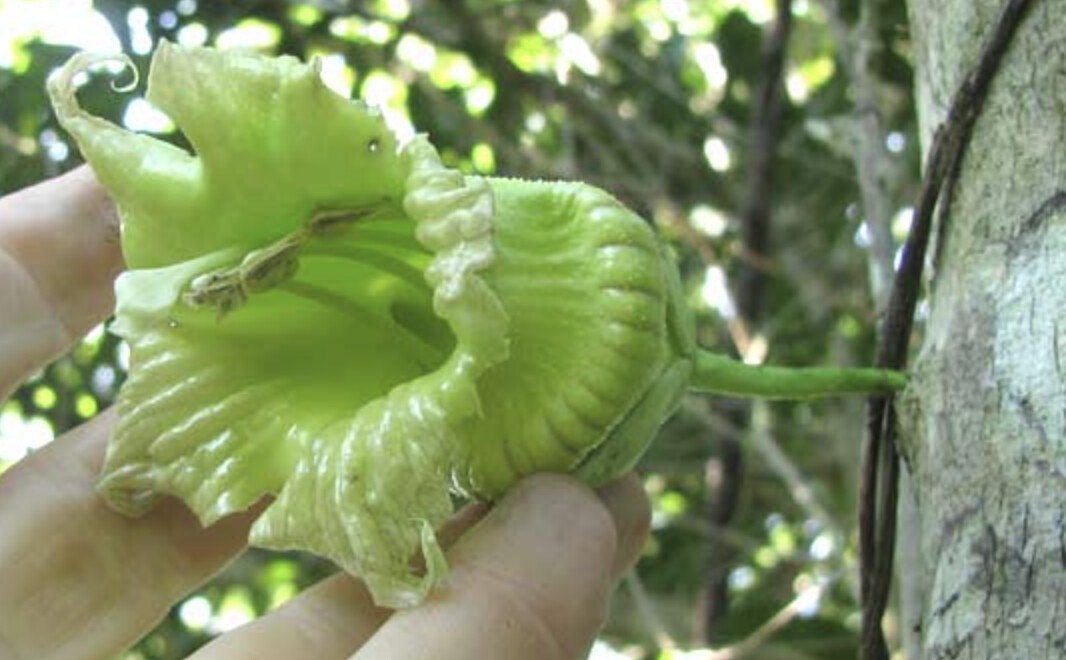
Flowering occurs year-round without significant seasonality, with individual trees producing an average of 2-3 flowers per night, though up to 10 may open simultaneously during peak periods. Each flower opens at night, lasts for a single night, and produces copious amounts of dilute nectar that accumulates in the cup-shaped corolla. This steady, year-round nectar production makes the calabash tree a reliable food resource for urban bat populations.
Fruits
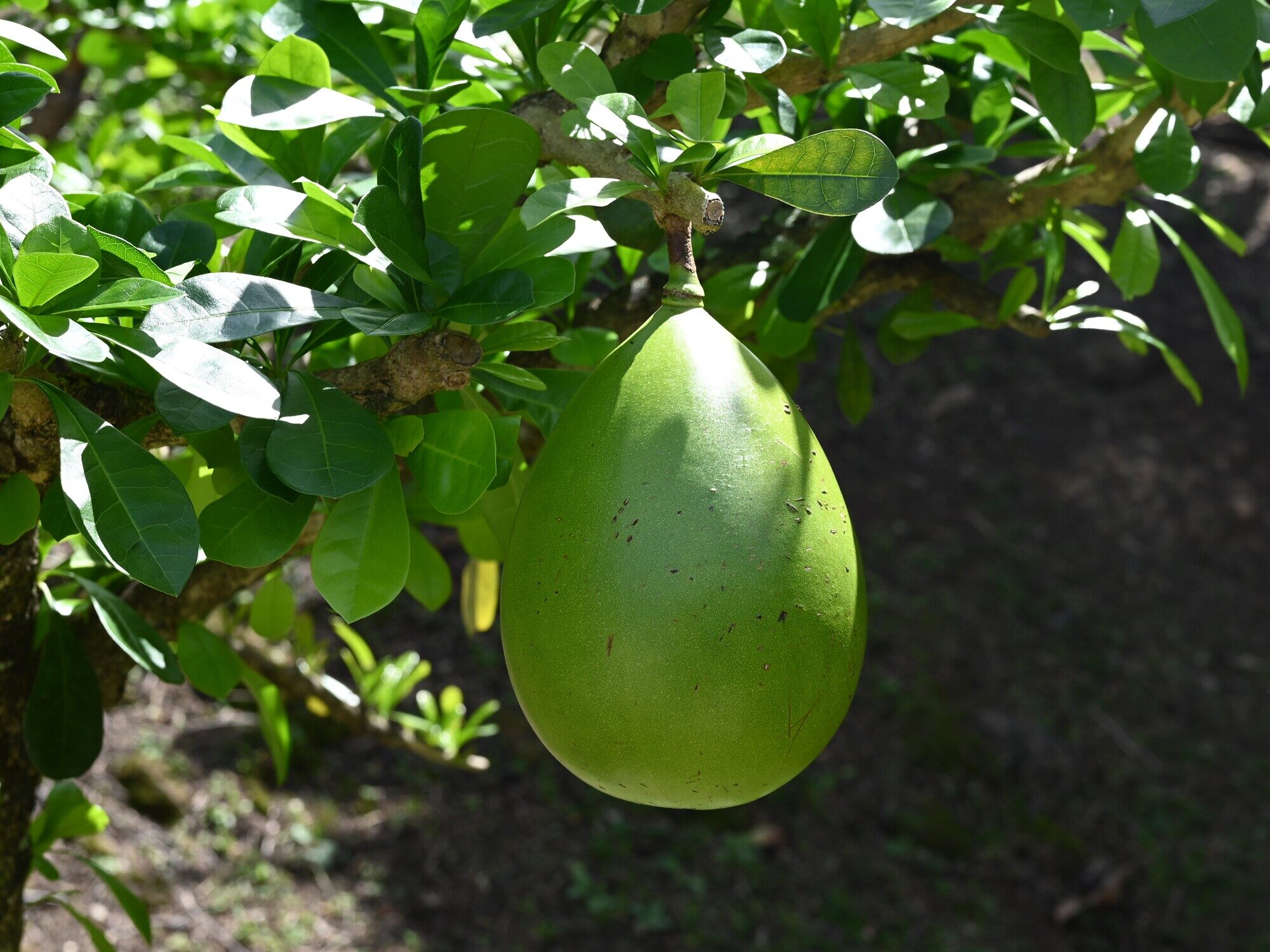
The fruits are the tree's most distinctive feature: large, spherical to ovoid gourds measuring 13-25 cm in diameter, occasionally reaching 30 cm long and 25 cm wide. Domesticated varieties can grow even larger, with volumes up to seven times greater than wild fruits. The surface is smooth and the pericarp (shell) is extremely hard and woody when mature, properties that make it ideal for crafting into containers. Seeds are 7-8 mm long and 4-6 mm wide, flat, obovate, and dark brown. Fruits take approximately six months to mature after flowering, and because flowering is continuous, trees typically bear fruits at various stages of development throughout the year.
The fruit pulp is toxic, containing crescentic acid, tartaric acid, citric acid, tannic acid, chlorogenic acid, and hydrocyanic acid precursors. It may cause abortion in cattle that consume fallen fruits. The seeds are also poisonous when raw but become edible when cooked. Despite this toxicity, the pulp has been used medicinally throughout the Americas when properly prepared, typically boiled with sugar into syrups for respiratory ailments.
Bark
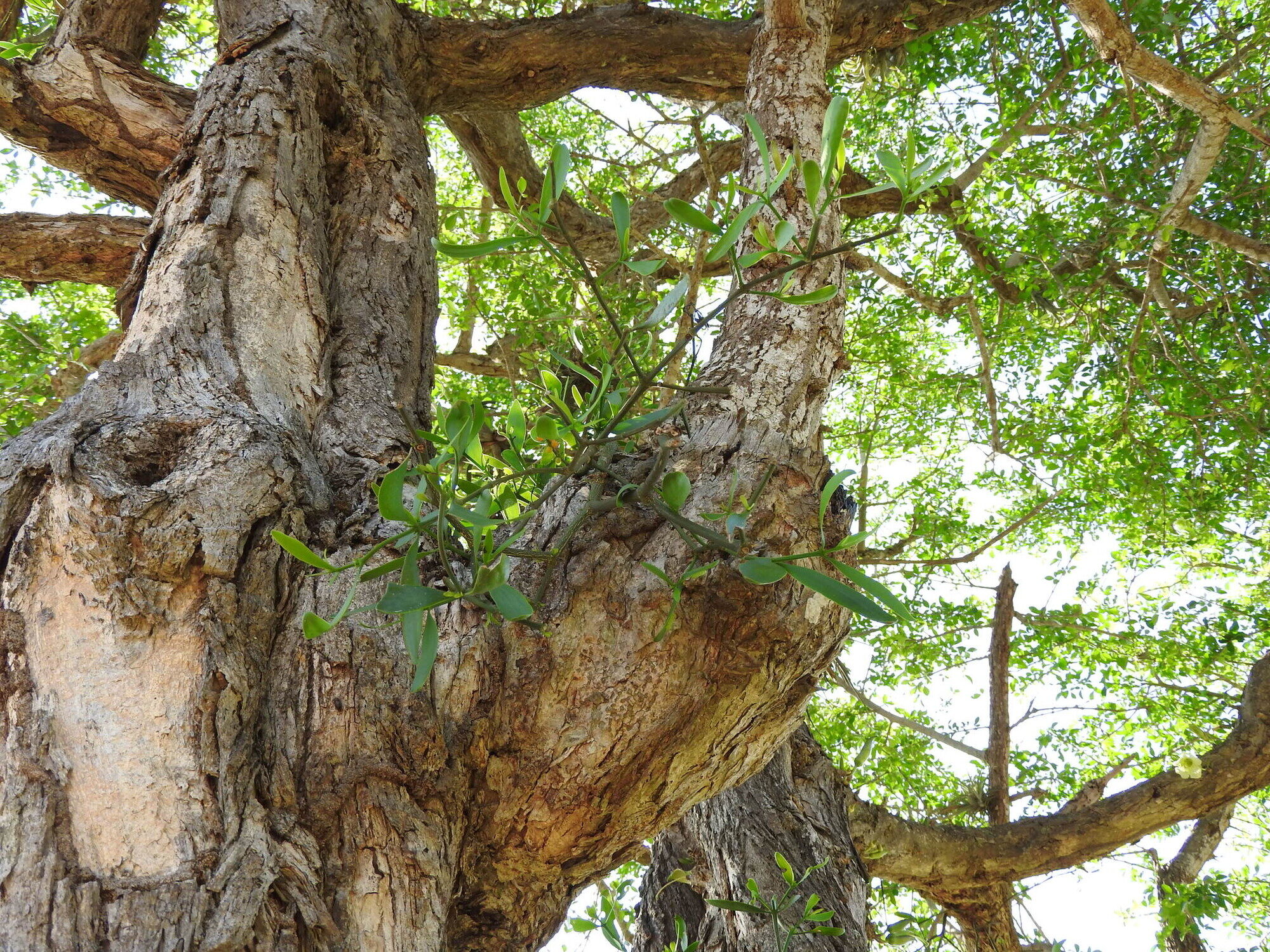
The bark is gray to grayish-brown, initially smooth on young trees but becoming rough, scaly, and vertically fissured with age. The deeply furrowed bark of mature specimens is distinctive and provides substrate for epiphytic plants. The wood is light brown, moderately hard and strong, and has been used for tool handles, ox yokes, vehicle parts, fence posts, carvings, and musical instruments.
Distribution
The natural range of Crescentia cujete is extensively obscured by at least 5,000 years of human cultivation. The species is certainly native to Mesoamerica, where putative wild populations still occur in savannas and semi-evergreen forests of southern Mexico and Central America. Northern South America, including the Colombian savannas where high genetic diversity has been documented, cannot be ruled out as part of the original distribution. Today the species is cultivated throughout tropical America from Mexico to Brazil, across the Caribbean, and has been introduced to tropical regions of Africa, Asia, and the Pacific.
In Costa Rica, Crescentia cujete is widely distributed in lowland regions of both deciduous and evergreen forest formations from near sea level to about 1,200 m elevation. Database records show 352 occurrences across multiple provinces, with concentrations in Guanacaste, Alajuela, Puntarenas, and San Jose. In the Brunca region of southern Costa Rica, the species has been documented at Golfito, Golfo Dulce Lodge, and Puerto Cortes. The species is most common in homegardens, along roads, and in pastures, where it is maintained for its useful fruits and shade. Historical collections include Pittier n. 1310, collected in pastures near the Rio Torres bridge in San Jose at 1,135 m elevation in August 1889.
Ecology
Bat Pollination
Crescentia cujete is fully dependent on bats for pollen dispersal, a pollination syndrome called chiropterophily. The primary pollinator is Pallas's long-tongued bat (Glossophaga soricina), which visits flowers throughout the night at high frequencies, with successive visits to individual flowers spaced by short intervals. Bats of the genus Artibeus also contribute to pollination. The flowers display a classic suite of adaptations for bat pollination: cauliflory (placing flowers on the trunk where bats can navigate without encountering foliage), nocturnal blooming, dull coloration, musty odor, cup-shaped corollas that accumulate nectar, and copious dilute nectar production. Daniel Janzen observed that pollen is placed on the dorsal side of the flower and transferred to the head and shoulders of visiting bats.
Megafaunal Dispersal Syndrome
The calabash tree is among the anachronistic New World plants that appear to have been adapted for dispersal by now-extinct megafauna. Daniel Janzen proposed that gomphotheres, the elephant-like animals that roamed the Americas until about 10,000 years ago, may have been the original dispersers of Crescentia seeds. The large fruits with their hard shells and fleshy, aromatic pulp fit the profile of megafaunal dispersal syndrome. Today, domestic horses serve as surrogate Pleistocene dispersers, eating the pulp and passing viable seeds in their dung. The spiny pocket mouse (Liomys salvini) harvests seeds from horse dung, as it cannot open the hard fruits independently. Water dispersal also occurs, as fruits are buoyant and trees often grow along arroyos where flooding during the rainy season may promote gene flow.
Epiphyte Host
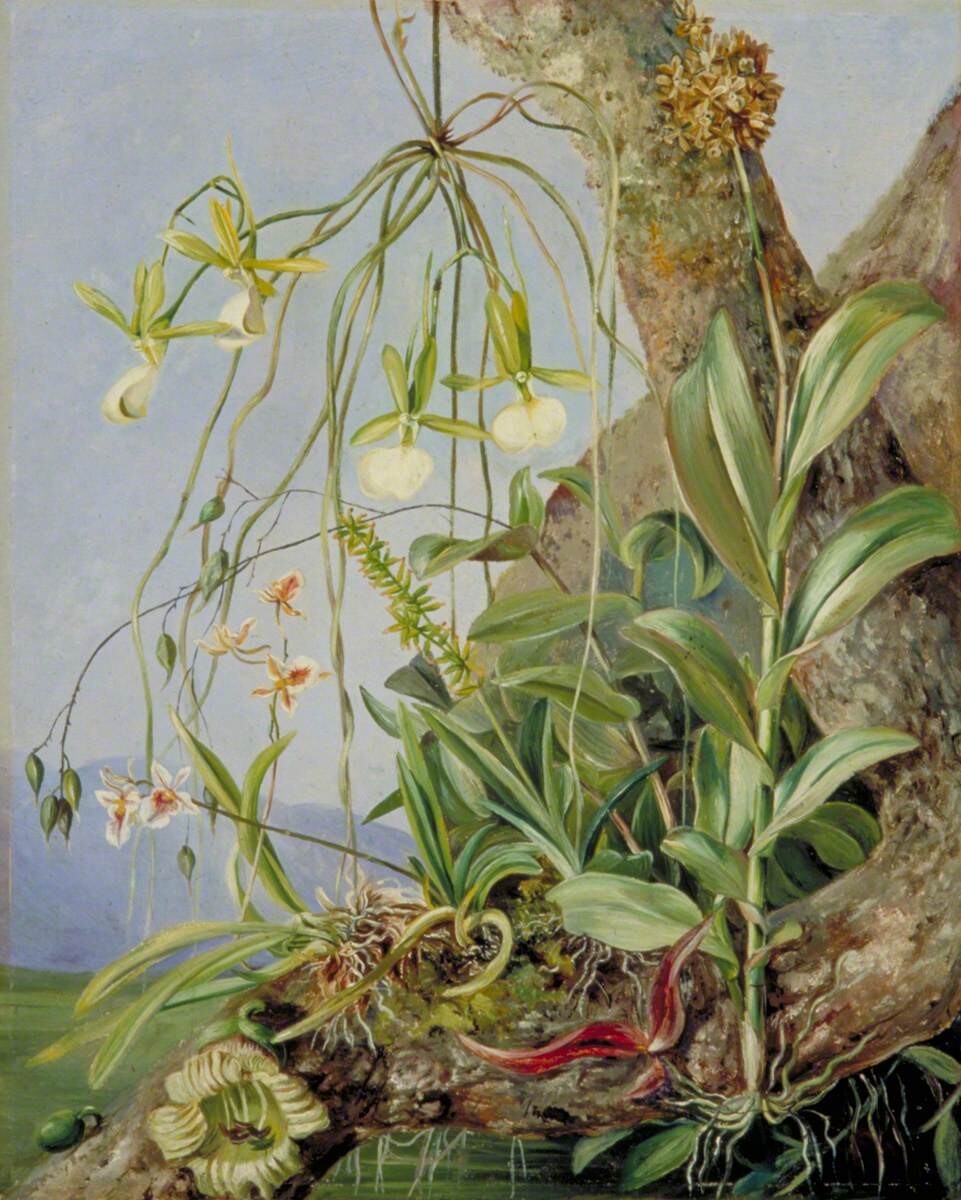
The calabash tree offers excellent habitat for epiphytes, and in natural settings trees are often covered with orchids, bromeliads, ferns, and other plants. The rough, fissured bark of mature specimens and the dense, tangled branching provide ideal substrate and microhabitats. A large tree observed in Corcovado National Park, Costa Rica, was noted to be completely covered in epiphytes. Victorian botanical artist Marianne North documented this ecological relationship in her 1871-1872 painting of Jamaican orchids growing on a calabash branch. The bark and wood are recommended for growing epiphytic orchids in cultivation.
Ant Defense
Developing fruits bear extrafloral nectaries that attract ants. These tiny, nonvascularized structures of epidermal origin secrete nectar that draws ants to patrol the fruits, where they function in an antiherbivore role. The tree also attracts stinging ants that ward off browsers such as goats, suggesting a broader mutualistic relationship between the calabash and its ant associates.
Cultural Significance
Maya Domestication and Mythology
Genetic studies in the Yucatan Peninsula reveal that Maya communities have been practicing artificial selection on Crescentia cujete for centuries. Domesticated fruits are significantly rounder, larger (up to seven times the volume of wild fruits), and have thicker pericarps than wild populations. Cultivation involves mainly vegetative propagation (76% of trees), and 66% of homegarden trees belong to domesticated varieties. Genetic studies using chloroplast microsatellites have identified multiple distinct haplotypes forming two haplogroups: one associated with cultivated trees and another with wild populations. Barriers to seed dispersal exist between neighboring cultivated and wild populations, indicating reproductive isolation between domesticated and wild lineages.
In Maya languages of the Yucatan, the tree is called luch or huaz. The Maya recognize two generic forms (wild and domesticated) and two specific domesticated varieties (white and green). Among Jakaltek Maya in Guatemala, calabash shells symbolize the "breast of Mother Earth" and are used in weddings, christenings, funerals, and agricultural ceremonies. The Popol Vuh story of Hun Hunahpu's head in the calabash tree reflects the deep mythological significance of this species in Maya cosmology.
Sacred Objects Across the Americas
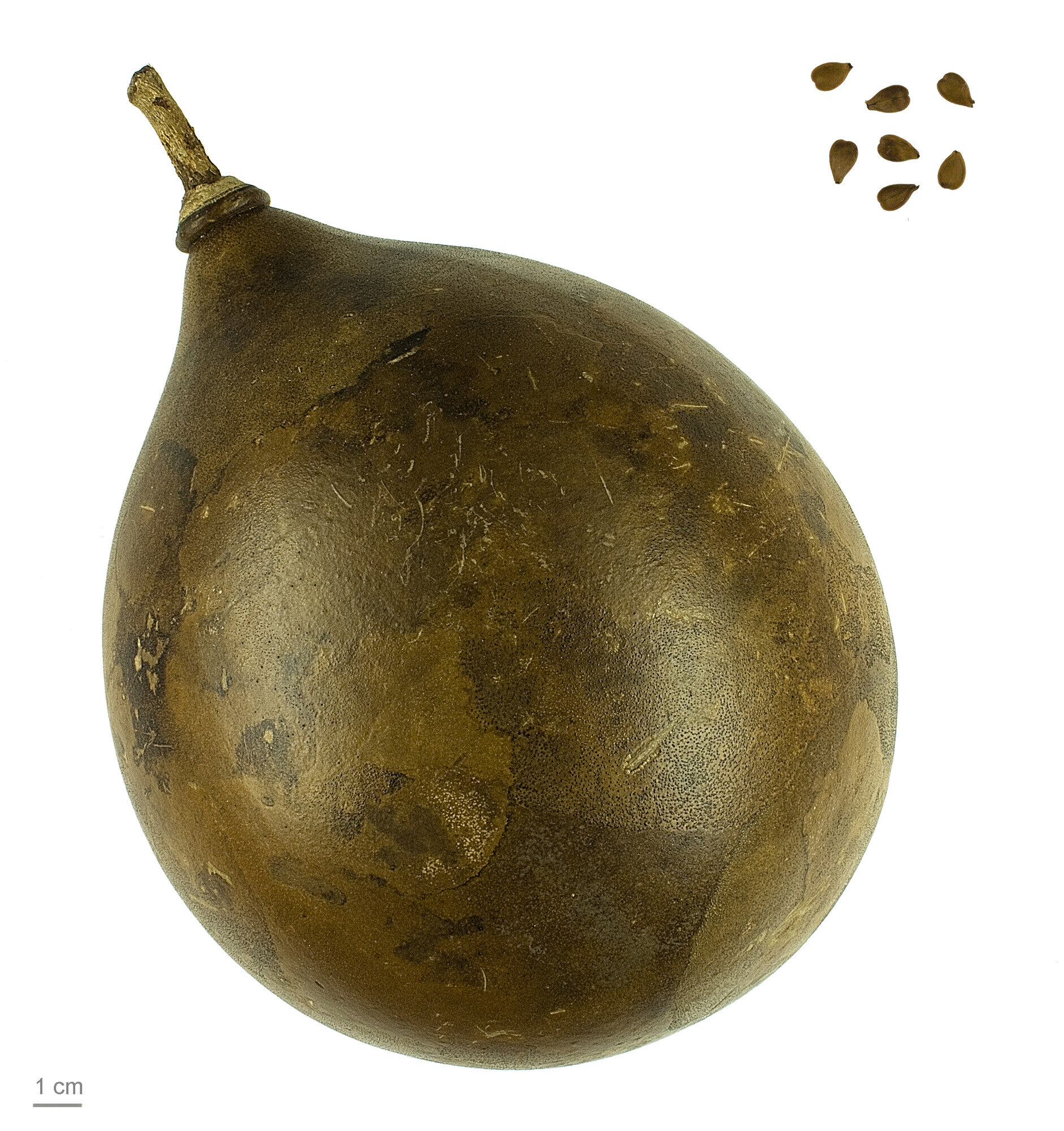
The calabash's hard-shelled fruits have been transformed into sacred objects across the Americas. In Haiti, C. cujete is called kalbas kouran ("running calabash") and provides the material for the asson, the sacred rattle emblematic of the Vodou priesthood. The asson consists of a dried gourd covered with beads and snake vertebrae, described as the "sacred tongue of Dan" (the serpent deity Danbala). It serves as a symbol of authority for Houngan (male priests) and Manbo (female priestesses), and assuming the duties of a priest is referred to as "taking the asson."
In Brazil, the calabash fruit serves as the cabaça, the resonating gourd of the berimbau, the signature musical instrument of capoeira. The cabaça is attached to a wooden bow with a steel string, and depending on its size produces different tones: viola (highest), média (medium), and gunga (lowest). The berimbau originated from Angolan musical bows brought to Brazil by enslaved Africans, who found the locally abundant calabash ideal for creating resonators. The tree is called calabaça, cueira, cuia, or cabaceira in Brazil.
The Caribbean Taino people used calabash gourds to make maracas for areytos (religious ceremonies) and as containers for sacred substances like cohoba. The Spanish name higuero derives from Taino (Arawakan) influences. Today the calabash remains the national tree of St. Lucia, reflecting its enduring cultural importance in the Caribbean.
Utilitarian Uses
Beyond sacred purposes, the hard shell of the pericarp has been used for millennia to make cups (jicaras), bowls (guacales), basins, ladles, and water carriers. The distinction between guacales (oval fruits) and jicaras (globose fruits) appears in colonial Spanish accounts. The round, dried, empty fruits are often incised, painted, or decorated for ornament. In silvopastoral systems, particularly in Colombia, the tree is managed as a shrub producing green leaf fodder and serves as a living fence, fuelwood source, and shade tree in pasture paddocks.
Traditional Medicine
Despite its toxicity, Crescentia cujete is used medicinally across its range. The fruit pulp, when properly prepared by boiling with sugar, is made into syrups for coughs, colds, and bronchitis. Fruit decoctions treat diarrhea, stomachaches, cold, bronchitis, asthma, and urethritis. Leaf preparations address hematomas, tumors, hypertension, dysentery, lung diseases, toothache, wounds, and headaches. Regional uses vary: in the Philippines it is applied for hypertension, inflammation, and diarrhea; in Bangladesh for cancer, pneumonia, and snakebite; in Mexico's Yucatan for internal abscesses and childbirth induction; in Cuba for asthma, stomach troubles, parasites, and infertility. Laboratory studies have confirmed antidiabetic, antioxidant, antibacterial, anti-inflammatory, wound healing, and neuroprotective activities, though most remain at the in-vitro stage.
Taxonomic History
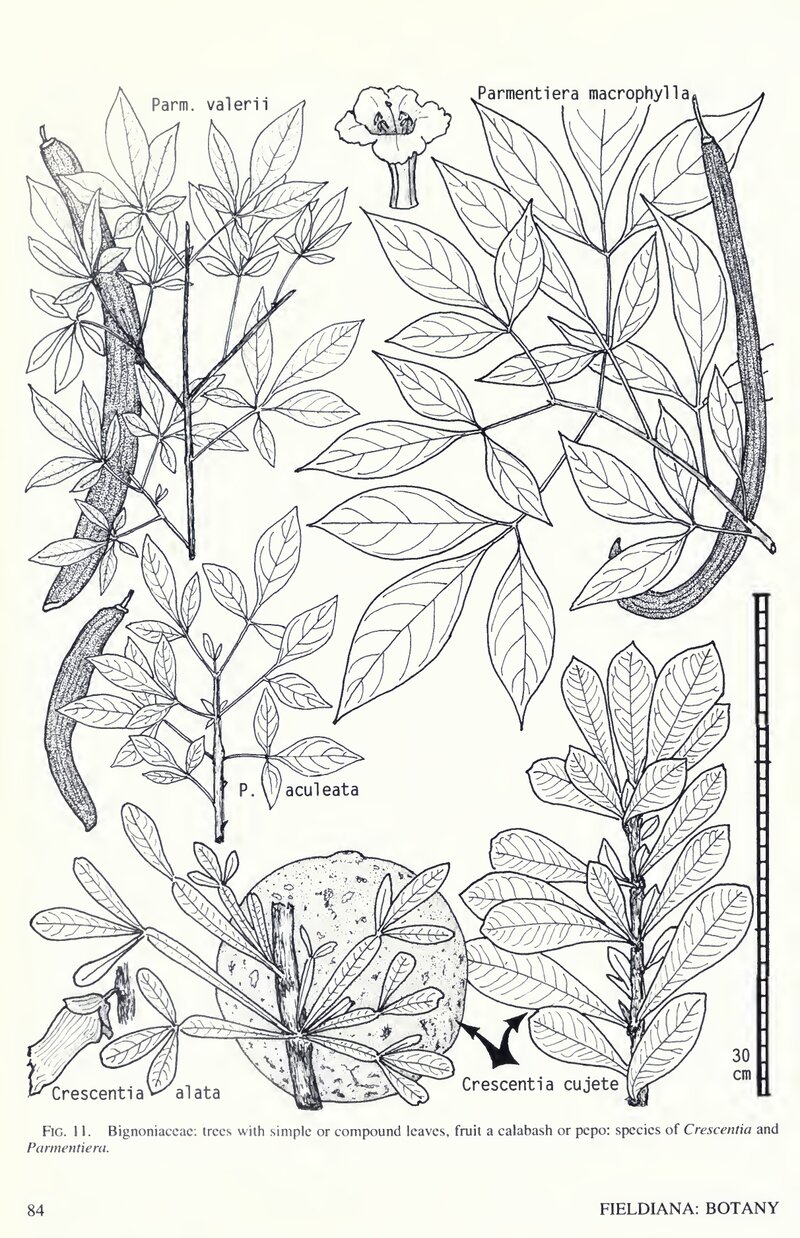
Crescentia cujete was described by Carl Linnaeus in 1753 in his Species Plantarum (volume 2, page 626), making it one of the original species of modern botanical nomenclature. Linnaeus did not describe the species from a specimen he collected himself; rather, the lectotype was designated as an illustration by Leonard Plukenet in his Phytographia (plate 1172(2), published in 1692), lectotypified by Wijnands in 1983. A conserved type specimen also exists at LINN-779.1, though this was later rejected by the Spermatophyta Committee in 1994 in favor of the Plukenet illustration.
The genus name Crescentia honors Pietro de' Crescenzi (1233-1320), an Italian jurist, philosopher, and writer on agriculture from Bologna. Crescenzi authored Ruralia commoda (1307-1311), considered the "Bible of Medieval Agriculture" and one of the very few agricultural treatises from the medieval period. The specific epithet "cujete" derives from a Brazilian vernacular name for the plant, likely from Tupi or a related indigenous Brazilian language. The species has accumulated 43 synonyms over the years, including Crescentia acuminata, C. angustifolia, C. arborea, and C. cuneifolia, reflecting the morphological variability across its wide cultivated range.
Similar Species
Crescentia alata (Mexican calabash or cross-leaf calabash) is the most similar species and occurs sympatrically with C. cujete in parts of its range. It differs in having a mixture of simple and trifoliolate leaves with winged petioles that resemble a Christian cross (mentioned in early Spanish accounts of Mexico), smaller fruits (always under 1 liter volume), and a native range restricted to Pacific slope dry forest savannas from Mexico to northwestern Costa Rica. The two species hybridize where they co-occur, and molecular studies have questioned whether C. alata is sufficiently distinct to merit species status. Amphitecna latifolia (Black Calabash), a related cauliflorous bat-pollinated tree, has similar gourd-like fruits but differs in its waxy, glossy, dark green leaves and white flowers with a bent, angular corolla tube. In Costa Rica and Nicaragua, A. latifolia seeds have been used as a cocoa substitute.
Conservation Outlook
Crescentia cujete was assessed as Least Concern by the IUCN in 2019. The species has a very wide distribution, a large population, is not currently experiencing major threats, and no significant future threats have been identified. It is common where it occurs, fire and drought tolerant, and benefits from human cultivation and management in homegardens, pastures, and agroforestry systems. The species is the national tree of St. Lucia, providing it symbolic protection in that nation. While habitat conversion in some regions may reduce wild populations, the long tradition of cultivation ensures that the calabash tree will continue to thrive across tropical America.
Resources & Further Reading
Species Information
Plants of the World Online entry with distribution and synonymy.
Global occurrence records and specimen data.
Community observations with photographs from across the species' range.
Detailed species account with uses, cultivation, and ethnobotany.
General encyclopedia entry with cultural and ecological information.
Species page from the Guanacaste Conservation Area, Costa Rica.
Taxonomy & Nomenclature
Nomenclatural data and specimen records from Missouri Botanical Garden.
Burger & Gentry (2000). Fieldiana Botany n.s. no. 41. Field Museum.
Ecology & Pollination
Urban Forestry & Urban Greening (2022). Temporal resource dynamics of bat-pollinated Crescentia cujete.
Domestication & Ethnobotany
Annals of Botany (2012). Morphological and genetic consequences of Maya domestication.
Journal of Ethnobiology and Ethnomedicine (2013). Wild vs. cultivated calabash in Yucatan homegardens.
Frontiers in Ecology and Evolution (2017). Introduction and dispersal routes of cultivated calabash.
Maya Archaeology. Calabash in Maya mythology, agriculture, and ceremony.
New York Botanical Garden. History of the berimbau's calabash resonator.
Phytochemistry & Medicine
Phytochemistry (2020). Metabolomics study identifying 66 compounds.
BMC Complementary Medicine and Therapies (2015). In vitro evaluation of leaf and stem bark.