Quina
Cinchona pubescens Vahl — The tree that changed world history, its bark yielding the quinine that conquered malaria and enabled European colonization of the tropics. Native to Central and South American cloud forests, including Costa Rica's highlands.
Few trees have shaped human history as profoundly as the quinine tree. For centuries, malaria killed millions across the tropics, making entire regions uninhabitable for outsiders and limiting the expansion of empires. Then, sometime before 1650, Jesuit missionaries in Peru learned from indigenous peoples that the bark of certain mountain trees could cure the deadly fevers. They called it "Jesuit's bark" or "Peruvian bark," and it became one of the most valuable commodities in the colonial world. The active compound, quinine, would later be isolated and synthesized, but the tree itself remained the primary source of antimalarial medicine well into the 20th century.
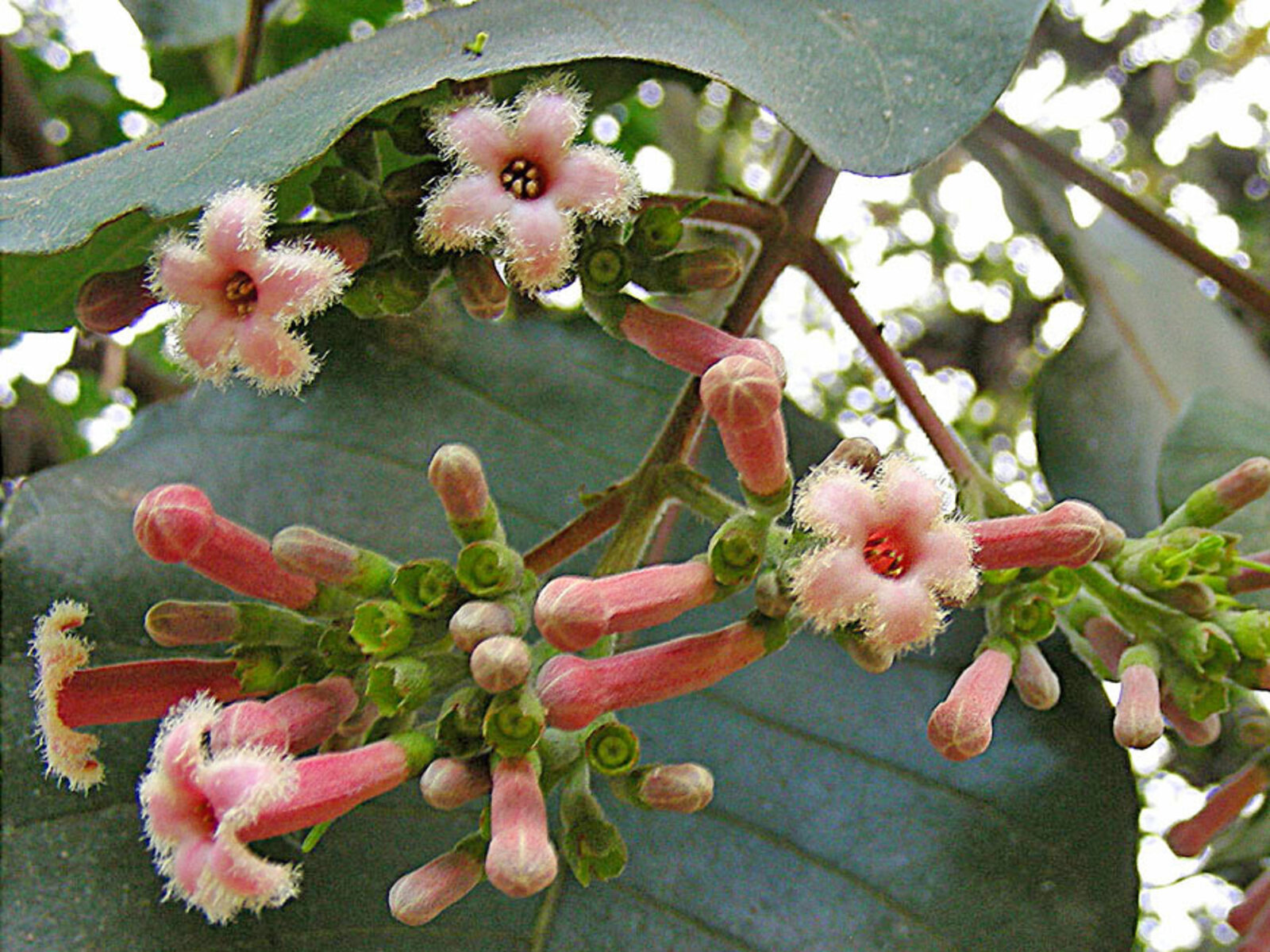
Of the roughly 23 species in the genus Cinchona, C. pubescens has the widest range, spanning from Costa Rica to Bolivia. It is a medium-sized tree of cloud forests, recognizable by its large, prominently veined leaves with fine pubescence beneath, and by its spongy, bitter bark that turns pinkish when wounded. Where mists shroud the mountains and epiphytes drip from every branch, quinine trees find the cool, humid conditions they require.
Identification
Habit
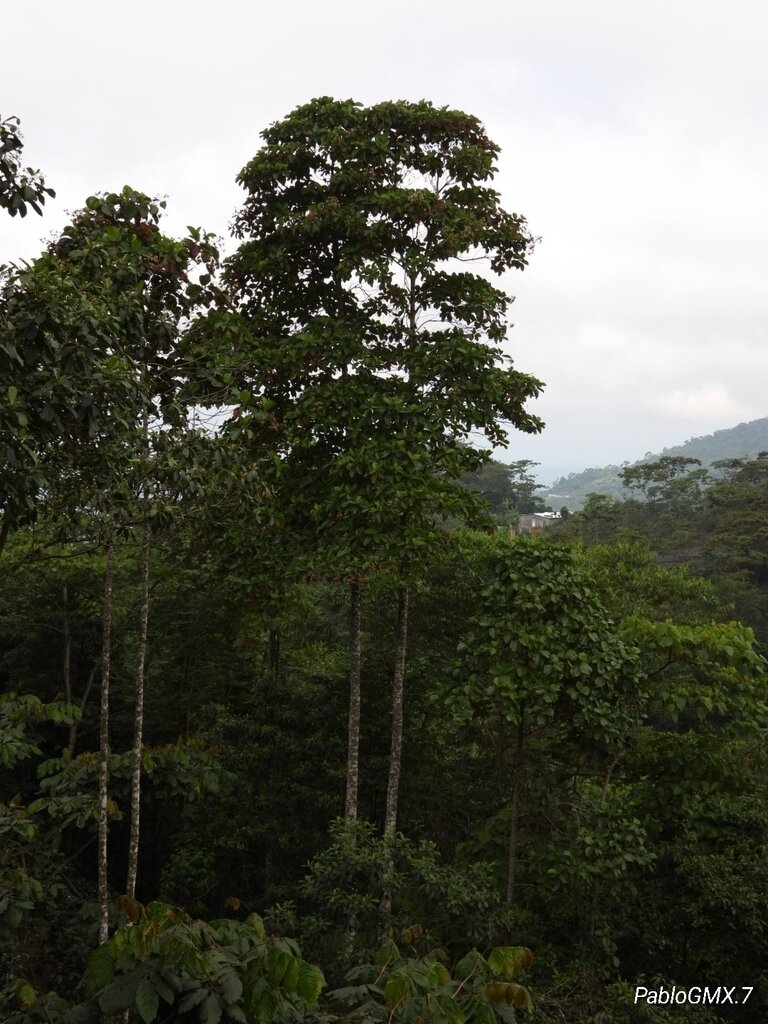
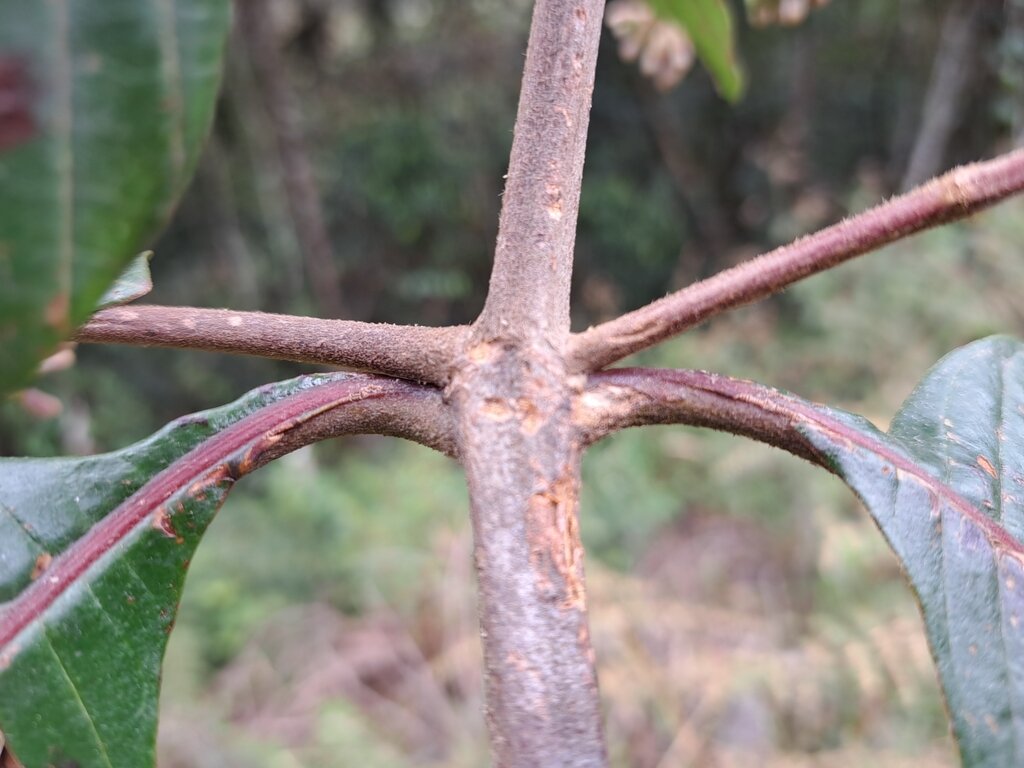
Cinchona pubescens grows as a small to medium-sized tree, typically reaching 5-10 meters in height in the wild, though exceptional individuals may attain 15 meters or more. The crown is often narrow and irregular, shaped by the windy, misty conditions of its cloud forest habitat. Young trees grow rapidly, adding 1-2 meters per year until they emerge above the surrounding vegetation. The branching pattern is characteristically opposite, with each node producing a pair of branches at right angles to the previous pair.
Bark
The bark is the source of quinine and the most distinctive identification feature. It is spongy in texture and intensely bitter to taste, releasing the alkaloids that made this tree famous. The outer bark ranges from grayish to reddish-brown, while the inner bark shows the characteristic pink to reddish color that gives the species its common name "red quinine." When stripped or wounded, the bark exudes a bitter sap. In wild populations, bark contains about 5-7% total alkaloids, roughly half of which is quinine. The closely related Cinchona ledgeriana, bred in colonial plantations, achieved quinine concentrations of 8-13%.
Leaves
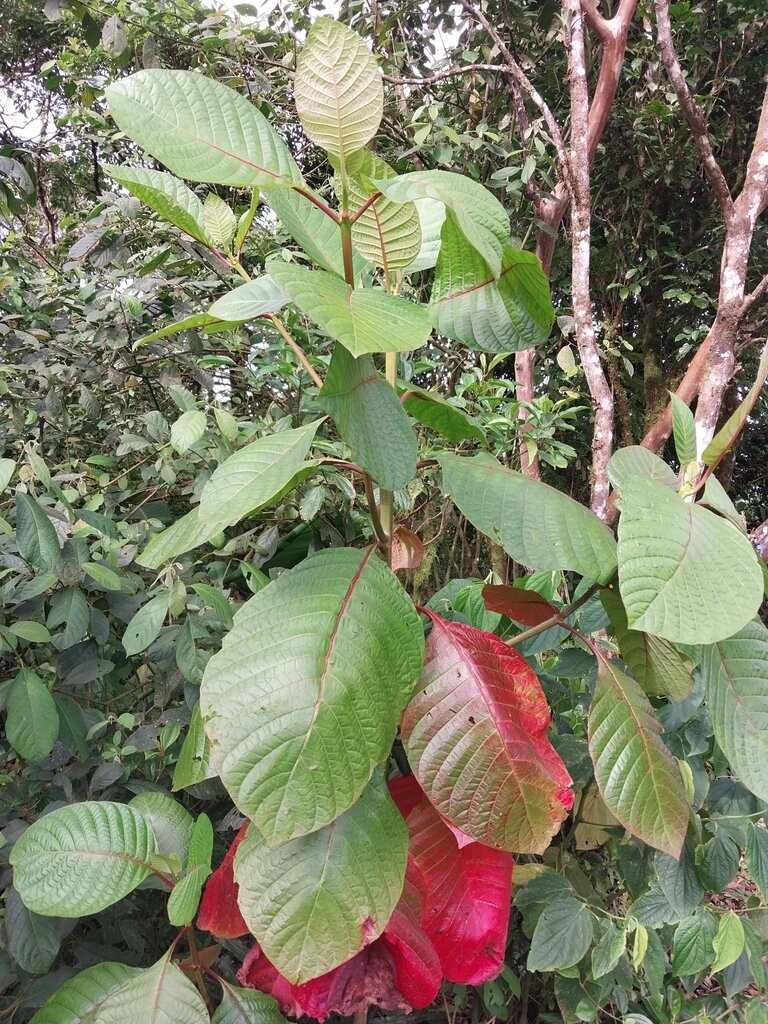
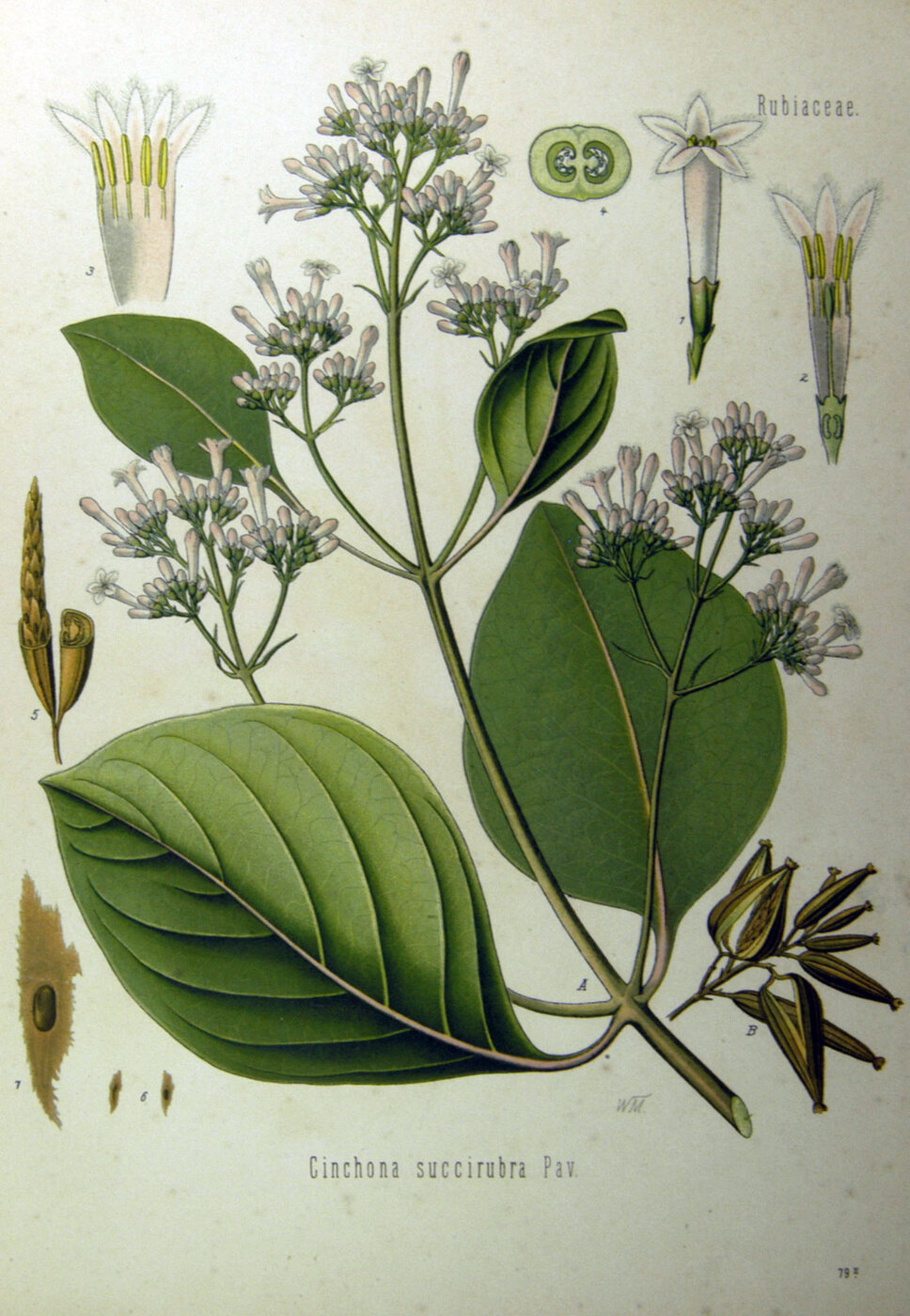
The leaves are among the largest in the Rubiaceae family, broadly elliptic to nearly circular, reaching 10-50 cm long and 5-35 cm wide, with the largest leaves on vigorous vegetative shoots. They are arranged oppositely on the stems with interpetiolar stipules. The upper surface is dark green and glossy; the lower surface is paler with fine pubescence (hence the species name pubescens). The leaves have prominent lateral veins and entire margins. When backlit, the venation pattern is distinctively visible.
Flowers and Fruits
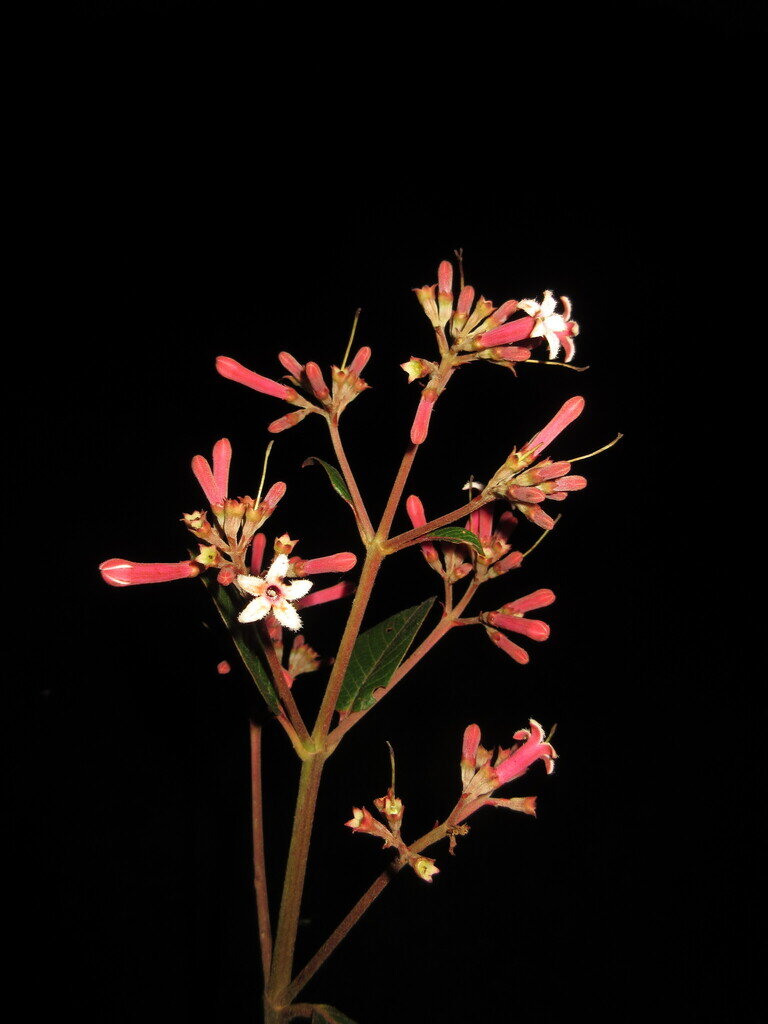
The flowers are small but fragrant, arranged in terminal panicles up to 20 cm long. Individual flowers are tubular with five lobes, pink to reddish in color, and release a pleasant scent that attracts pollinators. The fruit is a lanceoloid capsule that splits open at maturity to release numerous tiny winged seeds. These wind-dispersed seeds allow the tree to colonize new sites across steep mountain terrain, particularly in light gaps created by disturbance.
Distribution
Cinchona pubescens has the widest distribution of any quinine tree, ranging natively from Costa Rica through Panama and along the Andes mountain chain to Bolivia. Within this range it inhabits montane cloud forests, typically on steep slopes at elevations from 1,000 to 3,300 meters. The species has also been introduced to tropical highlands across the Pacific and elsewhere for quinine production, establishing populations in Hawaii, the Galápagos Islands, Jamaica, Tahiti, and parts of Africa and Southeast Asia.
Brunca Region
In Costa Rica's Brunca region, quinine trees grow in the cloud forests of the Talamanca range at elevations between 800 and 1,600 meters. GBIF records document 90 occurrences within the Brunca bounding box, concentrated in the La Amistad International Park and surrounding protected areas. Specimens have been collected from Estación Pittier in Coto Brus, along the Sendero Gigantes del Bosque near Estación Altamira, and in scattered localities throughout the montane zone. The species is not common, but persists in light gaps and on steep slopes where mist-laden air provides the cool, humid conditions it requires.
Ecology
Pollination
The fragrant pink flowers of Cinchona pubescens are pollinated primarily by bees and butterflies, attracted by the sweet scent that the blossoms release. Each flower is hermaphroditic, bearing both male and female organs, but the species is distylous: some plants produce flowers with long styles and short stamens, while others produce flowers with short styles and long stamens. This arrangement promotes outcrossing because pollen from short-styled flowers adheres to a different part of the pollinator's body than pollen from long-styled flowers, and is delivered to the stigma of the complementary morph. The genus Cinchona may also receive visits from hummingbirds in some parts of its range.
Seed Dispersal
Each lanceoloid capsule releases 40 to 50 tiny seeds equipped with papery wings that catch the wind. This wind-dispersal strategy allows the species to colonize distant sites, including light gaps created by treefalls or landslides on steep mountain slopes. Seeds germinate readily in disturbed understory vegetation, and juveniles grow rapidly at 1 to 2 meters per year until they overtop surrounding vegetation. Outside its native range, this efficient dispersal and fast growth have made C. pubescens a problematic invader of island ecosystems.
The Medicine That Changed History
A World Shaped by Fever
Before quinine, malaria shaped the fate of empires. Alexander the Great likely died of malaria in Babylon in 323 BCE, cutting short his conquests at age 32. The poet Dante Alighieri succumbed to malarial fever in 1321. Three popes died of malaria: Innocent III in 1216 while preparing a Crusade, Leo X in 1521, and Urban VII in 1590 after just 13 days in office. Oliver Cromwell, Lord Protector of England, likely died of the disease in 1658. The painter Caravaggio may have died of malarial fever in 1610. David Livingstone survived countless bouts of African fever, but his wife Mary died of malaria when she joined him in Africa in 1862. Entire colonial expeditions were wiped out before they could establish a foothold.
The Jesuit's Powder
A popular legend credits the Countess of Chinchón, wife of the Viceroy of Peru, with introducing the bark to Europe after being cured of malaria in Lima around 1638. When Carl Linnaeus named the genus Cinchona in 1742, he immortalized this tale. But historians have debunked it: the countess never had malaria and never returned to Spain. The true hero was likely the Jesuit apothecary Agostino Salumbrino, who observed Quechua healers using the bitter bark to treat fevers. Around 1631, he sent a supply to Rome, where Jesuit networks distributed it across Europe. By the 1650s, "Jesuit's powder" was being prescribed for intermittent fevers, and demand for the bark created a lucrative trade from the Andes.
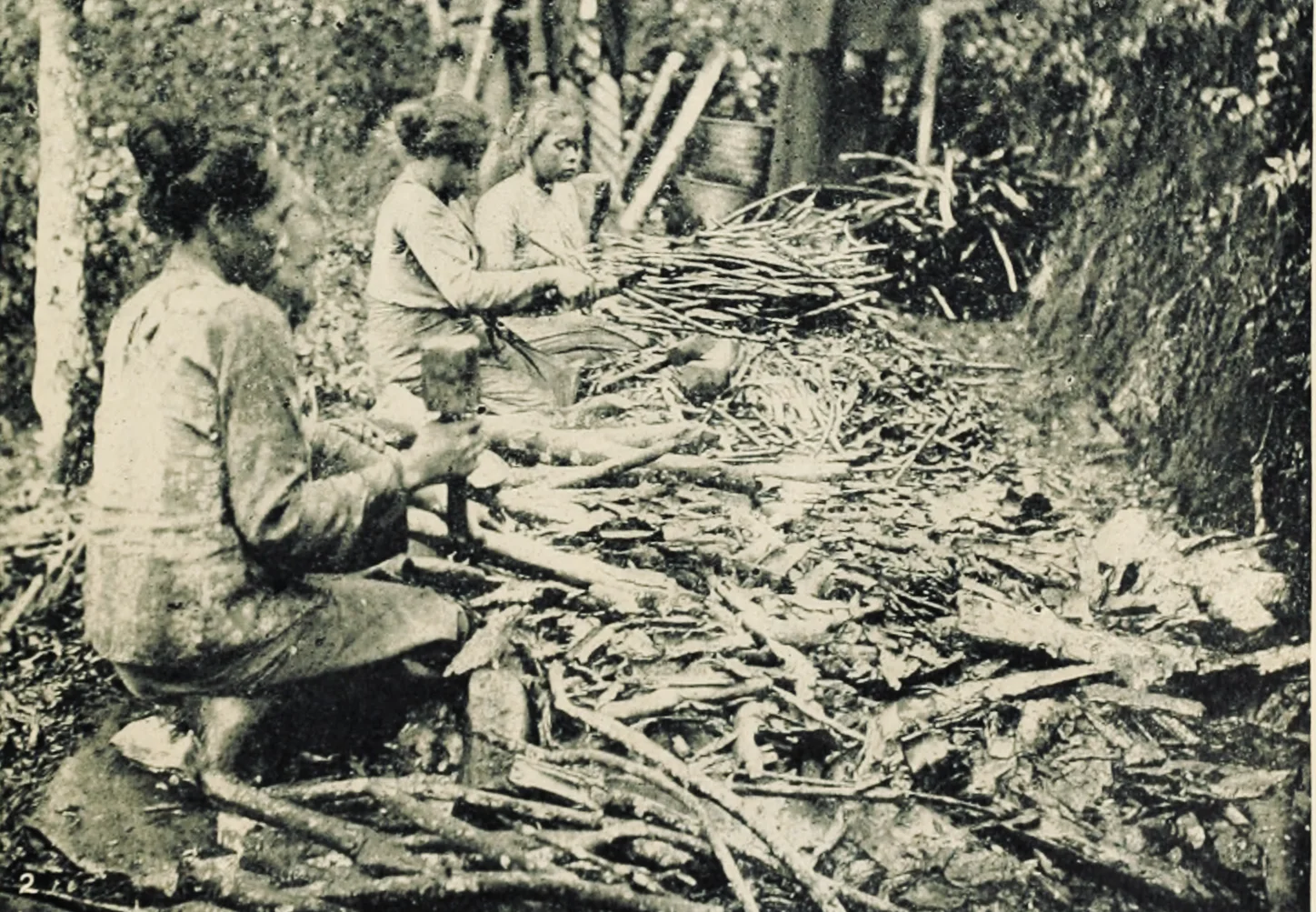
But quinine remained expensive and scarce, harvested unsustainably from wild trees in the Andes. Colonial powers reserved it for their own soldiers and administrators, leaving native populations unprotected. In India alone, malaria killed hundreds of thousands per year, contributing to an estimated 20 million deaths between 1800 and 1921. The British began systematic quinine distribution to Indians only in the 1890s.
Seeds of Empire: The Ledger-Mamani Story
Peru, Ecuador, Colombia, and Bolivia jealously guarded their quinine monopoly, banning the export of seeds and living plants. But in the 1850s, a British alpaca trader named Charles Ledger set out to break that monopoly. His partner was Manuel Incra Mamani, a Bolivian cascarillero (bark collector) of Quechua or Aymara descent who could identify at least 29 different cinchona varieties by their bark alone. For years, Mamani searched for the highest-quinine strains in remote Andean valleys.
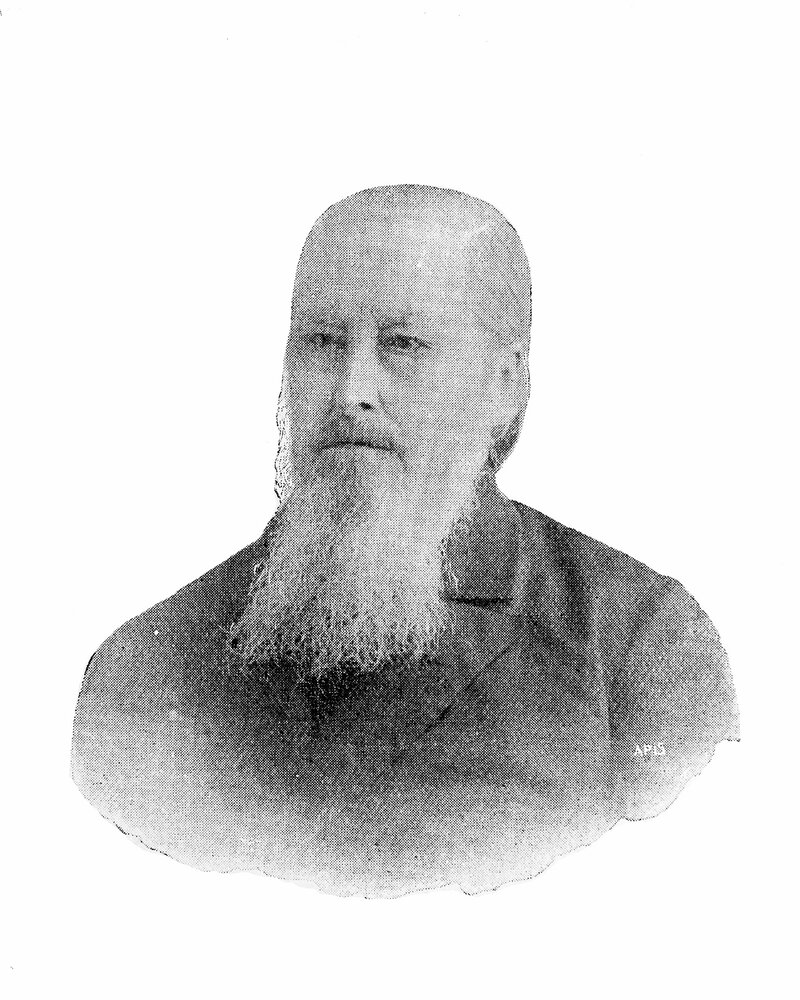
In 1865, after years of failed attempts, Mamani successfully smuggled seeds from the highest-quinine trees he had found near the Peruvian-Bolivian border. Ledger sent them to his brother in London, who offered them to the British government. The British, unimpressed, declined. The Dutch government purchased a small lot for a pittance. Those seeds were planted in Java, where they flourished. The variety, named Cinchona ledgeriana in Charles's honor, produced bark with up to 13% quinine content, far higher than any other species. By 1930, Dutch plantations in Java supplied 97% of the world's quinine.
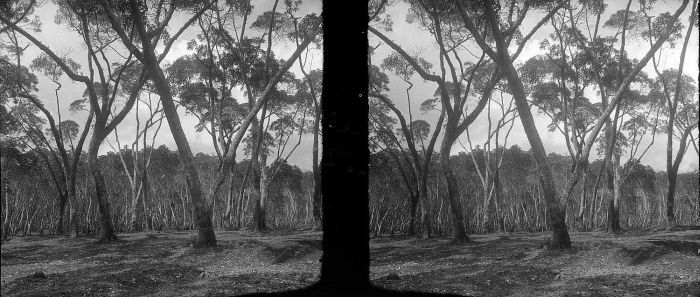
Mamani's fate was tragic. In 1871, while on another seed-collecting mission, he was arrested by Bolivian authorities, imprisoned, and beaten so severely that he died shortly after his release. Some historians believe he was punished for his role in breaking the quinine monopoly; others suggest he refused to reveal his employer's identity. Ledger, who received only a modest payment for his seeds, spent his remaining years in poverty in Australia. The Dutch quinine cartel made fortunes.
The Geopolitical Legacy
The impact of quinine was geopolitical. Armed with prophylaxis, European powers could finally penetrate tropical Africa and Asia. The "Scramble for Africa" in the late 19th century would have been impossible without quinine to protect colonial administrators and soldiers from malaria. The building of the Panama Canal, after French failure due to disease, succeeded largely because Americans could protect their workers. The same medicine that saved countless lives also enabled the subjugation of tropical peoples who had been protected, inadvertently, by their deadly fevers.
World War II: The Quinine Crisis
When Japan invaded the Dutch East Indies in 1942, they captured the world's quinine supply. Allied forces in the Pacific suddenly found themselves without protection against malaria. The consequences were catastrophic: in the Philippines, 24,000 of the 75,000 American and Filipino defenders were sick with malaria during the Japanese invasion. On Guadalcanal, more than 80% of U.S. Marines were hospitalized for malaria within nine months. At times, Japanese units were 90% combat-ineffective from the disease. More soldiers on both sides were felled by mosquitoes than by enemy fire.
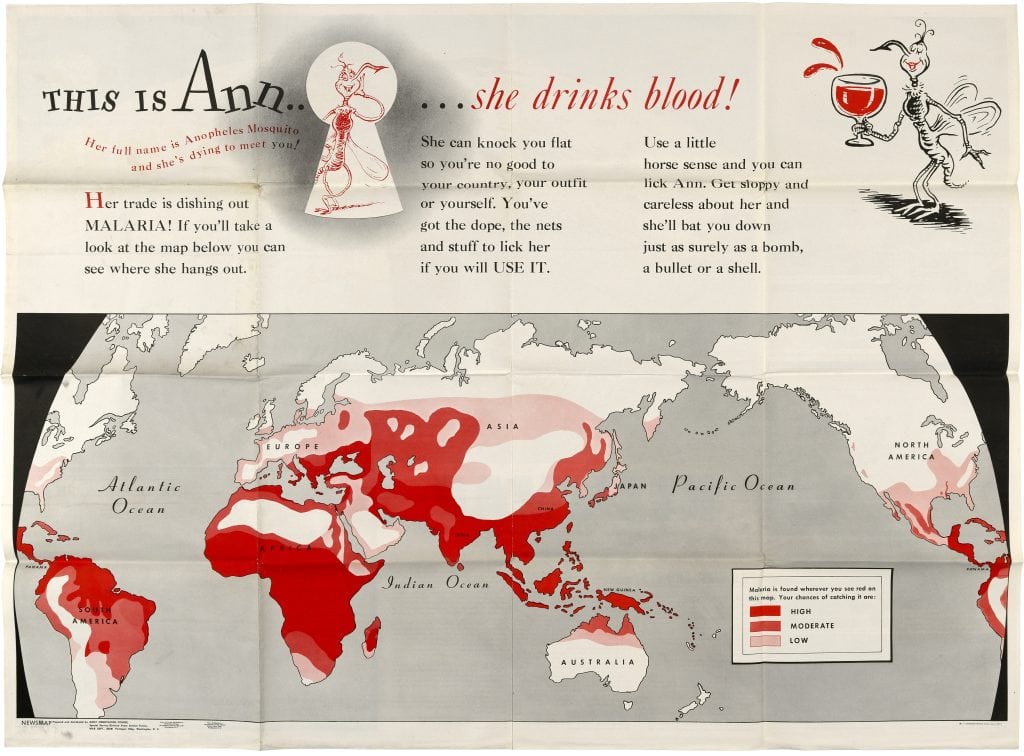
The Allies turned to quinacrine (Atabrine), a synthetic antimalarial with unpleasant side effects: it turned skin bright yellow and caused nausea. Japanese propaganda exploited this, spreading false rumors that Atabrine caused impotence. U.S. Army artists, including Theodore Geisel (later famous as Dr. Seuss), created posters warning soldiers to take their pills. Meanwhile, in the occupied Philippines, American officers secretly organized cinchona bark collection in Bukidnon province, smuggling enough bark by submarine to produce a million quinine tablets for Allied headquarters in Australia.
Traditional and Modern Uses
Indigenous peoples of the Andes had long used Cinchona bark as a medicine, though the extent of pre-Columbian use for malaria specifically is debated by historians. What is clear is that traditional healers recognized the bark's power to reduce fevers of various origins. Beyond malaria, bark preparations were used to treat indigestion, stimulate appetite, and address a variety of febrile illnesses. The intensely bitter taste of the bark was itself considered medicinal, following the ancient doctrine that bitter substances aid digestion and fortify the body.
Today, quinine remains important despite the development of synthetic antimalarials. The bark extract is used to produce quinine water and tonic water, giving these beverages their characteristic bitter flavor. Prescription quinine drugs continue to be used for malaria resistant to other treatments. The alkaloids also have applications in treating leg cramps and other muscle disorders. However, the tree's commercial importance has diminished since synthetic quinine production became economically viable, reducing pressure on wild populations.
A Native Turned Invader
In a twist of ecological irony, the quinine tree has become one of the world's worst invasive species outside its native range. Cinchona pubescens was deliberately introduced to tropical highlands in Hawaii, the Galápagos Islands, Tahiti, and other Pacific islands during efforts to establish quinine plantations. The trees thrived, but they did not stay in their plantations. Wind-dispersed seeds colonized native forests, where the fast-growing quinine trees quickly shaded out native understory plants. The species now ranks among the 100 worst invasive species globally.
In the Galápagos, quinine trees have reduced native plant species richness by 33% in some zones, crowding out endemic species found nowhere else on Earth. In Hawaii, the tree invades native rainforests, altering nutrient cycling and microclimate. Control efforts have proven expensive and largely ineffective; once established, Cinchona produces abundant seed crops that continuously recolonize cleared areas. The lesson is sobering: a tree that proved invaluable in its native range can become ecologically destructive when transported beyond it.
Taxonomic History
The Danish botanist Martin Vahl described Cinchona pubescens in 1790 in the journal Skrifter af Naturhistorie-Selskabet. The species epithet "pubescens" comes from the Latin for "becoming hairy" or "downy," referring to the fine pubescence on the undersides of the leaves. This feature distinguishes the species from other Cinchona species with glabrous (hairless) foliage.
The taxonomic history of quinine trees is complicated by their immense commercial importance. Early collectors and pharmacists described numerous species based on bark color, alkaloid content, and geographic origin, leading to a proliferation of names. Kew's Plants of the World Online now lists 51 synonyms for C. pubescens, including the commonly encountered Cinchona succirubra Pav. ex Klotzsch (the "red bark" of commerce), Cinchona cordifolia Mutis, and Cinchona ovata Ruiz & Pav. Modern molecular studies have clarified relationships within the genus, confirming that C. pubescens represents a single widespread and variable species.
Conservation in Costa Rica
In its native Costa Rican highlands, Cinchona pubescens is neither common nor rare. It persists in cloud forest patches throughout the Talamanca range, particularly on steep slopes where soil disturbance creates light gaps for seedling establishment. The species is well-protected within the extensive network of cloud forest reserves, including the Children's Eternal Rainforest and the Chirripó and La Amistad national parks. Unlike in the Galápagos, where it invades, here it occupies its natural ecological niche as one component of a diverse montane forest community.
The historical pressure of bark harvesting has long since ended. Wild populations were never commercially exploited on the scale of Andean forests, where centuries of bark stripping devastated Cinchona populations. Today, Costa Rican quinine trees face the same general threats as other cloud forest species: climate change pushing suitable habitat upslope, and occasional deforestation on private lands at forest margins. Their future depends on the continued protection of montane forests, a priority that aligns with Costa Rica's broader conservation commitments.
Resources & Further Reading
Species Information
Overview of the species including taxonomy, distribution, and medicinal history.
Kew's authoritative species profile with distribution maps and synonymy.
Detailed species profile including silviculture, uses, and ecological characteristics.
IUCN conservation assessment classifying the species as Least Concern.
IUCN invasive species profile with morphological descriptions and ecological data.
Invasive Species
Scientific review of the species' invasive impacts in the Pacific Islands.
Medical History
Historical overview of quinine's role in treating malaria and shaping colonial history.
Reference on cinchona bark alkaloid composition, including quinine content percentages across species.