Fat Pork
Chione venosa is a widespread neotropical tree found from Mexico to Peru whose Caribbean nickname "fat pork" may relate to its edible fruits. This variable species encompasses what were once considered numerous separate Central American species.
Identification
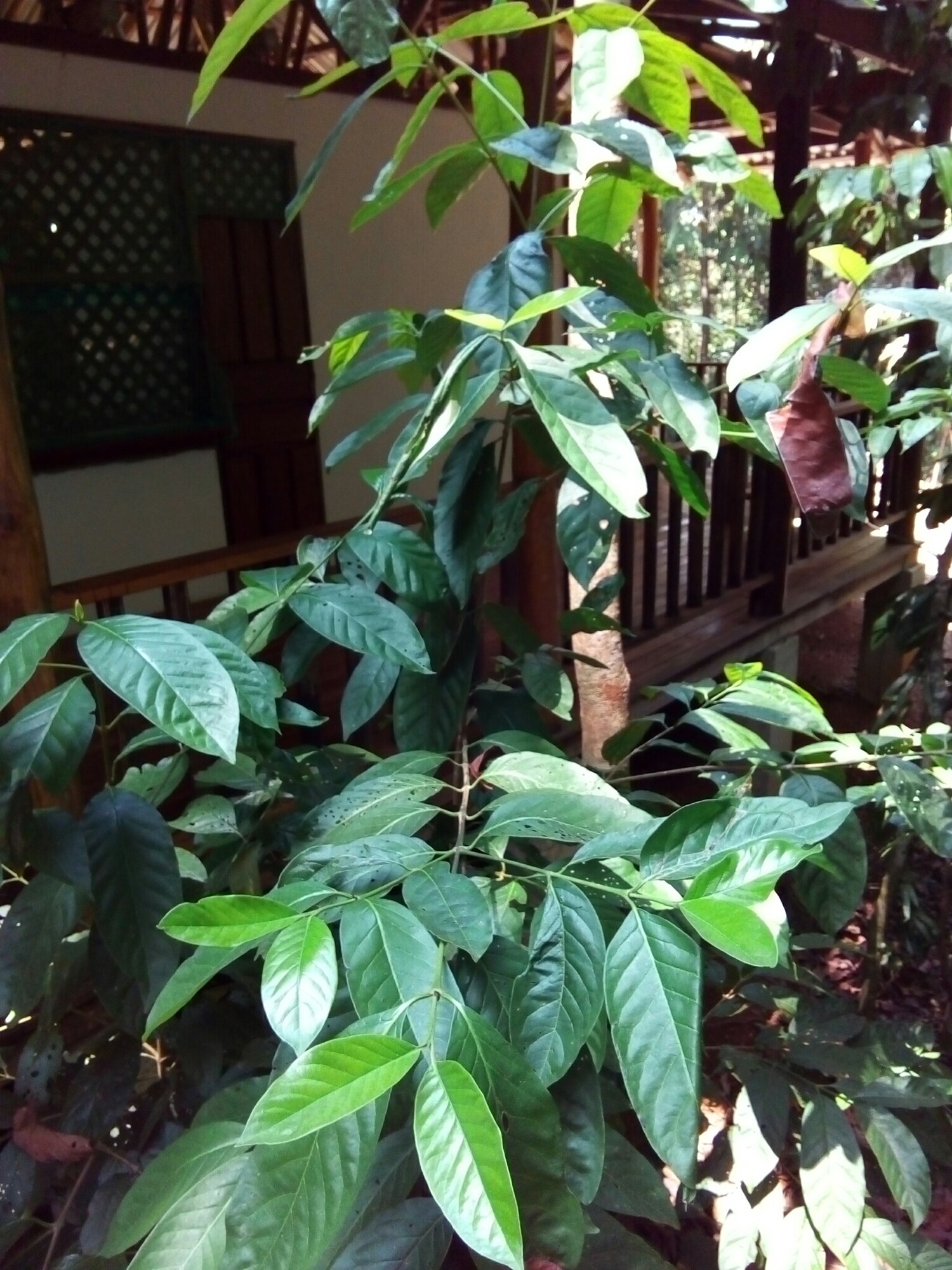
Chione venosa is a variable species that can grow as a small shrub in exposed or nutrient-poor sites, or as a medium-sized tree reaching 20 meters in favorable wet forest conditions. The species shows considerable morphological variation across its vast range, which historically led taxonomists to describe numerous regional forms as distinct species.
Leaves
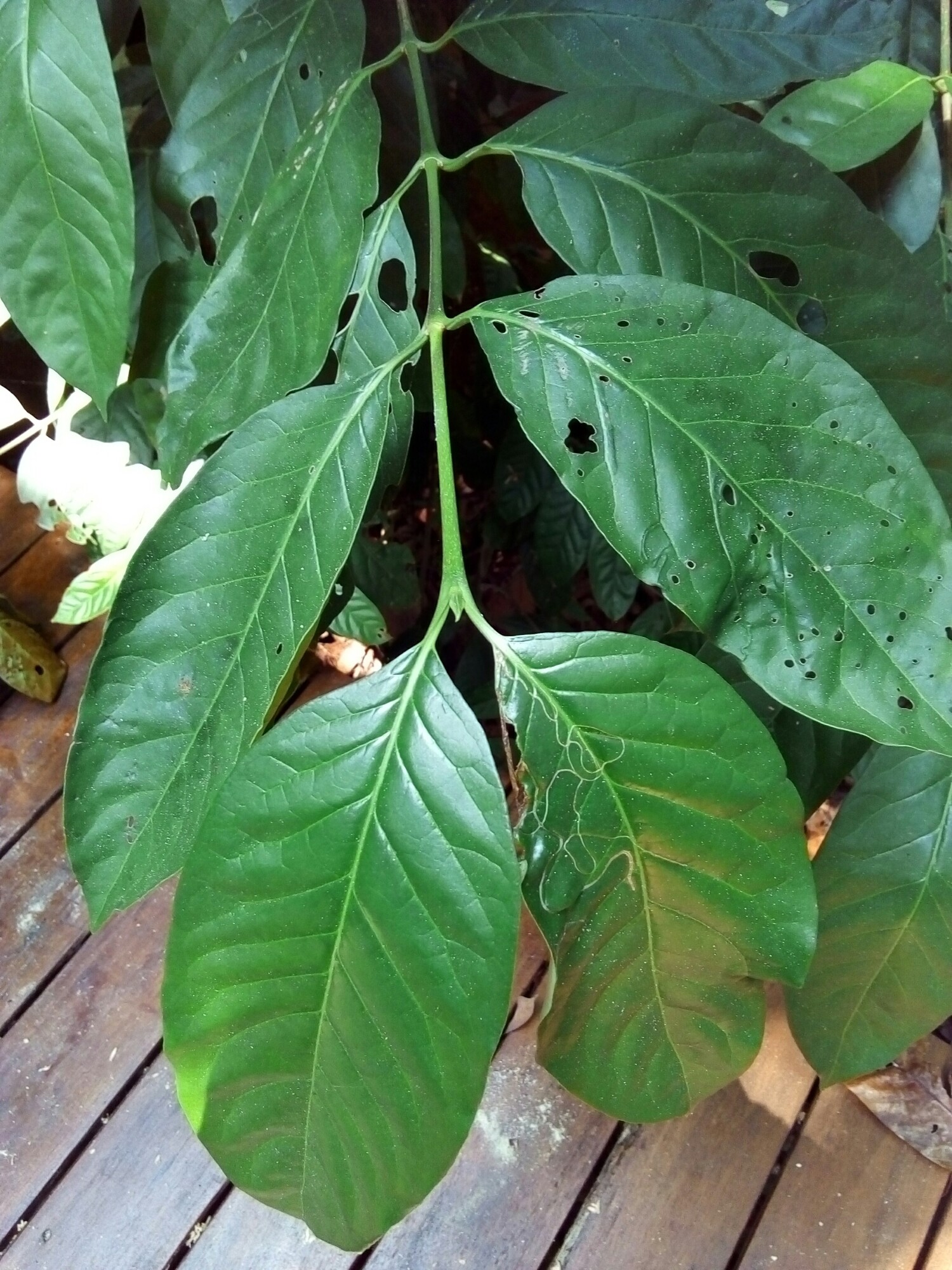
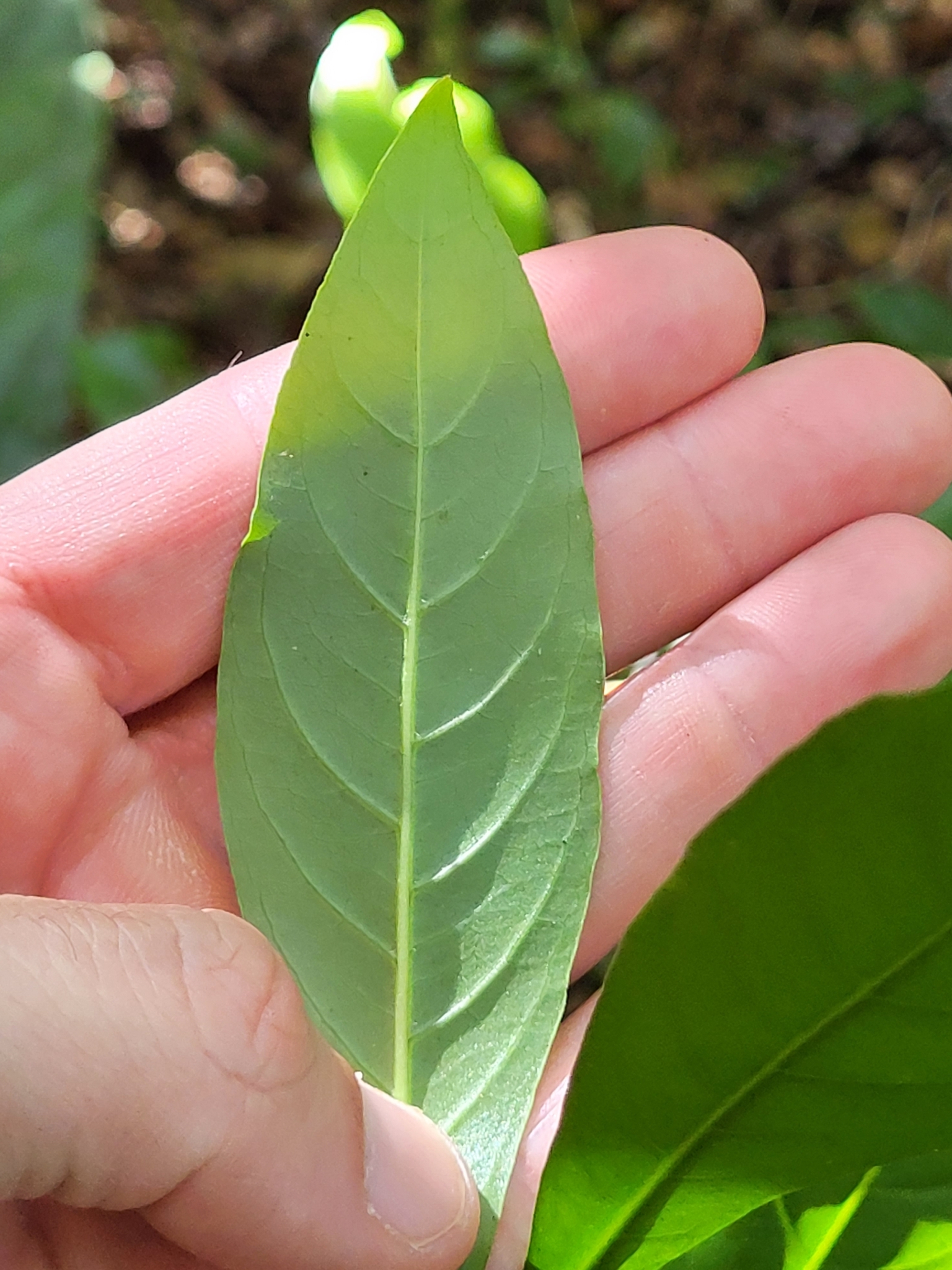
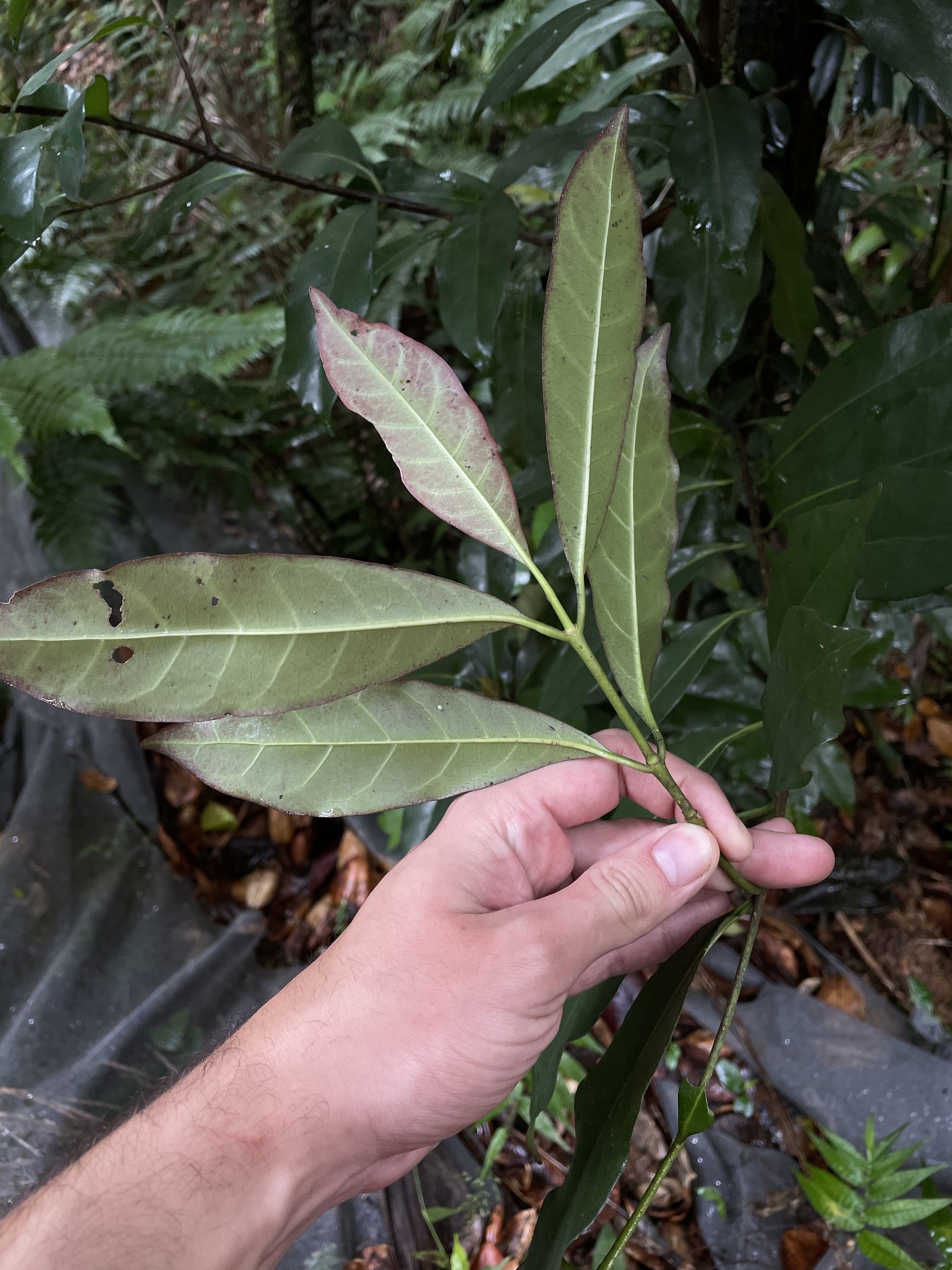
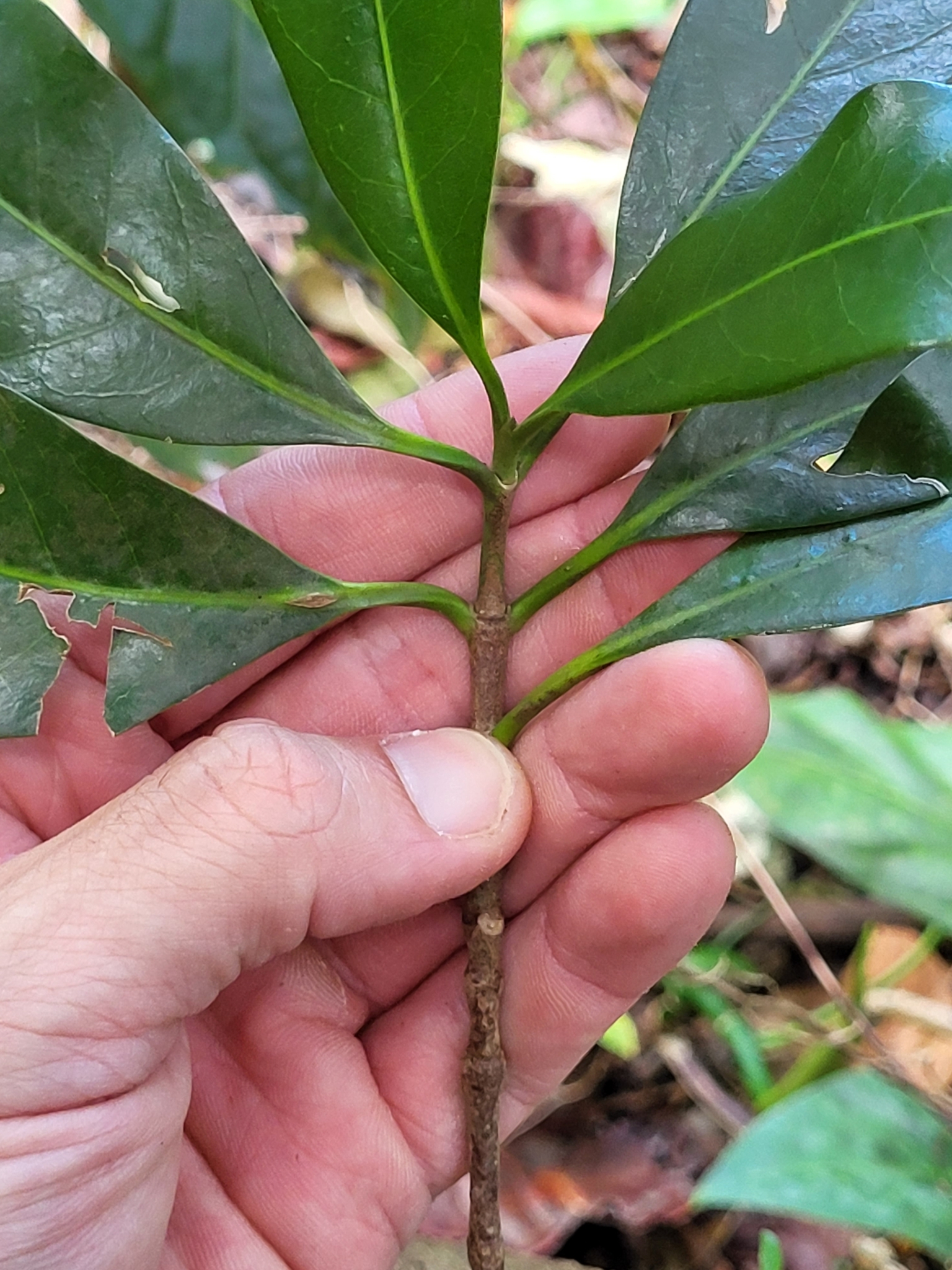
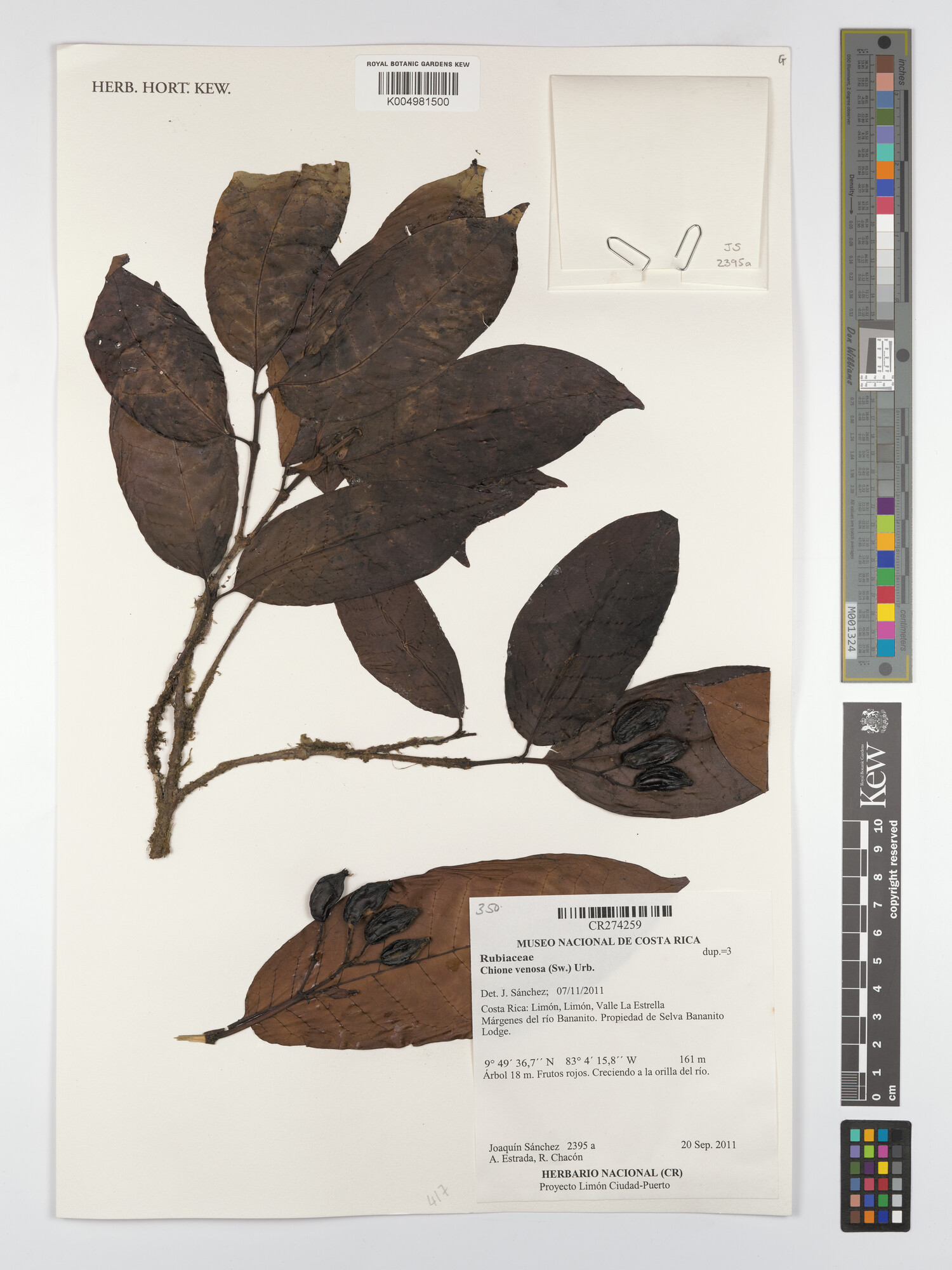
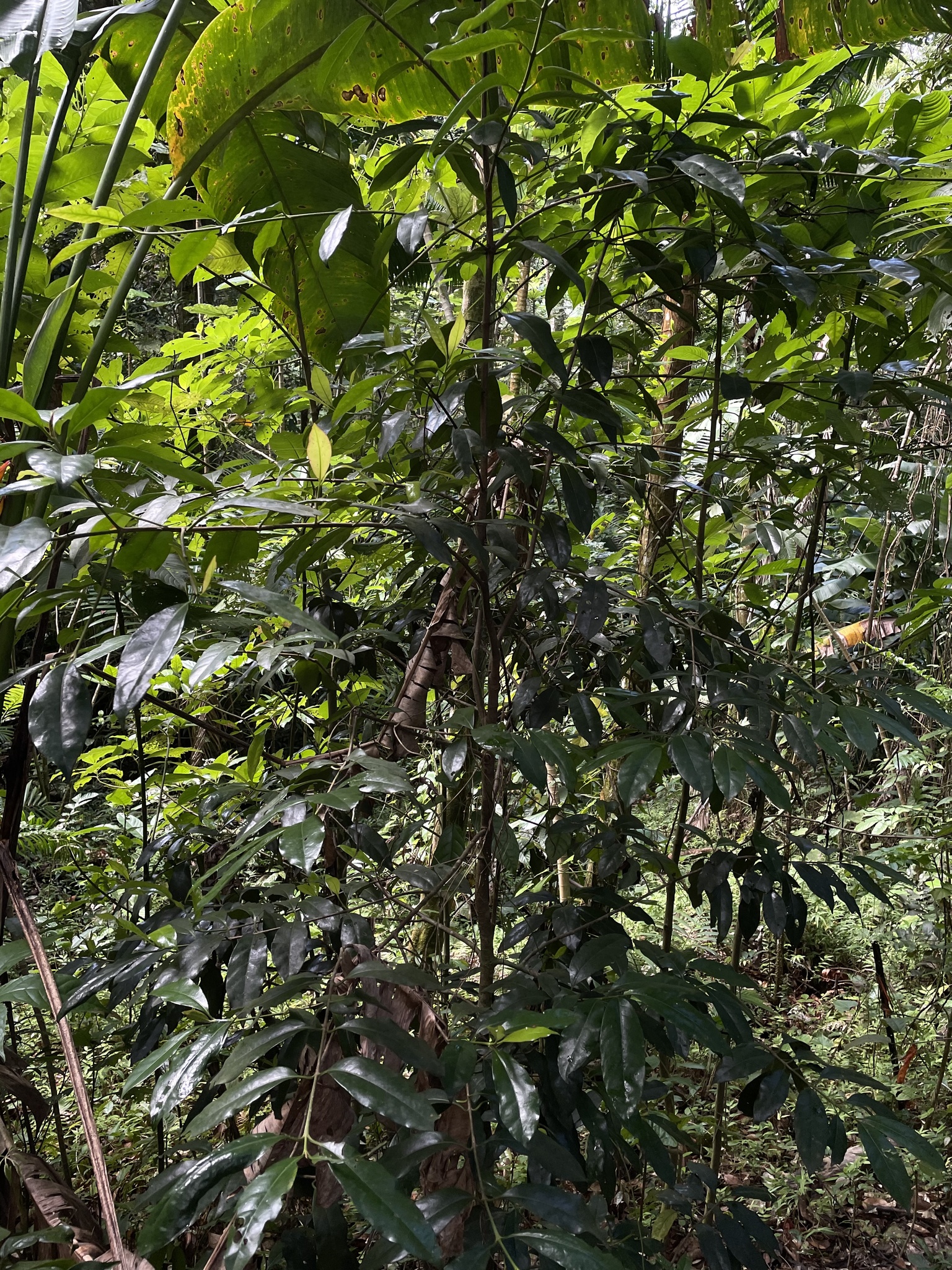
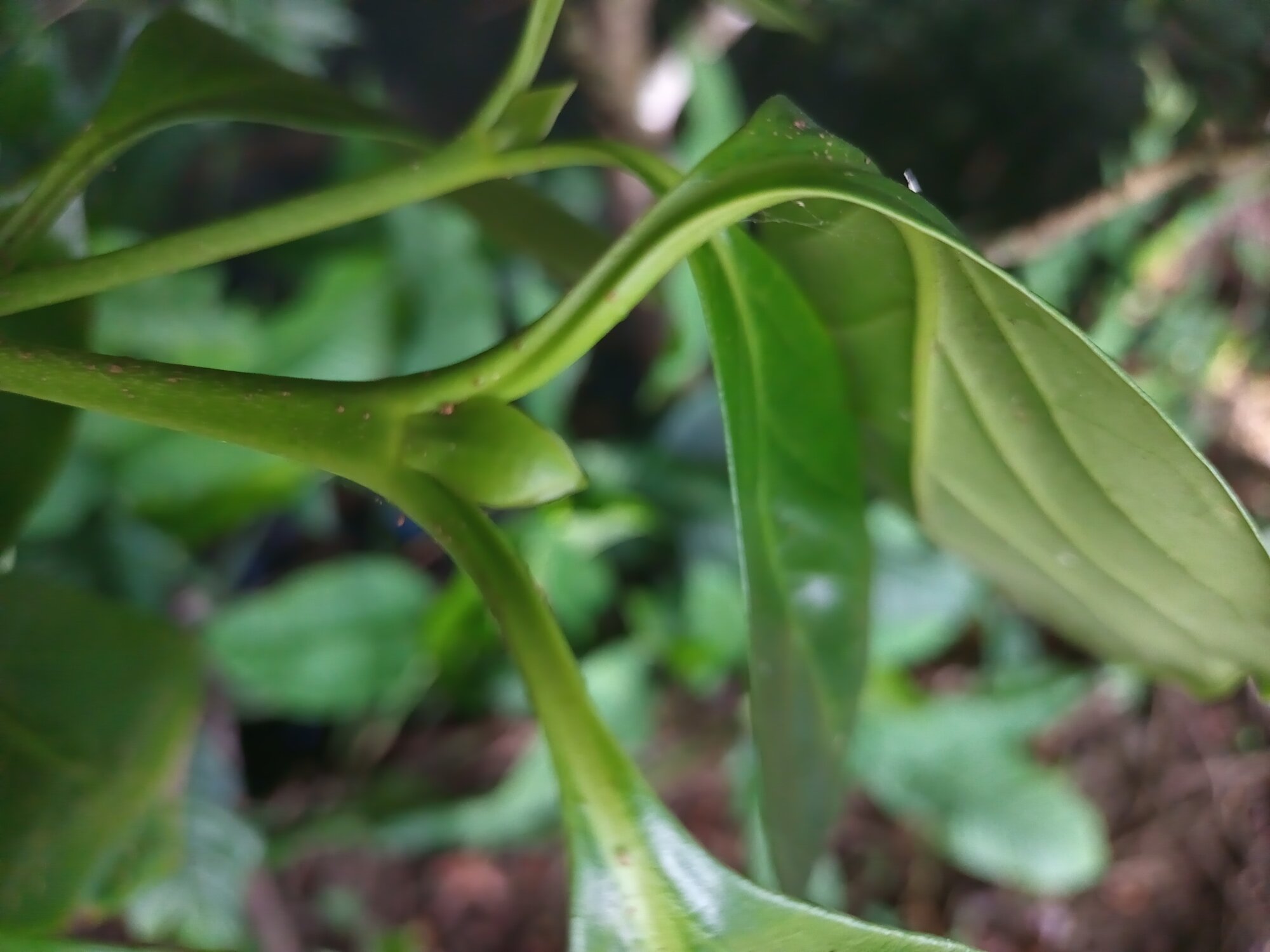
The leaves are opposite and simple, ovate to elliptic or obovate in shape, measuring 4-26 cm long and 2-11 cm wide, with petioles 4-30 mm long. They are characterized by prominent secondary venation that gives the species its epithet "venosa" (meaning "with conspicuous veins"), with 2-10(-13) pairs of brochidodromous (loop-forming) secondary veins. The leaf surface is typically glossy dark green above and paler beneath, sometimes with purple coloration on the lower surface. The texture is chartaceous to subcoriaceous (papery to slightly leathery). Leaf margins are entire, and the leaf axils contain small pilosulous domatia (hairy pockets), a diagnostic feature of the species. Stipules are interpetiolar, caducous (early-deciduous), and measure 1.2-18 mm long.
Bark and Trunk
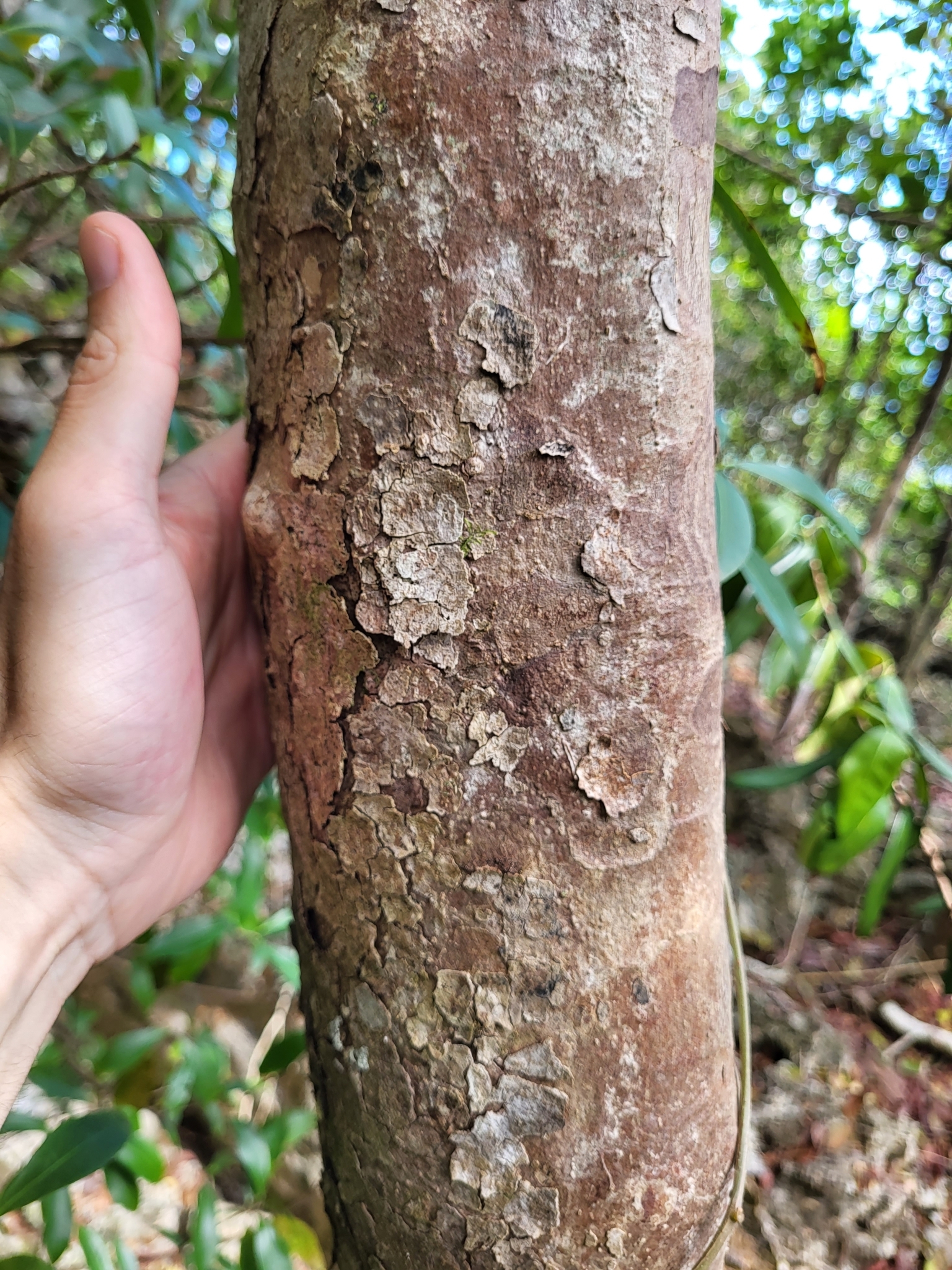
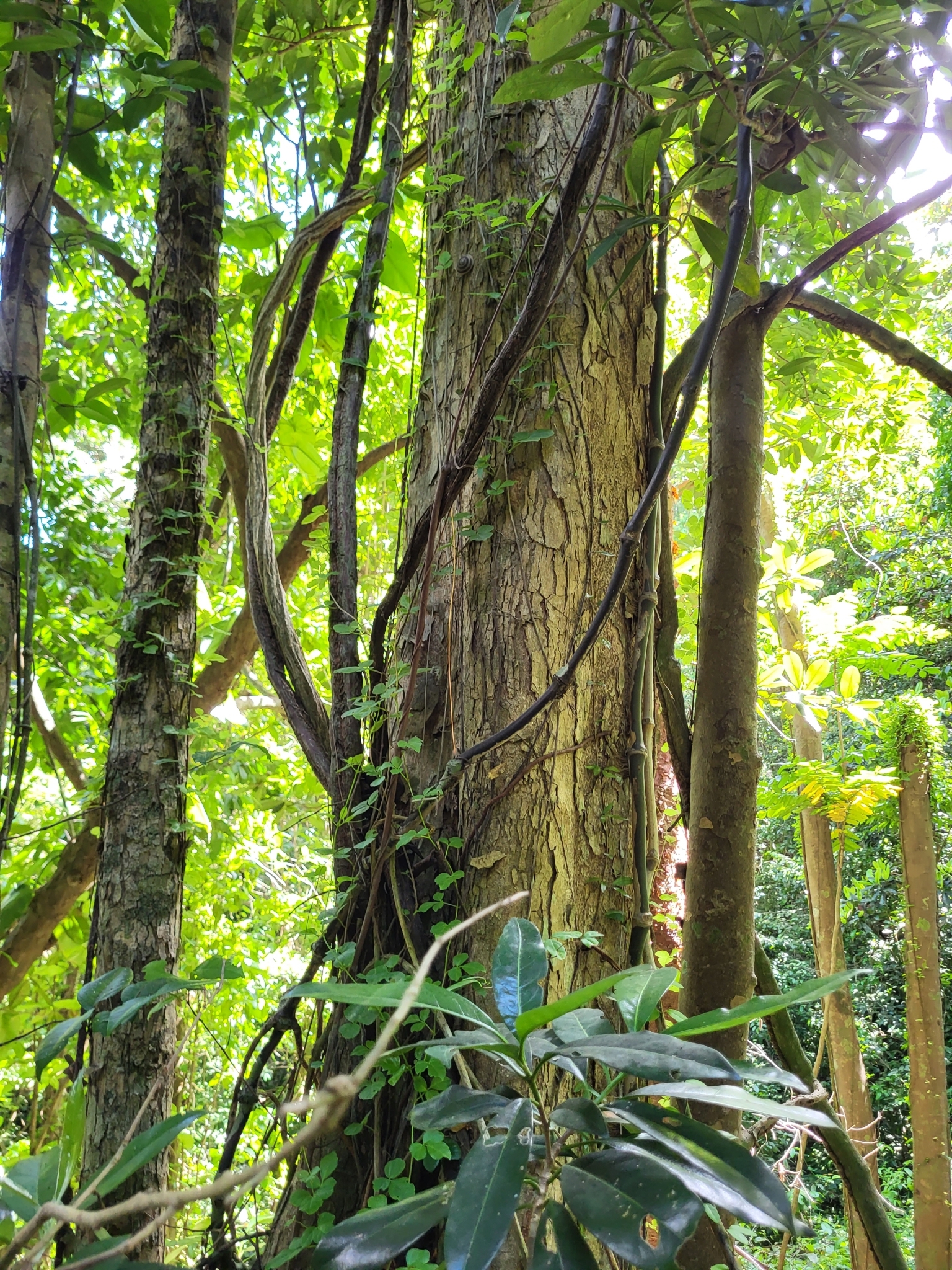
The bark is light brown to grayish-brown in color, relatively smooth to slightly rough. Young twigs are slightly flattened and puberulent (finely hairy), becoming cylindrical with age. On older trunks the bark may develop shallow fissures and is often colonized by lichens and mosses in humid forest environments. The trunk typically remains relatively slender. The wood is hard and white, and has been used traditionally to make tool handles, particularly for axes.
Flowers
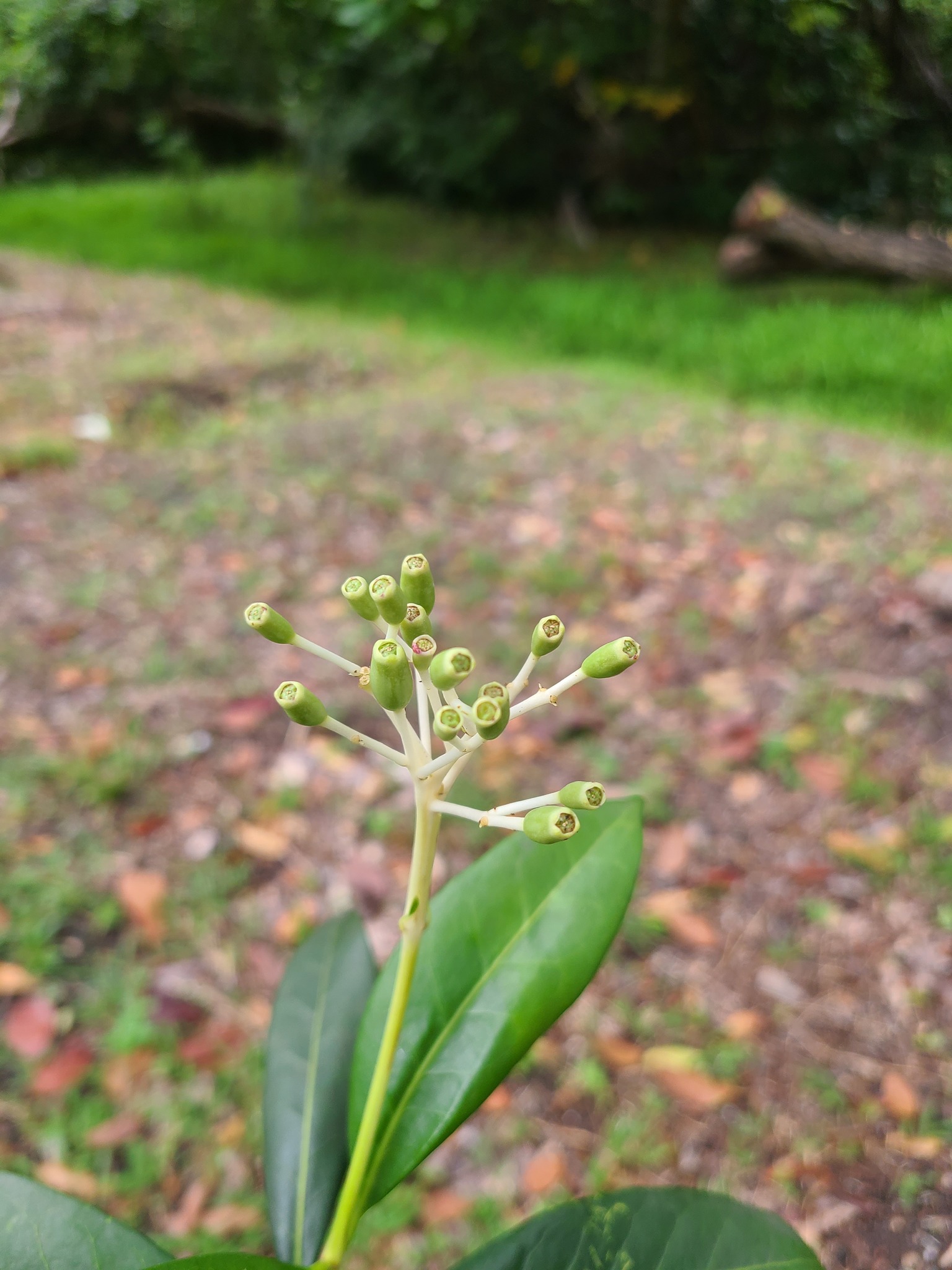
The flowers are small, white to cream-colored (sometimes tinged with pink), and borne in terminal panicles measuring 3-13.5 cm long and bearing 10-50 or more flowers. The corolla is funnelform (funnel-shaped) with a tube 3.4-7.7 mm long and 5 strongly recurved lobes 0.9-4.7 mm long. The anthers are 2.4-5.2 mm long, long-exserted, and inserted near the base of the corolla tube. The flowers are strongly fragrant and attract numerous insects for pollination. Flowering typically occurs during the wet season, with timing varying across the species' extensive range.
Fruits
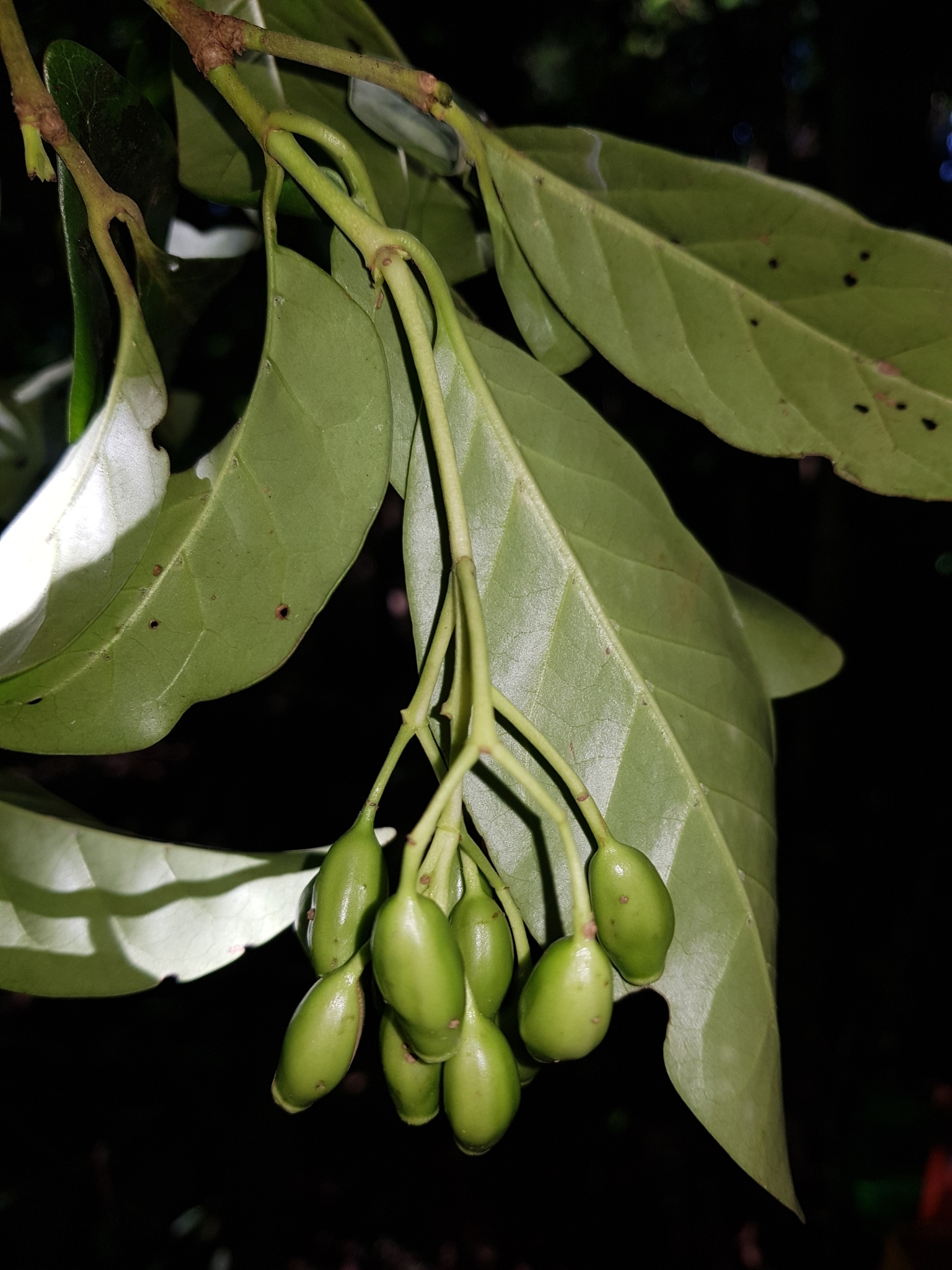
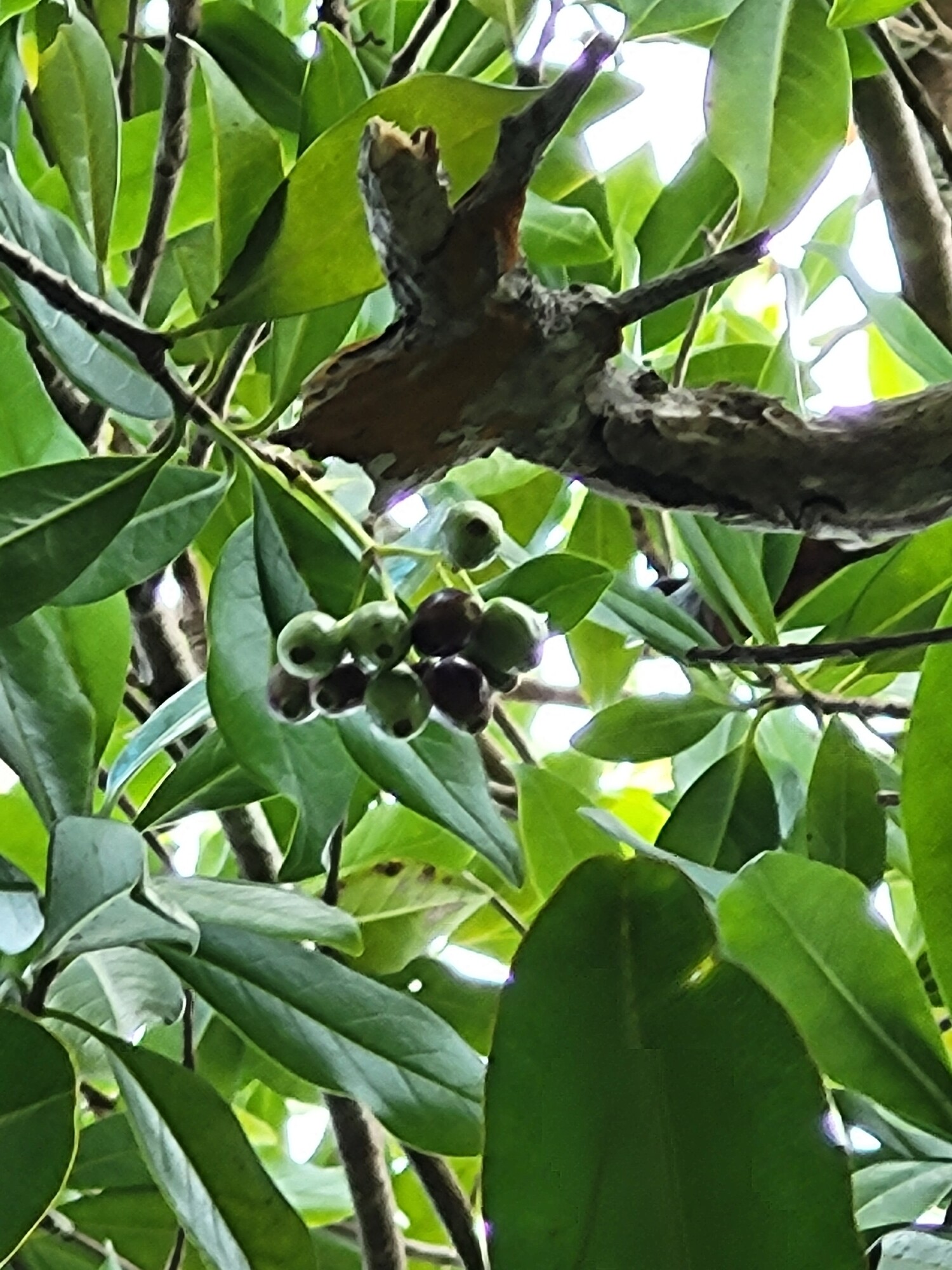
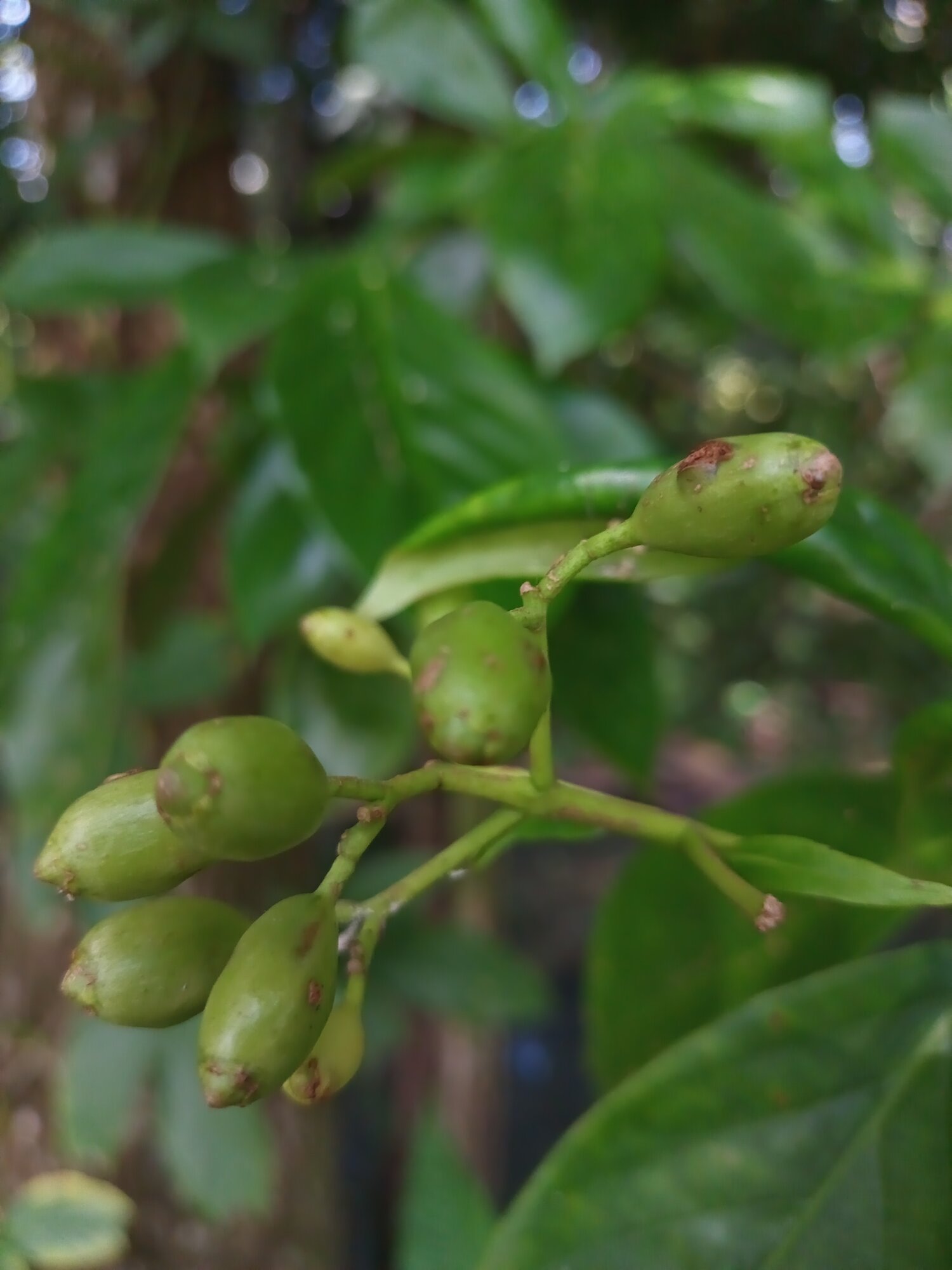
The fruits are fleshy drupes, ovoidal to ellipsoidal, 10-25 mm long, ripening from green through red to purple at maturity. Each fruit contains a single hardened pyrene measuring 5-11 × 3.3-8.5 mm, longitudinally ribbed (smooth in var. cubensis and var. mexicana), enclosing two locules (seed chambers). The fleshy pericarp and colorful mature fruits attract frugivores, and the fruits are eaten by tree-dwelling mammals and large birds, which disperse the seeds.
Distribution
Chione venosa has one of the broadest distributions of any Rubiaceae in the Neotropics, occurring from southern Mexico through Central America, across the Caribbean islands, and south through Colombia and Ecuador to Peru. In Costa Rica, it is found primarily in wet lowland forests on both the Caribbean and Pacific slopes, with particularly strong representation in the Osa Peninsula and Golfo Dulce region of the Brunca bioregion.
GBIF records show over 2,200 occurrences globally, with over 600 documented from Costa Rica. The species occurs from sea level to approximately 1,900 m elevation, and is most common at lower elevations in primary and secondary wet forests.
Ecology
Chione venosa is typically an understory to mid-canopy tree in wet tropical forests. It shows considerable ecological plasticity, capable of persisting as a shrub in forest gaps or disturbed areas while reaching tree stature in closed-canopy forest. The species appears tolerant of a range of soil conditions and thrives in humid forests near stream valleys.
The small white flowers, though only a few centimeters across, emit a strong fragrance that attracts numerous insect visitors. In Costa Rica, flowering occurs primarily during two periods: February through April and again in September, with fruiting following approximately two months later in April-May and August-September respectively. This bimodal phenology pattern likely reflects the region's rainfall seasonality.
The fleshy red fruits are consumed by tree-dwelling mammals and large birds, making Chione venosa an important food source in wet forest ecosystems. The Spanish common name "fruta de pava" (guan fruit) strongly suggests that cracid birds, particularly guans of the genus Penelope, are important seed dispersers. Guans are large, turkey-like birds that feed extensively on fruits in the forest canopy and are known to be effective long-distance seed dispersers for many tropical trees. The tree's ability to persist in disturbed habitats and secondary forests makes it valuable for forest regeneration and wildlife support in fragmented landscapes.
Ethnobotany
In the Caribbean, particularly Grenada and Trinidad, the bark of Chione venosa is used as an aphrodisiac known as "bois bande" (from French, roughly meaning "wood that gives strength"). The preparation involves soaking pieces of bark in rum for approximately one week, then consuming the extract. This traditional use is widespread enough that "bois bande" rum preparations are commercially available in some Caribbean markets.
Phytochemical studies of Chione venosa bark have identified acetophenone derivatives, alpha-morroniside, sweroside, diderroside, daucosterol, and beta-sitosterol. However, the name "bois bande" creates taxonomic confusion, as it is also applied to several other Caribbean tree species used for similar purposes, including Parinari campestris (Chrysobalanaceae), Richeria grandis (Phyllanthaceae), and Roupala montana (Proteaceae). No clinical studies confirming aphrodisiac effects of any of these species had been published as of 2016.
Taxonomic History
The species was originally described as Jacquinia venosa by Swedish botanist Olof Peter Swartz (1760-1818) in his Prodromus (page 47, 1788), based on specimens he collected during his famous West Indies expedition from 1783 to 1787. Swartz explored Jamaica, Cuba, and Hispaniola during this journey, amassing approximately 6,000 plant specimens that formed the foundation for Caribbean botanical science. He prepared the Prodromus while working at the Banksian Museum in London from late 1786 to mid-1787, with access to Joseph Banks' extensive library and Daniel Solander's unpublished manuscripts.
The genus Chione was established by Augustin Pyramus de Candolle in 1830 in his massive Prodromus Systematis Naturalis Regni Vegetabilis. The name derives from Greek "chion" meaning snow, likely referring to the white flowers or bark. German botanist Ignatz Urban (1848-1931) transferred Swartz's species to this genus as Chione venosa (Sw.) Urb. on September 16, 1911, publishing the combination in volume 4(4), page 594 of his Symbolae Antillanae. Urban, curator and assistant director of the Berlin Botanical Garden, produced the nine-volume Symbolae Antillanae between 1898 and 1928, one of the most comprehensive publications on Caribbean flora and largely the work of one person.
The morphological variability across the species' vast range led 20th-century taxonomists to describe numerous regional forms as separate species. Paul Carpenter Standley alone described Chione costaricensis Standl. (1940) from Costa Rica, Chione mexicana Standl. (1927) from Mexico, and Chione guatemalensis Standl. & Steyerm. from Guatemala. Other segregates included Chione sylvicola (Standl.) W.C. Burger, Chione panamensis Steyerm., and Chione allenii L.O. Williams. At the peak of this splitting taxonomy, approximately 15 species were recognized in the genus.
This proliferation ended with David W. Taylor's 2003 revision published in Systematics and Geography of Plants (volume 73). Based on study of herbarium specimens and field observations, Taylor demonstrated that the supposed species represented continuous morphological variation rather than discrete taxa. His revision reduced the genus to a single species, C. venosa, with four infraspecific varieties. Two species (C. exserta and C. seminervis) were excluded from Chione on morphological grounds and placed in a new genus, Colleteria, which remains the accepted name. Modern treatments, including the 2014 Manual de Plantas de Costa Rica, follow Taylor's broad species concept. The variety occurring in Costa Rica and most of Central America is var. venosa, which now encompasses approximately 20 former species names as synonyms.
Etymology
The genus name Chione comes from Greek "chion" (χιών) meaning "snow," likely referring to the white flowers that characterize species in this group. The specific epithet venosa is Latin for "veiny" or "with prominent veins," directly describing the conspicuous secondary venation pattern that makes the leaves easily recognizable. This diagnostic feature caught Swartz's attention when he first encountered the species in Jamaica in the 1780s and remains one of the most reliable identification characters today.
Conservation Outlook
The variety venosa is assessed as Least Concern by the IUCN. Given its extremely broad distribution, ecological plasticity, and tolerance of secondary habitats, the species is unlikely to face significant conservation concerns at the species level. Regional populations, particularly those in Caribbean island forests that have experienced extensive habitat loss, may warrant closer monitoring.
In Costa Rica's Brunca region, the species benefits from protection within Corcovado National Park, Piedras Blancas National Park, and the Golfo Dulce Forest Reserve. Its presence in secondary forests and forest edges suggests it will persist even in landscapes modified by human activity, making it a resilient component of regional biodiversity.
Resources & Further Reading
Taxonomy & Nomenclature
Kew's authoritative database with accepted name, five recognized varieties, complete synonymy (20+ names), and global distribution map.
Nomenclatural details including basionym publication (Swartz 1788) and recombination (Urban 1911) with exact page citations.
Missouri Botanical Garden's nomenclatural database with complete synonymy and specimen records.
Over 2,257 occurrence records from 10 countries; 625 from Costa Rica spanning elevations 5-2,260 m with detailed locality and collector information.
Global flora consortium database linking to regional treatments and specimen images.
Scientific Literature
Systematics and Geography of Plants 73: 182. The landmark revision consolidating ~15 species into one with four varieties based on continuous morphological variation.
Molecular Phylogenetics and Evolution. Six-marker phylogeny placing Chione + Colleteria as sister to Chiococceae + Strumpfieae; genus remains unassigned to tribe.
Phytochemistry (2005). Analysis identifying acetophenone derivatives, alpha-morroniside, sweroside, diderroside, daucosterol, and beta-sitosterol in bark and roots.
Regional Flora Treatments
Multi-volume flora of Costa Rica. Rubiaceae treatment includes Chione venosa distributed 0-1,900(-2,300) m on both slopes in humid to cloud forests along streams.
Digital access to complete volumes of this collaborative project (Missouri Botanical Garden, INBio, Museo Nacional de Costa Rica) with 458 Rubiaceae species documented.
Costa Rica-focused plant database with distribution, ecology, and local observations from the Osa Peninsula and Golfo Dulce region.
Historical Sources & Botanist Biographies
Original publication describing Jacquinia venosa (p. 47) based on 1783-1787 West Indies collections; full title: Nova genera et species plantarum seu Prodromus descriptionum vegetabilium.
Nine-volume masterwork on Caribbean flora by Berlin Botanical Garden curator; Chione venosa combination published vol. 4(4):594 (16 Sept 1911).
Swedish botanist who explored Jamaica, Cuba, and Hispaniola (1783-1787); collected ~6,000 specimens forming foundation for Caribbean botanical science; worked with Joseph Banks in London.
German botanist, Caribbean flora specialist, curator at Berlin Botanical Garden; 80,000+ herbarium sheets destroyed in 1943 bombing; elected American Academy of Arts and Sciences (1914).
Botanical Garden & Herbarium Resources
Organization for Tropical Studies database with phenology (flowering Feb-Apr, Sep; fruiting Apr-May, Aug-Sep), common names (fruta de pava, naranjito), and habitat notes.
Detailed profile including IUCN status (Least Concern for var. venosa), cultivation notes, and distribution across Mexico to Peru and Caribbean.
Related Reading
General reference covering distribution, growth form (10-25 m trees), habitat (humid forests near streams), and common names including "fat pork."