West Indian Milkberry
Chiococca alba is a scrambling shrub of coastal hammocks and forest edges whose translucent white berries give it the name "snowberry." This wide-ranging Rubiaceae serves as a critical larval host for the endangered Miami blue butterfly while its roots have been used in folk medicine across the Caribbean for centuries.
Few plants in the Neotropics span as remarkable a range as Chiococca alba. From the pine rocklands of southern Florida to the cloud forests of the Colombian Andes, from Caribbean coral islands to the scrubby edges of the Galápagos, this adaptable scrambling shrub has colonized nearly every habitat type where warmth and moderate moisture coincide. Its success lies in versatility: it can grow as a low sprawling shrub, a climbing vine, or a small tree depending on conditions, threading its way through forest edges and coastal hammocks across thousands of kilometers.
In Costa Rica, the species is widely distributed but perhaps most characteristic of the drier Pacific slope forests and their ecotones. A January 2026 GBIF query returned 250 records from the Brunca bounding box alone, with collections from the Cerros de Escazú, the Térraba basin, and scattered localities throughout the southern highlands. The plant's common names reflect its appearance and uses: "milkberry" and "bejuco de leche" refer to the milky latex that exudes from broken stems, while "snowberry" describes the striking white fruits that persist through the dry season.
Identification
Growth Form
Chiococca alba displays remarkable plasticity in its growth form. In open, sunny sites it typically forms a low, mounding shrub 1-2 meters tall with arching branches. Given something to climb, it becomes a scrambling vine that can reach 6 meters or more, threading through the crowns of supporting trees. In forest understory conditions with partial shade, it may grow as a small tree with a single trunk. This versatility has contributed to its success across such varied habitats.
Leaves
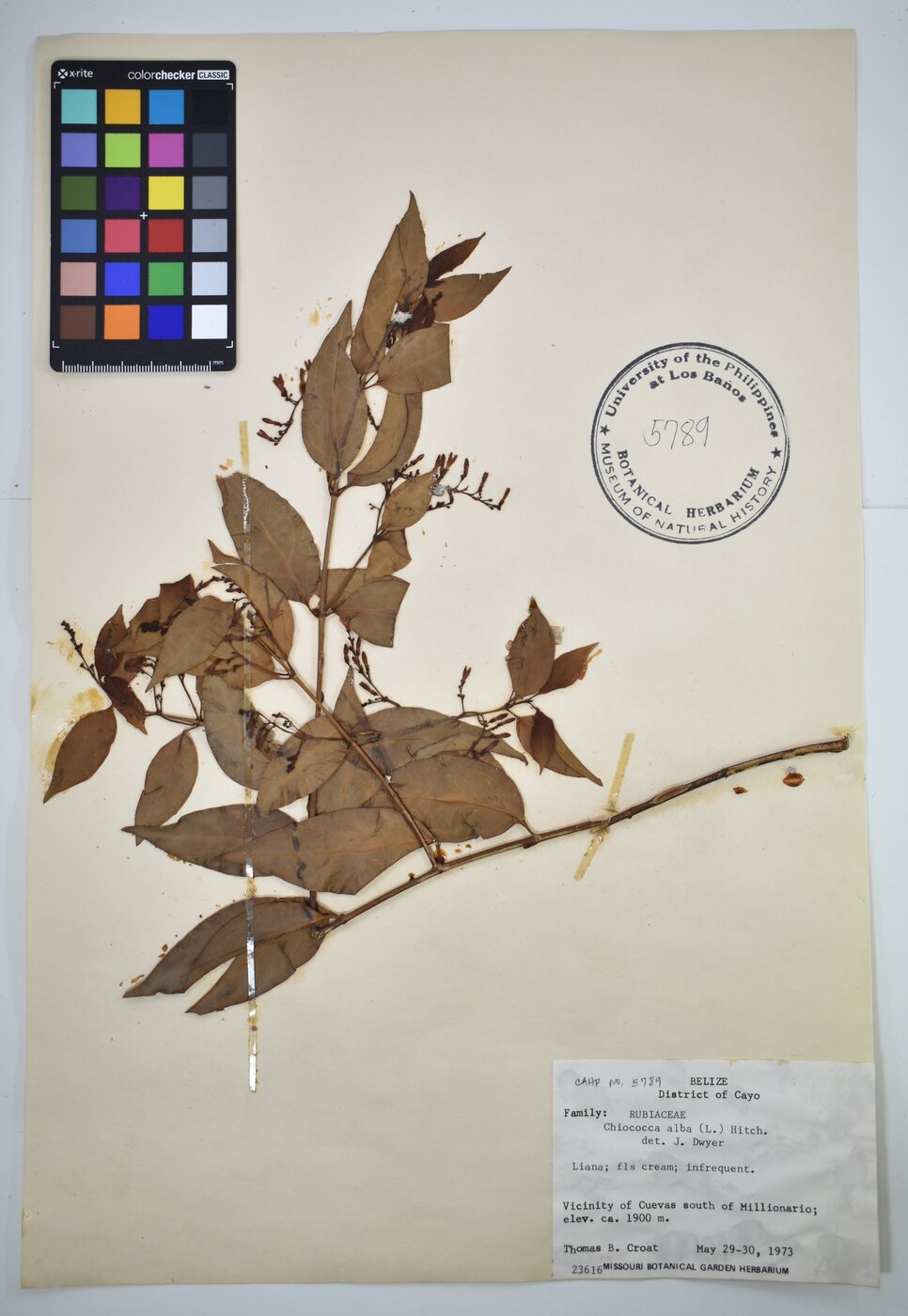
Leaves are opposite, simple, and evergreen, with a distinctly leathery texture and glossy dark green upper surface. Blades measure 5-10 cm long and 2-4 cm wide, elliptical to ovate, with entire margins and pointed tips. The leaves are held on short petioles and emerge in pairs along the stems. When crushed, they release a slightly bitter aroma.
Flowers
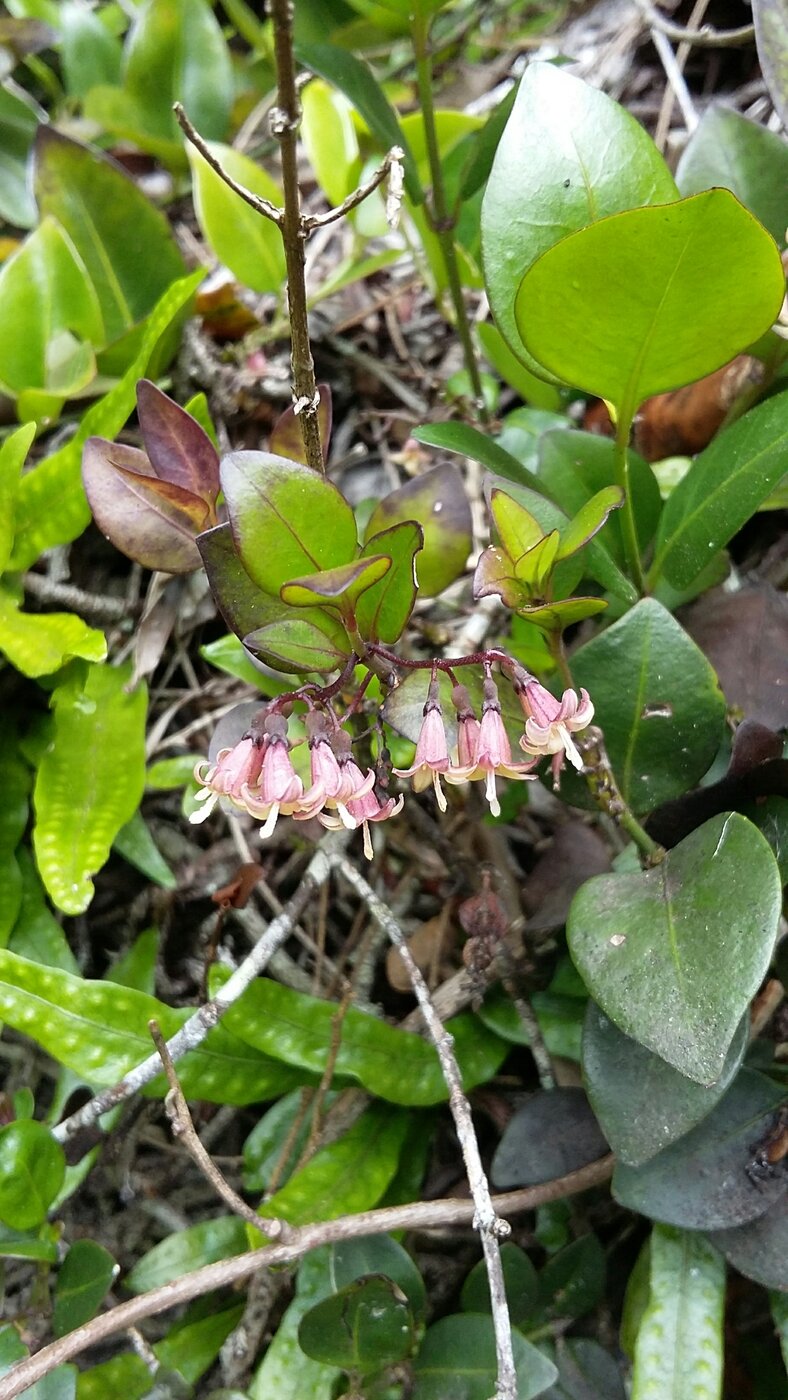
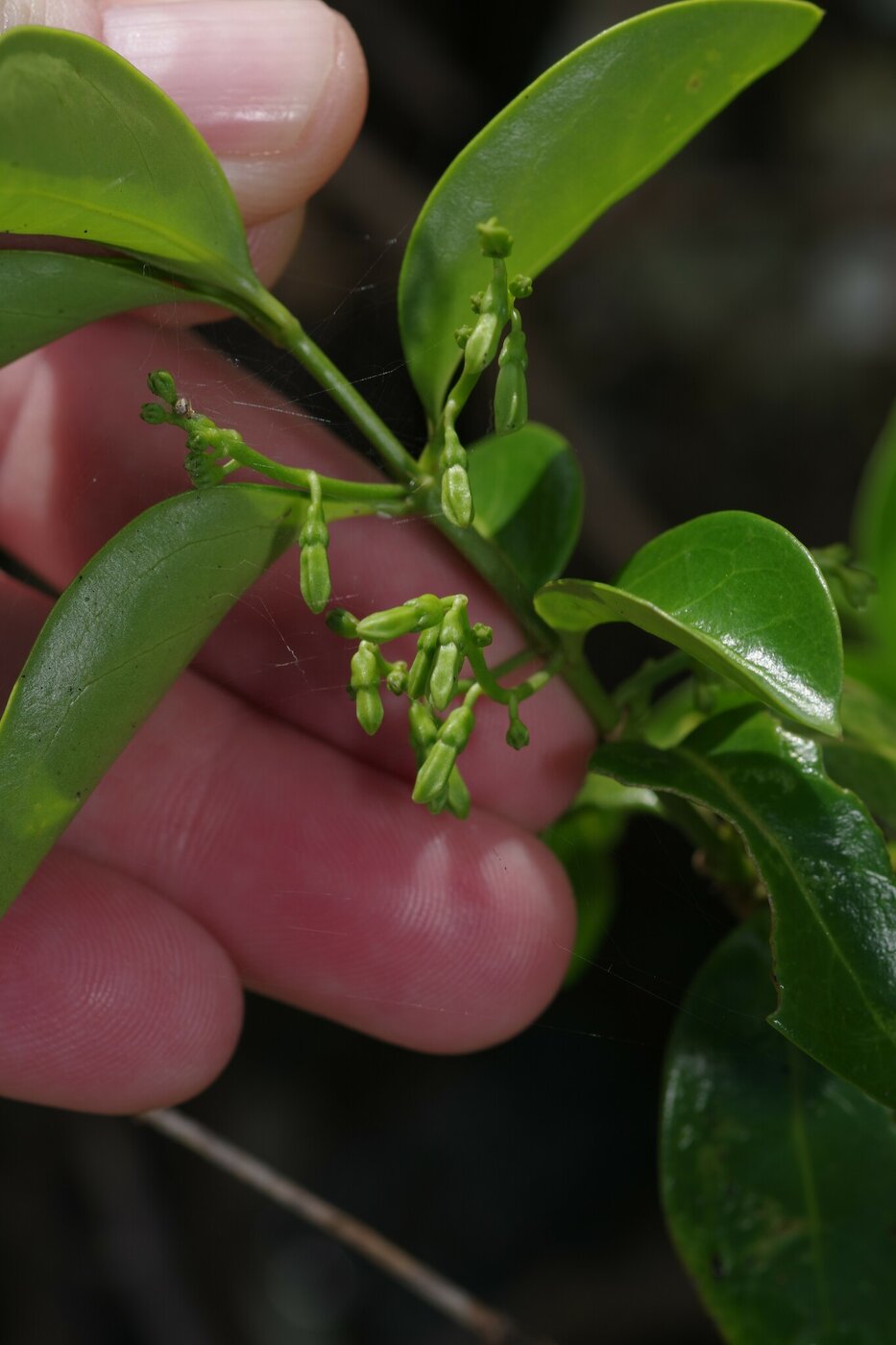
Small, fragrant flowers appear in axillary racemes or panicles throughout much of the year, with peak flowering during the dry season. Individual flowers are tubular to bell-shaped, 6-10 mm long, opening white or cream and aging to yellow. The five-lobed corolla flares at the mouth, and flowers emit a sweet fragrance that attracts a variety of pollinators including bees, butterflies, and small moths.
Fruits
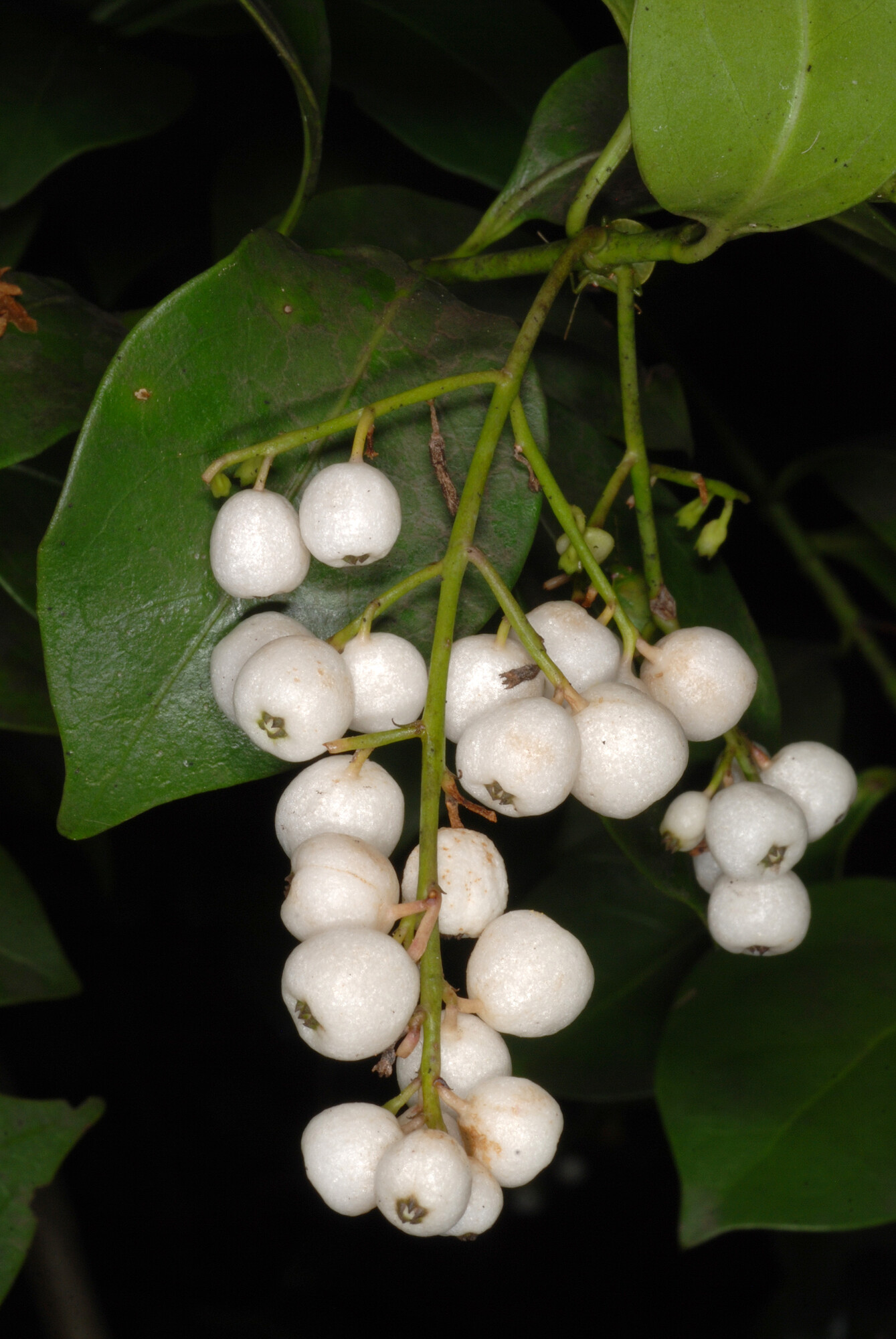
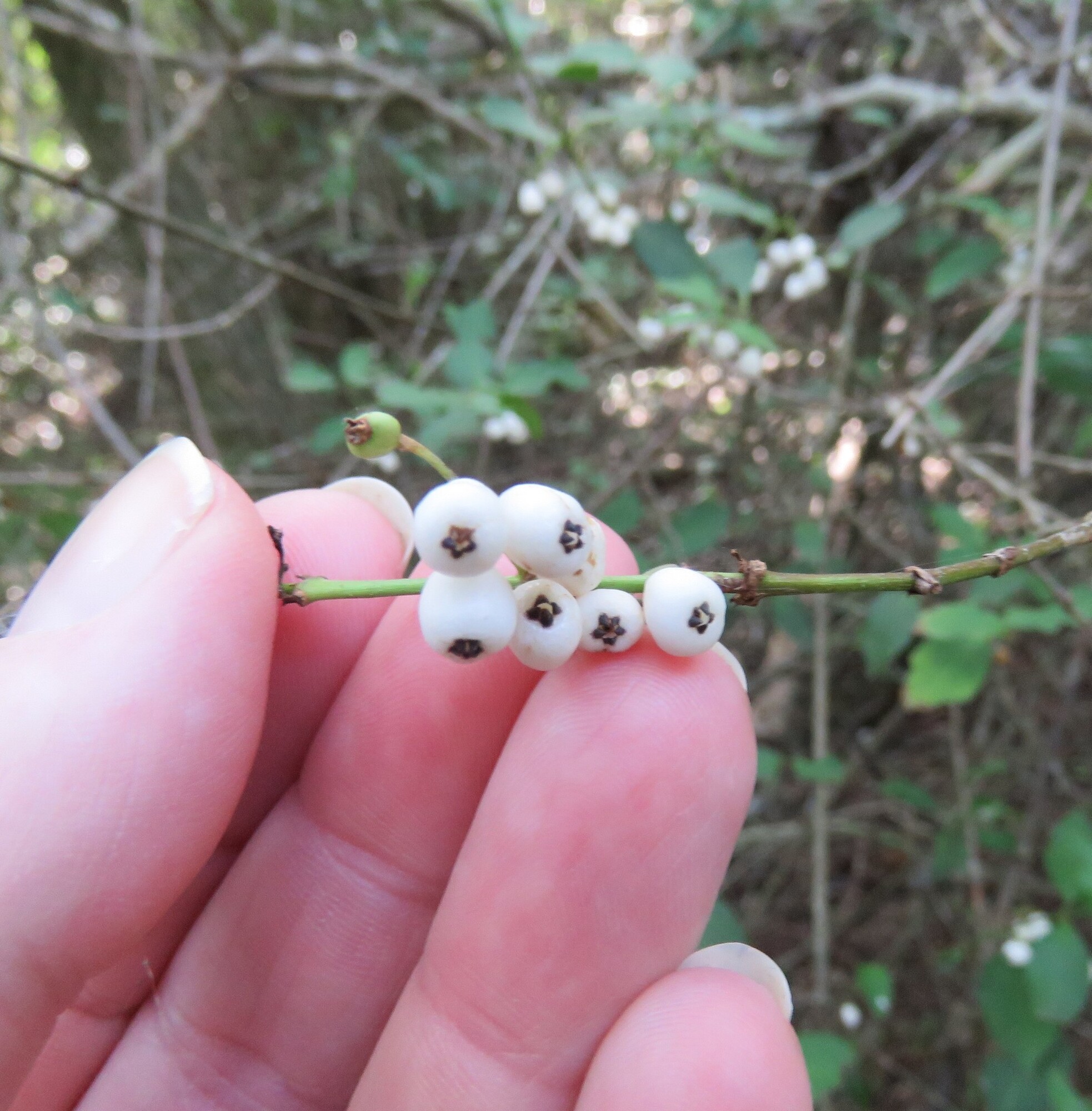
The fruits are the plant's most distinctive feature: globose drupes 4-7 mm in diameter that ripen to a striking translucent white, giving the species its common name "snowberry." Each fruit typically contains two dark brown seeds embedded in minimal pulp. The white color is unusual among tropical fruits and makes fruiting plants highly conspicuous. Birds readily consume the fruits, dispersing seeds across the landscape.
Distribution
Chiococca alba has one of the broadest distributions of any Neotropical Rubiaceae. It ranges from northern Florida and extreme southern Texas through Mexico, Central America, and the Caribbean (including Bermuda and the Bahamas) to South America, reaching as far south as Argentina and Uruguay. The species also occurs on the Galápagos Islands. This remarkable range encompasses everything from sea-level coastal scrub to Andean cloud forests at 2,400 meters elevation.
In Costa Rica, the species occurs on both slopes but is most common in seasonal forests and their ecotones. It thrives at forest edges, in secondary growth, along roadsides, and in disturbed areas where light penetration is adequate. The plant tolerates a wide range of soil types, from rocky limestone to sandy coastal soils, and demonstrates excellent drought tolerance once established.
Ecology
Pollination
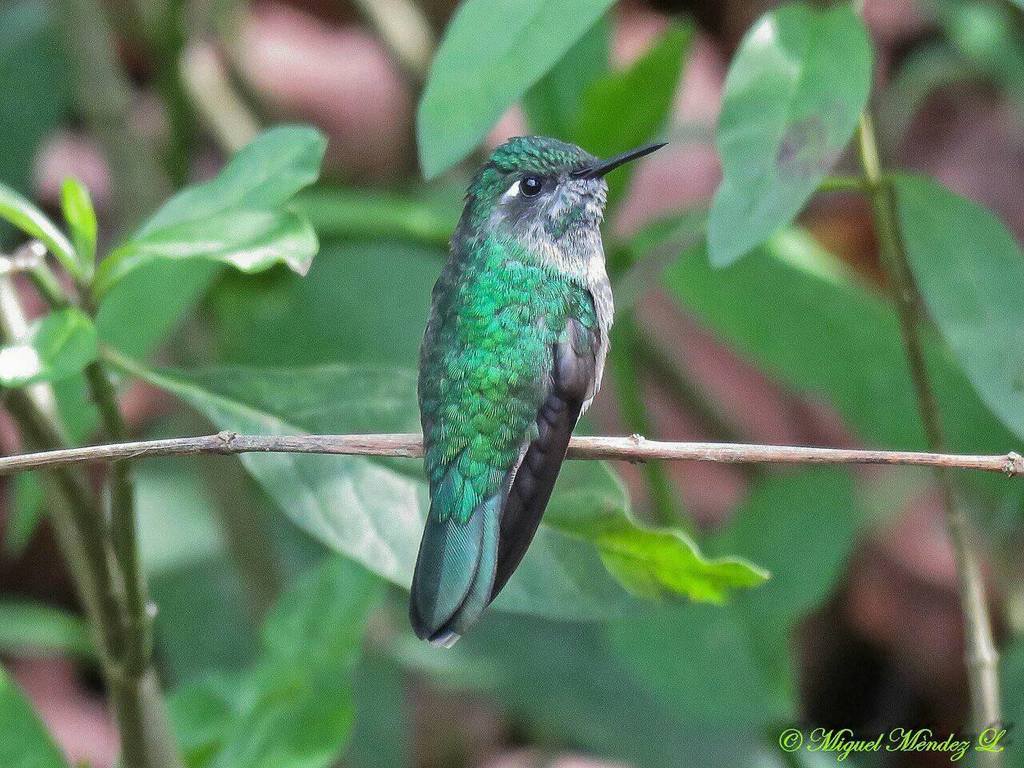
The fragrant, tubular flowers attract a generalist assemblage of pollinators, though specific species-level documentation remains limited for Costa Rica and Panama. The Emerald-chinned Hummingbird (Abeillia abeillei) is reported to favor nectar from Chiococca and other Rubiaceae genera within its Central American range, suggesting this small hummingbird may serve as a pollinator. Bees likely visit the flowers, as Rubiaceae are among the most frequently reported families for stingless bee visitation in the Neotropics, though no specific bee species have been documented for Chiococca alba. A reproductive biology study in Brazil found no measurable nectar despite nectary-like structures, raising questions about the plant's pollination strategy and suggesting possible self-compatibility.
Seed Dispersal
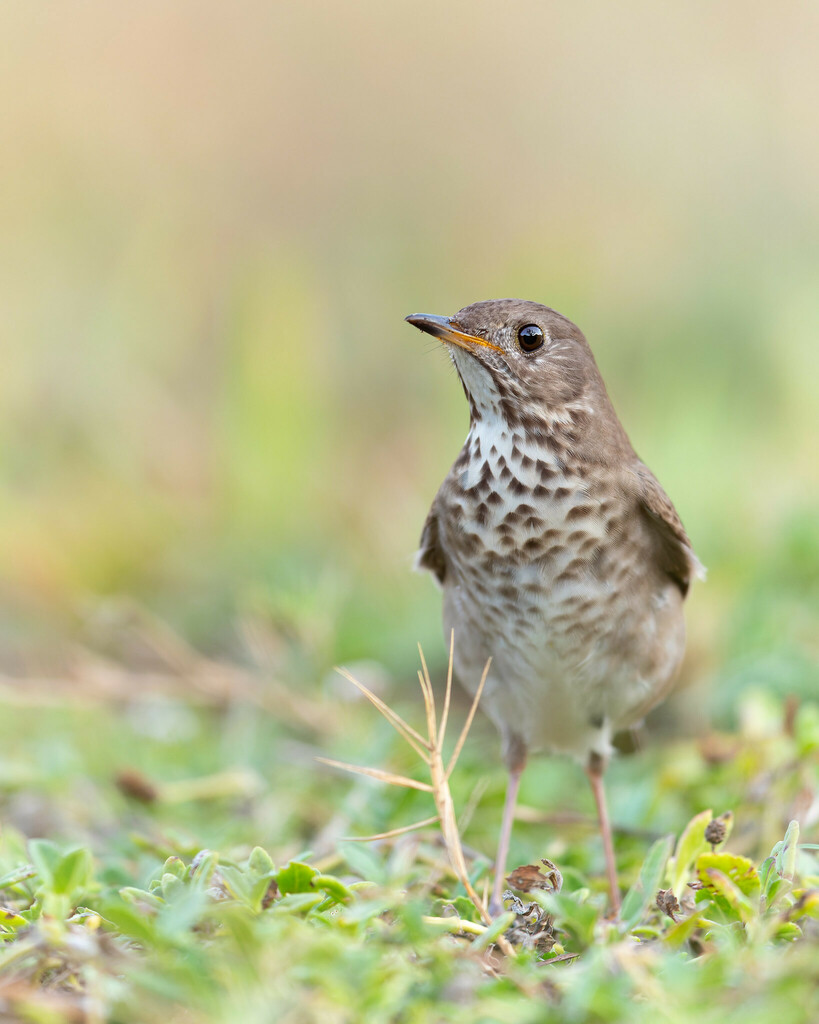
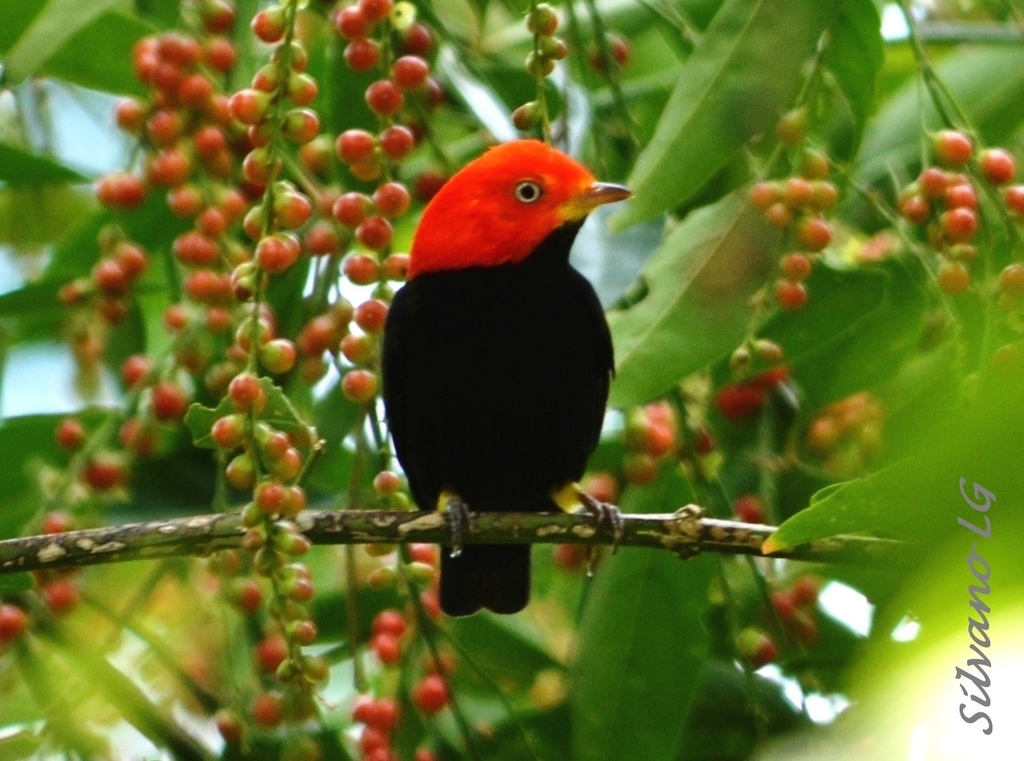
The conspicuous white fruits are consumed by frugivorous birds, though specific bird species have not been documented consuming Chiococca alba fruits in Costa Rica or Panama. In Florida, Northern Mockingbirds, Gray Catbirds, and various thrushes are reported to feed on the berries. Research suggests white fruits are generally less preferred by frugivorous birds compared to red or black fruits; experimental studies show red fruits had 62% predation while white fruits had only 27%, which may explain the limited documentation of Chiococca alba frugivores. At La Selva Biological Station in Costa Rica, understory frugivores including Gray-cheeked Thrush (Catharus minimus) and Red-capped Manakin (Pipra mentalis) concentrate in areas rich in Rubiaceae fruits, suggesting these species may consume snowberry fruits where they co-occur. In the Galápagos, lava lizards (Microlophus spp.) serve as important seed dispersers, with lizard-dispersed seeds germinating earlier and showing higher success than control fruits.
Herbivores
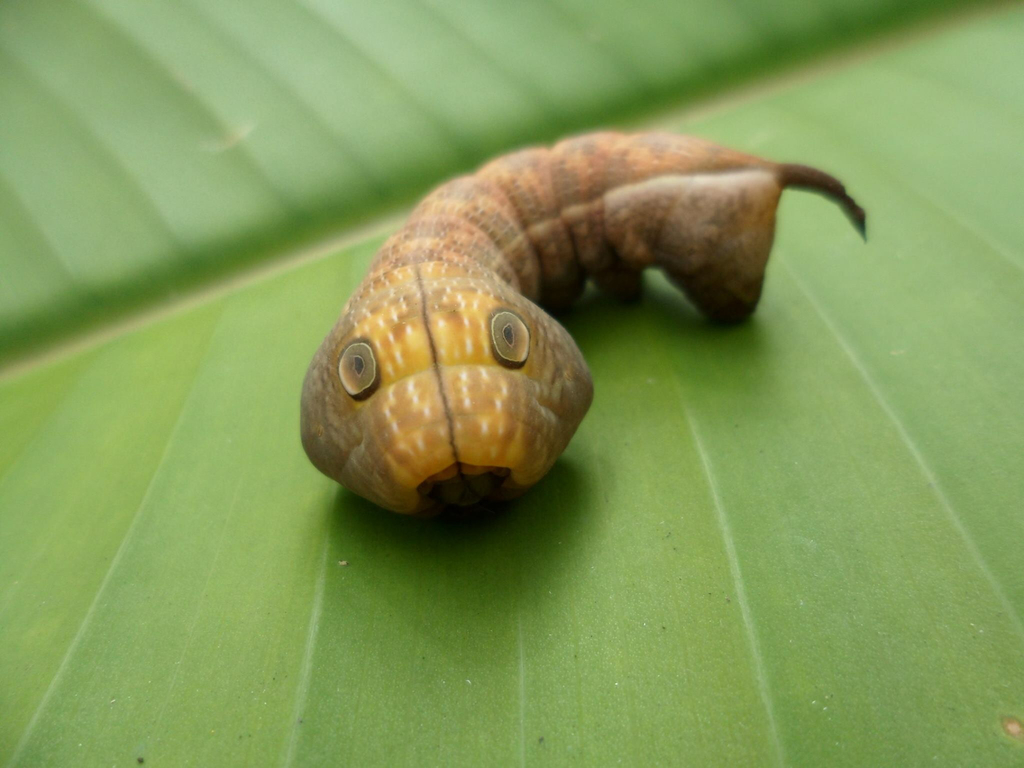
Chiococca alba serves as a documented larval host plant for the Pluto sphinx moth (Xylophanes pluto), a widespread sphingid whose range extends from South America through Central America (including Costa Rica and Panama) to Florida and Texas. The moth's caterpillars also feed on other Rubiaceae including Hamelia patens, Erythroxylum species, and Morinda royoc. In Florida, the plant is listed as a possible host for the critically endangered Miami blue butterfly (Cyclargus thomasi bethunebakeri), though its primary hosts are legumes. Conservation efforts for this subspecies, now restricted to a few island populations in the Florida Keys, depend partly on maintaining diverse native plant communities including snowberry.
Ethnobotany
The roots of Chiococca alba have a long history in Caribbean folk medicine, where the plant is known as "cahinca" or "cainca." Traditional healers have used root preparations to treat a variety of ailments including rheumatism, inflammation, dropsy (edema), and as a diuretic and purgative. The roots contain a complex mixture of bioactive compounds including terpenes, alkaloids, and flavonoids that have attracted scientific interest.
Recent phytochemical studies have revealed that snowberry produces unusual terpenoids with potential pharmaceutical applications. A 2020 genome assembly of the species identified key enzymes involved in the biosynthesis of these specialized metabolites, opening possibilities for biotechnological production of medicinally relevant compounds.
Taxonomic History
Carl Linnaeus first described this species in 1753 as Lonicera alba in Species Plantarum, based on material from the Caribbean. The specific epithet "alba" (Latin for "white") refers to the distinctive white fruits. In 1893, Albert Spear Hitchcock transferred the species to the genus Chiococca, establishing the current accepted name Chiococca alba (L.) Hitchc.
The genus name Chiococca derives from the Greek "chion" (snow) and "kokkos" (berry), another reference to the white fruits. Given the species' broad distribution and morphological variability, numerous regional variants have been described over the centuries, resulting in an extensive synonymy of 48 names now considered to represent this single widespread species.
Conservation Outlook
Chiococca alba is listed as Least Concern by the IUCN due to its extensive range, tolerance of disturbed habitats, and stable populations throughout most of its distribution. The species readily colonizes forest edges, roadsides, and secondary growth, and it persists in agricultural landscapes where small forest fragments remain.
However, the plant's role as a host for the critically endangered Miami blue butterfly highlights its conservation value in certain regions. In the Florida Keys, where the butterfly survives only in a few isolated populations, maintaining healthy stands of snowberry is essential for the subspecies' recovery. This underscores how widespread plant species can nonetheless play critical roles in the survival of rare and localized fauna.
Resources & Further Reading
Species Information
Overview of taxonomy, distribution, and ecology of the West Indian milkberry.
Detailed species profile with cultivation information for Florida landscapes.
Native plant profile with ecological information and wildlife value.
Taxonomy & Nomenclature
Accepted name, synonymy, and global distribution from Kew's authoritative database.
Global occurrence records and distribution maps.
Scientific Research
Research paper on the genomics of terpenoid biosynthesis in snowberry.