Cerillo
Lacmellea panamensis — A distinctive understory tree armored with conical thorns, its trunk exuding thick white latex once used as a coffee sweetener throughout the forests of Costa Rica's Pacific slope.
In the dim understory of Costa Rica's lowland rainforests, where little direct sunlight penetrates the dense canopy above, grows a tree that appears armored for battle. The cerillo's trunk bristles with broad-based conical thorns, giving it a prehistoric appearance that stands out among its smooth-barked neighbors. These blunt spikes, scattered across the gray-brown bark, have led to another common name: espinudo, the spiny one.
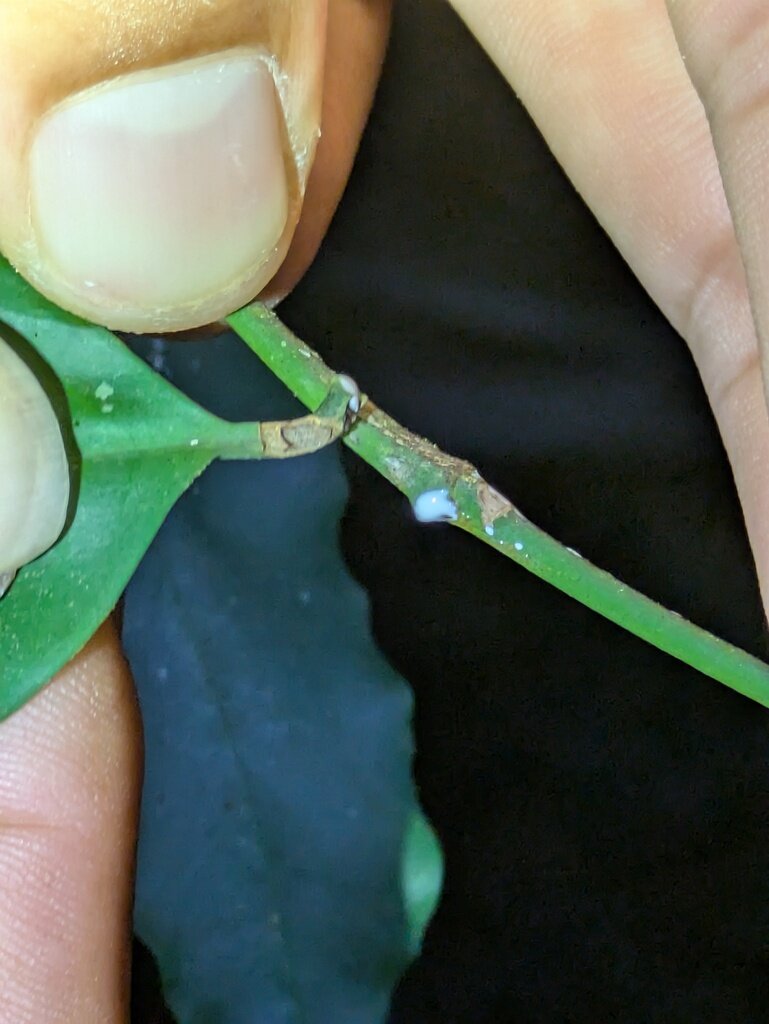
Break a twig or nick the bark, and the cerillo reveals another distinctive trait: thick white latex flows freely from the wound, copious enough to drip onto the forest floor. This milky sap connects the cerillo to a long history of human use. Rural communities across Central America have collected the latex to sweeten coffee and tea, earning the tree yet another name: lagarto negro, black lizard, perhaps referring to the dark, scaly appearance of the thorny trunk.
The cerillo belongs to Lacmellea, a genus of about 20 species distributed from Central America through South America, all producing the characteristic sweet latex. Related species like Lacmellea edulis (leche miel, or "milk honey") and Lacmellea oblongata (chicle muyo) are prized throughout the Amazon for their edible fruits and latex, which has been used as a base for chewing gum, as an additive to rubber, and even as a milk substitute in coffee. The cerillo represents the northernmost extension of this remarkable genus into Central America.
Identification
Physical Characteristics
Trunk and bark: The cerillo's trunk is straight and cylindrical, reaching up to 45 cm in diameter. Its most distinctive feature is the covering of broad-based conical thorns, blunt rather than sharp, scattered across the smooth gray-brown bark. The bark is frequently mottled by colonies of flat, blue-gray lichens that seem to favor this species. Larger trees may develop low, rounded buttresses at the base.


Crown: The crown is thick but narrow, composed of bright green foliage. As an understory species, the cerillo rarely reaches the canopy, instead forming part of the forest's middle layer where it intercepts the filtered light that penetrates from above.
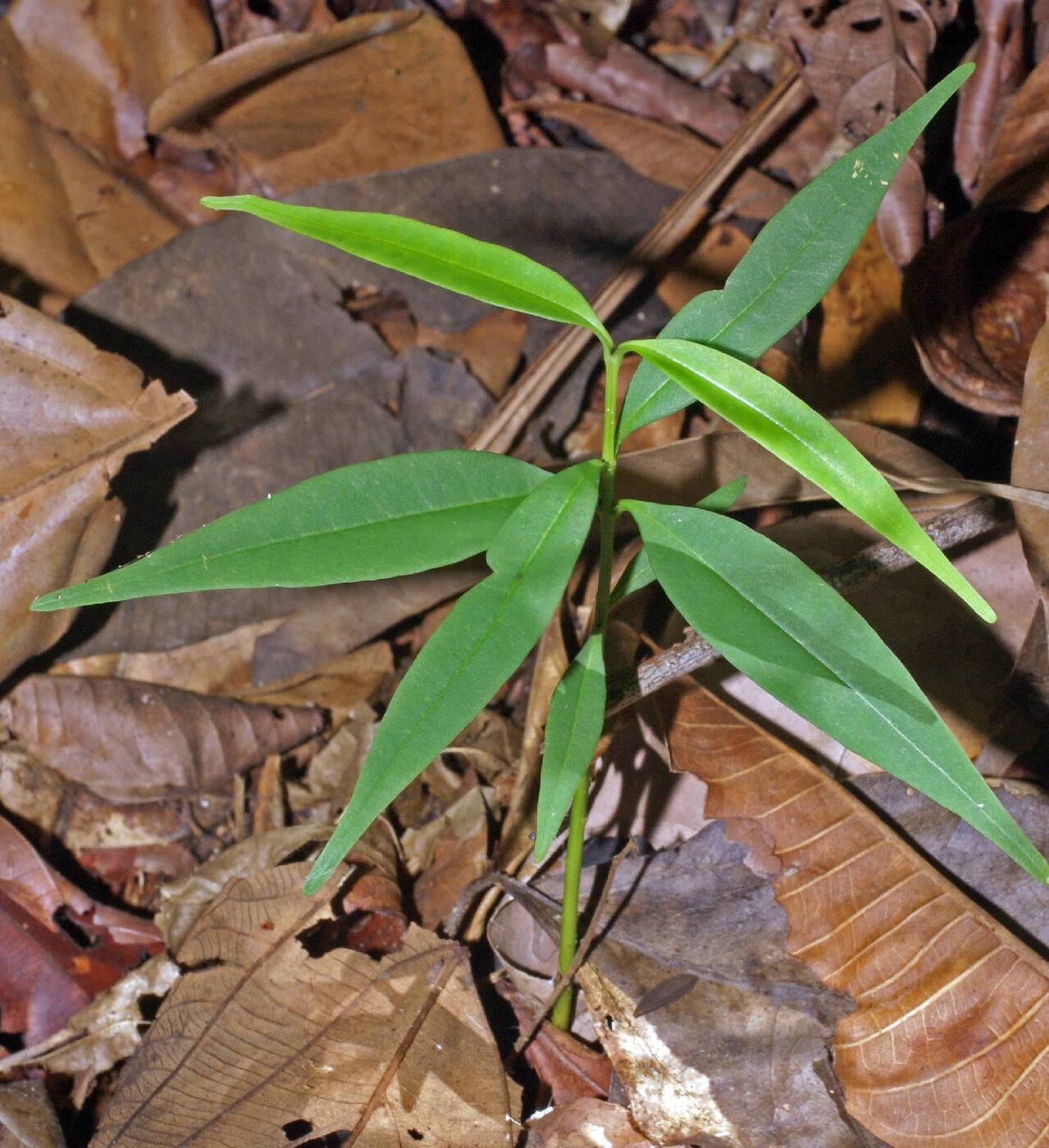
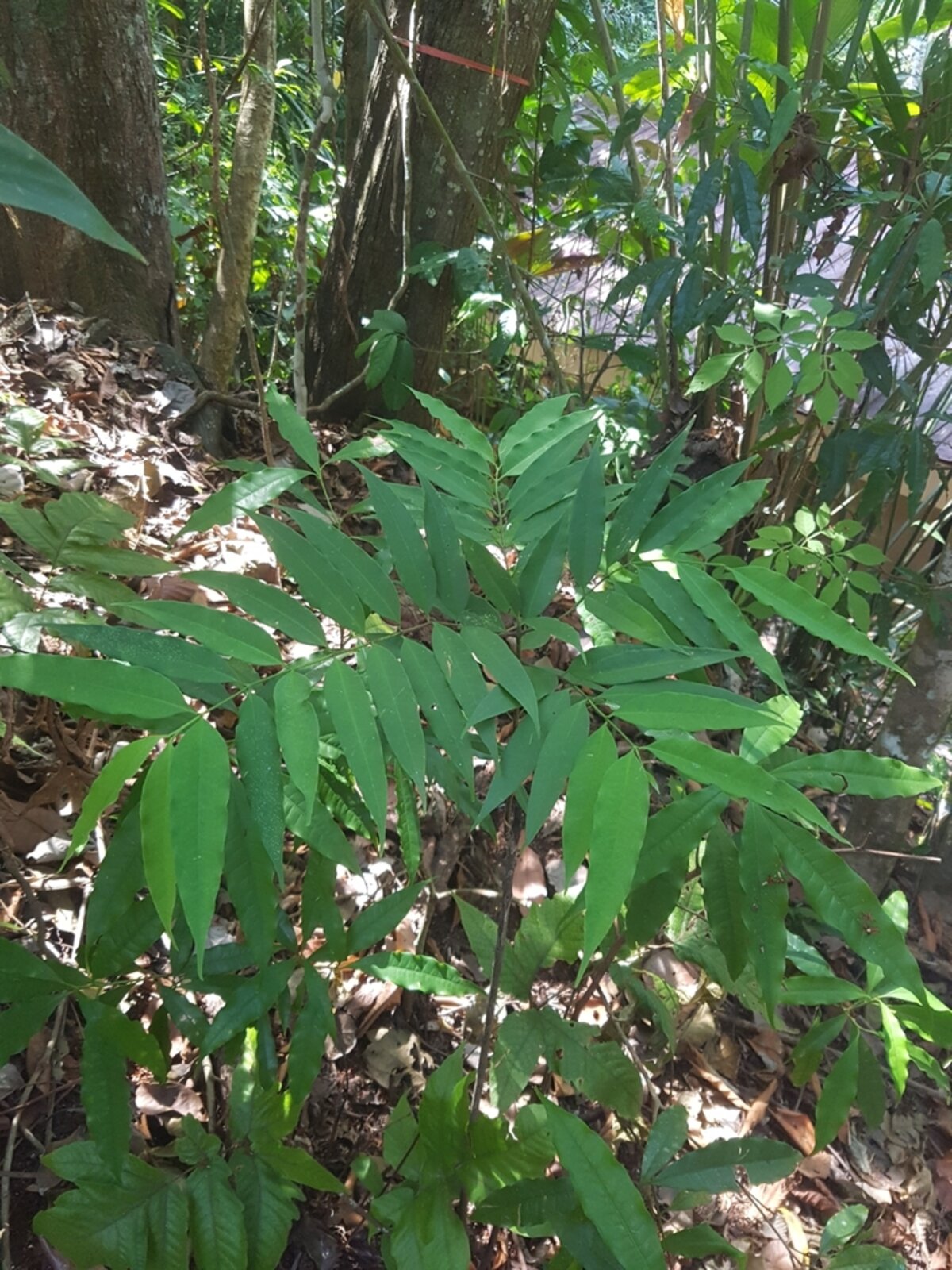
Leaves: Simple and opposite, the leaves are narrowly elliptical, measuring approximately 12 cm long by 4.5 cm wide. Each glossy, light green blade displays a contrasting pattern of yellow, pinnately arranged veins. The leaves are flexible and soft, supported by a 1 cm petiole and ending in a distinctive 1 cm drip-tip that channels water away during heavy rains. Primary leaf production occurs from December through January.
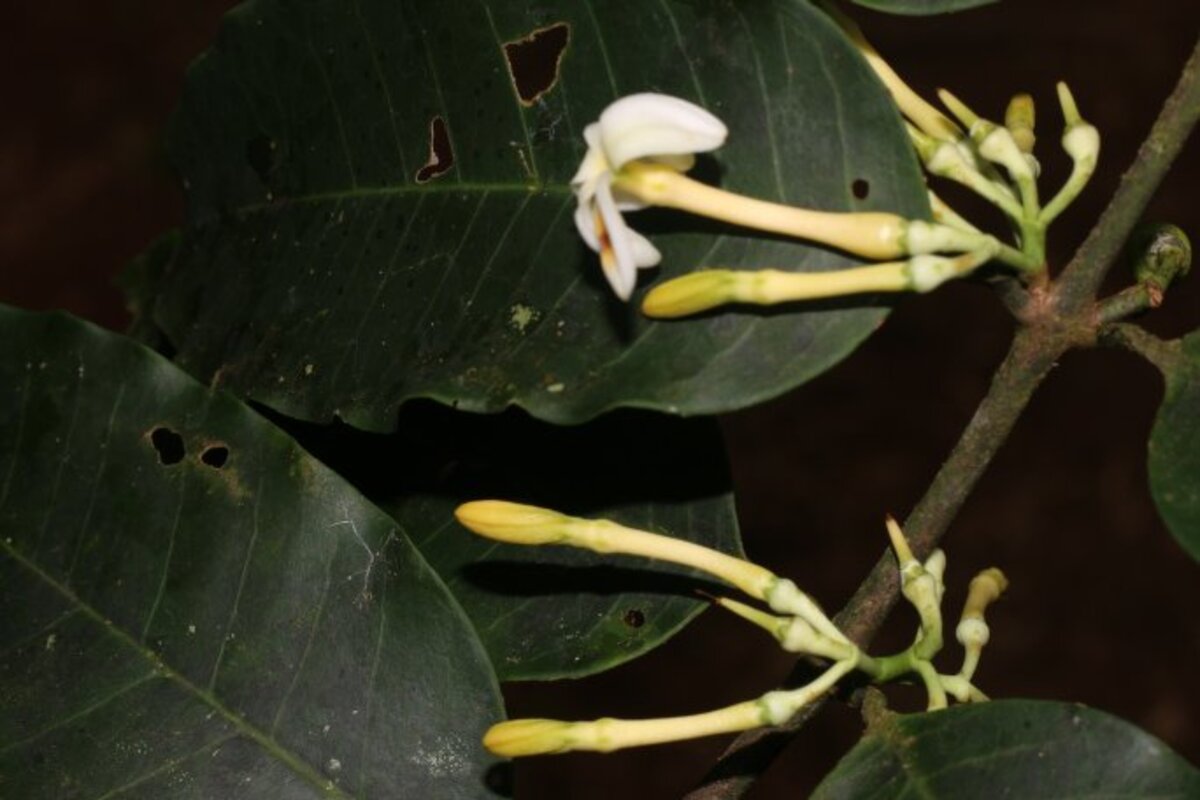
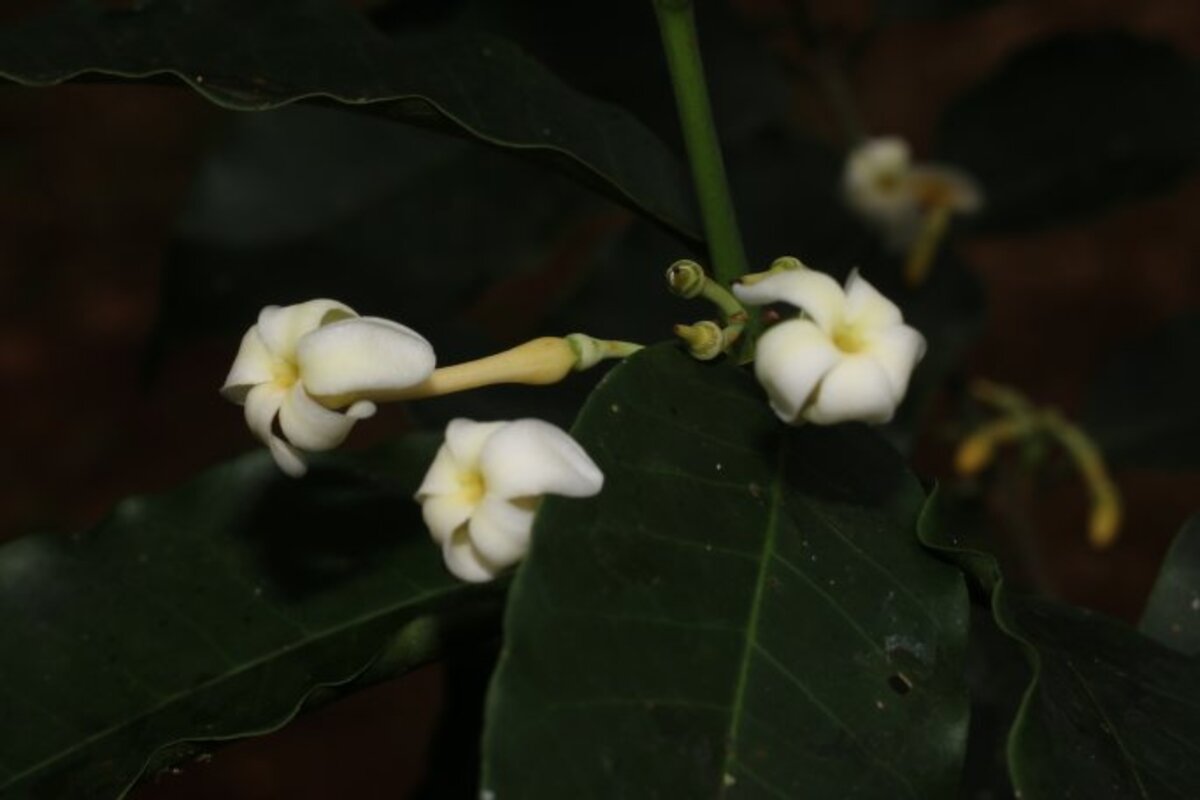
Flowers: Small axillary cymes bear one to six blossoms. Each flower features a long, cream-colored tubular corolla measuring about 3.5 cm, with two marked swellings along its length. Peak flowering occurs from February through April, though sporadic flowers appear throughout the year. The fragrant blooms attract long-tongued bees, butterflies, and hawkmoths as pollinators.
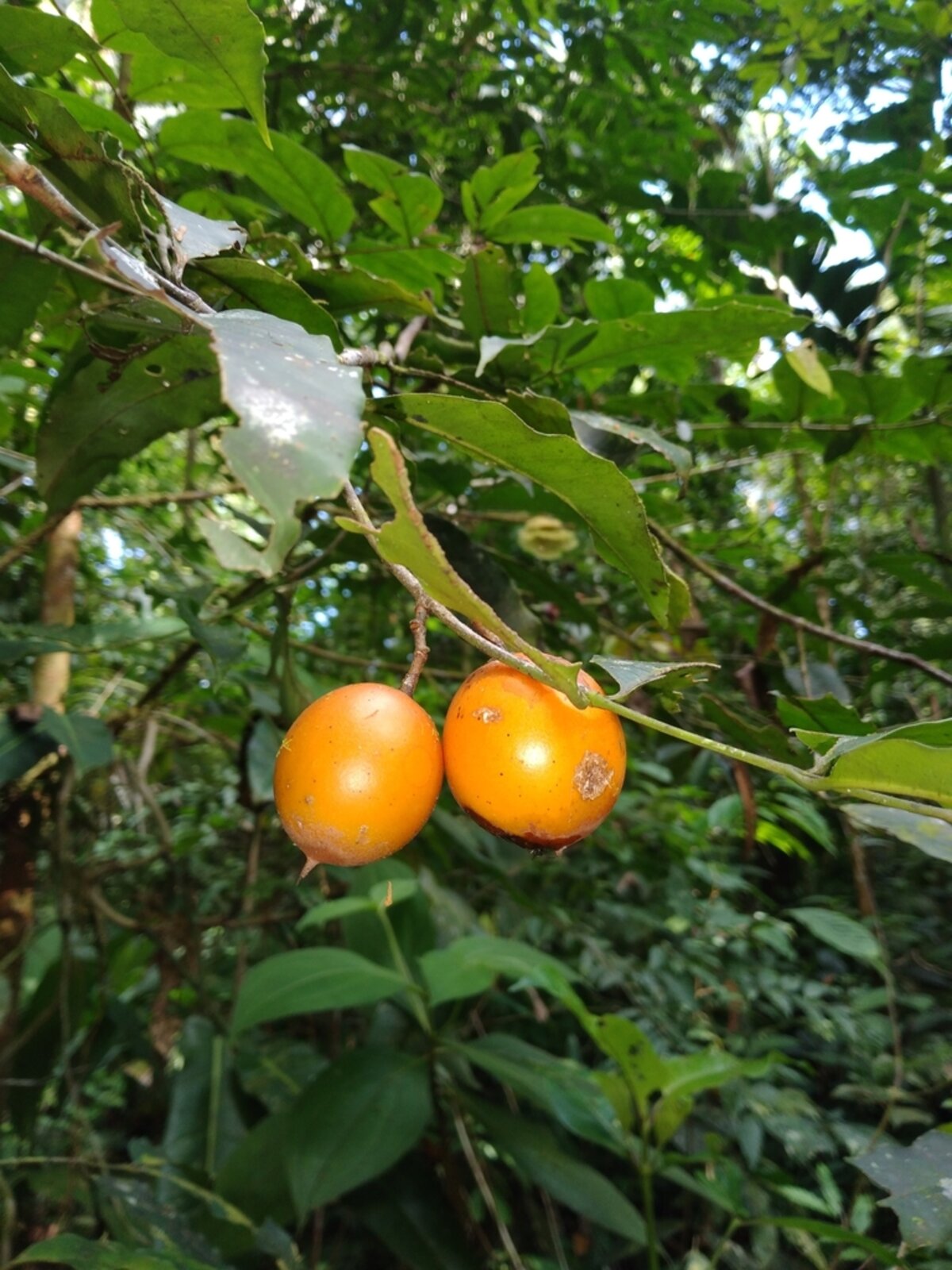
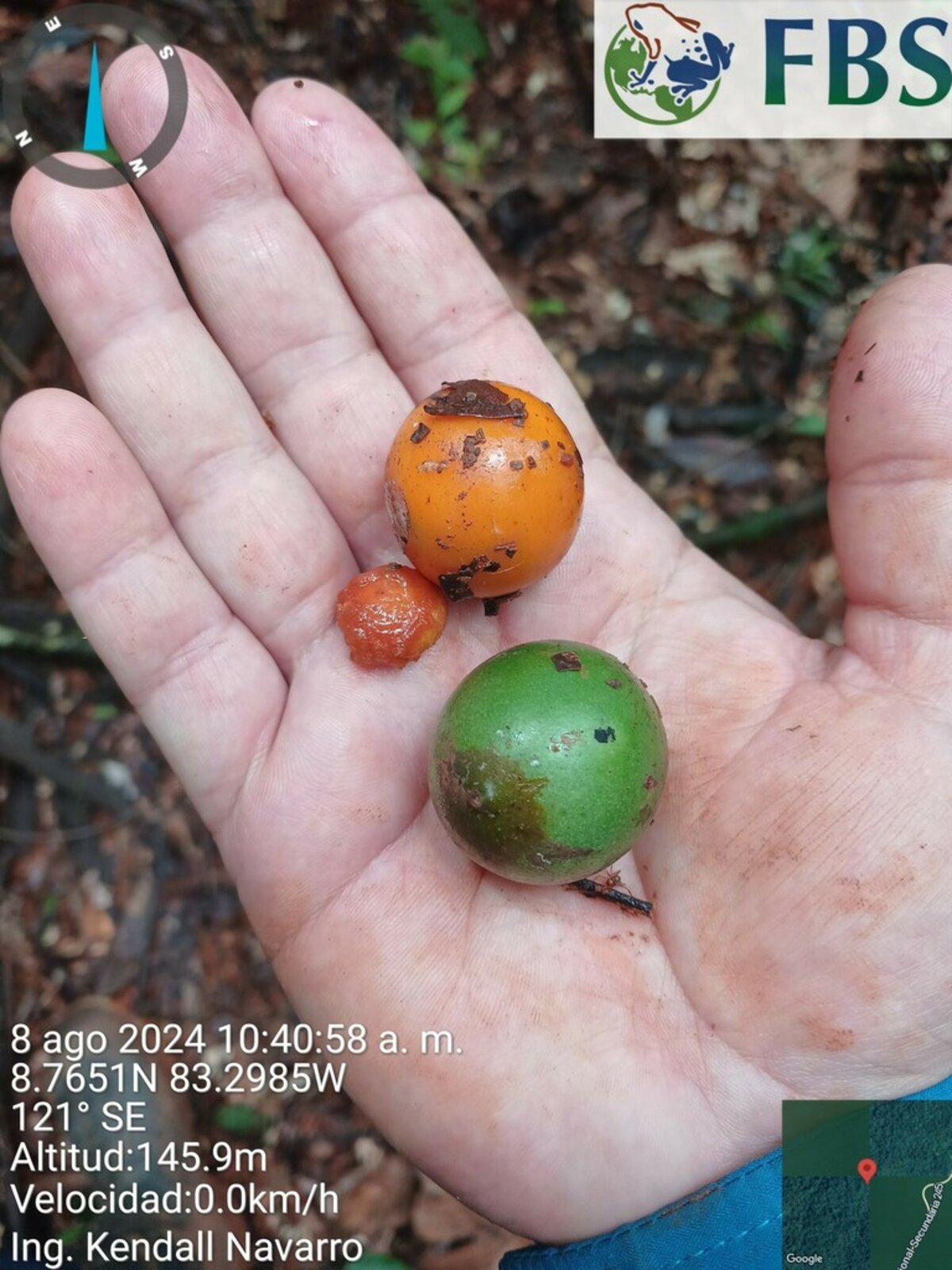
Fruits: Nearly spherical drupes measuring about 4 cm in diameter contain soft flesh surrounding two seeds. Initially green and glossy, the fruits ripen to bright yellow and persist on trees for extended periods, allowing continuous fruiting throughout the year. The edible flesh has a pleasant flavor and can be eaten raw or made into juices, jams, and jellies.
Habitat & Distribution
The cerillo ranges from Nicaragua south through Costa Rica, Panama, Colombia, and into Ecuador. In Costa Rica, it is widely distributed on both the Atlantic and Pacific slopes, though it reaches its greatest abundance along the southern Pacific slope from Carara National Park south to Corcovado National Park on the Osa Peninsula.
Ecosystem: The cerillo grows as an occasional understory or rarely subcanopy tree, found under a variety of conditions but especially within the semi-darkness of dense primary forest. It thrives in the deep shade of mature rainforest, where the closed canopy above filters most direct sunlight.
Elevation: Sea level to approximately 800 meters, most common in lowland wet forests.
Soil: Prefers well-drained soils in primary forest conditions. The species is not typically found in disturbed or secondary forest habitats.
Ecological Importance
Wildlife Interactions
The cerillo's year-round fruiting provides a reliable food source for forest wildlife. Howler monkeys (Alouatta palliata) consume the ripe yellow fruits, while three-toed sloths appear particularly fond of the foliage. Research has shown that howler monkeys are critical seed dispersers in neotropical forests, spending more than half their feeding time eating fruits and swallowing up to 90% of the seeds they encounter. Studies in similar forests found that howler monkeys alone account for approximately 74% of all seeds removed from fruiting trees, making them likely the primary dispersal agent for cerillo.
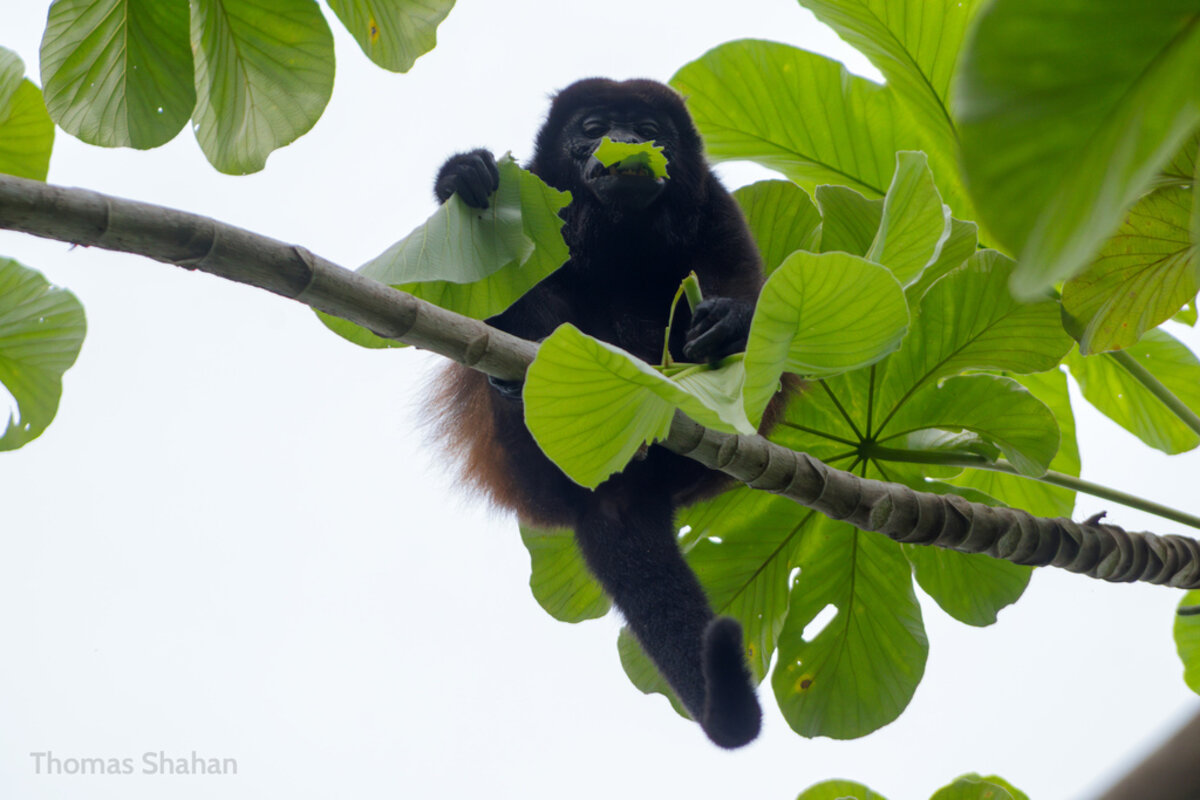
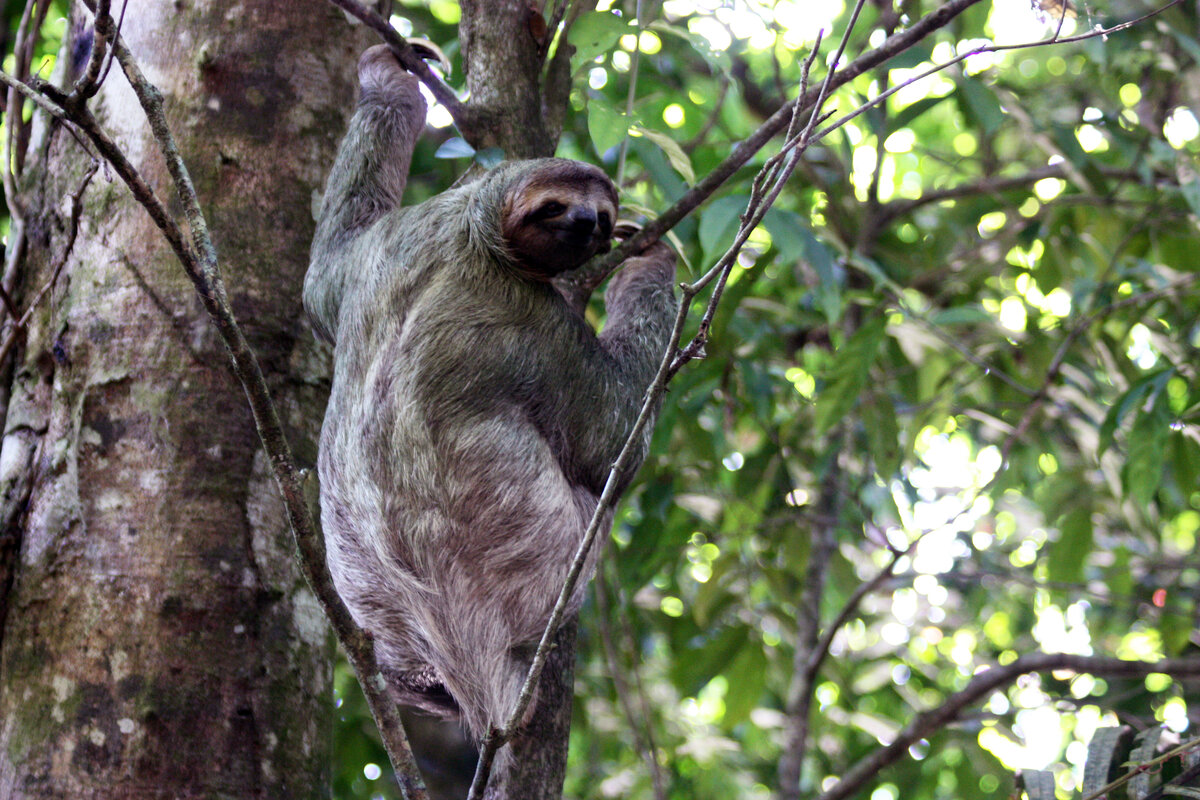
The persistent fruits, which remain on the tree for extended periods after ripening, ensure that food is available even during times when other species are not fruiting. Seeds ingested by howler monkeys typically germinate faster than non-ingested seeds, a benefit that reduces predation and increases seedling establishment. In anthropogenically disturbed forests where other large frugivores have disappeared, howler monkeys become even more critical, sometimes serving as the only remaining dispersal agent for large-seeded species.
The tubular flowers attract a diversity of pollinators adapted to reach the nectar within. Long-tongued bees probe the cream-colored corollas, while butterflies and hawkmoths visit during different times of day. This pollinator diversity helps ensure successful reproduction even in the low-light conditions of the forest understory.
Defensive Adaptations
The cerillo's trunk thorns represent an unusual defense strategy among lowland rainforest trees, one that may be an "evolutionary anachronism" - a trait that made sense when the tree coevolved with now-extinct animals. In their landmark 1982 paper "Neotropical Anachronisms: The Fruits the Gomphotheres Ate," ecologist Daniel Janzen and paleoecologist Paul Martin proposed that certain plant traits in Central American forests evolved in response to Pleistocene megafauna that went extinct roughly 10,000 years ago. Trunk spines like those of the cerillo, along with the sandbox tree (Hura crepitans) and the ceiba (Ceiba pentandra), may have evolved to deter giant ground sloths (Megatherium and Eremotherium) and other large browsers from stripping bark or climbing to reach foliage.
Recent research has identified four distinct morphological syndromes of trunk spines, two of which suggest defense against bark feeding and climbing mammals. The cerillo's blunt, conical spines fit the pattern of defense against climbing animals rather than the sharper spines associated with liana anchorage. Today, with the megafauna gone, these thorns likely still discourage smaller climbing mammals and provide protection against bark damage from contemporary wildlife.
The copious white latex serves as a defensive mechanism, though Lacmellea is unusual among the Apocynaceae. While most members of this family produce latex rich in toxic cardiac glycosides (cardenolides) and alkaloids, Lacmellea species have evolved a notably different chemistry: their latex is sweet and palatable rather than bitter and poisonous. The latex still provides physical defense—its sticky, rubbery consistency can gum up the mouthparts of leaf-eating insects and caterpillars—but lacks the chemical toxicity that makes most dogbane family plants dangerous to consume. This unusual sweetness is what allowed human communities to safely use the latex as a food additive for generations.
Traditional Uses
Food: The ripe yellow fruits are edible with a pleasant, sweet flavor. They can be eaten fresh from the tree or processed into juices, jams, and jellies. The fruits ripen throughout the year, providing a seasonal food source for rural communities with access to primary forest.
Latex: The thick white latex has a long history of human use across Central and South America. Communities have traditionally collected it as a sweetener for coffee and tea, taking advantage of its mild flavor to stretch limited sugar supplies. The latex has also been used medicinally as a galactagogue to promote milk production in nursing mothers.
Across the range of Lacmellea species in South America, the latex has served additional purposes: as a base for chewing gum, as an additive to rubber, and even as a milk substitute in coffee. These varied uses reflect the latex's unusual combination of sweetness, texture, and abundance.
Wood: The cerillo produces hard wood of fine quality, though the tree's relatively small size limits its commercial timber value. The wood has been used locally for construction and tool handles where durability is important.
Climate Research
The cerillo has become an unlikely participant in one of the world's most important climate change experiments. On Barro Colorado Island in Panama, the Smithsonian Tropical Research Institute operates SWELTR (Soil Warming Experiment in Lowland Tropical Rainforest), one of only two tropical forest warming experiments anywhere on Earth. Since 2016, researchers have buried heating cables to a depth of 1.2 meters across ten experimental plots, warming the soil profile by 4°C above ambient temperature to simulate future climate conditions.
Lacmellea panamensis is one of six focal seedling species being monitored to understand how tropical forest understory trees respond to warming soils. The experiment has already yielded alarming findings: warming accelerates the decomposition of older soil carbon, potentially releasing as much as eight additional tonnes of carbon dioxide per hectare per year. For shade-tolerant understory species like the cerillo, which depend on the stable microclimate of mature forest, understanding their response to warming is critical for predicting how tropical forests will function in a hotter world.
Conservation
The cerillo has not been formally evaluated by the IUCN and is not protected under CITES. As a species dependent on primary forest conditions, its fate is tied to the conservation of Costa Rica's remaining lowland rainforests. The tree is common within protected areas like Corcovado National Park and Carara National Park, where intact forest provides the shaded understory conditions it requires.
Outside protected areas, the cerillo faces pressure from deforestation and forest fragmentation. Unlike pioneer species that can colonize disturbed areas, the cerillo's requirement for mature forest shade makes it vulnerable to habitat loss. The species' dependence on howler monkeys for seed dispersal adds another layer of vulnerability: where primate populations have been hunted out or displaced, seed dispersal and forest regeneration are compromised.
Maintaining forest connectivity between protected areas helps ensure that both cerillo populations and their primate dispersers remain viable across the landscape. As climate change research continues to reveal the sensitivity of tropical forest ecosystems to warming, the cerillo serves as both a subject of study and a reminder of the complex interdependencies that sustain these forests.
Resources & Further Reading
Species Information
Overview of the species including taxonomy, description, and distribution.
Detailed species account with photographs of trunk, flowers, and fruits.
Species profile from the Osa Peninsula botanical collection.
Costa Rican botanical database with phenology and distribution data.
Botanical References
Comprehensive database entry covering uses, cultivation, and botanical details.
Smithsonian Tropical Research Institute species page with photographs and specimen data.
Global biodiversity occurrence data and distribution maps.
Scientific Research
Landmark paper proposing that trunk spines and other traits evolved as defenses against now-extinct Pleistocene megafauna.
Research on how historical mammal herbivory shaped plant defense traits including trunk spines and latex production.
Identifies four distinct morphological syndromes of trunk spines, two suggesting defense against climbing mammals.
Comprehensive review of howler monkey frugivory and their critical role in seed dispersal for tropical forest trees.
Research from the Barro Colorado Island soil warming experiment where cerillo seedlings are monitored.
Scientific review of the bioactive compounds in dogbane family latex including cardenolides and alkaloids.
Information about the long-term forest dynamics research plot where cerillo populations are monitored.