Cenízaro
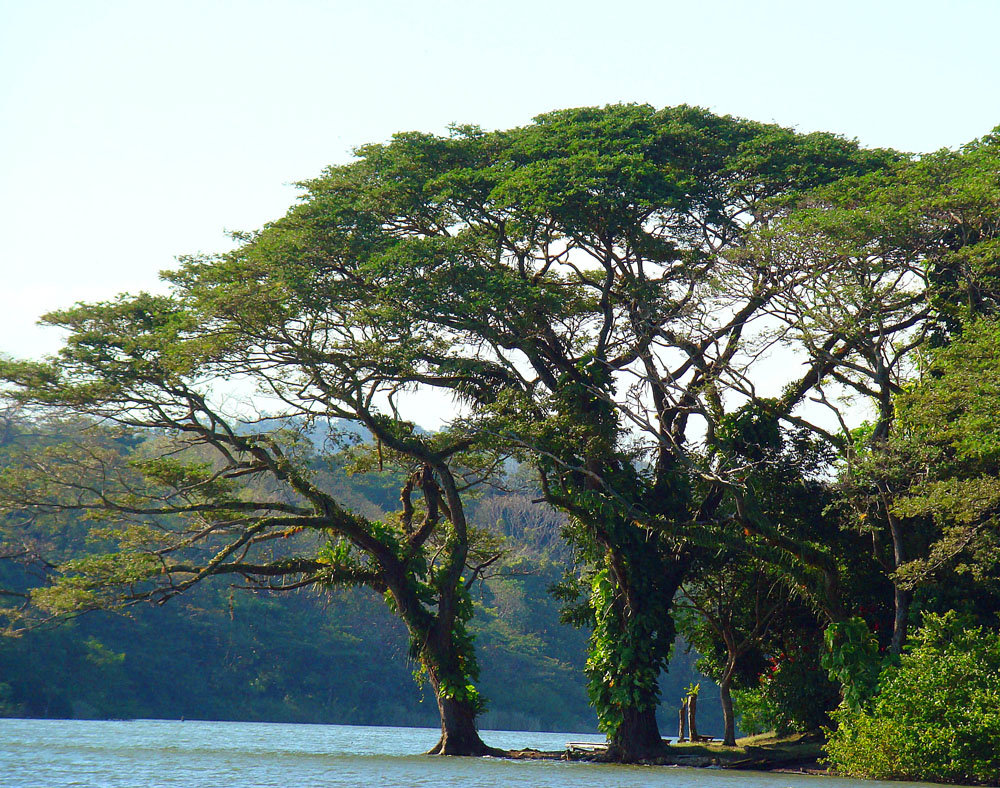
Samanea saman — The rain tree, whose massive umbrella crown can shelter an entire herd of cattle while its leaves fold at dusk and during storms, directing rainwater to the soil below.
Across the pastures of Costa Rica, scattered giants spread their enormous flat-topped crowns, creating domes of shade that shelter entire herds of cattle from the tropical sun. The cenízaro reaches its greatest natural abundance in the dry forests of Guanacaste, but because it has been so extensively planted as a shade tree, individual specimens now dot pastures and roadsides throughout the country, including the humid southern Pacific slope. Known internationally as the rain tree, monkey pod, or saman, this legume has become a symbol of tropical landscapes from Hawaii to Southeast Asia.
The rain tree earns its name from two distinctive behaviors. At dusk and during approaching storms, the tree's leaflets fold downward, allowing rain to penetrate to the ground below rather than being intercepted by the canopy. Even on clear evenings, moisture drips from the tree as cicadas feeding on its sap release a fine mist. Early observers attributed this phenomenon to the tree itself "raining," a poetic misunderstanding that gave us one of the most evocative common names in the botanical world.
Identification
Physical Characteristics
Crown: The cenízaro's most distinctive feature is its enormous, spreading crown. Unlike the more rounded canopy of the guanacaste, the cenízaro develops a distinctly flat-topped or dome-shaped crown, often wider than the tree is tall. A single mature tree can provide shade over an area exceeding 2,000 square meters. The foliage is concentrated at the outer edges of the branches, giving the crown an open, layered appearance when viewed from below.
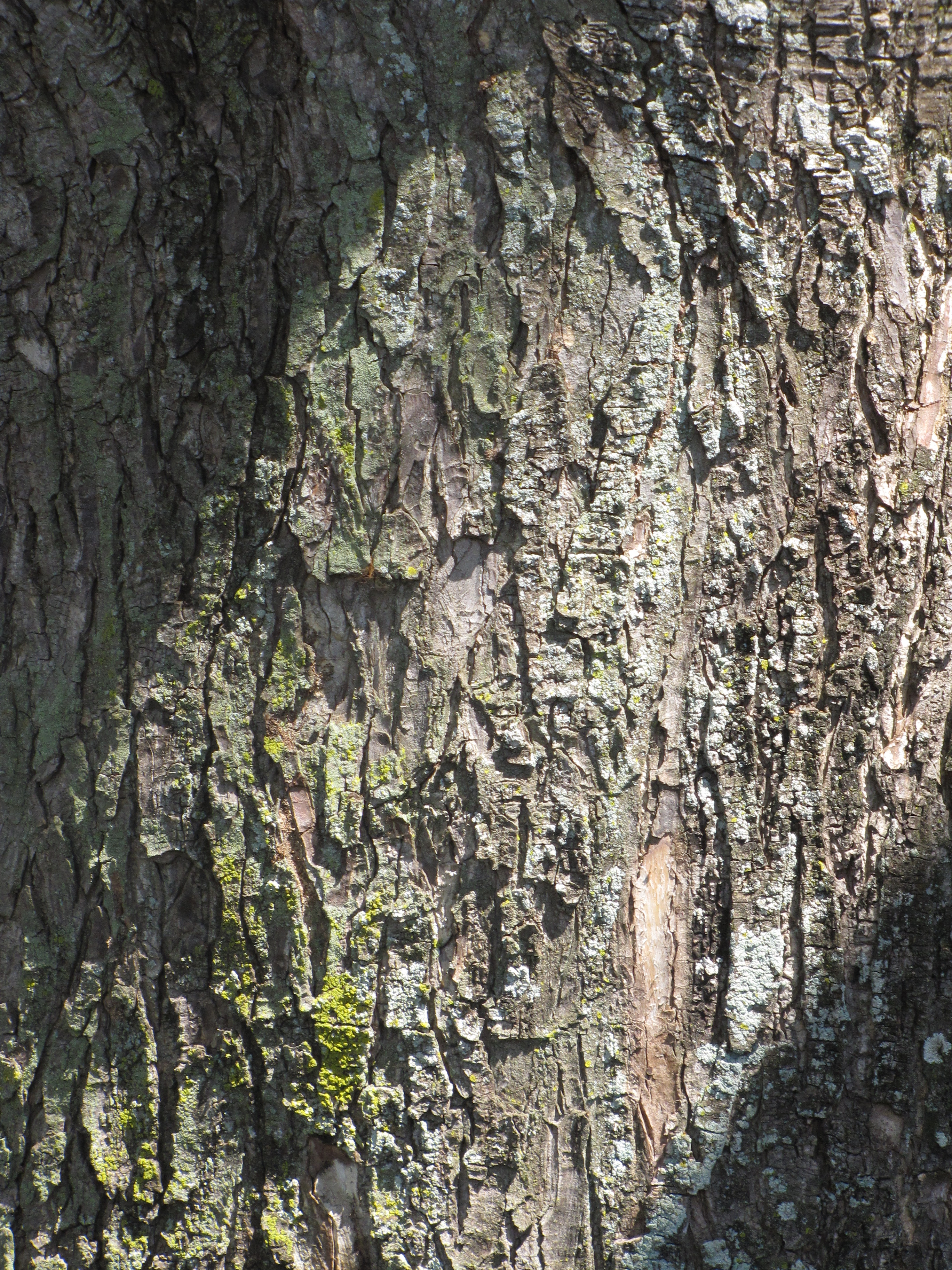
Trunk: Short and stout, dividing relatively low into massive horizontal branches that extend far from the main bole. The trunk can reach two meters in diameter in exceptional specimens. The bark is grayish-brown with deep vertical fissures and irregular plate-like scales that exfoliate with age.
Leaves: Large bipinnately compound leaves measuring up to 35 by 23 centimeters. Each leaf bears four pairs of opposite pinnae, with each pinna carrying 4 to 12 leaflets. Individual leaflets range from 1.5 to 4 centimeters. The tree is briefly deciduous in dry climates, shedding foliage in late February and rapidly replacing it with new growth in March. In humid climates, it may remain evergreen year-round.
Flowers: Spherical flower heads approximately 8 centimeters across, composed of about 20 tubular blossoms. Each flower displays showy pink stamens up to 4 centimeters long, giving the inflorescence a powder-puff appearance. Flowering occurs from mid-March through mid-May in Costa Rica. Butterflies, bees, and other insects pollinate the flowers during the day, while moths visit at night.

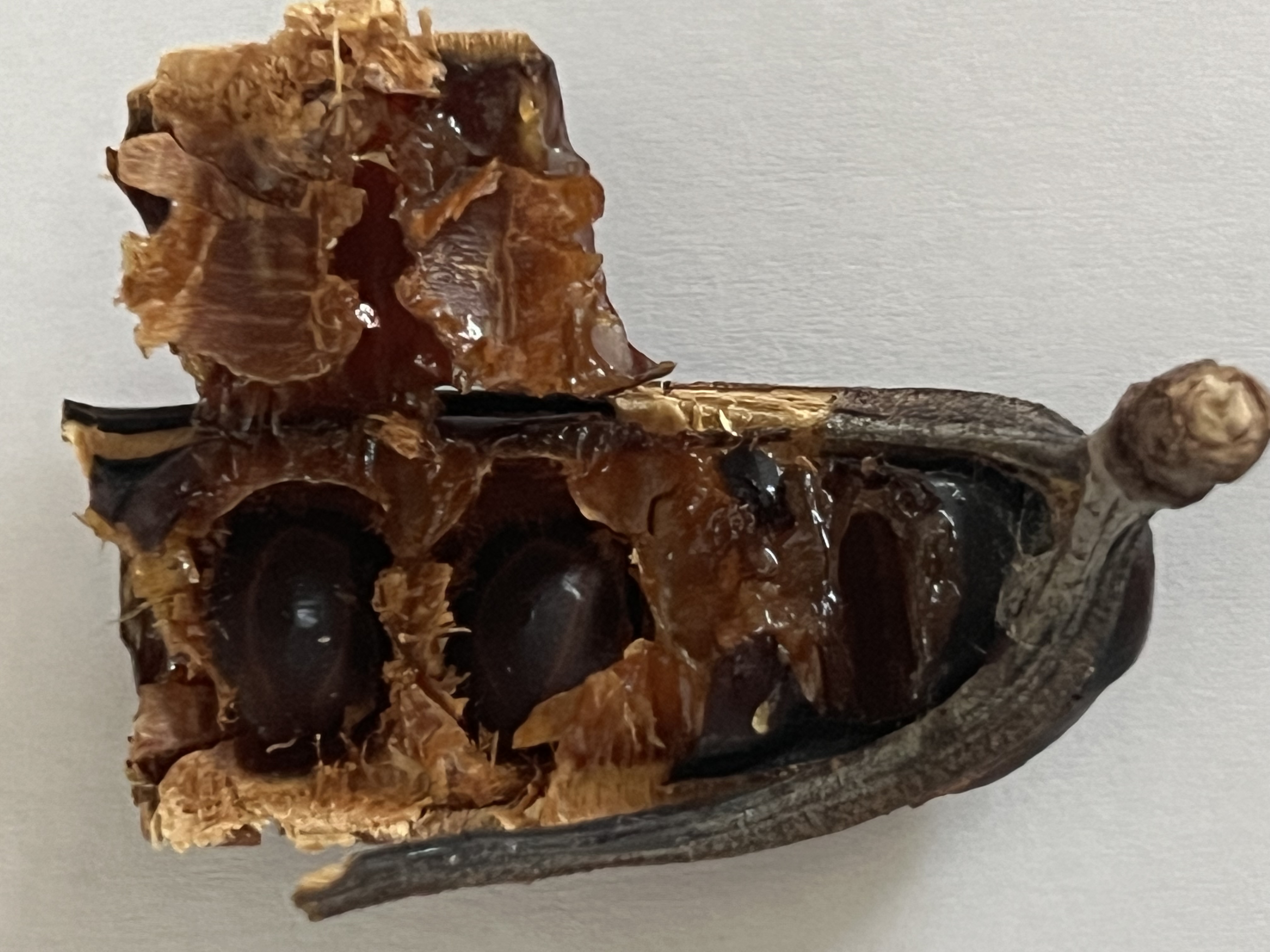
Fruit: Narrow, flattened pods measuring 12-20 centimeters long by 2 centimeters wide, with distinctively thickened edges. The pods contain hard-coated, ovoid seeds approximately 1 centimeter long, surrounded by a sweet-smelling, sticky pulp with a liquorice-like flavor. Pods mature brown and fall during February. A 15-year-old tree can produce up to 275 kilograms of pods annually.
Cenízaro vs. Guanacaste
Both trees belong to the Mimosoideae subfamily and share the dry forests of northwestern Costa Rica. Their massive crowns make them icons of the pastoral landscape. But several features distinguish them:
| Feature | Cenízaro | Guanacaste |
|---|---|---|
| Crown shape | Flat-topped umbrella, spreading horizontally | Hemispherical dome |
| Pod shape | Straight, flattened, 12-20 cm long | Coiled ear-shape, 7-12 cm diameter |
| Pod pulp | Sweet, sticky, edible; liquorice flavor | Dry, fibrous, not consumed |
| Flower color | Pink stamens | White/cream stamens |
| Leaf movement | Strong nyctinastic response (folds at dusk) | Minimal leaf movement |
| National symbol | No official status in Costa Rica | Costa Rica's national tree since 1959 |
Habitat & Distribution
The species' native range extends from Mexico through Central America to northern South America, including Colombia, Venezuela, and coastal Brazil. In Costa Rica, natural populations occur in protected areas like Santa Rosa and Palo Verde National Parks. The cenízaro has been introduced throughout the tropics and is now a familiar sight from Hawaii to Southeast Asia, where it has become naturalized in some areas.
Climate tolerance: The cenízaro tolerates annual rainfall from 600 to 3,000 millimeters, making it adaptable to both dry and humid conditions. It prefers mean annual temperatures of 20-35°C and is susceptible to damage below 8°C. In high-rainfall areas, the tree develops shallow roots; in drier regions, it produces deep taproots to access groundwater.
Ecological Importance
Nitrogen Fixation
Like other members of the legume family, the cenízaro harbors nitrogen-fixing bacteria in nodules on its roots. These bacteria, recently identified as Bradyrhizobium saman, convert atmospheric nitrogen into forms plants can use. The nitrogen returns to the soil through leaf litter, enriching the ground beneath and around the tree. This makes the cenízaro valuable for improving degraded soils in silvopastoral systems.
Studies in silvopastoral systems consistently show improved grass growth beneath cenízaro trees compared to open pasture. The combination of nitrogen enrichment, shade moderation, and rainfall channeling (through leaf folding) creates favorable conditions for understory vegetation.
Wildlife Habitat
The cenízaro's massive crown provides habitat for numerous species. The sweet pod pulp attracts pacas, raccoons, and other mammals that feed on fallen fruit. Horses and cattle readily consume the pods, serving as modern seed dispersers in the absence of the Pleistocene megafauna for which such fruits likely evolved. The flowers attract butterflies, bees, and moths, while the bark and branches support diverse epiphyte communities in humid areas.
Human Uses
Shade and Fodder
The cenízaro's primary value in Costa Rica lies in its exceptional shade. A single mature tree can shelter an entire herd of cattle from the tropical sun. The flat-topped crown provides effective shade even at low sun angles, making it superior to many other shade trees in pasture systems. Farmers throughout the dry tropics deliberately spare cenízaro trees when clearing land, recognizing their value for livestock welfare.
The fallen pods provide supplemental fodder during the dry season when other forage is scarce. The sweet pulp is palatable to cattle, horses, and pigs, and the seeds are digestible after passage through the gut.
Timber
Cenízaro wood is golden-brown with cream-colored sapwood, taking a high polish despite some tendency for cross-grain. It is light in weight, soft but strong, and durable to very durable. The wood shows minimal shrinkage when drying, allowing green-wood carving without splitting. Primary uses include furniture, paneling, interior trim, boxes, veneer, and the carved bowls and platters sold to tourists as "monkey pod" woodenware.
Edible Uses
Children throughout the cenízaro's range consume the sweet pod pulp, which has a liquorice-like flavor. A lemon-flavored beverage can be made from the pulp. The pods also yield an inferior-quality gum usable as a substitute for gum arabic. In some regions, the tree has been evaluated for alcohol production, with potential yields estimated at over 1,100 liters of ethanol per hectare annually from pod fermentation.
Traditional Medicine
Traditional uses include bark decoctions for treating diarrhea and stomach ache. Leaf infusions have been used as laxatives. Fresh bark or leaf preparations are applied externally for dermatitis, eczema, and itching. The seeds are chewed to relieve sore throat. Modern research has shown that leaf extracts exhibit inhibitory effects on tuberculosis bacteria.
The Hitachi Tree
Perhaps the most famous individual cenízaro grows in Moanalua Gardens, Oahu, Hawaii. This tree has served as the symbol of the Hitachi corporation since 1973, appearing in the company's advertising as "Hitachi's tree." The specimen demonstrates the species' potential when given ideal conditions: its crown spreads approximately 40 meters with near-perfect symmetry. The tree's fame has made it a pilgrimage site for Japanese tourists visiting Hawaii.
Conservation and Invasive Potential
The cenízaro is not currently considered threatened. Its fast growth, prolific seeding, and tolerance for a wide range of soils and rainfall regimes have allowed it to thrive even outside its native range. However, these same characteristics have led to concerns about invasive potential. The species is listed as moderately invasive in some Pacific and Caribbean islands and is considered undesirable in environmentally sensitive areas of Australia.
In Costa Rica, the cenízaro remains an important component of the dry forest landscape and a valuable agroforestry species. Its ability to fix nitrogen, provide shade, and produce fodder makes it well-suited for sustainable silvopastoral systems. The tree responds well to pruning, coppicing, and pollarding, allowing farmers to manage it as a renewable resource.
Key Sources & Resources
Species Information
Overview of the species including taxonomy, description, distribution, and uses.
Detailed species account including phenology, identification features, and distribution in Costa Rica.
Comprehensive botanical and ethnobotanical information including uses, cultivation, and ecology.
Scientific Literature
Comprehensive review of the species' biology and potential for sustainable land use systems.
Technical information on the species as a forage and agroforestry resource.
Biodiversity Databases
Global occurrence records and distribution data for the species.
Community-contributed observations and photographs from around the world.