Carapa Blanca
Guarea guidonia — A widespread canopy tree of Central and South American lowland forests, the American muskwood provides critical food for migratory birds and produces timber that rivals mahogany in quality. Its bark, discovered during a legendary 1885 expedition through the Amazon, became a pharmaceutical expectorant used in cough medicines for over a century.
Along the riverbanks and in the gallery forests of Costa Rica's Caribbean lowlands, the carapa blanca rises as a characteristic component of the wet forest canopy. Known by many names across its vast range, from "muskwood" in the Caribbean to "cedro macho" in Central America to "sambocedro" in Colombia, this evergreen tree of the mahogany family links forests from Cuba to Argentina in a continuous thread of shared ecology.
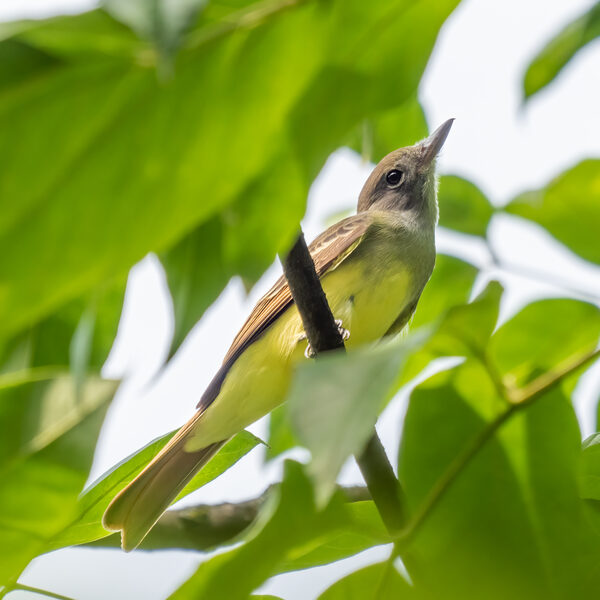
What makes this tree remarkable is not just its fine timber, which craftsmen have long valued for furniture and construction, but its role as a feeding station for migratory birds. When the capsules split open to reveal seeds wrapped in bright orange-red arils, thrushes, flycatchers, and manakins gather to feast. Studies in Panama found that North American migrants, particularly Swainson's Thrush and Great Crested Flycatcher, account for the majority of seeds dispersed, creating an ecological bridge between temperate and tropical forests.
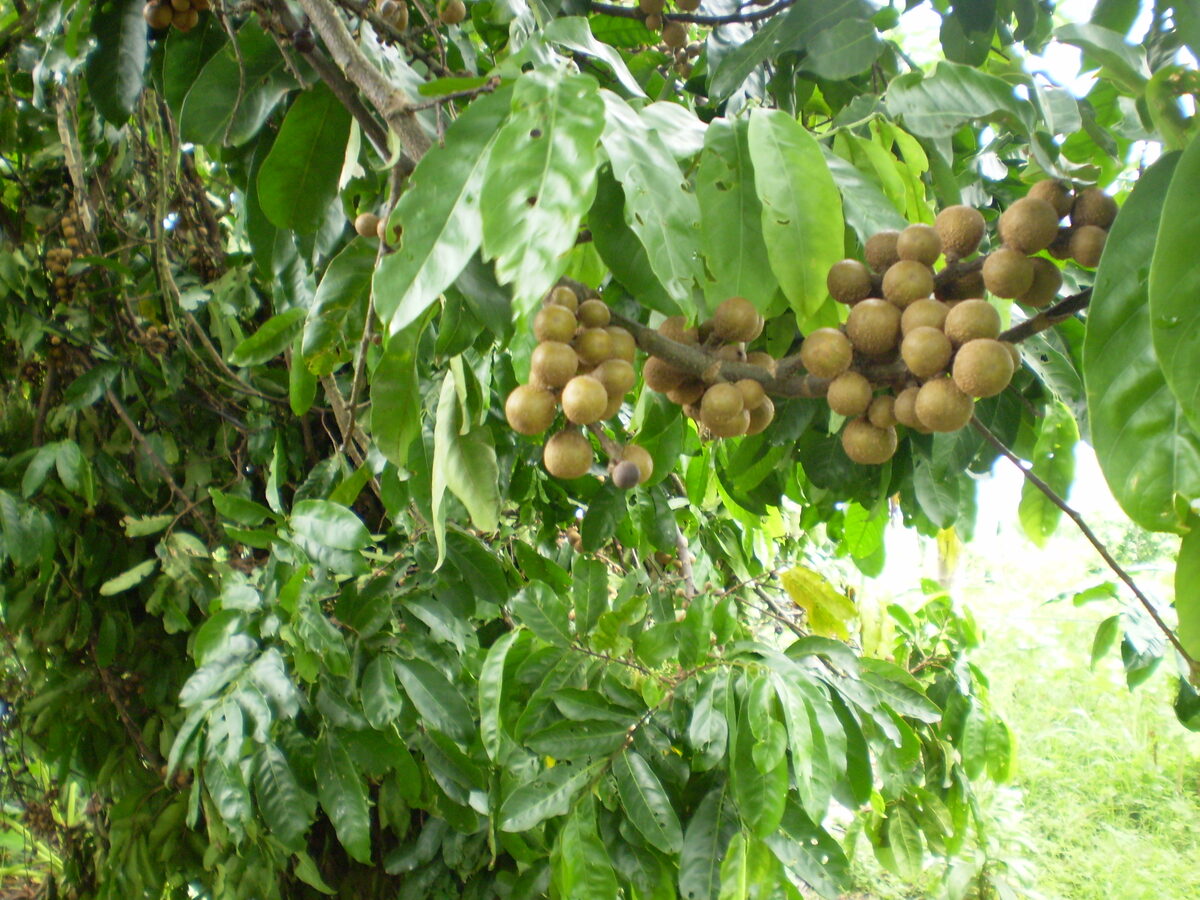
Identification
Physical Characteristics
Crown: The carapa blanca develops a large, dense, rounded crown that provides excellent shade. Unlike its deciduous relatives in the Meliaceae family, this species remains evergreen throughout the year. Young trees in open conditions may branch lower, while forest-grown specimens develop a straight bole free of branches for much of its height.
Trunk: The bole is straight and cylindrical, typically reaching 40-90 cm in diameter on mature trees. The bark is smooth to slightly fissured on younger trees, becoming more textured with age, grey-brown in color with an astringent taste and characteristic odor. The wood beneath displays a pinkish to red heartwood that turns light reddish-brown with age, with whitish to brownish sapwood.
Leaves: The compound leaves bear 1-10 pairs of leaflets that are elliptic to oblong-elliptic, with 7-12 secondary veins on each side. The leaves can grow quite large, contributing to the tree's dense, shade-producing crown. New leaves may emerge with a reddish tinge before maturing to dark green.
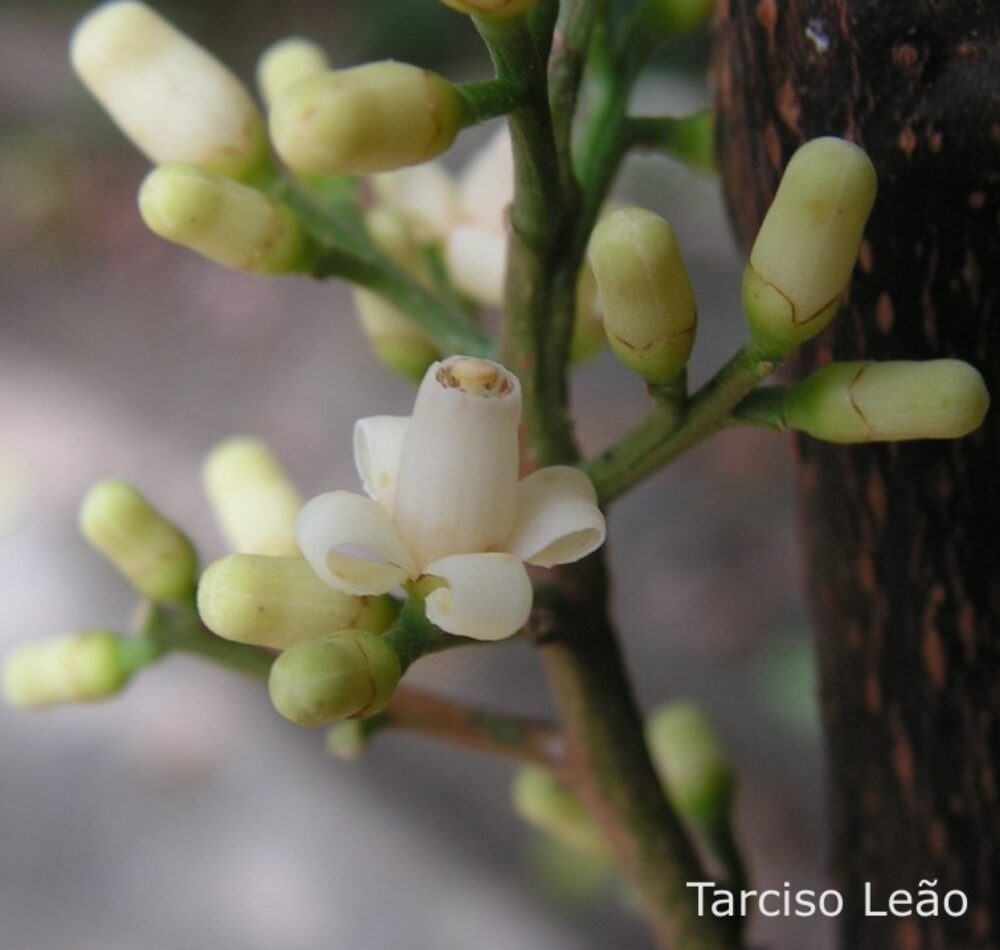
Flowers: Small cream-white flowers with four petals appear in axillary panicles. The tree can flower and fruit throughout the year, though peak fruiting periods vary by region. This continuous reproduction strategy ensures a steady food supply for the wildlife that depends on it. Like other members of the genus, the flowers are pollinated primarily by nocturnal insects, including moths and beetles.
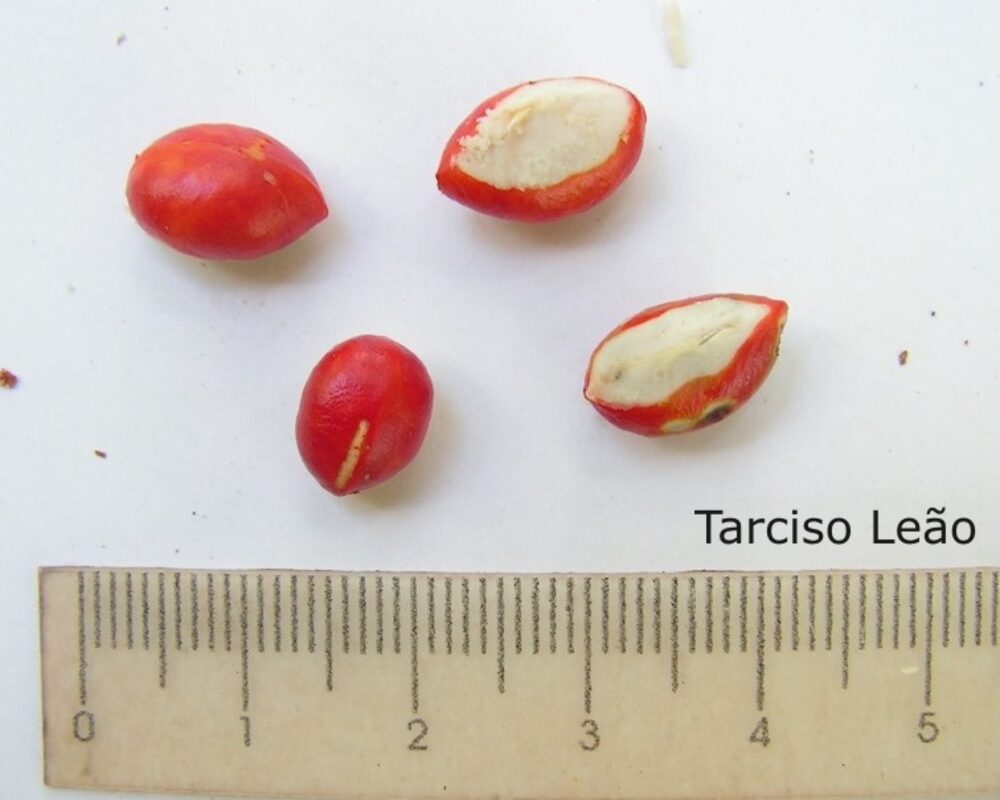
Fruit: The fruit is a pear-shaped brown capsule with 4-6 chambers, each typically containing one seed. When the capsule dehisces (splits open), it reveals seeds covered in a bright orange-red sarcotesta (fleshy seed coat), the nutritious covering that attracts birds. The dehiscence makes it easy for birds to extract the seeds with their bills, and the bright coloring advertises the reward within.


Ecology
Habitat and Distribution
Guarea guidonia is one of the most widely distributed trees in the Neotropics, ranging from the Greater Antilles through Central America and across tropical South America to Paraguay and northern Argentina. In Costa Rica, it occurs primarily in very humid forests on the Caribbean slope of the Central and Talamanca mountain ranges, the Tortuguero Plains, and the Golfo Dulce region of the southern Pacific coast.
The species is characteristic of riverbanks and várzea (seasonally flooded) forests in Amazonia, where it often grows abundantly. In the várzea, trees must tolerate flooding by nutrient-rich whitewater rivers for up to several months each year, with water levels rising 2-8 meters during the wet season. Research in western Brazil found that Guarea guidonia saplings concentrate at higher elevations than mature trees, suggesting that "escaping" the most severe flooding is an important survival strategy during the vulnerable juvenile stage.
Forest Succession and Regeneration
Guarea guidonia is classified as an early secondary or pioneer species, meaning it thrives during the early stages of forest recovery after disturbance. Unlike shade-tolerant species that can germinate in the dim understory, it requires high light conditions for recruitment, typically establishing in large canopy gaps or along forest edges. This characteristic makes it important for reforestation projects and natural forest regeneration on abandoned agricultural land.
In Puerto Rico, where most of the island was deforested by the mid-1900s, Guarea guidonia has been one of the common native species recolonizing abandoned coffee plantations and pastures since the 1950s. Studies found it occurs across different elevations and land-use histories, demonstrating its adaptability. The species is also used in active restoration efforts, including projects to restore native tree diversity as food sources for the endangered Puerto Rican Parrot.
Seed Dispersal: Birds, Rodents, and Ants
The ecological relationship between Guarea species and migratory birds represents one of the most studied examples of plant-animal mutualism in tropical forests. Research on Barro Colorado Island in Panama found that North American migrants dominate seed dispersal of the related Guarea glabra. Four species of migrants accounted for 70% of visits and 60% of seeds removed: the Great Crested Flycatcher, Swainson's Thrush, Red-eyed Vireo, and Tennessee Warbler. Researchers hypothesized that the fruiting season of Guarea has evolved to synchronize with the northward migration of these opportunistically frugivorous birds.
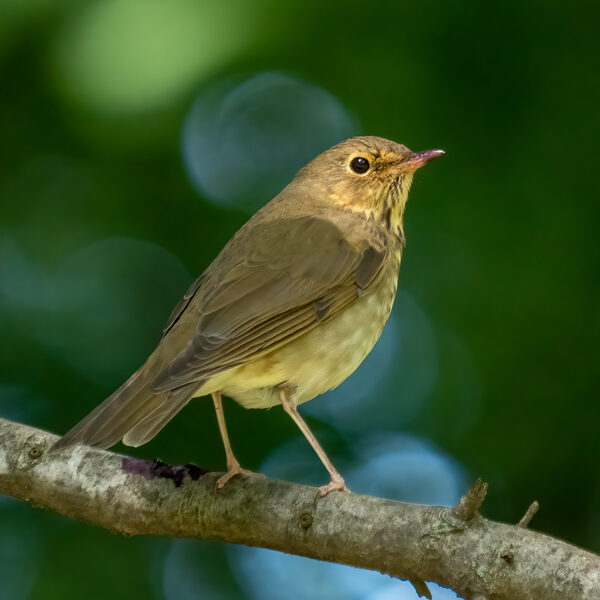
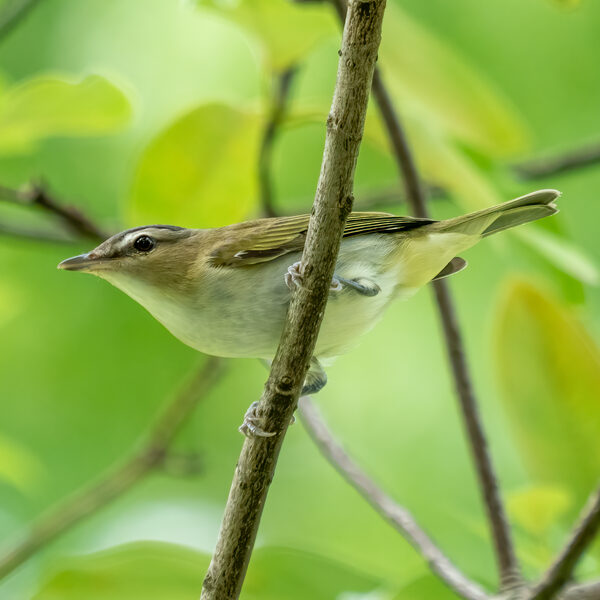
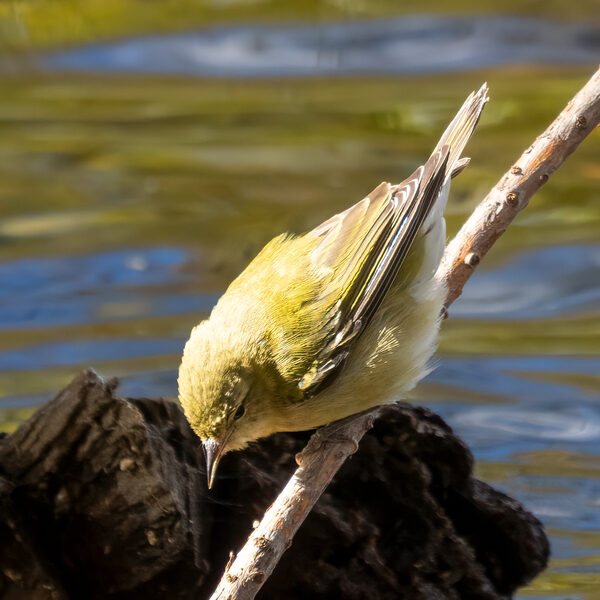
Studies in Monteverde, Costa Rica, revealed a two-stage dispersal system. First, birds consume the arillate seeds and regurgitate or defecate them intact. Then, scatterhoarding rodents such as agoutis bury 25-45% of the dispersed seeds 1-3 cm in the soil. This secondary dispersal shifts seeds to new microhabitats and protects them from surface predators, significantly enhancing recruitment success.
Recalcitrant Seeds
The seeds of Guarea guidonia are classified as "recalcitrant," meaning they are extremely sensitive to desiccation (drying). Unlike orthodox seeds that can be dried and stored for years, recalcitrant seeds lose viability rapidly if their moisture content drops. This poses challenges for seed banking and restoration efforts that rely on storing seeds for later planting.
Research by the U.S. Forest Service investigated the physiological and biochemical changes that occur as these seeds dry. When seeds were air-dried at room temperature for seven days, scientists analyzed changes in lipids, moisture content, and thermal characteristics to understand why desiccation is lethal. The study compared Guarea guidonia with its relative Carapa guianensis (caobilla), as well as temperate oaks, contributing to our broader understanding of seed biology across tropical and temperate ecosystems.
Climate Change Research
Guarea guidonia has become a model species for understanding how tropical trees will respond to a warming climate. At the Tropical Responses to Altered Climate Experiment (TRACE) in Puerto Rico's Luquillo Experimental Forest, researchers use a canopy access tower to study how trees acclimate to elevated temperatures. In 2017, leaves of Guarea guidonia and another species were experimentally heated by 3°C using heating pads throughout the canopy, allowing scientists to measure changes in photosynthesis and respiration under simulated future climate conditions.
Bioindicator of Urbanization
A 2021 study in Rio de Janeiro discovered that the wood anatomy of Guarea guidonia changes depending on whether trees grow in well-preserved forest, peri-urban forest, or urban parks. Trees in urban areas showed smaller vessel element diameters, wider bands of axial parenchyma, and wider rays compared to forest trees. These anatomical differences reflect the trees' adaptations to urban stresses including pollution, heat, and water deficit. The researchers concluded that Guarea guidonia could serve as a bioindicator for monitoring environmental changes due to urbanization.
Uses
Timber
The wood of Guarea guidonia is highly valued for its resemblance to true mahogany. The heartwood is pinkish to red, turning light reddish-brown with age, with a medium texture and straight grain. It is aromatic when freshly cut though odorless when seasoned. The wood is moderately heavy, hard, strong, and very durable, even resisting decay when placed in wet ground. Its resistance to dry-wood termites makes it particularly valuable for construction in tropical climates.
Sawmilling and machining are reportedly easy, with excellent sanding properties and good performance in planing, shaping, turning, and mortising. The wood takes paint, varnish, and polish well, making it suitable for decorative applications. Uses span fine furniture and cabinetry, construction, window frames, flooring, plywood and veneer, musical instruments, sports equipment (including table tennis), naval construction, and truck bodies.
Agroforestry
The carapa blanca is considered beneficial to coffee cultivation and is commonly used as a shade tree in coffee agroforestry systems throughout its range. In Haiti, it is cultivated alongside coffee, bananas, and other crops. The tree's dense, rounded crown provides excellent shade while its year-round leaf retention ensures consistent coverage. Its value as both a timber species and shade provider makes it an attractive choice for sustainable land management.
Traditional Medicine and the Discovery of Cocillana
The pharmaceutical history of Guarea guidonia begins with a legendary expedition. In 1885, the American pharmaceutical company Parke, Davis & Co. sent a young botanist named Henry Hurd Rusby to Peru and Bolivia to collect coca leaves, following the recent discovery of cocaine's anesthetic properties. When his shipment of 20,000 pounds of coca went missing during a political revolution and the company ordered him home, Rusby refused. Instead, he embarked on a two-year solo journey through some of the most remote regions of South America.
Rusby crossed Amazonia amid incredible hardships, collecting 45,000 botanical specimens representing about 4,000 taxa, roughly a fifth of them new to science. Among his discoveries was a bark collected in Bolivia that local people used as a medicine. Rusby suspected it contained an alkaloid and brought samples back to the United States. The bark, which he named "cocillana" (also called guapi bark or huapi bark), proved to be a powerful expectorant, even more effective than the well-known ipecac root for loosening mucus and treating coughs.
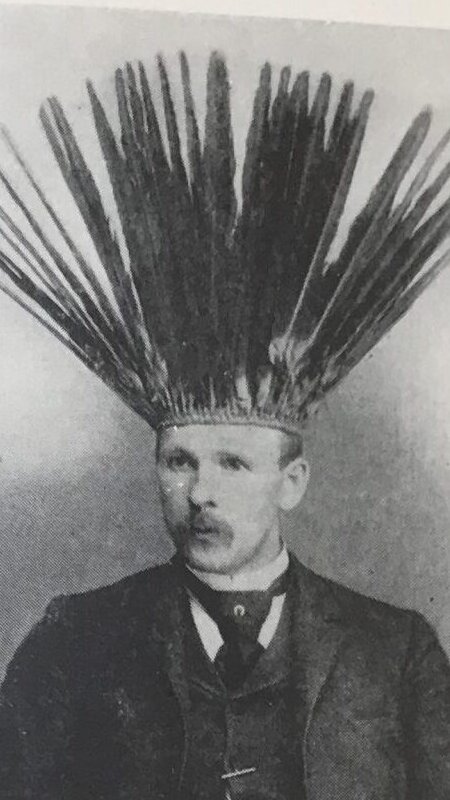
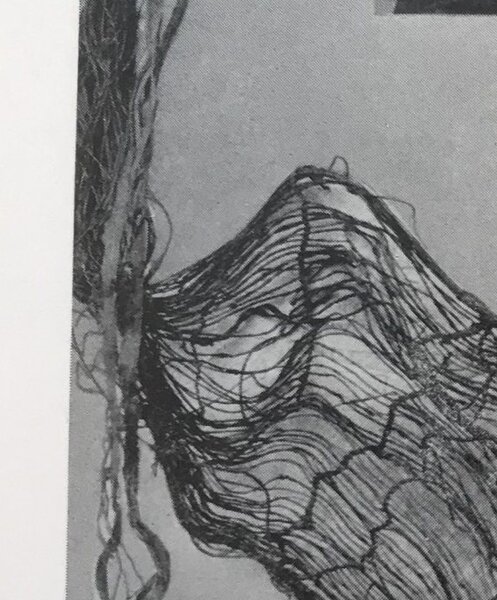
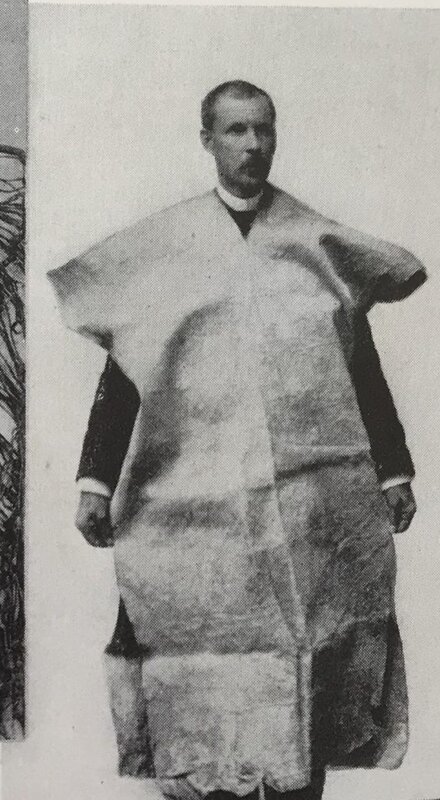
Henry Hurd Rusby with artifacts from his 1885-1887 expedition: wearing an Araüna Indian scarlet headdress (left), a bark hammock (center), and modeling a bark coat (right). Plates from Jungle Memories (1933).
Chemical analysis in 1893 revealed that the bark contains approximately 2% resin, 2.5% fixed oil, tannins, and an alkaloid named rusbyine in the discoverer's honor. Cocillana became a standard ingredient in cough medicines throughout the 20th century, included in official pharmaceutical preparations such as Cocillana Liquid Extract (British Pharmaceutical Codex 1973) and Compound Syrup of Cocillana (BPC 1949). The latter combined cocillana with extracts of euphorbia, senega, and squill, along with codeine and menthol. Cocillana-based cough syrups were still being marketed into the 21st century, including by the Swedish pharmaceutical company Meda AB.
Rusby's collections formed part of the core of the New York Botanical Garden's herbarium, and his legacy extends far beyond cocillana. Nathaniel Lord Britton, the Garden's founding director, honored him by naming a genus of Ericaceae plants "Rusbya." Between 1880 and 1921, Rusby made a series of expeditions in the southwestern United States and Central and South America, collecting more than 60,000 botanical specimens and describing nearly a thousand new species.
Resources & Further Reading
Species Information
Overview of the species including taxonomy, distribution, and uses.
Detailed information on uses, cultivation, and physical description.
Authoritative taxonomic information from the Royal Botanic Gardens, Kew.
Observations and photographs from citizen scientists.
Official IUCN conservation status assessment.
Ecology
Classic study on the relationship between Guarea fruiting and migratory bird ecology.
Research on bird dispersal and secondary dispersal by scatterhoarding rodents.
2019 study on ant-seed interactions and their role in forest regeneration.
Research demonstrating the species' potential as a bioindicator for environmental monitoring.
Data from experimental warming studies on Guarea guidonia in Puerto Rico's Luquillo Forest.
Seed Biology
U.S. Forest Service research on desiccation sensitivity in tropical tree seeds.
Historical and Pharmaceutical
New York Botanical Garden article on Henry Rusby's legendary expeditions.
Biography of the botanist who discovered cocillana bark.
Pharmaceutical history and properties of cocillana bark.