Breadnut
A keystone tree that may have fed Maya cities for centuries. When archaeologist Dennis Puleston tested ancient storage chambers at Tikal, ramon nuts lasted thirteen months while maize and beans were devoured by insects within weeks.
In 1968, a young archaeologist named Dennis Puleston descended into an underground chamber at Tikal, Guatemala, with a question: what had the ancient Maya stored in these bottle-shaped cavities called chultuns? The chambers were not plastered like the water cisterns found elsewhere, and when Puleston filled one with water, it drained away within hours. He began experimenting with food storage. Maize, beans, and squash fell prey to insects and rodents within weeks. Then he tried the nuts of Brosimum alicastrum, a massive tree that grew in unusual abundance around Maya ruins. Thirteen months later, the nuts were still perfectly edible. Puleston had stumbled onto evidence of what may have been the Maya civilization's secret weapon against famine.
The breadnut, known as ramón in Mexico and ojoche in Costa Rica, ranks among the most ecologically and culturally significant trees in Mesoamerica. It is one of only twenty dominant species in the Maya forest and the sole wind-pollinated tree among them. Dense aggregations of breadnut trees still mark the locations of ancient Maya settlements, leading researchers to view these stands as relict orchards planted a thousand years ago. The tree gives its name to archaeological sites including Iximche and Topoxte in Guatemala, where the Maya word for maize, ixim, combined with che' (tree) to describe what they saw as a "corn tree" providing grain-like sustenance.
Identification
Habit
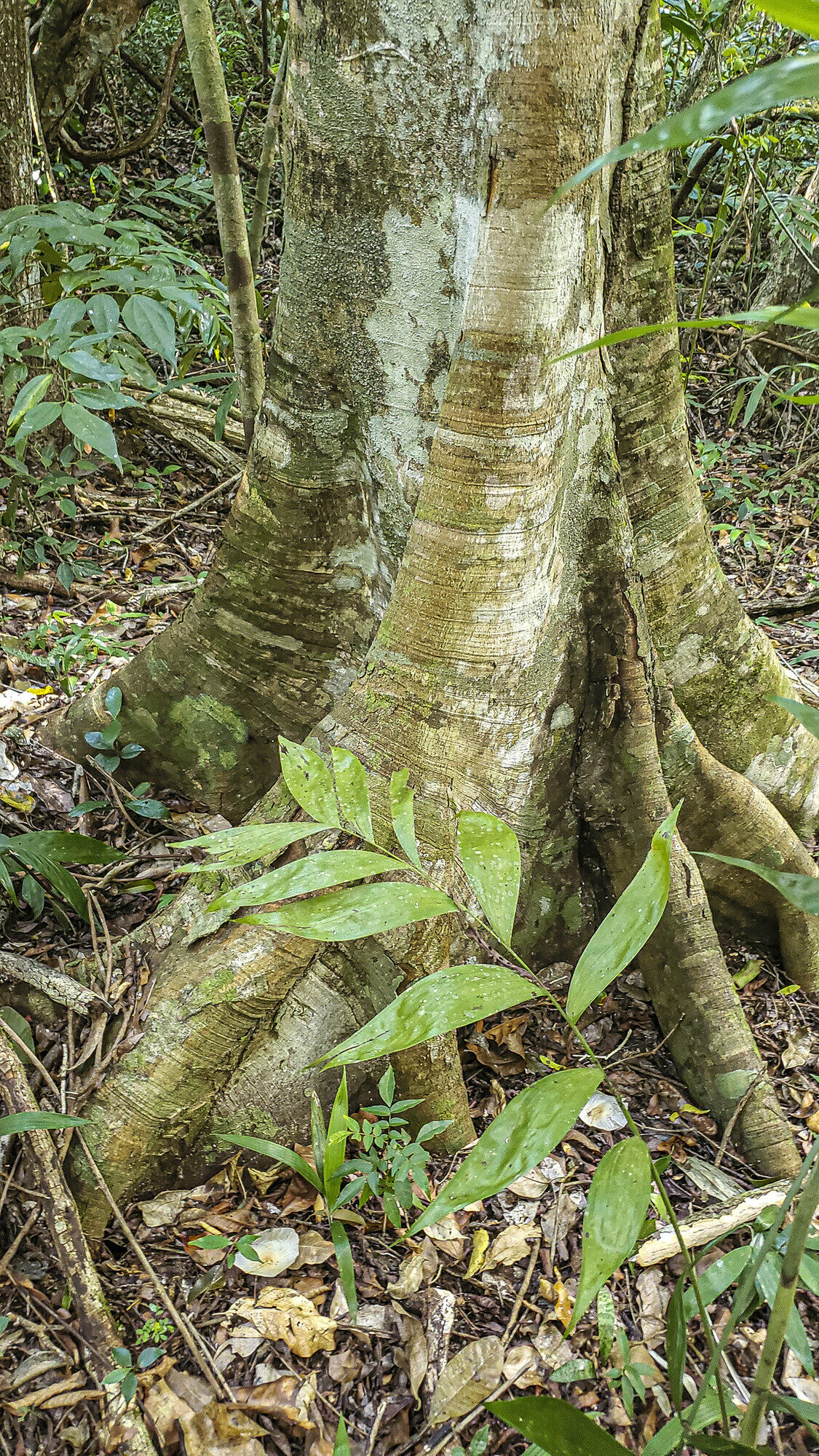
Brosimum alicastrum is a large canopy tree reaching 20-30 m in height, with exceptional specimens attaining 45 m. The trunk is straight and cylindrical, 70-150 cm in diameter, developing well-formed buttresses at the base that can extend several meters up the trunk. The bole may extend 22 m without branches in forest-grown specimens. The crown is globose to rounded with dense, dark green foliage. In hermaphroditic populations, male trees emerge above the forest canopy, their superior height allowing pollen to disperse farther on the wind.
Bark
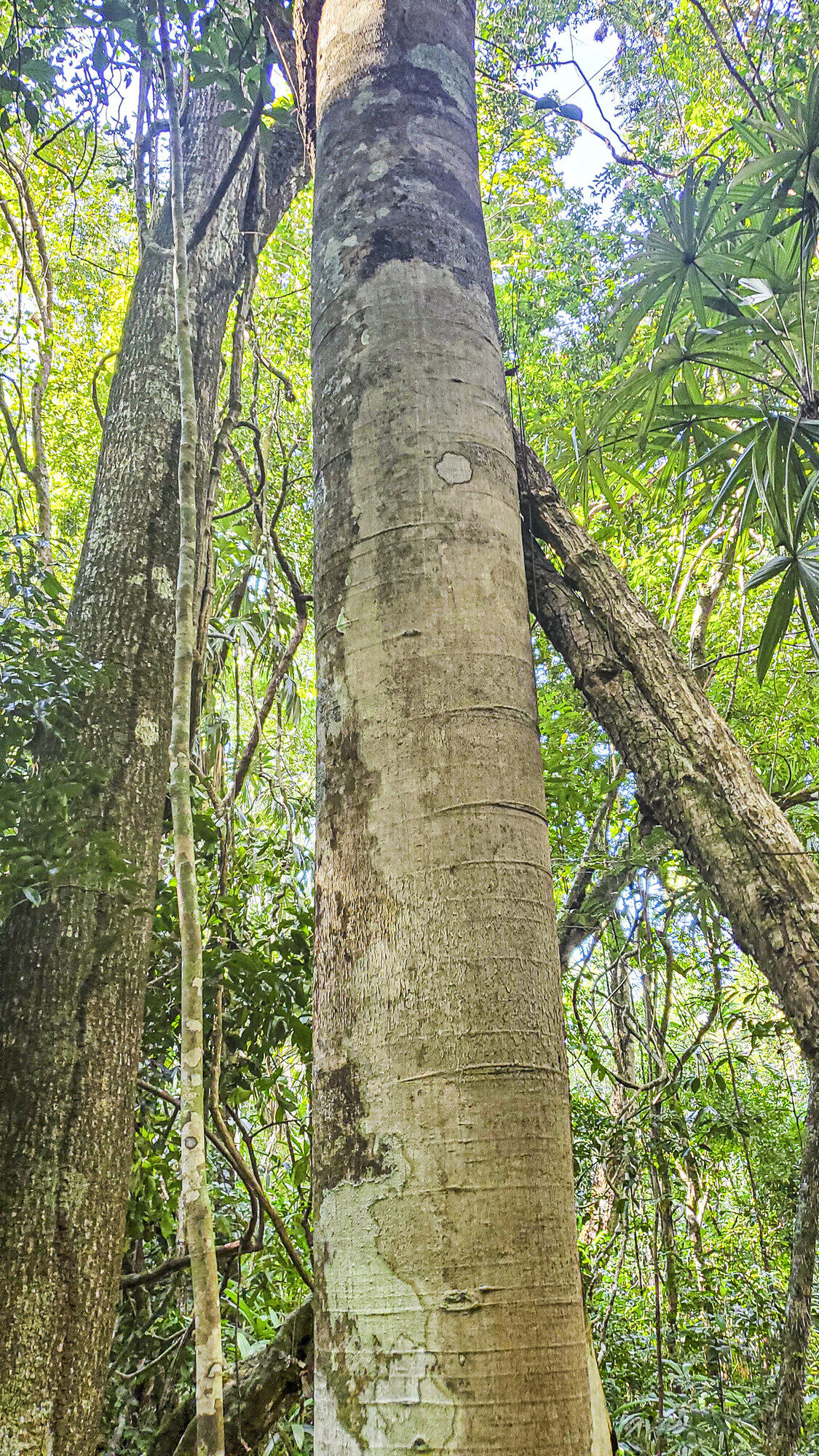
The bark is 1-1.5 cm thick, grey to dark grey, though color varies considerably across the species' range from grey to red to white. The surface is rough, frequently with large square scales, and subject to desquamation (peeling) in some populations. Lenticels are present throughout. The most diagnostic feature is the milky latex exuded when the bark is cut, which turns rosy pink or pinkish-yellow upon exposure to air. This color change is distinctive among Costa Rican Moraceae and provides a reliable field identification character.
Leaves
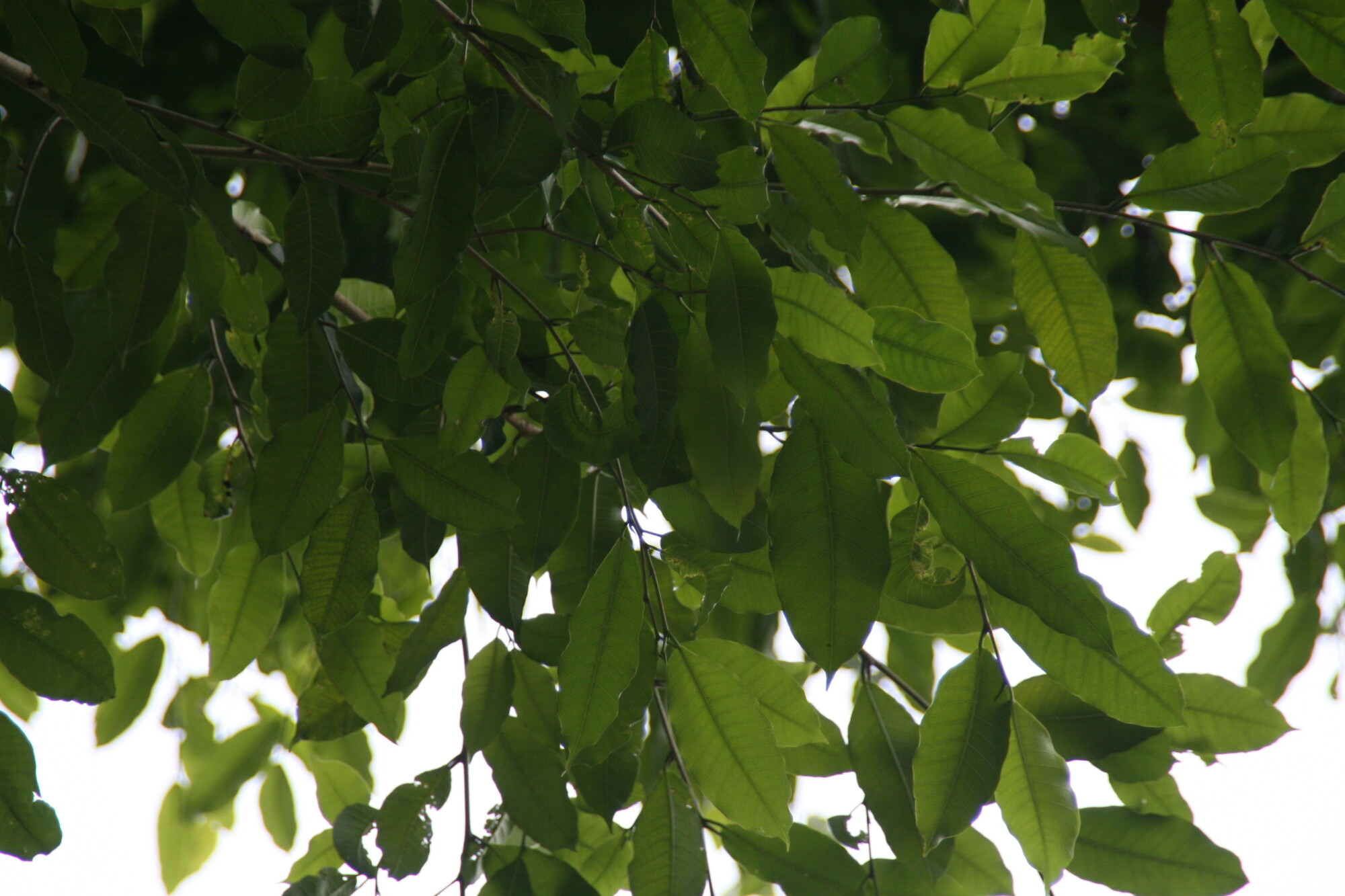
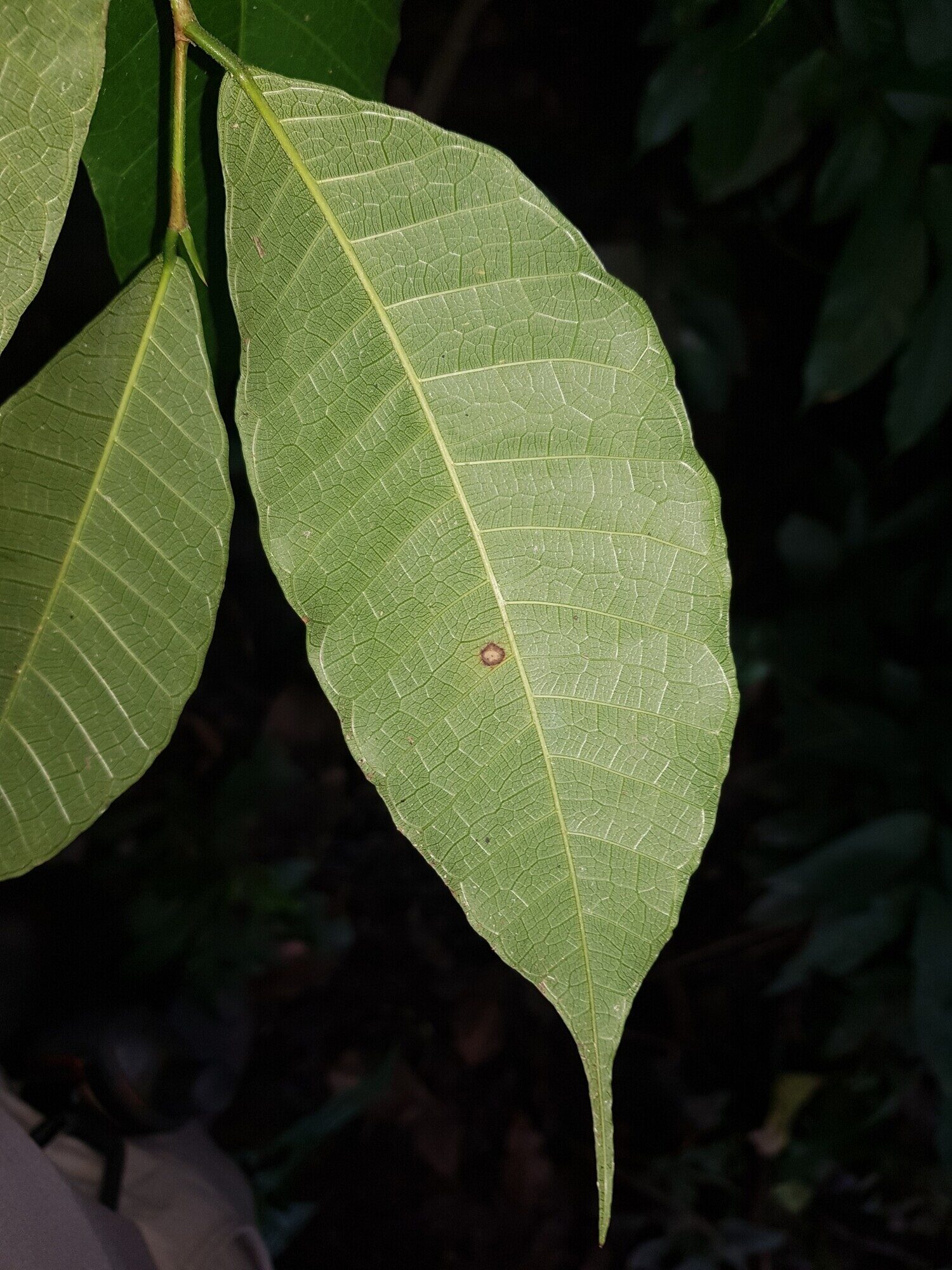
The leaves are simple, alternate, and distichously arranged (in two ranks along the twig). They measure 4-20 cm long and 2-8 cm broad, elliptic to oblong-elliptic in shape, with an acute to caudate-acuminate apex and an acute to obtuse base. The margin is entire to slightly repand (wavy), sometimes drying undulate. The texture is chartaceous (papery) to subcoriaceous (slightly leathery), smooth and glabrous above, glabrous or very minutely puberulent beneath. The midvein is usually flat or slightly raised above. Secondary veins number 10-20 pairs, slender, typically loop-connected near the margin in a pattern that, along with the tertiary veins forming parallel intermediates between secondaries, creates a distinctive venation pattern. Stipules are paired, 3-15 mm long, almost fully amplexicaul (clasping the stem), with stipule scars encircling more than half the stem.
Flowers
The reproductive biology of Brosimum alicastrum is remarkably flexible. Individual trees can be monoecious (bearing both male and female flowers), dioecious (bearing only male or female flowers), or hermaphroditic. Some trees change from female to male as they age, a process that may take 50 or more years. The flowers are borne in small, subglobose heads 3-6 mm in diameter at anthesis, carried on slender peduncles. The flowers are achlamydeous (lacking petals and sepals). Male inflorescences contain many individual stamens with straight, thick filaments and bilocular peltate anthers that, in subspecies alicastrum, have fused thecae with circumscissile dehiscence. Female inflorescences usually contain one or two functional female flowers with a style 1.5-8.5 mm long and unequal stigmas. Flowering occurs intermittently throughout the year, with peaks in February-March, June, and September.
Fruits and Seeds
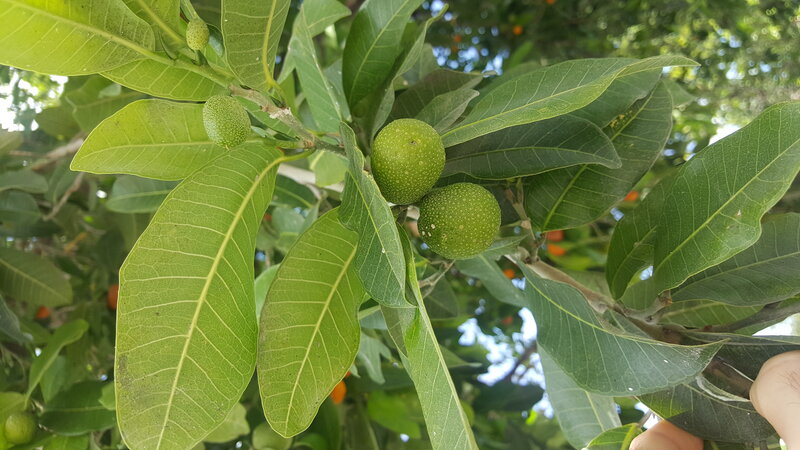
The fruit is a spherical, fleshy drupe 1.5-2.5 cm in diameter, produced within a globose, succulent infructescence. Fruit color at maturity varies considerably from yellow to green, orange, or red. Each fruit contains a single large seed approximately 1 cm in diameter, weighing about 3 grams. The seeds are surrounded by a thin yellowish peel with sweet, citrus-flavored flesh. Seed color also varies: green, purple, or black. Fruiting peaks in April-May and September, with 4-8 months required for maturation after pollination. A mature tree can produce 150-180 kg of fruits annually and remain productive for 120-150 years. In mast-fruiting populations, trees produce hundreds of pounds of seeds in a short period, overwhelming seed predators and ensuring that some seeds survive to germinate.
Distribution
Brosimum alicastrum has a broad native range spanning from Mexico through Central America to South America, reaching Colombia, Venezuela, Ecuador, Peru, Bolivia, and Acre in Brazil. It also occurs on Cuba, Jamaica, and Trinidad. Two subspecies are recognized: subsp. alicastrum occurs from Mexico through Central America and the Caribbean, while subsp. bolivarense (Pittier) C.C. Berg ranges from Panama through the Andes to Guyana and Brazil. In Costa Rica, subspecies alicastrum predominates on the Pacific slope while subspecies bolivarense occurs on the Caribbean slope and both watersheds in western Panama.
Costa Rica holds 267 botanical records of this species distributed across all major regions. The species is particularly common in Guanacaste (71 localities) and Puntarenas (43 localities), with 29 documented localities in the Brunca region including Corcovado National Park around Estación Sirena, Piedras Blancas National Park, and the broader Osa Peninsula. Collections date from 1898 to 2021, with collectors including Alwyn Gentry, Barry Hammel, and numerous Costa Rican botanists. The species grows from sea level to 1,050 m in Costa Rica, occurring in dry, humid, and very humid tropical forests. It is more common on the Pacific coast than the Caribbean.
Ecology
Brosimum alicastrum is the only wind-pollinated species among the twenty dominant trees of the Maya forest. In hermaphroditic populations, male trees grow to emerge above the canopy, casting pollen across the forest. The flowers also attract small insects including thrips, flies, and bees, presumably feeding on pollen. Seed dispersal relies on a diverse assemblage of frugivores. Frugivorous bats are primary dispersers, habitually perching beneath tree crowns. Spider monkeys (Ateles spp.) and howler monkeys (Alouatta spp.) consume fruits in the canopy, and research at Tikal National Park documents seed dispersal by both primate species. Dung beetles provide secondary dispersal after primate consumption. Tapirs (Tapirus spp.) eat fallen fruits on the forest floor. The species is considered a keystone because breadnut forests provide critical refuges for tapir, jaguar, and ocelot, with the latter two depending on prey species that themselves depend on breadnut seeds.
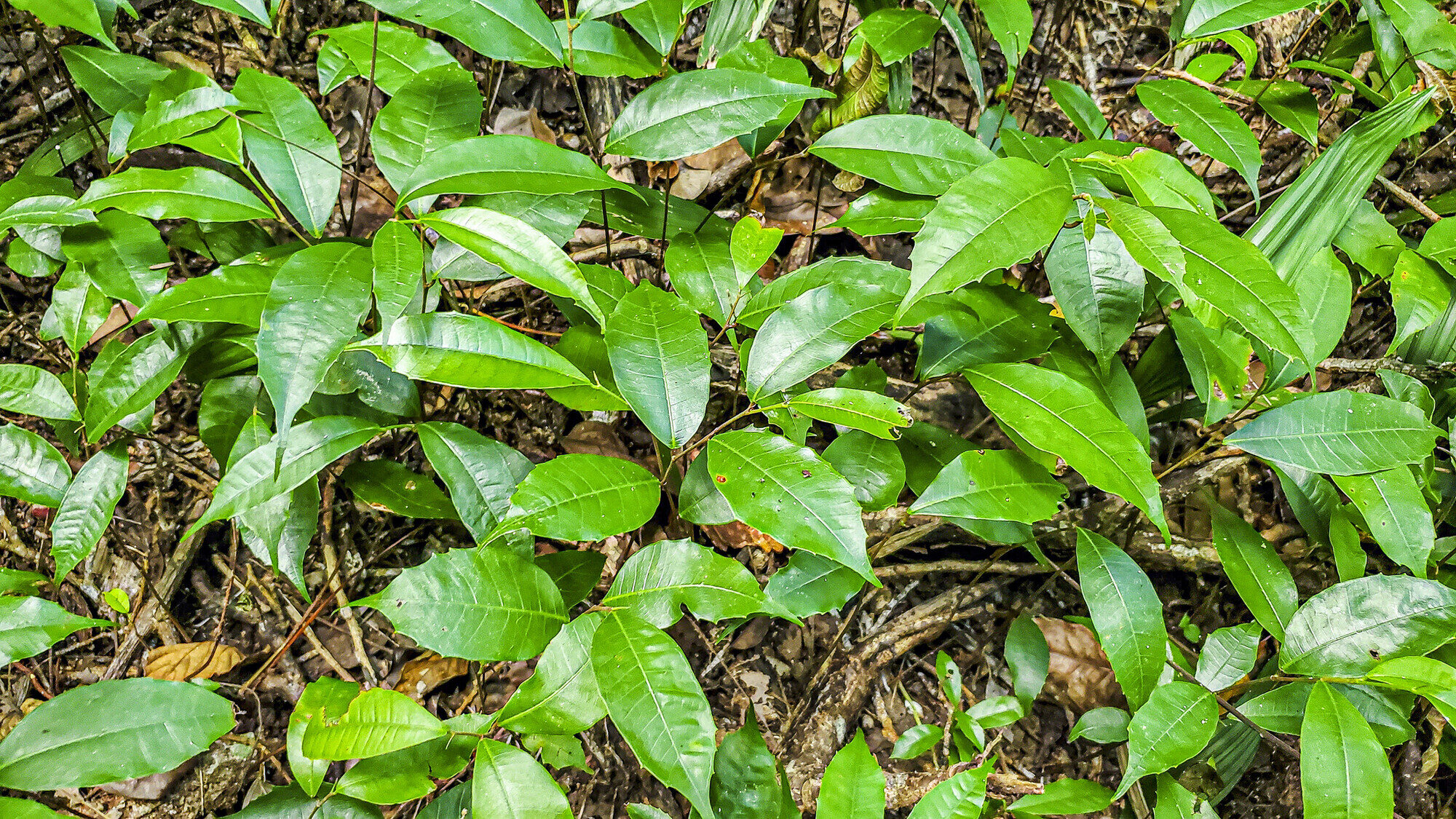
The breadnut is shade-tolerant as a seedling, establishing readily under forest canopy where it can form dense mats in the understory. Studies in Mexican tropical rainforest found mycelial mats more abundant around large buttressed breadnut trees than around smaller trees, with 48% of mycelial mats found near large trees versus 21% near small trees, suggesting complex belowground interactions. The species inhabits multiple forest types: moist lowland tropical forest is its primary habitat, but it also occurs in seasonally flooded forests near rivers, dry tropical forest (particularly in riparian areas where it remains evergreen), and semi-deciduous forest. It tolerates shallow, calcareous limestone soils exceptionally well and grows across a rainfall gradient from 600 to 4,000 mm annually.
Taxonomic History
Swedish botanist Olof Peter Swartz (1760-1818) described Brosimum alicastrum in 1788 based on specimens he collected during his botanical expedition to the West Indies from 1783 to 1787. The type specimen (holotype at the Swedish Museum of Natural History, isotype at Geneva) was collected in Jamaica. Swartz published the species in his Nova Genera et Species Plantarum seu Prodromus, page 12, between June and July 1788. Brosimum alicastrum is the type species of the genus Brosimum, which Swartz established simultaneously based on two Jamaican species: B. alicastrum and B. spurium.
The genus name Brosimum derives from Greek brosimos, meaning "edible," from bibroskein, "to devour." The species epithet alicastrum comes from Latin alica (a type of grain, specifically spelt or fodder grain) plus the suffix -astrum (resembling), thus meaning "like fodder grain" or "spelt-like." Both names reflect the tree's use as a food source. Patrick Browne had earlier described the breadnut under the name Alicastrum in 1756, and Carl Ernst Otto Kuntze attempted to revive this as the genus name in 1891 (Alicastrum brownei), but the International Botanical Congress at Vienna in 1905 conserved Brosimum.
The species has accumulated 28 synonyms, reflecting its extreme morphological variability across its range. Key Costa Rican synonyms include Helicostylis ojoche K. Schum. ex Pittier (1908), which takes its epithet from the Costa Rican common name, and Brosimum terrabanum Pittier (1914). The subspecies bolivarense was originally described as Helicostylis bolivarensis Pittier in 1918 from Colombian material and transferred to Brosimum alicastrum by C.C. Berg in 1970. Trees can have fluted or buttressed trunks, smooth or flaking bark, grey, red, or white bark, spreading or hanging branches, red, green, yellow, or orange fruits, and green, purple, or black seeds. Add to this the reproductive flexibility of monoecious, dioecious, or hermaphroditic expression, and it becomes clear why so many regional variants were initially described as distinct species.
Similar Species
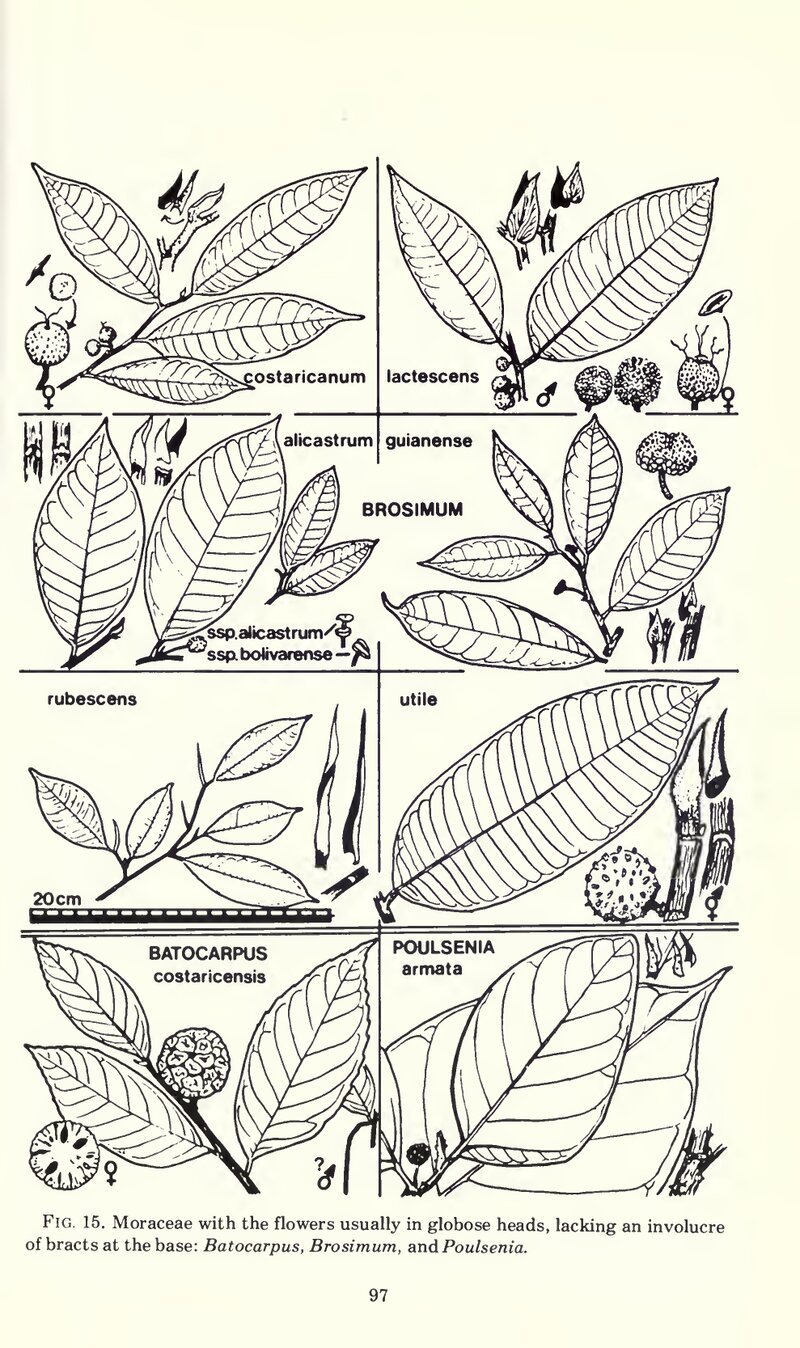
Three other Brosimum species grow in Costa Rica, all sharing the family trait of milky latex. Brosimum costaricanum can be recognized by the fine, straight hairs visible on the underside of its leaves (breadnut leaves are smooth or nearly so). Brosimum lactescens stands out with its large, prominent stipules (the small leaf-like appendages at the base of leaf stalks), measuring 3-15 mm long with raised fan-shaped veins; its leaves are also broader, up to 12 cm wide, with a deeply grooved midrib on top. Brosimum guianense has tiny hooked hairs on the leaf undersides that require magnification to see clearly.
The most reliable field test for identifying breadnut is its latex. When you nick the bark, milky sap flows out. Leave it exposed to air for a few minutes and it turns rosy pink, a reaction unique to this species among its Costa Rican relatives. You can also look at where leaves have fallen off: the scars left by the stipules wrap more than halfway around the twig, another distinctive feature.
Uses and Cultural Significance
The breadnut has more than 68 names in the native languages of Mexico alone, reflecting its deep cultural significance across Mesoamerica. Archaeological research suggests the Maya cultivated this tree extensively. Charcoal analysis at Naachtun in northern Guatemala shows breadnut and sapodilla (Manilkara zapota) were among the primary species used for domestic firewood over eight centuries. The debate continues over whether breadnut was a dietary staple or primarily a famine food. Modern Maya communities often characterize it as famine insurance, and the storage experiments at Tikal support the idea that chultuns served as underground larders holding reserves against crop failure. The truth likely varies by time and place: breadnut may have been both a regular food supplement and critical survival resource during droughts or warfare.
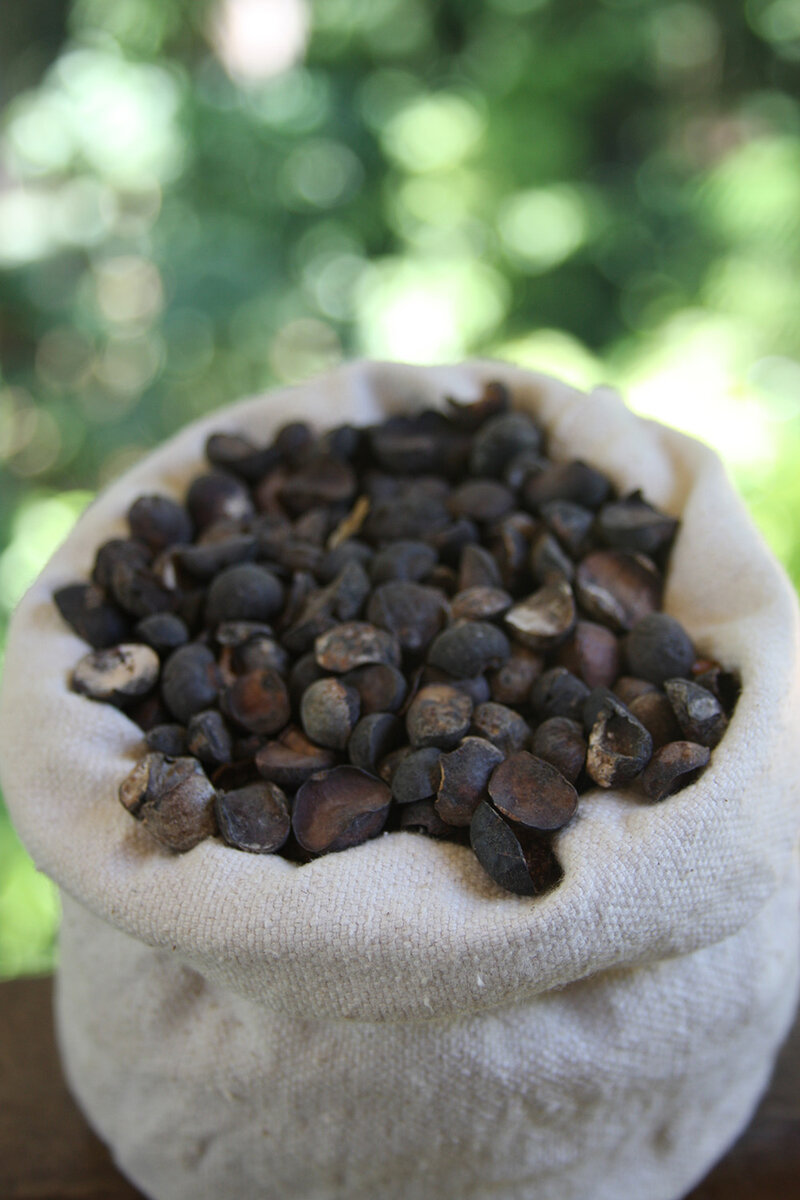
The seeds are nutritionally remarkable. Compared to maize, rice, and wheat, breadnut seeds contain significantly more protein (approximately 10%), calcium (829 mg/100 g), iron (60 mg/100 g), zinc, vitamin C, vitamin E, and folic acid. They have a low glycemic index and are gluten-free. The seeds can be eaten raw, boiled (tasting like mashed potato), or roasted (developing a nutty, chocolate-like flavor). Ground into flour, they substitute for maize in tortillas and bread. Roasted and ground, they produce a caffeine-free coffee substitute called capomo, described as earthy and nutty with hints of chocolate and caramel. The diluted latex was reportedly used as a milk substitute. Leaves and branches provide critical dry-season fodder for livestock throughout the species' range, with traditional knowledge holding that "groves of large trees are equal to the best pastures."
Traditional medicine employs the bark for treating chest pains, asthma, and diabetes. The latex is mixed with water, warmed, and drunk for dry coughs and sore throats, or applied directly to mouth sores and wounds. Nursing mothers eat the seeds to increase milk production. Pharmacological research has identified pyranocoumarins in the bark, including xanthyletin, luvangetin, and 8-hydroxyxanthyletin, with demonstrated cytotoxic activity against human cancer cell lines. Anti-hyperglycemic effects have been documented in vivo, supporting the traditional use for diabetes treatment. The wood is white, dense, hard, and fine-grained, used for furniture, flooring, and cabinetry, though it is vulnerable to insect attack and not considered durable outdoors.
Conservation Outlook
The IUCN Red List assesses Brosimum alicastrum as Least Concern, reflecting its broad distribution and occurrence in numerous protected areas. However, the species has declined substantially from historical abundance. Once one of the most common trees throughout its range, it is now locally threatened or extinct in some areas due to timber extraction, agricultural expansion, and deforestation. In Costa Rica, it occurs within Corcovado National Park, Piedras Blancas National Park, Palo Verde Biological Station, and the Area de Conservación Guanacaste, among other protected areas.
Conservation efforts increasingly recognize breadnut as a potential "win-win" for both biodiversity and development. The Maya Nut Institute works to conserve the tree by training rural and indigenous women to harvest and process seeds for food and income. The species shows promise for agroforestry and reforestation: it provides shade and windbreaks for other crops, tolerates poor, damaged, dried, or saline soils, requires few inputs after establishment, and begins fruiting within 4 years when planted in full sun. Its vast root system prevents erosion. As climate change intensifies and food security becomes more uncertain, the breadnut's drought tolerance, nutritional value, long storage life, and historical role as famine insurance make it increasingly relevant for sustainable land management across tropical America.
Resources & Further Reading
Taxonomy & Nomenclature
Plants of the World Online entry with accepted name, synonymy, and distribution.
Nomenclatural data and specimen records from Missouri Botanical Garden.
Type specimen information and historical collections.
Burger (1977). Moraceae treatment with key and descriptions. Fieldiana Botany.
Species Information
Global occurrence records including 267 Costa Rica specimens.
Comprehensive account of uses, cultivation, and properties.
Species account for the Osa Peninsula region.
Detailed information on nutritional value and use as livestock fodder.
General overview with additional references.
Maya Archaeology & Ethnobotany
The groundbreaking paper on ramon storage experiments at Tikal. American Antiquity.
Accessible overview of Puleston's chultun research.
Memorial and assessment of Puleston's contributions to Maya archaeology.
Charcoal analysis of breadnut and sapodilla use over eight centuries.
Conservation organization promoting breadnut cultivation and use.
Scientific Research
Comprehensive review of ethnobotanical uses. Economic Botany 36(2):166-175.
Genetic diversity as a proxy for conservation priorities. Biodiversity and Conservation.
Detailed morphology of inflorescences, fruit, and seed. Brazilian Journal of Botany.
Fungal associations with large buttressed trees. Soil Biology and Biochemistry.
Wood properties and working characteristics.
Observations
Community observations with photographs from Costa Rica.