Cashew
A tree whose fruit grows backwards: the kidney-shaped nut perched atop a swollen, colorful pseudofruit that feeds monkeys, bats, and people across the tropics.
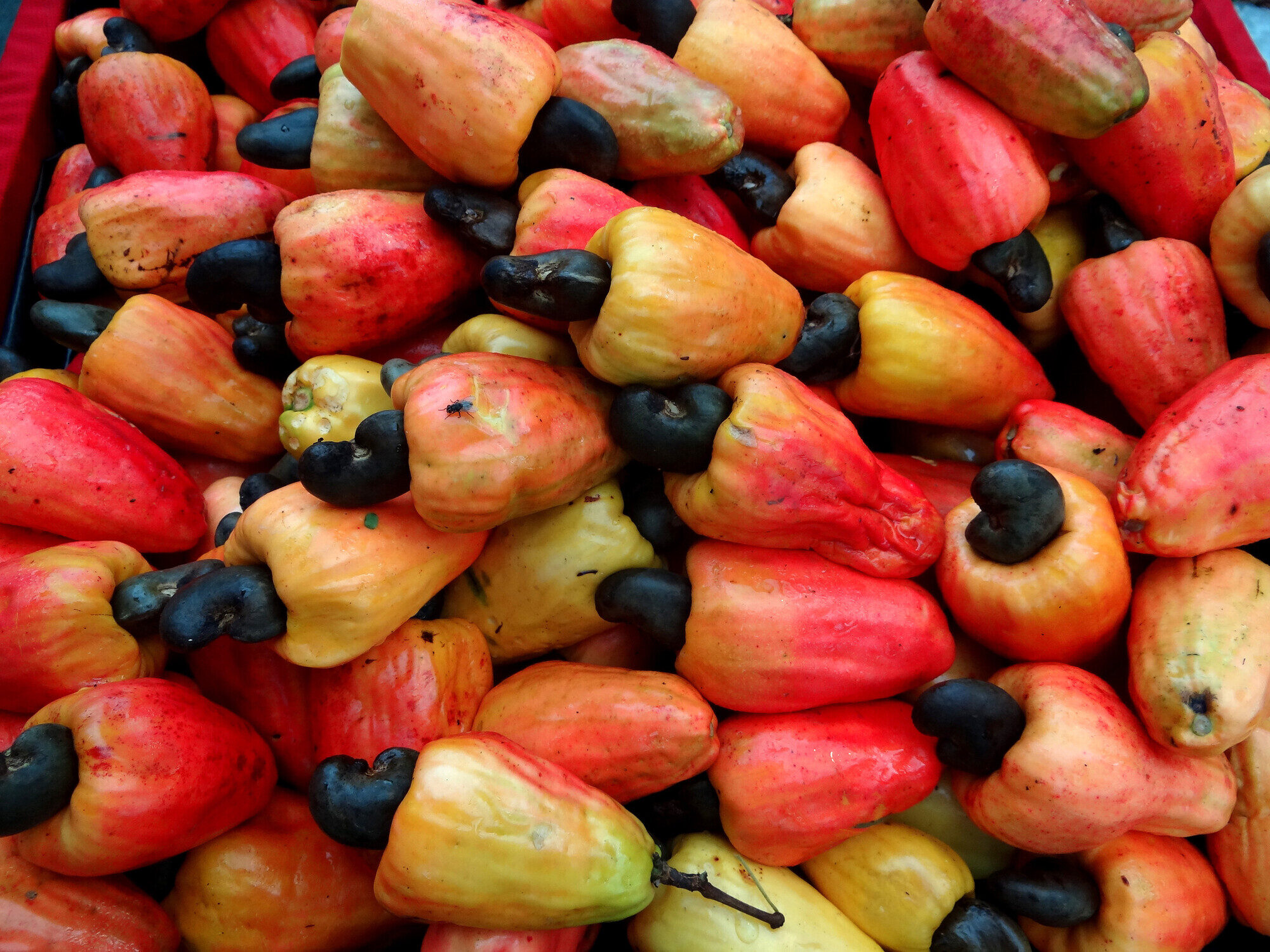
Anacardium occidentale, the cashew tree, grows in tropical forests and cultivated landscapes from sea level to 1,000 meters elevation. The species is native to northeastern Brazil and parts of northern South America, though its native status in Central America remains debated among botanists. Portuguese traders spread cashew globally in the 16th century, and it now flourishes across the tropics wherever humans have planted it.
In Costa Rica, cashew occurs in dry, humid, and very humid forests, orchards, living fences, and along roads and trails across both slopes. The Brunca region hosts multiple documented localities. Whether these represent ancient wild populations or descendants of cultivated trees that escaped into the forest is uncertain.
Identification
Habit
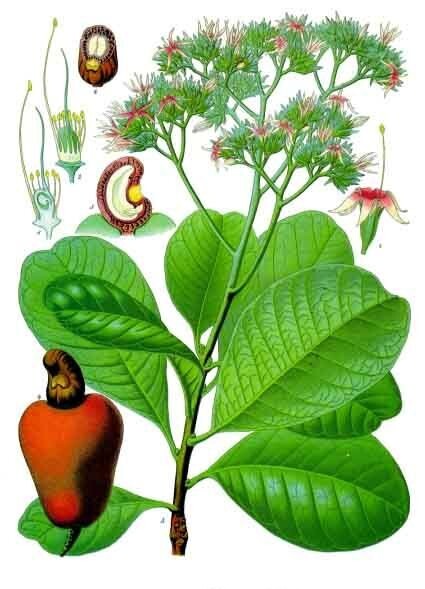
Cashew is a small evergreen tree or large shrub reaching 10-14 meters tall, though occasionally smaller (1.5 meters) in harsh coastal environments. The trunk, typically 20-40 centimeters in diameter, branches early at 50-150 centimeters from the ground, creating a crooked bole that supports a spreading, irregular crown. The bark is grayish-brown, rough, and fissured, exuding a shiny topaz-colored gum resin that turns black upon exposure to air. This resin contains 3-5% tannins and has been used historically as indelible ink.
Leaves
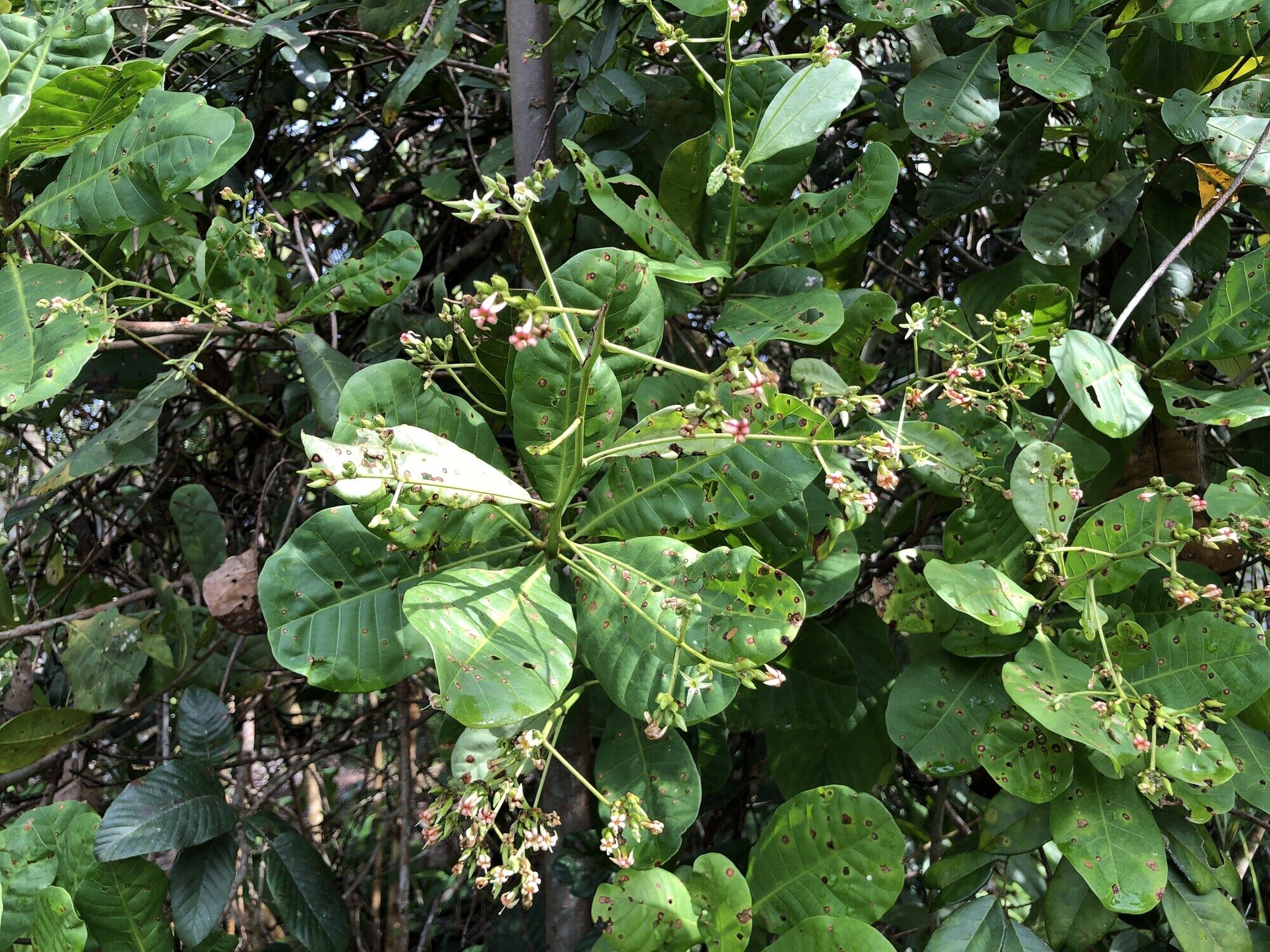
Leaves are simple, alternate, broadly obovate to oblong-obovate, measuring 6.5-18 centimeters long and 3.8-10 centimeters wide. The apex is obtuse to rounded or emarginate, while the base is cuneate or rounded. Leaf texture ranges from coriaceous to subcoriaceous (leathery), with surfaces glabrous and shining. Young leaves emerge bronze-red and soft, maturing to dull green with prominent venation. The midrib and 9-14 pairs of lateral nerves are visible, creating a characteristic pattern. Petioles measure 3-25 millimeters long.
A notable feature: cashew leaves bear numerous extrafloral nectaries that produce nectar year-round. These glands appear on the leaf blade, petiole, and even on developing fruits. The nectaries attract ants that patrol the tree and attack herbivorous insects, forming a defensive mutualism that researchers have explored as an alternative to chemical pesticides in cashew plantations.
Flowers
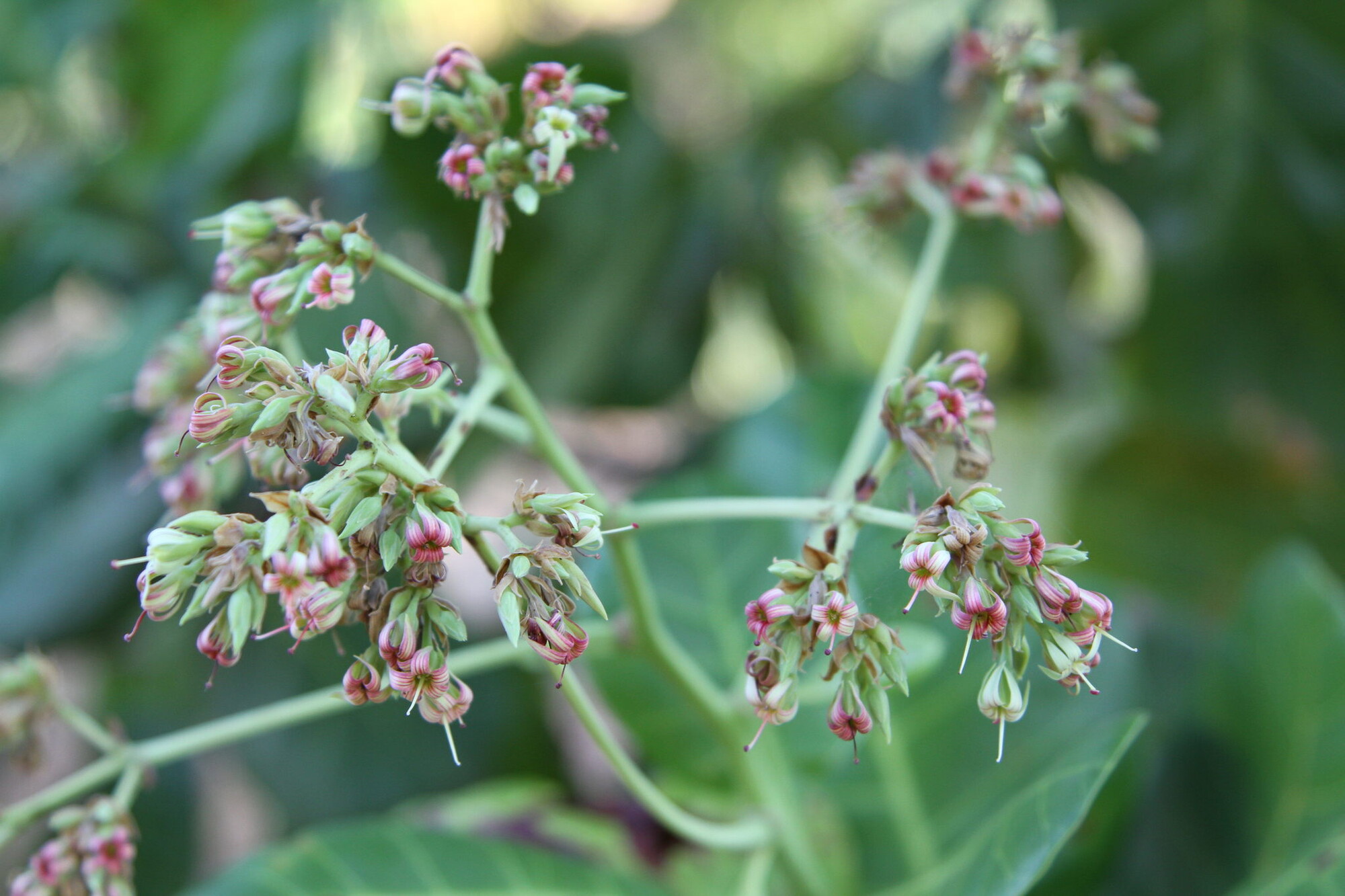
Flowers are small, fragrant, and produced in terminal panicles or corymbs measuring 10-26 centimeters long. Individual flowers have five slender petals, 7-15 millimeters long, initially cream-white with red stripes that turn entirely red as the flower ages. Calyx lobes measure 3-5 millimeters long and appear greyish-puberulous. Flowers crowd at the ends of inflorescence branches, creating showy clusters visible from a distance.
Flowering occurs primarily during the dry season, with timing varying by region. Trees begin bearing fruit at 4-5 years of age, reaching maximum production around 7 years, and maintain productivity for 30-40 years.
Fruits
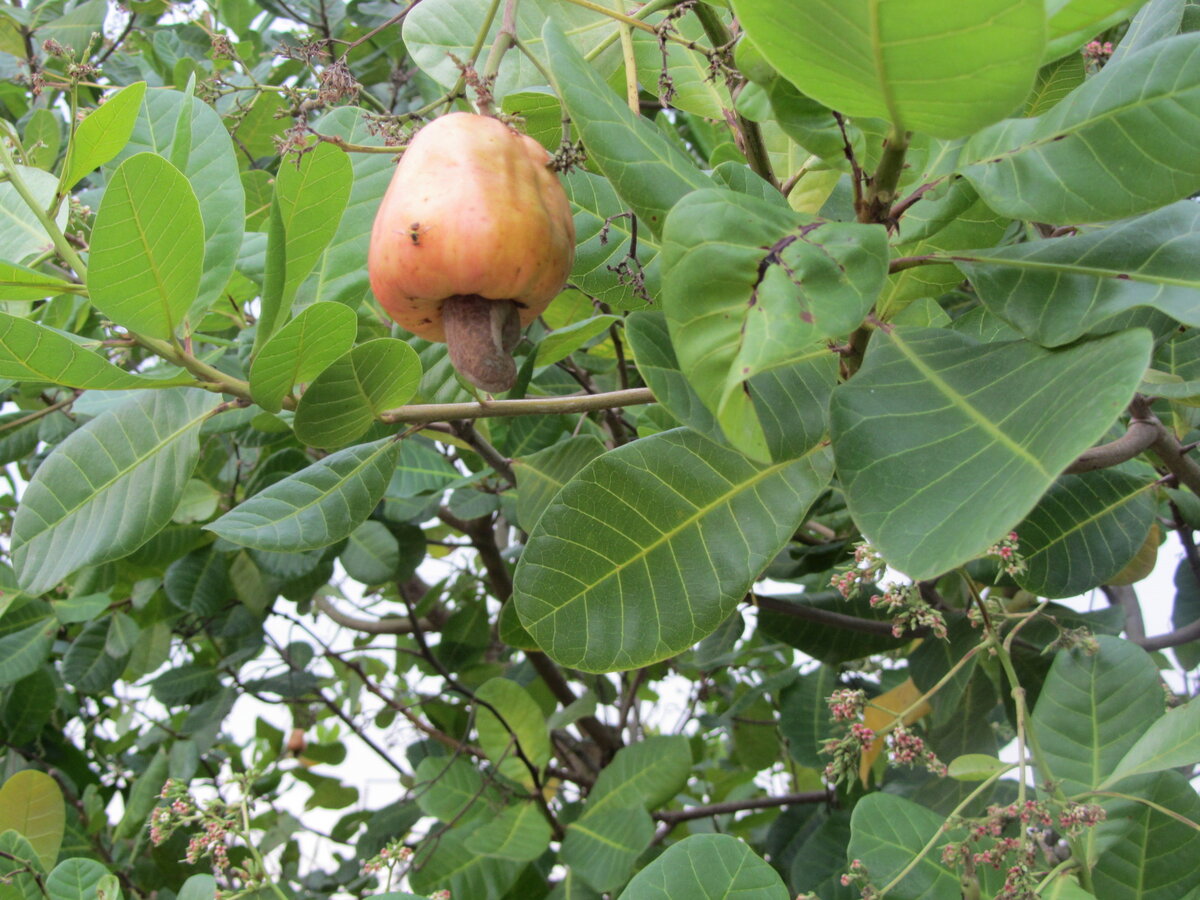
The cashew "fruit" represents one of the botanical world's more unusual structures: an accessory fruit (pseudocarp) consisting of two distinct parts. The true fruit is a kidney-shaped drupe (the cashew nut), while what appears to be the main fruit is actually a swollen pedicel known as the cashew apple or hypocarp. This apple develops after the drupe forms, eventually achieving a mass approximately 12 times that of the nut.
The cashew apple is pear-shaped, 5-11 centimeters long, ripening to yellow, red, or mixed colors. Young apples appear green or purple. The flesh is juicy, somewhat acidic, and astringent. The attached nut contains a caustic shell oil (cashew nut shell liquid) composed primarily of anacardic acid (71.7%), cardol (18.7%), and cardanol (4.7%). These phenolic lipids are chemically related to urushiol, the allergen in poison ivy, and cause similar contact dermatitis. The nut must be roasted in its shell to neutralize these compounds before the edible kernel can be safely extracted.
Fruiting occurs approximately two months after pollination. In many regions, trees produce two fruit crops yearly.
Distribution
Cashew is native to northeastern Brazil and southeastern Venezuela, with the northeast coast of Brazil considered the center of origin for the genus Anacardium. The species evolved in the cerrado (dry savanna woodland) of central Brazil and later colonized coastal restinga (sand dune vegetation). Whether the species is truly native to Central America or was introduced in pre-Columbian times remains uncertain. Botanical databases show conflicting assessments: some list Costa Rica within the native range, while others characterize the species as probably introduced.
Portuguese colonists began exporting cashews from Brazil in the 1550s. Between 1560 and 1565, they introduced the species to Goa, India, from where it spread throughout Southeast Asia and eventually to Africa. Today, cashew is cultivated in more than 60 territories worldwide, making it the only Anacardium species grown outside the Americas. Major producing regions include Vietnam, India, and West Africa.
In Costa Rica, the species occurs from sea level to 1,000 meters elevation in dry, humid, and very humid forests. It appears in orchards, living fences, pastures, and along trail and road edges on both slopes of the main mountain ranges. Early collections documented by Henri Pittier include specimens from Buenos Aires and Santo Domingo de Golfo Dulce. The Brunca region hosts multiple documented localities, though distinguishing between wild, naturalized, and cultivated populations proves difficult given the species' long association with human activities.
Cashew thrives in seasonally dry tropical environments, particularly in areas with a distinct 4-5 month dry season. The Pacific lowlands of Guanacaste and Puntarenas provinces, with their dry tropical forest and savanna habitats, match the species' ecological requirements. Cashew tolerates poor, sandy soils and maritime exposure, colonizing disturbed sites and open areas where it receives full sun.
Ecology
Pollination
Cashew is highly dependent on insect pollination. Research in northeastern Brazil (the species' native range) found that fruit set rises from less than 5% through self-pollination to over 50% when pollinators visit. This dramatic difference makes pollinator conservation essential for cashew production.
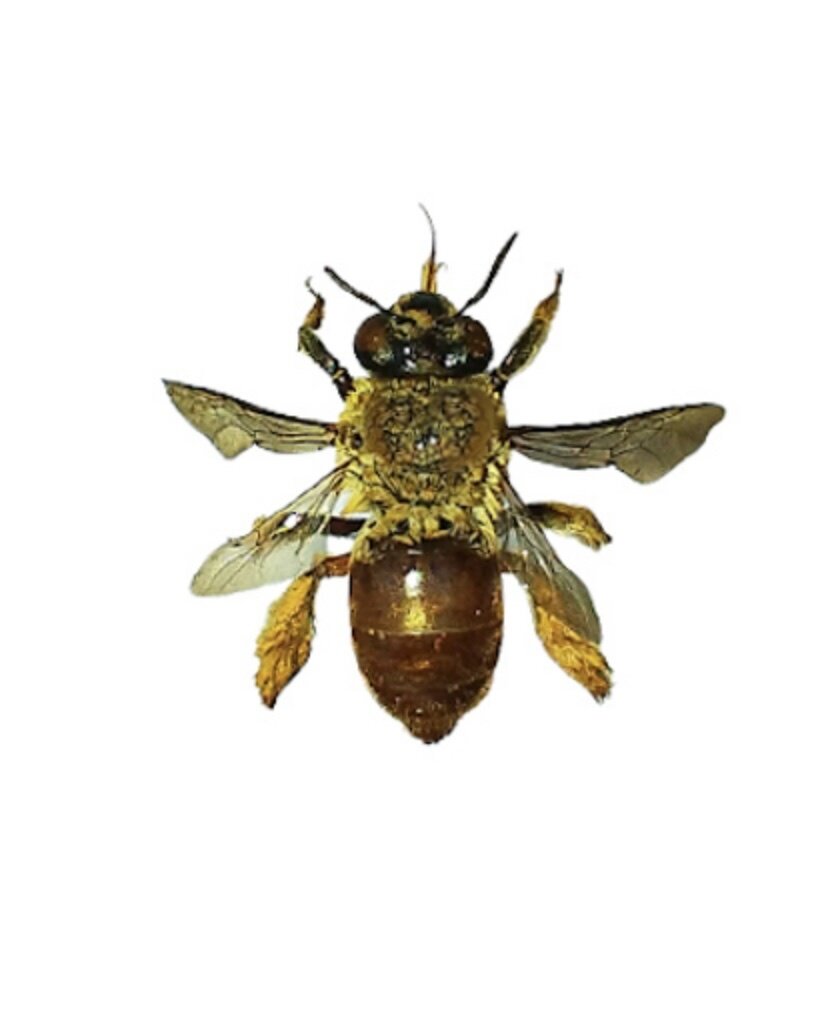
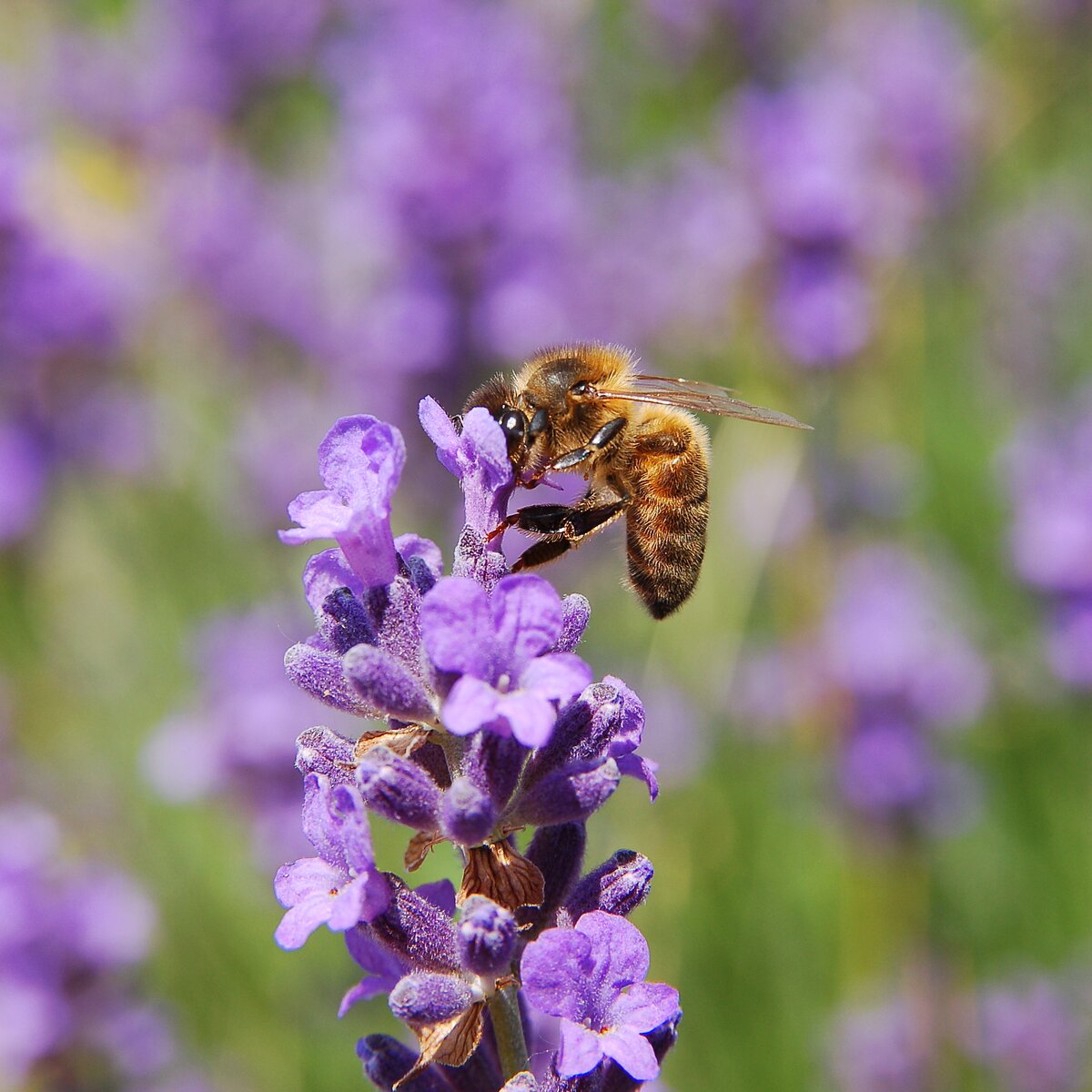
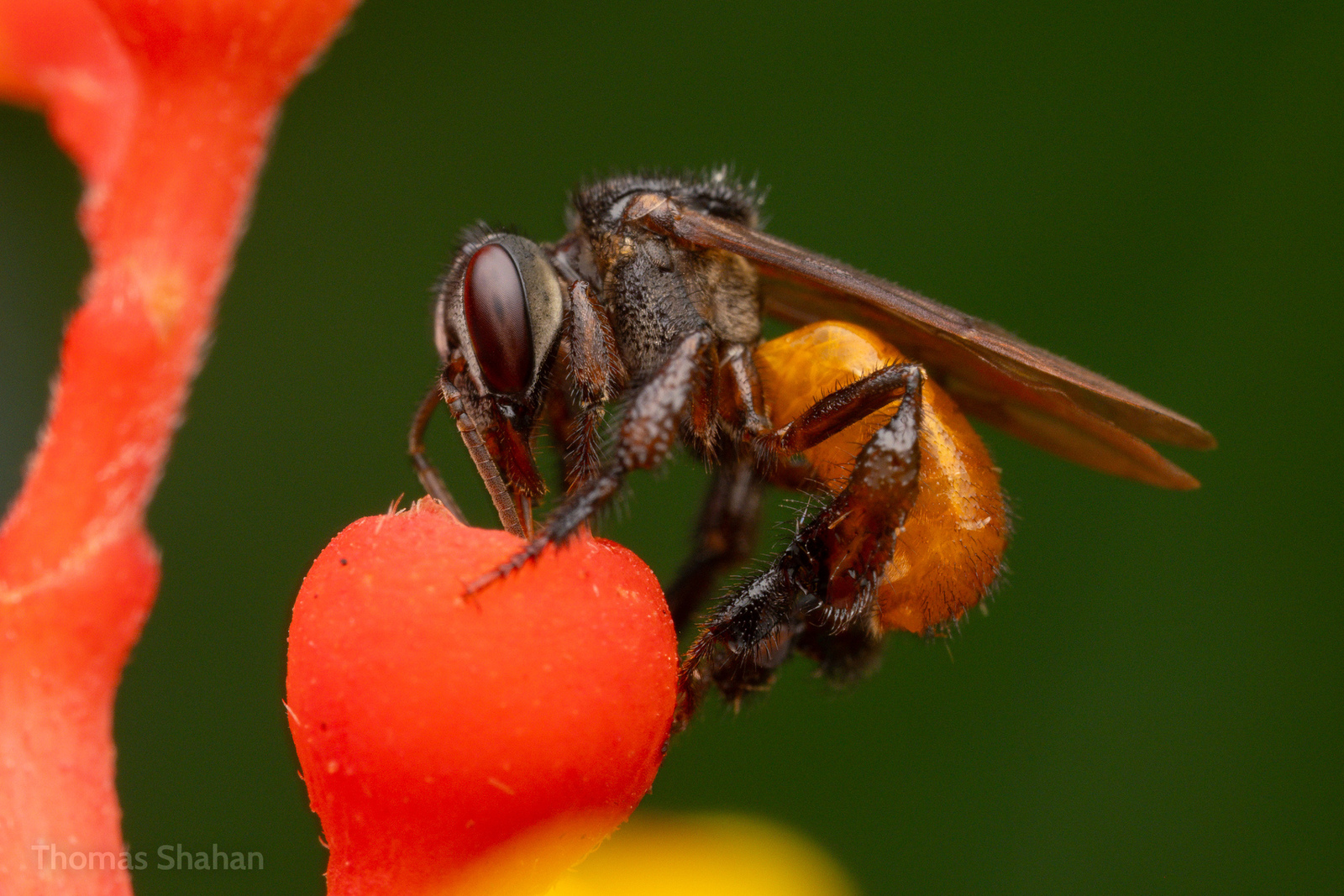
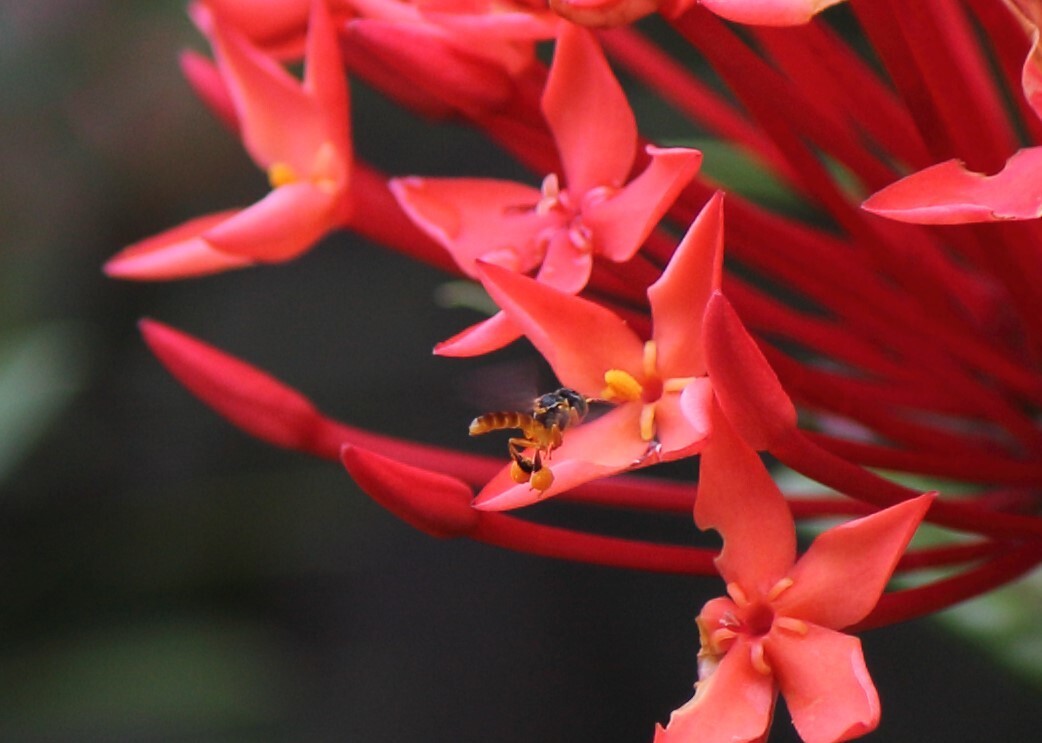
Two bees dominate cashew pollination: the introduced honeybee (Apis mellifera) and the native oil-collecting bee Centris tarsata. While honeybees visit more frequently, Centris tarsata proves more efficient, carrying twice as much pollen per foraging trip. The native bee's specialized behavior makes it particularly effective at cross-pollination. Studies in commercial plantations have documented diverse pollinator communities including stingless bees (Meliponula bocandei) and mason bees (Anthidium spp.).
Seed Dispersal
The cashew's unusual fruit structure supports a dispersal strategy whereby animals consume the sweet cashew apple while discarding or losing the toxic nut. Fruit bats, coatis (Nasua spp.), monkeys, lizards, and various fruit-eating birds feed on the cashew apple, inadvertently dispersing seeds as they handle or drop the attached nuts. The cashew apple's juicy, aromatic flesh attracts dispersers despite its astringency. In the Amazon, large frugivorous birds and bats facilitate long-distance dispersal.
Ant Mutualism
The extrafloral nectaries mentioned earlier create a year-round defensive mutualism between cashew and ants. Research conducted in Sri Lanka, India, and Malaysia demonstrated that ants attracted to the nectar patrol leaves, inflorescences, flowers, and developing nuts, attacking potential pests. The African weaver ant (Oecophylla longinoda) has been studied as a biocontrol agent in African cashew plantations, potentially replacing chemical pesticides. In Benin, researchers documented 15 ant species associated with cashew, along with beneficial parasitoid wasps that attack leafminers and other pests.
Ethnobotany and Uses
Cashew has been intimately connected with human societies for millennia. Indigenous peoples of northeastern Brazil and the Amazon cultivated and traded cashew long before European contact. The Tupi word acaju entered Portuguese colonial vocabulary in the 16th century, and Portuguese traders recognized the nut's commercial potential almost immediately, beginning exports from Brazil by the 1550s.
Food Uses
Both parts of the cashew fruit serve culinary purposes, though in different ways. The cashew apple, juicy and acidic with astringent notes, is consumed fresh, cooked, or processed into beverages throughout the tropics. In Brazil, cashew apple juice is fermented into cajuína, a traditional clarified drink, or distilled into feni in Goa, India. The fruit's high vitamin C content (five times that of oranges) made it valuable for preventing scurvy during long sea voyages, contributing to Portuguese enthusiasm for spreading the tree to their Asian colonies.
The cashew kernel, roasted to neutralize the toxic shell oils, has become a global commodity. Processing requires careful heating to drive off the caustic CNSL while preserving the sweet, slightly oily kernel inside. When Europeans first arrived in Brazil in the 1550s, they documented indigenous peoples already practicing this technique—roasting nuts in their shells over fire, then carefully extracting the kernel. No archaeological evidence of earlier cashew processing exists, likely because the nut leaves no durable remains: it produces no diagnostic phytoliths, the toxic shell is destroyed by roasting, and the soft kernel decays rapidly in tropical soils. Young cashew leaves, though astringent, are consumed in some regions as a cooked vegetable.
Medicinal Applications
Traditional medical systems across three continents employ various cashew parts. In Ayurvedic medicine, cashew bark treats hypoglycemia and serves as an antidote for snake bites. Amazonian indigenous peoples use leaf infusions for malaria and toothaches. The fruit juice has been applied to treat syphilis, cholera, and kidney ailments in Brazilian folk medicine. The caustic shell liquid, despite its toxicity when raw, finds use in treating warts, ringworm, and leprosy sores when properly prepared.
Modern research has validated some traditional uses. Anacardic acid shows documented antimicrobial activity against Staphylococcus aureus and Candida species. Cashew compounds demonstrate antioxidant properties, including agathisflavone and quercetin derivatives. These findings bridge indigenous knowledge with contemporary pharmacology.
Materials and Industry
Cashew wood, yellow and moderately soft (density 0.44-0.50 tonnes per cubic meter), is marketed as "white mahogany" in some regions. Carpenters use it for furniture, boat construction, packing crates, and wheel hubs. The wood also produces good charcoal. While not as valuable as true mahogany, cashew timber provides income in areas where the tree grows wild or in old plantations.
The industrial applications of CNSL are remarkably diverse. This caustic shell liquid serves as a raw material for lubricants (including space rocket lubricants), varnishes, waterproofing compounds, termite repellents, paints, and plastics. The bark resin, containing 3-5% tannins, has been used historically for indelible ink, varnish, fishnet preservation, and leather tanning. The gum exudate, known as Cashawa gum or Cashew gum, serves as a substitute for gum arabic in various industrial applications.
Global Spread and Economic History
The Portuguese introduction of cashew to Goa between 1560 and 1565 initiated one of history's most successful transplantations of a New World crop. From Goa, the tree spread eastward to Southeast Asia and westward across Africa. Portuguese colonial administrators recognized multiple advantages: the tree thrived in poor coastal soils unsuitable for other crops, provided food security through the edible apple, generated export income from the nuts, and required minimal maintenance once established.
By the 20th century, cashew production had shifted dramatically from its Brazilian homeland to Africa and Asia. Today, Vietnam leads global production, followed by India, Côte d'Ivoire, and other West African nations. This shift reflects complex economic and agricultural dynamics: labor-intensive nut processing found cheaper venues, while Brazilian agriculture focused on higher-value crops. The tree that once symbolized Brazilian abundance now grows in more than 60 territories worldwide, with wild Brazilian populations representing only a small fraction of global cashew trees.
Taxonomic History
Carl Linnaeus formally described Anacardium occidentale in Species Plantarum, Volume 1, page 383, published on May 1, 1753. This publication established the starting point for modern botanical nomenclature under the International Code of Nomenclature. The lectotype, designated by Fawcett and Rendle in 1926, resides at the Natural History Museum in London (BM), collected from the Hermann Herbarium (specimen number Zeylanica 165) from Ceylon (now Sri Lanka). Paul Hermann collected in Ceylon in the late 17th century, indicating that cashew had already been introduced to Asia before Linnaeus's formal description.
The word "anacardium" has an interesting history. Sixteenth-century pharmacists used it for Semecarpus anacardium (the marking nut tree), another Anacardiaceae species from the Old World. Linnaeus transferred the name to the cashew, causing some historical confusion between the two distinct species. The genus name derives from Greek: ana- (resembling or upward) + kardia (heart), referring to the heart-shaped fruit or nut. The specific epithet occidentale means "western" or "from the west" in Latin, distinguishing the New World cashew from the Old World marking nut.
The English word "cashew" derives from Portuguese caju (pronounced ka-ZHU), which itself comes from the Tupi (Brazilian indigenous language) word acaju or acajuba, the name for the cashew tree. Portuguese traders spread both the plant and its name globally during colonial expansion. In Spanish-speaking Central America, the tree is called marañón.
Major synonyms include Acajuba occidentalis (L.) Gaertn. (1788), Cassuvium pomiferum Lam. (1783), and Anacardium microcarpum Ducke (1922). The genera Acajuba and Cassuvium are now recognized as synonyms of Anacardium.
Taxonomic Debates
Wild Brazilian populations show distinct morphological differences between cerrado and coastal restinga ecotypes. Cerrado populations have undulated, thickly coriaceous leaves with short, stout petioles, while restinga and cultivated populations have chartaceous (papery) leaf blades with long petioles. Whether Anacardium othonianum represents a distinct species or merely the cerrado ecotype of A. occidentale remains debated. Mitchell and Mori (1987) consider it a synonym, while other researchers recognize it as distinct.
Similar Species
Anacardium excelsum (espavel, wild cashew) represents the most likely confusion species in Central America. This much larger tree reaches 40 meters tall with trunk diameters to 2 meters, dwarfing A. occidentale's modest 10-14 meter height. The hypocarp (cashew apple) in A. excelsum measures only 5-20 millimeters compared to 5-11 centimeters in A. occidentale. A. excelsum is valued for timber rather than nut production. The species ranges from Guatemala through Costa Rica and Panama to northern South America, isolated from other Anacardium species by the Andes.
Conservation Outlook
The IUCN Red List assessed Anacardium occidentale in 2021 (Barstow, M.). The assessment document notes concerns about coastal populations threatened by residential and commercial development, and genetic introgression between wild and cultivated trees. This genetic mixing poses a particular concern: as cultivated varieties intermix with wild populations, the genetic diversity that evolved over millennia in native habitats may be diluted or lost.
Wild cashew populations face habitat loss from coastal development in their Brazilian homeland, where beachfront property development threatens restinga vegetation. The distinct cerrado and restinga ecotypes represent evolutionary adaptations to different environments. Protecting both ecotypes in their native habitats would preserve the full genetic diversity of the species. While cashew cultivation is widespread and the species faces no immediate extinction risk, the loss of wild genetic diversity could limit future breeding programs and reduce the species' evolutionary potential.
In Costa Rica, the conservation priority concerns understanding which populations are truly wild versus naturalized from cultivation. Protecting wild-type populations, if they exist, would contribute to maintaining the species' genetic diversity. The species' tolerance of poor soils and drought, combined with its value to humans, ensures its persistence in the landscape. The greater conservation challenge involves protecting the ecological relationships—pollinators, dispersers, and ant mutualists—that make wild cashew populations function as part of intact forest ecosystems.
Resources & Further Reading
Species Information
Comprehensive overview of cashew biology, cultivation, and uses.
Plants of the World Online entry with distribution and synonymy.
Global occurrence records and specimen data.
Taxonomy & Nomenclature
Nomenclatural data and specimen records from Missouri Botanical Garden.
Historical Works
The original 1753 publication where Linnaeus first described Anacardium occidentale, establishing the starting point for modern botanical nomenclature.
Scientific Research
Study documenting that cashew fruit set increases from <5% with self-pollination to >50% with pollinator visitation. Published in Journal of Applied Ecology.
Research demonstrating year-round ant defense provided by cashew's extrafloral nectaries. Published in American Journal of Botany.
Recent study examining morphological differences between wild Brazilian cashew ecotypes. Published in Plant Systematics and Evolution.
Assessment of genetic diversity and introgression concerns in wild populations. Published in Plant Systematics and Evolution.
Documentation of 15 ant species and parasitoid wasps associated with cashew trees, with biocontrol implications.
Review of bioactive compounds in cashew, including anacardic acid's antioxidant and antimicrobial activity. Published in Frontiers in Endocrinology.
Study examining the relationship between cashew apple size and nut characteristics. Published in Frontiers in Plant Science.
Additional Resources
Community science observations with photographs documenting cashew worldwide.
Comprehensive information on cashew uses, cultivation, and properties.
Detailed treatment of Anacardiaceae family in Costa Rica's Osa Peninsula region.