

Coalición Floresta

Defending the Brunca Region's forests.

A team of researchers, analysts, field technicians, and attorneys working on illegal development cases, supporting landowners who want formal protection for their land, and publishing the evidence behind both.

Current work

What we are working on right now.

700+

Hectares under active defense

Researchers, analysts, field technicians, and attorneys working to prevent or undo illegal development on more than 700 hectares. The figure grows every month.

750+

Hectares under conservation review

We are working on right-sizing FONAFIFO and private carbon-credit cases so landowners get the recognition and payments their forest actually supports.

Mission

What we protect, and why.

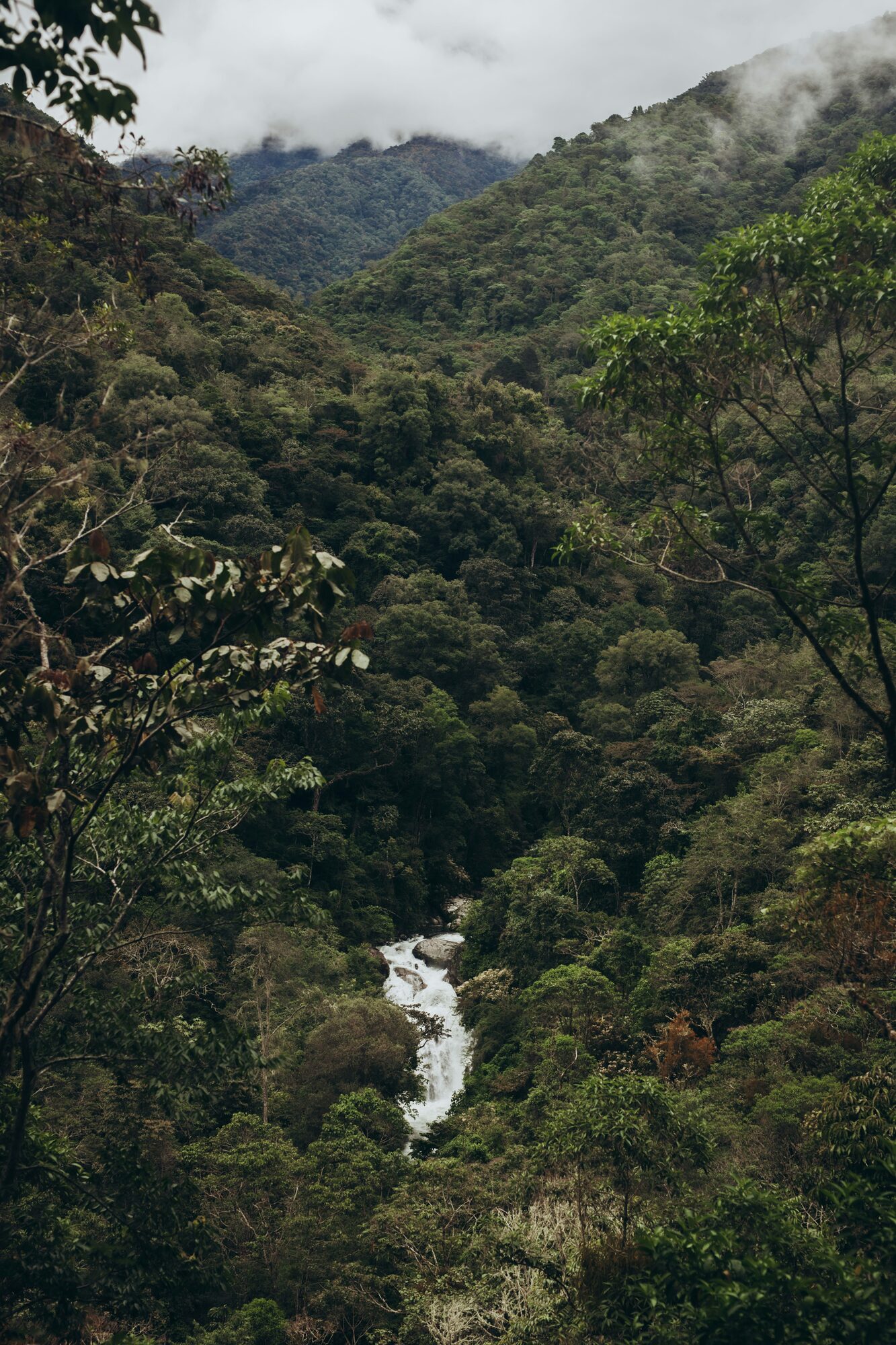
We protect forests, watersheds, and biological corridors in Costa Rica's Brunca Region, and the communities that depend on them.

These forests hold a disproportionate share of Costa Rica's plant and animal life, supply the rivers that surrounding communities and fisheries rely on, and sustain the connectivity between the Talamanca cordillera and the Pacific coast that wildlife needs to move, feed, and breed. Once fragmented or cleared, those systems do not come back on any useful timescale. Replanting a hillside is not the same as restoring a forest.

When a project threatens that protection, we file the case. When landowners want formal recognition for the forest they already steward, we help them get it. When the threats are regional, we document them in public.

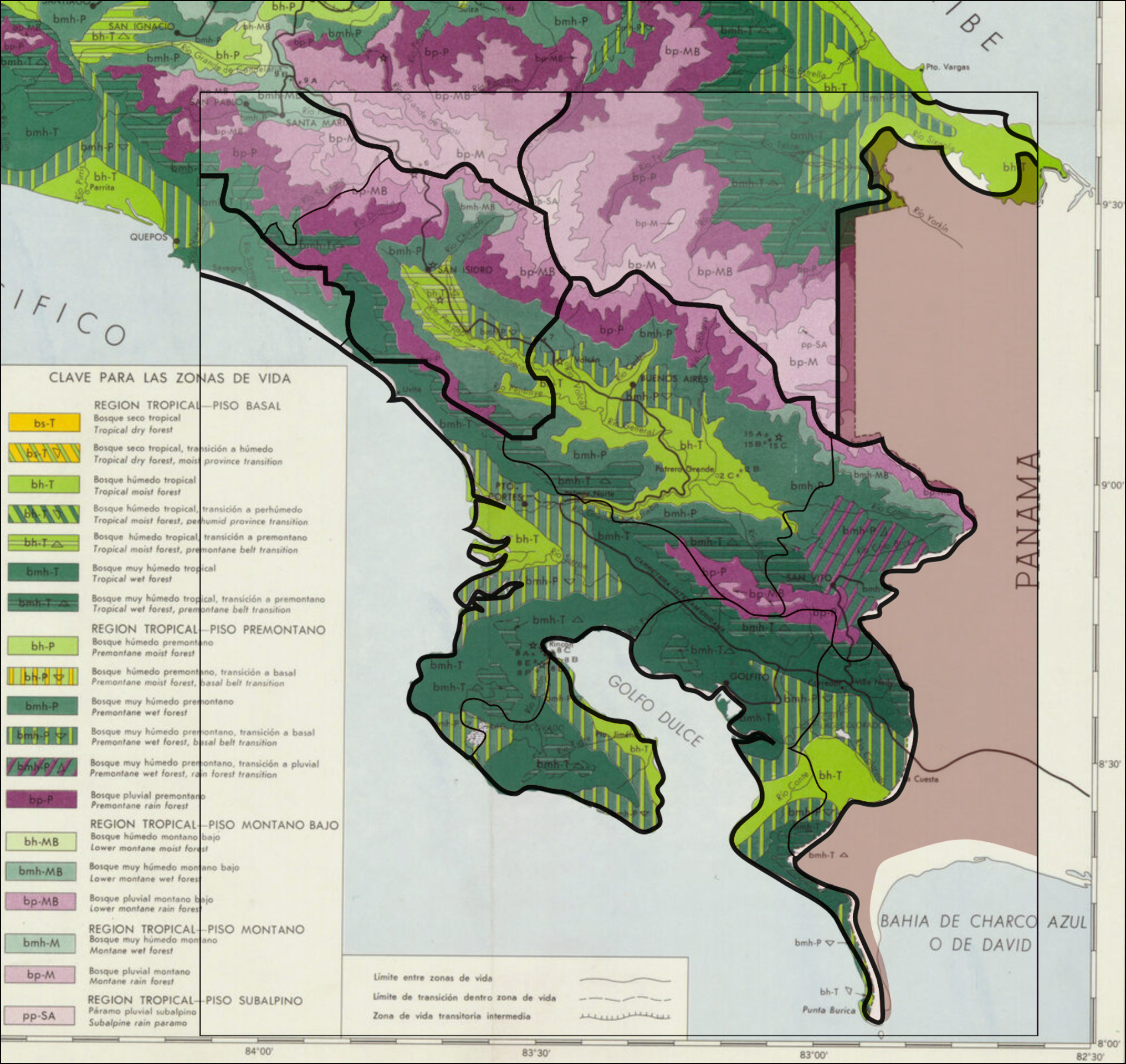
Joseph Tosi's Holdridge life zones map of Costa Rica's southern zone, showing tropical wet forest, premontane, and montane zones across the Brunca Region, the Osa Peninsula, and Golfo Dulce
The region

Joseph Tosi's Holdridge life zones map of Costa Rica's southern zone (1969). The Brunca Region covers six cantons (Pérez Zeledón, Osa, Golfito, Corredores, Coto Brus, and Buenos Aires) and runs from tropical wet forest through premontane and montane zones, taking in the Osa Peninsula, Golfo Dulce, and the Talamanca range.

The coalition

Who we are.

We are a coalition of ticos and internationals. The majority of our team is Costa Rican. What holds the group together is a shared commitment to the forests of the southern zone and a decision to do more than complain about what is happening to them.

Coalición Floresta is a Costa Rican registered foundation, established in 2025. We combine paid contractors and volunteers. Our spending goes to legal action, technical work, and field research, and we keep overhead light so the work can scale.

Why we work anonymously

Friends and allies in this movement have faced harassment, legal intimidation, and threats from developers. Anonymity keeps our team focused on casework rather than on defending their personal lives.

A scarlet macaw in flight against a pale blue sky
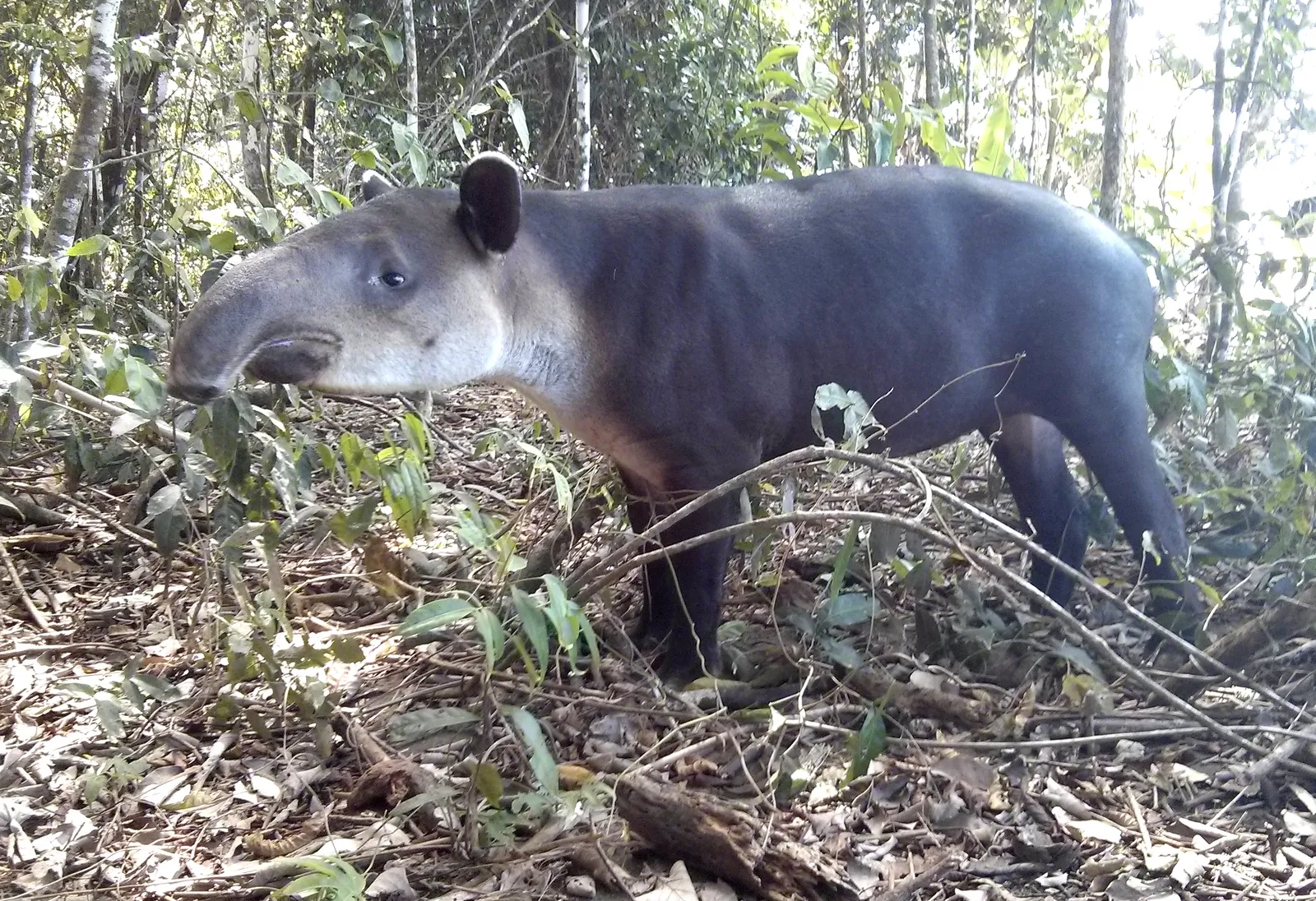
A Baird's tapir in the forest understory
A humpback whale breaching off the Pacific coast of southern Costa Rica
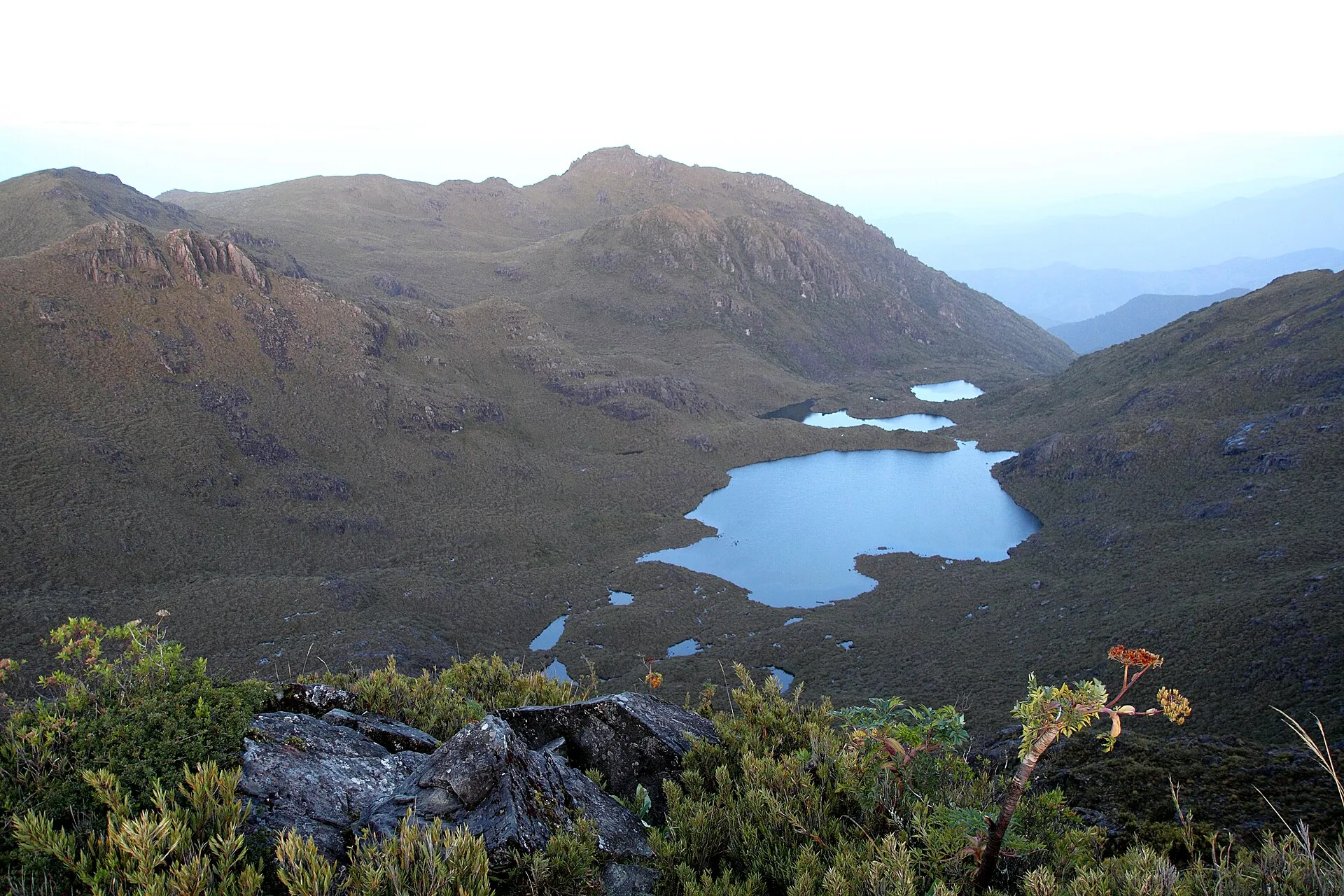
Glacial lakes in the páramo of Cerro Chirripó

Method

How we work. Five teams, one case file.

01  /  Legal

Legal action

Costa Rica has strong forest laws. Enforcement is inconsistent. We work with environmental attorneys, and on many cases we research and file denuncias with the responsible agencies ourselves. A network of technical specialists produces the forest studies and engineering reports our cases require.
02  /  Partnerships

Landowner partnerships

Private Wildlife Refuges, pago por servicios ambientales contracts, carbon credits, and the newly emerging world of biodiversity credits all exist, but navigating them can be intimidating and the paperwork slow. We work directly with landowners to file applications, commission forest studies, and secure the legal protections their land qualifies for.

03  /  Reach

Social media and video.

A dedicated team produces social media content and documentary video from the region. Aerial footage, on-site interviews, and short-form video carry the cases and the stakes to audiences beyond the formal record.

04  /  Signal

Research and monitoring

Our team tracks construction permits, subdivision applications, and forest coverage across the region. Satellite imagery, cadastral records, and municipal expedientes let us flag threats early enough to act on them.

05  /  Press

Long-form publishing

We publish long-form investigations, tree species profiles, biographies of Costa Rica's conservation pioneers, and the legal research that informs our casework. Everything we publish is bilingual and fully cited.

Context

The laws exist. The gap is enforcement.

Costa Rica has some of the most detailed environmental law in the world. The Ley Forestal prohibits cambio de uso on forested land. Decreto 6411 sets minimum parcel sizes inside forest cover. The Ley Orgánica del Ambiente requires environmental review for projects above threshold size. These rules exist on paper.

In practice, the agencies responsible for applying them are understaffed and municipalities approve plans that should not have been approved. Subdivision applications below the legal minimum go through. Construction permits are issued on forested parcels. Clearing happens and nothing follows.

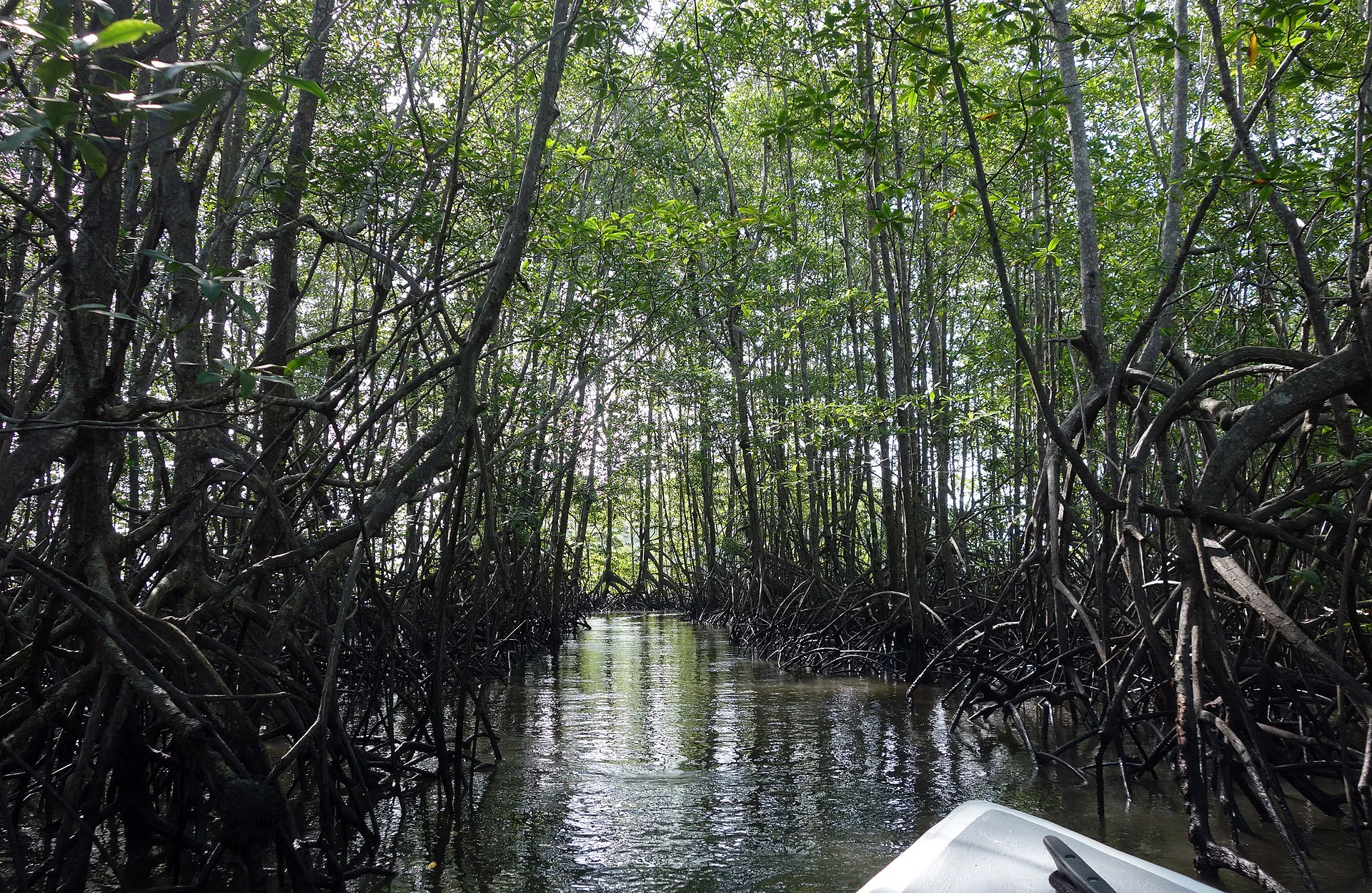
The Brunca Region is where this pressure runs hottest. It holds endemic species, biological corridors that still connect, and the country's largest mangrove forest. It is also where speculative coastal development and highway projects are pushing the hardest. We work here because this is where the gap between the law and the ground is widest.

Independence

How we stay independent.

We do not accept donations from real-estate agents or developers. The conflict of interest is too direct. Personal donations and grants from organizations whose work does not conflict with ours are welcome.

Get involved

Two ways to help.

If you are here

Show up to municipal meetings when forest and zoning items are on the agenda. Organize with your neighbors when a permit appears on a property that should not qualify. Tell us what you see on the ground.

If you are further away

Financial support is how this work keeps going. A donation covers legal fees, forest studies, cadastral research, and the filings that prevent irreversible clearing.

Partners

Osa Vive logo

Osa Vive works on the ground in the Osa Peninsula and neighboring cantons to hold agencies accountable, document threats, and protect local communities. We file many cases jointly.

osavive.org →
Amigos of Costa Rica logo

Amigos of Costa Rica serves as our 501(c)(3) fiscal sponsor, letting US donors make tax-deductible contributions to our work.

amigosofcostarica.org →

Our logos

Feel free to use these when linking to our site or referring to our work.